It doesn’t matter how many leads you can generate if you can’t close a deal. Effective lead follow up is vital to make the most of the leads you attract, and ensure your lead generation efforts are not wasted by low conversion rates.
These 5 tips will help you find and convert your most valuable leads:
1. Get More Info from Lead Generation
Ensuring your follow up messages are relevant and focused on your lead’s needs right from the first contact gives you the best chance of getting a response. This means you need ways to collect information about your leads before sending the first message:
● Lead Capture Forms
More than 49% of marketers say that online forms generate the most leads, so it makes sense to avoid wasting these leads by knowing nothing about them.
Give your leads the opportunity to explain their needs and interests when completing your lead capture forms. Making contact forms too long or asking for irrelevant information can reduce their conversion rate, so identify a few key data points that will enable you to make informed decisions about how to follow up with a lead. For example, including checkboxes that can be ticked to indicate areas of interest, or drop-down lists to select their industry and the size of your organization.
For example, Bounce Exchange keeps the information it asks for to a minimum by simply requesting a company URL.
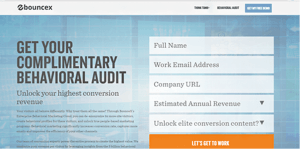
This ensures little effort is needed from the lead at this stage, but Bounce Exchange will be able to thoroughly research their business anyway. While this approach is more labor-intensive, the form also asks for the lead’s annual revenue so that Bounce Exchange can make an immediate assessment of whether leads are worth the work.
A text box to describe their needs in detail is great for high-value customers interested in premium products and services, but can be too much effort for the average lead, depending on your target audience. They also take more time to process and segment leads using this data without a text analysis app, especially when handling large volumes of leads.
● Surveys and Questionnaires
Text surveys and questionnaires let you get into a lot more detail about your lead’s needs, enabling highly focused lead follow up later down the line. These can be incorporated into lead generation by offering to help a visitor identify their needs through a survey on your site, and presenting a contact form along with the results.
Boutique productivity consultancy Building 20 uses this technique with their Remote Workspace Assessment tool, which helps leads self-identify issues holding their team back before offering to arrange a follow up.

This serves the dual purpose of showing leads the problem they need to fix, and ensuring the conversation can begin with a good idea of how Building 20 can help.
Besides giving you a lot of useful information about a lead, providing this help upfront boosts leads’ confidence in your subject area. As a result, providing information and advice to leads makes them almost 3 times more likely to see buying your product as an easy decision.
● Browsing Behaviour
Analyzing each site visitor’s behavior on your website can tell you a lot about what they need from you. By tracking this data from their first visit, when they decide to get in touch you can base your approach on the content they viewed and the parts of your store they visited, enabling you to open by addressing what they are looking for. Understanding consumer behavior is critical to following up effectively with leads.
2. Time Your Contacts
The frequency of your lead follow up messages requires a careful balance. Follow up too often and you will annoy your lead, too little and you might lose their interest. This typically takes a lot of optimization based on past performance to get right, as the ideal frequency is different for every audience and also for each contact method. Using a sales CRM to track past performance and automate future follow ups can increase sales by 65%.
Creating SMS and email triggers based on site visitor actions give you the best chance of getting in touch at the right moment. These enable you to send follow up messages based on what your customer is thinking right now. For example, sending a follow up email after a visitor reads a number of blog posts on the same topic, or immediately after they view specific products or services. For B2B sales teams looking to personalize outreach at scale, Sendspark offers an AI-powered approach to video personalization, letting you record a single video and automatically generate thousands of individually personalized versions addressed to specific prospects by name and company.
Doing this means you will send highly relevant messages at a time you know your customer is online and thinking about your business, increasing the chance they will check out your message.
3. Continue the Marketing Funnel
A content marketing funnel ensures that you are sending the right information to leads at the right time for it to have an impact. Following a marketing funnel ensures that you don’t overwhelm new leads with too much detail before they are certain what they need from you. At the same time, it also ensures you won’t lose the interest of engaged and educated leads by sending entry-level information they already know.
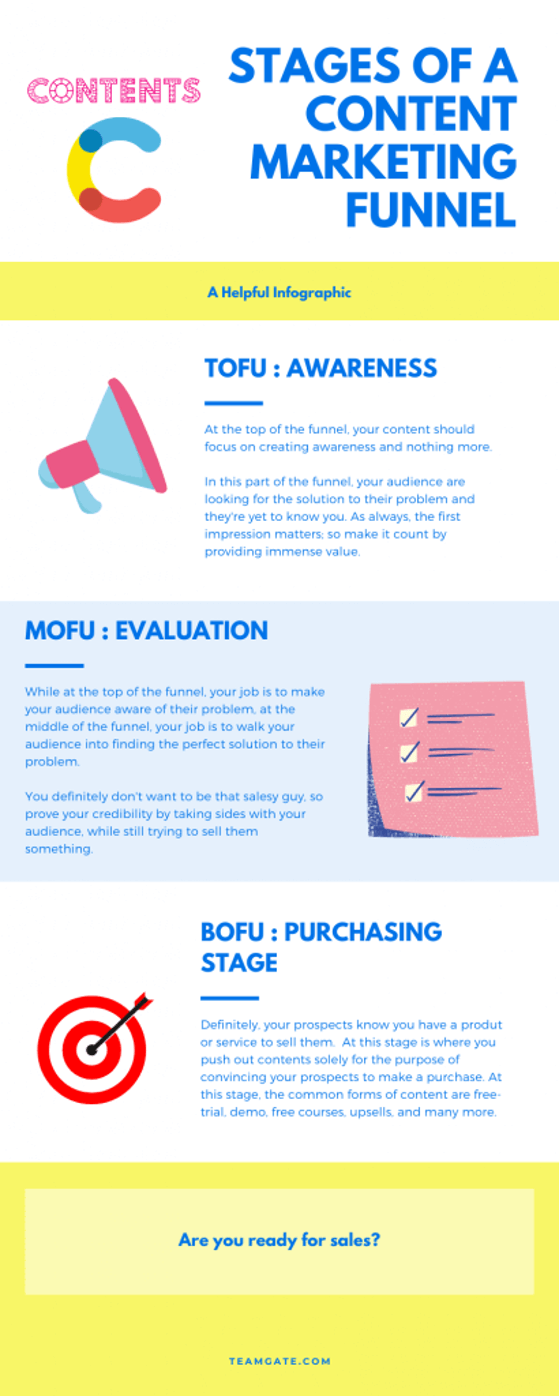
Marketing funnels can be separated into 3 distinct phases:
- At the top of the funnel, your follow up messages should help leads identify their problem or need. They can’t decide if they want your product without a clear idea of what they want to do with it.
- In the middle of the funnel leads are evaluating solutions to this problem. This is the time to discuss solutions to their specific problem, explain how your business would fit into the picture and compare competitors.
- At the end of the funnel is the purchasing decision (hopefully!). Leads who get this far know they have a problem to solve, and they know you have an ideal solution. Focus on the specific features that can help them, and provide extra incentives to take the final step such as free trials, discounted pricing and onboarding content.
Most leads will independently research your business to some extent before providing their contact details. As a result, not all of your leads will arrive at the same stage of the marketing funnel. In order to immediately engage each contact, you need lead follow up plans that can pick up from every stage of the funnel instead of starting again or skipping straight to the sale. In essence, using the marketing funnel to inform your follow up strategy keeps the conversation focused on what is most important to your lead at each stage of their journey, nurturing your leads instead of pushing them to buy before they are ready.
4. Score Your Leads
Scoring leads by adding or removing points to their user profile according to their interactions with your business and website helps identify the most important leads to focus on. Scoring leads separately for their interest in each product or service will give you a deeper understanding of the problem they are trying to solve, instead of simply gauging their interest in your business as a whole.
On average, lead scoring leads to a 77% boost to your lead generation ROI.
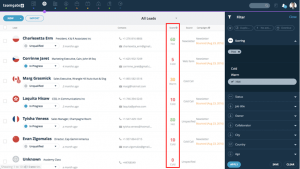
Negative scoring is just as useful as positive scoring. Removing points for actions that indicate a visitor is unlikely to buy avoids wasting time on follow up conversations that won’t go anywhere. For example, you can use negative scoring to predict if your business is out of a particular user’s budget, or if they are trying to solve a problem your product doesn’t fix.
5. Share Content Marketing
Including your content marketing in lead follow up lets you show leads your expertise without the pressure of a sales pitch.
- Content explaining how your product works or giving industry insights they can benefit from, raising their confidence in the subject. Demonstrating relevant use cases can show leads how your business can help them in a way they immediately understand.
- A picture paints a thousand words, or so the saying goes. Infographics, videos and other visual content can convey how leads can make use of your business faster and with greater impact than a text-only email or SMS.
- Automated marketing reporting can tell you exactly what kind of content your audience is looking for online. This enables you to easily identify past content that will be useful to a particular lead, as well as spotting opportunities to tweak old content to appeal to a new audience. As a result, content discovery and using automated marketing reporting lets you create follow up campaigns with an immediate impact instead of relying on trial and error to find the content your leads want.
Conclusion
Effective lead follow up focuses on what your lead needs, not what you want to sell. This starts with understanding their current situation and how they found you in the first place.
You also need to get across what they need to know about your product and business. Without this, it is difficult to have a productive conversation about what you can do for them. From here, you can ensure that you follow up leads by providing them with the help and information they need to feel confident about buying from you.