Get a free sales audit to uncover hidden revenue opportunities!

Julija (JJ) Jegorova is the Founder of London-based PR agency – Black Unicorn PR. Julija has a decade of experience working with a wide range of companies worldwide, helping them to expand abroad and establish their businesses as leaders within that space.

1. Why and how have you chosen PR as your career?

If I am entirely honest with you, I never thought that I’d end up working in PR simply because 10 years ago this concept didn’t seem to exist in its current shape or make much sense to me. My biggest dream was to become an international journalist, one that makes a difference, meaning strong ethics and investigative background. Lithuania seemed to be a little too small for these huge dreams of mine, so I went on to study Journalism and International Relations in the UK. I was planning to become a war correspondent, as was my role model and inspiration Anna Politkovskaya, but when the time came and I was invited to join a group of journalists from a very reputable broadcasting team to go to Palestine in 2010, when I was still at university, unfortunately, I had to reconsider my life choices.

Funny enough, a few weeks later – absolutely devastated and not knowing what to do next – I was attending a talk by investigative journalist Nick Davies (who uncovered the phone hacking scandal of 2011 related to Rupert Murdoch and who has been one of my favourite media idols ever). I had a chance to have dinner with him and a group of PRs, and it was actually him who advised me to join a PR firm as my skill set seemed to be a perfect match. Since then, I’ve been on a PR mission!

2. Why did you develop your PR agency in London? Tell us more about your team.

I’ve been working in Public Relations across the world for just over a decade, having had experience both on agency and in-house sides. My journey started working with well-known brands such as VISA and TomTom, and since 2014 I started gradually moving to the world of startups and scaleups.

Working in-house for known brands is somewhat easier as the messaging and legend are already there (half the job is done!). Also, you are known to the media, meaning the public interest in the story is more obvious and placing a story takes less time. Moreover, big brands have a fantastic infrastructure in place and you are working in-sync with other teams (marketing, production, sales), meaning that your campaigns are always amplified. Even though still a lot of strategic planning is involved, PR spins around media placement and throwing events.

Working in-house for startups is often ‘a one man job’ as you do everything: from general comms strategy to media placements and everything in between (social media, product descriptions, attending / organising events, etc.). Often startups have very limited funds, so they cannot afford to boost their campaigns with marketing or advertising. Being featured in desired publications is not easy, as you have to work for your name and it is rarely an ‘overnight success’. Journalists have standards, so you can’t simply buy space for your stories.

In my opinion, the biggest downside to working in-house, whether it is a big brand or a startup, is that the messaging remains the same: the tech can evolve and it may have new features, yet the story around it tends to remain the same. This can be somewhat one-dimensional over the long term.

This was one of the main reasons I started working as a freelancer for different PR agencies in London. It came to me as a surprise that their main ‘selling’ point was only media placement. Obviously, it is the end goal for any PR campaign, however, having spent most of my career working in-house, PR is so much more than just getting in front of the journalists: there are events, speaking opportunities, creating your general strategy and vision, etc. Hence, Black Unicorn PR was created as a hybrid between agency and in-house PR for our clients: they get the best of both worlds. Moreover, my team consists of people who have experience in other areas of business – market research, ecommerce, marketing and sales, which gives us an advantage as we bring a lot to the (business) table.

3. Why PR is important for B2B companies?

PR focuses on a company’s overall image and its main role is to make sure that your company is trusted and perceived as credible. Doing PR means looking after your reputation and perception – ‘cultivating’ your image. Unlike, let’s say, advertising, media placements are earned rather than paid for, meaning that a journalist validates your story or product. In the long term, the sum of stories, features and mentions will create your public perception. It takes time to kick in, and it is fragile. One negative article can have deep repercussions. Hence, PR should become an essential part of your integrated marketing strategy.

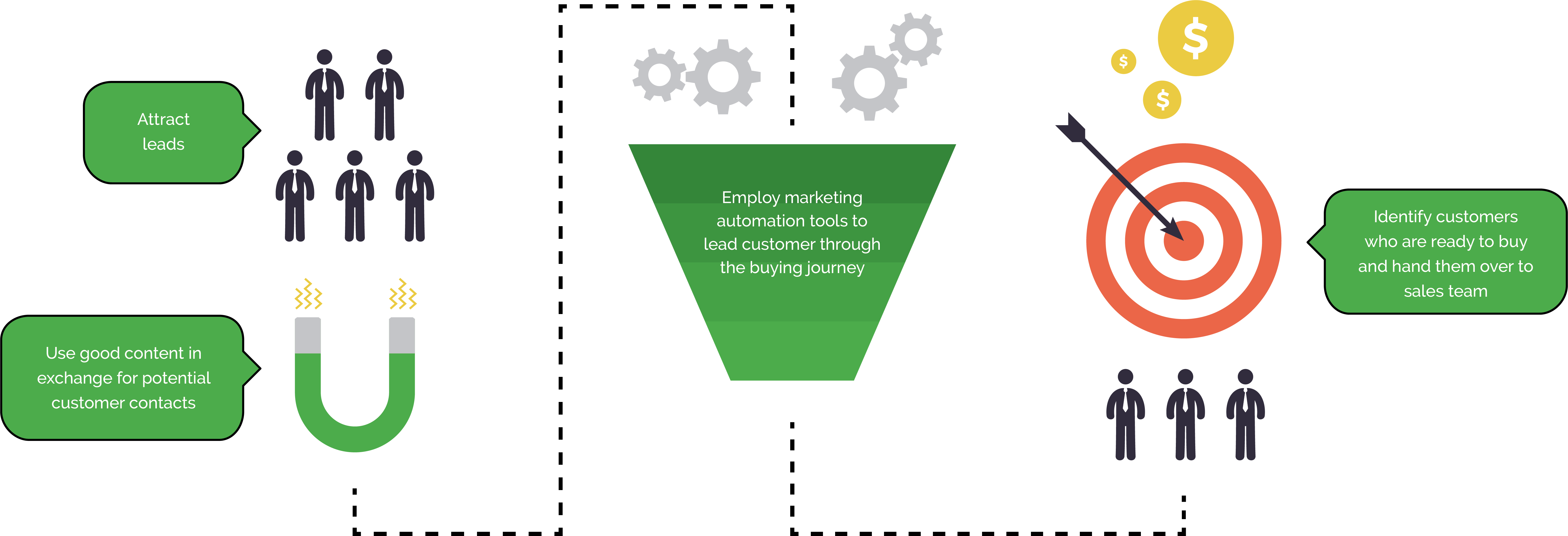
Zooming out, PR is one of various areas that can improve your customer journey. It can create awareness, adding to the beginning of your sales funnel, but the real power of PR is creating and maintaining a level of credibility and a positive image that will eliminate any trust issues the prospect might have. For lead generation, digital marketing in the form of exclusive content can be a very effective tool, a blog can attract traffic by ranking high in Google and generate trust in itself from providing good content – and, of course, there is advertising.  

4. How PR is different to marketing and advertising?

I think that majority of people don’t really see much difference between Public Relations, Marketing and Advertising. Even though these are fit under the same umbrella, they are rather different in their approach as well as what you can expect in return.

  1. PR is all about storytelling and reputation building, which – in turn – generates trust among your audiences, clients as well as business partners. Also, it is non-commercial, so you cannot really expect results right away: it takes time to nourish your legend
  2. Advertising has very strong calls to action and it is appealing to our emotional side. Also, it is often biased. The ad can be whatever one wants (although there are some consumer protection laws regarding this). When audiences see or hear ads, they know it’s not been vetted by a third party.
  3. Marketing encompasses all the outreach that is done to audiences as opposed to individuals (that would be sales). In some cases, PR is considered separate from marketing, but usually it sits within the marketing department. All marketing communications, paid or unpaid, online or offline, should be aligned to maximise results.

It is important to understand that not everyone needs PR. Nor does everyone need advertising. Many companies in B2B are sales-led, and marketing plays a secondary role. You have to determine what your goals are and the best ways to achieve them.

5. Usually startups have either zero or a very low budget. Which tools should these startups use for effective PR?

The main thing is to have someone who understands the basics of marketing and PR. Like with any startups, at the beginning you will need a strong team including committed generalists. What we are seeing is that often there are companies with 2 co-founders, a CEO and a CTO, and marketing is often left behind. As a result, when startups gain traction, they often miss out on marketing exposure because they lack the expertise. At the very least, have a basic company description in writing and high definition professional photographs (not just headshots) available on your website in the press area and available for distribution. Networking with journalists in your industry could provide a huge advantage.

6. What are PR peculiarities for SaaS companies?

Software as a Service (SaaS) is probably one of the trickiest ‘sells’ when it comes to PR as, first of all, it is something that you cannot ‘touch and feel’ and, secondly, it is always aimed at a very specific (and sometimes needy!) audience.

The biggest challenge for SaaS companies is to extract the interesting information and prove that it is needed for your potential client as well as it will be instrumental in their growth (compared to others). Moreover, you still need to give some sort of personality to your product.

7. How to create a PR strategy and set a budget for it?

First and foremost, before jumping to PR to become ‘famous’, young companies should spend their budget making sure that the product works. As Reid Hoffman says, “if you’re not embarrassed when you launch, you launched too late”. But, at the same time, you need to make sure journalists will be able to see value in the product. There is that much that PR can do and help, but it is your company that is at the core of everything.

Once that is done, I would advise startups to ask themselves “why?”. Why have they started this company – will it change anyone’s life, will it simplify something that is very complex, did the idea come from a personal struggle, etc. Nowadays people don’t care much about the technology, however, they care about the impact it will have on their lives or businesses.

After that is determined, they need to work on their infrastructure, which includes:

  • the company’s tone of voice and grand vision
  • press kit (itself consisting of biographies and a concise background of the company)
  • newsworthy stories (which should be tailored and adapted to different media outlets)
  • photography (which plays an important role when pitching the media)

Once that is set up, you can start compiling a database of journalists.

It is important to try and stay somehow impartial when it comes to ‘news’. For you – as a business owner – the news might seem fantastic, but for the media it will be just ‘ordinary’. Also, don’t forget that what gets published is often determined by the news agenda. When pitching a journalist you should make sure that he or she is relevant to your story. Once you have everything in place – you can try your luck and get in touch with the media.

If you have some sort of budget – I’d recommend hiring someone in-house. A downside is that this might be a rather junior person. Another alternative is getting a consultancy on board as they will have the experience to advise you on the most pressing matters, but it will be slightly more costly.

8. What are some of the best examples of how PR in B2B companies helped them to boost their brand awareness / sales.

PR works similar in both B2B and B2C. Both have a customer journey, or viewed from a B2B sales perspective, your prospect goes through a sales funnel. Within that sales funnel, before progressing to the purchase stage, they will undoubtedly look for third-party validation, be it from colleagues, peers in the industry or journalists in the media. Journalists are a trusted third party because they have a reputation they need to protect, meaning they will write about news adhering to certain standards. In comparison to friends and colleagues, media outlets have a much wider reach, and online articles will stay pretty much forever indexed in Google. Nobody buys anything new without googling everything about the company.

Having said that, the channels will be somewhat different – trade publications and thought leadership will be more important. Because we are not selling mass consumption products, the message needs to be more technical, more accurate. B2B buyers are a smaller, key audience, who will perform even more due diligence before spending, as their reputation at work could be on the line.

9. Why in today’s world ‘personal branding’ is important? What are your recommendations for startup CEOs with regards to the development of their own brand?

The answer to this is pretty simple: “People buy people”. In a world where every other person is an entrepreneur, Founder or CEO, it is incredibly important to do something beyond ‘just because’. People want to make sure that a product or company has a ‘face’ and that whoever is behind it has not only a story to tell, but also a great vision of where it is headed and how it is changing or challenging the current situation.

Perhaps the easiest way to bring your personal brand to life is via written thought-leadership pieces (which should be shared in your website as well as across social media) as well as attending and speaking at the events, which are relevant to your industry. In the end, what you want to do is position yourself as one of the professionals being at the forefront of the industry you are operating in.

10. What type of ‘news’ might interest startups? How is it possible to end up in well-known media outlets, such as Bloomberg, BBC, The Guardian and others?

Before approaching journalists, it is crucial to determine your audience: not everyone needs to end up in Bloomberg or the BBC, regardless how fancy that seems. Often people say they want to be featured in those publications, simply because they are widely known. However, and this is especially important with B2B services, more niche, trade, publications are the ones you should be paying more attention to (unless you can create a more ‘national’ angle to your business).

There are certain types of ‘news’ that actually make it to the media. For example:

  1. Competition: it seems that the media bites news when a startups becomes, let’s say, an ‘Uber of X’. A lot of times this catches their eye. Alternatively, if you become a competitor of a well-known brand and you’ve identified their biggest flaws, which you are improving and doing it better – that will make it to the news, too (e.g. when Uber lost their license in London, Lyft said they’ll enter the market)
  2. Success: usually any investment over 250k makes it to the news as it validates that your business is successful and is in need for further development (UK Tech News is a great source for that)
  3. Celebrity: if you manage to get anyone famous on board – that will make the news. However, be very careful with who you work as they need to have a great reputation not to damage your brand (e.g. Andy Murray invested in Revolut was featured in CNBC)
  4. Insight: if you can leverage research of interest to the greater public and showcase the benefits of your business – it can make it to the news when packaged nicely (e.g. wireless charging provider CHARGit created a report on battery anxiety and how the company can help were featured on BBC radio)

In the end, it all depends on what audience are you trying to reach and the best channels for it.

11. Should companies use ‘bad’ news to their advantage?

Personally, I am a strong believer that it is almost impossible to pull of a ‘bad PR’ stunt and to get positive results from it, especially if it is a young company that is just starting out. Reputation management is a full-time job itself and you want to be very careful when it comes to the way people perceive you.

Big brands and B2C companies stand some better chances at pulling this off and using ‘bad PR’ to their advantage, but a lot of strategy and planning needs to go behind it.

12. What are the most common PR mistakes and how to avoid these?

There are a few major mistakes that startups and scaleups make when working on their PR strategy:

  1. Neglecting traditional (print) media. Even though we live in a very digital world, we should not ignore the power of print publications, which are still widely read by a lot of influential (C-level) execs
  2. Not doing your research. Having worked with a number of journalists, I know how many press releases they are getting per day (we are talking in hundreds) and most of these are irrelevant. One of the biggest mistakes you can make is to send out your press release to everyone, without even double-checking whether that journalists has anything to do with your topic (you may end up sending your tech briefing to a beauty blogger – not a great start). Prior to sharing your news – you must always do your homework
  3. Expecting miracles. 70% of my job as a PR professional is to manage my clients’ expectations and educate them on what PR is and is not. Most of the time, after pitching, you will expect immediate results. When nothing happens you start pestering journalists with numerous emails and calls, who can easily put your on their ‘blacklist’. So it is important to remember that strategy and timing are of the essence (e.g. pitch your journalists under embargo if ‘news’ is to be out in the evening, don’t send pitches over the weekend, etc.)
  4. Over-complicating the messaging / using jargon. This is, perhaps, the biggest faux-paus I’ve seen in the past years as companies tend to make their products sound ‘smart’ and ‘complicated’, however, this often backfires as your audience is not necessarily familiar with jargon you are using (same goes to the journalists, event those are trade journos – their audience is who they care about). When studying journalism I’ve learned a few tricks: if you are reading your sentence out loud and you run out of 1 breath before even finishing the sentence – you should rewrite it (so 1 breath – 1 sentence) and always remember a simple rule ‘KISS’ – “Keep it simple, stupid”


Do you have more questions for Julija or want to get advice from her professional team free of charge? Feel free to drop her an email on [email protected] or visit the Black Unicorn PR website. Alternatively, you can connect with Julija via LinkedIn.

GET READY TO OWN YOUR WORKDAY

with the most user-friendly CRM on the market.

Start Free 14-Day Trial

Painless setup, no credit card required
Anthony Iannarino is an international speaker, bestselling author of two books, and a sales leader.

Anthony graduated from Capital University with a summa cum laude dual major in Political Science and English Literature. He then attended Capital University Law School on the Dean’s Academic Scholarship. He also attended Harvard Business School, completing their Owner President Manager Executive Education program.

Anthony is internationally recognized as a thought leader in sales and leadership, with his award winning The Sales Blog being read by 65,000 people each month with 110,000 subscribing to the feed.

His Sunday Newsletter, “While You Were Sleeping” reaches 80,000 people each week, and his podcast, In the Arena is in the top 40 on iTunes.

Anthony has been named one the 50 most influential people in sales by Top Sales World. He was also named one of the 25 most influential people in sales and marketing by Open View Partners. Global Gurus has Anthony ranked number 2 in the world, behind Brian Tracy.

In addition to writing daily at The Sales Blog since 2010 and posting a daily vlog on YouTube, Anthony is also a contributing editor at SUCCESS Magazine and he also writes an occasional column for Selling Power Magazine and Forbes Magazine.

Anthony’s first book, The Only Sales Guide You’ll Ever Need, released in October 2016 is a national bestseller. His second book, The Lost Art of Closing: Winning the Ten Commitments That Drive Sales was released on August 8th and immediately shot up to number 1 in new releases in sales and selling. His third book, Eat Their Lunch: Winning Customers Away from Your Competition was released on November 6th, 2018. Anthony’s books have already been translated into two forms of Chinese, Italian, Polish, Arabic, Turkish, and Indonesian.

1. Recently you’ve released a new book “Eat Their Lunch: Winning Customers Away from Your Competition”. How do you detect who stands to gain the most from a company’s product?

I tend to look at this through specific length. And the length that I use I call The 4 Level of Value Creation. Basically, what I’m looking for is what is the value prop designed to do. So, if I sell something, what we’re looking for is who are the kind of people that we can help them generate enough that they are willing to invest their time, money, and resources. So whatever your value proposition is for CRM I would look into that world – who would benefit the most from what CRM is supposed to look like and how it is supposed to operate. The people who care about user-friendly CRM, that would be one thing that person is a dream client. On the other side, you might look and say; people who care about actually connecting it to enterprise resource planning system and all the other things, they might care more about something like Salesforce.com, and they are not really worried about user experience. It’s what do they value the most. And you have the ability to give people what they value the most. So that narrows the field considerably, which means your offer isn’t for everybody, it’s for everybody who cares about what you care about, and that’s going to benefit from your view of the world.

2. In September you wrote a blog post about cold calling. How to organize cold calls to catch the positive attention of decision makers? Would you recommend using sales scripts in conjunction with CRM software?

If you’re going to get the decision maker, the first thing is that you need to have something that is worth their time and attention. You have to have something that’s worth their time. For me that normally means that you need to have something worth talking about, something that they can say: “Yes, it’s absolutely worth my time to spend talking to this individual about that thing”. So in your world, if you say something like:

  • You know, I would love to talk to you about CRM.
  • Well, I already have the CRM. And I don’t really want to talk about changing right now, because I’m not up for change.

So, that’s where we come in, and we think that the product is the reason that someone should change. But they really want to change because they need a new strategic outcome. So if you say something like “Listen, I’d like to talk to your about how you can increase the engagement of your employees and use the CRM to create a competitive advantage and actually displace competitors and win new business”. Now, that’s interesting. So you recognize, that as for a sales leader, the CRM is around helping me to make sure that I create and win the opportunities to reach my goal. If you say “Our CRM is easy to use” – well, I don’t care about it’s easy to use. I care about people doing what they need to do in the CRM to create and win the new opportunities that they need in the way helpful to them. So the reason for “it’s easy to use”, is because if they use the software better, then they get better results when it comes to winning new accounts. What are people really using the CRM for is to manage relationships to make sure they can win the new business they want. So, the more strategic you can be about how you help someone, the more interested they are going to be in having the conversation with you.

Everybody has superstitions about the right time to call. Some people say, Monday is a terrible day, while other people think Monday is the very best day. And there are other people who think – or the research shows – Thursdays are best days.

I can tell you the truth. So, the truth is; the best time to make a cold call was probably 90 days ago, and the second best time is right now. And, I think if you operate with the second best time right now, it doesn’t matter what the day is it. But two things that salespeople do: one – create new opportunity, that means you need to have the prospect, and the second – win new opportunities, which means you need to sell effectively after you create that opportunity.

I believe everybody is already using a script. They just don’t have a great script, because they haven’t spent time to think about it. And, I think that if they would think deeper about it, they would write a better script. Most people say something like this: “I’d love to stop by and introduce myself, tell you about my company and learn a little bit about you”. That’s the script, and they say the same things over and over again. But the better script would sound like: “Valeriia, I’d like to share with you the four trends in how companies are using CRM to drive new sales. And listen, I’m going to  give you a slide deck into some questions that we’re looking at to help our clients to make better decisions and produce better results. Even if it’s not a next step for us, you’ll be able to make some decisions and changes, that will have a positive impact on your business even if we don’t do business together. What does Thursday look like for a 40-min executive brief where I can share this information with you? And I’ll leave you with the deck.” It’s a choice about how are you going to enter into that conversation. People generally say the same thing on every single call. So you need a script written in the most effective language to use.

3. Which tools do you think a successful sales manager should use today,  and why?

The best tool for a sales manager is not an electronic tool. The best tool is to have a coaching process. The first thing is a good coaching model. They need to know how to get the best of every individual in their team and they need a strategy for coaching people that allows them to identify if the person really needs help and then to help them improve.

And the second thing is, how often do you do pipeline meetings, opportunity coaching and how frequently are you doing sales coaching. That’s the most important thing. If you want an electronic tool, I mean a CRM, so you know how many opportunities they are creating, the value, and you can monitor how they’re doing and producing those results – that would be the electronic tool. But the most important thing is to have a coaching model.

4. In your book “The Lost Art of Closing” you mentioned proven tactics and useful examples of closing. Which pushy sales hacks did you use in the beginning of your career, and how would you transform them now?

The hacks that I used in the beginning of my career was to always have my calendar sitting on the customers desk when I was talking to them, and opened up to the monthly view. I always started every conversation by saying: “In the end of this meeting I’m gonna ask you for an opportunity to come back and talk to some people on your team, just to make sure we have a full understanding of what you are doing. Is there anything you would like to add into your agenda?” In the end of the meeting I asked them for another meeting. And I had my calendar opened, and I asked for another meeting. So the hack was, to go from meeting to meeting without interruption, without somebody going dark or disappearing. So that was my primary hack: I always made sure that I had a calendar there and I was talking about what comes next in the process, so I tried to get a commitment to do whatever comes next. It worked really well for me. I think it works well for a lot of people.

In the beginning of my career, I used to think if I got the decision maker, so I would get generate results, because the decision maker wanted results. It took me a while to figure out  that there were the whole bunch of people whose help I needed inside those companies. I need other people to say YES, and other people to be engaged and do these things with me. And, I sometimes failed because the clients people didn’t make the changes they needed to make on their side. It took me time to figure that out. If I could do that over again – when I was younger, early in my career – I would have spend more time with the people whose help I actually needed and giving them onboard time. It took me time to learn that. You can do everything right, and still fail because of the client.

5. Nowadays more and more companies are moving to reduced working hours, i.e. 6 h instead of 8 h. What is your opinion about this?

It’s a bad idea. Human beings have been on the planet for a long time, and everybody starts in the very same place: you’re a baby, you’re nothing, your parents take care of you, and the idea that working less would help you produce better results – I don’t believe that’s true. I think we work less hours than most people in history, people who needed to take care of themselves without all the tools, and all the things that we can do.

Your results are made up of 2 parts: the activities and the effectiveness. And what do people think when it comes to fixed hours ? They are more effective when they are here, and there is some truth to that. But, I think more people would produce better results for their companies, families, themselves – it’s actually work harder and give more hours. I think too many people spend time on the internet, looking at things that don’t matter, answering emails that don’t matter, doing work that doesn’t matter, and if they were really doing the right work and they were passionate about it then the hours would really matter to them. I think everybody should work more hours than they work. I work something close to 16 h. It’s a lot, but I love what I do, so it never feels like work.

6. In many of your interviews you mention self-discipline, and how it’s important to keep to your commitments. Entrepreneurs and sales leaders usually have several projects they work on simultaneously. How do you determine if a project has no more possibilities and it may need to be abandoned, or maybe you just don’t have enough self-discipline to finish the project, or is it something else?

I tend to do this on a weekly basis. I do a weekly review where I look at all my projects and tasks. These are called value-based decisions. I think what happens to people is that we get trapped in our to-do lists and tasks, but we don’t spend enough time thinking about “Is this the right place for me to put my time right now, or should I be doing something else?”

A few months ago I was doing this at very high level, looking at everything that I do, and I just deleted a bunch of projects and tasks. I looked at them and asked: “Is this aligned with my long-term goals, purpose and meaning? Is it going to contribute in some meaningful way?” I abandoned them and said: “I’m not doing this because in the big scheme of things they are not going to give me what I want. They are not the right things to do.” You have to look at it through value: “Is it my purpose? Is it giving me meaning? Is it the most important project that I should be working on?”. If it’s not going to contribute to the results – can I get rid of it and do something else instead?

It’s a really important thing for people to decide what’s the most valuable use of their time. Not, “What is the most urgent?” or “What’s in my inbox?”. You need to learn to say NO to things that are not really important. That’s difficult for people, because so much of it shows up in your inbox, or somebody asks you for something and you want to be polite, say YES, but ultimately for the sake of your goals, you need to say NO to things that are not aligned with them. If someone else has already done it then I don’t really need to do it at all. For example, my friend Mike Weinberg wrote a prospecting book, so I don’t need to write a prospecting book, because really good books are written already.

7. Recently HBR wrote that corporate team building activities is a waste of time and money. Which activities do you recommend using to build relationships in the team and improve collaboration? What is your favourite method of team-building?

Bad meetings are a waste of time while good meetings are critical. It allows you to have conversations where you can share you bleeds and remind people why we’re doing what we’re doing, developing relationships that allow you to understand how better to work together. Human beings sitting down together, communicating with each other is how things gets done generally. Sure, some meetings would be better written in email, but leaders and managers need to spend time with the people [around them] to deepen their relationship. It’s how you actually build a team that can function well together, and can go on to create results. The best investment is the meeting where you share ideas, purpose, meaning, moving obstacles out of the way, and helping people to better work.

Any time when people can sit around the table and talk to each other is great. My practice is meetings within small groups, where they ask questions and we solve problems together. I also like big meetings, as you can share with a large group of people at one time, but small meetings with fewer people tend to be more impactful. I prefer lunch or meetings with 2-3 people.

8. How do you keep yourself updated in your profession? Do you use social media, TV, radio, news outlets?

I do read a lot of blog posts from friends and other people in my business. But I mostly read books, and I tend to read books that are nonfiction and things that help me to gain a better understanding of the world. So, I tend to read things like evolutionary psychology, philosophy, and things that help me understand how people think and operate.

I have a lot of favourite books. If you want to understand humans you might read a book called, ‘The Lucifer Principle’ by Howard Bloom. That book is about how we come up with all our cultural beliefs, and how we got there.

I listen to quite a few podcasts. ‘Under the skin’ with Russell Brand, ‘The Joe Rogan Experience’, ‘Waking Up’, with Sam Harris. I have a pretty eclectic taste, I like lots of different things.

I read HBR, the Wall Street Journal, The New York Times, the Economist. Those are primarily what I read, just to keep up with the news.

9. In your Linkedin post you put to shame those salespeople who made connection requests and immediately pitched. In your opinion, should we sell our products or services on LinkedIn? What, do you think, successful LinkedIn social selling should look like?

No, it’s not a good place to sell products and services. Because the people there are not looking for your products and services in most cases. It’s a place where you can share your ideas, what your company does and why you think it matters, it’s where you can go to teach people how to think about problems, it’s where you can share your insights and your experience… But just pitching people and saying: “Because you connected with me, you must want to buy my product”. It is a dumb starting point, because not everybody is your prospect. If you don’t know who your prospect is, then everybody is your prospect and nobody is your prospect.

Your product or solution wasn’t created for everyone on Earth. It was designed to serve a certain population, tackle a certain problem, and lead to a certain outcome. The more clarity you have with what that is what really matters. If you connect with people and say: “If you ever need anything in my space, I have ideas that might help you, I’m going to send you something… If you need me in future, feel free to reach out” – that would be a literally better approach than writing 8 paragraphs on why I should buy your service.

It’s about having clarity regarding what the person has agreed to. I’ll give you 2 views on this: If I call and get you on the phone, and I really want to get a meeting with you, but I start doing a discovery talk immediately: “Valeriia, tell me about what you’re doing right now, tell me about the problems that you’re having…” You didn’t agree to have a discovery meeting with me and talk about your business! When I connect with you, I didn’t agree about the conversation, or about the solution you can offer to me, yet.

Prospecting is not an event – it’s not a single call or email. It’s a campaign. So you’re going to try multiple times in multiple areas, and try to get into a conversation where you can do discovery. This is where the people that pitch you on LinkedIn are wrong. They think you’re automatically interested in knowing what they are selling and that you care about it, but you don’t! However, after a discovery meeting, when you find out, “Yes, this person does care and does need help”, – that’s different because now you actually have a discovery conversation, because they are willing to have a conversation and engage with you. We just need to be sure that we present things right to the buyer.

10. Do you have a good work-life balance? If so, which activities help you to keep that work-life balance?

What I tend to do is that I track all the things I do in a database. I track how much time I spend on certain tasks. And, I spend a lot of time just keeping track how much time I spend doing the most important things – that works for me. But I also track how much time I spend with my family. So, the two things for me regarding work-life balance really comes down to; Am I giving the right project the right amount of time? And at the same time, Am I spending time with the people that I do all this work for? In the first place – my kids. So, I tend to have a really good balance, because I’m either working or I’m probably with my family. That’s probably how I make decisions, and it’s pretty easy that way for me. I’m doing one, or I’m doing the other.

I read a lot and I write a lot – I don’t have any hobbies outside of that. Regarding sports, I do bodyweight exercises.


Have more questions for Anthony? Feel free to connect with him on LinkedIn, subscribe to his Youtube channel or visit The Sales Blog.

GET READY TO OWN YOUR WORKDAY

with the most user-friendly CRM on the market.

Start Free 14-Day Trial

Painless setup, no credit card required
Andrejs Juščenko is a vastly experienced professional with over 20 years marketing, sales, and business development practice in leading IT and Telco companies, such as; Microsoft; Nokia; and Lattelecom, transforming business in 24 countries of Central and Eastern Europe. Regarded as a thought leader with a vast knowledge of modern business practices; from change management experience, Go-To-Market strategies, channel development, and digital marketing, to marketing governance and execution in cross-country setup, Juščenko is admired and revered as a highly capable leader able to translate complex business problems into simple, understandable terms.

1. Can you share with us your hacks on how to manage stress?

I think probably I would be one of the happiest people on the planet if I would be able to manage my stress extremely well, but I think I’m on the way towards that goal.

I do exercises like; breathing, meditation, and many other things. What I can suggest, is to follow a very simple rule: try to stay in the present – at the moment where you are. Do not worry about what happened in the past and what will happen in the future. Actually, it doesn’t make any sense; why worry about the things that you can’t change. Things in the past had already happened, while things in the future have not happened yet, and they might never happen.

If you follow this simple rule, you’ll definitely have less stress. Also, simple things like walking, spending more time in fresh air, drinking less coffee, and enjoying a healthy sleep. This is especially relevant for our generation, which spends so much time using PCs and smartphones, especially before going to sleep. It’s not good. I have an established daily routine: I try to go to bed at 10 p.m. and wake up at 6 am. It’s a pretty common practice for me.

I practice morning yoga because it’s quiet, and your mind is more open. But it also good before you go to sleep. Take a seat and have a deep breathing exercise. Something very simple like inhale-exhale, and so on. Try to concentrate on yourself, even 2 minutes will help. If you can prolong it, it’s even better. You’ll see that your mind will become more calm and relaxed, and then you can go to sleep. Because when you go to bed, accompanied by a smartphone or PC, you can spend even more time looking into a screen, ensuring that even during sleep your mind is still working.   

2. How do you educate yourself on business development and entrepreneurship? Which online and offline resources do you use?

On daily basis I follow industry trends, influencers, blogs, articles from Harvard Business Review – there are so many of them!

I use Feedly. It’s an app, and also on the web. You can sign up for different sources, and it’s aggregated just for you. Very convenient. When I have time – like during breaks or when I’m waiting – I like to look through this and read the topics. If I’m looking for any specific knowledge, I can always find it on the internet.

LinkedIn is a good source of highly-crafted courses on very different topics, and they are short – you don’t need to spend weeks learning these topics. You know, it’s a very easy way how to digest the particular knowledge you’re after.

What I’ve learned to be effective is that you need to spend more time with your customers. Whether you’re already a mature company or a very young company, if you don’t spend time talking to your existing or potential customers you can lose all sense of reality.

Similarly, you can spend more time in the whole ecosystem, especially if there are some industry events or communities, and not even physically. Just talking to your competitors and being in a good relationship with them, understanding what they do, and how they live all helps. Of course, it can be a sensitive thing, but it’s also very helpful.

I think everyone should find their own sources that work best for them.

3. You’re a mentor at Startup Wise Guys, a European B2B startup accelerator. What is your advice for startups on how to find a mentor and how to grab their interest?

Generally, people from startups don’t hesitate to approach other people. If you need somebody to help you and to share some insights or coach you on some topic or other, just ask. Either on Linkedin, or somewhere else – wherever the opportunity is possible. You’ll see that people are more willing to help than you might think.

From the moment you approach somebody, I recommend you to be really prepared and clear about what you are actually looking for, what help you need at that particular moment, what you want to achieve, and then, if that person is able to help you in a particular area – well, in my case I’m usually opened for that – be ready to take what is given, because sometimes people give you different things than you initially imagined.

Appreciate everything that is given. You never know where and when it might be helpful to you. Also, I’d recommend to young (and not so young) entrepreneurs to be persistent, do not give up. Just go ahead and do what you need to do.

There are 2 sides to the coin. From your side, when you’re asking, you need to have clear motivation why you are asking for help. A mentor also has a motivation, because they want to share such experiences, or maybe they want to develop their own skills working with other people, coaching other people, etc. That’s why I always say – just ask! Maybe not the 1st time, but on the 2nd or 3rd the person will agree. If not, find somebody else to ask.

4. Do you practice a flexible work schedule? If yes, how is it possible to build a successful work schedule within a team with flexible working hours?

As you know, I spent more than 11 years in Microsoft, and Microsoft is a very supportive company. I used to use a flexible working system. We were never asked to spend a certain amount of time in the office, it was more about delivering results – whatever it is that you have to deliver. Therefore I’m very positive, it’s a good thing to have.

Of course, there are downsides. Now there is a new trend, and people are saying that it’s not good to work remotely anymore. I think that the truth is somewhere in the middle. It’s important that everyone understands what flexible working means. Does it mean that we’re working from 9 to 6 and we’re free to work from different places, or we’re working 24/7? For me, the point of this type of work is true for both managers and employees. You have to have people whom you trust. If there’s no trust it’s hard to stay flexible. At the same time, there should be accountability. If you agree on something, you should keep that accountability and deliver what you have agreed or promised.

The practice shows that people are different, it also requires adaptability, and that you can accept different ways of working when it comes to working remotely. But, there should be some common rules to follow. You should definitely have some regular face-to-face meetings, 1 per week if possible. If it’s not possible and you need to work remotely, you need to establish some regular reasons to meet, like morning coffee. For example Monday morning, everyone calls remotely during a coffee break and we have a quick chat about last week and the further plans we have. Of course, many different practices are available, but it’s important to stay connected.

5. Which skills will be most relevant for sales managers in the next 10 years, and why?

In general, the need to move forward will be required. To develop leadership capabilities, I’m talking about everyone, not only about managers.

Taking responsibility, being proactive, that is something that always has been and always will be needed. Nowadays things are very different and much more turbulent, for managers it is important for them to help their teams to feel a sense of stability and safety, so you need to bring clarity, even you don’t know what is going to happen – your task is to explain and to make sure that everyone understands where we’re going.

Bring positive energy! Help your people to stay energetic. Understand their routines, and concerns. Nurture adaptability, empathy, and focus on employees and customers as well. Especially in sales, go beyond your product, technology, sales targets, what you need to understand is what your customer cares about, what their business is going to be in future, changes which are happening or are going to happen, and help them to overcome all of this. Do this and the sales will come naturally.

6. You often talk about Digital Sales Engine as a tool and process for international business growth. What type of industries does it suit best?

We always start with the statement that the way people buy today has changed, and this is regardless of the industry. It’s in every industry. It’s not only how people buy, but also how they engage with any other company. Therefore, in order to stay relevant and connected with your future customers, especially when you think about scaling, every company should truly leverage the power of Digital sales engine, inbound marketing, and sales practice. Especially startups!

Digital Sales Engine

The challenge which startups usually face is that they have a great idea, even a prototype of their product, and perhaps maybe even a product. To my experience, startups are usually technology-focused, in terms of their internal competencies, they are engineers and software developers, but they are lacking the sales and marketing capacity. If they are not going to leverage those digital possibilities it will be super hard to develop the business, because the competition is so high. If you’re not aligned to help people buy today, the possibility for you to scale and to be successful will prove very difficult in the future.

7. With an engineering background, you built your career in business administration and sales. Do you think young entrepreneurs need to get a degree nowadays, and why?

My first education was in engineering, and I wanted to, and almost started working in the technical field. But, as it turned out I spent almost the whole of my career involved in sales and the digital market.

I believe that education is essential. If you really want to achieve something you have to learn. The ways in which you gain your knowledge can be very different. There are so many opportunities available today.

The traditional education system is able to set a basis, to give you the basic information you need, and then you still have to keep on learning for your whole life.

The prediction for the future is that people will change the profession several times in a lifespan. That is very unusual for older generations. My recommendation is definitely to get an education, but you’re free to choose the manner in which you get it.

Even if I was to turn time back, I would still tell you that technical education is a very valuable thing. Moving forward, it will be more valuable, as technology is becoming a commodity and you have to know how to deal with that. But, back at that time, there were other nice professions too, that have nothing to do with technology. With hindsight, probably, I wouldn’t change my educational experiences.

8. Based on your experience at Microsoft and Nokia, which practical guidelines can you offer on how to execute product evangelism, and why product evangelism is important?

If you create a product, you need to create a mindset about that product.

An example: 6 years back, when I was leading a Microsoft office division, the cloud story popped up. We were entering a market with a completely new service and a completely new business model. That was especially true for companies that rely on a partner ecosystem, where you need to convince others about making a change, because of that, you really need to know what you are doing.

Whether it’s a product or something else, you need to get people to believe in what you do. And, when you create some critical mass for your followers it becomes dramatically scalable, letting you reach a much broader market with your message, product, or service.

Product evangelism also includes PR. It depends on whom you want to evangelize. Nowadays in technology decision making there are many people involved: both technical and business people – who are also becoming more technologically savvy.  

They think they understand technology, they think they can make technology decisions on their own. You need to be relevant to all of these audiences. You need to approach technical people with their own language, show them competence and provide them value. And you also have to talk about the benefits to business people, their scenarios, objectives, and how that will help.

How you do it is different: either physical events, PR, blog, communities, webinars, etc. It comes down to the Digital sales engine. Nowadays, with the help of digital marketing technologies, you can do incredible things for evangelizing your product and service. What’s vitally important is creating a pool of loyal followers, not necessary customers for now, but at some point in time, they may become your customers.

9. Tell us more about Go-To-Market (GTM) strategy and development. What steps does it include, and tell us about a few successful business cases you have accomplished.

When you think of GTM strategy, there are a few components.

First, you need to understand how you position yourself in the market. It’s super important that you create a unique value proposition. How do you differentiate from others? Why somebody should buy from you, and not from your competitors? From my experience, very often this is a missing component. In order to define your position, you need to understand who are your customers, who are the buyers, and how do they make their decisions. Armed with all that information, you can create your positioning, and it’s your strategic decision whether you position yourself for a specific industry, scenario, or something else that the customer will appreciate, and that you can use as a differentiator.

It’s also important that the process is repetitive. Not something that you complete once and can then forget about – the market is changing, your competition is changing, your customers are changing, their priorities and technologies are changing, and you need to revise your positioning from time to time, and adjust accordingly.

There is a UAV factory which produces very expensive cameras for drones. On the one hand, there are many other vendors on the market who have similar solutions. But in their case, in order to position their product, we made the differentiation on the capabilities of their technology and on ways how people can enjoy the greatest experience with this product.

In this case, positioning was determined as one of the top brands in the industry. First of all, we found what competitors did, and more importantly, what they didn’t do. In this manner, you can overcome and outperform them in all ways. Do they do video reviews? Do they have blogs? Do they provide valuable content?  This is the type of experience that you can create for your potential customers.

The second important thing is understanding what people who tend to buy care about when selecting the solution. What are their concerns, what do they need to learn, to understand, and to communicate to others in order to make a final decision. After you understand that, you can create content that will help and guide them toward the key phase of the decision process. If you support them with all of that, they are likely to be very grateful and tend to become more loyal to you for your efforts.

The product grew from almost nothing to 2,000,000 EUR in revenue in 1.5 years. This strategy should be executed properly. The thing is, many companies have the strategy, but how many of them really follow it in their daily activities? Plus, how many adjust, and/or review the strategy on a regular basis?      

10. Which tools may help best in the daily routine of sales executives, and which features in CRM are the most relevant for them?

There are many tools that help you to automate things, including communication with customers and various task management functions. I use One Note (Microsoft) – a note-taking tool – when I talk to somebody. It really is super helpful, as you can put notes and tasks all in one place. A tool like Teams (Microsoft), is also super helpful. We rarely use email. Instead, we use Teams for our organization, because it’s far simpler, chat-based, and content-based. For customer communication, I use meeting-scheduling tools, where you can publish your calendar and the customer may then choose a convenient time to talk. On an ongoing basis, we’re trying different tools for that function.

CRM is a mindset, it’s not a tool thing. If the organization doesn’t understand the value of using CRM – it’s a really big issue. On an individual level, you can keep track of everything that is happening with your accounts and your customers, and you never lose sight of anything.

For sales executes, CRM helps them to stay on top of things – their goals, what they want to achieve, their sales pipeline, and more. You can predict if you achieve these goals or not, and you can define if you need extra investment or extra people to help you.

It is also helpful for good relationships with your customers, as it gives an overview of everything that has happened in the pipeline. From a company perspective, it gives you predictability in your business. If you have trustworthy information in the CRM, you can manage your business and predict for the future more accurately. This can be a great benefit and can give you a huge competitive advantage.

Lead scoring is vastly important because you want to know how your leads are developing. Warm leads need to be passed to sales and immediately acted on towards converting them.  We need to consider what both sales and marketing are doing to build the marketing and sales pipeline. Because too often it is only considered as being the sales pipeline.

Have more questions for Andrejs? Feel free to connect with him on LinkedIn or visit IBD Consulting to sign-up for free strategy briefing.

GET READY TO OWN YOUR WORKDAY

with the most user-friendly CRM on the market.

Start Free 14-Day Trial

Painless setup, no credit card required
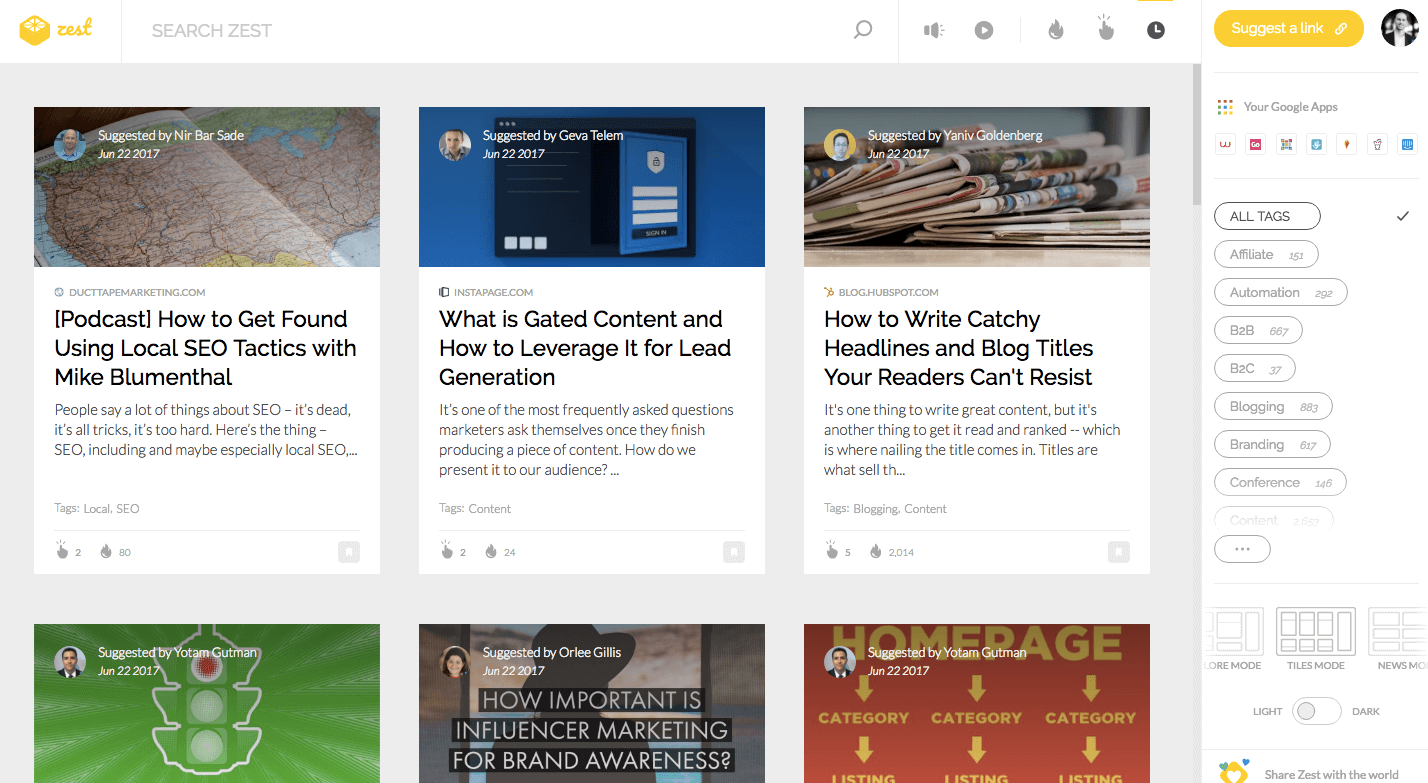
As a startup, we are always keen to learn from others and seek the advice from successful CEOs and entrepreneurs. It would be hard to find a better example than Yam Regev, a CMO of Webydo and a co-founder of Zest, a marketing content sharing platform. We are big fans of  Zest as it helps publish Teamgate blogs; therefore, it was a great pleasure to interview and learn from the founder Yam. In this interview, we learn the value of getting your hands dirty, the importance of processes and why finding a suitable business partner is a very important step for a company. With 10 years of marketing experience and a passion for helping B2B businesses, Yam surely has some good tips to share, so we hope you find it helpful.

– I saw you’ve got your BA in East Asia studies – so how did you decide to become an entrepreneur? Do you think it is necessary to have a degree in business? Tell us about your early business experience?

Oh my… Actually, I need to update my profile as I never graduated. My initial plan was to learn East Asian studies while combining it with learning Chinese and Economics, but I sucked at both.

In my second year (it was in 2006) I founded a web marketing agency with two partners. This agency grew fast so I had to put the studies behind me and after two years we had 30+ employees and two teams in India. I CEO’ed the company for 4.5 years and then I started my own gig where I consulted to mega brands on how to build huge in-house marketing teams.

Do you have a CRM that keeps you organised?

The most user-friendly CRM on the market. 14-day free trial.

Start Free Trial

Painless setup, no credit card required
I certainly do not think that a degree is necessary. I’m a big believer in practical experience rather than theories and for me, one year of experience equals to two years of learning theories.

I was fortunate enough to interview, hire and manage over 200 people in the last 11 years.

Actual experience and “dirty hands” always overcame theoretical knowledge as far as it relates to my hiring decision-making.

The main reason for that is to have someone that already “did it” on your team, meaning that he doesn’t just know what to do, but more importantly, he knows HOW to do it. And to know how, means that they understand processes, and processes are what’s important in any team’s dynamics.

I can proudly say that many of my past employees are now VPs marketing, CMOs or executive directors in many leading startups, mainly in Israel, but also abroad, so as far as I’m concerned, this is the PoC (Proof of Concept) of my pragmatic approach of experience vs. knowledge.

–  What motivated you to start Zest? Where did the idea come from?

I love to consume content. Actually, I’m addicted to it. There, I said it!

I know that as a marketing executive I can’t afford to miss out new doctrines, methodologies and updates. Hence I found myself skimming through dozens of articles each day.

As time went by, I started to send relevant articles that I read to different people around me – current and past employees, new bosses, colleagues in the States and in Canada and so on. In most cases these guys told me that 1) They can’t understand how I found these value-added articles and 2) That this or that article is exactly what they needed right now.

A few years later, as CMO at Webydo, I thought: “Well, why don’t I create a place where people will come to read the content that I think is the the most relevant, instead of me sending dozens of articles to so many people.

I knew the right guys that could help me create Zest and so we started it as a side project.

I must say that my co-founders took the original idea and completely revamped it to something that is far more visionary and bigger than my small initial idea. They created a growth monster.

– As with every startup, there must have been some mistakes and downfalls on the way? Can you share some of the lessons learnt?

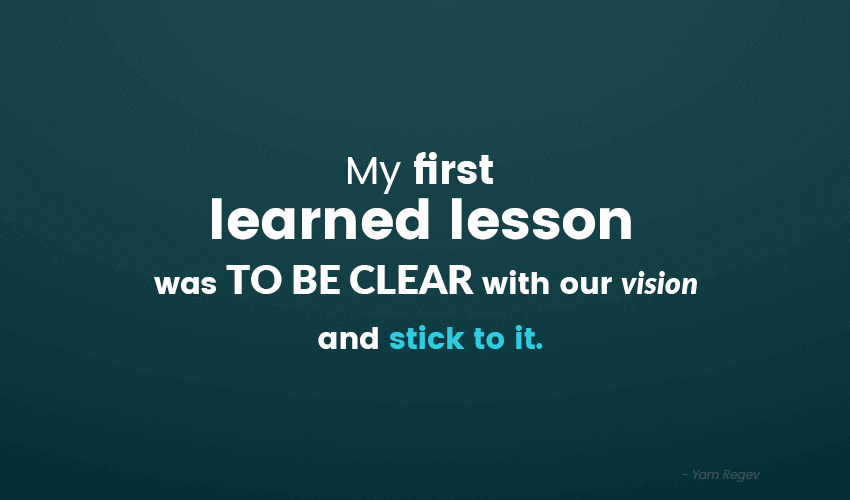
We had tons of mistakes. My first learned lesson was to be clear with our vision and stick to it. If we listened to all the feedback we gathered from our Alpha & Beta users and actually executed it, there would be no Zest today. Sometimes it just might take a bit before your targeted market is getting used to your solution.

Lessons learned

We created Zest by doing many iterations with our Alpha & Beta users, and although no one gave it a chance at the beginning, at some point, they got addicted to it – they understood the added value it’s giving them, they increased their usage and even shared it with their colleagues. As of today we have 8,000 WAU and around 92% of them came through WoM (Word of Mouth).

The second lesson, and one that I think we are still making a mistake on is scale fast.

Once you understand that you’ve attained Product-Market Fit, stop all other things you are doing and push the pedal to the metal.

–  What is the best and your favourite feature of Zest?

Without a doubt it’s the social layer we added to Zest just before we launched on March 7th. I love it because it is also functioning as a sweet and authentic growth hack – marketers are following each other and see what type of articles their colleagues suggested on Zest, what articles they saved for reading later and it is giving an amplified, humanized experience to the product.

It also puts front and center our agenda – we’re creating a tribe of marketers who unite around a clear purpose – creating the best content consumption platform by using our own tribe. It means that our tribe members (users) are suggesting content, and then a group of Chiefs (power-users) are reviewing these content suggestions and making sure that they are aligned with Zest’s content quality style guide.

It’s a proactive, engaged community which is centered around consuming high-quality content that only professionals from the same segment can precisely determine the value for other professionals.

Zest

– What challenges do you face every day? How do you motivate yourself to stay productive?

The work-life balance is currently my main challenge. As a co-founder of a bootstrapped startup that is scaling fast, I find myself working around the clock. It puts a strain on my other job, being a father of three daughters.

What keeps me propelled is my supportive family, who understands my madness and also, our tribe’s feedback. We get around 20-30 different messages a day from marketers who love what we do and feel engaged with our agenda and movement.

– What are your goals over the next 6 months?

We are on the right way to be profitable. This is our main focus. We prefer to be profitable rather than to raise funds. In 6 months from now we plan to expand into two more segments, other than marketing, and to integrate our content recommendation widget (yet to be launched), in 10-15 marketing related publishers and blogs.

– How do you attract new customers? Do you follow a certain strategy?

It’s all about the community. I call this strategy “Community Growth” and it means keeping our communication with our tribe personal and almost face to face.

Marketers told us that they are experiencing three main “Aha!” moments when using Zest – the first one is from the first encounter with the product. They say it is beautiful, fast and VERY intuitive.

The second one is after they played around with it a bit, so they understand and appreciate its added value. It means that the content they consume is not only highly contextual but also it’s very valuable for them.

The third Aha! moment is after they suggest an article. They get a personalized email from our Chief Moderator (me 🙂 ), which details the reason their suggested article was declined or accepted and published on the Zest feed.

These three-phases of engagement creates a hyper-WoM effect.

– Can you share you book recommendations or any useful blogs talking about product marketing?

I must admit that I’m not a book-reader kinda guy. I believe that the fact that I’m dyslexic is preventing me from enjoying this world of reading books.

As for the best Product Marketing blogs:

  1. https://blog.prototypr.io/
  2. https://producthabits.com/
  3. https://productcoalition.com/
  4. And of course https://blog.intercom.com/

– Lots of startups rely on forums to get traffic – did you have any experience with review platforms and forum posting? Did you find this effective?

Forum Marketing and Comment Marketing are becoming tougher as time goes by. The main reason for that is that users are more sensitive to lack of authenticity.

I didn’t try these methods with Zest, but with other startups I’m consulting, we saw great success with this method.

I believe that a better method comes from a close marketing doctrine. What I’m doing at Zest is engaging Medium bloggers to try Zest out and to briefly write about their actual experience with the product and how it fits in with their daily routine. Actually, this was one of our product launch tactics and on the week of the launch, with about 30 Medium bloggers publishing their experience.

That method proved to be super efficient and authentic.

– Do startups need a big investment? Is it possible to create and develop a company on a low budget?

Definitely and without a doubt – YES.

Marketers/founders should always think on how they can increase their exposure by collaborating with 3rd parties. Think about what the other side wants, and help them with it. They will help you in return to accomplish what you want to achieve.

– What is the biggest mistake you found most leaders make?

Not circulating an idea or strategy with other people within their organization. As a CMO at Webydo (a 50+ employee company), I was amazed from the feedback we got from other departments when showing them our next campaign, brand-messaging strategy or just a simple landing page design.

Leaders must democratize their thought-process and procedures in order to engage their employees with their vision and to get a constructive feedback of what they plan on doing.

– If you have one piece of advice for someone who is just starting a company, what would it be?

It’s all about finding the right partners. I know that without mine, I would be lost. Literally! And my vision would have been dwarfed as compared to what a mutual, healthy thought process between a couple of founders bring.

Don’t find partners that simply share your vision or because it’s cool for you to hangout. Make sure you complete each other in the core technical fields of Marketing, Product & Design, Development & IT, Sales & Biz dev.

Make sure you’re completing each other professionally.

At Teamgate, we agree with Yam that you need to just get your hands dirty and test a lot of different marketing methods. You can never be afraid of failure that something will not work, and at the same time you need to be sure that a traction channel that does work needs to be pushed and scaled very quickly to build the momentum.

Do you have a story to share? We would love to get in touch and turn your experience into the article. Leave a comment down below and we’ll make sure to get in touch.