In an organization, sales and marketing teams are both parts of the same section. Though both the teams run independently, they work towards the same goals. It is pivotal to bridge the gap between the sales and marketing teams as both are the running force for any organization.
By combining the best of both sides, companies can develop a more holistic marketing approach with the help of CRM (Customer Relationship Management). Most of the established and successful organizations follow the rule of unity to work for one goal by all.
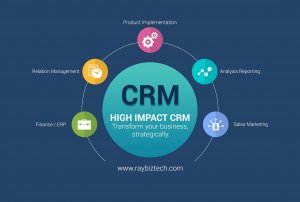
Source: https://www.pinterest.pt/pin/339388521891970909/
Even in specialized sectors like manufacturing, pairing CRM with a seamless design-to-production process ensures that insights from customer interactions translate directly into efficient product development workflows.
Below are the few hacks that help in bridging the gap between the sales and marketing teams, along with the dedicated help of CRM.
Create a Bigger Purpose:
By finding a common purpose and bigger goal, companies can delve their teams in unification. The sales and marketing departments primarily work on brainstorming and challenging part of the business. Once the top leading managers create a more significant purpose that brings them close like, the satisfaction of clients through sales, the job will be done. Together, these departments can quickly identify more substantial opportunities and ease of achieving objectives.
Build Strong Cross-Functional Synergy:
Sharing the goals between the two teams can manifest a synergy that bridges the gap better. Regular joint plan making sessions can clearly define the goals for the good of the work and workforce. Allow collaborations to help create a better exchange of synergy and information. As per the tech UK report, only 41 percent of marketing material is useful by the sales. Therefore, there’s a clear need for the two teams to sit together for building strong cross-functional synergy. Like for example, the goal of the marketing team is to research the target market, the audience, and it’s drastically changing demands. Similarly, the aftermath is in the hands of the sales team, which supplies the final product to the customers and seeks a positive response. The two teams work for different levels of the same funnel. Henceforth, it is essential to match the synergy.
Alignment Of Strategy And Direction:
The best way to align the sales and marketing team is through regular meetings for designing the strategy and direction of CRM. When the groups meet regularly, they accomplish priorities to work towards bettering the client base, their experience, and function accordingly as one unit.
Gather Around For CRM:
The fundamental objective of the sales and marketing team is a common one; to improve CRM. If the marketing team wants to know the present statistics of the sales and make alterations to the strategies, they have to consult the sales team. In the same manner, the sales team has to discuss the marketing strategy from all sides to ensure they are on the same page. By sharing the responsibility of growth, they can boost leads.
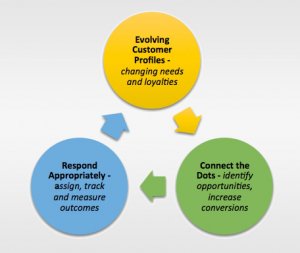
Image Source: https://newsignature.com/articles/crm-for-banking-a-few-special-considerations/
Avoid Miscommunication:
This is a common issue in any organization. The sales and marketing teams hold differences due to miscommunication. However, having a common access point for both will improve their collaboration and limit miscommunication too. To create a better cliental experience, the sales and marketing teams need to have a clear vision of the ongoing and excel in future marketing campaigns. Due to a lack of communication, they might harm the marketing campaign and end up losing leads. To have a better mode of communication, an integrated chat function in CRM can be extremely helpful. This will keep the conversation in the loop and synced to the previous chat history for reference.

It is exceptionally pivotal to maintain healthy relationships at the work front. Misunderstanding of the business process, company policies may impact business. A span of eight hours is spent in the organization every working day. It is vital to bridge the gap between the sales and marketing team. To unify them, various practices that can take place. Due to misunderstanding and lack of communication between the employees, the company, and its business suffer.
One such practice, especially relevant for EMS providers and public safety teams, is the implementation of EMS scheduling software. These platforms streamline workforce coordination, automate shift planning, reduce scheduling conflicts, and ensure optimal coverage 24/7.
Client Interaction and Feedback:
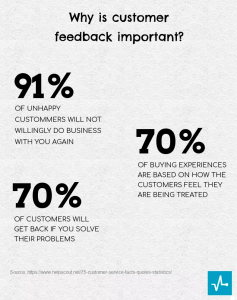
Mostly, the marketing team never gets the opportunity to interact with the client base and only rely on the ideas of the sales team. The sales team directly interacts with the customers. Thus, it is an excellent opportunity for the organization to bring them to one table to discuss the client’s response and expectations. This will enhance the relationship between the two teams and boost growth. CRM acts as a connecting tool between the two teams. It has integrated email marketing tools that establish feedbacks of clients. These pivotal feedbacks can be checked through a single CRM dashboard, which will keep the two teams in sync and better clarity.
Feedback is the spine of customer relationship. In B2B sales, the client relationship is very valuable. You need to ensure the client is happy with your services and you are capable enough to retain the client. Many established companies assign a team that solely takes care of client retention, customer relationship management, and client service. This will yield results at much faster rate in comparison to generating new clients.
One Team, One Goal:
It is not an easy job to put the two teams together. However, if you show put them into question, “what’s in it for me” hack, chances are high they will seek each other’s back for working as one team with one goal. The CRM tools help the sales and marketing teams to unite and work efficiently without any delay in the process. It syncs the operational dashboards. This keeps the groups focused on bettering their performance. To drive better outcomes, sales, and CRM, the gap can be bridged.
Conclusion:
The culture of any organization is mainly responsible for the perspective of its employees. To bridge any gap between the sales and marketing teams, the environment of the organization plays a significant role. Undoubtedly, CRM brings the two groups closer as they work for improving the cliental experience, generating new leads, brand awareness, and boosting sales growth. All the marketing campaigns are dependent on the sales reports and vice versa. Therefore, the job of CRM is primarily to bring the sales and marketing team in proximity.