Book a demo today and save 50% off your first month, or 20% off your first year.

Get a free sales audit to uncover hidden revenue opportunities!

The modern buyer is so demanding that a special sales philosophy has been developed to respond to market’s expectations. Praised for its educational nuances, consultative selling has swiftly become the preferred sales methodology of high-growth startups and online businesses. Curious what got everyone so excited? Learn the 7 main principles of consultative selling to jump aboard this trend without any hiccups.

What is consultative selling?

Consultative selling is a sales approach that puts the focus on the buyer’s needs and experiences over the product a company is selling. Some salespeople go so far as to call it a sales philosophy for its unwavering commitment to developing a holistic understanding of the customer’s needs, providing value and finding a customized solution. While the traditional way of selling might often be disliked for its aggressive tone, consultative selling is all about asking the right questions and really drilling down into customers’ answers.

Consultative selling is also often called solution-based selling because of its strong focus on providing a tailor-fit solution. When used in combination with content marketing, this solution-driven sales approach can make a huge impact on the whole lead generation performance. By constantly engaging customers in a dialogue, sales teams can better understand the target market’s way of thinking, the main pain points, and expectations. If sales and marketing teams manage to bring their efforts together and use this intel to create high punching lead generation and nurturing campaigns, the results can be particularly exciting.

Do you have a CRM that keeps you organised?

The most user-friendly CRM on the market. 14-day free trial.

Start Free Trial

Painless setup, no credit card required

Achieving a high Sales and Marketing alignment (SMarketing) is not the simplest of tasks, especially if both teams are using different tools. However, easy access to lead intelligence for Sales is crucial if they’re expected to adopt a consultative approach to selling. A robust CRM can unify Sales and Marketing teams by gathering all the essential information in one place, clearly defining each team’s responsibilities throughout the process and making the state of the pipeline more transparent and easier to understand. Let’s say your business uses a sales tool like Teamgate. Not only your teams get help at every stage of the sales process (we’re talking fully automated integrations, optimization hacks, and simplified processes), but they can better understand how and why leads convert and work side-by-side on future campaigns.

Consultative Selling Approach

Image Source: Picjumbo

Consultative selling vs. Product-based selling  

Whereas consultative selling puts the emphasis on what the prospect wants and needs, trying to cater to those specific cases, product-based selling pays little to no attention to the customer’s unique requirements concentrating on showcasing the product’s best features. Strong communication is essential in consultative selling where active listening makes up the basis of the methodology, while product-based selling draws on traditional sales techniques, such as features over benefits, to try and convert leads.

With the huge demand for personalized, tailored solutions and services, consultative selling is taking the central stage. To really benefit from this sales methodology, a company must follow these seven main principles.

#1 Research

Providing your customers with tailored solutions means you must know everything you can about their business and be able to anticipate any and all questions a customer may ask. If you’re gathering leads through inbound marketing campaigns, you will most likely have some helpful information like company size, email preferences or social media behaviors as well as know what content is trending among your customers and therefore, what issues they’re trying to solve.

#2 Pre-frame

Pre-framing is a sales technique that helps salespeople address buyer objections and concerns before they become a threat to a sale. Skilled salespeople use pre-framing to influence the outcome of a conversation or experience by letting buyers know exactly what is going to happen before it happens and what it is going to mean.

An example of this technique could be something like, “I realize this is slightly above your budget, but if I extended a 10% discount, would you consider the offer?”. What it does is gives salespeople the upper hand in negotiations by letting them keep the control and eliminate potential doubts and hesitations well before they take root.  

#3 Ask more questions (including Socratic questions)

Remember, the end goal of consultative selling is to offer the consumer a unique solution that addresses his pain points. Although it’s likely you’ll have some information about your leads before engaging in a conversation, it would be a huge mistake to assume you know everything that matters. Be prepared to ask a lot of open-ended questions (who, what, when, why, where, and how) that will allow you to dig to the bottom of their issues. Questions that start with words like Are, You, Do and Can lead to yes or no answers, which is not very helpful when you’re trying to build an understanding of who you’re dealing with.

Approach of Consultative Selling

Image Source: Unsplash

Socratic questions are also rather popular among salespeople dabbling with this sales approach. Socratic questions refer to five different types of questions developed by the great philosopher himself:

  • Questions for clarification: why do you say that? What exactly does this mean? How does this relate to our discussion? Etc.
  • Questions that probe assumptions: what could we assume instead? You seem to be assuming…? What would happen if…? Etc.
  • Questions that probe reasons and evidence: what do you think causes to happen…? Why? Why is that happening? What would be an example? Etc.
  • Questions about viewpoints and perspectives: another way of looking at this is…, does this seem reasonable? What alternative ways of looking at this are there? What if you compared … and …? Etc.
  • Questions that probe implications and consequences: what are you implying? Then what would happen? How does … affect …? Etc.
  • Questions about the question: what was the point of this question? Am I making sense? Why not? Etc.

#4 Let the customer speak

In sales, nothing beats great active listening skills. Letting your customers speak is probably the best advice you are going to get today. But don’t just let them jabber away — listen and document everything your leads tell you. It’s likely you’ll be able to use this information at some point during the negotiations or simply be able to inform your decisions better. Getting the customer to speak about their pain points or issues is not always easy. So if you manage to get the ball rolling, pay attention to their tone, pitch, and level of enthusiasm — this will help you read between the lines.

#5 Provide value and show expertise

One of the core features of consultative selling is providing value to the customer. As an expert in your industry, you must be prepared to answer and even consult on questions that are in no way related to your product or service. Building rapport and gaining customer trust is the only way to execute the consultative selling technique. To blow your customers’ minds, you need to find a way how to exceed their expectations. If you focus on helping the lead no matter what, you’ll quickly be able to form a positive image in their eyes and also show your expertise. If they trust you, they’ll buy from you and might even recommend your product to a friend.

Value and Expertise of Consultative Selling

Image Source: Picjumbo

#6 Qualify

We have talked about lead qualification as a great deal. Without lead qualification, businesses often end up working cold leads. It’s a huge waste of already scarce resources and time and should not happen in organizations that have some process in place.

A qualified lead has goals, challenges to overcome, a defined timeline, and budget. Although helping unqualified leads is part of consultative selling, you should focus your time and energy on identifying the most promising sales opportunities.  

#7 Use their language and close

A robust lead qualification process will ensure that the closing part is a relatively simple affair. If it’s done right, it should feel like a natural culmination for both you and the client. A top tip often shared by experienced salespeople is to try and use your potential customers’ language to prompt them to act sooner and elicit an emotional response. By the time you reach the closing point, you will know which buttons to press to get your leads to say yes.

P.s. don’t forget to work on your deal-closing line. Here’s one that’s trending right now: “You’re interested in X and Y features, right? If we get started today, you’ll be up and running by [date].”

Take action

Paired with some high-quality content, consultative selling approach has the potential to be hugely successful. As a repeatable, scaleable process, consultative selling enables salespeople to qualify leads faster, shorten the sales cycle and win more business.
David Ogilvy, the father of advertising, once said, “On the average, five times as many people read the headline as read the body copy. When you have written your headline, you have spent eighty cents out of your dollar.”

It’s been awhile since he said that but the words still resonate with us. According to Copyblogger, 8 out of 10 people will read a headline, but only 2 out of 10 will read the rest of the article. Imagine, if you could flip this number on its head by boosting your headline’s performance. That would change everything.

Crafting a high-performing headline that is not click-bait but is also incredibly alluring is no easy task. But once you wrap your head around the different creative strategies, you’ll be much more confident about publishing your content to the world wide web.

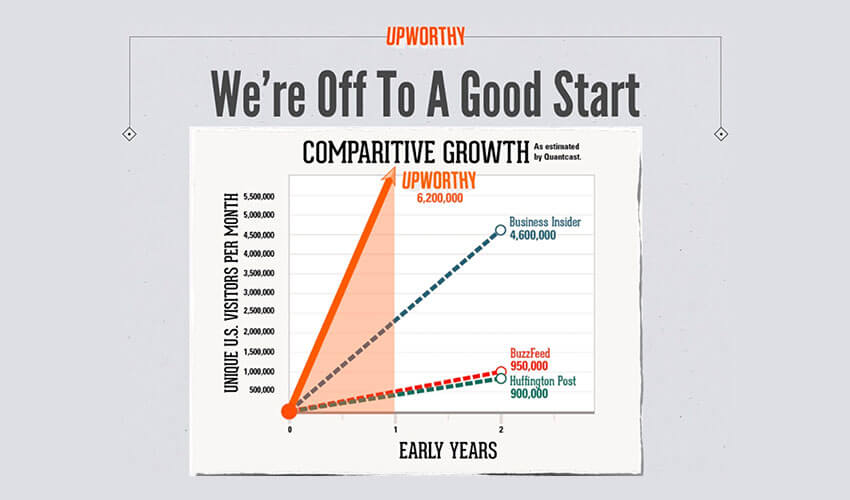
Upworthy.com have demonstrated what crafting intuitive, intriguing and unexpected headlines can result in. The site’s explosive growth is for the most part attributed to the team’s unbeatable headline crafting skills. Yes, the data is real!

Image Source: The Sweet Science of Virality

Now, let’s explore the different ways of writing irresistible headlines.

Use specific numbers & data in your headlines

Numbers are proved to be one of the best triggers to hook the reader’s interest. For several reasons, our brain is attracted to numbers, and we just can’t help ourselves when we see a carefully constructed headline using a numeral.

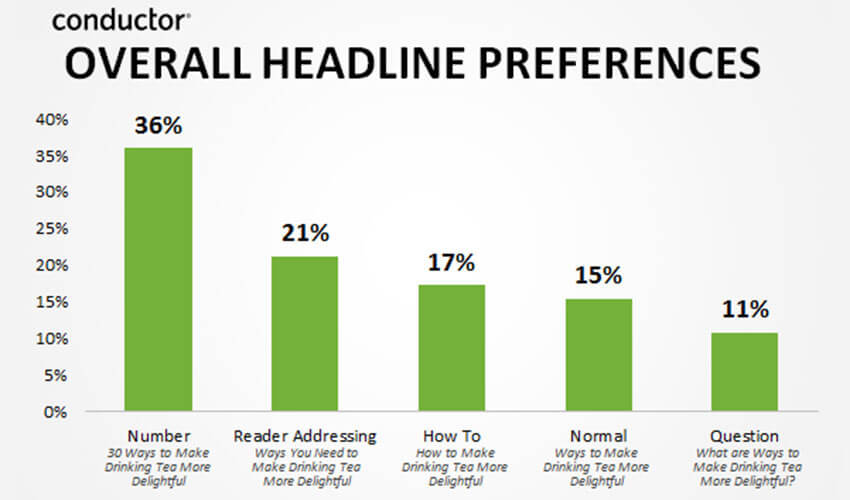
Using real headlines from Buzzfeed, The Huffington Post, and similar content sources, Conductor carried out a study to determine what type of headlines resonate most with readers. They divided the headlines into five high-level types:

  • Regular (Ways to Make Drinking Tea More Delightful)
  • Question (What are Ways to Make Drinking Tea More Delightful?)
  • How to (How to Make Drinking Tea More Delightful)
  • Number (30 Ways To Make Drinking Tea More Delightful)
  • Reader-Addressing (Ways You Need to Make Drinking Tea More Delightful)

What they found confirmed the growing suspicion that numbers are vital to grabbing people’s attention. Number headlines outperformed the second most popular type by 15%.

Image Source: Moz blog

What is it that makes the number headlines so attractive? There is more than one reason.

  • The promise of something substantial. When you’re on the lookout for something specific, and you’re scouring the internet for real advice, there’s nothing more annoying than clicking on a perfect-sounding headline only to find out it has nothing to do with the rest of the article. But number headlines make a promise that the author will offer more than one idea or solution within the article, so the chances of finding something useful are much higher.
  • The convenience of speed reading. Again, if you’re scanning the internet in search of an answer to a specific question, you don’t necessarily want to spend 20 minutes reading the whole article to find one or two relevant sentences. Number headlines suggest that the article is scannable and won’t take too much time to digest.
  • The simplicity of numbered structure. Writing eloquently and making smooth transitions from one point to another is not always easy – ideas can quickly get lost in the babble. Numbered headlines guarantee at least some measure of structure and flow, which gives readers the confidence to click through and easily find what they’re looking for.
  • It’s the preferred way of receiving and organizing information. In this New Yorker article, Maria Konnikova shows how lists hit our “attentional sweet spot.” We process the information we receive spatially because that makes it much easier to recall it later on. That’s why we write shopping lists, and to-do lists the way we do – even if we lose that piece of paper, our brain can still recall the information based on its location on the paper. Besides that,  lists also appeal to our “general tendency to categorize things”. In fact, we’re struggling not to categorize things even when we make an effort to leave something unlabelled.

But what makes lists truly appealing in the current media environment, where people are overwhelmed by the amount of content, is their promise of a definite ending. The alluring and reassuring certainty that we know what we’re in for also triggers the anticipation of pleasure associated with completing a task. So, really, listicles are a sort of brain candy that online readers simply can’t resist.  

[optin-monster-shortcode id=”wqwp7kre2udnzd6c”]

In case the listicle structure is not suitable for the piece of content you’re working on, another click-enticing element you can include in your headline is data. Adding “Backed by research” or “Backed by science” to support your claim can significantly boost the credibility and appeal of a headline. Readers love the promise of solid, evidence-based content that they can trust and share with their network.

Craft a unique headline

Let’s say that a headline is like a tip of an iceberg. These few words will determine whether the main chunk of your content is read or ignored, so don’t feel like you’re wasting your time writing and rewriting headlines. It takes more than a few tries to capture the essence of your article in an irresistible way. And even more so if you’re determined to craft a unique one.

Upworthy.com, who are notoriously skilled at constructing killer headlines, generate more than 3 million unique visits per month. And as insane as it sounds, they credit most of the success to their unique, inventive headlines that poke at readers’ curiosity.

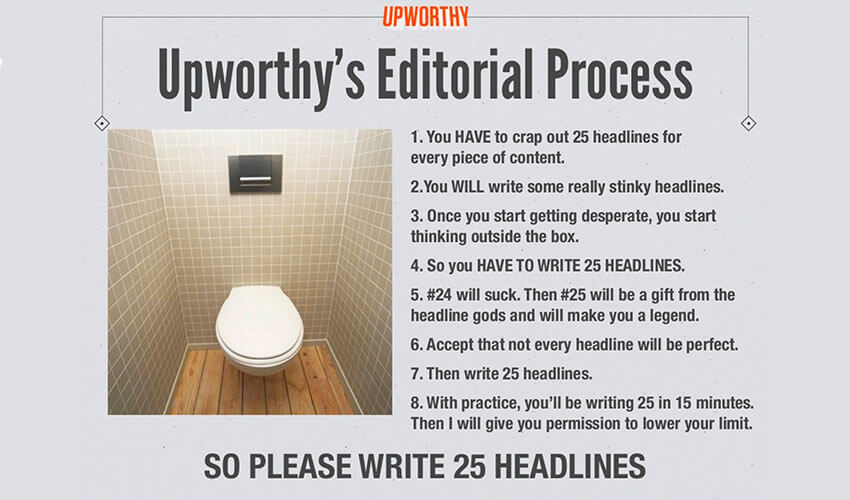
Have I got your attention yet? Good, because the most important part of the Upworthy.com story is this – their editorial team writes at least 25 headlines before settling on the winner.

In their slide presentation The Sweet Science of Virality, Upworthy.com share their creative process and outline the most important steps to crafting high-performing headlines and content. But there’s one idea that keeps on resurfacing:

“It doesn’t matter how good your content is. If you don’t make it compelling enough to click, no one will know it exists.”

And here’s Upworthy’s editorial process that they follow to write really damn good headlines.

Image Source: The Sweet Science of Virality

Jotting down your best (25) ideas is the first step to writing a unique headline. Once you think you have the one, it’s important to verify its uniqueness quickly. Remember, there are no new ideas in this world, so it’s very likely someone’s already snatched that headline before you. The easiest way to check whether your headline is as unique as you think it is is to ask almighty Google. Type your headline in the search bar, enclose it in double quotation marks, hit search and wait for the moment of truth.

Check what people are seeking for

If we go back to the headline being a “tip of an iceberg” metaphor, its relevance and topicality are crucial to tap into trends and capture a decent amount of traffic. To entice browsers to click on your headline you must use the language, style, and tone that’s most appealing to your target audience.

The best way to get a sense of how your audience talks and what specific words they use is by joining the discussion on social media or sites like Quora. Get involved and analyze the type of questions, ideas, and topics being tackled by your ideal readers to ensure the headlines you craft hit the bullseye.

Google autocomplete is also a smart way to identify keyphrases that your headlines need to include. Orbit media suggest that using a colon to combine search-friendly and social-friendly phrases can lead you to the perfect headline, as it gives prominence to the keyphrase but also leverages the human psychology. Here are a few examples of this writing tactic:

  • How to Research Keywords: Tips, Competition, and Squirrels
  • Competitive Analysis Tools: 5 Free Ways to See the Analytics of Any Website
  • Neuromarketing Web Design: 15 Ways to Connect with Visitors’ Brains
  • Internal Linking: 9 Best Practices for Internal Links
  • Ego Bait: 5 Simple Ways to Leverage Blog Mentions
  • Thank You, Pages: 9 Example of Missed Opportunities

Make it targeted and specific

If you want your content to be picked up by search engines, incorporating target keywords into your headlines is a must-do. Follow the best on-page SEO practices when crafting a headline to make sure it’s not only unique but also optimized for search.

When creating content for the web, identifying target keywords should be your starting point. It’s the only way to get in front of the right audience and generate traffic. The trick here is to find the balance between creating something that’s findable and content that’s valuable enough to be sought out by your audience.

To indicate relevance to search engines and give prominence to the target keyphrase, ensure you place it at the beginning of the headline.

Do you have a CRM that keeps you organised?

The most user-friendly CRM on the market. 14-day free trial.

Start Free Trial

Painless setup, no credit card required

Raise a question

The magic of question headlines comes from tapping into your reader’s concerns. With mobile search taking the lead, people are increasingly searching by voice, which means they’re asking complete, full-sentence questions and are using natural language when doing so. Google uses something called “semantic indexing” to understand the content of an article, so if you use a question in your headline and provide a complete answer in the article, chances are the search engine will connect people to your content.

Another huge benefit of question headlines is their power to intrigue the reader and cause their mind to engage in a sort of silent conversation. Once they read a question headline, readers can’t help but try to answer it in their head or start wondering what the real answer is and click through.

Both open-ended and closed-ended questions can increase the effectiveness of your headline, and you can also experiment with the colon trick recommended by Orbit Media to combine the target keyphrase or question that will make it findable with something more appealing to humans.

Create curiosity and urgency

Headlines that leverage human psychology are always incredibly powerful. If you find a way how to trigger curiosity or evoke urgency, it’s almost guaranteed that people will give in and click through. Obviously, your content must match your headline, or you’ll make plenty of enemies very quickly.

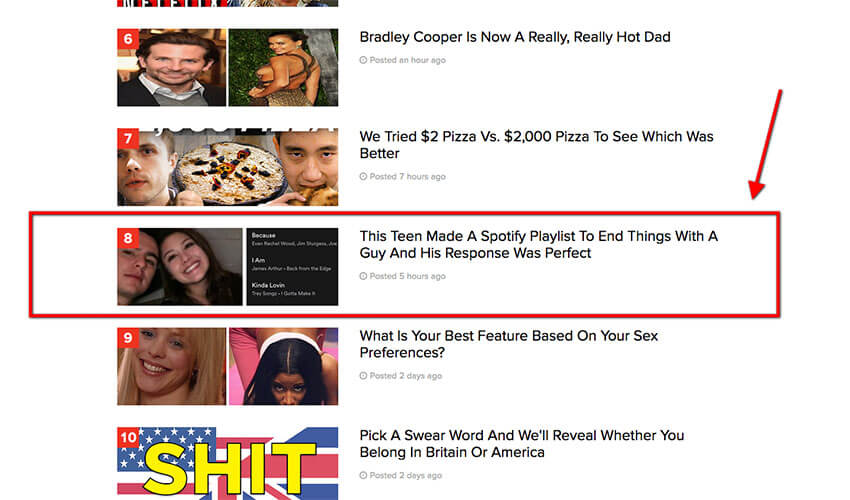
So how do you create curiosity? It’s not a precise science, and there’s no formula how to  hook a reader instantly, but one of the most effective methods is not to give everything away in a headline.

Image Source: BuzzFeed

That curiosity gap will be what drives people to your website and hopefully leads to a sale at some point in their journey (or make them come back for more similar content in the future).

The curiosity-gap approach can easily be overdone though, so stay honest about what your readers can actually expect from the content and avoid any click-baiting games. Lying to your readers will only work once, and then you’re in big trouble.

The urgency factor can be a game changer, too. Nothing makes people act faster than the fear of losing out on a good deal or missing their chance to see, hear or download something that’s available for a limited time only. If you’re making a limited offer, be sure it’s reflected in the headline to compel people to take action immediately.

Focus on benefits or loss

Using a headline to state the biggest benefit or loss your readers might experience is a great way to find and address the right audience. This headline style has the best chance of making a long-lasting impression on a reader even if they don’t click through immediately. Since headline is the hook that will determine whether your content is consumed, it’s a good idea to transform the biggest benefit (or loss) that your post offers into a headline. We’ve already discussed people’s unwillingness to spend more time reading something that they don’t find useful, so writing a headline like this will give them the confidence to click and read.

One of the greatest benefits of this style is that even if they don’t visit your site to read the article, they’ve at least laid eyes on your best selling point.

Use power words

Some words attract more shares and likes; other generate better traffic. Since headlines need to fit a certain length to perform well, word choice is truly critical to squeeze the most out of your headline. A lot of research has gone into determining what words elicit readers and have the potential to drive more traffic.

Employing power words is a surefire method to grab people’s attention and get them excited about reading the whole article.

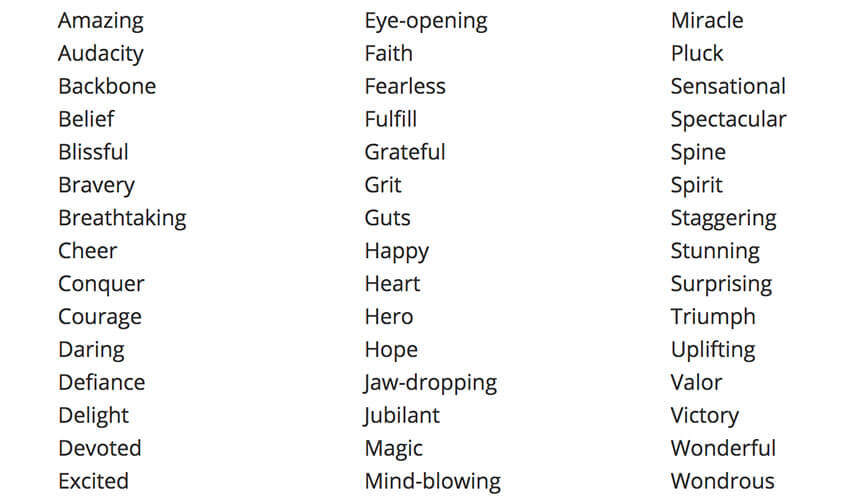
Here are some research-backed power words that have been shown to achieve the best results:

  • Words that increase clicks from search results: why, best, tricks, how to, free, you, blog post, great;
  • Words that get more retweets: you, Twitter, please, retweet, post, blog, social, free, media, help;
  • Words that appear most often in viral posts: smart, surprising, science, history, hacks (hacking, hackers and “life hack” related topics), huge / big, critical;
  • Negative words that are most appealing (negative words that appear in viral posts): Kill, Fear, Dark, Bleeding, War;

Power words are simply emotionally impactful words that can make people cry, laugh or ponder. Charging your headline with a couple of power words will make it stand out more, so spend a few minutes searching for a less commonly used but just as effective combination:

Image source: SmartBlogger

Run numerous A/B tests

As with everything online marketing, testing is an instrumental process that should never be ignored. You may think a headline is too small of an element to run A/B tests on and who has time for that anyway? However, ensuring your headlines are polished to perfection and have the capacity to drive a decent amount of traffic will make your content creation efforts worthwhile.

One of the main tips from the Upworthy.com editorial team was to test the hell out of those headlines that made it to the top of your list and choose the one that clearly outperforms the rest. With the data obtained from A/B tests, you will quickly learn to write headlines targeted specifically at your audience, in the right style, tone and using the right language.

Make a bold statement evoking an emotion

People connect with emotions, not words. Studies have shown that viral content tends to be emotionally complex, often invoking strong positive or negative feelings, such as happiness, admiration, anger or fear. It’s been demonstrated numerous times that people are more likely to click, read and share content that pulls at their heartstrings, so packing your headline with words that elicit feelings will lead to increased virality and reader engagement.

[optin-monster-shortcode id=”rs4shvbsq8bjva7m”]

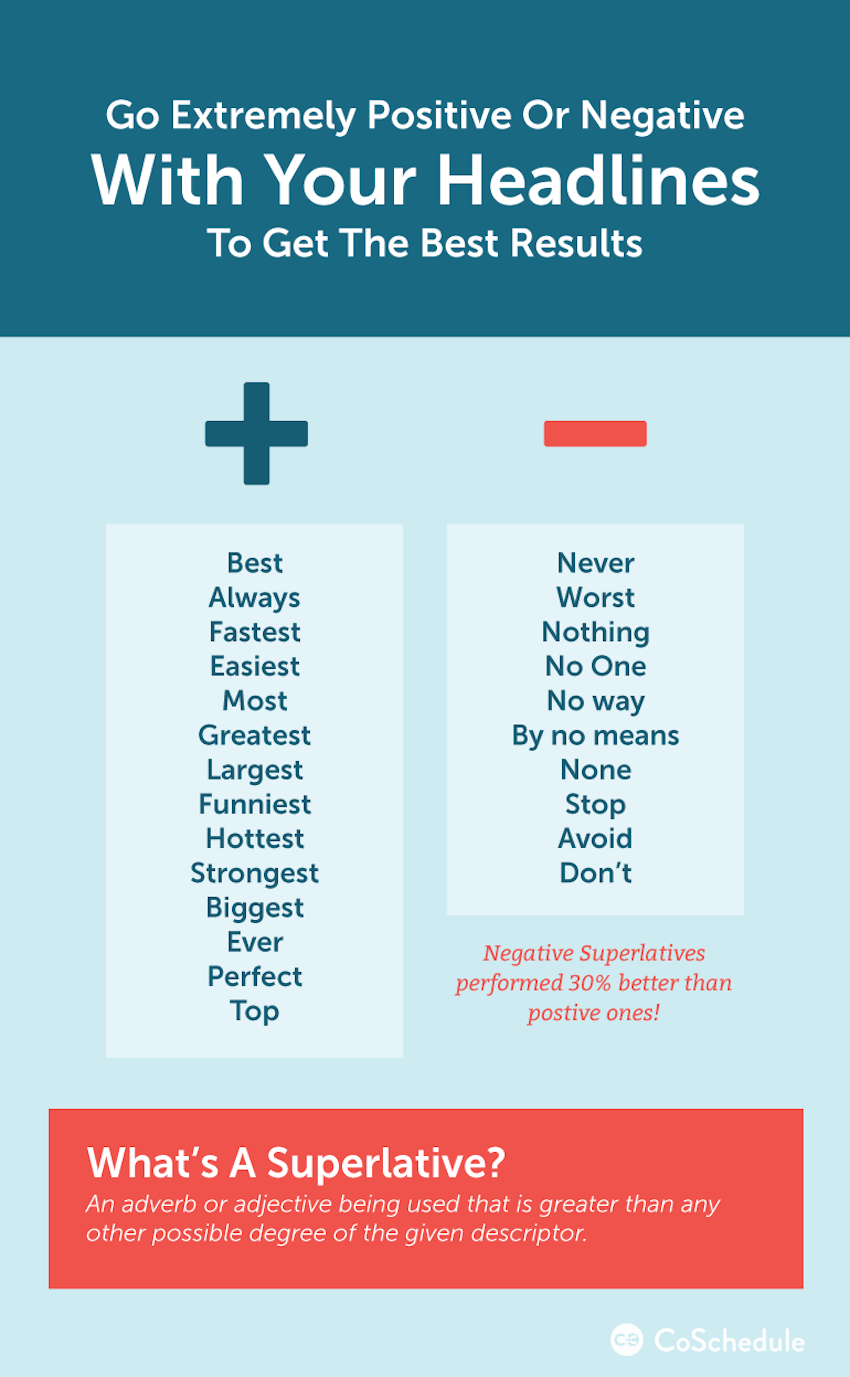
CoSchedule found that negative superlatives performed 30% better than positive ones, but be sure to run your own A/B tests before letting the content out into the world.

Image source: CoSchedule

BuzzSumo analyzed top 10,000 most shared articles on the web and used a categorization system to map each color to emotion, like joy, sadness, laughter, amusement, etc.

Here’s the breakdown of emotions:

Image source: okDork

Positive emotions are clearly leading the headline optimization race, so it’s best to focus on crafting content that has the power to surprise people, make them laugh or drool in admiration.

Get crafting

We have only scratched the surface on the number of headline writing tips available online. They’re all tried and tested by online marketers, but no one has the formula for writing killer headlines that go viral. Great headlines are a mixture of creativity, honesty, and surprise and often take almost as much time to write as the content itself. So use Upworthy.com advice and start writing a minimum of 25 headlines for each article until you hit the jackpot. As they say, 24 out of 25 headlines will be stinky, but the winning one will make you glad you tried.

Bloggers, content marketers and social marketing experts dream of creating legendary 10x content.

The content marketing hype is still on the rise.

Business owners and CEOs are prepared to make you rich IF you know how to make your content spread like wildfire!

Wouldn’t it be nice to find the components of a viral post with facts backed by hours of research and hard data?

Well, that’s exactly what Teamgate did with this infographic.

Teamgate 18 Data Backed Facts

Download the PDF of this infographic.

“Content upgrades are all about making it easier for your reader to execute on your article’s strategies.” ~ James Scherer, Wishpond.com

Go ahead and take a wild guess at the number of blog posts published every day.

The answer is 2M. Yeh, 2 million blog posts are written and published every single day. Just to give you some context for the enormity of this figure, here are some mind-blowing statistics about content consumption in general:

  • The average reader spends around 15 seconds reading the article they land on. In fact, 55% of people spend less than 15 seconds actively engaged on a page.
  • Only 20% of readers will finish an article they started reading.
  • The average visitor will only read 25% of an article.
  • Readers spend about twice the time with long-form news content on their mobile phones as with short-form.
  • 43% of people admit to skimming blog posts. (HubSpot, 2016)

Now, don’t get me wrong. I’m by no means advocating for less content. On the contrary, I believe the success of any profitable online business lies in its ability to produce amazing content that stands out and garners high engagement. But how do you get yourself noticed in such a ridiculously saturated marketing channel with an audience that suffers from content fatigue? By giving your readers more valuable stuff than they could ever expect.

Essentially, content upgrades are free, high-value “bonuses” that you create for your readers to help them act on the advice you share in the article. They’re called upgrades because these additional pieces of content elevate people’s reading experience to a more hands-on approach and come as “extras” in addition to the value of your post. Let’s say it’s like buying an alarm clock and receiving batteries as a free complimentary gift “on the house”. Yes, you could get the batteries somewhere else, but that would be such a hassle, wouldn’t it?  

Typically, readers can access and download content upgrades by sharing their email address, making these bonuses a fantastic list building tool. We are quite used to seeing content upgrade offers at the end of an article, but, in fact, the bonus material can be included at the beginning of and throughout the article.

As post-specific, bite-sized lead magnets, content upgrades are one of the most effective ways to build an email list. But what makes a desirable content upgrade? The key factor in producing enticing bonus material is to keep it uber relevant to your article. There’s nothing wrong with offering something simple like a checklist, a cheat sheet, a template or workbook, as long as it’s seen as a value-add and would make executing on the article’s strategies easier.

Even though it’s unrealistic to expect all the visitors to finish reading your articles (no matter how well written they are), you can pack them with additional offers to grow your email list and make the most of the traffic you get.

And here’s everything you need to know about creating content upgrades that will send your readers into a downloading frenzy.

Remove friction from user to the desired outcome

We’re used to seeing lead magnets promoted on dedicated landing pages, in sidebar banners and pop-ups. Marketers often go to elaborate lengths to create visually striking pages in an effort to entice visitors to enter their personal information and email address to download or access whatever’s on offer. There are several steps involved in this kind of conversion path, significantly increasing the likelihood of drop-offs.

What’s different about content upgrades is that they’re much simpler-looking and more accessible offers that have an explosive effect on conversion rates. Brian Dean of Backlinko saw a 785% increase in conversions in one day by adding a content upgrade to one of his high-performing blog posts.  

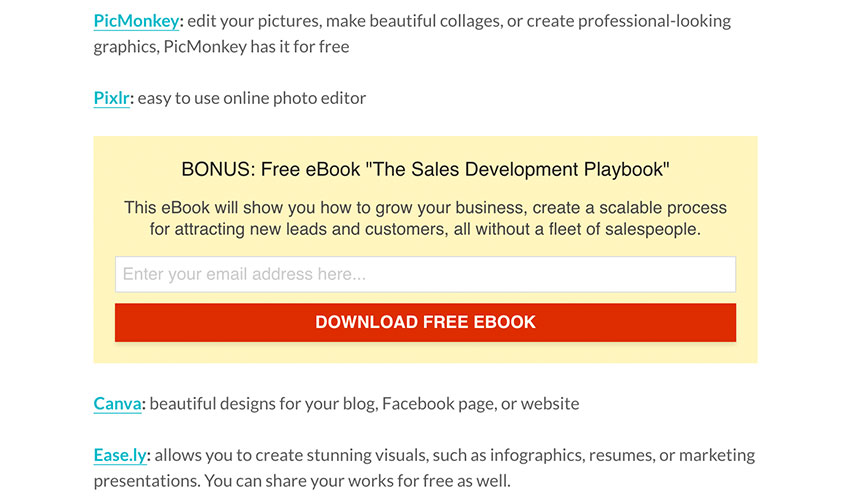
Thanks to its simplistic design, content upgrade stands out just enough to draw the reader’s attention but still looks like a part of the blog post. They’re often designed to look like infoboxes with a peach-coloured background and a simple frame.

Here’s what Teamgate used for his super successful test:

content-upgrade

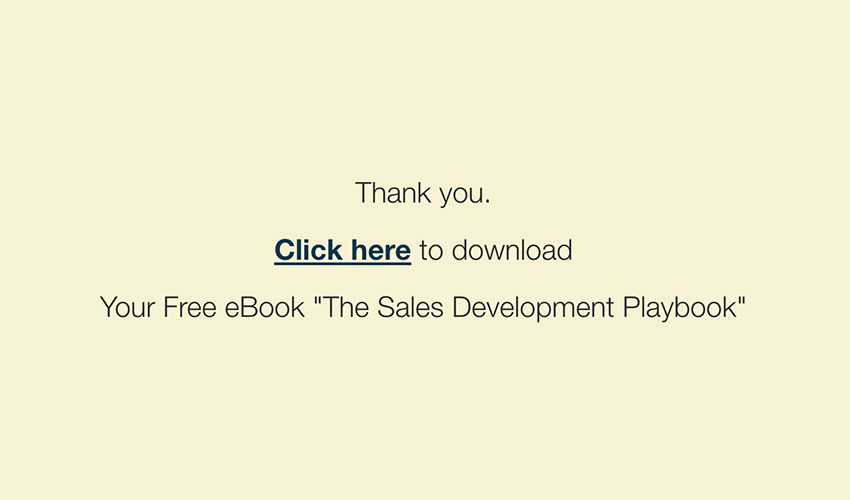
And after entering your email address, a very straightforward link to content upgrade would come up:

Content upgrade offers don’t need to be flashy sales messages. Keep the fancy stuff to a bare minimum, and you’ll start seeing the benefits very soon.

It must be valuable and relevant to context, audience, and even month

This may come as a surprise, but no one wants your 10-page whitepaper on marketing trends. Maybe it’s a great piece of content, but if I landed on your site looking for information on Instagram ads, it’s unlikely I’d be tempted to download a generic paper.

Content upgrades are so effective at boosting conversions because they are created specifically for that particular blog post, which means you catch people in the right state of mind and provide an actionable solution to their problem. If your content upgrade offer is a perfect fit for what the reader is looking for, sharing their email address will seem like a small price to pay.

You should also think about tailoring your content upgrade to the type of audience that will be consuming your article. This can determine the format, style and length of your content upgrade. For instance, if you’re writing for the creative crowd, you’ll need to keep the design side of the piece in mind as well as sharpen your copy. If the article is aimed at top-tier managers, you’ll know that you need to keep it brief and to the point — a checklist or a summary would perform best.

Depending on the industry you’re in, there might be potential to harness seasonality or a certain time of year, too. Christmas period is a great time for eCommerce blogs to churn out content about discounts, shopping tips, and gift guides. Fitness blogs are thriving in spring and summer, when most people are concerned with improving their looks. January is the month of New year’s resolutions, when everyone’s looking for quick hacks and tricks that could lead to achieving their goals much faster.

When creating content upgrades, don’t ignore the bigger picture but keep the content highly focused on adding value to the post and making your readers’ life easier.

People are sold by their emotions instead of you telling them to get it

As mentioned above, in order for your content magnets to be effective, the piece of information you offer should solve a problem and make your target audience’s life easier. You must offer something of value to them in order for them to give up their email, so focus on their emotions. Use strong storytelling in order to convince and persuade your audience. For example, intertwine your content magnet (i.e. eBook) in your post, rather than creating a flashy pop-up. This proves to your audience that you are trustworthy and, in turn, makes them more inclined to come back for more. Case studies are also great for establishing that kind of relationship with your audience.

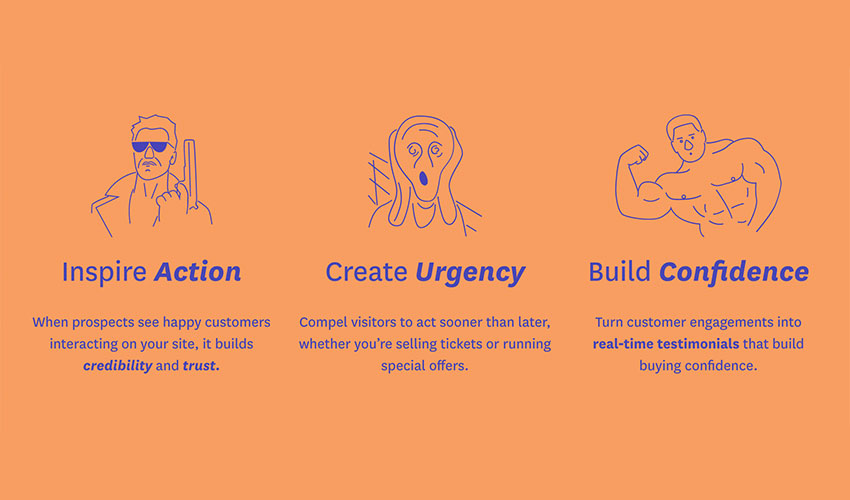
Another way to secure your audience’s trust is by including testimonials on your website or even post. Consumers find the reviews and opinions of other customers to be more trustworthy than the brand’s promise. Ensure you talk about the benefits of joining your mailing list – eBooks, cheat sheets, discount codes etc, but do so in the words of your already existing happy customers. Include links/action buttons under each testimonial (even if they’re old) in order to make the content instantly available for your audience.

Create case studies where you highlight the success stories of your customers in order to create credibility and build trust with your audience. Case Studies are long and in order for them to be successful the content within it must be of great value to the consumer. Use it to answer questions and doubts about your brand, mostly focus on the success of your already existing consumers.

Remember, people love free stuff, so ensure that you make your offers clearly visible and easily accessible to your audience.

Research shows that using scarcity and making it exclusive makes people want it more

It’s been known for a while now that scarcity can significantly increase the perceived value of a product or service. The fear of not getting something because it sells out drives people to make impulsive decisions and act much faster.

While not particularly relevant for digital offers (you would be hard-pressed to advertise a content upgrade as ‘low in stock’), you can take advantage of the urgency factor to prompt visitors to act immediately. For example, you can achieve more conversions by adding a countdown timer to your offer or stating a “available until” date. This will give your visitors an additional reason to quickly get in with the content upgrade. To get off to an easy start, check out Fomo, a one-click plugin that creates urgency by displaying key customer behaviors in real time.

Images Source: Fomo

Exclusivity is a huge catalyst of sales for many of the luxury brands. People want what’s rare and exclusive. They want to be among the selected few that get what others could only dream about. If you know how to harness exclusivity, your conversions will skyrocket.

Buffer compiled a list of 12 phrases that imply exclusivity and could be used in the copy of your offer: members only, login required, class full, membership now closed, ask for an invitation, apply to be one of our beta testers, exclusive offers, become an insider, be one of the few, get it before everybody else, be the first to hear about it, only available to subscribers.

By highlighting the exclusivity of your content upgrades, you’ll encourage people to join your mailing list (which is what you want!).

Make it problem-focused and provide an actionable solution

Images Source: Pexels

When you start looking into your Google Analytics reports to find the most popular articles, you will be able to quickly identify the topics that your readers are most interested in. The best part about creating a content upgrade is that you know the subject is relevant and interesting to your audience. All you need to do then is figure out how to enhance the blog post with a piece of actionable content. Essentially, a content upgrade is the ‘how’ part of the proposed solution.

One of the best tips is to take your time to review all reader comments under your high-traffic articles. Chances are, your readers have already told you what kind of content upgrade would have the highest value. Maybe it’s a transcript, if you’re posting videos, or a spreadsheet template, if you did a step-by-step piece on creating an editorial calendar. Whatever your readers want, though, it shouldn’t take you too long to produce.

Content upgrade is only effective when it’s useful and packed with exclusive tips and hacks. It should be action-oriented and aim to help readers to apply what they’ve learned from your blog post.

Provide tangible result and instant gratification

When someone’s hunting for a solution to a problem, they want it solved immediately. Technology has spoilt us to the point where there is an app for everything and we can access the information, products and services we need in a few seconds.

Something as vague as “join our mailing list to receive awesome tips and tricks every month” will put most people off because it sounds impersonal and does not promise instant gratification. Focus on crafting compelling CTA copy for your content upgrades to ensure the benefits are communicated clearly.

Targeting people’s desire for instant access to products, experiences and solutions is a shortcut to boosting conversions and growing your email list fast. But be sure you can deliver the content upgrade as fast as you promise because people hate waiting to receive something.

Do you have a CRM that keeps you organised?

The most user-friendly CRM on the market. 14-day free trial.

Start Free Trial

Painless setup, no credit card required

Use social proof

Social proof is a tactic used to increase conversation by easing the mind of worried consumers. Nearly 70% of customers read product reviews before making a purchase and customer reviews are 12 times more trusted than manufacturer’s sales copy. Consumers basically seek 3rd party approval of the product or service they are about to purchase before they commit to buy. The power of social proof is undeniable. This is why almost all big companies display consumer testimonials on their website, and so should you. Ensure that testimonials are displayed clearly and in the right format. Whether you decide to have a separate customer review page or you display them right under the product or service (star ratings/comments) ensure it is the right format for your business. Studies have shown that testimonials can increase conversions on sales pages by as much as 34%, so make sure you are making the most out of your testimonials.

Another great way to ease your audience and capture their attention is by letting them know how many people have downloaded a piece of content or bought your product or service. Use your statistics to bring credibility to your brand and your content. The numbers will act as 3rd party approval of your offer and the higher the number, the more likely that next visitor will trust it.

If your service or product has been mentioned in the media, let your audience know. Take excerpts, if possible, from any mentions of your product or service in the media (i.e., articles, reviews, podcasts) and paste them on your homepage. Make sure they are concise and clearly visible. The simplest and probably most convenient way of showing that is by having a ‘Featured In’ section on your homepage followed by a handful of recognizable items. Media mentions is another great way to naturally incorporate your content upgrades into your posts and website.

Conclusion

So, the key points to take away for your killer content upgrades are: ensure you are providing enticing and valuable material. Eliminate the noise and keep it simple – make your content upgrades a part of your post and watch your mailing list grow. Content upgrades are only effective at boosting conversions when they are specifically created for that particular post – so make sure you are paying attention at who you’re talking to. Make use of social proof to increase credibility and desire and don’t forget the fear of missing out. The real kind and the the tool FOMO, which helps you boost your product and service by creating the sense of scarcity around your product or service. Nothing worse than missing out on a great deal, huh?

Here’s a simple truth: there is a way for your business to generate more leads with less money, enjoy better returns, and attract more qualified leads. It also comes with the added benefit of stopping your prospects from hating your gut.

It’s inbound marketing.

The days when smashing out 80 calls a day to generate new leads was considered a progressive tactic are gone. Our dwindling desire to speak to strangers over the phone has led companies to reevaluate their efforts and look for new ways to attract potential customers.

It seems they stumbled on a goldmine.

Should you be doing cold calling?

Let me answer this by asking you another question. When was the last time you came across a success story entitled something along the lines of “How I used cold calling to grow my startup to 11 million users”? Exactly, the last time you were taken aback by a story like that was never.

The thing is, cold calling is an intrusive, old-school sales tactic that triggers more hate and resentment than getting stuck behind a slow walker while rushing to an airport gate. In the olden days, before caller ID and texting, cold calling was the way to get leads for businesses of all types and sizes. In theory, calling prospective clients to chat about a product they’re likely to need doesn’t sound half bad. You could even argue that you’re making their life easier. But when was the last time you picked up a call from an unknown number? Well, there you have it.

Do you have a CRM that keeps you organised?

The most user-friendly CRM on the market. 14-day free trial.

Start Free Trial

Painless setup, no credit card required

Consumers are increasingly more protective of their personal information and privacy and less and less likely to answer calls from unknown numbers. Getting through to cold leads is becoming a mission impossible. Which, in turn, points to the shrinking ROI of cold calling.

According to a research by Lead Creation, 55% of senior sales professionals who took part in the survey thought the effectiveness of cold calling has greatly decreased over the past five years.

A number of other respectable sources back up these research findings:

  • According to InsideView, 90% of C-level executives said they “never” respond to cold calls or e-mail blasts.  
  • HubSpot reports that cold calling costs at least 60% more per lead than other methods, like social selling. The newest HubSpot’s State of the Inbound report has revealed that only 19% of buyers rely on salespeople for purchase decisions.
  • Only 5% of business lead phone calls lead to a sale (DSWA)
  • Customers don’t want to deal with salespeople until they are 70% down the path of the buying process (HubSpot)

The reality is that the Internet, and Google, in particular, have changed the way we gather information and make buying decisions. With access to a vast amount of information at our fingertips at any given moment in our buying journey, we have learned to find answers to product-related questions without speaking to sales reps and only interact with them when we pretty much have our minds set. To put it simply, Google has killed the annoying kind of cold calling and brought about a new trend – smart calling, which is more of an inbound marketing tactic than anything else. But more about this later.  

Can cold calling be wrong for your business?

Companies that invest heavily in cold calling efforts always run several risks. First of all, the biggest red flag is that the ROI has been steadily decreasing. It’s getting more and more difficult to get the right people on the phone, not to mention maintaining their interest and converting a sale at the first touchpoint. Having learned how to navigate the online world, shoppers prefer to be attracted to a brand for its authenticity, superiority or capacity to deliver on specific expectations, rather than to be bombarded by irrelevant sales messages.

Then there’s the hate factor. The modern consumer values personalized communication, storytelling and brands that have a bigger purpose than to simply shovel money. Basically, everything that cold calling isn’t. The abundance of information that our brains need to process every day and the energy we use to keep pace with the world around us leaves little to no room for unplanned decision-making. Dealing with an unwanted call stirs up a lot of unpleasant emotions. When associated with a brand, these emotions can cause a great deal of damage. People hate being sold to and until cold calling is used to establish a connection rather than to push a product or service, it will fail to meet the changing buyer expectations.

So should you be doing cold calling?

It depends. Though an unwelcome outbound marketing technique, cold calling can turn out to be a tremendous asset for businesses that know how to spin it right. When married with clever inbound marketing techniques, cold calling can be upgraded to smart calling, help businesses gather feedback, develop personal relationships and understand their users better. For example, if you’re just starting out, cold calling can be a quick and cheap way to validate your business idea, figure out common buyer objections and evaluate the effectiveness of your pitch.

For businesses that are mainly concerned with getting more qualified leads rather than customer feedback, cold calling should only be an option if integrated with a robust inbound marketing strategy.

So to get the best out of cold calling you need to get the hang of the inbound sales process.

Introduction to inbound sales process

Inbound sales is selling the way prospects buy.

The old-fashioned way of selling was to build the entire sales process around the business needs instead of focusing on the buyer. With the advent of the internet, though, this has flipped on its head. Rather than basing everything on an assumption that a prospect wants your product or service, a smart inbound salesman (or saleswoman) finds a way how to get the prospect to hand all the important information over, allowing for a more personalized, targeted communication. Once a potential customer expresses explicit interest in the product or service, a skilled sales rep can leverage that knowledge and tailor the pitch to highlight the right product benefits.

By focusing on buyers’ personal needs, pain points, frustrations, and goals, businesses can craft more personalized pitches and align their product to meet the customer’s needs.  

Let’s see how the inbound sales process is developed.

#1 Start with defining your buyer’s journey

Traditionally, salespeople would focus all their energy on following some sort of script structure and checking certain boxes, as they were trained by their manager, instead of actively listening to the customer and trying to address their pain points. This is exactly what drives customers mad — they don’t want to be prospected, “warmed up” or closed. They’re looking for a solution to a problem or guidance on how to achieve a particular goal. If a sales rep can’t help, Google certainly will.

To be relevant and create value for the customer, salespeople must understand the different stages of a buying journey and how that affects a prospect’s expectations. The journey can roughly be divided into three different stages: awareness, consideration, and decision. As they progress through different stages, prospects narrow their choices and form a clearer vision of what they want and why. To make sure your company tops their list, the marketing department needs to work closely with the sales team to cover all bases.

When trying to figure out the specifics of each stage, try asking yourself the following questions:

Awareness stage. How do buyers gather information and learn more about the problem your product or service is solving? How do buyers describe or define the problem your product or service addresses? How do buyers decide whether the problem needs to be prioritized?

How to identify buyers at this stage:  they visit your blog, interact with your social media, share or otherwise engage with your content.

Suitable content ideas:  blog posts, ebooks, whitepapers, reports with original research, videos.

Consideration stage. How do buyers educate themselves on available solutions? How do they perceive the advantages and disadvantages of different solutions? What influences their decision when choosing the right solution?

How to identify buyers at this stage: they visit your product pages, check out your benefits and feature pages, “About us” section and area of expertise content.

Suitable content ideas: long-form content, such as guides and ebooks, webinars, live interactions, comparisons, and reviews.

Decision stage. What criteria do buyers use when evaluating your product or service? What objections or concerns do they have that might put them off from converting? What differentiates your offering from your competition? Do buyers expect to be able to trial the product before making a purchase? Besides the final purchasing decision, do buyers need to make any other important decisions, such as consider implementation or training strategies?

How to identify buyers at this stage:  they read your case studies and testimonials, look up comparison articles and reviews, visit pricing pages and “contact us” section of your site.

Suitable content ideas:  case studies and testimonials, demos, trials, product literature.  

Answering these questions before you pick up the phone or draft a sales email will help you look at the process from a different perspective and ensure your buyer journey is optimized to keep the prospects moving down the sales funnel towards a purchase.

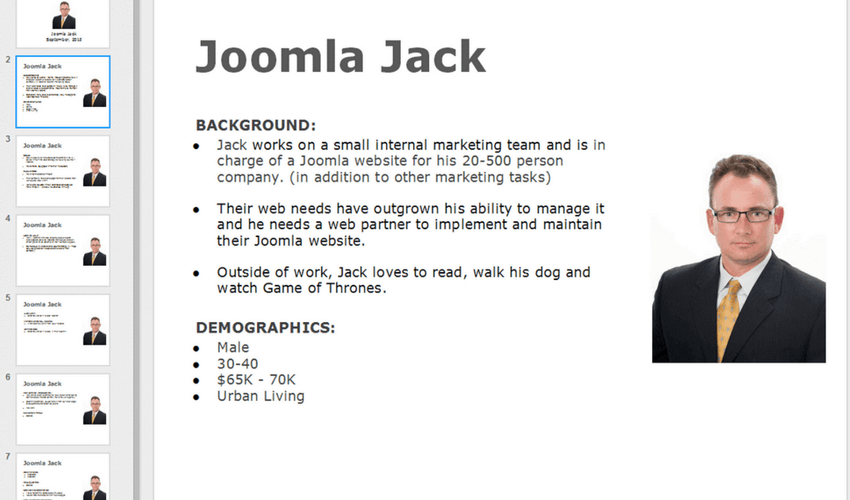
You should also consider developing buyer personas to segment your customers based on their needs, pain points and goals. This will help you to create targeted content for each persona at different stages throughout the buying journey.

Inbound Marketing Define Your Buyers Journey

Image source: Jinbound Blog

#2 Develop your sales process   

Once you have fully grasped the different stages of your buyer journey and how the prospects progress or why they drop off, it’s time to develop a sales process that supports this journey and increases the likelihood of conversions.

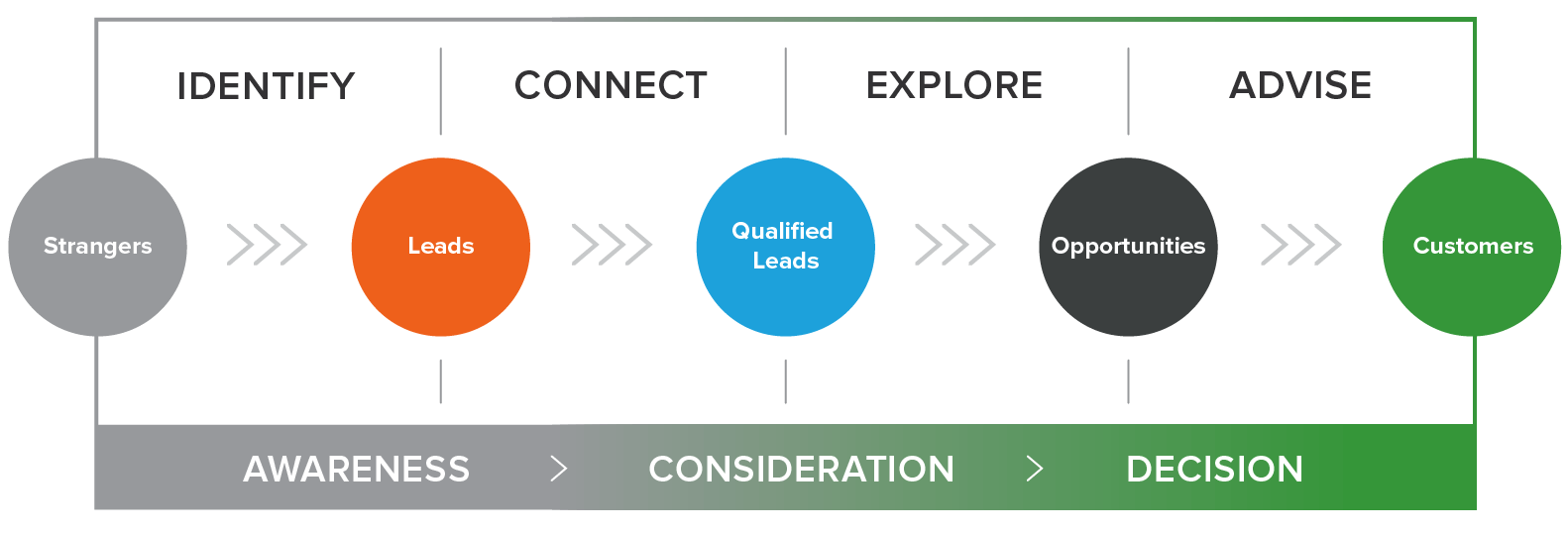
The inbound sales process is perfectly aligned with the buyer journey, supporting customers with timely additional information as they move from identifying a challenge or opportunity that they want to pursue to deciding which solution best meets their needs. The three main things you need to remember about inbound selling is that it is personalized, buyer-centric, and advisory.

The best way to tackle this is by following a four-part framework:

  1. Identify
  2. Connect
  3. Explore
  4. Advise

Inbound Marketing Sales Process

Image source: HubSpot

Identify. There are several ways how you can separate active buyers from the passive ones and identify potential leads. The easiest way to tell whether someone has entered the awareness stage is to look at your analytics data. If someone visited your website, read a blog post, filled out a form, opened an email, engaged with you on social media, or left any other kind of clue to suggest they are active in a buying journey, they move from the “Strangers” category to “Leads”.

Connect. Typically, this is the stage where the outbound calling would start. You obtain a list of leads and hammer them over the phone, regardless of whether your product is the right fit or not. Inbound salespeople, on the other hand, focus on leading with a personalized message that is aligned with the awareness stage of the buying journey. For example, based on the buyer persona that the prospect resembles most (e.g., HR director at an eCommerce company or CEO at a tech startup), the sales rep can offer a free consultation, an ebook or a whitepaper on the subject that the prospect is exploring. The goal here is to help the lead educate themselves about all the options available to them. If the buyer accepts the offer (downloads your ebook or books a consultation), they are considered a qualified lead.

Explore.  At this stage, the inbound salespeople are still unsure whether they can help the prospect, so they initiate exploratory conversations to develop additional trust and uncover buyer goals. That’s when you can pick up the phone and see what the lead is really worth. However, it’s important to understand that the purpose of a call here is to learn more about the prospect’s challenges to be able to determine if your product is a good fit. Through strategic questioning and smart value proposition, inbound sales people can guide prospects to draw their own conclusions about whether a product is the best solution for them. Once a match is established, a qualified lead becomes an opportunity.

Advise. During this stage, inbound sales reps put all the information they’ve gathered from speaking to buyers into context and tailor their offering to the unique situation of the buyer. The sales reps strive to showcase these opportunities how their product is uniquely positioned to address their problem and why it’s better than any other solutions out there. If a buyer finds the offer a perfect fit, they convert and become a customer.

Inbound marketing is so effective because it allows consumers to progress at a speed that they find comfortable and gives marketers and salespeople enough information about each prospect to make their buying experience more organic and enjoyable.  

Marketing qualified lead vs. Sales qualified lead

We have already established that a lead is a prospect who has explicitly expressed their interest in a product or service and is actively searching for more information. However, leads can also be categorized to indicate a specific stage in a sales cycle. As the names suggest, different teams can be responsible for handling different types of leads. So what’s the difference between marketing qualified leads (MQLs) and sales qualified leads (SQLs)?

Marketing qualified leads

Most of the inbound marketing leads are generated through marketing campaigns, but not all marketing leads are qualified. MQLs are easily identified based on their behavior on your site or towards your brand. Typically, MQLs are prospects that demonstrate a deep engagement with your product and send buying signals, but can not be described as fully fledged opportunities just yet. They are referred to as marketing qualified leads because they are more sales-ready than your usual leads and should be nurtured further by the marketing team before they can be handed over to sales. Marketers often design special trigger campaigns to identify MQLs. For example, someone downloading a buying guide, signing up for a free trial or requesting a demo is considered an MQL as it exhibits purchase intent.

Sales qualified leads

Sales qualified leads, or SQLs, are higher on the value chain than MQLs because they basically mean that the prospect has been vetted and accepted as a potential customer by the sales team. In theory, converting an MQL into an SQL should be quite easy — once a prospect raises their hand identifying themselves as a viable customer, everything that a sales team needs to do is nail the product demo and close the deal. However, every company defines an MQL differently, so the range of quality is very broad. Receiving a low-quality MQL is a huge pain for the sales team, as they’re unable to offer the kind of level of personalization that a buyer needs and often revert to autopilot, delivering a generic message that doesn’t clearly articulate how a product can solve the buyer’s problem or help achieve a goal.  

What you should do instead of cold calling

I’ve said it once and I’ll say it again — stop cold calling and start smart calling. There is no one-size-fits-all strategy in sales, especially when it comes to speaking to unqualified leads. Once your prospects enter the decision stage and are pinpointed as SQLs, be ready to engage them in a conversation and gently guide them to a buying decision.

Here’s how you can turn your SQLs into customers.

Discovery call

Not all discovery calls go well, but those that do almost always lead to a sale. A seemingly innocent part of a sales process, discovery calls are actually hard work and play a major role in the success of a sales rep.

The purpose of a discovery call is to delve deeper into a prospect’s situation, get a better understanding of their needs and goals, and learn more about their pain points. Only with this information at hand can a sales rep successfully position the product as the best solution and cement the deal.

One of the most important things to remember when scheduling a discovery call is to go into the conversation with a clear plan of the next steps. For example, if a sales rep establishes a product fit, he should strive to set up the next call or meeting right away, while he has the prospect on the phone. One of the most popular tactics used to nudge SQLs further down the sales funnel is demo calls.

Demo call

Specifically designed to demonstrate how a product will improve the prospect’s life and maybe even turn their struggles into strengths, demo calls is one of the best ways to convert the leads. The information gathered during a discovery call can be put to good use now, as the sales rep gets a chance to craft a highly tailored pitch addressing all the issues / goals discussed earlier.

By aligning buyer’s needs with the product offering and emphasizing relevant features and benefits, a sales rep has a much better chance at converting the lead into customer. As long as the lead doesn’t feel like they’re being “demoed”. At this point, it’s best to avoid industry jargon and empty sales messages and focus on leveraging the information you already have.

Cold calling is dead

And no-one is mourning.

Consumers are clearly embracing inbound marketing and prefer to be educated and nurtured (even if they know it’s all in the hopes of achieving a sale) than being subjected to irrelevant pitching.

What was once considered a ‘necessary evil’ that generated enough leads for businesses to compensate for a low morale of the sales team, is no longer the go-to tactic among successful sales rep. Knowing what buttons to push and how to approach every lead to build rapport and convert them into customers has given salespeople a renewed vigour for their craft. If you want to sink your teeth into this powerful sales process, stop cold calling and work your inbound leads instead.