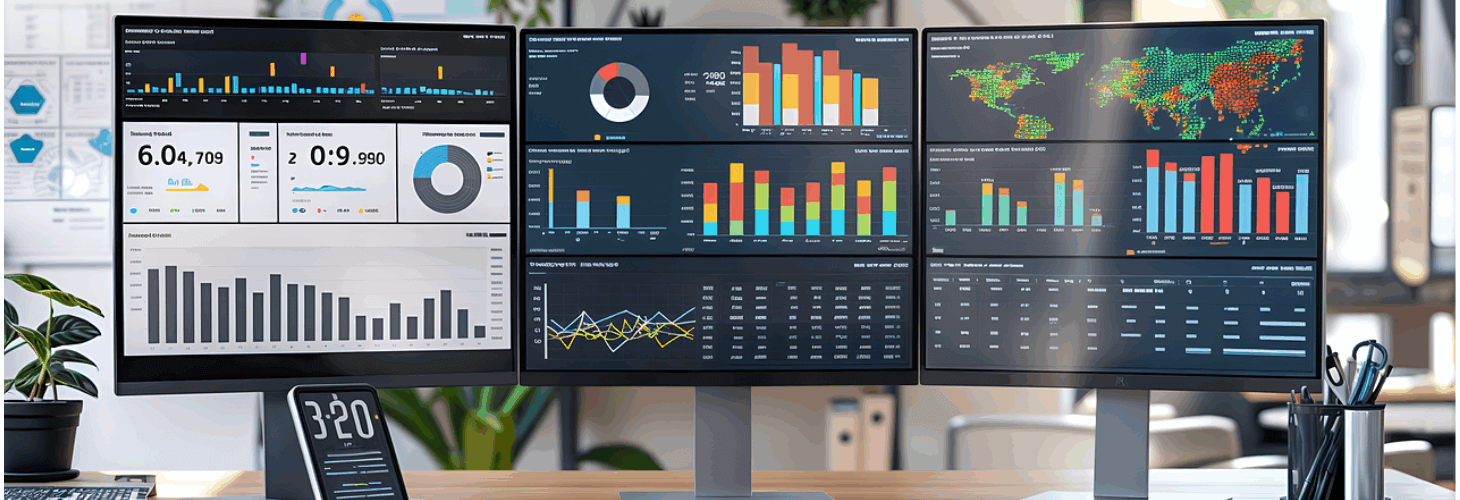

Responsibility plays a vital role in sales. However, not all teams know how to increase their accountability over time to meet the modern-day business requirements. While most businesspeople agree that responsible sales teams perform their tasks better, maintaining high standards can be tricky. Especially when supervisors do not possess the right tools and solutions to track everyday activities within a team.
What Is Responsibility in Sales Teams?
Fundamentally, sales teams’ responsibility is not just about pushing too hard or watching too closely. As a matter of fact, this approach requires making sure everything is clear. It starts by setting clear goals and understanding of the work needed, and continues by relying on clear ways to measure how well someone is performing.
The best way to get this clarity is by introducing regular and organized ways to keep track of what team members are doing. When managers know exactly how employees allocate their time and energy each day, they are able to track how responsible sales teams actually are. This approach allows supervisors to get all the details necessary to control how deals are closed, leading them to better agent coaching, wiser resource use, and the creation of a culture of responsibility that can be scalable as the team grows.
Why Activity Tracking Is Key for Boosting Responsibility?
Sales create numbers. Numbers tell you the exact effects of your commerce activities. Even so, just looking at the final results of a sales team’s performance does not provide you with details on how these numbers were achieved. This is precisely why activity tracking matters most.
More and more businesses are relying on MightyCall Call Center software to keep an eye on how well agents are performing. Using an online call system designed for sales teams’ productivity enables managers to closely control each step of the funnel. Supervisors can easily gather call actions, automatically keep recordings of conversations, and provide a stable way to get detailed info without making the team do more work. Automation in data gathering boosts responsibility among team members, teaching agents that being accountable is a shared value, not just something managers talk about in meetings.
Activity tracking based on modern tech allows you to gather more knowledge. You will know not just how much you sold, whether you hit your goals, and what the possible value of future sales is. More importantly, you will discover the reasons these numbers happen in the first place. As a result, you will be able to predict potential problems, scale your teams up and down whenever needed, and understand the impact of each action agents take.
Activity Tracking and Performance: The Direct Link
Performing well should never be done by chance. It is recommended to carefully follow a strict path to achieve corporate goals. Doing what teams are supposed to do helps managers and bosses recognize patterns in how people talk, what they talk about, and how they react. Tracking these activities helps companies understand how these things are connected, leading supervisors to avoid mistakes in managing sales teams.
The link between activity tracking and performance allows you to get answers to the following questions:
- Why is the pipeline failing—is it because of insufficient early activity, or because of poor conversion rates?
- Are there any salespeople facing difficulties due to a lack of effort or ineffective communication strategies?
- Are the sales teams not taking responsibility for their actions that lead them to unfortunate decisions and results?
- What exact steps are taken by the sales representatives in order to close new and ongoing deals?
As soon as you know these things, you will be able to boost responsibility, leading to an increase in overall sales. Based on HubSpot’s The State of Marketing report, sales are the most important metric for measuring marketing effectiveness. Therefore, it should become your number one priority to track activity in such a way that will lead the team to push overall performance forward.
How to Track Activity Without Overstepping Boundaries?
Boosting sales teams’ responsibility is often possible only through well-planned activity tracking. The main goal should always be not overstep any boundaries, which could lead to leaving a potentially negative impact on your employees. Overwhelming teams with too much data, pushing for the wrong steps, and hurting mutual trust are some of the main issues. If you value responsibility in others, you should also track activity responsibly.
Follow these steps to ensure you succeed in fair activity tracking:
- Choose the right tools. Tracking is currently done mostly by machines, meaning that agents do not have to write reports themselves. The trick is to choose the perfect software that allows you to gather all the necessary knowledge and insights.
- Set tracking standards. Sales teams often use pretty similar steps in achieving their goals. Employees need to know what KPIs will be watched by managers, and why such tracking is important. As a result, there ought to be no confusion while people understand what activities they should focus on.
- Take quality and quantity into account. Successful activity tracking needs to focus both on how much work is done and how well tasks are performed. Just counting numbers will not suffice. Vital factors—including call results, how long talks last, or if check-ups are done—add meaning to the simple indicators you get from supervising work.
If you are working with large teams across various departments, you might want to consider employing a thorough business activity monitoring (BAM) solution. This complex approach enables companies to precisely track each and every step employees are taking during their shifts. The goal is simple: to follow such metrics as return on investment (ROI), runtime errors, app usage, unintended interruptions, or total sales results.
Turning Data Into Eloquent Coaching: The Next Step
The lack of coaching in a company might lead the teams and employees to make irresponsible choices. If you want to boost your sales teams’ responsibility, you need to look beyond making people follow rules. You do not want to make them feel disconnected. That is why all the data you gather through activity tracking can (and should) be used to help you utilize information to help teams grow instead of just criticizing them.
Eloquent coaching is possible if managers use information about activities to:
- Quickly spot areas where people need better skills and know-how.
- Focus on specific actions that lead to the right outcomes,
- Develop training plans specific to each person and based on real patterns.
Let us use an example to illustrate the meaning of good coaching. If you look at the results of calls over time, they can show you if someone has trouble starting conversations, answering questions, or explaining the next steps. Coaching agents to deal with specific call issues can help them develop the much-needed skills.
Summing up, activity tracking balanced with powerful coaching can boost overall work quality, leading you to increase sales over time. Make these best practices your norm.