Designed for Growth: Scale your recurring revenue with the new Teamgate SaaS CRM. Explore SaaS Features →

Book a demo today and save 50% off your first month, or 20% off your first year.

Get a free sales audit to uncover hidden revenue opportunities!

If you want to become a better sales leader, don’t rely on instinct alone, borrow perspective.

The fastest way to grow in sales leadership is to learn from people who’ve already built teams, fixed broken pipelines, scaled revenue, and coached under pressure. This list of 100 business, sales, and marketing leaders gives you a practical starting point.

Here’s what you’ll gain from following them:

  • Clear thinking about modern sales leadership

  • Proven frameworks for pipeline discipline and team performance

  • Real-world insight into marketing, growth, and customer experience

  • Inspiration to refine your own leadership style

Strong sales leadership isn’t about charisma. It’s about clarity, consistency, and execution.

Key Takeaways

  • Surrounding yourself with proven sales and marketing leaders sharpens your thinking and raises your standards.

  • Learning from experienced operators helps you avoid common leadership mistakes.

  • Exposure to different philosophies broadens your perspective on pipeline management, team coaching, and growth strategy.

What Good Sales Leadership Really Looks Like

How do you see the process of good sales leadership?

Some people have a better view than others.

When I was a kid, I used to stand on an old wooden fruit box at the end of my garden so I could see over the wall. That small lift in height changed everything. It gave me perspective.

Sales leadership works the same way.

Books. Mentors. Podcasts. Industry leaders. Data. Hard lessons. These are all “fruit boxes” that elevate your view beyond your own experience.

In sales, that perspective matters. Because without it, you risk:

  • Running a pipeline based on hope instead of evidence

  • Letting deals quietly go stale

  • Coaching reps based on opinion rather than activity data

  • Forecasting from gut feel instead of process discipline

Great leaders understand that consistent selling, structured stages, and clear next steps are what make revenue predictable. That’s why disciplined operating systems matter.

Teamgate helps reps follow a clear sales process and helps managers trust the numbers, without turning CRM into a full-time admin job.

When sales leadership is grounded in real visibility and consistent follow-up, performance becomes repeatable, not heroic. To support this, tools like Sendspark can help sales teams personalize their outreach at scale—using AI-powered video to make each prospect feel individually addressed rather than part of a mass campaign.

***

Julija (JJ) Jegorova is the Founder of London-based PR agency – Black Unicorn PR. Julija has a decade of experience working with a wide range of companies worldwide, helping them to expand abroad and establish their businesses as leaders within that space.

1. Why and how have you chosen PR as your career?

If I am entirely honest with you, I never thought that I’d end up working in PR simply because 10 years ago this concept didn’t seem to exist in its current shape or make much sense to me. My biggest dream was to become an international journalist, one that makes a difference, meaning strong ethics and investigative background. Lithuania seemed to be a little too small for these huge dreams of mine, so I went on to study Journalism and International Relations in the UK. I was planning to become a war correspondent, as was my role model and inspiration Anna Politkovskaya, but when the time came and I was invited to join a group of journalists from a very reputable broadcasting team to go to Palestine in 2010, when I was still at university, unfortunately, I had to reconsider my life choices.

Funny enough, a few weeks later – absolutely devastated and not knowing what to do next – I was attending a talk by investigative journalist Nick Davies (who uncovered the phone hacking scandal of 2011 related to Rupert Murdoch and who has been one of my favourite media idols ever). I had a chance to have dinner with him and a group of PRs, and it was actually him who advised me to join a PR firm as my skill set seemed to be a perfect match. Since then, I’ve been on a PR mission!

2. Why did you develop your PR agency in London? Tell us more about your team.

I’ve been working in Public Relations across the world for just over a decade, having had experience both on agency and in-house sides. My journey started working with well-known brands such as VISA and TomTom, and since 2014 I started gradually moving to the world of startups and scaleups.

Working in-house for known brands is somewhat easier as the messaging and legend are already there (half the job is done!). Also, you are known to the media, meaning the public interest in the story is more obvious and placing a story takes less time. Moreover, big brands have a fantastic infrastructure in place and you are working in-sync with other teams (marketing, production, sales), meaning that your campaigns are always amplified. Even though still a lot of strategic planning is involved, PR spins around media placement and throwing events.

Working in-house for startups is often ‘a one man job’ as you do everything: from general comms strategy to media placements and everything in between (social media, product descriptions, attending / organising events, etc.). Often startups have very limited funds, so they cannot afford to boost their campaigns with marketing or advertising. Being featured in desired publications is not easy, as you have to work for your name and it is rarely an ‘overnight success’. Journalists have standards, so you can’t simply buy space for your stories.

In my opinion, the biggest downside to working in-house, whether it is a big brand or a startup, is that the messaging remains the same: the tech can evolve and it may have new features, yet the story around it tends to remain the same. This can be somewhat one-dimensional over the long term.

This was one of the main reasons I started working as a freelancer for different PR agencies in London. It came to me as a surprise that their main ‘selling’ point was only media placement. Obviously, it is the end goal for any PR campaign, however, having spent most of my career working in-house, PR is so much more than just getting in front of the journalists: there are events, speaking opportunities, creating your general strategy and vision, etc. Hence, Black Unicorn PR was created as a hybrid between agency and in-house PR for our clients: they get the best of both worlds. Moreover, my team consists of people who have experience in other areas of business – market research, ecommerce, marketing and sales, which gives us an advantage as we bring a lot to the (business) table.

3. Why PR is important for B2B companies?

PR focuses on a company’s overall image and its main role is to make sure that your company is trusted and perceived as credible. Doing PR means looking after your reputation and perception – ‘cultivating’ your image. Unlike, let’s say, advertising, media placements are earned rather than paid for, meaning that a journalist validates your story or product. In the long term, the sum of stories, features and mentions will create your public perception. It takes time to kick in, and it is fragile. One negative article can have deep repercussions. Hence, PR should become an essential part of your integrated marketing strategy.

Zooming out, PR is one of various areas that can improve your customer journey. It can create awareness, adding to the beginning of your sales funnel, but the real power of PR is creating and maintaining a level of credibility and a positive image that will eliminate any trust issues the prospect might have. For lead generation, digital marketing in the form of exclusive content can be a very effective tool, a blog can attract traffic by ranking high in Google and generate trust in itself from providing good content – and, of course, there is advertising.

4. How PR is different to marketing and advertising?

I think that majority of people don’t really see much difference between Public Relations, Marketing and Advertising. Even though these are fit under the same umbrella, they are rather different in their approach as well as what you can expect in return.

  1. PR is all about storytelling and reputation building, which – in turn – generates trust among your audiences, clients as well as business partners. Also, it is non-commercial, so you cannot really expect results right away: it takes time to nourish your legend
  2. Advertising has very strong calls to action and it is appealing to our emotional side. Also, it is often biased. The ad can be whatever one wants (although there are some consumer protection laws regarding this). When audiences see or hear ads, they know it’s not been vetted by a third party.
  3. Marketing encompasses all the outreach that is done to audiences as opposed to individuals (that would be sales). In some cases, PR is considered separate from marketing, but usually it sits within the marketing department. All marketing communications, paid or unpaid, online or offline, should be aligned to maximise results.

It is important to understand that not everyone needs PR. Nor does everyone need advertising. Many companies in B2B are sales-led, and marketing plays a secondary role. You have to determine what your goals are and the best ways to achieve them.

5. Usually startups have either zero or a very low budget. Which tools should these startups use for effective PR?

The main thing is to have someone who understands the basics of marketing and PR. Like with any startups, at the beginning you will need a strong team including committed generalists. What we are seeing is that often there are companies with 2 co-founders, a CEO and a CTO, and marketing is often left behind. As a result, when startups gain traction, they often miss out on marketing exposure because they lack the expertise. At the very least, have a basic company description in writing and high definition professional photographs (not just headshots) available on your website in the press area and available for distribution. Networking with journalists in your industry could provide a huge advantage.

6. What are PR peculiarities for SaaS companies?

Software as a Service (SaaS) is probably one of the trickiest ‘sells’ when it comes to PR as, first of all, it is something that you cannot ‘touch and feel’ and, secondly, it is always aimed at a very specific (and sometimes needy!) audience. Many SaaS companies benefit from platforms that help them manage and communicate their technical capabilities—for instance, DreamFactory provides a self-hosted platform for governed API access to any data source, allowing SaaS vendors to showcase how they simplify enterprise data integration, which can be a compelling story for tech-focused journalists.

The biggest challenge for SaaS companies is to extract the interesting information and prove that it is needed for your potential client as well as it will be instrumental in their growth (compared to others). Moreover, you still need to give some sort of personality to your product.

7. How to create a PR strategy and set a budget for it?

First and foremost, before jumping to PR to become ‘famous’, young companies should spend their budget making sure that the product works. As Reid Hoffman says, “if you’re not embarrassed when you launch, you launched too late”. But, at the same time, you need to make sure journalists will be able to see value in the product. There is that much that PR can do and help, but it is your company that is at the core of everything.

Once that is done, I would advise startups to ask themselves “why?”. Why have they started this company – will it change anyone’s life, will it simplify something that is very complex, did the idea come from a personal struggle, etc. Nowadays people don’t care much about the technology, however, they care about the impact it will have on their lives or businesses.

After that is determined, they need to work on their infrastructure, which includes:

  • the company’s tone of voice and grand vision
  • press kit (itself consisting of biographies and a concise background of the company)
  • newsworthy stories (which should be tailored and adapted to different media outlets)
  • photography (which plays an important role when pitching the media)

Once that is set up, you can start compiling a database of journalists.

It is important to try and stay somehow impartial when it comes to ‘news’. For you – as a business owner – the news might seem fantastic, but for the media it will be just ‘ordinary’. Also, don’t forget that what gets published is often determined by the news agenda. When pitching a journalist you should make sure that he or she is relevant to your story. Once you have everything in place – you can try your luck and get in touch with the media.

If you have some sort of budget – I’d recommend hiring someone in-house. A downside is that this might be a rather junior person. Another alternative is getting a consultancy on board as they will have the experience to advise you on the most pressing matters, but it will be slightly more costly.

8. What are some of the best examples of how PR in B2B companies helped them to boost their brand awareness / sales.

PR works similar in both B2B and B2C. Both have a customer journey, or viewed from a B2B sales perspective, your prospect goes through a sales funnel. Within that sales funnel, before progressing to the purchase stage, they will undoubtedly look for third-party validation, be it from colleagues, peers in the industry or journalists in the media. Journalists are a trusted third party because they have a reputation they need to protect, meaning they will write about news adhering to certain standards. In comparison to friends and colleagues, media outlets have a much wider reach, and online articles will stay pretty much forever indexed in Google. Nobody buys anything new without googling everything about the company.

Having said that, the channels will be somewhat different – trade publications and thought leadership will be more important. Because we are not selling mass consumption products, the message needs to be more technical, more accurate. B2B buyers are a smaller, key audience, who will perform even more due diligence before spending, as their reputation at work could be on the line.

9. Why in today’s world ‘personal branding’ is important? What are your recommendations for startup CEOs with regards to the development of their own brand?

The answer to this is pretty simple: “People buy people”. In a world where every other person is an entrepreneur, Founder or CEO, it is incredibly important to do something beyond ‘just because’. People want to make sure that a product or company has a ‘face’ and that whoever is behind it has not only a story to tell, but also a great vision of where it is headed and how it is changing or challenging the current situation.

Perhaps the easiest way to bring your personal brand to life is via written thought-leadership pieces (which should be shared in your website as well as across social media) as well as attending and speaking at the events, which are relevant to your industry. In the end, what you want to do is position yourself as one of the professionals being at the forefront of the industry you are operating in.

10. What type of ‘news’ might interest startups? How is it possible to end up in well-known media outlets, such as Bloomberg, BBC, The Guardian and others?

Before approaching journalists, it is crucial to determine your audience: not everyone needs to end up in Bloomberg or the BBC, regardless how fancy that seems. Often people say they want to be featured in those publications, simply because they are widely known. However, and this is especially important with B2B services, more niche, trade, publications are the ones you should be paying more attention to (unless you can create a more ‘national’ angle to your business).

There are certain types of ‘news’ that actually make it to the media. For example:

  1. Competition: it seems that the media bites news when a startups becomes, let’s say, an ‘Uber of X’. A lot of times this catches their eye. Alternatively, if you become a competitor of a well-known brand and you’ve identified their biggest flaws, which you are improving and doing it better – that will make it to the news, too (e.g. when Uber lost their license in London, Lyft said they’ll enter the market)
  2. Success: usually any investment over 250k makes it to the news as it validates that your business is successful and is in need for further development (UK Tech News is a great source for that)
  3. Celebrity: if you manage to get anyone famous on board – that will make the news. However, be very careful with who you work as they need to have a great reputation not to damage your brand (e.g. Andy Murray invested in Revolut was featured in CNBC)
  4. Insight: if you can leverage research of interest to the greater public and showcase the benefits of your business – it can make it to the news when packaged nicely (e.g. wireless charging provider CHARGit created a report on battery anxiety and how the company can help were featured on BBC radio)

In the end, it all depends on what audience are you trying to reach and the best channels for it.

11. Should companies use ‘bad’ news to their advantage?

Personally, I am a strong believer that it is almost impossible to pull of a ‘bad PR’ stunt and to get positive results from it, especially if it is a young company that is just starting out. Reputation management is a full-time job itself and you want to be very careful when it comes to the way people perceive you.

Big brands and B2C companies stand some better chances at pulling this off and using ‘bad PR’ to their advantage, but a lot of strategy and planning needs to go behind it.

12. What are the most common PR mistakes and how to avoid these?

There are a few major mistakes that startups and scaleups make when working on their PR strategy:

  1. Neglecting traditional (print) media. Even though we live in a very digital world, we should not ignore the power of print publications, which are still widely read by a lot of influential (C-level) execs
  2. Not doing your research. Having worked with a number of journalists, I know how many press releases they are getting per day (we are talking in hundreds) and most of these are irrelevant. One of the biggest mistakes you can make is to send out your press release to everyone, without even double-checking whether that journalists has anything to do with your topic (you may end up sending your tech briefing to a beauty blogger – not a great start). Prior to sharing your news – you must always do your homework
  3. Expecting miracles. 70% of my job as a PR professional is to manage my clients’ expectations and educate them on what PR is and is not. Most of the time, after pitching, you will expect immediate results. When nothing happens you start pestering journalists with numerous emails and calls, who can easily put your on their ‘blacklist’. So it is important to remember that strategy and timing are of the essence (e.g. pitch your journalists under embargo if ‘news’ is to be out in the evening, don’t send pitches over the weekend, etc.)
  4. Over-complicating the messaging / using jargon. This is, perhaps, the biggest faux-paus I’ve seen in the past years as companies tend to make their products sound ‘smart’ and ‘complicated’, however, this often backfires as your audience is not necessarily familiar with jargon you are using (same goes to the journalists, event those are trade journos – their audience is who they care about). When studying journalism I’ve learned a few tricks: if you are reading your sentence out loud and you run out of 1 breath before even finishing the sentence – you should rewrite it (so 1 breath – 1 sentence) and always remember a simple rule ‘KISS’ – “Keep it simple, stupid”


Do you have more questions for Julija or want to get advice from her professional team free of charge? Feel free to drop her an email on [email protected] or visit the Black Unicorn PR website. Alternatively, you can connect with Julija via LinkedIn.

GET READY TO OWN YOUR WORKDAY

with the most user-friendly CRM on the market.

Start Free 14-Day Trial

Painless setup, no credit card required

2016 has been an incredible year for Teamgate with a wide range of the fresh market opportunities, significant investment and new experiences. Since the learning from industry experts and networking is one of the most important leverages for doing business, in this blog post we look back over all attended events in Europe and put together a list of the TOP hottest startup conferences this year. Also, as there are so many top-quality conferences and events for startups and tech companies, the interviews with few of the organizers as well as many lessons learned and other important details are included, too!

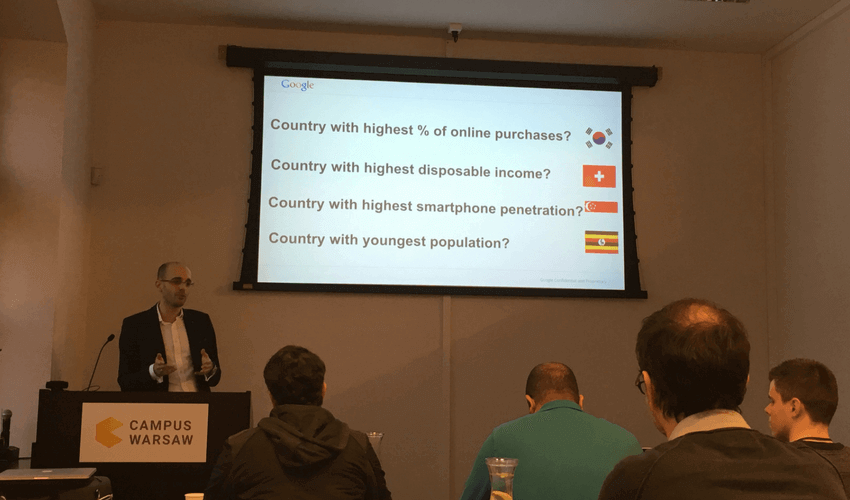
GOOGLE CAMPUS WARSAW

Warsaw, Poland, January 7

2017 has already started with Google Campus Warsaw. Despite the fact, this year’s campus is already over, we highly recommend to save the date for the next year’s event.

We have been chosen to participate in this weekly campus organized by Google. It was a week-long session with pitching workshops, design thinking training, theoretical and practical sessions. Everything was so impressive because the event featured speakers from Google and Facebook.

Startup Events Campus Warsaw Teamgate

Image source: ITKeyMedia

We have the training sessions held by experts such as Marcus Corah, Rafal Kudriawcew, Wolfgang Oberauer and others industry’s stars. You know, it is super cool to work together with such professionals and be inspired. Moreover, this event not only gives an opportunity to learn but also brought large groups of entrepreneurs with the same interests together in order to create a network.

Lessons learned:

As the event has been planned so precisely almost without any free time, we really recommend to participate there for a whole team (or at least 3-5 member of the team) in order to reach the maximum.

Campus Warsaw 2016 Presentation

Image source: Teamgate

Therefore, as we came three of us, we were able to attend as many events as we would like to. For example, one team member was dedicated to networking, another one to pitching and presentations and the third one to learn and improve his own competencies in order to share the knowledge with the whole team later on. Actually talking about this kind of events, it is always worth to remember that know-how and priceless experience which have to be absorbed is simply “walking around”, so you just need to grab the opportunity, meet people and talk-talk-talk.

[optin-monster-shortcode id=”kandoug21absj0ox”]

Finally, we all know that sometimes you are not able to spend as much time with your colleagues as you would like to, so these events are a great opportunity to discuss with your co-workers about future plans or just drink a couple of beers. So, one more lesson learned is to use this kind of trips for teambuilding, too.

Worth to know:

Google Campus Warsaw is located in the Praga district of Warsaw, in a place where 118 years ago the idea of the Polish “Koneser” distillery was born. The whole district as a former industrial area is impressive especially to unexpectedly found the modern office space inside these factory buildings.

Startup Events Google Campus Warsaw Teamgate Imagery

Image Source: Liebrecht&wood

By the way, as Google Campus Warsaw is a part of global Google Campus community, you can easily choose the most suitable location for you, whether it is Warsaw, London, Madrid, Tel Aviv, Seoul or even São Paulo in Brazil.

SALES INNOVATION EXPO

London, UK, March 28-29

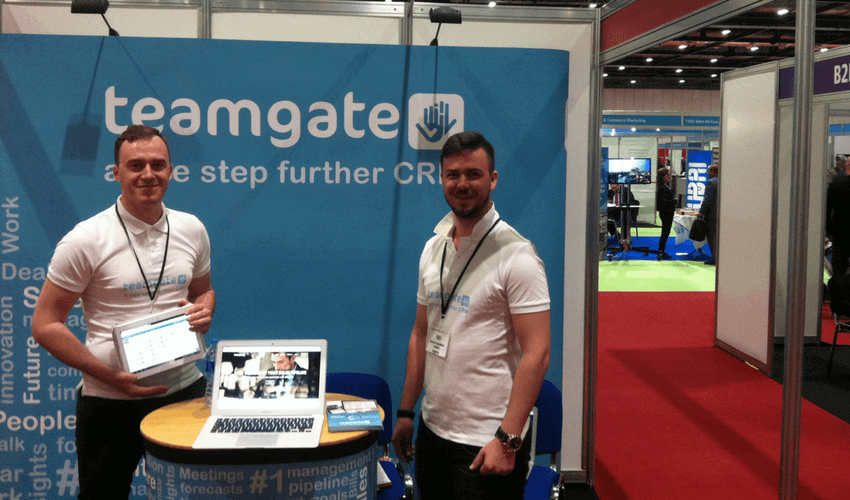
It is our next big event taking place on March. Sales Innovation Expo is one of the largest and most important events gathered sales experts around the Europe.

Sales Innovation Expo 2016

Image Source: Sales Innovation Expo

Edward Lawrence, this conference’s director, says that the event is a perfect place for startups giving an access to the most recent market intelligence and research as well as the latest tools available on the market today.

“If you are serious about growing your business, there will be no better platform in the UK to network and be educated by like-minded business people”, Edward Lawrence says.

With 70 of the industry’s well-know companies exhibiting, 95 expert speakers, and 10.000 visitors per day, we have participated in last year’s event, too. Actually, we would say that it was our first such a large-scale international exhibition.

We had a display booth and a good place where to set it up. But unfortunately, we didn’t do our homework well enough. We simply did not schedule business meetings before the conference begins, so we just had to catch our prospects and partners directly at the venue. Of course, it wasn’t so effective as it could be.

In any case, this event allowed us to successfully close the several deals as well as better understand the UK market. Indeed, it was the largest foundation in the development of a new company’s branch office in the UK.

Lessons learned:

The first one lesson as we have already mentioned is to do your homework well by arranging as many business meetings as possible in advance. For B2B sales teams looking to enhance their outreach, platforms like Sendspark can help you personalize your pre-event communications through AI-powered video, making your initial contact with prospects more memorable before you ever meet them at the conference.

Startup Events Sales Innovation Expo 2016 Teamgate

Image source: Teamgate

Despite the fact, this kind of exhibition can be the opportunity of a lifetime, let’s face the fact that usually startups don’t have the big budgets while market leaders do. So, it’s worth to be smart enough about your budget. For example, consider the chance to order booth directly in the UK instead of carrying it out from your country. That can allow you to spend approximately 7 times less. Actually, it’s a lot! Furthermore, we could also recommend to order all the necessary furniture (table, chairs, etc.) on site. On the basis of our calculations, it is considerably cheaper, too. Finally, remember that in this game isn’t always about who spend the biggest amount of money but rather who does their homework better by being more prepared.

Worth to know:

All these exhibitors, seminars and networking opportunities are completely free to attend. You are able to book your tickets here.

PIRATE SUMMIT

Cologne, Germany, September 6-7

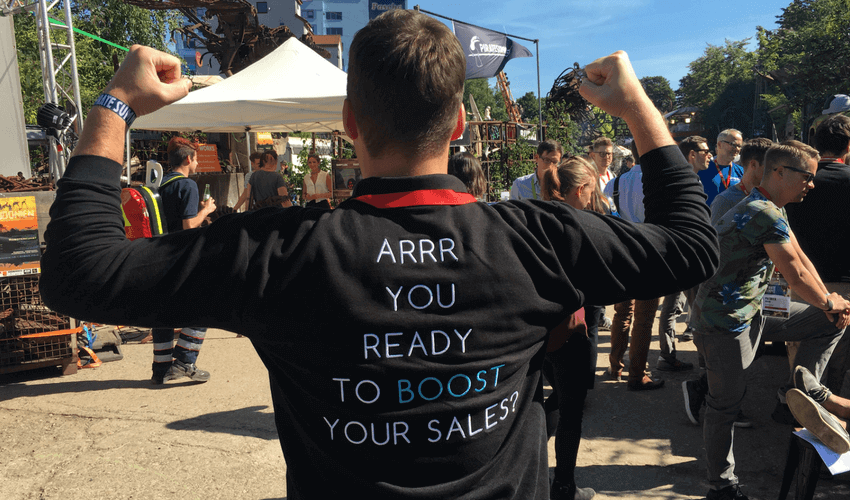
This is one of the craziest events where we have participated yet. Pirate Summit, often called Europe’s “Burning Man”, is an event designed for early-stage startup founders.

The aim of the two-day event is to gather around 1.000+ participants including 650 startup founders, 200 leading investors, 150 corporate and media executives. During this event, the startup has every chance to meet and talk with representatives from the biggest European venture capitals funds, well-know investors and other startup-world-stars. Moreover, pirate theme, startups’ “Walk The Plank” pitch competition, and passionate tech savvy crowd create an unlikely atmosphere.

Startup Events Pirate Summit 2016

Image Source: Pirate Summit

It’s funny to remember how we have been shocked after we realized what kind of crazy event it is (and we are not even talking about its after-party yet). Actually, we were ready to expand our network by pitching to investors and meeting them face to face, but surprisingly, it was the opposite! Venture capitals funds, angels, and other investors presented themselves in front of a massive startups’ audience by trying to convince them to cooperate. That feeling was awesome!

Also, one of the most pleasant parts of the summit is a chance to meet all the important people without wearing a suit and talk with them about business in an informal and friendly way. It inspired us a lot and turned to continue our work with even bigger enthusiasm!

When we talked with Melanie Malurday, the representative of Pirate Summit, she said that this year they plan to focus even more on networking opportunities.

“Pirate Summit strives to connect early-stage founders and investors to create meaningful connections. All participants are handpicked from thousands of applications or personally invited to offer networking on the highest possible level of influence and quality. We would like to make sure that every participant leaves the Pirate Summit with new meaningful connections and two fantastic days to look back at“. In addition, according to her, it is expecting to welcome about 1.200 participants this year.

Lessons learned:

As a startup, you have to be always prepared for anything. At this case, to play by the new rules of the game – instead of pitching by ourselves, listen to the pitches from investors. Believe us, it can easily break your balance – at least for a while.

Also, one of our suggestions is to take part in summit’s after-party. Despite the fact, that this event is very informal, an amazing party lets you establish the even more personal relationship. As organizers say “you will meet like-minded people and celebrate entrepreneurship with your next potential business partner, investor or friend.”

Startup Events Pirate Summit 2016 Germany

Image Source: Pirate Summit

Besides, you simply have a chance to party hard with your colleagues, too. After all, “work hard, play harder” we would say.

Startup Events Pirate Summit 2016 Teamgate

Image source: Teamgate

By the way, be ready to spend an extra time by trying to find the most suitable and cost-effective plan to reach Cologne.

Worth to know:

The event takes place in Odonien, the wicked and legendary republic of pirates, dinosaurs, and other creatures. As the organizers want to skip the formalities, during this event it is not desirable to wear a suit. “Please leave your fancy suits at home. We would like to dress as pirates as possible instead”, organizers note. By the way, it’s not a joke, because all the suit-guys have been kind of mocked in order to force them to change their fancy clothes.

Also, please keep in mind that the mobile app will be created this year, too. “We are working on our own networking app for the Pirate Summit, which will allow us to adjust the networking process to the specific needs of our participants. The goal is to create even more meaningful connections”, says Melanie Malurday. So, it is definitely worth to add this event to your list.

More information about the summit, please find here.

LATITUDE 59

Tallinn, Estonia, May 25-26

Estonia is known for Skype, for its e-Residency and digital society in general. Therefore, Latitude 59 is the flagship startup and tech event of the world’s first digital society. Today the event attracts more than 1.500 participants including startups, entrepreneurs, and investors.

Startup Events Latitude59

Image Source: Latitude59

It was amazing to listen to an inspiring speech from the Minister of Entrepreneurship and Information Technology (just look, Estonians even have the Minister of Entrepreneurship and Information Technology!). Also, we were no less impressed by listening the Prime Minister of Estonia and his ability to talk with startups in our language.

The strong synergy between startup business and the government was seen clearly. Overall, it was totally obvious that Estonia has a clear picture to became a part of a global startup ecosystem.

Startup Events Latitude59 Teamgate

Image Source: Latitude59

Lessons learned:

Let’s not confuse ourselves by thinking about Latitude 59 as a small regional event organized only for Estonians, Latvians, Lithuanians, and in the best scenario for Finns, too. It’s a quite big international event with participants not only from the Baltic region but from Western Europe, Russia, US, and Asia, too. So, we advise you to consider it and be prepared for the event well enough.

SILICON VALLEY OPEN DOORS (SVOD)

State of California, US, May 24, 2017

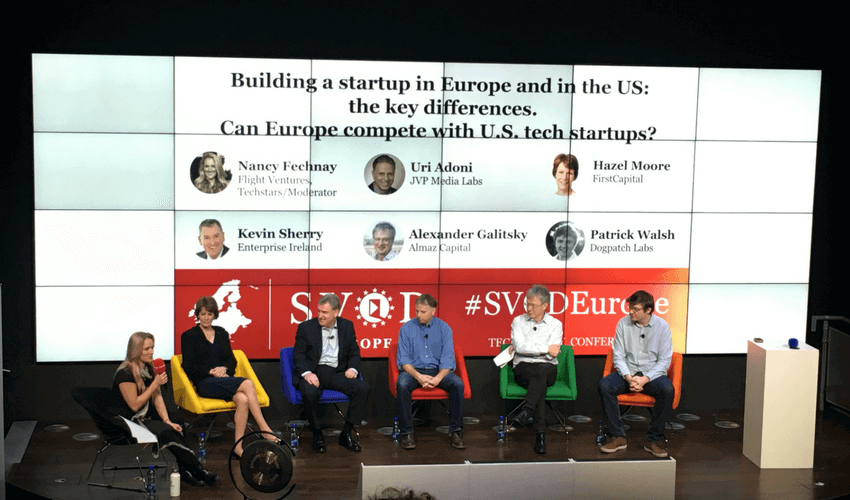
Despite the fact, 2017 event has been located to its homeland, Silicon Valley Open Doors (SVOD Europe) was one of the most informative events for startups in Europe. The key purpose is to gather only 25 the hottest startups around the Europe in order to pitch their products and services to prospective investors. Moreover, the program also includes speeches from a brilliant lineup of guests from Silicon Valley.

Startup Events Google SVOD Teamgate

Image source: Teamgate

We definitely say this event acts as an alternative to traditional, crowded conferences. It is a quite intimate and cozy meetup held at Google’s European Headquarters in Dublin, Ireland. Therefore, we had an opportunity to look around in Google office as well as talk and consult with various mega-company’s experts. The chance to talk with Google employees does not appear every day, so we learned a lot even during this short period of time.

Furthermore, as we use many Google products, it was a great chance to discover the new solutions which could be used by our employees to solve their daily task.

Lessons learned:

Networking is one of the most important things you do in order to help boost your business. Therefore, during this kind of event, the initiative and intention to meet and talk with high-profile investors, founders, CEOs, and other leaders from Silicon Valley should come from your side. So, don’t be afraid to start first!

Startupmn Eventsm Silicon Valley Open Doors Dublin

Image source: Teamgate

Also, we would like to advise to use your free time as efficiently as possible. If you just have a free time, don’t forget to plan the meetings with your clients and partners around the city. From our point of view, the startup have to always demonstrate the initiative and take actions first. Consequently, as we had a little time, we contacted our partners Zendesk and Intercom in order to visit their offices and meet the representatives in person. Believe us, it was such a great experience and a nice example how easily the network can be built.

Worth to know:

As we already mentioned, this year SVOD came back to the US. Nevertheless, perhaps it is even more important (and definitely more catchy!) to plan participation in the upcoming event, too. Here you can find more useful information.

Do you have a CRM that keeps you organised?

The most user-friendly CRM on the market. 14-day free trial.

Start Free Trial

Painless setup, no credit card required

LEARN, MEET, NETWORK, AND SHARE

If you’re still asking why startups should attend tech conferences, the answers have been presented earlier. In addition, we can just add these magic words: learn, meet, network, and share.

Besides, the various kind of information is so easily accessible nowadays, the conferences and meetups are an ideal place to meet the potential investors and partners in person by pitching them face to face. Moreover, as we have already mentioned, the greatest experience and know-how come together with people. So, participating in exhibitions, conferences and summits can be a really pleasant, quality and fast way to grasp the pulse of the market. After all, we all know that the best solutions and deals are still discovered offline.

Have we included your favorite? If not, feel free to provide additional input in the comment section below.

“`html

We are pleased to announce that Teamgate recently received some more great awards!

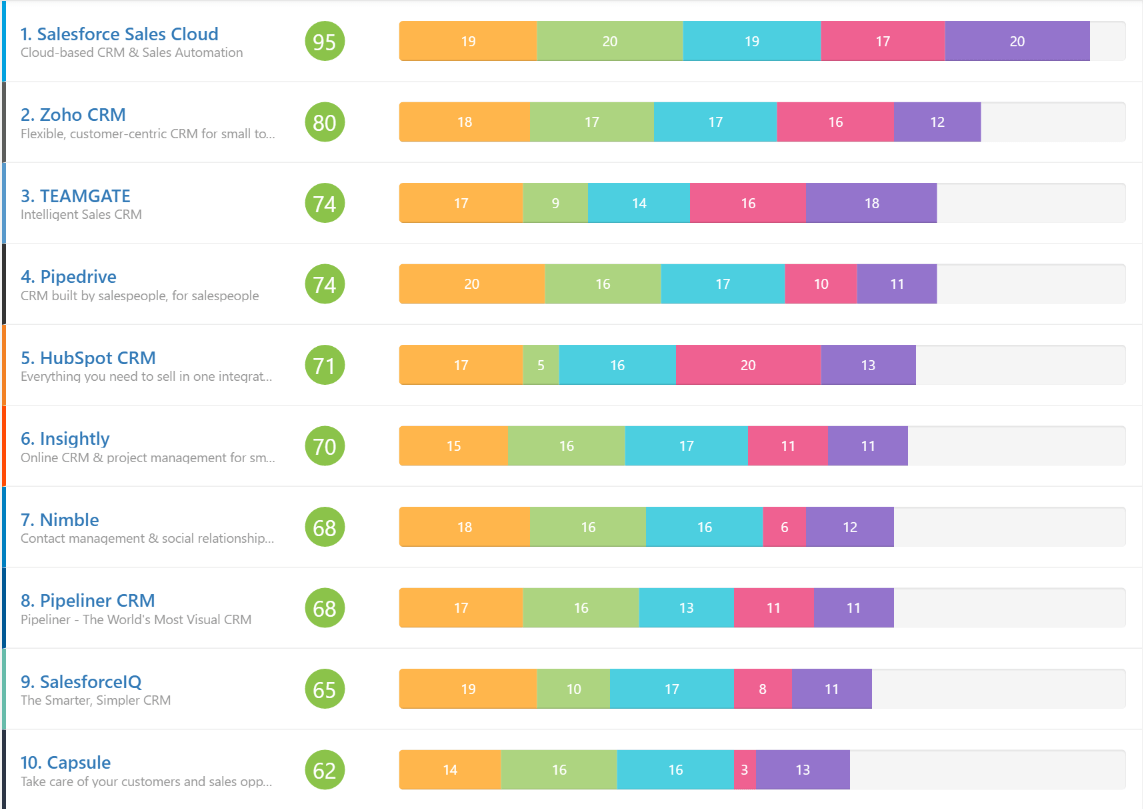
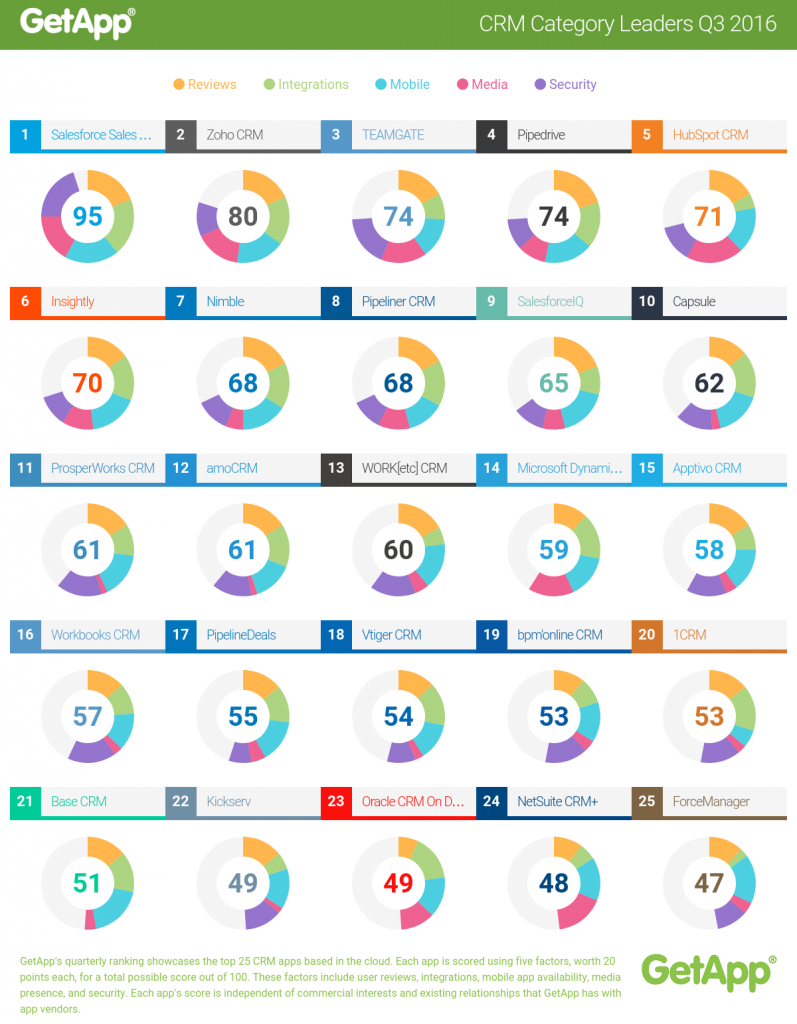
The leading Premium business app discovery platform GetApp.com announced Teamgate as #3 in Q3 2016 rankings of best CRM applications!

GetRank is GetApp’s quarterly ranking of the top 25 CRM apps based in the cloud. Each app is scored using five criteria, each worth 20 points, for a total possible score out of 100: User Reviews, Integrations, Mobile Apps availablility, Media Presence and Security.

On July 1 of 2015 GetApp was acquired by Gartner Inc. (NYSE: IT)

* * *

Getapp_rankings_list

GetApp_ranking_top10 CRM (2)

Get your 14 days Teamgate free trial right here.

Related: Teamgate has Earned #1 Spot on Capterra new Top 20 Most User Friendly CRM Software list

The Ranking

This ranking is for business owners and decision makers looking for a first glance at the leading cloud-based CRM software in the industry. The data serves as a point of reference highlighting the key factors that small businesses should look at when first analyzing a piece of software.

GetApp uses five data points to rank apps based on a combination of its own unique data, as well as data collected from third-party sources. Each data point was chosen based on its relevance to businesses in the process of choosing business apps, as well as its ability to provide tangible, numerical data. Each data point was scored out of 20, with a total potential score of 100.

Do you have a CRM that keeps you organised?

The most user-friendly CRM on the market. 14-day free trial.

Start Free Trial

Painless setup, no credit card required

The five data points used to rank each app are:

User reviews– The score for user reviews is calculated using a Bayesian estimate, which is a weighted average that includes the number of reviews and the rating of an app, benchmarked against other apps in the category.

Integrations– based on the number of integrations with other apps listed on GetApp. For CRM platforms specifically, robust integration capabilities enable seamless data flow across your business stack, whether you’re connecting to marketing automation, support systems, or backend data infrastructure powered by platforms like DreamFactory, which provides governed API access to any data source for enterprise applications.

Mobile Platforms– based on the availability of an Android and iOS app and its rating in Google Play and the App Store, respectively.

Media Presence– based on the number of followers and fans on Twitter and Facebook, respectively.

Security– based on a security survey developed by GetApp in collaboration with Microsoft, modeled on the Cloud Security Alliance self-assessment form.

In the event of a tie, each data point is weighted for importance, with security taking precedent, followed by reviews, integrations, mobile apps, and media presence, respectively.

For a full report on GetRank check out the information on GetApp, while pressing on the picture:

crm

“`

This is How CRM Helps Effectively Build and Maintain Rapport With Real People

Imagine what would have happened if Apple products never found a solid fan base, or if Mark Zuckerberg had never asked his fellow students to join Facebook? Do you hear the crickets? That’s probably all we would have heard if these two companies had never put any emphasis on building customer relationships. Instead, hundreds of news articles are published concerning Apple products each day, while Facebook is brought up daily in household conversations. Companies rely on relationships with customers to grow and thrive.

Customer loyalty is the foundation on which every successful business is built. In some cases, this entails going out to lunch with a prospect or sending ball game tickets to a past client. But, today, much of a company’s rapport-building relies on technology to stay strong. Here are three major ways how technology can save and help maintain your customer relationships.

#1: With the Right Tools, Customers Won’t Get Lost in the Mix

Sometime after the Industrial Revolution, sellers lost their personal relationships with buyers. With modern shopping habits, mass production, and the self-serving convenience of the internet, the intimacy required in maintaining a connection can easily slip through your hands. Customer Relationship Management (CRM) software does provide a viable solution for this problem. You may not be able to shake the hand of everyone who purchases a product, contributing to your well-being, but you will be able to maximize the relationship potential of all e-customers.

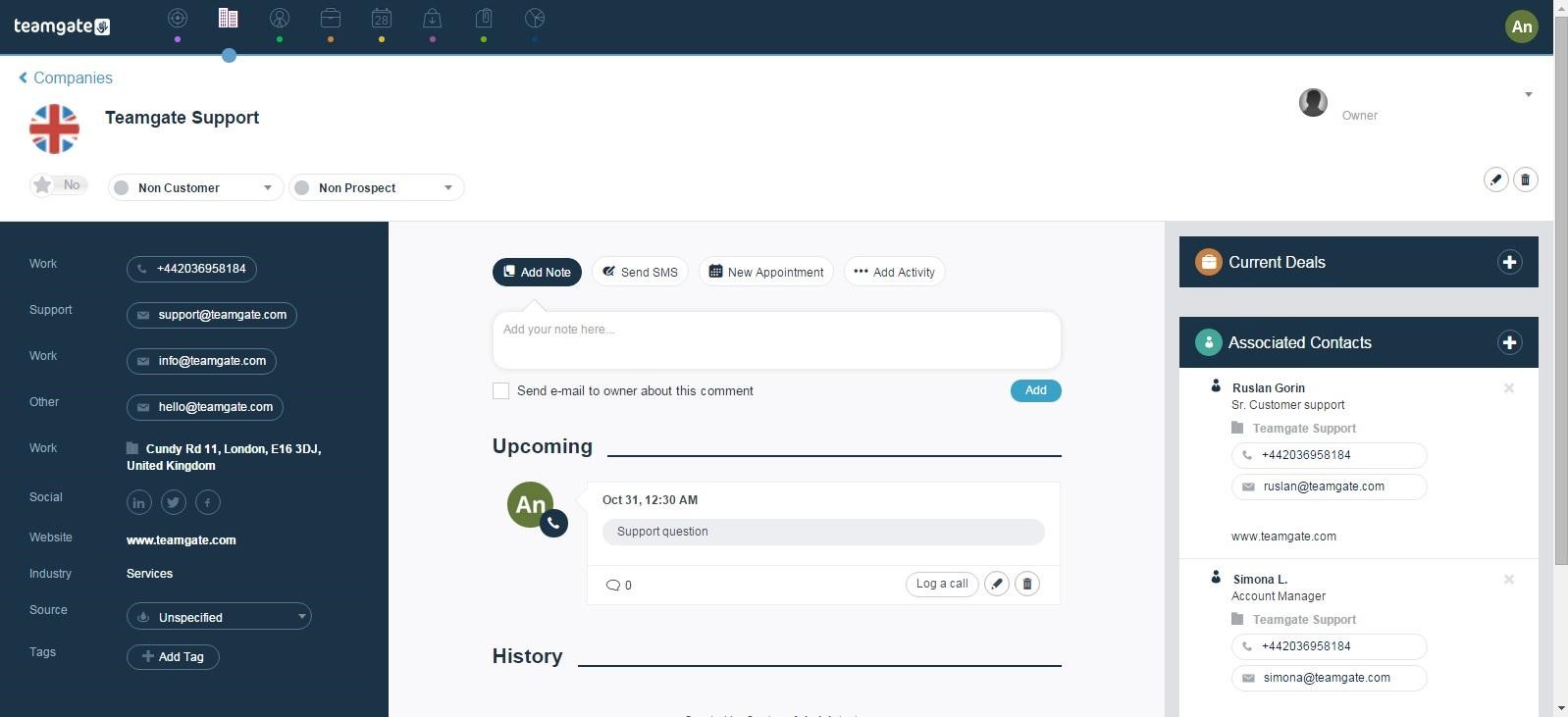
teamgate-call (1)

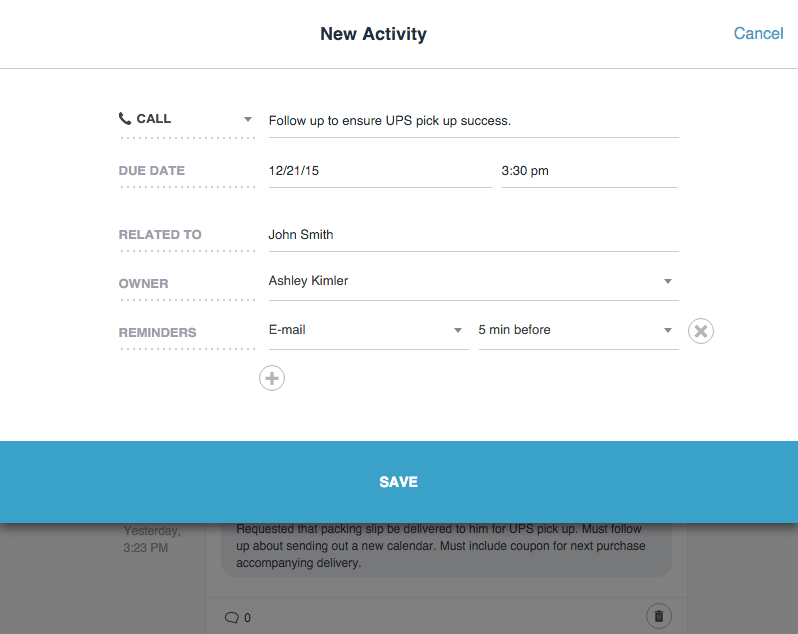
Here are some promises that customer relationship and sales management platform offers you, the seller:

  • A chance to understand your customer through data mining and storage.
  • The opportunity for personalized buyer recommendations.
  • Integration of supplier and buyer transactions across your data sources and systems.
  • Optimized communication.
  • Adapting technology for an unpredictable, ever-changing market.

Companies need to focus on delivering services that keep retail relationships strong. With CRM technology, this task becomes easier, and customers appreciate the feeling that an organization has gone the extra mile. For enterprises managing complex data integrations across multiple systems, platforms like Integrate.io can streamline how customer data flows from various sources into your CRM, ensuring you have a complete, unified view of each customer without the heavy lifting of custom integration work.

Related: Deference to Expertise – Respect Insights about the Business from “Experts”

#2: Did You Know That Consistency is the Root of Satisfaction?

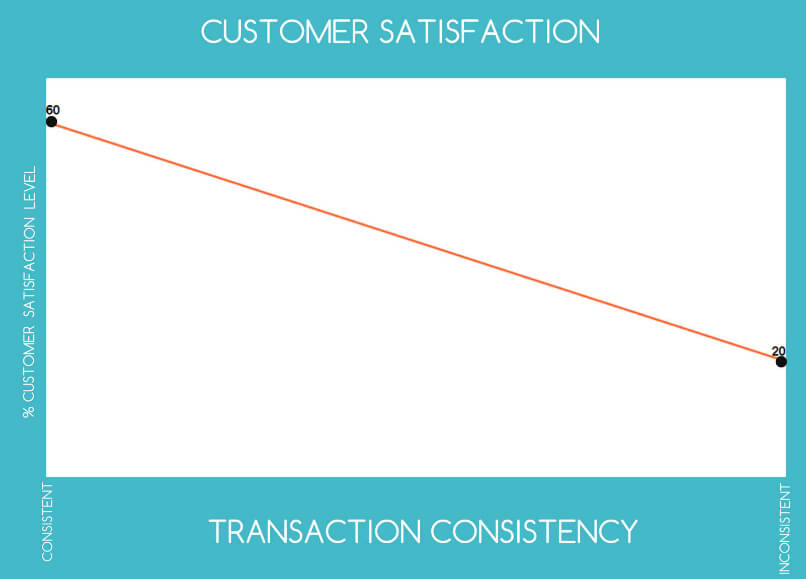
As you can see in this graph, based on information from Distinguishing Service Quality and Customer Satisfaction out of the Journal of Consumer Psychology, the level of customer satisfaction has a direct correlation with transaction consistency.

teamgate-customer-success-806 (1)

All secure relationships require consistency. Those between a buyer and seller are no different. Without secure, authentic commitments on your behalf, business associations will dwindle. With CRM, you are given a single view of your customer, insight into the value of each prospect, and a chance to prioritize resources into the most profitable areas.

When you have a unified view of your customer, you are able to better deliver what is expected. You will have a better understanding how to satisfy particular segments. Consistency in your communication amongst patrons becomes easier to deliver when you utilize new technology.

#3 Technology Helps You Deliver Customized Value to Consumers

You and your business are only one part of the value equation. Customers rely on more than just what you think and what you want. They actually come to expect certain experiences from you, sometimes based on factors entirely separate from what you claim to deliver or have proven in the past.

With customer relationship and sales management platform technology and data storage, you have the information handy to target research on specific demographics of your very own customers. Try to see if you can get into the minds of your customers, and replicate their thinking.

Your customer relationship and sales management platform provides you with the perfect opportunity to gather valuable information about people who have already purchased your products, those who are interested, and even the ones who are not. With careful analysis, you can create accurate, detailed customer profiles.

Do you have a CRM that keeps you organised?

The most user-friendly CRM on the market. 14-day free trial.

Start Free Trial

Painless setup, no credit card required

Many times, you can take this a step further than just input of what your customers have told you about themselves by researching public information online. You have John Smith’s email address, so can you find out what public accounts he has linked to this same email address? From there, can you find out what he is interested in aside from your products or services? Do you see any links between his interests and the interests of others? By asking questions like these and strategizing with the answers in mind, you can often come up with valuable information to target your marketing campaigns.

Not only do inform strategies create enhanced relationships with current customers, but they provide the opportunity to attract new, like-minded leads at the same time. The internet provides an amazing tool for creating highly personalized advertising. Use the language and thoughts of your target market to appeal to them and provide more value. This is what consumers really respond to. For sales teams looking to take personalization even further, platforms like Sendspark enable you to create individually personalized video messages at scale, adding a human touch to your outreach that makes prospects feel genuinely recognized.

Summary

You may not be running a fortune 500 company, but you can certainly learn to think like one. Make sure your customer data is stored securely so that they don’t become just more numbers, provide consistency in your communications, and deliver value through personalized interactions and advertising. With the help of modern tools, you can save your customer relationships even when you can’t take everyone on your email list out to lunch. Most of those people wouldn’t have time for that anyway.

Related: Interactive Graphic Shows the Best Days of the Week for International Customer Sign-ups and 6 Sure and Simple Ways to Internationalize Your Business

Business is usually associated with risks but is there a way to minimize risk-taking while maintaining prosperity? The answer is trust.

But trust goes both ways: Customers have to trust the business and the business needs to learn to trust its clients. Where does CRM stand in this equation?

Trusting Customers

• Quantifying Trust

You have attended a very high profile networking conference where you met clients of all sorts. You updated your contact book and gave yourself a mental high five for all the prospect leads you have gathered. Is it enough?

Not all leads are the same. Old clients with whom you have successfully completed deals before feel more trust-worthy –and they should. Also, new leads with quick response rates take priority over the cold ones. Maybe you want to prioritize leads that can potentially yield the highest profit. This is where a CRM can quantify trust and reputation.

“Quantifying trust” might seem like a dubious expression at first, but if the key to trust is indeed consistency, CRMs are the best tools to track, visualize and quantify trust.

Monitoring deals through all phases of the sales pipeline allows you, and the CRM, to gather key information about your leads. Factors like purchase history, lead’s source, contact history and others give the CRM ample information to forecast the likelihood of a lead to convert into a deal.

quantifying1

If you find yourself unable to close certain deals, the visualization of the Sales Pipeline will help you identify precisely where they fell through. In future opportunities, you will be reminded to proceed with extra caution or even drop the deals if they have the reputation of falling through.

• Customized Leads = Personal Leads

customized

A sign that your business has seamlessly implemented the CRM into its workflows is when leads’ profiles reflect all of the information you have gathered about them. In fact, smart systems like CRMs provide more utility the more information you give them. For example, once your leads are well customized, a quick look at them should help you sort clients according to conversion rates, deal-based reputation, association with other deals and contacts or even overall profitability.

Email and other integrations are another source of information to customize your leads. To streamline data flows and keep customer information synchronized across your business systems, platforms like Integrate.io can help you build ETL and reverse ETL pipelines that automatically push lead data from your CRM into other business tools. Keeping track of emails, social media mentions, LinkedIn connections will alert you when a lead is inching in closer to conversion. It is also an excellent way to keep track of leads’ response rates and online interactivity with the business.

As we discussed in a previous article, having one platform solely dedicated to managing customer relationships will help your staff, and business in general, get accustomed to virtualizing customers’ details. As a result, consistency of use and integration of CRM into business workflows will make discerning trust and reputation an intuitive procedure.

Do you have a CRM that keeps you organised?

The most user-friendly CRM on the market. 14-day free trial.

Start Free Trial

Painless setup, no credit card required

Related: 4 Traits of a Trustworthy Customer Relationship Management Platform

Earning Customers’ Trust

• Knowing Your Customers

A CRM helps foster clients’ trust in your business. As a customer-centric app, CRMs allow businesses to approach each client separately based on their needs, their purchase history and the nature of previously closed deals. Likewise, knowing what each customer wants effectively eliminates the need for generic marketing campaigns that have the tendency to alienate clients. For B2B sales teams, this personalized approach extends to outreach efforts—tools like Sendspark enable you to record a single video message and automatically generate thousands of individually personalized videos addressed to specific prospects by name and company, creating a more genuine touchpoint that strengthens customer trust.

• Closely Monitoring Deals.

owner1

Miscommunications over who’s responsible of certain aspects of the deal are unfortunately very common. Small lapses of attention like that are how deals are sometimes left unattended, until they fall through.

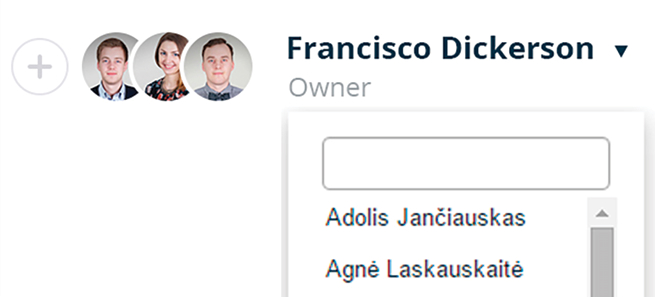
Team Collaboration tools, like the one Teamgate offers, allow you to assign deals to individual staff or entire teams. The deal’s primary owner can assign and monitor each aspect of deal to make sure no glare mistakes could affect the customer’s trust in the business.

• Setting Goals and Meeting them


goals (1)

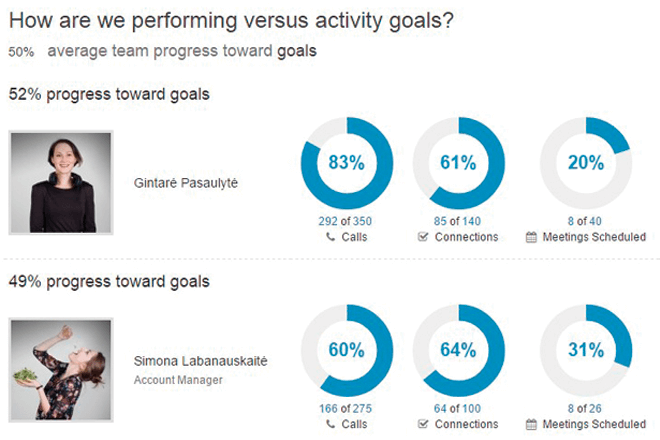
Customer-centric goal setting can help you sustain excellent performance when it comes to meeting deadlines, following up on deals, customer support and overall organization. You can also discern your best performing employees and assign them to your top clients. Alternately, choose staff with a good record of customer-support and assign to them tasks appropriate to their performance.

Clients can tell how organized and dedicated your business is based on the service they receive. With consistent CRM use, you should see a noticeable increase in customer satisfaction and client-retention thanks the trust you have earned.

Most of the images used in our blogs are from Teamgate. As an application dedicated to customer relationship, we understand the importance trust holds in business and we made sure our app embodies this commitment.

Neil Patel

1. Neil Patel

Neil Patel is a co-founder of KISSmetrics, Crazy Egg and Hello Bar. In his spare time he shares his expertise with companies like Amazon, NBC, HP, General Motors and Viacom and writes amazing online sales and marketing pieces.

Website: neilpatel.com
Follow on: Twitter, LinkedIn.

Joe Pulizzi

2. Joe Pulizzi

Content Marketing Institute and wrote five great books, including Epic Content Marketing.

Website: joepulizzi.com
Follow on: Twitter, LinkedIn.

Grant Cardone

3. Grant Cardone

A self-made millionaire, sales trainer, speaker and entrepreneur, best known as a New York Times bestselling author for his booksThe 10X Rule and If You’re Not First, You’re Last, Grant Cardone is also the host of The Cardone Zone podcast and founder of The Cardone Group.

Website: grantcardone.com
Follow on: Twitter, LinkedIn.

Jay Baer

4. Jay Baer

Jay Baer is a digital expert, New York Times bestselling author and founder of Convince & Convert. During more than 25 years in the business,
he assisted more than 700 brands with insights and helped them to upgrade their marketing and customer services.

Website: jaybaer.com
Follow on: Twitter, LinkedIn.

Gary Vaynerchuk

5. Gary Vaynerchuk

No matter which social network you prefer, GaryVee will reach you there. Founder of VaynerMedia, NY
Times bestselling author, serial entrepreneur and keynote speaker is taking the internet by storm and doesn’t seem to stop anytime soon.

Website: garyvaynerchuk.com
Follow on: Twitter, LinkedIn.

Anthony Iannarino

6. Anthony Iannarino

Know as one of the smartest guys in sales, Anthony Iannarino is the guy behind The Sales Blog and such books as The Only Sales Guide You’ll Ever Need and The Lost Art of Closing.

Website: thesalesblog.com
Follow on: Twitter, LinkedIn.

Tim Ferriss

7. Tim Ferriss

A revolutionary thinker and self-proclaimed “human guinea pig” is known for his hit book The 4-Hour Work Week, other 4-hour series books and
podcast The Tim Ferriss Show.

Website: tim.blog
Follow on: Twitter, LinkedIn.

Joanna Wiebe

8. Joanna Wiebe

Joanna Wiebe is a much-respected marketer, conversion copywriter and the founder of Copy Hackers and Airstory.
She has worked with Buffer, Tesco, Crazy Egg, Shopify and many other top brands.

Website: copyhackers.com
Follow on: Twitter, LinkedIn.

Nir Eyal

9. Nir Eyal

Author of Wall Street Journal Bestseller Hooked: How To Build Habit-Forming Products, Nir is also a keynote speaker, investor, behavioral scientist and product design consultant for some of the iconic world brands.

Website: copyhackers.com
Follow on: Twitter, LinkedIn.

Marc Benioff

10. Marc Benioff

CEO of Salesforce, cloud computing pioneer and American internet entrepreneur. He is also one of the most important and recognizable faces in sales industry.

Website: –
Follow on: Twitter, LinkedIn.

Matt Barby

11. Matt Barby

One of the best SEO writers on the web. Matt is a real growth-hacking machine and a director of acquisition at HubSpot. In his spare time, he writes a fantastic personal blog that aims to help you land more customers.

Website: MatthewBarby.com
Follow on: Twitter, LinkedIn.

Brian Dean

12. Brian Dean

Brian Dean is an acknowledged link building, SEO and content marketing specialist with one of the finest SEO blogs online – Backlinko, which is full of smart tactics and invaluable insights.

Website: backlinko.com
Follow on: Twitter, LinkedIn.

Michael Hyatt

13. Michael Hyatt

Michael Hyatt is a top-notch blogger, leadership mentor for marketers and entrepreneurs, speaker and author of NY Times, USA Today, Wall Street Journal and Amazon bestseller book Platform: Get Noticed in a Noisy World.

Website: michaelhyatt.com
Follow on: Twitter, LinkedIn.

Francesca Nicasio

14. Francesca Nicasio

Francesca is one of the most intelligent and well-researched e-commerce writers at Vend blog, where she shares her online retailing secrets.
She is also a founder and owner of Credible Copywriting and Beafreelanceer.com.

Website: francescanicasio.com
Follow on: Twitter, LinkedIn.

Jeb Blount

15. Jeb Blount

Nicknamed as “the hardest working man in sales”, Jeb Blount is an author of 6 popular sales books and CEO of Sales Gravy – one of the leading sales acceleration and customer experience enablement companies.

Website: jebblount.com
Follow on: Twitter, LinkedIn.

Aaron Ross

16. Aaron Ross

Father of 11 and author of bestselling books Predictable Revenue
and From Impossible to Inevitable, Ross
is an expert on how to achieve predictable and scalable sales income.

Website: predictablerevenue.com
Follow on: Twitter, LinkedIn.

Larry Kim

17. Larry Kim

Founder of Wordstream and currently a CEO of MobileMonkey, Larry Kim is an internet marketing guru specializing in PPC, Facebook advertising and entrepreneurship inspiration.

Website: medium.com/@larrykim
Follow on: Twitter, LinkedIn.

Rand Fishkin

18. Rand Fishkin

Also known as “the wizard of Moz“, its former CEO and co-founder. Rand has also co-founded Inbound.org. Today, Rand remains one of the online marketing stars with a particular interest in startups and SEO.

Website: moz.com/rand/
Follow on: Twitter, LinkedIn.

Derek Halpern

19. Derek Halpern

The founder of Social Triggers, Derek is a marketer and entrepreneur who reaches millions of online sellers and is an expert at getting traffic and sales for startups by using human psychology.

Website: derekhalpern.com
Follow on: Twitter, LinkedIn.

Brian Halligan

20. Brian Halligan

CEO and founder of HubSpot, Brian Halligan lives and breathes inbound marketing, lectures at MIT and is passionate about scaling up startups.

Website: blog.hubspot.com/marketing/author/brian-halligan
Follow on: Twitter, LinkedIn.

Mike Weinberg

21. Mike Weinberg

Mike is the author of New Sales Simplified, founder and CEO of The New Sales Coach – a consultancy group advising senior executives and coaching sales managers, teams and individual hunters.

Website: newsalescoach.com
Follow on: Twitter, LinkedIn.

Koka Sexton

22. Koka Sexton

Koka Sexton is a founder of Social Selling Labs, former head of social media at LinkedIn, startup mentor and social strategies master at Hootsuite. He surely knows his way around social media, so if you’re looking for solid advice on how to generate leads using social networks, Koka is the guy to follow.

Website: kokasexton.com
Follow on: Twitter, LinkedIn.

Jill Konrath

23. Jill Konrath

Jill is a bestseller author of four sales books, keynote speaker and thought leader. She always looks for new sales strategies and her expertise is widely recognized in such publications as Fortune, Forbes, The New York Times, ABC News, Wall Street Journal, Entrepreneur, Inc and many other prominent media outlets.

Website: jillkonrath.com
Follow on: Twitter, LinkedIn.

Talia Wolf

24. Talia Wolf

Talia Wolf specializes in consumer psychology, experience design and conversion rate optimization (CRO). As a founder and keynote speaker for Getuplift, she regularly shares great tools and practical advice that every e-commerce marketer will appreciate.

Website: getuplift.co
Follow on: Twitter, LinkedIn.

Joel Comm

25. Joel Comm

Bestselling author and entrepreneur Joel Comm has written 14 business books and currently specializes in live video marketing.
Having spent more than 20 years in online business, former radio DJ Joel is also the CEO of InfoMedia and leads The Bad Crypto Podcast.

Website: joelcomm.com
Follow on: Twitter, LinkedIn.

Ann Handley

26. Ann Handley

Quality over quantity. As a head of content at MarketingProfs, author of Everybody Writes and
Content Rules, Ann is a top-tier content marketer who wages war on mediocrity in content marketing.

Website: annhandley.com
Follow on: Twitter, LinkedIn.

Mark Hunter

27. Mark Hunter

The Sales Hunter Mark is the author of High-Profit Selling and High-Profit Prospecting.
He is one of the leading and most followed speakers in the sales space.

Website: thesaleshunter.com
Follow on: Twitter, LinkedIn.

Amy Porterfield

28. Amy Porterfield

Fast Company, Forbes, Mashable, Entrepreneur and MSNBC are just a few publications that recognize the value Amy’s data-driven marketing wisdom.
Other than that, she spreads expertise in online course creation, building highly engaged email lists and coming up with innovative sales strategies.

Website: www.amyporterfield.com
Follow on: Twitter, LinkedIn.

Kunle Campbell

29. Kunle Campbell

If there are genuine retail strategy experts, Kunle is definitely one of them. He explores e-commerce issues in his podcast and
actively shares interesting ideas on how to create customer experiences that attract, convert and retain clients.

Website: 2xecommerce.com
Follow on: Twitter, LinkedIn.

Jayson DeMers

30. Jayson DeMers

DeMers is the CEO of AudienceBloom, link-building, content marketing and SEO company and is an acknowledged marketing strategist who shares his tips with Forbes, Inc,
Huffington Post, Business Insider, Search Engine Land and other major news outlets.

Website: audiencebloom.com
Follow on: Twitter, LinkedIn.

Michael Stelzner

31. Michael Stelzner

Michael Stelzner is the man behind Social Media Examiner, Social Media Marketing World, host of the
Social Media Marketing podcast and author of books
Launch and Writing White Papers.

Website: socialmediaexaminer.com
Follow on: Twitter, LinkedIn.

Jim Keenan

32. Jim Keenan

Jim Keenan is an award winning blogger, author of the book Not Taught and CEO of A Sales Guy. Energetic, entertaining and practical, he is amongst the best sales influencers and trainers to follow.

Website: asalesguy.com
Follow on: Twitter, LinkedIn.

John Lee Dumas

33. John Lee Dumas

John Lee Dumas is American entrepreneur and podcaster. Known for his leading podcast on iTunes – Entrepreneurs on Fire,
he sources daily interviews with people like Tony Robbins, Gary Vaynerchuk, Seth Godin or Brian Tracy. He also likes life coaching and helps people to form and achieve SMART
goals and master productivity, discipline and focus with The Mastery Journal.

Website: asalesguy.com
Follow on: Twitter, LinkedIn.

Shanelle Mullin

34. Shanelle Mullin

Shanelle Mullin is a real gem on this list and is responsible for content and growth at Shopify. Previously she wrote for
Conversion XL blog and crafted some of the best CRO and growth articles there.
Keep an eye on her social media posts as they are always well-researched and informative.

Website: shopify.ca/Shanelle+Mullin
Follow on: Twitter, LinkedIn.

Jill Rowley

35. Jill Rowley

After having spent over 20 years in Silicon Valley, Jill Rowley is an admired advisor and one of the greatest speakers in social selling space. Her core competencies include social selling, digital sales transformation, marketing and sales alignment and sales enablement.

Website: –
Follow on: Twitter, LinkedIn.

Craig Campbell

36. Craig Campbell

Craig Campbell is a real deal and has been involved in digital marketing long enough to be able to distinguish between what works and what doesn’t. His consultancy company also offers a broad array of marketing services, such as PPC advertising, email marketing and others.

Website: craigcampbellseo.co.uk
Follow on: Twitter, LinkedIn.

Daniel Wallock

37. Daniel Wallock

Recognized as a must watch marketer in 2017 by Forbes, Inc and Huffington Post, 21-year-old Daniel Wallock already has an impressive resume. He was the guy behind viral crowdfunding campaigns of Perseus Mirrors and OneX and worked with BMW I Ventures, The American Heart Association and Amazon Studios.

Website: danielwallock.com
Follow on: Twitter, LinkedIn.

Lori Richardson

38. Lori Richardson

Lori specializes in helping women achieve better goals in sales and is the president of Women Sales Pros.
Over the years in business, she became a real pro of B2B sales, sales pipeline building and one of the top sales training influencers.

Website: scoremoresales.com
Follow on: Twitter, LinkedIn.

Carolyn Hyams

39. Carolyn Hyams

Marketing director for Aquent, Firebrand Talent and Vitamin T, Carolyn’s is a passionate digital marketer and influencer and it reflects in her social feeds.

Website: firebrandtalent.com/author/carolyn-hyams
Follow on: Twitter, LinkedIn.

Jeff Bullas