Get a free sales audit to uncover hidden revenue opportunities!

Want your business to grow like a bushfire but don’t want to spend money? Your wish has been granted early this year.

Here is a massive list of 400 free online tools and resources to help you become more productive, propel your design, social media and content marketing efforts to new heights and automate time-consuming tasks, so that you can direct all your attention and energy to more fruitful projects.

AI Tools for Business

What kind of article would we be writing about helpful tools in 2025 if it didn’t include AI? While this section spans all categories that we dive further into below, it is the only list fully focused on AI tools geared to drive your business to greater heights.

ChatGPT: The Classic. Helps with writing, brainstorming ideas, drafting emails, and answering questions. Best for general use.

Google Gemini: Like ChatGPT in terms of capability, but works inside Google Docs, Sheets, and Gmail to summarize, edit, and organize information.

Whitesonic/Jasper: A huge help to teams who don’t have copywriting capabilities. Creates blog posts, ads, and other marketing content quickly.

ElevenLabs: Turns text into realistic voiceovers for videos, podcasts, or product demos.

Otter.ai: Records meetings and automatically creates transcripts and summaries.

Github Copilot: Suggests code and helps developers write software faster. A big part of the reason you’re starting to hear the term “Vibe Coding”.

UXPin: Build or edit components of your design, prototype or website with a prompt or sketch.

OnlyMonster.ai: CRM and automation tool for agencies managing multiple creator accounts. It centralizes chats, analytics, and performance tracking to help teams automate workflows and scale efficiently.

Lindy.ai: AI and Automation go hand-in-hand. Create agents that handle tasks on your behalf.

Website Building Tools

resources

Image Source: Layers

Gone are the days when building a beautiful website could cost you an arm and a leg. Use these free website building tools to get your business online at no cost except your time.

Bootstrap Zero: Download hundreds of open-source and responsive templates and themes for bootstrap

Bootswatch: Another free resource for bootstrap theme although limited than Bootstrap Zero

HTML5 UP: Your source for free and responsive HTML5 themes, which are all fully customizable.

Landing Harbor: provides a free landing page for your mobile app – a great site to promote your business

Layers: WordPress theme that’s free forever. There is also a Pro version if you want to upgrade

Strikingly: Free responsive and mobile-optimized websites for the Strikingly domain

Templated: Free 800+ fully responsive CSS and HTML5 website templates

WordPress.org/Wordpress. Com: Free website builder and hundreds of free WP themes

Logo Generator

Image Source: ZenBusiness

Want to add a little oomph to your brand? Here are 5 free logo generators that you can use to create a slick and modern logo in just a few minutes.

Hipster Logo Generator: want a fresh and hip logo for your business – the name says it all

ZenBusiness: create a more professional looking logo in just a few minutes

Signature Maker: create your digital signature for free. It’s based on HTML5 so it works on most modern browsers

Squarespace Free Logo: free two-step logo generator from Squarespace with downloadable low and high resolution versions

Withoomph: free logo generator which shows you different versions of the logo

Business Name Generator

Image Source: Hipster Business Name

If you want your business idea to catch on and grow like a weed, do put a little effort into picking out a memorable business name. Sometimes the best ideas hide in plain sight, so give your imagination a tickle with these name generator tools.    

Domain: quick and free domain generator

Hipster Business Name: cousin of the Hipster Logo Generator – both of them are hip and very millennial

Impossibility: it calls itself as the “best domain name generator ever.” Try it to find out

Do you have a CRM that keeps you organised?

The most user-friendly CRM on the market. 14-day free trial.

Start Free Trial

Painless setup, no credit card required

Lean Domain Search: domain name generator with some advice how to get the ideal domain name for you

Naminum: just type a keyword where your want to base your company name and it will give you numerous domain name suggestions

Short Domain Search: search for short domain names in seconds. The site has added new tools for more refined searches.

The Name App: helps you find a name for any ideas you have

Wordoid: let’s you create new and catchy words for your business or for your next product. Available in English, French, Spanish, and Italian

Invoice/Legal Docs

Image Source: Wave

Fancy cutting costs without losing performance? Then charge and don’t be charged with these free invoicing and legal docs resources for small business owners and entrepreneurs.

Docracy: open collection of legal contracts and documents

Termly: Legally backed policy generators and consent management tools for websites, apps, and businesses of all sizes. 

Free Invoice Generator: the name says it all

Invoice to me: create a more itemized or detailed invoice using this invoice generator for free

Invoice.to: clean and easy to use; however, it’s still experimental according to its creator

Kiss: legal documents for startup investors and owners all for free

Shake: create a legal agreement and sign it in a matter of minutes for free. It’s optimized for mobile so it’s easy to use.

Wave: ideal for small business owners who are looking for fast and easy accounting and invoicing, and it’s for free.

Idea Management

Image Source: Germ.io

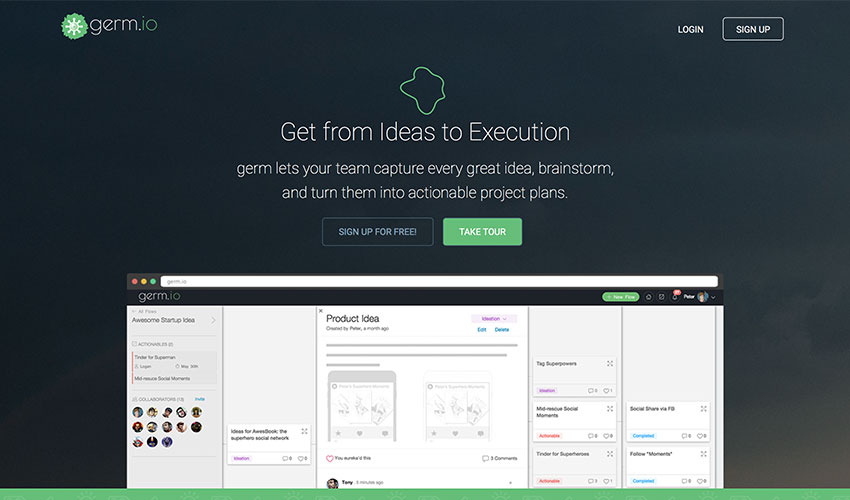
Don’t let your ideas go to waste. Snap them up at their infancy, test, experiment and watch them blossom into something beautiful using these free idea management tools.

Germ.io: turns your ideas into reality by tracking them and allowing you to collaborate with your team until you successfully execute them

Experiment Board: allows you to test your startup idea for free in the community even before you publicly launch it

Skitch: let your idea stand out with this free tool from Evernote.

Content Curation/Trending Ideas

Image Source: Buzzsumo

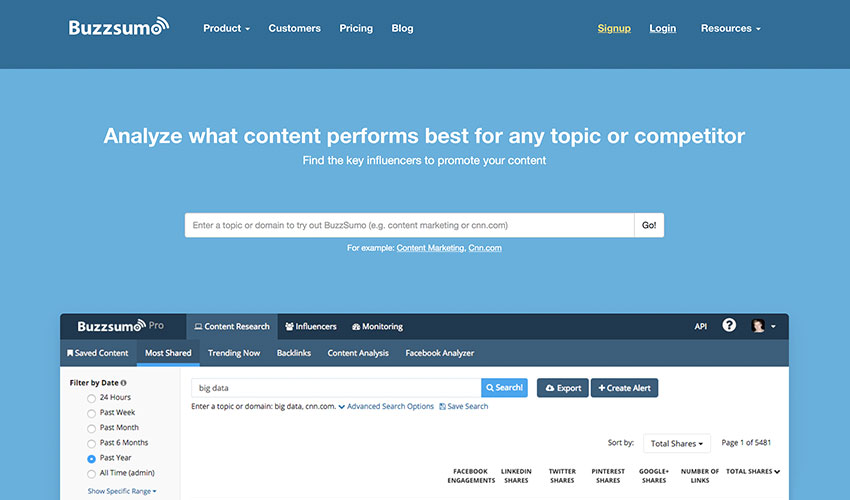
Struggling to keep up with the speed and volume of online content? Take advantage of these free content curation tools to stay abreast with the industry’s trending stories and never miss anything important.

Ruzzit: place of the most shared content on the Internet along with their popularity score and on what social media platform

Buzzsumo: gives you the trending content and shows you how well it competes against another content

Feedly: compiles all news feeds according to category or source. It can be customized and shared

Flipboard: works similarly like Feedly. You can create your own compilation or magazine which other users can follow and share.

Google Trends: displays trending searches in real time

Hubspot Blog Topic Generator: looking for the next idea for your blog topic? This tool is for you for free

Portent: it’s like a mentor on how to make a viral post

Reddit: a forum/community where you can get real trending news from the common people every day.

Swayy: gives you the latest and most interesting news on the web. However, the subscription is only free to one dashboard user.

Others: Google What’s Hot | Twitter Trending | Quora  

Tip: once you’re ready to scale the marketing efforts for your company, check out these online business tools that content marketing consultant, Ryan Robinson recommends for growing your traffic.                                                             

Image Editors

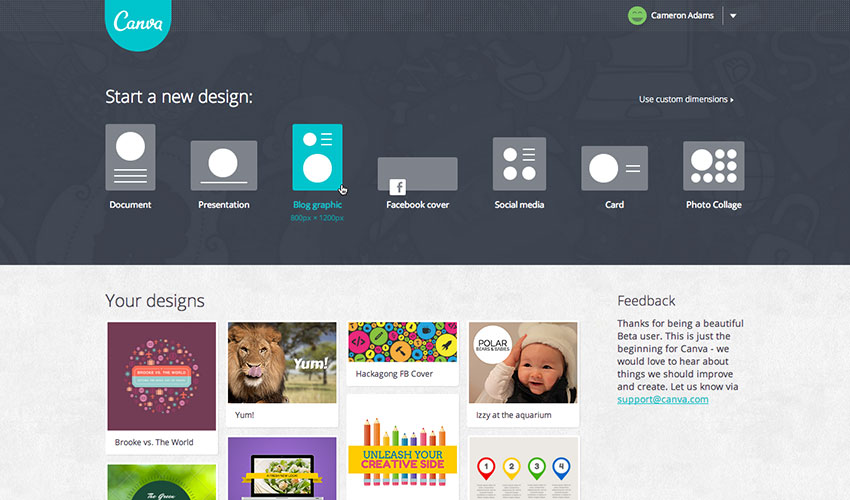
Image Source: Canva

Push your social presence to the next level with free image editing tools that will enable you to instantly create stunning visuals and professional-looking graphics to make your stories resonate

PicMonkey: edit your pictures, make beautiful collages, or create professional-looking graphics, PicMonkey has it for free

Pixlr: easy to use online photo editor

Canva: beautiful image, video, menu designs and more – for your blog, Facebook page, or website

[optin-monster-shortcode id=”cvfuxuhchvywm9wl2q6w”]

Ease.ly: allows you to create stunning visuals, such as infographics, resumes, or marketing presentations. You can share your works for free as well.

Meme Generator: create a meme instantly in just three easy steps. You don’t even need to upload a picture. Also available in 4 languages.

Pablo: increase or make your social presence stand out with these beautiful, free images from Pablo

Place It: more than 2,500 mock-ups and videos across all devices for free

Recite: make any quote memorable and visually enticing with Recite. Just type your favorite quote and choose from the ready-to-use templates. After that, you can share it to any social network or email straight to anyone.

Social Image Resizer Tool: resizes and change the file format of any image for web use

Image Optimizers

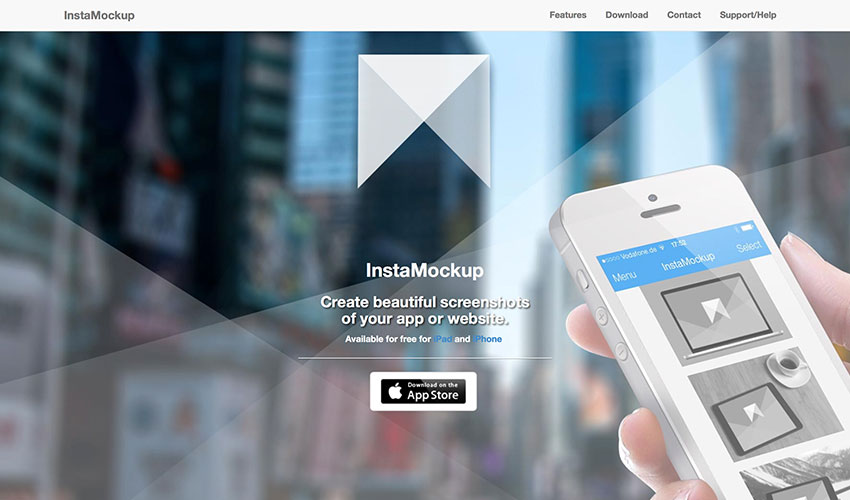
Image Source: InstaMockup

Optimizing images no longer means losing on quality. You can enhance image clarity before compression using an HD photo converter, which helps upscale low-resolution visuals without compromising performance. Resize and compress your images to make them load faster and take less disk space with free image optimization tools.

Compressor.io: reduce or optimize any image you have without changing the high quality of the image.

Dunnnk: Dunnnk is never short of beautiful mockups for Android and iOS devices, all of which have high quality

Image Optim: compresses your images without losing the high quality so that your images can load faster.

Image Optimizer: free online image optimizer, compressor, and resizer. It has now a downloadable version allowing  you to work offline, and it’s all for free.

InstaMockup: a free iOS tool which allows you to create beautiful mockups and allow you to showcase your product in real environments. Available for both iPad and iPhone.

TinyJPG: allows you to compress and optimize your JPEG and PNG images

Smush.it: WordPress image compression and optimization tool

Blogging and Writing Tools

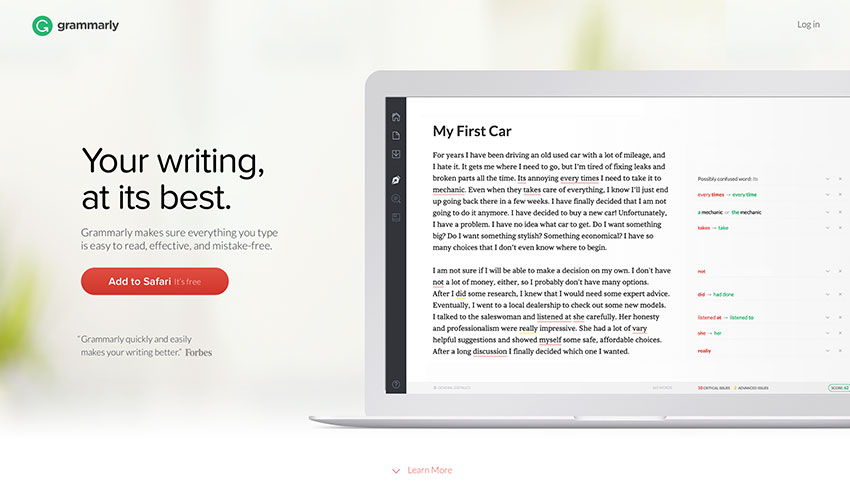
Image Source: Grammarly

Have your inspiration fairies abandoned you lately? Feeling stuck in a rut with your writing routine? Take note of these free blogging and writing tools that will bring the joy back to you.

A5.gg: a small note-taking tool which allows you to take notes using your browser. The best thing about it – it automatically saves your notes so that it is still there when you return.

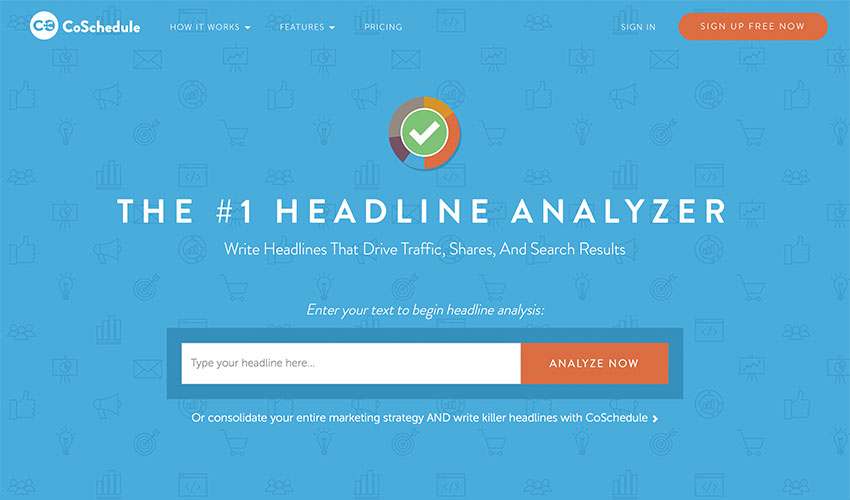
CoSchedule: analyzes your headlines and suggests how you can write them better in order to drive more traffic to your website

Editorial Calendar: a WordPress blog management tool which allows you to see your blog posts in one place

Egg Timer: a simple online timer which you can repeatedly use for free

Blank Page: makes writing easy, simple, and hassle-free

Free Summarizer: summarize your long sentences that still makes sense

GPTZero: an online AI checker that analyzes any piece of writing and tells you how much of it might be AI-written, with clear, easy-to-read results.

Undetectable AI: a tool that rewrites AI-generated content to make it sound more natural and human-like, helping you avoid detection while keeping your writing clear and authentic.

Liberio: create and publish an eBook straight from Google Docs

Known: a social learning community which allows you to write and collaborate with others. You can also publish it and let the community give you feedback and advice. Perfect for authors who are just starting out.

ZenPen: gets you to write without any distractions is ZenPen’s ultimate goal. That is evident in its no-frill UI

Story Wars: allows you to collaborate and share stories with other writers from across the globe

WP Hide Post: WordPress plugin that lets you control what appears on your blog. You can even control which part of a particular blog can be seen by the readers.

Social Locker: another free WordPress plugin which asks your visitor “to pay” for the content you made through a share, a like, or a Tweet.

Medium: a free blogging platform

Hemingway: a writing app that automatically corrects the syntax of your sentences highlighting them with different colors so you know what specifically is wrong with it.

Grammarly: an online editor that corrects your grammar and sentence cohesiveness. It now has a downloadable version.

SEO and Website Analyzers

Startup Tools SEOMator

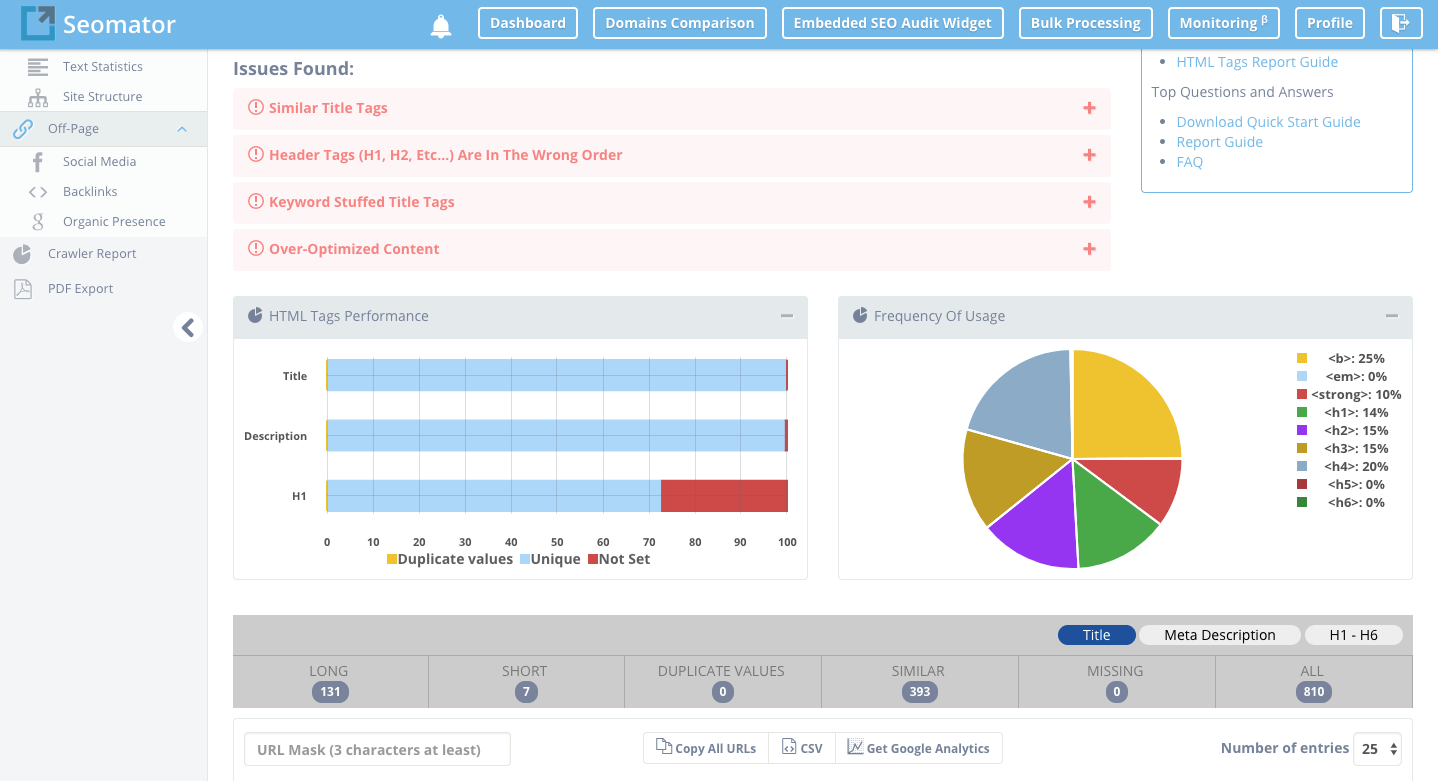
Image Source: Seomator

Don’t let a poor SEO performance drag your site’s performance down the drain. Try these free SEO and website optimization tools to collect feedback, analyze and improve your SEO strategy.  

Ahrefs: checks your backlinks and analyzes your website

Alexa Ranking: analyzes the ranking of any site by providing you analytical insights

Browseo: it gives you feedback how search engines view your site

Broken Links: you don’t have to worry about 404s anymore with this tool as it finds any broken links and redirects them to the correct page

Copyscape: analyzes content if it’s plagiarized or not

Google Pagespeed Insights: another of Google’s useful tools which checks how your site performs

Google: Analytics | Keyword Planner | Webmaster Tools | Trends                                                   

GTMetrics: this is the tool if you want to know how fast your website performance is

Hubspot Marketing Grader: get feedback for your marketing efforts

Keywordtool.io: search for the right keywords for your content

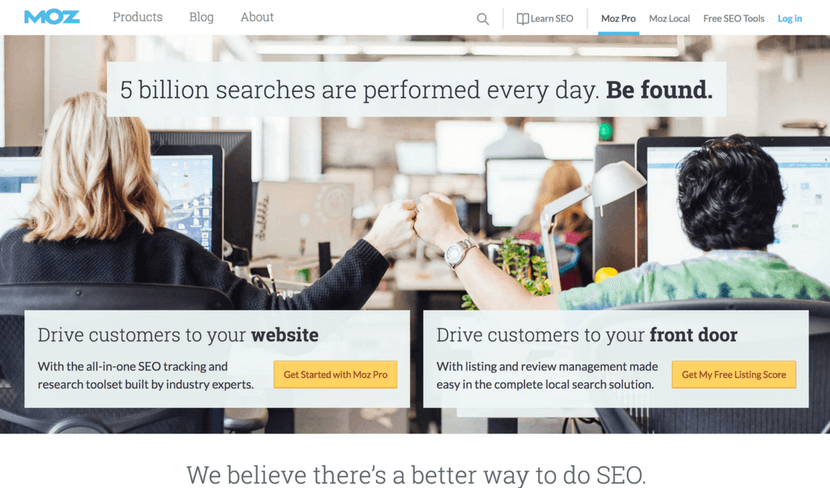
Moz Local: find your local listing on any search engine

Nibbler: tests any website’s performance, popularity, and more

OpenLink Profiler: analyzes and checks backlinks from any website to ensure that you get the freshest and the best ones

Open Site Explorer: also a link analyzer tool

Pingdom: tests how long your website loads

Quick Sprout: provides a comprehensive analysis of your website

SimilarWeb: analyzes and provides insights for any website or app

Seomator: Seomator is the Online SEO Audit Tool and Website Crawler for Website’s SEO Health. In other words, Seomator provides In-depth Technical SEO Analysis and SEO On-Page Testing Tool for Websites Optimization. Same time, Seomator is the Sales Automation Tool that could be implemented directly on a company’s website to automate and increase sales. White-label Reports deliver directly to customers and save hours of work and life.

SEO Site Checkup: checks how well your website’s SEO performs and gives you feedback so you’ll know which ones need fixing

SERPs Rank Checker: checks how well your SERP ranking and SEO performs

Shopify e-Commerce Report: free business tools to grow your Shopify business

W3C Validator: validates the markup validity of any Web documents on any file format

Woorank: screens and analyzes the SEO ranking of your website

XML Sitemaps: allows you to create XML, HTM, and Text sitemaps which can be submitted to any major search engines

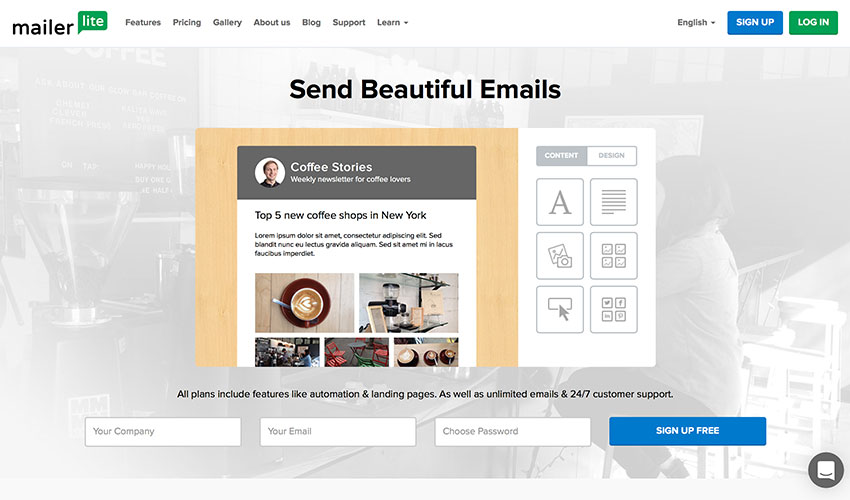
Send, Collect and Verify Emails

Image Source: Mailerlite

Email made easy, at no additional cost. These free email tools will give you back your time and peace of mind: create, send, track and analyze your campaigns for free.  

Beefree: makes writing emails much easier

Canned Emails: ready-made email messages you can use

Contact Form 7: a free WordPress plugin which allows you to collect your emails

Hello Bar: a tool which enables you to attract more email subscribers

Mailchimp: allows you to send your emails to multiple recipients with just one click. It also has a premium version which enables you to send your emails to more recipients.

Mailerlite: track your emails and find out who has already read them

Mailgun: allows you to send free 10K emails every month

[optin-monster-shortcode id=”u0wiahzfsrgu4dsbbxsb”]

Mandrill: send to 12K emails every month for free

ManyContactsBar: free contact form for your website

Scroll Triggered Box: free WordPress plugin that boosts your conversion rates

Sendgrid: allows you to deliver your emails to 12K people every month for free

Sendinblue: email management tool which allows you to send free 9K emails every month

Sumome List Builder: convert your visitors into customers and subscribers

ZeroBounce: is a free email verification tool allowing users to verify email addresses in real-time.

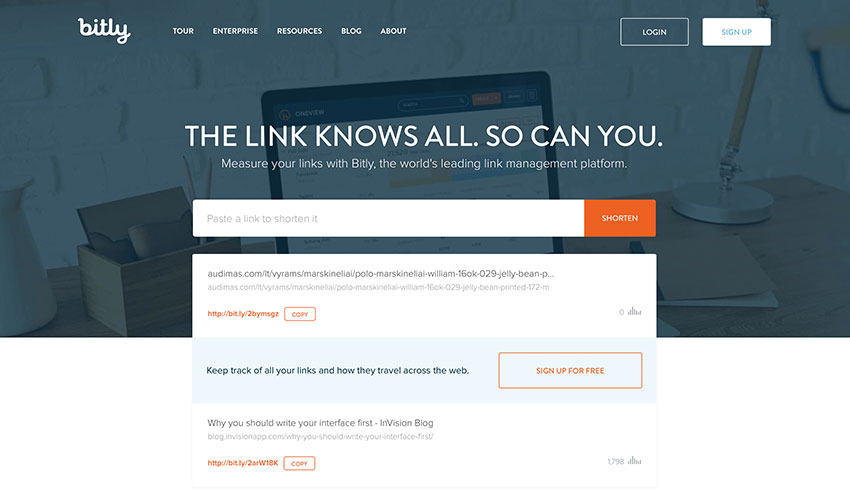
Social Media and Community Management

Image Source: Bitly

Your time can be better spent connecting with customers and building your brand than counting likes and shares. Automate your social media with these free online tools to amplify your promotional efforts and increase the engagement.

Addthis: enables you to get more likes, shares, follows, and conversions

App Review Monitor: get insights from the latest app reviews straight to your inbox or Slack account

Bitly: shortens your links so you can share and send them much more easily

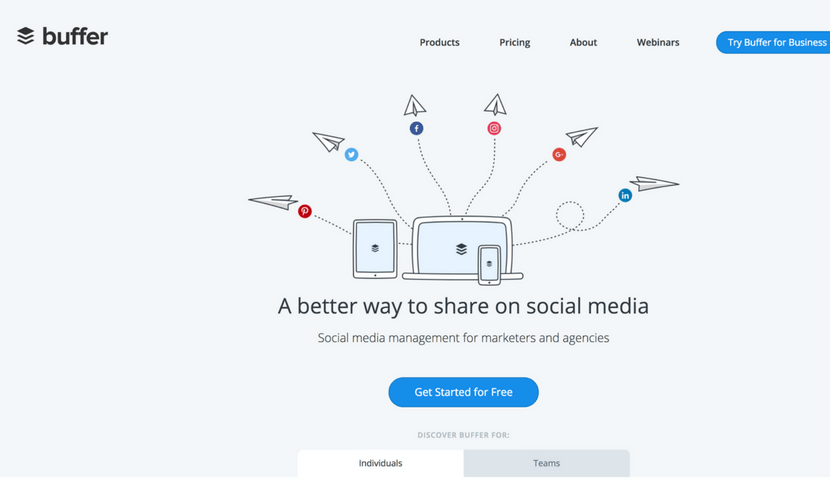
Buffer Free Plan: allows you to schedule your posts to any social media network

Digg Digg: a free WordPress plugin that shares your content on all platforms with just one click

Disqus: build your audience by increasing your engagement and allowing discussions

Click To Tweet: tool that lets you get more shares for your blog posts and content

Filament: a customizable share bar

Free Survey Creator: lets you create a survey and acquire feedback for free

How Many Shares: monitor how many shares your content has in various social media networks

Crowdfire: a simple way of growing your audience

Klout: social media analytics tool which rates your social media influence

Latergram:  a perfect tool for your Instagram account which helps you schedule your Instagram posts

MyTweetLinks: increases your Twitter audience

Presskit Generator: creates a press kit for your app for free

Ritetag: Chrome and Firefox browser extension that analyzes your hashtag

SharedCount: lets you track how many shares, likes, and tweets your content has

SocialRank: Twitter management tool

Social Analytics: a free Chrome extension which allows you to get the social data of any URL from supported social networks

Sumome Share: automatically optimizes your share button to increase your website traffic

WordPress Pin It Button for Images: WordPress plugin which allows you to place a “Pin It” button to your images

WriteRack: the perfect tool to create a tweetstorm

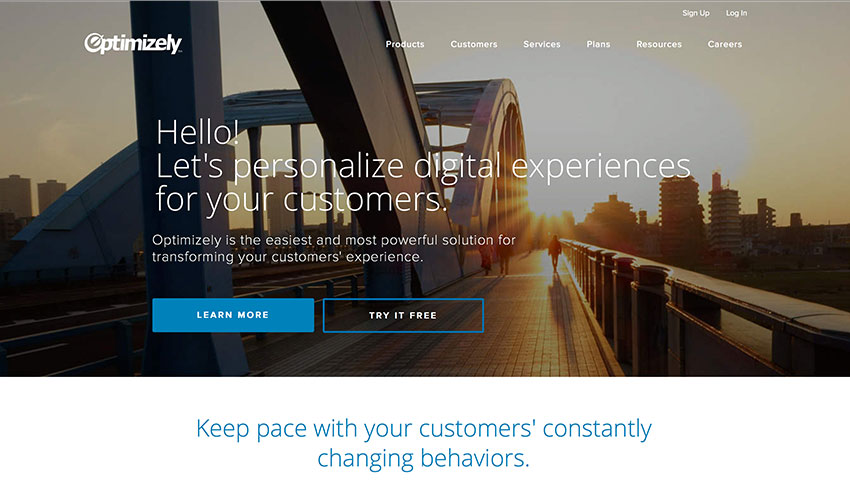
A/B Testing and Growth Hacking

Image Source: Optimizely

Take the guesswork out of website optimization by basing your decisions on real data rather than your own hunch. A few proven growth hacks can take your business a long way.

GrowthHackers: lets you create a fast and sustainable financial and customer growth

Hello Bar: lets you test your call-to-actions and keywords

Petit Hacks: helps you grow your conversion rate by teaching you retention, revenue, and acquisition hacks

Optimizely: helps you optimize your app or website

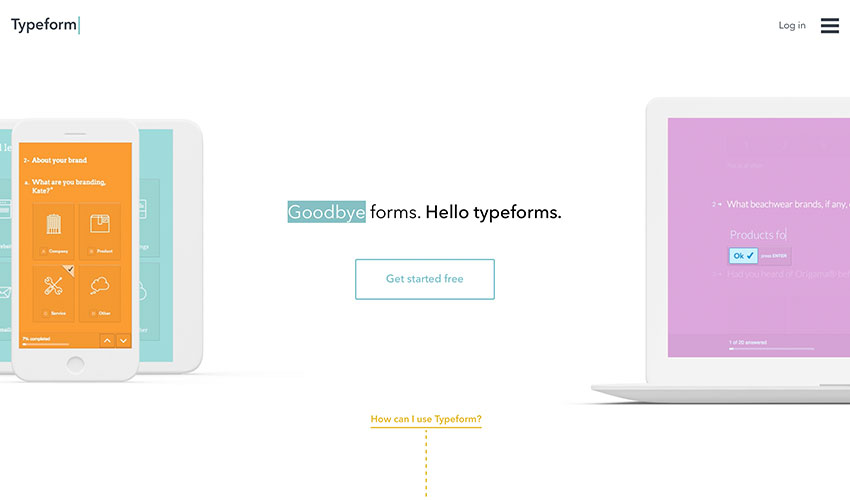
Customer Service and Survey

Image Source: Typeform

Keep the customers happy and their feedback rolling in by using these free online tools.

Batch: helps you engage with your mobile customers better

Free Survey Creator: helps you create surveys and get feedback

Helprace: a customer service platform which allows you to create a personalized help desk and feedback portal. The tool is free for up to 3 customer service reps

Survey Any Place: allows you to create entertaining surveys and create awesome respondent experience

Tally: lets you create free polls

Typeform: a form and online survey builder

Guides and Courses

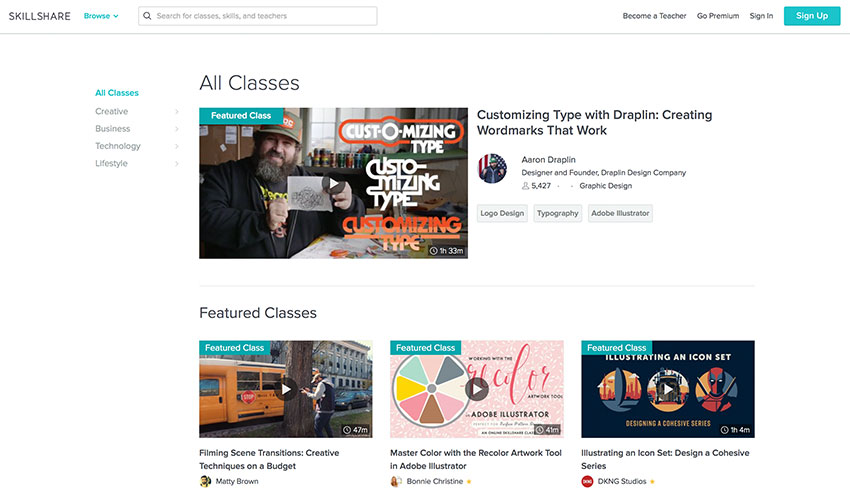
Image Source: Skillshare

It’s never too late or too early to deepen your well of knowledge. Immerse yourself in a new learning experience for free.  

Build an Online Course: teaches you how to create a free online course

Coursera: free online classes from Ivy League universities and other top educational institutions

Codecademy: learn how to code in a fun way

Closed Club: learn from the mistakes of failed startup ventures

Email Course for Sponsorship: a free course that teaches you how to get sponsorships

FirstSiteGuide: teaches you how to make a successful blog or website

Hackdesign: gives you a free lesson on design every week straight into your mailbox

Khan Academy: free online courses on STEM and more

KeepYourFriendsClose: a free e-Book that helps you retain your customers for the long term

Launch This Year: helps you how to launch your online business

MailCharts: a free course that teaches you how to create effective marketing campaigns

Mixergy: learn the secrets of the most successful entrepreneurs

Primer: a free marketing lesson from Google

reSRC.io: programming tutorials and resources

Rocketship.fm: another program where you can learn from top entrepreneurs

Skillshare: free online courses and projects

Startup Notes: short but meaningful lessons from successful startups notebook-style

Startup Talks: watch and listen trade secrets from successful startup entrepreneurs

The Lean LaunchPad: dreaming of creating a startup venture? This is the site where you can learn how

TalentBuddy: another site that offers free coding lessons

Discover Tools, Startups, and Collaborators

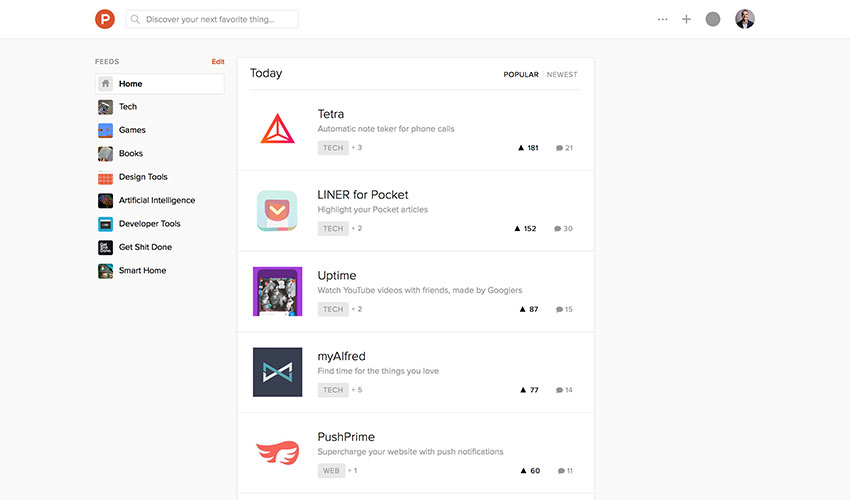
Image Source: Product Hunt

Connect with fellow entrepreneurs, get inspired by the real-world stories, and stay in the know. Have your own piece of wisdom to share? Join a dedicated community!

Angellist: invest, create, or work at a startup

Assembly: collaborate and brainstorm with other people anywhere in the world

Beta List: discover and connect with up and coming startups

CoFounders Lab: meet and collaborate entrepreneurs near you

Erli Bird: where you can find and recruit beta testers as well as collect feedback from Android and iOS users

Founder2be: looking for a partner for your startup? This is the best place to start

Product Hunt: find new products in the market every day

StartupLi.st: the ‘Facebook’ for startups

Startups List: a massive list of startups anywhere in the world

Newsletters

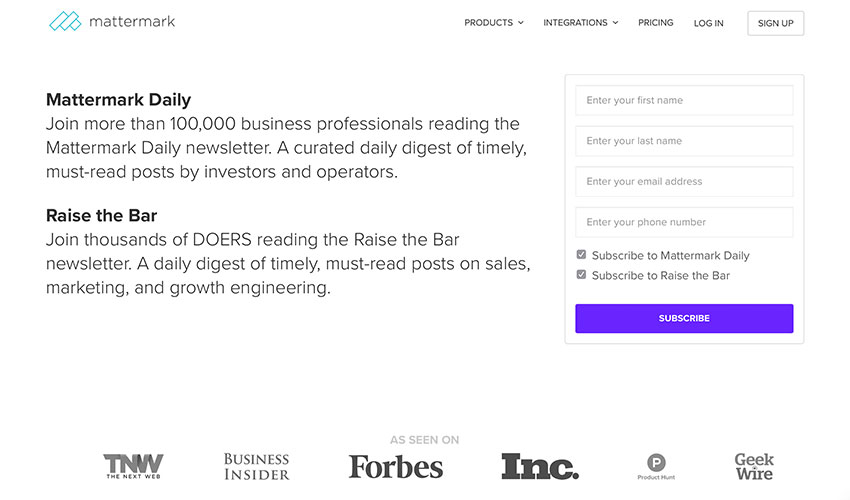
Image Source: Mattermark Daily

Enjoy a constant trickle of knowledge and advice in your inbox at no cost! Learn from industry experts one free newsletter at a time.

Design for Hackers: free newsletter for 12 weeks that includes lessons on design

Email 1K: a free 30-day course that teaches you how to grow your email list

ChargeWhatYou’reWorth: a newsletter that teaches you how much to price yourself and your services

Mattermark Daily: newsletter about founders and entrepreneurs

Product Psychology: newsletter that gives you valuable insights on user behavior

Startup Digest: a personalized newsletter that gives you information about startups around your area

UX Newsletter: newsletter about research, design, and creation

UX Design Weekly: gives you a UX design link every week

Other Useful Tools

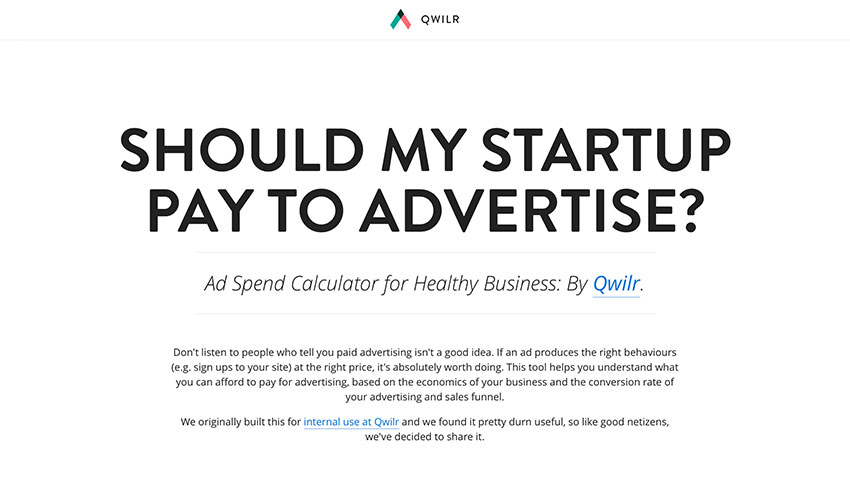
Image Source: Ad Spend Calculator

Tame the numbers and cost calculations with the help of these free online tools.

Ad Spend Calculator: gives helpful advertising and marketing advice for startups

App vs. Website: gives you the pros and cons of building a website or an app

Foundrs: equity calculator for you and your business partner/co-founder

HowMuchToMakeAnApp: gives you an estimation how much it will cost you to create an app

Pitcherific: teaches you the art of making pitches that sells

RingCentral Meetings: provides the power to conduct HD video conferences and screen sharing as part of a complete business communications solution. Employees can hold face-to-face meetings in high definition and share screens or documents with anyone, anytime, anywhere. As part of a complete unified communications as a service (UCaaS) cloud offering, it empowers employees to connect with clients and enable collaboration between teams across locations—as if they’re all in the same conference room.

Startup Equity Calculator: gives you an idea how much salary you should give for new hires

StoryXpress: helps to create and hosts videos that generate leads

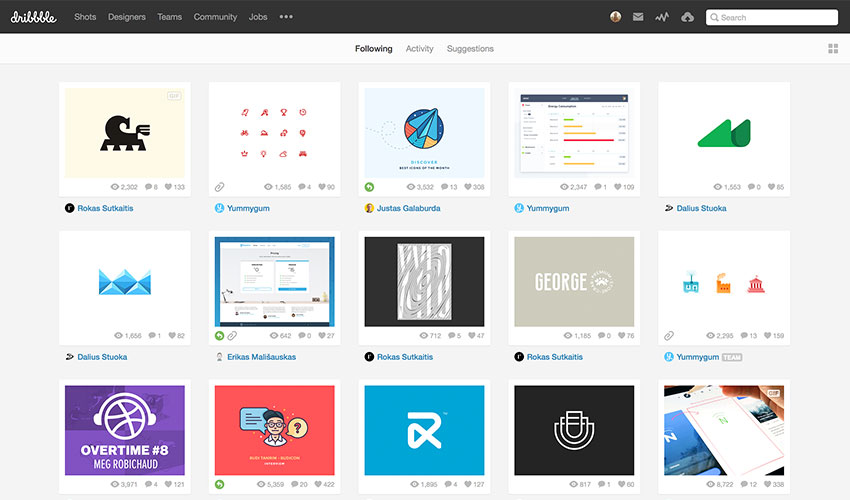
Design

Image Source: Dribbble

These free premium resources and tools will open you the door to the world of design. These free premium startup resources and tools will open you the door to the world of design.

Dbf: best design freebies for Dribble and Behance

Dribbble: a treasure trove of inspiration and design freebies

Freebbblefree high-quality designs from Dribbble

Fribbblefree PSD files and other design resources created  by Dribbble users

Freebiesbuganother website where you can find free PSD files and other resources from designers

Free Section of Pixedenfree high-quality web and graphic design templates. There’s also a premium version for $6 a month

Free Section of Creative Market: gives out free random items every Monday

Graphic Burger: mouthwatering designs for free from the professional design community

Marvelonline collaboration tool where you can create prototypes and share your design

Pixel Buddhafree premium resources from professionals for professionals

Premium Pixels: collection of free design resources and WordPress themes

Placeit Freebie: more than 2500 high-quality mockups and videos for iOS devices for free

Renderforest – free tools for everyone to create professional intros, animations, slideshows and music visualizations in minutes

365 Psdfree downloadable PSD every day

UI Spacethousands of high-quality handcrafted freebies

Freepikfree vectors, PSDs, images, and icons

Tech&Allfree design resources, news, and PSDs

Linearity: is a graphic design software for the whole Apple ecosystem

SketchAppResources: free resources for the Sketch app

Web3Canvas: free design resources, tutorials, and more

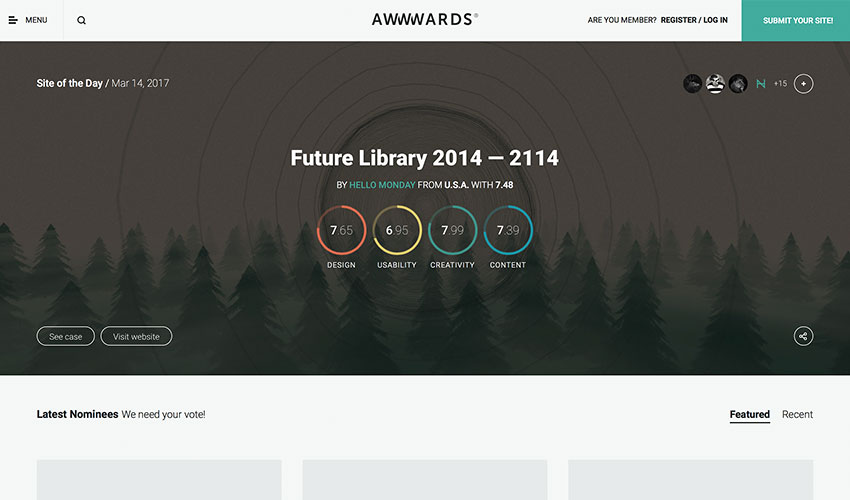
Sources of Inspiration

Image Source: Awwwards

Don’t let a bad day turn into a bad life. Tickle your inspiration with these free tools and resources and restore your creative vibes.

Awwwards: website awards for best web design trends

Behance: website where you can showcase your design portfolio and search for others for inspiration

Crayonfree marketing resources

MaterialUpfree material design resources uploaded every day

FLTDSGNyour one-stop source for inspiration of websites and apps using flat UI design

Flat UI Design: flat UI design resource for websites and apps on Pinterest

Land-Book: find inspiration for your landing pages in this online gallery

Moodboard: lets you create and share your moodboard

Niice: search engine to find design ideas

[optin-monster-shortcode id=”hgbnyw9k7kko6mtq6fgy”]

Site Inspire: free web design inspiration

UI Cloud: thousands of UI elements and kits in different categories

Oceanget feedback for your designs from fellow designers around the world

One Page Love: find inspiration for your one-page website

Pttrnsa massive resource for mobile UI interface in a wide range of categories

The Starter Kit: resource for designers and developers

The Best Designs: the best design inspiration for you

UI Paradefree UI tools and design inspirations

Color Pickers

Image Source: Adobe Color CC

Make your design experiences a breeze by using these free color pickers to extract dominant colors from images, create vivid color combinations and palettes for free.

0 to 255: a  no-nonsense color picker that helps you find the perfect color variations and combinations

Adaptive Backgrounds: a jQuery plugin that allows you to extract dominant colors from images

Adobe Color CC:  a collection of color combinations

Bootflatcolor combination collection for flat design

Brand Colors: discover the color combinations used by the most popular brands, such as Adobe, Amazon, and American Express

Coleure: absolute color management created with Sketch

Colllor: free color palette generator

Colorful Gradientscomputer-generated gradients for free

Coolors: create and share color palettes in a matter of seconds. You can also save your work for future reference

Flat UI Colors: beautiful flat UI color palettes. The site is launching more colors soon as well as more tools for designers and developers

Get UI Colors: free cool color combinations for flat design

Hex Colorrrs: free HEX / RGB converter

Material Palette: allows you to create and export your material design color palette. The website also has free  icons and colors for material design.

New Flat UI Color Picker: a wide range of flat colors for UI design

Material UI Colors: a collection of material design colors for the web, Android, and iOS

Palettonchoose the right color for your website using this free color scheme designer

Palette for Chrome: a Chrome extension that enables you to create a color palette using any image. Just right-click the image and choose “Palette Creation”.

PLTTS: lets you easily find a matching color palette

Skala Color: a free macOS color picker that is compatible with any format. It automatically recognizes colors and can be applied with just one click.

Stock Photography

Image Source: Pexels

Inject some life and energy into your site by adding professional, natural-looking photos from professional photographers from all over the wall.

All The Free Stock: free stock images, icons, videos, mockups, templates, and more

Depositphotos: high-quality stock photography, vectors, and videos for professional design needs.

Spark Adobe:helps you create a perfect marketing plan

Bucketlistlymore than 5,000 free creative common travel photos from around the world

Cupcake: free photos from Swedish photographer Jonas Wimmerstrȍm

Designers Pics: another free stock photo resource

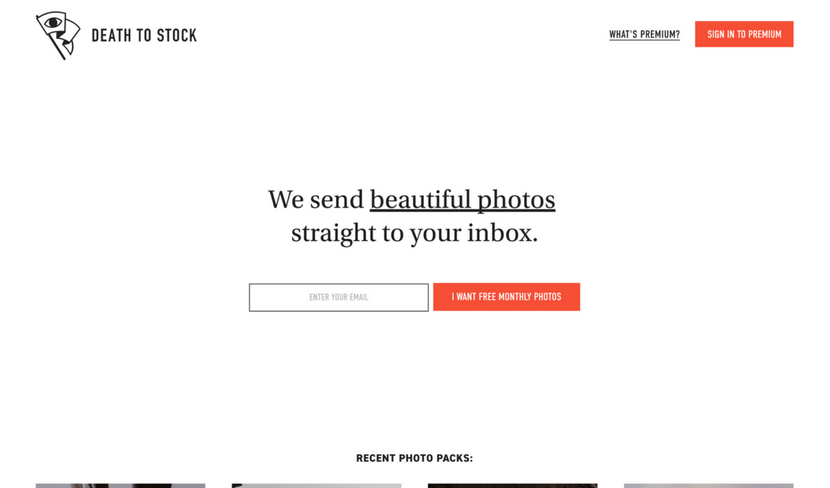
Death to the Stock Photo: free stock photo sent straight into your email every month

Free Nature Stockroyalty-free nature stock photos by Adrian Pelletier

Foodie’s Feed: free high resolution food photos for your food blog

Function: photo packs for free

Gratisographyanother rich resource for high resolution photos for free

Getrefe: free high-quality photos in different categories

IM Free: royalty-free images and other web design resources for commercial use

ISO Republic: free high resolution stock photos for creatives

Jay Mantri: free-to-use high resolution photos by Jay Mantri. He also has contests where you can win free items

Jéshoots: free downloadable modern photos

Kaboompics: your get-to place for great photos

Lock & Stock Photos: free high-quality photos

Burst by Shopifyfree photography for entrepreneurs

Little Visuals: delivers 7 free photos straight into your email every week

Life of Pix: free high-resolution photography from professional photographers from all over the world

Moveast: free images that chronicles the journey of a man going east

Mazwai: free creative commons high-definition video clips and footages

Magdeleine: get a free photo every day

MMT: free photos for commercial use. The collection is updated weekly

New Old Stock: curated vintage photos from public archives

Pexels: one of the best stock photos in the web updated daily, and it’s for free

Pixabay: free downloadable stock photos for commercial use

Picography: free images you can use for any purpose straight from Ireland

Picjumbo: free exclusive photos that have never been published straight into your inbox

Public Domain Archive: free vintage and modern high resolution photos every week

Paul Jarvis: 20 free downloadable high-res photos you can use

Raumrot: absolutely free photos you can edit and modify

Stock Up: tens of thousands of free stock photos across 31 websites

Startup Stock Photos: free photos, images, and vectors

Stokpic: free 10 new photos sent into your inbox every two weeks

StockSnap: high resolution photos free from copyright restrictions

Super Famous: free high resolution photos you can use for any purposes as long as you credit the owner

Snapographic: use these photos in any way you like for free

Splitshiremouthwatering photos for free

The Pattern Library: free amazing patterns for your web design projects

Travel Coffee Book: free travel photos you can use in any way

Unsplashfree high resolution photos in a wide range of categories

Some more websites: Free Digital Photos | Morguefile | Public Domain Pictures | Free Stockvault | ImageFree | Rgbstock | Dreamstime | FreeImages | FreeRangeImages | FreePhotosBank

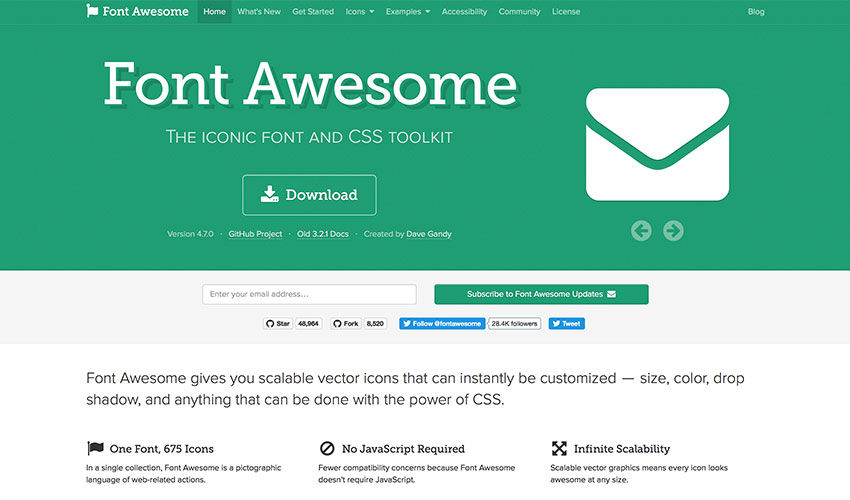
Icons

Image Source: Font Awesome

Refresh your website by adding some beautiful, high quality icons. These 21 online tools will help you to unlock and explore the potential of graphics.

Fontello: generate new icons and fonts for free

Flat Iconmore than 16000 of glyph vestor icons for free

Material Design Icons: an open-source glyph collection by Google with around 750 glyphs

Glyphsearch: search all free icons around the web

MakeAppIcon: creates any type of app icon for free

Endless Icons: free icons for flat design

Ico Moon: icon generator that gives you  more than 4,000 vector icons

The Noun Project: a collection of glyph icons from different artists

Perfect Icons: a tool that lets you create resolution independent icons

Icon Finder: free icons you can use in any way

Free Round Icons: Doodle Set | Flat Set | Vector Line Set

Icon Sweets: 60 Photoshop icons for your web projects as well as your iPad and iPhone apps

Make Appiconcreate an icon for your app with just one click

App Icon Template: create royalty-free icon for Android, iOs, and OS X platforms

SmartIcons: more than 1,400 downloadable icons for free

Ego Icons: clean and simple vector icons

FlatIconslets you customize your icons for flat design

To(icon): more icons all your for free

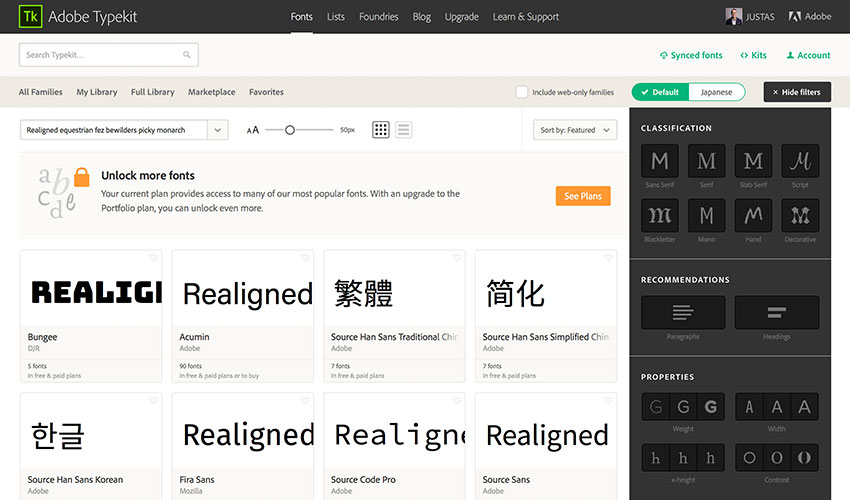
Typography

Image Source: Typekit

An ugly, inappropriate font can suck the life out of an otherwise robust website. Take advantage of free typography collections and choose a font that helps you visualize your idea.

TypeGenius: provides a wide array of font combination for any kind of project

Font Squirrel: completely free fonts for commercial use

Google Fonts: open-source fonts by Google 100% free

Beautiful Web Type: another Google resource to help you find stunning typefaces

DaFont: fonts archive which can be downloaded for free

1001 Free Fonts:  a massive collection of free fonts

FontPark: another massive archive of free fonts for any use

Font-to-width: a tool that helps you fit typefaces in their containers without scaling them

Adobe Edge Fonts: an accessible collection of free web fonts

Typekit: a smaller collection but have some great fonts included

Coding and Design Tools

Image Source: Codacy

Drive your business growth with these 22 free coding and design tools at your disposal. Take your mind off complex tasks (like reviewing code) and watch your idea take form.

Hive: unlimited cloud service for free

GitHub: a development platform which lets you collaborate, create, and share software

BitBucket: code collaboration tool

Chisel: contains an unlimited fossil repositories for free with an ISC license

Visual Studio: find most of the tools for developers and designers here

Landscape: gives you an early warning before everything turns unexpectedly.

Swiftypefinds the right results to your searches by browsing all cloud storages. The free version, however, has a limitation

Keen.io: collects event data from anywhere, add rich custom attributes, and send it everywhere

Coveralls: analyzes your code and tells you which part is not covered with your test suite. 

Codacychecks code style and tracks code accuracy throughout your sprints

Searchcode: helps you find billions of lines of codes

TinyCertSSL certificates for free

Opbeat: tool for JS developers which analyzes and optimizes your app’s performance

Pingdom: monitors websites’ uptime

Rollbar: monitors any app for full-stack error. Supports all languages

Loggly: tool that helps you improve log management

Devport: turns your apps, GitHub repos, and websites into a portfolio

Getting Real: a free eBook that teaches you how to create better web apps

Peek: gives you a f-minute video of someone who uses your app or site

Creator: helps you create better and faster apps

DevFreeCasts: collection of screencasts featuring different developes

Cody: library of code nuggets for free

Other Design Tools

Image Source: UI Names

Small things can make a big difference. Save time and improve your design experiences with these smart online tools.

UI Names: gives you ideas of names for your mockups and designs

UI Faces: collection of avatar faces for your UI

Copy Paste Character: design resource you can copy paste

Window Resizer: tool that allows you to see your design in different resolutions

Sonics: user interface sound effects for free

Focus and Attention

Image Source: Noisli

Need a little bit more than moral support to hit your productivity levels? Take your pick from a bunch of free online tools that can dramatically improve your focus and attention.

Noisli: background sound generator that helps increase  your focus and productivity

Noizio: sound equalizer that helps you relax and focus

Defonichelps you create immersive soundscapes

Designers.mx: listen to the music other designers are listening to while they work

Coffitivitygives you coffee shop ambiance while working

Octave: free UI sounds for the iOS platform

Free Sound: massive database of sounds and other audio snippets

Sonics: free sound and sound effects straight to your inbox every week

Deep Focus: relaxing music to help you focus from Spotify

Self Control: (for Mac users)helps you block websites that can easily distract you while working

Cold Turkey: (Windows) blocks distracting websites while you’re working

Team Collaboration

Image Source: Slack

Take the hassle out of team collaboration and benefit from a smooth idea sharing and project management experience. These free tools will introduce you to the world of smart people management.

Trello: helps you collaborate much easier

Evernote: your digital workspace

Dropbox: free cloud storage for up to 2GB

Time Doctor: a time tracking software that claims to increase your productivity by 22% with features like powerful customizable reports that include web and app usage, optional screenshot monitoring and more. In inbound marketing where tasks are abundant, you have to make sure every minute counts. Time Doctor helps you exactly with that.

Yanado: task and project management tool inside Gmail

Wetransfer: allows you to transfer up to 2GB for free

Drp.iofast image hosting and file transfer for free

Pocket: digital to-do later tool

Raindropbookmarking tool for Mac users

Flowdock: collaboration tool for a small team

Typetalk: easy to use instant messaging for team collaboration

Slack: team collaboration tool where you can share your ideas easily

HipChat: team chat for unlimited users

Google Hangouts: team chat and group video calls

Voveet: lets you have 3D conference calls with your team or clients

FreeBusy: helps coordinate the schedule of all team members

RealTimeBoard: online digital whiteboard

Witkit: secure and encrypted data storage with free 50GB of space

Any.do: team collaboration tool

Asana: team management and collaboration tool

Hubstaff Tasks: Easy Agile Project management software

GoToMeeting: free online meetings and web conferencing made easy

ProofHub: a tool design for remote teams tow work effectively

Freelancing and Remote Networking Tools

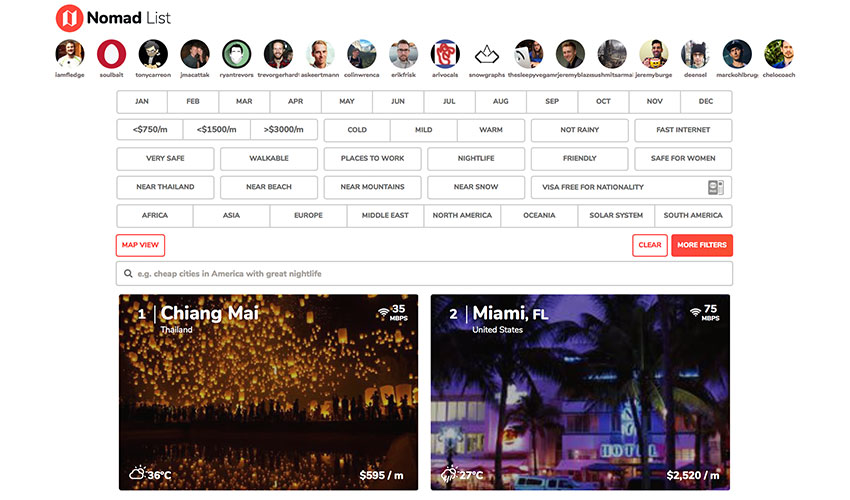
Image Source: Nomadlist

Bring your team together, upgrade your freelancing routine and tap into a community of nomads and entrepreneurs without spending a single dollar.

Founded X Startup Stats: gives you insight where to build your startup

Teleport: Startup Cities: planning to bring your startup to another city? Teleport helps analyze your budget and logistics for the move

Workfrom: find the best places to work remotely around the city where you are

Lastroomteam travel management tool made easy

Nomadlist: find the best cities in the world to live and work remotely

Internet is a bottomless treasure cove of fantastic free stuff — you just need time and patience to uncover the best pieces. Don’t stop at these 400 free online tools and resources, keep your eyes and ears open for new product launches and continue hustling like a real champ.

Email is a sort of digital currency that we use to get around online.

Want to download a free piece of content? Pay with your email. Want to buy a pair of shoes? Enter your email address to get a 10% discount and then track your order later on. Want to create an account on Facebook, Twitter, Instagram or any other platform or app? Share your email address to be granted access. Email is a crucial element of our online identity and to know how to harness its power is to win big time. Of course, giving out your email isn’t without risks. With so much personal information tied to it, some people even use services like credit monitoring to protect themselves against identity theft and fraud.

If you haven’t heard “money is in the email list” phrase yet, you haven’t done your homework. Sure, social media and content marketing are incredibly powerful tools to grow your business too, but comparing them with email marketing would be like comparing apples with oranges.

Each channel serves a different purpose, so it’s hard to tell which one performs better. However, to effectively spend your marketing budget, you need to identify channels that generate the best results for you.

For example, here is how the performance of email marketing compares to the results of social media and content marketing campaigns.

Let’s say you have 2000 Facebook fans, 2000 followers on Twitter, and 2000 email subscribers. Is it the same thing? Absolutely not.

Facebook’s organic reach has plummeted by 52% last year and is hovering around 6%, while Twitter’s organic engagement is even lower (around 2%). The average email open rate across all industries and devices in 2016 was 24.88%, a smashing figure compared to Facebook and Twitter performance.

Going back to our comparison, this would come down to the following figures:  

  • 498 people would open your email;
  • 120 people would see your Facebook post;
  • 40 people would see your tweet.

Quite obviously, email marketing by far outperforms social media in terms of organic reach and has significantly more potential for generating revenue. The same goes for click-through, conversion, and direct conversion rates. Most importantly, studies have shown that email has better ROI, which is what everything comes down to in business. The areas where social media performs better than email include engagement, virality, branding and assisted conversions.

But one thing that makes email marketing so sexy is that it’s much easier to build a mailing list of 2000 people than to get 2000 new followers on Twitter or Facebook

And here’s how you can do it 10x faster.

Make it ridiculously easy to sign up

Thanks to the increasingly digitalized lifestyle, the average attention span is 8 seconds. People find it more and more difficult to focus on one thing for longer than it takes to scroll through the Facebook feed. Which is an awfully bad news for marketers who need to keep their audience glued to their screens.

If you make the signup process too complicated, people will get distracted and never complete the conversion. Allow one-click signup to ensure you’re optimizing your conversions and keeping it dead simple for the frazzle-minded to join your list.

Another element that will have a huge effect on your conversion rate is the type of call-to-action you use. Both the button copy and design will influence your prospect’s decision. A well-designed CTA stands out from the rest of the offer and is usually the first thing a visitor sees. You’ll need to run some A/B tests to see what colours work best for your website or landing page, but the rule of thumb is to aim for high contrast and eye-catching colour.

When crafting the copy for your CTA, use Joanna Wiebe’s of Copyhackers.com tip. She says the best way to put yourself in your visitor’s shoes is to use the phrase “I want to ____” when brainstorming for the button copy. Fill in the blank with words that you think best describe the benefits of your offer. For example, if you’re offering a free productivity guide, you’d start with I want to “Learn the secrets of productivity”. See, it really is an awesome tip.

Make your “bribes” tempting and relevant

A relevant opt-in offer will focus on highlighting the benefits that a prospect can’t refuse. But heads up, you will only be able to come up with irresistible bribes if you have a clearly defined target audience and know what makes your prospects tick. If you try to sell ice to an Eskimo, you will fail pretty quickly.

This is the time where you look back at your buyer personas and carefully assess your own goals. Who are the people that you’re trying to attract? What are their passions, pain points, and desires? What is it that you do or have done in the past that intrigues and motivates others? Answering these questions early will help you better define and tailor your signup offer.

The popular opt-in bribes can include access to a closed community, special offers or discounts, highly valuable content, or anything else that fits with your brand.

Build Email List Faster Opt-Ins

Images Source: SocialTriggers

Implement emotional triggers

According to the internet millionaire Jeff Walker, there are 9 mental triggers that can influence people’s decisions. Deeply rooted in our mental psyche, these triggers often work without us realizing it and are, therefore, incredibly powerful weapons of influence. These are the triggers on Walker’s list: authority, reciprocity, trust, anticipation, likeability, events/rituals, community, scarcity, and social proof.

When it comes to building an email list, many of these triggers can be incorporated into your tactics to boost their effectiveness. Here’s a little bit more about the triggers that work well in email marketing:

  • Authority. A doctor, professor or judge are some of the best examples of how powerful the idea of authority is. People tend to look for help and guidance from those who are established, respected experts in their fields, as it helps them to make decisions faster and more efficiently. By positioning yourself as an industry leader, you will have a better chance convincing people to sign up to your email list.
  • Scarcity. We are motivated by the perception of scarcity and often act on an impulse to get something while it’s available. Adding the element of scarcity (or urgency) to your headline or offer can have a significant effect on the conversion rates.
  • Trust. Getting your prospects to trust you almost as much as they trust their friends or family members will take quite a bit of time and effort, but once you break the ice it will be plain sailing from there. Focus on developing strong relationships with your prospects and learn how to boost your credibility if it’s a little shaky.
  • Social proof. If you can use testimonials, quotes, high-level statistics or case studies to demonstrate how you helped other people achieve their goals or solve their problems, your prospects will automatically place more trust into you and your offer. A very simple example of this trigger is people’s tendency to choose to go to a restaurant that has more people inside than another one that looks empty. Following the crowd requires less thinking.
  • Likeability. Personality sells. If you can get your prospects to like you, selling to them (or getting them to sign up to your mailing list first) will be much easier. It’s important to keep your messages simple and relatable, write in a human way and use high-quality, professional images as well as add your own headshot where appropriate.      

Make use of custom built landing pages

CoSchedule’s headline analyzer is a great example of how smart businesses implement list building tactics that also help them to raise brand awareness, build trust and likeability. Giving stuff away for free will boost your credibility and help you develop a value-based relationship with your prospects, you just need to make sure the signup process is stripped to the bare minimum.  

With this tactic, the best way to capture emails and build your mailing list is by creating a separate landing page for the piece of content or tool that you’re offering. This way, you can easily put a lock on the valuable content and track the performance of your campaign.

Build Email List Faster Landing Page

Image Source: CoSchedule

Organize giveaways that appeal to your target audience

If you can put a price tag on the stuff you’re giving away for free, your chances of succeeding increase significantly. To seize the attention of your target audience, you must refer back to your buyer persona and study your audience to identify the prizes that would be too difficult to ignore. Ridiculously attractive offers will most likely be shared with friends and even talked about offline. It can also be an opportunity to build your social following and generate awareness, depending on how and where you decide to host the giveaway.

[optin-monster-shortcode id=”kandoug21absj0ox”]

However, it’s worth keeping in mind that giveaways will only be effective if the main prize is something that people love and can hardly resist. If you can get your hands on products that are just about to be launched, are sold out or quite expensive, it’s more likely your giveaway will be a success. It’s probably best to run a few smaller-scale campaigns to test the concept, figure out the rules and capture the general sentiment towards your brand, and then go all guns blazing.

Utilize bots to automate email opt-ins

As one of the best performing marketing channels, email is also a fiercely competitive battleground for marketers. With so many different tactics at their disposal, they often struggle to cover the whole range and therefore, lose out on perfectly good opportunities. That’s why marketing automation is becoming a life-saving solution. If you can automate it, you should have done it yesterday. 

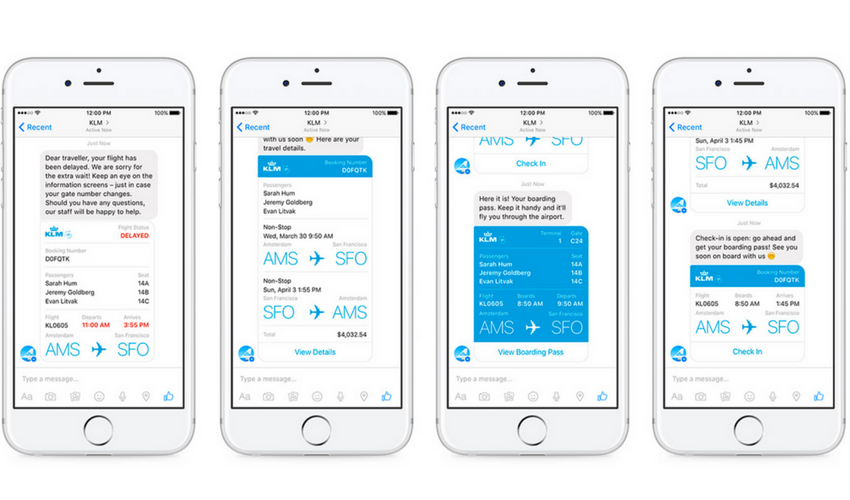
Messenger bots are dramatically outperforming email, as around 50% of people open bot messages compared to around 25% email open rates. Another great thing about bot messages is that they’re just as persistent as email, so if they want to, people can come back to those messages later on. You can also use bots to send direct messages to new followers on Twitter, Facebook or Instagram and include a link to a landing page with your offer, which is an incredibly effective tactic if you’re attracting the right kind of followers.

Build Email List Faster Bots Automation Opt-ins

Image Source: Engadget

Team up with influencers  

Being endorsed by a big name influencer and getting in front of their cult following will most certainly result in a sweet spike in email sign-ups. If you have an opportunity to work with an industry celebrity, seize the day. And while cross promotion is not a rare phenomenon in the digital marketing world, you need to make sure your goals and brand values align with those of the person you’re teaming up with. Otherwise, you’ll end up damaging your brand,  generating low-quality traffic and trashing your list with emails that have no potential.

The most trusted and credible form of advertising is personal recommendation, as according to Nielsen, 83%, or 8 out of 10 global consumers, trust word of mouth recommendations from friends and family. Influencers often enjoy a trust-based relationship with their community and can be incredibly powerful in terms of swaying their opinion. Look for someone who has the right kind of audience and is not a direct competitor of your business.

Incentivize the email forward to a friend

Again, personal recommendations can be incredibly effective. Deliveroo offers reward money if you invite a friend who orders food for the first time. Dropbox achieved staggering growth mostly due to this growth hacking idea to offer free storage space to users who invited their friends to sign up and try the app. Uber and Airbnb are also trying to capitalize on this technique by using monetary incentives. Since these wildly successful startups seem to be happily adopting the tactic, it’s safe to assume it is generating enough revenue to cover the costs. If you can’t afford to offer incentives that involve money, find a different offer that resonates with your audience.  

Do you have a CRM that keeps you organised?

The most user-friendly CRM on the market. 14-day free trial.

Start Free Trial

Painless setup, no credit card required

Produce valuable resources

There is no need to tout the importance of solid content, every decent marketer knows it’s gold. The only problem with content marketing is that it takes time to ramp up and show results. However, producing high-quality, valuable resources is a smart and effective workaround this issue. With a custom built landing page or smartly integrated email capture forms, downloadable long-form content, worksheets and gated online tools can generate a lot of interest and help you quickly grow your email list without breaking a sweat.

There are dozens of tools online that you can use to get the capture forms up and running in virtually no time (Email Before Download, WP Subscribe Pro, App Sumo or OptinMonster). If you decide to build a dedicated landing page to gate your content and collect email addresses, check out these easy-to-use landing page builders, like Instapage or Unbounce. Some marketers choose a more aggressive approach, which is to keep the resources locked until an email address is shared. It’s a great way to identify marketing qualified leads, as the initial barrier of sharing the email address puts off everyone who is just browsing. The other option would be to offer free access to all the content and resources and utilize popups or similar tools to entice visitors to sign up to a newsletter.

Redesign your main landing page to focus on email optin form using previously mentioned mental triggers

If you’re really serious about building an email list, take your time to revamp (or build from scratch) the main landing page, keeping in mind the mental triggers that drive people to take immediate action. The focal point of a robust lead capture page should be the email optin form that unapologetically asks visitors to join the email list in return for something very special. Ensure that you’re communicating the benefits clearly — when in doubt, simply read your landing page copy out loud and ask yourself “so what?”.

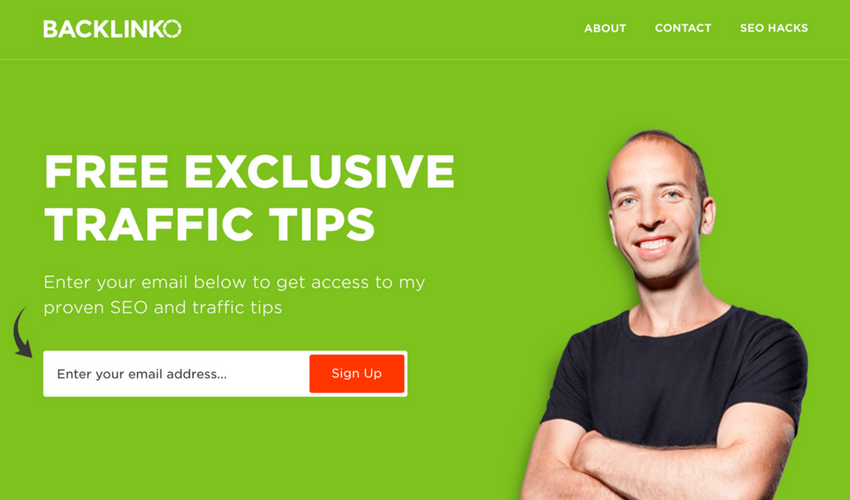
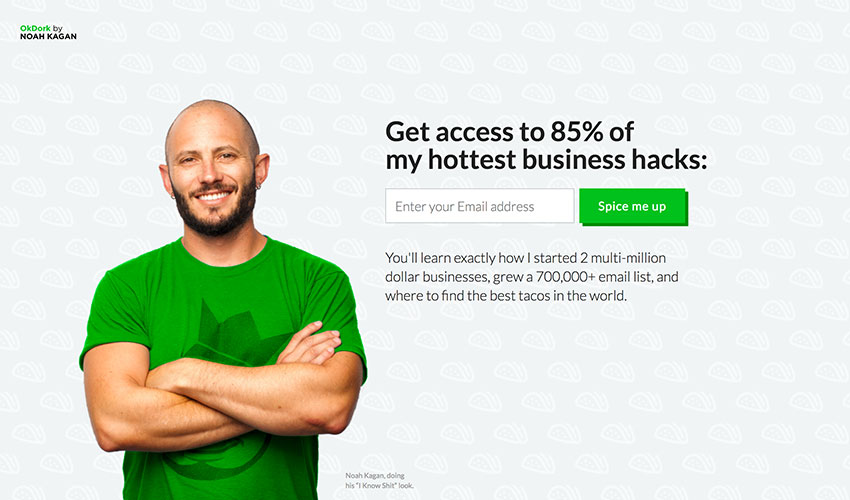
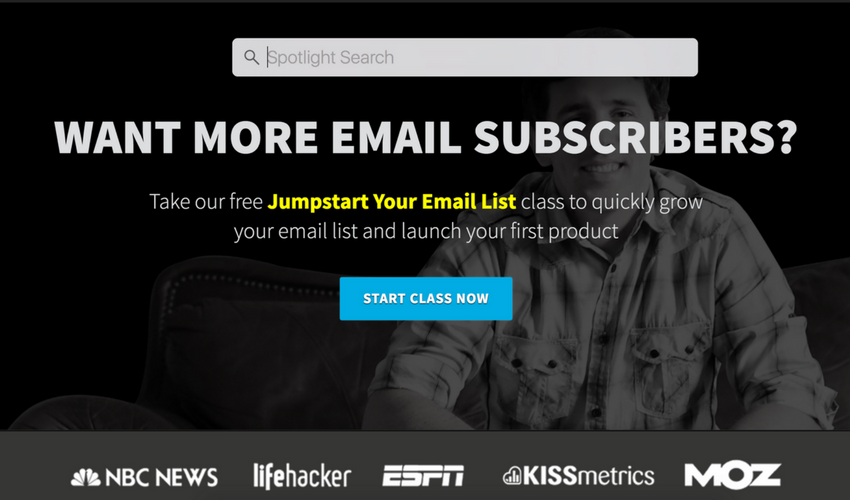
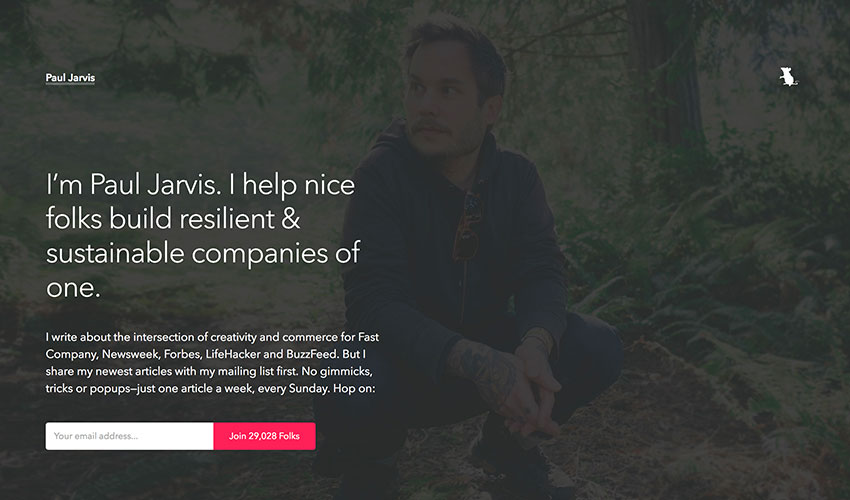
Here are several examples from successful email gurus who know how to optimize the email capturing process better than anyone else.

Build Email List Faster Backlinko Opt-in

Image Source: Backlinko

Build Email List Faster OkDork Opt-in

Image Source: OkDork

Build Email List Faster Videofruit Opt-In

Image Source: VideoFruit

Build Email List Faster PJRvs Opt-In

Image Source: PJRvs

As you can see from the examples above, the most important mental triggers are authority and social proof, so be sure to include them in your design too.  

Besides incorporating the mental triggers, you should also pay attention to the mobile intrusive interstitials penalty rolled out by Google in January this year. The penalty will impact pages “where content is not easily accessible to a user on the transition from the mobile search results”. One of the examples provided by Google states that pages displaying a popup that covers the main content and appears immediately after the user navigates to a page from the search results or while they are looking through the page may not rank as high.

Conclusion

And that’s it, we’ve covered the most effective list building tactics that can help you breathe some life into your current strategy.

If you can build your own little community of subscribers who are interested in the same things as you are, turning this email list into a passive income source will be incredibly easy. However, it’s super important to remember that you need to know why you’re building the list and how you’re going to make money off it well before you start implementing any of the tactics we discussed here. Your business idea will massively influence how you go about building that list.

In this article, you’ll get a comprehensive guide to 100 powerful inbound marketing tools that can skyrocket your business growth. We’ll explore a variety of tools to automate, optimize, and enhance every facet of your inbound marketing strategy, ultimately leading to more leads and prospects.

Key Takeaways:

  • Learn how to streamline your marketing efforts using a multitude of automation tools.
  • Discover the importance of analytics and the top tools to get the most detailed insights into your marketing performance.
  • Uncover the potential of blogging and SEO tools in increasing your online visibility.
  • Understand how design and visual resources can play a pivotal role in your inbound marketing strategy.
  • Get introduced to the best tools for managing leads, social media, and streaming.

Nothing makes a marketer happier than seeing their efforts and hard work pay off. And there’s little we wouldn’t be prepared to do to see those leads trickling in.

We’ll write eBooks, spend weeks chasing influencers for three-line quotes and comb through pages and pages of data to string together sleek-looking infographics to get the prospects to notice us. Because every lead counts.

So let’s face it, if there was a way for us to amplify our inbound marketing efforts and raise the lead gen game, we’d snatch that opportunity with no questions asked.

And as the luck has it, we’ve gathered one hundred powerful tools that will help you automate, optimize and enhance your inbound marketing strategy and win more business.

Make yourself happy, dig in.

Research tools

  1. Buzzsumo

Buzzsumo is a powerful tool for content marketing and is particularly helpful with finding trending content by any topic. It saves a lot of time that you would usually spend on browsing and googling popular topics. Buzzsumo will also show you many convenient statistics, like how many people are talking about a specific subject.

  1. Keyword Planner

Keyword Planner is a completely free tool created by Google that researches the best keywords for your ads, video ads, etc. With this tool, you can build a completely new campaign or improve an existing one. It is an effective tool for both experienced and completely new advertisers.

  1. Looking for a new Entry

This used to be Klout.

Do you have a CRM that keeps you organised?

The most user-friendly CRM on the market. 14-day free trial.

Start Free Trial

Painless setup, no credit card required

  1. Mention

Mention makes sure you keep track of all the real-time social media mentions and always stay in the know of what people are saying about you online. It also lets you follow and analyze your competitors and similar businesses. Mention also has some awesome features like Custom Insights and Find Influencers.

  1. TrustRadius Trustmap

The TrustRadius marketing TrustMap is a two-dimensional chart that compares marketing products based on end-user satisfaction ratings and research frequency by prospective buyers. You can use the tool to compare different marketing tools and read authentic reviews from real users.

  1. SurveyMonkey

SurveyMonkey is one of the best online survey tools used by millions. With this tool, you will gather useful information and insight about your target audience and clients by creating original surveys. Choose from more than 15 different question types, branding options and much more.

  1. AYTM

AYTM is another survey tool that provides professional market research. The main key components and features include the survey platform that lets you host, program and analyze your surveys, a proprietary panel with an access to 25 MM all over the world and the research services.

  1. Quora

Quora is a well known question-answer type of website that makes any research much easier. Here, questions and topics can be organized into boards that can be followed – this will help you keep up with your competitors and news in your market. With Quora, you can also follow relevant questions and discover many other ways to do research.

Analytics tools

  1. Google Analytics

Google Analytics is a very popular and effective analytics tool provided to you by Google. When integrated with Google AdWords, it becomes an even more powerful tool that lets you analyze and track your website and conversions. The main analytics data is displayed on the main page of Google Analytics, but you can also find and use such features as Advanced Segments, Location Demographics and much more.

  1. Hotjar

Inbound Marketing Tools Hotjar

Hotjar is an amazing tool for analyzing the online behavior of your users by studying heatmaps, visitor recordings, feedback polls and conversion funnels. This tool combines two most important things – feedback and analysis to make the analytics as accurate as possible.

  1. SumoMe

SumoMe is an extremely user-friendly WordPress plugin that can serve as an efficient analytics tool. The main goal of this tool is to help you grow your website traffic and email list. It offers many free tools for you to choose from, so by using them, you can analyze your content, users, visitors and much more.

  1. Adobe Analytics

Adobe Analytics is a part of Adobe Marketing Cloud (AMC) that offers many online marketing tools. With Adobe Analytics, you can assemble, coordinate, organize and analyze your customer’s activity. Real-time analytics, segmentation, and predictive marketing through all Adobe channels.

  1. Ubersuggest

Want more traffic? Ubersuggest shows you how to win the game of SEO. Just type in a domain or a keyword to get started.

  1. Crazy Egg

Crazy Egg is another brilliant online application to analyze user activity on your website. This tool suggests useful features like heat maps, scroll maps, overlay reports, and confetti, which lets you determine all the clicks that have been made on your website and analyze them by search term and referral sources.

  1. Matomo

By choosing the ethical alternative, Matomo, you won’t make privacy sacrifices or compromise your site. You can even use Matomo without needing to ask for consent

  1. Mixpanel

Mixpanel is a very advanced analytics tool that gives you the opportunity to analyze every action your user takes – not just the clicks. With this tool, you can also see when someone uploads a picture, shares a post, etc. Here you can also experiment with the A/B testing to reach the best results.

  1. SimilarWeb

SimilarWeb is a universal tool for any insights – both web and app. It works with a wide range of sources to receive as accurate data as possible and convert it into useful insights. SimilarWeb offers website analytics, industry analytics, and app analysis. Besides all this, you can also see traffic and engagement data and much more.

[optin-monster-shortcode id=”cvfuxuhchvywm9wl2q6w”]

  1. Quick Sprout

Quick Sprout suggests a direct connection with Google Analytics to offer you a reliable and accurate information and data. This tool will help you understand and use Google Analytics to the maximum – you will be informed about important activity on your website every day and receive personalized website alerts.

Blogging tools

  1. Triberr

Triberr is both a tool and a community to help you grow the traffic on your blog. It is segmented into categories called “Tribes” that are differentiated by topics. You can follow the tribe you are interested in to see all the newly published posts, interact and engage with other bloggers.

  1. WordPress

WordPress is a very popular and widely used tool for website and blog creation that has a wide range of templates and plugins for you to choose from and use for your own benefit. It is a very powerful tool, yet very user-friendly and easy to use. It is so huge that it supports more than 60 million websites.

  1. Grammarly

Inbound Marketing Tools Grammarly

Grammarly is a proofreading tool that can also be used as a plagiarism-detection application. Besides creating content and driving traffic to your website, it is also crucial to make sure that your content is free of grammar mistakes, so this super simple tool will help you out with that. Its AI-driven engines check plagiarism and detect AI text patterns to improve your texts’ structure and readability. Multiple features and stellar user-friendliness make Grammarly one of the best tools for content creators on the market.

  1. Yoast

Yoast is a SEO tool for WordPress users. Its main cause is to help people with their website optimization through many different courses, e-books, software and plugins like Yost SEO, Video SEO,  Local SEO, News SEO, Local SEO, Yoast WooCommerce SEO and other analytics, metric, comments, and functionality plugins.

  1. Readability Test Tool by WebpageFX

Readability Test Tool is an application to check the readability of a specific article, post or the entire website. You can check it by entering the URL of your content and clicking the button “Calculate Readability”. The tool is useful not only for bloggers but also for SEO experts, copywriters, and other specialists.

  1. Portent Title Maker

Portent Title Maker is a great tool when you need to come up with an original idea for your article title name. Simply enter your subject in the field and choose one of the generated titles. To get the best results from this tool, don’t capitalize keywords and use singular version of your keyword.

  1. Hubspot Blog Topic Generator

Hubspot Blog Topic Generator helps you create great titles for your post. When you visit the website, you will have to enter three nouns that describe what you’re writing about (or what the article is about) and press the button below. You will then be given a few popular blog topic ideas that you can use for your piece.

  1. Toggl

Toggl is a perfect tool for busy bloggers who like to keep on track with their time management. With this tool, you can see how much time you spend on each task and discover what is most time-consuming. Here you can also track how many time you spend on different projects, clients and analyze reports.

  1. Hemingway App

Hemingway App is an advanced text editing tool that is also available as a desktop app. It highlights your sentences in different colors that indicate sentences that are too hard to read, phrases that have simpler alternatives, etc. In the online mode, you can also edit your document and the desktop version offers such cool features as publishing directly to WordPress and much more.

Design tools

  1. Picsart

Picsart is an all-in-one platform where users can create, customize, and share images and videos with ease. It combines powerful editing tools, AI features, and a wide range of creative assets to help bring any idea to life—whether it’s for social media, marketing, or personal projects.

  1. Freebiesbug

Freebiesbug is a website where designers can find a number of free graphic resources for their designs. It is full of app designs, icons, mockups, website templates, illustrations, fonts, sketches and much more. You can browse by the category, use the search field or upload a freebie of your own.  

  1. Adobe Spark

Adobe Spark is a tool by Adobe Systems that offers three different design apps: Spark Page, Spark Post, and Spark Video. Here you can create social and website graphics like Travel Journals, Quotes, Announcements, Advertisements, Pitches, Animated stories and much more.

  1. Xtensio

Xtensio is a platform every team or business needs to create beautifully crafted online presentations, reports, slides, or any documents. It functions with an easy-to-use drag and drop feature so users can do customization, living up to their brands.
Apart from being user-friendly, it ensures real-time collaboration and privacy of shared documents.

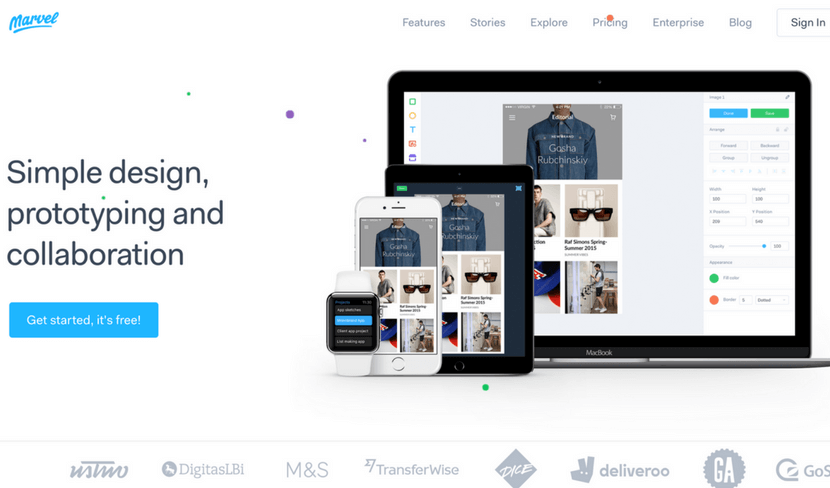
  1. Marvel

Inbound Marketing Tools Marvel

Marvel is a prototype creation tool for apps and websites. You can create straight in Marvel or transport your images from the cloud storage, Sketch, or Photoshop. The tool has a user-friendly editor that lets you link your designs and create prototypes for iPhone, iPad, Apple TV, Apple Watch, Desktop, and Android.

  1. Ceros

Ceros is a cloud-based tool with a digital canvas that can be accessed by the entire team. Ceros allows you to create amazing, interactive infographics and animated designs. The tool is very convenient for both designers and marketers. After creating a unique design, you are able to see the insights of its performance.

  1. Figma

Figma is a collaborative design tool that gives you the ability to work on a design together with your team. Here you can create icons, interface design, responsive layouts and much more. Figma is very easy to use so you won’t waste your time trying to understand the tools and it also allows the integration with Sketch app.

  1. Fuse

Fuse is a design tool for creating apps on Android and iOS. An effective and quick way to create for teams, developers, and designers. With Fuse, adjust animation, UI, layout or anything else you like and test changes in real time. It makes it easy for people that are new to app development and is also very useful for the experienced ones.

  1. Placeit

Placeit offers more than 2500 mockups and demo videos. It is super quick to use and works as a great substitute for Photoshop when you want to place a screenshot of your website on a screen of a computer or a phone. You can choose between many different devices or simply use the search field.

  1. VSCO

VSCO is a very popular photo editing app available for both iOS and Android. It lets you edit your photos and images, add many different trendy filters and share it with other users of the app. The app is widely used by photographers and the youth and constantly updated by its developers.

  1. PicMonkey

PicMonkey is an online tool for design making and photo editing. It has some paid features, but even without them, the tool is pretty powerful. Besides designing and editing, you can also create beautiful collages, or use the “Touch up” feature that can whiten teeth or remove wrinkles in a photo.

  1. Infogr.com

Infogr.com is an application meant for creating stunning, interactive charts and infographics. You are free to choose between more than 35 charts, over 500 different maps and over 20 ready-made templates for infographics. Besides that, you can edit the style, colors and many other things in your design.

Visual resources

  1. Unsplash

Unsplash is a photo stock library that lets you download, edit and use all the photos for free without any copyright. The website is believed to be one of the leading photography websites in the world. Here you can browse new photos, view collections or simply use the search field.

[optin-monster-shortcode id=”u0wiahzfsrgu4dsbbxsb”]

  1. Pixabay

Pixabay is an international website that offers more than 870,000 stock photos that are completely free. Here you will also find vectors, illustrations, and videos of high quality. All of the content you will download on this website is completely copyright free, so feel free to edit and distribute it the way you like.

  1. StockSnap.io

StockSnap.io is full of beautiful stock photos in high quality. It is also copyright free so no contribution to the author is required. When you visit the website, you can see the most popular searches that are displayed as tags under the huge search field. You can also view the trending and recently added photos or add them to your favorites.  

  1. Life Of Pix

Life Of Pix is another brilliant place to find free stock photos. Some photos are features, so you can browse them straight away when you visit the website or choose to use the search field. If you find it time-consuming to preview photos on a big display, you can simply switch to a different viewing display.

  1. SplitShire

SplitShire is a great resource of visual content: free images, photos, and videos. Besides the search field, you will also discover many convenient categories to choose from: animals, fashion, landscapes, mockups and much more. In free videos section, you can scroll down and view all the amazing video content that you can easily download.

  1. Death To Stock

Inbound Marketing Tools Deathtostockphoto

Death To Stock has a lot of content you can use for your creative projects and designs. It has a very convenient feature where you can subscribe to receive a monthly email with beautiful photos. On the website, you can also browse themed photo packs on a specific subject.

  1. PhotoPin

PhotoPin is a completely free tool that might come in handy both for designers and bloggers. In PhotoPin you will find millions of photos with Creative Commons licensing. A very neat feature that this tool offers to its users is that when you download a picture, you receive a contribution link at the same time, so there’s no need to search for it separately.

  1. Freepik

Freepik also offers some free stock photos but is mainly focused on free vectors, icons and PSD files. This website is probably one of the most popular free graphic resources among experienced and new designers. You can use the search field, or browse the vectors by popularity or recency.

  1. Flaticon

Flaticon is probably the biggest database full of icons in PSD, EPS, SVG, PNG and BASE 64 formats. Here you will discover more than 310,000 icons that can be customized to a specific color code before downloading. If you are working on a specific project and you need your icons to have the same style, you can find some icon packs as well.

Automation tools

  1. IFTTT

IFTTT is an amazing tool that lets you connect and create chains of applets. Applets are useful features that different apps are able to offer to their clients. For example, using a certain applet, you can set it up to receive an email when an Instagram picture with a chosen hashtag is posted.

  1. Zapier

Zapier is a great web automation tool for busy people that seamlessly connects one’s apps and automates the processes. Apps are linked in seconds and when data is shared, Zapier passes the data to “Zaps” that represent your workflows. This will help you to finish your tasks and processes faster than usual.

  1. Moosend

Moosend is a powerful email marketing and marketing automation tool. Its features are easy-to-learn and easy-to-use and it promises a minimal learning curve with maximum potential, due to its sophisticated automation, personalization and analytics features.  From designing beautiful email newsletters and landing pages with zero code knowledge to segmenting your email list and making educated decisions through data and analytics, this all-in-one marketing platform gives your business more for less.

  1. Skyvia

Skyvia is a tool that offers a cloud data integration service. It also lets you backup, manage and access your data from all your apps by using only one tool. Cloud data management is processed through SQL so you don’t need to bother about native web API’s of different cloud sources.

  1. Looking for new tools recommend

This used to be Hooks

  1. CloudHQ

CloudHQ synchronizes your apps and your data and lets you integrate your apps with cloud platforms you are using at the moment, including Google apps, like Google Drive and Google Email. The tool offers real-time backup of any data that is in your cloud. It also lets you integrate your dropbox with Evernote, Gmail, Sharepoint, and Basecamp.

  1. Automate.io

Automate.io is a tool that is able to connect all the apps that are located in your cloud. This helps you to automate such processes as marketing, business, and sales. Automated processes include sending automated emails, automate follow-ups and much more.

  1. Looking for new tools to recomend

This used to be CloudWork.  

  1. Integromat

Integromat is a powerful workflow optimization and automation tool. With it, you will be able to connect different devices, apps, and services. The main advantage of this tool is that it can integrate and automate almost any app that’ been created. It can be used in various fields: social media, online stores, customer support and project management.

Management tools

  1. Teamgate

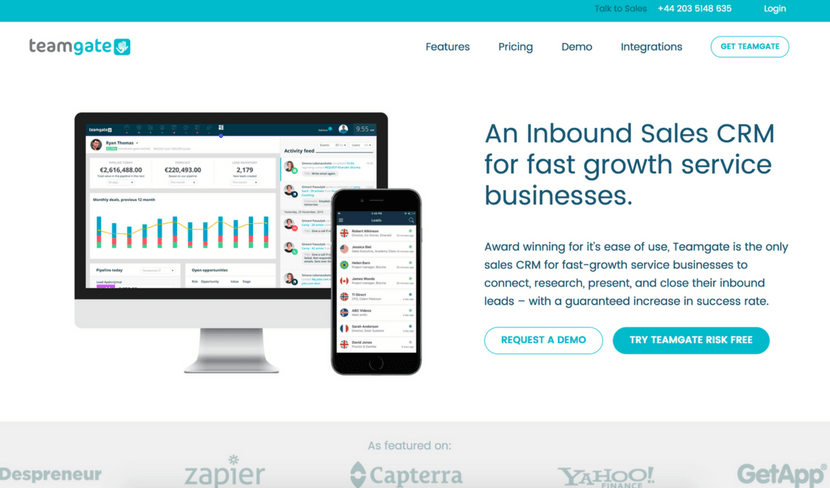
Inbound Marketing Tools Teamgate

Teamgate is a powerful CRM tool that can be developed especially for you and your team – no matter whether you work alone, run a small business or manage a big team. It helps you curate and plan daily tasks, schedule your calls and appointments, create individual goals and view how close you have gotten to your goal. It also has a neat feature where you can view insights of your team’s sales score and an evaluation on how much better or worse you are doing compared to last year, month or week.

  1. Bitrix24

Bitrix24 is a widely used management tool because of its many features and other tools like CRM, task and project management, document and time management, calendars, chats and much more. It also offers a telephony service so you can call anywhere – domestically or internationally.

  1. Copper

Coppers CRM is a user-friendly, simplistic management tool that is focused on teams and interactions. It makes it really easy to keep on track with what your team is working on and keep an eye on the sales.

  1. Zendash

Zendash makes tracking your marketing performance simple and efficient. With its user-friendly dashboards and seamless integrations, it brings all your analytics into one place. Use Zendash to gain valuable insights, optimize your inbound campaigns, and make smarter, data-driven decisions to grow your business.

  1. Salesflare

Salesflare is a CRM that stands out due its focus on technological development. The tool is integratable with Office 365, Gmail, iCloud, Zapier and Exchange. It offers useful insights on sales and assists you with follow-up opportunities. The Salesflare takes care of all the data input so you can focus all your attention on sales and profits.

  1. Act!

Act! is a CRM and a brilliant management tool for managing customer relationships and contacts. This CRM is mainly meant for individuals, sales teams, and small businesses. Here you can choose between three different plans to suit your needs: Act! Pro, Act! Premium and Act! Essentials.

  1. Insightly

The name of this CRM tool speaks for itself – it can offer you many useful insights on your sales, team workflow and many other aspects. The tool is also packed with an array of great features, such as contact and lead management, task, events, reports, email integrations and so much more.

Lead collection tools

  1. AeroLeads

AeroLeads is one of the most powerful prospecting software on the web used by over 5000 businesses. It finds all the details of a business or person that includes Email, Name, Phone Number and social profiles. It also provides you with the service of giving you the email list or email database as per your requirements.

  1. OptinMonster

OptinMonster is an amazing and very popular lead generation tool, especially for WordPress. It helps you convert visitors into subscribers by creating convenient and smart signup forms. It works with MailChimp, AWeber, Infusionsoft, GetResponse, Constant Contact and many eCommerce platforms

  1. Leadfeeder

Leadfeeder is a simple lead collection tool that helps to turn your visitors into subscribers. It is mainly focused on the B2B market and works by connecting to your Google Analytics account where it collects useful data about your website visitors. Offers integration with MailChimp.

  1. Leadpages

Leadpages will generate leads through social media, emails, web and text messaging. Here you can choose from a selection of high quality and performance templates and then customize them to your own taste. The customizable templates are mobile friendly and the tool itself can integrate with MailChimp, Salesforce, Infusionsoft and many other tools.

  1. Leadformly

Leadformly is a website that lets you create interactive lead generation forms and use them to capture more leads. After you choose a template you like, you can redesign it as you wish, then simply add the embed code to your website and wait for the results. It integrates with Salesforce, Sugar CRM, Infusionsoft, MailChimp, HubSpot, Marketo etc.

  1. Lead Forensics

Lead Forensics is a tool that will turn anonymous traffic into leads. With this tool, you can identify the leads in real-time and reveal such information as contacts, business name, financial data, demographics, etc. It also lets you analyze each case from the first click to sale.

  1. LinkedIn Sales Navigator

LinkedIn has a special tool called Sales Navigator that is packed with features focused on social selling. It gives you custom lead recommendations, imports Salesforce data, constantly informs you with real-time sales updates and lets you measure your social selling stats and efforts. On their website, you will also find success stories and useful resources.

Social media tools

  1. Buffer

Inbound Marketing Tools Buffer

Buffer is a social media scheduling tool for Twitter, Facebook, Instagram, Pinterest, LinkedIn, and Google+. It will help you to save loads of your precious time and focus on your strategy.  You can easily schedule by using the website, installing the browser extension or on the go – with apps for iOS and Android.

  1. Quuu Promote

Quuu Promote enables you to share and promote your generated content via Facebook, LinkedIn, Twitter and Google+. The entire system consists of three steps: first, you create a post using URL address, second, you select the most relatable topic and lastly, monitor and track your promotions via Quuu.

  1. Hootsuite

Hootsuite is social media management tool that works with more than 35 popular social networks. It has many different tools that include Publisher, Engagement, Analytics, Insights, Campaigns, Platform, Amplify, and Ads. These tools are best for fields, such as social selling, marketing, customer service and Employee Advocacy.

  1. MeetEdgar

MeetEdgar is a tool for social media planning and scheduling. One of the cool features of MeetEdgar is that it does not throw away your published posts, but keeps them in a safe library so you can analyze, edit and repost them later. Here you can also place your scheduled posts in different categories.

  1. Looking for a new tool

This Used to be Mentia

  1. Tagboard

Tagboard is a social search platform based on hashtags. It searches through social media content and finds relevant content in seconds. The tag search is processed through such platforms as Facebook, Twitter, Instagram, and Flickr. A very convenient feature is that you can automatically promote any posts you like.

  1. SharedCount

SharedCount is a very simple service and a tool for social media analytics. Its main feature is to quickly track URL shares and likes across the internet. After you enter the URL of your post, you will see how many shares, likes and comments it has collected on Facebook and how many times it was shared on Google+, Twitter, Diggs, LinkedIn, Pinterest, StumbleUpon, and Delicious.

  1. Agora Pulse

Agora Pulse is an amazing yet simple tool for social media management. It brings all the most popular social media networks to one place where you can easily track and manage the engagement. The tool offers many useful stats and insights and has a feature that allows you to run contests and promotions.

GET READY TO OWN YOUR WORKDAY

with the most user-friendly CRM on the market.

Start Free 14-Day Trial

Painless setup, no credit card required

  1. EveryPost

EveryPost is a simplified social media publishing platform and an app for both iOSand Android. With this great tool, you can manage your content, edit your posts, collaborate, schedule, publish and study the social media analytics to come up with even greater solutions for your business.

  1. Sprout Social

Sprout Social is a powerful social media management tool. It has many advantages to offer: Smart Inbox, Monitoring, Social CRM, Publishing, Analytics, Collaboration, Account Structure and Mobile – all these features in one simple tool. Sprout Social works perfectly for social customer service and social media marketing as well.

  1. Bitly

Bitly is a widely used and well-known URL shortener. Nothing is uglier than a long URL on social media or your website. Besides its main features, Bitly lets you optimize and share the links via Bitly, API or other partner integrations. With this tool, it’s also possible to track link analytics and stats.

  1. Tailwind

Tailwind is a free scheduling platform for Pinterest and Instagram. With this tool, you will be able to discover new interesting content, schedule your social media posts in advance, curate conversations and study analytics to reach better results in the future. You can use the free version or choose from plans meant for small businesses and large organizations.

  1. Tweepi

With Tweepi, you can Tweet faster and more efficiently. This tool was specially developed for one social media channel only with a greater focus on it and its capabilities. In the year of 2017, it already has more than 1,500,000 users. With this tool, you can follow relevant users, follow back, schedule tweets and much more.

SEO tools

  1. Übersuggest

Übersuggest is a tool that generates loads of keyword ideas for you. Simply enter one of the main keywords that describe your business and receive hundreds of similar suggestions. Besides that, you can also choose other options, such as browsing in the web, images, shopping, YouTube, and News section.

  1. Moz

Inbound Marketing Tools Moz

Moz is a great SEO tool and a software that performs 5 billion searches each day. It has two main services: one is called “Moz Local” and focuses on local searches by using your location information. The other service is called “Keyword Explorer” that lets you find the best keywords and offers many intuitive suggestions.

  1. SEMrush

SEMrush is another tool to help you find more keywords that are relevant to your business. Besides this useful tool, SEMrush can also offer SEO audit, position tracking, semantic core collection, backlink audit and much more. Next to SEO, the company also works with paid traffic, social media, content management and PR.

  1. Ahrefs

Ahrefs is a tracking tool for mentions across the internet, keywords, and backlinks. By using Ahrefs, you also gain access to other tools, such as position, size and content explorers, position tracker, crawl report and alerts that make sure you never miss a new mention.

  1. Backlinko

Backlinko is a place where you can find many marketing and SEO tips, tricks, guides, ebooks and blog posts about it. In general, the website helps you master the link building process, lift up the user experience, optimize and promote your content. You can also sign up for free updates and the newsletter to make sure you don’t miss a thing.

  1. Wordtracker

Wordtracker is a tool with the main focus on longtail keyword search. While researching the keywords, you can choose a specific time period and region so that the result would be more relevant. This tool also lists some advantages why it’s better than Google Keyword Planner: not grouped keywords, results are not banded, SERP comparison and much more.

  1. Keyword Tool

Keyword Tool is a substitute and an alternative for the Google Keyword Planner. It finds the most searchable keywords that your potential customers type into Google Search Box. Every search term is estimated to receive at least 750 keyword suggestions, it is absolutely free and you can freely use it without any registration.

  1. Looking for new Adition

Used to be Keyword Eye

Streaming tools

  1. Crowdcast

Crowdcast is a simple and dynamic streaming tool that lets people share content via webinars, live courses, summits and Q&As. It’s very quick and easy to get started because you don’t have to download any files, the setup is very easy and there’s only one URL.

Livereacting is a platform that helps to boost your social media presence by creating and scheduling an engaging 24/7 live stream. It provides tools to automate interactive content, such as polls and quizzes, to maintain continuous audience engagement.

  1. Bambuser

Inbound Marketing Tools Bambuser

Bambuser is an interactive platform for live streaming. It benefits from another tool called “Iris” that focuses on simple mobile live videos. This tool can help you to create professional live videos, organize and manage them via Content Dashboard, and publish them through Player SDKs.

  1. Google Hangouts

Google Hangouts is a very popular streaming tool provided by Google. Through this tool, you can message your team or a single person, make a video or an audio call. In one chat, you can connect up to 100 people which is a pretty large number. To make your interaction even more fun and accurate, you are free to use emojis, maps, photos, stickers, and GIFs.

  1. Tinychat

Tinychat is a simplistic live video chat platform that can also be used as an app for iOS and Android. It is called a video chat, but it does not obligate you to participate in a conversation, you can just observe and watch. To start a chat room, simply click on the bright blue button that says “Instant Room”.

  1. Livestream

Livestream is a powerful and a highly developed live streaming tool. It has a high-tech live video solution with tracking and analytics so you can track the engagement, end to end hardware and software, 24/7 support and many different product solutions, developed for distinct needs.

  1. Twitch

Twitch is a streaming website with more than 9.7 million daily users and mainly focused on video game streaming. It has a few listings that show the most recent top live channels, Top PS4 Channels and Top Xbox One Channels. To start streaming, you can try a free trial to test out the features. 

  1. YouNow

YouNow is a broadcasting tool where people can stream live. On the left corner of the website, you will always find trending topics and in the middle section – trending broadcast that you can view freely. It is completely free and available both for iOS and Android as an app.

  1. Youtube

Youtube has a live streaming section called “Live” where you can stream videos of your own and watch other live streams of people gaming, playing music, racing, etc. You can choose between two different streaming options: “Stream now” that lets you send content and stops it at the right time and “Events” that gives you more over the content.

While working on these outstanding tools, you also need the right peripherals. One of the key things you need while working on marketing tools is AirPods. Whether it’s about watching marketing tutorials on YouTube or editing a sales video, good sound quality is necessary. Buy Airpods online or from a store and to make the buying easier, this guide on AirPods generations is important. From AirPods first generation in 2016 to the latest fourth generation in 2024, there have been major changes in them. Knowing how things have changed and what the key differences are between various generations is an important factor to consider before buying.

Final Thoughts

Growing a business is a day-to-day mission and we should take all the help we can take. Leveraging the right inbound marketing tools is crucial for the success and growth of your business. These tools not only help streamline processes but also optimize and enhance the effectiveness of your marketing strategy.

Make the most of the insights you’ve gained from these 100 powerful inbound marketing tools and watch your business soar to new heights.

Now that you’re armed with this knowledge, take the next step to further boost your marketing efforts – try Teamgate CRM.

It’s an innovative solution designed to perfectly align with your inbound marketing strategies, ensuring you harness the full potential of every lead and customer interaction.

In this article, you’ll gain exclusive insights into the strategies used by eight industry-leading marketers to craft email-closing phrases that seal deals. From invoking urgency to personalizing content and implementing scarcity tactics, you’ll learn how the right closing phrase can significantly impact the response rate and conversion success of your emails.

Key Takeaways:

  • Leveraging the power of scarcity and urgency can effectively push prospects to take the desired action.
  • Heavily personalized content tends to enjoy a higher response rate and encourages better customer engagement.
  • Unique and creative closing phrases can make a strong impression and contribute to a higher conversion rate.
  • Following up on prospects who do not reply is crucial in identifying any mistakes made during the pitching process.
  • Always focus on the prospects’ needs and pain points to better align your solution with their expectations.

No matter what style or tone you choose to use, the closing phrase will greatly affect how well your prospects remember your email and how willing they are to respond.

Closing strong requires a good mix of research, creativity and strategic thinking. Read on to find out how the industry’s best marketers craft their winning closing lines.

Marcus Miller

Marcus Miller, a digital marketing strategist at a UK digital marketing agency Bowler Hat, says that people “often need a push over the edge”. He finds that urgency and availability are his strongest cards when closing a deal.

We are a small team and have a great reputation so we do only have limited resources. The best close for us is that we have limited time and are in high demand.”

Tapping into the scarcity factor seems to be an effective approach, as the agency lands about 50% of the work they quote. It is also a way to quickly filter qualified leads, “The majority that don’t go for us tend to not do so down to price. Now, we are not expensive, but there is always someone who will do a bad job more cheaply. Often, the jobs we do land tend to be with people who have experience of the true cost of cheap work and know that doing the job properly needs a realistic budget.”

Paul Jarvis

Paul Jarvis

Image source: Pjrvs

Writer and designer, Paul Jarvis, had his fair share of email lead generation back in the day when he was doing freelance gigs. He has kindly agreed to share his one-liner that seemed to land most of his deals:

I’d love the opportunity to work with you and help your business grow in [list the solved specific pain point they came to me with] .

“Even though I was a designer, I always related everything I did back to their bottom line (i.e. making money) and problems they came to me with (i.e. increasing revenue, growing their audience, building their newsletter, increasing conversions, etc),” Jarvis explains.

He now uses email to distribute his newest articles about the intersection of creativity and commerce to his email list of almost 30k subscribers.

Dan Scalco

The goal isn’t for you to convince them that you’re the best option for them. The goal is for them to convince themselves that you’re the best option,” Dan Scalco, founder of digital marketing company Digitalux, believes. Unlike many other entrepreneurs who are searching for little-known conversion hacks, Dan Scalco relies on heavy personalization rather than one exact phrase to close a deal over email.

“I like to determine what their biggest pain point is in a conversation and use that information to drive home the value of my service. For example, if they are a small or mid-sized business having trouble converting leads on their website, I would reiterate how Digitalux has helped hundreds of businesses just like theirs increase conversions. I would then go into specific details as to how we did this,” he says.

Thanks to high level of personalization, their campaigns enjoy a decent reply rate and prove the point that going the extra mile is often the only conversion hack needed.

John Chen

John Chen

Image source: Contentrific

As someone who’s created content for brands like Apple and Microsoft, John Chen has a few copywriting secrets under his belt. Having recently founded a content marketing blog Contentrific, where he aims to educate entrepreneurs on the power of words, he’s a keen experimenter with bags of experience in the email marketing game.

“Too often in the content marketing industry you’ll find countless business owners who think that content marketing is all about getting to the front page of Google,” Chen says. “Why wait 6 months and hope to rank, when you can go ahead and create content, share it to where your audience is right now, create value, and appeal directly to them?”

To communicate this message and make a strong first impression, he uses a rather unique closing phrase in his emails, “I’m not going to rank you. Google is. I’ll just rank you in the eyes of your reader with powerful content, so Google doesn’t have a choice but to rank you.”

That his refreshing approach is a winner is confirmed by the 75-80% reply rate in the sample size of 500+ customers.  

Hariesh Manaadiar

Hariesh Manaadiar is a niche blogger specializing in the dynamic shipping and freight industry. He uses his blog to educate his readers about the processes and procedures in the industry, but when it comes to closing a deal, he says face-to-face meetings are an invaluable piece of the puzzle.

Although different situations require different angles, Manaadiar found that one closing phrased works well in his field, “I look forward to an opportunity to explain our services in person and how we can add value to your business and provide you cost savings”. His one and only goal is to get the foot in the door and see where the meeting takes them.

“In the industry that I am in, the most difficult part is to get to the meeting stage, after which if the customer really has business, I have been able to secure it,” Manaadiar adds.

Sam Hurley

Sam Hurley

Image source: Optim-Eyez

Sam Hurley, one of the most influential digital marketers and the founder of Optim-Eyez, knows a thing or two when it comes to converting leads into paying customers. He estimates his email conversion rate (or the success rate) to be upwards of 80%, which is mind-boggling in the hostile world of email marketing.

He’s not particularly keen on relying on a closing line to do the hard work for him but says that in his personal emails he uses something similar to “Looking forward to the future together!”.

“This not only suggests the deal is already going ahead, but also describes the future as a collaborative effort,” Hurley explains.

However, a closing phrase is just a small detail of a much larger picture, “Speaking with the right prospects is 80% of success and my leads are currently all inbound. That considered, my reply rate is always 100%…”.  

Fahad Mohammed

Fahad’s goal since the age of 11 has been to do a multi billion dollar deal. Today he is the CEO of Bay Street Brands, a digital advertising agency dedicated to helping businesses and entrepreneurs build a social media brand, and he’s still striving to make that dream a reality.

To seal a deal in an email, Mohammed uses a top closing phrase shared with him by an international sales expert Grant Cardone:

“I understand you need to think about it, however, thinking about it does not change the fact that this investment solves your problem, saves you money. Sooner or later you’re going to do this, let’s take time out of the equation and let’s do this so you can get back to focusing on the other things in your business that require your attention. Not doing it will cost you, doing it will cost you and that’s a fact, it’s better to pay a little extra and get what you want vs paying a little less and making a mistake. I need your sign here.” He would normally send a contract alongside this and follow up by phone to confirm the final details.

This closing strategy yields an impressive 60% success rate.

Do you have a CRM that keeps you organised?

The most user-friendly CRM on the market. 14-day free trial.

Start Free Trial

Painless setup, no credit card required


Eric Christopher

Better known as ERock, Eric Christopher is an innovative marketing strategist, accomplished writer and speaker, founder and CEO of BizFamous.com and LocalBusinessRockstar.com, and a huge advocate of educational marketing. ERock has decades of experience in marketing and enjoys sharing the lessons he’s learned along the way. This time, he gave away the entire pitch that’s winning them a lot of business:

Subject: Were you serious or kidding?

Hey FirstName,

I know you said you were interested in working with BizFamous,

so we can help you [insert the desired outcome or benefit here]…

Were you serious or just kidding?

We’re ready to get started immediately, as we take the opportunity

to help you  [insert the desired outcome or benefit here] very seriously…

Can you imagine how you will feel when we make that happen together?

Let’s not waste any more precious time…

When would you like to start FirstName?

Thanks!

Signature

PS- If you’d like to jump on a quick call for any reason, then please let me know… we’re here to help you!

ERock explains that, “We really focus on what they said they really want. We then invite them to experience the emotion of that feeling and then invoke a bit of scarcity to imply that timing is ticking away.”

If you’re wondering how successful this pitch is, the answer is very. “Our reply rate is typically 75%, so 3 out of every 4 people will reply regardless of their final decision.  We will usually close 4 out of every 5 deals, if we’ve done a good job articulating the value of our offer,” Christopher reveals.

But it ain’t over till the fat lady sings, right?

ERock says they don’t give up on prospects who do not reply and use a special trick that he’s picked up from a book by a former international lead hostage negotiator for the FBI (“Never Split The Difference” by Chris Voss). They send the following follow-up email that’s proved to be extremely effective at generating responses and shedding light on mistakes made during pitching.

Subject line: Have you given up on this project?  

Hi FirstName,

It seems you’ve given up on this project?  If so, would you extend me the professional courtesy to let me know why?

It would help me to know what I could have done better or what I did wrong…  what’s the ONE thing I could have improved upon?

Thanks Firstname!

Signature

Mastering the Art of Sales Closing Phrases

Mastering the art of crafting persuasive sales closing phrases can drastically influence your prospects’ responses and drive your deal closures.

Always focus on creating a sense of urgency while keeping your email closing concise and action-driven. A clear call-to-action, like scheduling a quick call or requesting feedback, can make all the difference in getting a response, suggests the team at TKXMedia.

Start your journey of improved sales communication today with Teamgate CRM, and watch your sales soar.

FAQs: Sales closing phrases

Q: What is the importance of a sales closing phrase in an email?

A: A sales closing phrase in an email is crucial because it impacts how well your prospects remember your message and their willingness to respond. It’s the final impression and call to action, thereby directly influencing the effectiveness of your sales pitch.

Q: Can you give an example of a sales closing phrase that uses urgency and scarcity?

A: Yes, Marcus Miller, a digital marketing strategist, uses the following closing phrase: “We are a small team and have a great reputation so we do only have limited resources. The best close for us is that we have limited time and are in high demand.” This phrase employs both urgency and scarcity to motivate the prospect to take action.

Q: What is an example of a sales closing phrase that heavily personalizes the content?

A: Dan Scalco, the founder of Digitalux, personalizes his closing phrases based on the prospect’s biggest pain point. An example could be: “I would reiterate how Digitalux has helped hundreds of businesses just like yours increase conversions. I would then go into specific details as to how we did this.”

Q: What is a unique sales closing phrase that can make a strong impression?

A: John Chen, the founder of Contentrific, uses a unique closing phrase that focuses on the power of content: “I’m not going to rank you. Google is. I’ll just rank you in the eyes of your reader with powerful content, so Google doesn’t have a choice but to rank you.” This closing line makes a memorable impression by highlighting the value of content.

Q: What is an effective follow-up sales closing phrase when a prospect does not reply?

A: ERock, founder and CEO of BizFamous.com, uses the following phrase as a follow-up: “It seems you’ve given up on this project? If so, would you extend me the professional courtesy to let me know why?” This approach is non-confrontational and encourages prospects to provide valuable feedback that can help improve your sales approach.

Thinking about redesigning a website or migrating to new CMS??

Do you know that redesigning can be critical?

Yes, only when done, wrongly!! 

It can affect your website’s organic traffic.  

Obtaining organic traffic is a tough job, though. From link building, link generation, to on-page optimization, it takes a lot of hard work. If you tend to lose your vision on those efforts, then it could be disastrous for your business. 

When you lose your website traffic and ranking, then you will notice fewer sales and leads. 

But, on the contrary, it is also essential to redesign a website. There are many reasons, some of the leading ones are defined below:

  • The requirement of changing the website theme (appearance). 
  • Rebranding is demanded.
  • Platform migration is required, like, from HTML to WordPress.
  • A mobile-friendly theme is required. 

A redesign of the web site does not certainly imply modifying the domain name. Therefore, in the cases, as mentioned above, it is believed that you retain the same domain name but improve the appearance of the web site, basically the design.

Updating your website and changing the features, design, and user experience are recommended.  But, Google does not accept it.  

Resigning a website undoubtedly gives you the chance to improve conversion rate, SEO, and digital marketing on an all.  Remember that it could be disastrous if appropriate steps are not taken to ensure the stable migration from the existing website to the new one.  It surely will destroy SEO equity.

To assure the redesigning has a definite influence on search engine rankings after the new launch, you should keep some considerations intact. Redesigning tends to engage with marketers, designers, and other stakeholders to keep not only current ranks but also to generate new ones for more organic growth. Check out the key considerations below:

  • User interactions
  • On-page SEO
  • Website content
  • Technical health

We are here to give you the steps that you should follow while redesigning your website.  Let’s get started!!

Step  1: Setup the New Website on a Temporary URL

It is recommended to copy the existing website to the temporary URL, and adopt the new design. When the process is ready, change the domain.

Some technical details are there, but the hosting provider will supervise you to set up everything. 

Operating directly is not advised because it might invite some inevitable problems. As per the SEO perspective, assure that the testing website is in the list of Google indexing (for avoiding duplicate content). Two methods are there to execute it:

Method 1

While working in WordPress, go to Settings/ Discussion. Review the Search engine visibility option.

Method 2

Update your robots.txt file and integrate the below lines of code:

User-agent: *

Disallow: /

The aim of the code mentioned above is to block the search engines for accessing the website.

Step 2: Test the New Website

As of now, the existing website is copied in the new one comprehensively. Though, before redesigning the website, it is better to check the website thoroughly. 

While examining, other significant aspects such as; CSS, features, and broken links should be checked. XENU, a free tool to check whether the links are valid.

Step 3: Build a list of All Pages from your Existing Website

Changing the URL structure is not a big thing, but what is important is to let Google and other search engines know what you have changed. 

And, if you are not doing so, then you are hurting your website ranking and declining the trust rate. Accordingly, you are losing the organic traffic. 

The best thing is to make a list of URLs your current website has. And, the way you can adopt is to get your sitemap and save it to the text file later.

Step 4: Do proper 301 redirects

The next thing to do is to make 301 redirects among existing and new URLs. For instance, for the “Services” page on the existing website, the URL would be” “www.yourwebsite.com/aboutus.html.” While redesigning, the designer will change the URL to “www.yourwebsite.com/about-us.html”. 

Apply the 301 redirects to ensure that the mentioned URLs are working properly. And it does not result in losing the SEO benefits that you had obtained from the existing URL.

And, if it is not done accurately, then 404 errors will be displayed. In this process, the existing URL will be redirected to the new URL. 

This way (technically), you are conveying the search engines that you have changed your URL.  Accordingly, your efforts that you have put into gaining SEO previously will not get affected. 

“.htaccess” file could be used to integrate the redirects. Check out the below code to know how it will look like:

Redirect 301 /oldwebsite http://yoursite.com/new-url

If you do not have any idea to execute it manually on the WordPress CMS, then you can give a try to the redirect plugins. All you need is to fill out the form.

Step 5. Switch to The New Website

After carrying out the designing, developing, and testing, your new website is all set to go live. It is just one step away.

Whatever you will do at this stage will assure you that you are switching to the new website quickly and effortlessly — Google advice to perform this step at once. 

Step 6: Verification of New Website with Google Search Console

When your website is live, the main thing is to check if everything is working well.  It is suggested to run the broken links to assure that you have not missed anything. The subsequent thing is to log in to the webmaster tool (Bing and Google) and secure you about the verification of the website.

And, if in any case, it is not, then verification should be done to monitor how Bing and Google are indexing the new websites.

Step 7: Use the URL Inspection Tool to Check that Google is indexing the New Website Properly

In the Google Search Console, use the URL INSPECTION option (from the top bar) to assure that Google can index and read the newly migrate website accurately.

And, if there are no issues, then click on the “Request Indexing” button. It is used to boost the indexing process.

Step 8: Review robots.txt

In the process of redesigning, there is a probability that the robot.txt can get corrupted. And, if in any case, it is, then click on the “robot.txt” option below the crawl.   Robots is the file which is used by the experts to deny or allow access to the search engines for the website (as a whole or on specific pages). 

Any incorrect configuration in robots.txt can refuse access to the search engine crawlers, and it should be fixed promptly.

Step 9: Optimize and resubmit XML sitemap to Google and Bing

The next step is resubmitting the XML sitemap to the search engines (Google and Bing). When the URLs are changed, then consequently, the new XML sitemap will also get a new structure. It helps the search engines to index the redesigned website quickly. 

Step 10: Observe the Changes

Last but not least. It is vital to check the changes and the appearance for the notable growth.  Check the rankings on the top keywords. Many SEO tools (SeMrush) are there that lets you keep an eye on the keywords. If you notice any substantial change in SEO, then find out the reasons for this.  Discover the solution to avoid the slow loading of your website. It is also important to examine your website every two or three months. 

Wrapping Up

Redesigning is a daunting task.  But, it is the best way to boost the conversion rate and SEO.  Websites with substantial organic traffic must handle everything adequately.  

We have mentioned ways to redesign the website without affecting SEO.  These steps assure you of the definite improvement. If you are following a definite process with the imperative choices, monitoring the results, performing the regular changes, then you should not worry. 

Consider redesigning not only as an opportunity to improve the design but to capture more audiences. 

We hope you liked this article.  Related queries and suggestions are welcome. 

Thanks for reading!

Begin with the end in mind. It’s a well-known mantra for many business owners, and an effective mindset when setting visions and helping identify the necessary steps to achieve them. It’s a philosophy that provides clarity, efficiency, and purpose, and can get you to those leads that you never thought were available.

In terms of lead generation and marketing, the “end” would be a working list of potential subscribers who are likely to become loyal customers. This crucial list should give you insightful information into each individual—their name, age, gender, location, purchase history, and other bits of data that you can capture through online and offline interactions.

Think of a business that doesn’t need to do cold calls and direct, hard sales. That’s a business that is probably doing well in terms of online lead generation. They know their target audience, where their subscribers spend their time on the internet, and what types of sponsored ads and materials pique their interest. 

In this post, we’ll walk through the different ways how you can leverage lead generation for your business

1. Learn how to use lead magnets

Offer lead magnets to your potential subscribers in exchange for their email address. You can embed these lead magnets into pop-ups on your website’s homepage or through links on your social media accounts. Businesses often use the following types of lead magnets, which are almost always free-of-charge:

      • Resource kits. Establish expertise in your niche by coming up with a well-written downloadable ebook, podcast, or a small resource kit about what you do. However, don’t make the material all about your specific business and products. Make sure that it’s educational and something that your subscribers will surely enjoy reading. Check out the example below:

Source: Home Design Lover

      • Promotions. Coupons are a popular and effective lead magnet, especially if they offer discounts or freebies. As a business owner, you already know by now that customers’ willingness to pay significantly increases with even just a small price slash. Here’s how Blue Apron did it:

Source: Blue Apron

2. Offer gated content.

Gated content is very much like lead magnets, only it can be accessed by providing more information on top of the email address. Sometimes, even though it’s rare, gated content has a cost. 

Gated content is best integrated into email marketing campaigns and may come in the form of more detailed resource materials and bigger discounts. 

Here are more specific types of attractive gated content:

      • Content or subscription upgrades 

If a customer is interested in your product or service, they will likely be willing to pay for something that offers more. Try to identify customers who are frequent readers of your blogs or  regular buyers of a specific product. Let them know you have a better offer or promotion and that it’s on sale today.

      • Whitepapers

A welcome ebook is good source material, but wait until your customers read a full-blown whitepaper about your service. The whitepaper is usually written by the business owner with the help of experts.

Below is an email with gated content:

Source: Hinge

3. Monitor your performance.

Who are your closest competitors? Chances are they are also browsing your website, looking at your social media profiles, and analyzing your marketing strategy. Try to be one step ahead of them and offer your potential subscribers something unique and innovative. You can also check out how similar businesses in other countries are doing lead generation, and mimic their best practices (in your own way).

4. Identify website-based tactics.

There are a number of ways to use your website as a lead generation tool. Here are some key reminders:

      • Come up with a visually appealing design consistent with your brand identity and messaging. Use video and audio, if possible.
      • More than design, make sure your website offers as many lead magnets as can be integrated into the website.
      • As an online user yourself, you know that ads can become annoying. Your lead magnets should not all be pop-ups but should be placed in strategic areas where visitors can see them, but they aren’t disruptive. These can be through sidebars, slide-ins, and top bars, or through a dedicated page on your website.
      • Learn how to do search engine optimization (SEO) and how your content can be tailored for the web.

Pet retail store Life’s Abundance used a content slider that visitors can navigate by clicking the left and right arrows or by waiting a few seconds for it to change into the next offer or lead magnet:

Source: Life’s Abundance

5. Personalize, personalize, personalize.

Effective lead generation understands that products and services are not one-size-fits-all. Successful businesses are not afraid to request more information from their visitors to give them a highly customized experience. This will drive more conversions than if irrelevant products were mixed with interesting ones and offered to customers in one go.

For example, energy innovation ecosystem Turning Tables asks visitors to answer a little survey before they can be reached with any inquiries:

Source: Turning Tables

You can also draft specific trigger emails that will automatically send whenever visitors complete a specific activity, such as signing up for an event, downloading a podcast, or purchasing a discounted product.

Wrap up

If you want to begin with the end in mind and generate as many leads as possible, identify specific and clear goals such as:

  • The number of subscribers you want to achieve within a specific timeframe
  • Feasible sales targets for each month
  • Email open, click-through, and forward rates
  • Type of customers you want to attract

It’s also important for your business to have a feedback and tracking mechanism, so you know which leads are working and which ones need to go. Your teams should also be able to filter out leads that are not cost-effective for your business, even if these are highly appealing and have worked for more well-known brands.

The number of lead generation strategies continues to expand, and many businesses have already explored tactics such as drip campaigns, exit-intent boxes, and referral programs. These tools can be integrated into your overall email marketing strategy, which will eventually increase your chances of acquiring those highly valuable leads and customers.


Talking about the B2B email marketing, one medium that has proved constantly to be of greatest use is Email marketing. More and more businesses are turning towards enhancing their budget of Email marketing because the research has shown it to super effective.

The research revolves heavily around how this type of marketing brings in ROI. But how does one write b2b emails?  The best use of this marketing is put to is for generating leads. The leads then transpire into clientele in the coming times. While it has been established that email marketing is the answer to your B2B issues, even bigger question is what makes up for an ideal copy that is the most effective.  

The wide arena of Email marketing involves an entire array of communication strategies. These range from newsletters and autoresponders to follow-ups and surveys. Despite all the options available, the most common and effectively used approach is newsletters in the email to target the potential audience.

The important thing to consider is that there is a very fine line between the email newsletter being effective or ineffective. It is useless to bombard the consumer who is not interested and force him to unsubscribe you ultimately. This happens when the users receive emails not related to you.

Know the Target Audience

If you are looking to target the right audience, it is important to segment the audience aligned with their unique personas. Know the needs, problems, and solutions to those problems. Using a free email finder can help identify the right contacts. So instead of getting hyped up about email marketing and sending out generic newsletters, targeting the right spot is important.

Segmentation involves collecting user data at any possible opportunity. Social media interactions, landing page visits, subscription forms, and download provide valuable user data. This user data can do wonders for you and your business by letting you include what interests the audience the most.

If managing this segmentation process seems daunting, partnering with a specialized B2B email marketing agency can streamline the effort, ensuring your campaigns are both targeted and effective.

B2B marketing does not always have to be impersonal and dull, as opposed to popular belief. With an influx of information, it is best to design the newsletter in a way that is user-specific and more personal.  

Tell before you sell!

Newsletters are not meant to sell the product directly. These work to educate the consumer. You cannot expect the consumers to make a buying decision over an email or even a series of emails. The newsletter should be designed in a way that leaves an impact on the mind of the consumer. Even if they are not potential customers at that time, the newsletter must be compelling enough that whenever a related need arrives, the first brand or product to pop up in mind be yours.

Therefore newsletters also have that cushion to put in extra information as well that supplements the product information.

The research in the area also shows that addressing the need when the consumer desire like “Read more” works better than tabs like “Buy now”. So, set the ground for the consumer and educate him rather than forcing him to make an immediate buy. This strategy works best.

Design is the Key!

The design is the first thing that the consumer will come across. Before he reads the content, he develops an impression of your brand in mind by seeing the design. The design must have a few basic attributes to it.

  • It should be clean and easy to digest.
  • It should complement the email content and the buyer persona.
  • The graphics must be catchy.
  • The Call to Action must be visible and active.
  • Font should be good and generated from a font styler

All these attributes are guided by the knowledge of consumer attitudes, needs, and preferences. The color scheme plays an essential role as well.

Font can be generated from Fontalic. The newsletter must be responsive as well as most users open their emails on their cell phones. It must render smoothly on all devices for it to create leads. To test the newsletter with various browsers is also important.

One of the anchors to good and creative newsletters is that it should be easy to scan. The recipient should be able to get the main idea in the first few seconds of opening the email. A vertical format, white space to separate different items, short paragraphs, more graphic, less written content, self-explanatory images-all these factors add up to a readily imparted message.

Make use of user analytics

Analyzing email analytics is very important. The user data is magic in your hand. It gives you an insight into what the users are thinking, what they like and dislike, how much time they spend on your newsletter, what attracts them and makes them click.

After having a good knowledge of what the users are into, it helps to streamline your testing and orient accordingly. For instance, the content may be alright, but your newsletter fails to grab attention because of a flimsy subject line or the time at which you are sending out emails!

By testing the various variables, you can make an informed decision in the right direction. Analyzing the data helps you provide the customer what they want to see and allows you to avoid what repels them!

Reflect your Marketing Strategy

The newsletter must be a part of the greater whole of the marketing strategy. If it is not a continuation of the entire campaign, it fails to connect the consumer with the strategy as well as the product. If the consumer must go back to the website for each little thing, you simply lose leads.

Startups – they can either be exciting, scary or both at the same time. The prospect of getting into business to address a pain point someone or another has experienced can be daunting, and thinking about how to keep your startup sustainable and profitable can also be a little frightening. But growing a startup (and keeping it afloat) is easier now more than ever. For the past years, growth hacking has been the way to go to make even the newest startups flourish. 

Growth hacking is exactly what it sounds like — it means to explore, experiment with, and ‘hack into’ the most creative ideas that revolve around making your product or service appeal to your market so that they help key aspects of your business grow. We’re talking experience marketing, UX and UI, data, surveys, and trial and error of all sorts. Yes, it will take more than just one growth hacking strategy to find out what makes your market tick.

But don’t be intimidated. Although growth hacking sounds like it has to involve a lot of things a lot of times in order for you to succeed, there are some standard ideas you can try to help hack your startup’s fast growth and fast track it to your market’s radar: 

1. Freebies

One actionable growth hacking strategy you can implement right now involves a little tweak in your website’s landing page (if it’s not already been done): instead of showing your latest product or a sale first, show a freebie first. Who doesn’t love a good freebie? Attracting first-timers to your start-up with a no-strings-attached freebie will help you gather pertinent information easier because the front isn’t that you’re asking anything from them (even though in reality you’re essentially generating leads), but a free, ‘opt-out-able’ resource for them instead. This is an especially popular growth hacking strategy for life coaches and the like. Showcase your freebie via a lightbox or a pop-up every time someone visits your landing page. If your product or service really resonates with them, then your market will only look forward to your email communications more and more.

2. And while you’re at it… Loyalty Programs

If you’re giving out freebies to people who have discovered your product or service for the first time, then all the more should you give something out to the people who keep your business a part of their constants to capture loyal customers. Give your loyal users a reward for something as simple as a referral, i.e., customers can get their own referral links they can use to give out to their network and everyone gets a reward in return. This is a favorite growth hack strategy for retail stores and ecommerce sites to get more people to sign up and at least view their site. The rest will then be up to how appealing their site really is to their target market. 

You can also reward your loyal customers with points, freebies after a certain purchase, or even free shipping forever once they reach a certain number of years engaging with your business.

3. Make A Worthy (Marketing) Investment

If you’re really dedicated and hell-bent on growing your business, then investing in the experts will benefit your goals the most. Invest in working with marketing and growth experts, as they’re the ones who really focus on collecting and analyzing data, on discovering and infiltrating potential markets, and on opening new distribution channels to move your brand forward. They can probably do all the growth hacking ideas in this article better than the words could explain it. So if you really mean business, touching base with growth marketing experts who know product innovation, user experience management, and technical target marketing will earn you back more of what you invested in them in the first place.

4. Look Big

If you wanna be it, show up as it.

You can easily make your business look bigger than it seems (especially to potential investors) if you stay consistent and begin your marketing with premium aesthetics. Something as simple as a consistent branded look will have most consumers trusting your business just because you look credible. Apart from that, simply having multiple contact numbers or multiple addresses/P.O boxes across the country will make you look less of a startup and more of an up-and-running company. If your service is able to reach a wider area (i.e. you ship internationally), all the better to boost your business with. Finally, don’t be afraid to publish customer testimonials. Social affirmation can definitely make a company look big and credible.

5. Look Even Bigger with Premium 

A good growth hacking strategy to try as well, if your business model allows it, is to ‘split’ your product between free and premium. By allowing everyone to experience your product or service for free, you’re getting your foot in the door by giving them their most basic needs from your business. Strategically pepper this free version with invitations to go premium, constantly citing how it truly is an upgrade from the former. Several photo editing apps and music apps use this growth hacking strategy with much success!

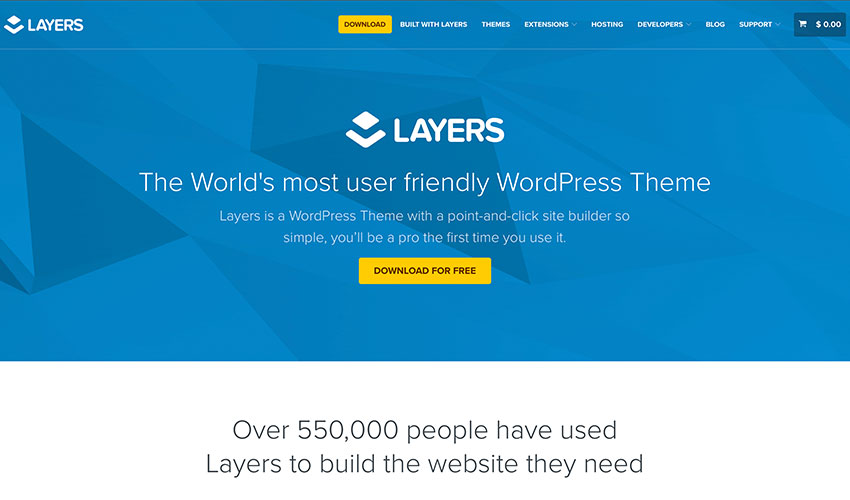
Are you ready to make it big? Try these growth hacking ideas for your own start-up today and let us know just how well it worked out for you!

The Internet is changing in many ways. One of the main trends today is that Internet users want informative and genuine stories, rather than generic, copy-pasted content.

Because of that, every business owner needs to invest their time and energy to create and publish their original content.

That’s why we’ve analyzed various strategies that will help entrepreneurs reach that goal. We’ve selected the five most effective methods in the next five paragraphs.

1. Deeper immersion for higher conversion

The deeper you immerse your readers in your content, the more likely they’ll be to become your customers. So, posting authentic content materials to your website and other places will increase your chances to reach this higher immersion.

In addition to that, it’s important for business owners to engage their readers both personally and empirically.

It’s highly probable that some other entrepreneurs of your level have had the same experiences. The more such stories you share, the more likely it is that they’ll identify will you. Such content bits can help you establish closer collaboration with other businesses.

On the other hand, your potential customers might have had similar experiences in their niche.

Therefore, work on authentic and true examples from your professional experiences.

2. Problem-solving content for your readers

Everybody’s trying to sell someone on the Web today. However, the method you choose to boost your sales makes a huge difference.

If you use too many pop-up windows, email spam, and aggressive ads, you might not get the desired results. It’s important to know that technology is changing the business world in many different ways. One of the most notable ways is that modern buyers know what they want. People of all generations and all nations access the Internet from their computers, their mobiles, and other devices.

All these options have shaped the preferences of contemporary Internet users. In a nutshell, they appreciate getting some tips and solutions to their problems. So, if you offer some tutorials, guides, and DIY-articles on your website, you’ll start creating a trust of loyal followers.

And it’s within these useful, problem-solving content bits where you can offer your products and services.

3. First-person insights from the industry

We’ve already pointed out earlier in the article that first-person experiences have a huge value in this day and age.

Therefore, don’t hesitate to share your personal experiences as a business owner. You can cover different stages of your entrepreneurial development, from the beginnings to the present moment.

Of course, business beginners won’t have too much experience to offer but even this can mean the world to other people in a similar position.

Apart from your tips and tricks as a business owner, it’s recommended to dig deeper into your professional past. Try to remember some challenging situations and how you managed to sort them out.

Moreover, don’t be afraid to talk about your failures. The more realistic your content is, the more readers will be able to identify with it. In line with that, some bitter stories from the past can generate some sweet conversions in the present.

4. One-of-a-kind visuals

There’s no authentic content without proper visual material. Even if you write smashing first-person stories, they need to be accompanied by authentic images and videos.

In line with that, every business owner needs to take photos in various business contexts. From the business atmosphere in the office to business events and products, everything is important. For businesses with a long history, restoring old photos can provide valuable visual storytelling, capturing the journey and heritage of the company.

Apart from that, bear in mind that this is the age of explainer videos. They don’t have to be too long or detailed, but they need to present your business and its services. If possible, shoot real videos with scenes at your business premises, as well as yourself and your employees at business events. It is way easier than one might think as there are tools such as Biteable and many other which offer ready-to-roll video templates. 

As explained by the design experts for custom web application and SaaS development in Houston, your website, your blog, and your app (if you have one) should contain as many genuine visual features as possible. Since the Internet is brimming with generic content, every such business owner will stand out from the crowd. So, being visually authentic is another way to increase your sales and revenues.

5. Engagement in social media

Last, but not least, it’s vital for all business owners and managers to use social media as much as possible.

As reported in the analysis on the Small Business Trends website, as much as 90% of business owners say that their engagement in social media has increased their website traffic. The more traffic you have, the more likely you are to boost your sales.

So, decide what social networks are important for your products and services. Some businesses might use all the social media, while others will focus only on one or two of them.

Use the audience-targeting tools to ensure that the most relevant users see your authentic content.

Also, make a schedule for your articles, videos, photos, and other posts. Your business activity in social media should have a certain plan or schedule. Avoid hasty or impulse posts, especially the negatives ones.

To cut a long story short, use all the original content materials suggested in this article and deploy them to social media to generate more traffic and improve your sales.

Conclusion

Business owners need to be original, authentic, and consistent in their online presence. If you want to generate a loyal and relevant audience, share both your positive and negative experiences with these people.

Also, let them know some of your special tricks of the trade. While this doesn’t mean that you should tell them all your secrets, give them some of your efficient strategies.

Finally, don’t forget to create original and well-edited visual features.

All these elements will improve your chances of increasing your business revenues on the global market.

Many B2B businesses use social media just to be present.

However, just being on social media and regularly putting your content up doesn’t guarantee that your sales will immediately go up.

You may invest thousands of dollars in making high-quality content, and your sales still will be floppy and unstable.

So, what are you missing out on?

The secret is in building strong relationships with your followers/customers/target audience.

In marketing, specifically in customer relations management (CRM), it’s commonly known as social selling.

Social selling is the strategy to develop relationships that become a part of the sales process. This strategy is often applied using social networks and involves:

  • sharing relevant content
  • direct interaction with potential buyers
  • personalization and personal branding
  • social listening techniques (involving user-generated content, influencers, customer support, etc.)

Ultimately, it’s not just about sharing content that’s high in value. The relationships between a business and a potential buyer are multifaceted. It’s all about building a strong connection, and businesses are paying more and more attention to become closer with their customers.

What do the numbers say?

According to Impact, with the reference to several statistics sources:

  • Businesses that employ social selling, are able to attract 51% more opportunities than their competitors, and outsell their non-social competitors in the 78% of the time.
  • Companies that use social selling strategies are 40% more likely to hit their revenue goals.
  • 39% of businesses reported that social selling helped them reduce the time they had to spend researching potential leads.

Sales for Life has put together a comprehensive infographic, describing the benefits of social selling for B2B:


Ultimately, Impact reports that 31% of businesses named social selling the main strategy that helped them build stronger and deeper relationships with their buyers.

So, what essential steps should you follow to drive your sales with social media, using CRM and social selling?

Let’s take a look.

1. Automate to Boost Sales

First of all, let’s discuss the technical part of driving sales.

With any social media platform, you’re already targeting thousands if not millions of people, potentially getting thousands of leads. Managing this all without using technology is barely possible, and since social selling is about a personal approach, personalization can be hardly achieved without involving technology.

So, unless you thought ahead when created your online store, and chose a tool with all top popular social media platforms integrated, the first and the most important step is to automate customer relationship management.

At Teamgate, we developed a number of highly effective tools that help businesses effectively manage their relationship with customers on every stage:

  • Collecting leads by converting visitors into qualified leads, grabbing leads from social channels, like LinkedIn, transferring email requests to the Sales CRM as new leads, and even including missed calls as qualified leads.
  • Identifying and organizing leads by prioritizing them more strategically to grow revenue.
  • Managing and accelerating sales to multiply sales and build a highly personalized connection with your customers, no matter where they are located.

Of course, to track the progress, your business will be provided with automatically generated analytics and reports.

What are the benefits of sales automation?

First of all, CRM automation tools provide businesses with a sales dashboard, which helps to keep track of sales activity and progress.

In addition, all contacts are easy to manage, thus, allowing a more personalized approach.

And, of course, you will be in line with your KPIs and sales goals, as automation makes it easier to trace lead opportunities as well as bottlenecks, and other issues.

2. Take Advantage of B2B Influencer Marketing

Now, let’s take a look at the content strategy that performs the best in terms of driving sales on social media.

Of course, you’ve heard about influencer marketing. It’s one of the most versatile content strategies that has helped many businesses to become household names and gain millions of new buyers.

Commonly perceived as an effective B2C marketing strategy, influencer marketing, however, is expected to be one of the most in-demand solutions to help B2B businesses boost sales.

According to Marketing Land:

  • content shared by an influencer can provide a B2B business with 11x higher ROI
  • 92% of businesses who’ve employed influencer marketing say that it’s the most effective strategy when it comes to reach audiences and attract leads
  • that’s why 71% of businesses, both B2B and B2C, invest in ongoing ambassadorships

How are B2B businesses incorporating influencer marketing?

Here’s an example.

Cherwell Software, a B2B company specializing in IT Service Management software, launched the campaign to increase brand awareness, promote thought leadership, and increase sales by targeting more IT companies.

To achieve their goals, they invited 15 influencers – field experts – to co-create content that promotes next-generation IT Service Management solution. As a result, these experts produced blog posts, an e-book, developed a landing page as well as organic and paid content to reach the goals of the campaign.

What’s the result?

Their content, the e-book, in particular, was viewed 170% more than other content, and this campaign was accountable for 22% of all sales during the year.

What’s the place of social media in all this?

It’s well-known that influencer marketing is mostly about social media. Influencers share the content that they co-create on their social platforms. For B2B businesses, this can be Twitter, LinkedIn or Facebook.

By doing so, they help you reach out to more audiences, as they redirect their followers to your business via their content. As a result, you get more potential leads, which you can then convert using CRM automation tools.

3. Go Live

Now, since we’ve discussed the type of content that helps achieve personalization in order to drive sales, let’s take a look at content that can be used for social listening and direct interaction with potential buyers.

They say that there’s no universal type of content for every social media platform. That’s not exactly true, however. “Videos have proven to be effective on every social platform, with 98% of people giving their preference to video content, comparing to only 67% of people who support static content”, says Neightan White, a researcher at TopWritersReview.

Over the past year, live video has become one of the most in-demand content types on social media. Brands regularly go live to communicate with their followers and answer frequently asked questions.

HubSpot, for instance, has been very active on Facebook, regularly going live to cover the latest trends on social media and answer the most asked questions:


Facebook live video function includes a live comment section, where a brand can communicate with the customers, allowing a better connection and a more personal approach.

Will it work for you?

This is exactly the type of content you’re looking for when it comes to CRM and social selling.

People are already loving this content type, as it brings brands closer to them. 80% of consumers have already confirmed that they would rather watch a live video than read a blog.

For B2B businesses, live videos work with the same effectiveness as with B2C brands. This content has a significant impact on lead conversion, bringing you more potential buyers, and ultimately, increasing sales.

Concluding Thoughts

It’s a common idea that it’s harder for B2B brands to have an effective social media strategy. It’s often perceived that B2B brands can only gain new customers and drive sales by taking part in long boring meetings.

This is far from reality, however.

Today, B2B businesses can lead a successful social media strategy that can help them drive sales even more effectively than long boring meetings.

Achieving your sales goals, in this case, depends on your relationship with your followers, who are also your potential buyers. Using CRM automation tools and producing high-quality content that brings value, creates a personalized connection, and allows direct interaction between a brand and a customer, has a significant impact on successfully achieving your sales goals.


Aaron Draper created an interactive website with engaging content when he started his business sometime back, ran adverts and eventually, some leads started pouring in. Sounds great! Initially, the leads were less in number so they could be tracked and managed manually and it seemed quite an easy job to Aaron! But the real big problem began when the lead volume grew and he started receiving more inquiries from different channels. Unlike before he couldn’t handle all the leads and devote an equal amount of time to each one of them, this ultimately resulted in lead leakage, no lead engagement and missed follow-ups. Aaron was distressed. That is when Aaron felt the need for Lead Management Software is his business. Then, there was no looking back.

Have you ever felt like Aaron?  Not being efficient enough to justify all your leads and their needs!
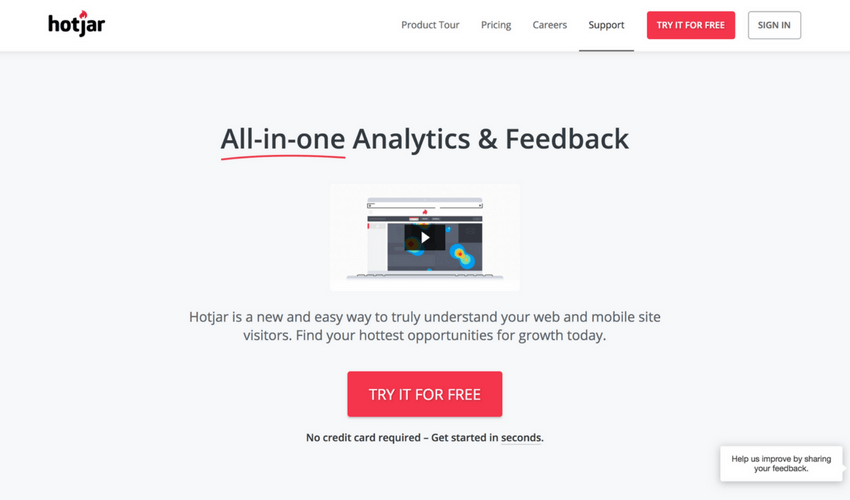
To put it in simple words, “Lead management is basically the process to manage the leads equally and constantly.” However, the modern-day lead management automation is not just limited to managing the leads; it directly impacts the end-to-end sales and marketing opportunities of any business.

Today, many B2B enterprises leverage the lead management automation to boost sales, minimize sale cycles, maximize lead conversions and increase revenue. Now, let’s discuss few ways in which the lead management software can improve the marketing or sales productivity of businesses:

  • Lead Capture Automation

As businesses utilize various marketing channels to create awareness and identify their potential prospects, the lead volume tends to remain high. It is not feasible to manage each lead manually; the lead management software enables automated capturing. It collects the information from multiple campaign respondents. This saves a lot of time as well as prevents any sort of lead leakage.

  • Routing of Leads

There are different criteria for any business to assign leads to its reps. Some assign it on the basis of sales, reps’ geography while others distribute the leads to those who have proven specialization in specific products or industry. However, lead management software ensures that all the leads are automatically allocated and sent to the appropriate sales person’s inbox on the basis of predetermined characteristics. This, in turn, expedites the follow-up process as leads are distributed instantly to the appropriate reps.

Lead Management Routing of Leads

  • Lead Generation & Tracking

Needless to say, identifying leads is a tough and time-consuming task but owing to the lead tracking function the sales reps can track the activities of the prospects. It can give useful insights about the activities and behavior of a particular lead such as forms they are filling or web-pages they are visiting. Most of the latest lead management software even track the chat or phone conversations.

  • Lead Qualification

In order to prioritize tasks and approach the most relevant prospects first, the sales team identifies the qualified leads, which are also termed as ‘sales-ready leads’. Most of the lead management systems provide a quality score to each lead depending on their chances to get converted into sales. This lead scoring enables the sales reps to measure the lead qualification and their interest level.

  • Lead Nurturing

In B2B marketing, there is no such term as a dead lead. There are leads that won’t buy at the moment but have high chances of getting converted into ‘sales-ready leads’ in the future. Then, there are leads that might never come to you, but once you know why they are not interested you can make efforts in that direction to make them interested. Such kinds of leads are transferred to the nurturing cycle where they are kept engaged through various channels such as blogs, videos, newsletters, email campaigns, SMSes and drip emails.

  • Email Campaigns

Automated lead management system allows users to create numerous emails simultaneously and schedules their delivery throughout particular time duration. It helps the sales rep to follow-up only with those prospects that have performed some kind of activity on the email. Businesses can effectively improve the return on email campaigns using this powerful feature.

  • Reporting & Analysis

Besides lead capturing and tracking, lead management software also allows the B2B enterprises to leverage the reporting and analysis features to keep a check of acquisition rates, conversions, close sale ratios and various other metrics. All this data gives them the insight to assess the success of different marketing and sales parameters including promotional efforts, quality of leads generated, return on sales, improvement in management and performance measurement.

Lead Management Reporting and Analysis

Further, the lead management automation allows the organizations to identify the trends and patterns that positively affect the sales leads. This, in turn, helps them to implement changes in their sales and marketing processes and thereby improves effectiveness.

An intuitive application, lead management software streamlines the overall process of lead management by utilizing a full spectrum of automated tools. With a robust lead management automation solution in place, businesses can maximize close rates and generate more revenue by making the best use of every opportunity they encounter with.

What You Need to Know About Inbound This Year

10 years ago blogging was a highly effective inbound marketing and sales strategy. Today, a brand needs more; a brand needs sparkling video, informative and interesting articles, quirky social media content, and ever-changing, vibrantly imaginative lead magnets in the attempt to remain competitive. It’s a lot to take in, but the truth is, inbound marketing moves quickly. Very quickly.

Things are forever changing, big-time. A combination of new technologies and ever evolving consumer behaviour is forcing the hand of inbound marketing to adapt even further. Sometimes it can feel like too much, just trying to stay in the loop. But, we all know one important thing; burying your head in the sand gets you nowhere.

But, try not to despair, we’re here to offer you a heads-up on this year’s hottest inbound trends? So, sit back and make sure to read the whole way through, because we’re about to reveal all the main trends you need to be aware of in the coming year.

Starting here…

Trend 1 – Virtual Reality Becomes a Real Thing

In the past, there was a notion that virtual reality requires expensive or complex equipment. But, that was before Pokemon Go appeared on the scene, offering users a virtual reality game requiring nothing more than an internet connection and a modern smartphone. Welcome to the future.

Inbound Marketing Virtual Reality

The game peaked at 25+ million active daily users, definitively demonstrating the fact that virtual reality is now a reality, a viable technology, engaging customers like never before.

Add to this the fact that 75% of Forbes’ most valuable brands are already actively investing in virtual reality, and we guess you know what that means for the future. Virtual reality technology is already built into many everyday devices, and in the coming year we’re going to see marketers enrich their content by means of this exciting new medium. A lot.

Before you think, “oh, we don’t have the budget for that”, consider this. Companies like McDonald’s and Coca-Cola are finding low-tech means of employing virtual reality in their current marketing strategies.

Specifically, McDonald’s are helping customers turn cardboard boxes into smartphone-compatible virtual reality glasses. Their virtual reality marketing campaign doesn’t cost a fortune, and yours doesn’t have to either.

Here’s another trend we’re going to see a lot more of…

2. Interactive Content Everywhere

Did you know that one particular kind of content makes up 84% of Facebook’s social media shares? It’s crazy, but true. The humble quiz.

Want another wild statistic? BuzzFeed – a website famous for its quizzes – boasts an incredible 96% completion rate from participants. Who wouldn’t like that?

What these statistics reveal is that interactive content offers off-the-scale engagement potential. What the statistics don’t tell you is how few ‘serious’ businesses, and B2B organisations, are actively utilising them to their best advantage.

In fact, outside of some very discerning marketing teams – like the one behind the blockbuster T.V. series, Walking Dead – few have any interactive content at present.

In the coming year expect this to change dramatically, as quizzes, interactive whitepapers, responsive infographics and contests spread like wildfires across the plains of inbound marketing.

And, here’s another thing you can expect? An inundation of interactive mobile content, and here’s why.

[optin-monster-shortcode id=”mfkqz9sz6pi8neyugjuf”]

3. Mobile Will Be #1

Mobile phones have become responsible for 90% of Twitter video views. They also represent 80% of all social media traffic and, for the first time ever, over 50% of U.S. internet traffic (51.2%).

What this means is that mobile has displaced the desktop as the principal manner in which users access and interact with content. Take this on board. Mobile isn’t just a side-project; nor is it an auxiliary strategy or the secondary option. Mobile is the main means by which users connect and interact with inbound marketing.

If you want to stay competitive accept this fact and adjust accordingly. For example; users spend 89% of their mobile media time in apps. If you don’t have one, you’re short-changing your inbound marketing efforts.

In the past, information like this was nice to know, but not critical. Today, it’s imperative that you stay tuned-in and abreast of game-changing information like this.

Fortunately, you don’t have invest valuable time personally overseeing and handling this mobile-to-desktop change. In the coming year, you’ll see help arrive in the form of…

4. Robots Will Help Your Marketing

Firstly, no, not those robots!

If you’re a marketer, you may already know that an on-site, live chat function improves lead generation by as much as 400-800%. This is real news. Adding live chat functionality potentially allows you to convert your inbound traffic into actual customers, at a pace previously unimaginable.

The downside is that a live chat operator can be expensive. Even if you hire an overseas employee – for let’s say, $5 an hour – that’s still $100+/day to keep the live chat function actionable at all times.

Or at least it was – until the ChatBot came along.

Inbound Marketing Chatbots and Robots

Yes; ChatBots are back, and this time they’re smart enough to convincingly pass for humans. One of them aced the Turing test last year. In the corporate world, 25 (!!!) ChatBot start-ups were highlighted by Venture Radar.

This dramatically indicates that ChatBots are about to enter the ‘mass adoption stage’, helping you to convert inbound traffic better, and more profitably than ever before.

5. Quantity to Trump Quality. (Sometimes)

The story has long been that quality trumps volume when it comes to content. Recently, it seems, some people are starting to have serious doubts, and here’s why.

In 2015, Amazon’s Jeff Bezos bought the Washington Post. His content strategy? Produce as many articles as possible – even if they’re not particularly good. Ouch!

To fulfill this strategy Bezos enlisted robots and low-quality writers to create content concerning topics, such as – this is not a joke – Logan Dooley’s 11th place finish in the Olympic Men’s Trampoline event.

The outcome?

The Washington Post currently publishes a new post every 1.2 minutes (that’s a staggering 1,200 per day). Soon after implementing this mass-content strategy, Bezos’ publication beat the New York Post, hands down, in online traffic, for the first time ever.

The premise of this case study opens the door for mass content as a viable strategy.  Don’t get me wrong, quality will remain hugely important, especially high quality, but volume is making headway. In the future it’s expected that you will see more publishers release more content than ever before.

6. Marketing Through Influencers

Influencer marketing isn’t a new phenomenon. What is new is using it as an inbound strategy. In the very recent past, we saw ‘inbound’ enter users’ conversations outside of traditional advertising channels, and we fully expect this trend to gain momentum into the future.

Here’s a prime example of some brilliantly executed inbound-influencer marketing. Kit Harrington – the actor who plays Jon Snow on the Game of Thrones series – appears in a comedy clip where his character attends a contemporary dinner party.

The results, along with being hilarious, led to 12+ million YouTube views, countless shares and a surge in inbound traffic (we assume).

Inbound Marketing Influceners

Take another example, this time from the sports news industry. Uninterupted – the sports news platform of professional basketball star, Lebron James – features videos from multiple NBA players, driving tens of thousands of views to its content, outside of traditional advertising routes.

If that’s not an effective inbound strategy, then what is?

Inbound Marketing Influcener

Uninterupted’s videos may not have solicited millions of view, but keeping in mind that it was designed as a long-tail content strategy, the numbers really are staggering. In the future you can expect to see many more influencers involved in the world of inbound marketing.

Together with what we’ve just said about change, there are two long established industry stalwarts who have no intention of going anywhere, at least not in the near future.

7. Blogging and SEO

Inbound marketing is arguably the most effective means of promoting your product or service – at least in the digital age. With continually evolving strategies involving webinars, quizzes and virtual reality content all about to make their mark, we shouldn’t forget the ‘bread and butter’ tools of successful inbound marketing. SEO and Blogging have no intention of going anywhere in a hurry – no matter how it may feel at gut level.

Let’s start with SEO. According to a HubSpot report, leads emanating from Google and Bing’s organic results, converted at a whopping 15% rate. Meanwhile, up to 80% of all users ignore paid ads in search engines. The conclusion is that SEO is indispensable – and will continue in that vein.

The same goes for blogging. Around for a long time as a means of promotion and marketing, many may get the impression that this dog has had its day. But, the fact remains that companies who publish an average of 4 blog posts per week still manage to garner 350% more traffic than those who don’t.

In other words, the biggest news for the coming year is simply this; favourites are going nowhere. SEO and blogging will continue to be a major part of effective inbound marketing – even as more and more high-tech solutions become available.

To summarize, let’s go over the 7 inbound marketing trends you can expect in the coming year:

  1. Virtual Reality Becomes a Thing
  2. Interactive Content Explodes
  3. Mobile Becomes Bigger than Desktop
  4. ChatBots Improve Your Inbound Marketing
  5. Quantity Matches Quality in Importance
  6. Influencers Become a Big Part of Inbound
  7. Blogging and SEO Remain Crucial

That’s a lot of change – but in a manner, inbound marketing is going to remain pretty much the same as it’s ever been.

The main function is still about reaching out to your potential customers with content that they want and need. It’s still about using every weapon in your arsenal to engage website visitors and nurture your leads.

What’s changing, is that companies are doing what they’ve always done, but now, they’re employing new weaponry, like robots, virtual reality technology, and complex interactive content.

The big question is this; what does it all mean for your company?

Technologies like virtual reality may indeed be much more accessible, but for now they remain far out of reach for the average business.

However, in reality, all that means is you should continue to practice the best inbound marketing strategies available to you, while keeping an eye on the evolving trends which can, and will, eventually change your industry.

7 Ways to Create Highly Converting Content Quickly

And to help you do just that, below you can download our Free PDF with 7 Ways to Make High-ROI Content Quickly. It may not feature robots, but it will make you significantly more effective at using the tools you already possess in your inbound strategy.

[optin-monster-shortcode id=”ly29wld5fbomn5p5fj13″]

Here’s a simple truth: there is a way for your business to generate more leads with less money, enjoy better returns, and attract more qualified leads. It also comes with the added benefit of stopping your prospects from hating your gut.

It’s inbound marketing.

The days when smashing out 80 calls a day to generate new leads was considered a progressive tactic are gone. Our dwindling desire to speak to strangers over the phone has led companies to reevaluate their efforts and look for new ways to attract potential customers.

It seems they stumbled on a goldmine.

Should you be doing cold calling?

Let me answer this by asking you another question. When was the last time you came across a success story entitled something along the lines of “How I used cold calling to grow my startup to 11 million users”? Exactly, the last time you were taken aback by a story like that was never.

The thing is, cold calling is an intrusive, old-school sales tactic that triggers more hate and resentment than getting stuck behind a slow walker while rushing to an airport gate. In the olden days, before caller ID and texting, cold calling was the way to get leads for businesses of all types and sizes. In theory, calling prospective clients to chat about a product they’re likely to need doesn’t sound half bad. You could even argue that you’re making their life easier. But when was the last time you picked up a call from an unknown number? Well, there you have it.

Do you have a CRM that keeps you organised?

The most user-friendly CRM on the market. 14-day free trial.

Start Free Trial

Painless setup, no credit card required

Consumers are increasingly more protective of their personal information and privacy and less and less likely to answer calls from unknown numbers. Getting through to cold leads is becoming a mission impossible. Which, in turn, points to the shrinking ROI of cold calling.

According to a research by Lead Creation, 55% of senior sales professionals who took part in the survey thought the effectiveness of cold calling has greatly decreased over the past five years.

A number of other respectable sources back up these research findings:

  • According to InsideView, 90% of C-level executives said they “never” respond to cold calls or e-mail blasts.  
  • HubSpot reports that cold calling costs at least 60% more per lead than other methods, like social selling. The newest HubSpot’s State of the Inbound report has revealed that only 19% of buyers rely on salespeople for purchase decisions.
  • Only 5% of business lead phone calls lead to a sale (DSWA)
  • Customers don’t want to deal with salespeople until they are 70% down the path of the buying process (HubSpot)

The reality is that the Internet, and Google, in particular, have changed the way we gather information and make buying decisions. With access to a vast amount of information at our fingertips at any given moment in our buying journey, we have learned to find answers to product-related questions without speaking to sales reps and only interact with them when we pretty much have our minds set. To put it simply, Google has killed the annoying kind of cold calling and brought about a new trend – smart calling, which is more of an inbound marketing tactic than anything else. But more about this later.  

Can cold calling be wrong for your business?

Companies that invest heavily in cold calling efforts always run several risks. First of all, the biggest red flag is that the ROI has been steadily decreasing. It’s getting more and more difficult to get the right people on the phone, not to mention maintaining their interest and converting a sale at the first touchpoint. Having learned how to navigate the online world, shoppers prefer to be attracted to a brand for its authenticity, superiority or capacity to deliver on specific expectations, rather than to be bombarded by irrelevant sales messages.

Then there’s the hate factor. The modern consumer values personalized communication, storytelling and brands that have a bigger purpose than to simply shovel money. Basically, everything that cold calling isn’t. The abundance of information that our brains need to process every day and the energy we use to keep pace with the world around us leaves little to no room for unplanned decision-making. Dealing with an unwanted call stirs up a lot of unpleasant emotions. When associated with a brand, these emotions can cause a great deal of damage. People hate being sold to and until cold calling is used to establish a connection rather than to push a product or service, it will fail to meet the changing buyer expectations.

So should you be doing cold calling?

It depends. Though an unwelcome outbound marketing technique, cold calling can turn out to be a tremendous asset for businesses that know how to spin it right. When married with clever inbound marketing techniques, cold calling can be upgraded to smart calling, help businesses gather feedback, develop personal relationships and understand their users better. For example, if you’re just starting out, cold calling can be a quick and cheap way to validate your business idea, figure out common buyer objections and evaluate the effectiveness of your pitch.

For businesses that are mainly concerned with getting more qualified leads rather than customer feedback, cold calling should only be an option if integrated with a robust inbound marketing strategy.

So to get the best out of cold calling you need to get the hang of the inbound sales process.

Introduction to inbound sales process

Inbound sales is selling the way prospects buy.

The old-fashioned way of selling was to build the entire sales process around the business needs instead of focusing on the buyer. With the advent of the internet, though, this has flipped on its head. Rather than basing everything on an assumption that a prospect wants your product or service, a smart inbound salesman (or saleswoman) finds a way how to get the prospect to hand all the important information over, allowing for a more personalized, targeted communication. Once a potential customer expresses explicit interest in the product or service, a skilled sales rep can leverage that knowledge and tailor the pitch to highlight the right product benefits.

By focusing on buyers’ personal needs, pain points, frustrations, and goals, businesses can craft more personalized pitches and align their product to meet the customer’s needs.  

Let’s see how the inbound sales process is developed.

#1 Start with defining your buyer’s journey

Traditionally, salespeople would focus all their energy on following some sort of script structure and checking certain boxes, as they were trained by their manager, instead of actively listening to the customer and trying to address their pain points. This is exactly what drives customers mad — they don’t want to be prospected, “warmed up” or closed. They’re looking for a solution to a problem or guidance on how to achieve a particular goal. If a sales rep can’t help, Google certainly will.

To be relevant and create value for the customer, salespeople must understand the different stages of a buying journey and how that affects a prospect’s expectations. The journey can roughly be divided into three different stages: awareness, consideration, and decision. As they progress through different stages, prospects narrow their choices and form a clearer vision of what they want and why. To make sure your company tops their list, the marketing department needs to work closely with the sales team to cover all bases.

When trying to figure out the specifics of each stage, try asking yourself the following questions:

Awareness stage. How do buyers gather information and learn more about the problem your product or service is solving? How do buyers describe or define the problem your product or service addresses? How do buyers decide whether the problem needs to be prioritized?

How to identify buyers at this stage:  they visit your blog, interact with your social media, share or otherwise engage with your content.

Suitable content ideas:  blog posts, ebooks, whitepapers, reports with original research, videos.

Consideration stage. How do buyers educate themselves on available solutions? How do they perceive the advantages and disadvantages of different solutions? What influences their decision when choosing the right solution?

How to identify buyers at this stage: they visit your product pages, check out your benefits and feature pages, “About us” section and area of expertise content.

Suitable content ideas: long-form content, such as guides and ebooks, webinars, live interactions, comparisons, and reviews.

Decision stage. What criteria do buyers use when evaluating your product or service? What objections or concerns do they have that might put them off from converting? What differentiates your offering from your competition? Do buyers expect to be able to trial the product before making a purchase? Besides the final purchasing decision, do buyers need to make any other important decisions, such as consider implementation or training strategies?

How to identify buyers at this stage:  they read your case studies and testimonials, look up comparison articles and reviews, visit pricing pages and “contact us” section of your site.

Suitable content ideas:  case studies and testimonials, demos, trials, product literature.  

Answering these questions before you pick up the phone or draft a sales email will help you look at the process from a different perspective and ensure your buyer journey is optimized to keep the prospects moving down the sales funnel towards a purchase.

You should also consider developing buyer personas to segment your customers based on their needs, pain points and goals. This will help you to create targeted content for each persona at different stages throughout the buying journey.

Inbound Marketing Define Your Buyers Journey

Image source: Jinbound Blog

#2 Develop your sales process   

Once you have fully grasped the different stages of your buyer journey and how the prospects progress or why they drop off, it’s time to develop a sales process that supports this journey and increases the likelihood of conversions.

The inbound sales process is perfectly aligned with the buyer journey, supporting customers with timely additional information as they move from identifying a challenge or opportunity that they want to pursue to deciding which solution best meets their needs. The three main things you need to remember about inbound selling is that it is personalized, buyer-centric, and advisory.

The best way to tackle this is by following a four-part framework:

  1. Identify
  2. Connect
  3. Explore
  4. Advise

Inbound Marketing Sales Process

Image source: HubSpot

Identify. There are several ways how you can separate active buyers from the passive ones and identify potential leads. The easiest way to tell whether someone has entered the awareness stage is to look at your analytics data. If someone visited your website, read a blog post, filled out a form, opened an email, engaged with you on social media, or left any other kind of clue to suggest they are active in a buying journey, they move from the “Strangers” category to “Leads”.

Connect. Typically, this is the stage where the outbound calling would start. You obtain a list of leads and hammer them over the phone, regardless of whether your product is the right fit or not. Inbound salespeople, on the other hand, focus on leading with a personalized message that is aligned with the awareness stage of the buying journey. For example, based on the buyer persona that the prospect resembles most (e.g., HR director at an eCommerce company or CEO at a tech startup), the sales rep can offer a free consultation, an ebook or a whitepaper on the subject that the prospect is exploring. The goal here is to help the lead educate themselves about all the options available to them. If the buyer accepts the offer (downloads your ebook or books a consultation), they are considered a qualified lead.

Explore.  At this stage, the inbound salespeople are still unsure whether they can help the prospect, so they initiate exploratory conversations to develop additional trust and uncover buyer goals. That’s when you can pick up the phone and see what the lead is really worth. However, it’s important to understand that the purpose of a call here is to learn more about the prospect’s challenges to be able to determine if your product is a good fit. Through strategic questioning and smart value proposition, inbound sales people can guide prospects to draw their own conclusions about whether a product is the best solution for them. Once a match is established, a qualified lead becomes an opportunity.

Advise. During this stage, inbound sales reps put all the information they’ve gathered from speaking to buyers into context and tailor their offering to the unique situation of the buyer. The sales reps strive to showcase these opportunities how their product is uniquely positioned to address their problem and why it’s better than any other solutions out there. If a buyer finds the offer a perfect fit, they convert and become a customer.

Inbound marketing is so effective because it allows consumers to progress at a speed that they find comfortable and gives marketers and salespeople enough information about each prospect to make their buying experience more organic and enjoyable.  

Marketing qualified lead vs. Sales qualified lead

We have already established that a lead is a prospect who has explicitly expressed their interest in a product or service and is actively searching for more information. However, leads can also be categorized to indicate a specific stage in a sales cycle. As the names suggest, different teams can be responsible for handling different types of leads. So what’s the difference between marketing qualified leads (MQLs) and sales qualified leads (SQLs)?

Marketing qualified leads

Most of the inbound marketing leads are generated through marketing campaigns, but not all marketing leads are qualified. MQLs are easily identified based on their behavior on your site or towards your brand. Typically, MQLs are prospects that demonstrate a deep engagement with your product and send buying signals, but can not be described as fully fledged opportunities just yet. They are referred to as marketing qualified leads because they are more sales-ready than your usual leads and should be nurtured further by the marketing team before they can be handed over to sales. Marketers often design special trigger campaigns to identify MQLs. For example, someone downloading a buying guide, signing up for a free trial or requesting a demo is considered an MQL as it exhibits purchase intent.

Sales qualified leads

Sales qualified leads, or SQLs, are higher on the value chain than MQLs because they basically mean that the prospect has been vetted and accepted as a potential customer by the sales team. In theory, converting an MQL into an SQL should be quite easy — once a prospect raises their hand identifying themselves as a viable customer, everything that a sales team needs to do is nail the product demo and close the deal. However, every company defines an MQL differently, so the range of quality is very broad. Receiving a low-quality MQL is a huge pain for the sales team, as they’re unable to offer the kind of level of personalization that a buyer needs and often revert to autopilot, delivering a generic message that doesn’t clearly articulate how a product can solve the buyer’s problem or help achieve a goal.  

What you should do instead of cold calling

I’ve said it once and I’ll say it again — stop cold calling and start smart calling. There is no one-size-fits-all strategy in sales, especially when it comes to speaking to unqualified leads. Once your prospects enter the decision stage and are pinpointed as SQLs, be ready to engage them in a conversation and gently guide them to a buying decision.

Here’s how you can turn your SQLs into customers.

Discovery call

Not all discovery calls go well, but those that do almost always lead to a sale. A seemingly innocent part of a sales process, discovery calls are actually hard work and play a major role in the success of a sales rep.

The purpose of a discovery call is to delve deeper into a prospect’s situation, get a better understanding of their needs and goals, and learn more about their pain points. Only with this information at hand can a sales rep successfully position the product as the best solution and cement the deal.

One of the most important things to remember when scheduling a discovery call is to go into the conversation with a clear plan of the next steps. For example, if a sales rep establishes a product fit, he should strive to set up the next call or meeting right away, while he has the prospect on the phone. One of the most popular tactics used to nudge SQLs further down the sales funnel is demo calls.

Demo call

Specifically designed to demonstrate how a product will improve the prospect’s life and maybe even turn their struggles into strengths, demo calls is one of the best ways to convert the leads. The information gathered during a discovery call can be put to good use now, as the sales rep gets a chance to craft a highly tailored pitch addressing all the issues / goals discussed earlier.

By aligning buyer’s needs with the product offering and emphasizing relevant features and benefits, a sales rep has a much better chance at converting the lead into customer. As long as the lead doesn’t feel like they’re being “demoed”. At this point, it’s best to avoid industry jargon and empty sales messages and focus on leveraging the information you already have.

Cold calling is dead

And no-one is mourning.

Consumers are clearly embracing inbound marketing and prefer to be educated and nurtured (even if they know it’s all in the hopes of achieving a sale) than being subjected to irrelevant pitching.

What was once considered a ‘necessary evil’ that generated enough leads for businesses to compensate for a low morale of the sales team, is no longer the go-to tactic among successful sales rep. Knowing what buttons to push and how to approach every lead to build rapport and convert them into customers has given salespeople a renewed vigour for their craft. If you want to sink your teeth into this powerful sales process, stop cold calling and work your inbound leads instead.

From now on Mailchimp Integration is available on Teamgate! Create targeted lists of Contacts by using the advanced filtering & tag options in Teamgate and send them over to any of your MailChimp lists with just one click button.

In order to use the MailChimp integration, you’ll need a MailChimp account. You can get a free account by clicking here.

When you enable the MailChimp integration, you’ll be able to subscribe contacts from your Teamgate contact list to one of your MailChimp mailing lists.

Related: Integrate Teamgate CRM with Google Contacts

Initial setup

With Teamgate MailChimp integration, you can reach a small segment such as people that are Leads from Halloween ads campaign or a great base of customers with custom fields, for example, ‘interested in new integrations’. You would be able to export every segment of your database from Teamgate to the MailChimp list with only a few steps:

1. Open the Teamgate Settings. You can find this by clicking on your name in the top right corner.

2. Click Integrations on the left side of the screen and Enable the MailChimp integration.

integrations (1)

Before this you also need to create a list in MailChimp (or use an existing one) by heading to Lists > Create List.

Few Clicks & Great Value

Understanding the importance of Mailchimp integration, we have a single button which quickly connects the two tools without any extra steps needed. In Teamgate, you use a filtered list based on the criteria of your segment group. Under Leads/Companies or People. You simply apply the filter and export the contacts in that list by clicking on the MailChimp button in the footer.Look how easy it is:

ezgif.com-optimize

Mailchimp integration lets you send personalized, well-targeted emails to specific lists of customers from Teamgate. Simply define your segment criteria in Teamgate, and click on the MailChimp top of the list to export the contacts into MailChimp.

Do you have a CRM that keeps you organised?

The most user-friendly CRM on the market. 14-day free trial.

Start Free Trial

Painless setup, no credit card required

It’s helpful, for example, when you want to send emails to lost prospects who are based in China and with whom you are in the middle of a high-value deal. With only a couple of clicks, you can set the criteria and export the list.

Don’t have a Teamgate account yet? Try it for free today!

The Internet has a plethora of apps promising better productivity and organization. However, this can often result in information overload. It can even be counter-productive now to manage each online platform you’re invested in while trying to dedicate enough time to keep up with recent app releases and new features. So why should you even bother to learn about Zapier?

Well, give us a second.

What is Zapier?

To put it simply, Zapier is an online automation tool that lets you connect apps to each other without any technical knowledge of their API’s. Currently, Zapier boasts of more than 500 applications including the likes of Google Contacts, Slack, Asana, Mailchimp, Evernote, Teamgate and many more.

In some ways, Zapier is very similar to IFTTT (If This Then That), but where Zapier excels is at providing automation Zaps (The action linking two separate app events) well suited to streamlining business workflows.

Here’s the exciting part: You can create your own Zap recipes!

For example, if you happen to have a crowded inbox in which important emails get easily buried, a Gmail to Google Calendar Zap allows you to determine which senders get automatically added to your Google Calendar without having to manually do it yourself.

Why use Zapier?

Zapier’s utility is particularly pronounced in the Zaps that bridge communication between apps which usually do not interact with each other. By doing so, it proves an incredibly efficient and invaluable tool for individuals and businesses trying to make the best out of available tools without investing too much time into handling repetitive tasks.

Do you have a CRM that keeps you organised?

The most user-friendly CRM on the market. 14-day free trial.

Start Free Trial

Painless setup, no credit card required

Furthermore, Zapier allows you to centralize information in one platform. If you rely heavily on Google solutions (Google Contacts, Gmail, Google Calendar etc…), for example, the collection of integration recipes made available on Zapier will redirect all relevant information from other apps to the Google solutions platform.

How to Use Zapier with Teamgate

Have a cool idea to use the Teamgate API for but don’t have the programming skills? No worries, Zapier is here for the rescue! With easy to set up Zaps, programming will no longer be an impediment to using different API’s  in order to streamline your business workflows. Here are few ideas for Teamgate and Zapier integrations you can start with:

zapier ikonos

  • FullContact + Teamgate: Business Cards To Leads
  • FullContact will scan business cards, automatically extract all the information from them then send add them to Teamgate as New Contacts.
  • Gmail + Teamgate: Emails To Teamgate Deals
  • You can label any important emails in additional to ones from potential leads to let Zapier automatically add them to Teamgate either as contact leads or deals in the making.
  • Google Contacts + Teamgate: Add contacts or company information to Teamgate
  • You do not have to manually go through all of your Google Contacts to make sure all important leads (Company and Clients) are monitored through your Teamgate account. This recipe will also save you the hassle of regularly checking newly added Google Contacts and
  • Teamgate + MailChimp: Add Teamgate Contact To Mailchimp’s list.
  • With this recipe, each contact added to your Teamgate account will be automatically added to your list of subscribers on Mailchimp. This Zap is particularly powerful when fused with integrations such as FullContact+Teamgate, which can allow you to easily turn a business card lead into an email subscriber in no time.
  • Wufoo/JotForm + Teamgate:
  • Wuffo and JotForm are common tools used to deploy quick forms and gather information. These Zaps allow every form filled to be directly converted into Teamgate contacts for individual leads and companies.

As is the case for cuisine, the possibilities are truly endless when it comes to Zapier recipe ideas. More importantly, itcontinues to add more apps which unlock complex networks of communication between custom Zaps you create for your business.

Which Zapier apps do you use? Both Teamgate and Zapier offer free trials and so we would love to hear your recipes and any interesting Zap ideas for Teamgate integration.

Get cooking in the comments section below!