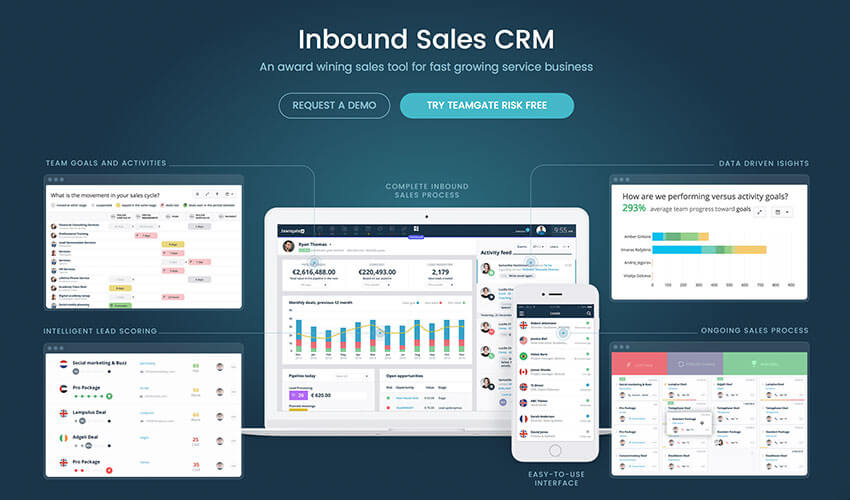
Designed for Growth: Scale your recurring revenue with the new Teamgate SaaS CRM. Explore SaaS Features →

Book a demo today and save 50% off your first month, or 20% off your first year.

Get a free sales audit to uncover hidden revenue opportunities!

From the 9th until 25th of February 2018, the South Korean city of Pyeongchang will host the 23rd Winter Olympic games. Over fifteen days, sportsmen and women from approximately ninety countries will compete in seven sports and fifteen different disciplines in the hopes that countless hours of training, years of physical and mental preparation, and boundless reserves of dogged determination might be rewarded with a place on the winners’ podium.

But it’s not just about the winners. Ever since the inaugural Winter Olympic games – held in Chamonix, France in 1924 – there have been innumerable stories of success and failure, accomplishment and disappointment, and a complex compendium of emotions which reside somewhere in between.

There have also been stories of inspiration. The inspiration which displays the human ability to strive for success, even when pitted against the odds. The inspiration which has driven athletes forward when others have given up. And, the inspiration which has borne lessons applicable, not just to the world of sport, but to business, and to life in general. For example, the determination that athletes demonstrate in their pursuit of victory is similar to the persistence shown by essay experts at MyAssignmenthelp, who demonstrate supper excellence every time in their work to assist students in their academic journey.

One such example where this inspiration is exemplified is in the well-documented story behind the American speed skater, Dan Jansen.

Jansen was born in West Allis, Wisconsin, on June 17, 1965. As is the tradition in that particular part of the world, it wasn’t long before the future speed skating world-record holder would don his first pair of ice skates and begin his slippery encounter with life and sport.

Winter Olympics

At the age of 12, Jansen was already winning national speed skating championships and turning heads right across the world of speed skating. Through hard work and dedication to his sport, Jansen continued to progress until as an 18 year he was selected to represent Team USA in the 1984 Winter Olympics in Sarajevo. The debutant Olympian finished a very respectable fourth in his specialty 500 metres, and sixteenth in the 1,000 metres events.

After Sarajevo Jansen continued to persevere with his rigorous training regime in preparation for the 1998 Winter Olympics, due to be held in Calgary, Canada. His preparations were going according to plan as Jansen placed himself among the best skaters in the country, and perhaps the world at the time.

Unfortunately, in early 1987, Dan’s sister Jane was diagnosed with leukemia. The young skater stepped forward and offered his own bone-marrow in an attempt to aid his stricken sister. His sister refused, on the grounds that if he did this selfless deed he himself would be too ill to compete in the fast-approaching Olympic games. In turn, Jane received her transplant from another family member, her sister, unfortunately, the treatment was unsuccessful and by the end of December, she had returned to the hospital.

Two months later, in Calgary Canada, Dan Jansen figured differently. On the morning of February 14th – Valentine’s Day – Dan’s family called to say his sister was near death and wanted to say her last farewells. Four hours later the young Olympian received the heart-breaking news that his sister had died, but her last singular wish was that he should carry on and compete regardless.

When failure isn’t the end

Sometimes talent and hard work just aren’t enough. Life gets in the way, as Jansen discovered, slipping and falling on the ice in both the 500m and the 1,000m events; shattering his dreams and the hopes of the medal he so longed for.

Pyeongchang Olympic Games
Image credit: Junji Kurokawa (Getty Images)

After the loss of his beloved sister, he continued to train hard, more determined than ever to win that Olympic medal which he had decided he would dedicate to his late sister.

At the 1992 Winter Olympics in Albertville, France, Jansen was once again favourite for gold going into his events. Fate, once again, saw things differently and following bruising stumbles in both the 500 and 1,000 metres events Jansen went home dejected and medal-less.

Despite winning world titles after the Albertville Olympics, Jansen was left frustrated at not reaching the goal he had set himself. With time running out he realised that the 1994 Winter Olympics in Lillehammer, Norway, would be his final chance for the gold he craved. Once again he was favourite for the medals’ podium in the 500m event, as he had been in the past, but once again the dice had been cast against him and another slip on the Norwegian ice saw him finish disappointedly in eighth place.

Sales CRM

The 1,000m was not Jansen’s favoured distance and was accordingly omitted from the list of favourites to take the podium. However, after so many years of hard work, determination and disappointment Dan Jansen beat all the odds and won both the gold medal and the hearts of fans all over the world. Finally, he had the medal he had so long yearned for and which he dedicated to the memory of his sister and to the baby daughter – also named Jane – whom he held in his arms as he skated his lap of honour. Dan Jansen was finally a winner.

There are lessons to be taken from the story of Dan Jansen, lessons which can be also applied to the world of business and to our everyday lives.

Failure is simply the opportunity to begin again, this time
more intelligently Henry Ford

Learning lessons from failure

The lessons we learn from failure are essential to human cognition; to the learning process and to our ability to move forward after setbacks. Ultimately, these are the steps and the building blocks of eventual success.

Regardless of your sphere of endeavour, be it entrepreneurism, sales, project management, literature, or music, you can be sure that the road to your success will be paved with failure and rejection. The real difference between success and failure is how the individual chooses to deal with it, and move above and beyond such impediments.

One prime example of dealing with rejection, and more importantly, using it as a force for good, is  – one of the most popular internet music streaming services on the market.

Winter Olympics
Tim Westergren, the founder of Pandora

Westergren’s success was born on the back of failure; firstly as a student of medicine, and then as a musician in a world where rejection is a constant companion. Having experienced over 350 rejected attempts to secure funding for his fledgling Pandora project, Westergren drew on his experience in the world of music. He strongly believes the mantra that, “No, is a part of life’s transactions” and as a consequence, he regards rejection as a normal process.

Despite continuous rejection, Westergren firmly believes that if you pick something you really love, no matter how many times you fail, no matter how many setbacks you may face, you can always bounce back.

In the world of business, and especially the world of sales in business, the same holds true. However, being well-prepared and well-armed the chances of failure will be greatly diminished.

Using a smart Sales CRM, such as Teamgate, you can substantially increase your chances of success and profitability. Just like the training regime of a top athlete, the Teamgate Sales CRM can help you plan the whole process by which you intend to succeed. Teamgate will enable you to analyse your sales team’s process along every step of the sales journey, to plan accordingly or change tactics, in order to reach your goal. Being prepared and willing to adapt are key factors in success – even after failure.

Statistics:

Historically – First-time entrepreneurs have less than a 10% chance of success. Those who have previously failed have a 20% chance of success.

In a survey of small business entrepreneurs:

  • 96% believed that prior work experience was an important factor for success.
  • 76% said that learning from previous failures was important in present success.
  • 73% cited good fortune as an important factor.
  • 40% said having at least one failure was “extremely important”.
  • 98% of small business owners feel potential entrepreneurs are only held back by ‘a fear of trying and failing’.

Prepare to succeed

Just like Dan Jansen, as he finally held his gold medal aloft after so many attempts, those successful people you see on the Forbes’ Rich List had to take many risks and battle many failures in order to get where they are. According to Bloomberg, another fact to illustrate this statement is that 73 of the top 100 world billionaires are ‘self-made’ – which means a lot of failure and a lot of hard work.


There are no easy answers for success, there are many ingredients which combine to facilitate its accomplishment. However, having the right business tools in your armoury is just one of those ingredients. The Teamgate Sales CRM might just be the ingredient to give you the edge over your competitors and see you finally reach the goals you’ve set for yourself and your business. 

Do you have a CRM that keeps you organised?

The most user-friendly CRM on the market. 14-day free trial.

Start Free Trial

Painless setup, no credit card required

According to HubSpot’s State of Inbound 2016 report, more than 70% of sales professionals questioned said that closing more sales is their top priority for 2018. It appears that everyone wants to know how to increase sales.

No surprises there, right?

However, the sales territory has become more complex than ever before due to big changes within the industry.

Changes that leave the majority of businesses expecting inbound marketing services to deliver value up front, allowing for an easier close.

So why is it that we didn’t see the results of these marketing efforts last year?

The answer is simple – inbound marketing is not enough.

Do you have a CRM that keeps you organised?

The most user-friendly CRM on the market. 14-day free trial.

Start Free Trial

Painless setup, no credit card required

At the end of the day, you need to have a deeply integrated sales and marketing process which merges both teams seamlessly. However, the first place is to start:

  1. Communicate Inbound Sales advantages to your team: However, make sure you’re familiar with the methodology yourself first.
  2. Don’t be afraid to experiment: you need to develop what we like to call “The Inbound Sales Mentality”. 


Let’s take a look at some actionable steps you can take towards creating the right approach to increasing sales in 2018!

Build An Inbound Sales Mindset

build-an-inbound-sales-mindset

As with marketing, the Internet has changed things. The buyer has more information at their fingertips than ever before, thus, the power to pick and choose from many different providers of products and services.

But it should be noted, where a good inbound marketing strategy will attract the best leads, effective inbound sales will actually close the deal and land money in the bank.

Read that last sentence again, because I think a lot of marketing guys forget this.

Remember – marketing guys crank it.  But salespeople bank it.

Focus on one particular actionable step at this stage:

You want to educate yourself first: The free hubspot Inbound Sales certification is one of the best places to start. If you don’t have time for that – find a professional or certified agency that can educate you.

Less Input, More Output

less-input-more-output

Let’s cut to the chase and acknowledge it for what it is; doing more doesn’t get you more.

Working more, doing the busy work does NOT guarantee bigger margins – in fact, much the opposite.

It’s almost 2018 and your sales team needs to be both time-savvy and smart.

Start with the classic 80/20 Pareto rule as this methodology will teach you how to increase sales.

In terms of increasing sales, focus on the 20% of prospects which produce 80% of your sales.

Actionable steps:

  1. Get your team implementing an 80/20 rule mindset: make sure to communicate it properly to ensure that your team is 100% on board with your vision.
  2. Prioritise your most active buyers: Do this instead of investing time and resources in re-engaging the less active customers in your database (using the 80/20 rule you’ll find this type of segmentation execution easier than ever).
  3. Develop trust with those buyers: Provide personalised messaging throughout all cycles of communication.

Don’t Sell (yet) – Help Instead

dont-sell-help-instead

One of the biggest mistakes sales teams make – when they think how to increase sales they think directly about what they want to do – SELL as soon as possible and SELL more.

Don’t Rush! This type of mindset creates long-term problems with today’s buyer who are not always interested in buying something instantly unless your product is hands-down the best in the market – which is pretty rare in today’s highly competitive business environment!

With Inbound sales you’re not running a sprint but a marathon, which I can assure you, is worth all the upfront hard work.

Actionable steps:

  1. Review your current assets and knowledge library: there is always something you can help with first and sell later (e.g. free consultation)
  2. Make sure you are helping in a personalised way for a client that finds your help relevant and making him easier to close
  3. Work directly with your Inbound Marketing team to provide creative solutions that would be helpful to the client (e.g. content creation tailored to specific business)

Choose A CRM That Saves You Time

Take a look around…

Your team is inspired with the new Inbound Sales methodology you’ve introduced.

More deals are being closed than ever before when you focus on your best buyers.

Everything seems to be working. Yet, when the business cycle closes we will need new leads again to reach sales quotas.

At this point, you are already asking yourself and your team, how to increase sales again so we can stay on top?

In order to achieve continuous momentum where leads are generated automatically, you need the right tools to manage, analyse, and improve your Inbound Sales.

First and foremost every business needs CRM.

But does your current CRM live up to 2018 standards to support Inbound Sales?

If you don’t have a CRM you should be worried; 2018 might not live up to your high hopes.

Actionable steps:

  1. Review your current CRM features: Does it support Inbound Sales?
  2. Calculate where your team is spending the most time: Is it inputting, importing and exporting data on daily/weekly/monthly basis, or are you focussed on communicating with the 20% of prospects who bring you 80% of the results?
  3. Calculate time taken on generating reports: Measure the time you and your team currently take to prepare reports for management and internal team meetings.

Related: Reasons Why Sales Stack is Non-Optional for Startups

Give Value For Free.  Expect Nothing in Return.

give-value-for-free-expect-nothing-in-return

Depending on your business, think of something you could provide that would be seen as “going the extra mile” when providing help.

Prospects will be blown away by free premium products or services your business commits to provide without any fluffy commitments.

This will show that you believe in the value you’re providing, but more importantly, you’re ready to invest in the prospect up front.

Actionable Steps:

  1. Review your current offerings: Could some of them be turned into a premium content that you could give away for free?
  2. Calculate (if you haven’t already) Customer Lifetime Value: If it exceeds your long-term expectations for selected buyers, make sure to award them with free premium content they can use to their advantage.
  3. Plan and create future premium content: What could you create that would work alongside highly tailored future offers?

Personalize The Whole Sales Experience

personalisation

I cannot stress this enough.

If inbound marketing provides value, inbound sales should provide a distinct sales experience from introduction and connection calls, right through to closing, and monthly reviews.

Actionable steps:

  1. Review your most active buyers: What do they like? What are their needs? Start with simple things like general communication, before adopting this throughout all your marketing and sales collateral.
  2. Arrange meetings that prospects actually enjoy attending: Convert those boring office meetings into something more imaginative; lunch, dinner or a major sporting event.
  3. Allocate additional resources: Hire additional resources to help make your prospects feel special and understood (e.g. personal account / VIP manager).

Close by advising not selling

close-by-advising-not-selling

Most sales managers think of closing as the finish line, the point where most sales teams pop open the champagne bottle, often before a prospect has signed on the dotted line.

With Inbound sales, think of the close as the starting line where and an even bigger opportunity may be waiting just around the next bend.

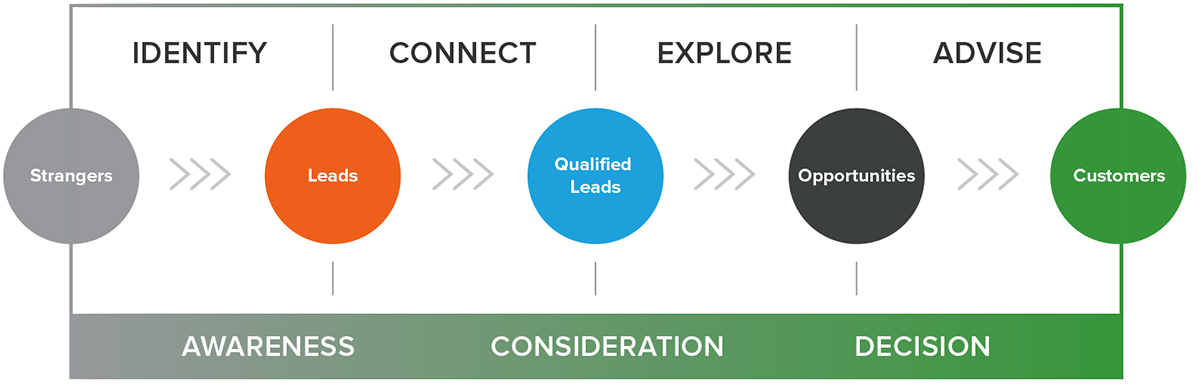
As experienced inbound sales professionals you are not selling, but advising right through to the point of a final decision.

And even then your main focus should be to keep supporting your buyers 100% after the deal is closed – this is how you increase sales at the end of the day.

This way you’ll not only build trust (with the opportunity to upsell), you’ll also build a reputation. This will undoubtedly convert the buyer into an advocate of your products and services, bringing new leads into your sales funnel without you having to lift a finger.

Actionable steps:

  1. Review your current closing techniques: Think about how you can continue down the sales path with extended lifetime support.
  2. Improvise with your closing phase vocabulary: Shift your focus to “advising” rather than “selling” or “closing”.
  3. Make a list of offers you can upsell or even give away: Preferably free things you could offer to buyers after they become a customer, as a piece of unexpected additional value.

Summary

In a nutshell, to really crush your 2018 sales quota you’ll need a team of devoted sales managers who will:

  1. Have an Inbound driven mindset
  2. Focus only on the biggest, most impactful areas
  3. Invest in the right, most up-to-date tools
  4. Be ready to help first, sell later
  5. Be comfortable with over-delivering through gifting premium content
  6. Adjust suitably throughout the buyer’s journey
  7. Close, but continue to advise with a focus on building loyalty and respect.

What You Need to Know About Inbound This Year

10 years ago blogging was a highly effective inbound marketing and sales strategy. Today, a brand needs more; a brand needs sparkling video, informative and interesting articles, quirky social media content, and ever-changing, vibrantly imaginative lead magnets in the attempt to remain competitive. It’s a lot to take in, but the truth is, inbound marketing moves quickly. Very quickly.

Things are forever changing, big-time. A combination of new technologies and ever evolving consumer behaviour is forcing the hand of inbound marketing to adapt even further. Sometimes it can feel like too much, just trying to stay in the loop. But, we all know one important thing; burying your head in the sand gets you nowhere.

But, try not to despair, we’re here to offer you a heads-up on this year’s hottest inbound trends? So, sit back and make sure to read the whole way through, because we’re about to reveal all the main trends you need to be aware of in the coming year.

Starting here…

Trend 1 – Virtual Reality Becomes a Real Thing

In the past, there was a notion that virtual reality requires expensive or complex equipment. But, that was before Pokemon Go appeared on the scene, offering users a virtual reality game requiring nothing more than an internet connection and a modern smartphone. Welcome to the future.

Inbound Marketing Virtual Reality

The game peaked at 25+ million active daily users, definitively demonstrating the fact that virtual reality is now a reality, a viable technology, engaging customers like never before.

Add to this the fact that 75% of Forbes’ most valuable brands are already actively investing in virtual reality, and we guess you know what that means for the future. Virtual reality technology is already built into many everyday devices, and in the coming year we’re going to see marketers enrich their content by means of this exciting new medium. A lot.

Before you think, “oh, we don’t have the budget for that”, consider this. Companies like McDonald’s and Coca-Cola are finding low-tech means of employing virtual reality in their current marketing strategies.

Specifically, McDonald’s are helping customers turn cardboard boxes into smartphone-compatible virtual reality glasses. Their virtual reality marketing campaign doesn’t cost a fortune, and yours doesn’t have to either.

Here’s another trend we’re going to see a lot more of…

2. Interactive Content Everywhere

Did you know that one particular kind of content makes up 84% of Facebook’s social media shares? It’s crazy, but true. The humble quiz.

Want another wild statistic? BuzzFeed – a website famous for its quizzes – boasts an incredible 96% completion rate from participants. Who wouldn’t like that?

What these statistics reveal is that interactive content offers off-the-scale engagement potential. What the statistics don’t tell you is how few ‘serious’ businesses, and B2B organisations, are actively utilising them to their best advantage.

In fact, outside of some very discerning marketing teams – like the one behind the blockbuster T.V. series, Walking Dead – few have any interactive content at present.

In the coming year expect this to change dramatically, as quizzes, interactive whitepapers, responsive infographics and contests spread like wildfires across the plains of inbound marketing.

And, here’s another thing you can expect? An inundation of interactive mobile content, and here’s why.

[optin-monster-shortcode id=”mfkqz9sz6pi8neyugjuf”]

3. Mobile Will Be #1

Mobile phones have become responsible for 90% of Twitter video views. They also represent 80% of all social media traffic and, for the first time ever, over 50% of U.S. internet traffic (51.2%).

What this means is that mobile has displaced the desktop as the principal manner in which users access and interact with content. Take this on board. Mobile isn’t just a side-project; nor is it an auxiliary strategy or the secondary option. Mobile is the main means by which users connect and interact with inbound marketing.

If you want to stay competitive accept this fact and adjust accordingly. For example; users spend 89% of their mobile media time in apps. If you don’t have one, you’re short-changing your inbound marketing efforts.

In the past, information like this was nice to know, but not critical. Today, it’s imperative that you stay tuned-in and abreast of game-changing information like this.

Fortunately, you don’t have invest valuable time personally overseeing and handling this mobile-to-desktop change. In the coming year, you’ll see help arrive in the form of…

4. Robots Will Help Your Marketing

Firstly, no, not those robots!

If you’re a marketer, you may already know that an on-site, live chat function improves lead generation by as much as 400-800%. This is real news. Adding live chat functionality potentially allows you to convert your inbound traffic into actual customers, at a pace previously unimaginable.

The downside is that a live chat operator can be expensive. Even if you hire an overseas employee – for let’s say, $5 an hour – that’s still $100+/day to keep the live chat function actionable at all times.

Or at least it was – until the ChatBot came along.

Inbound Marketing Chatbots and Robots

Yes; ChatBots are back, and this time they’re smart enough to convincingly pass for humans. One of them aced the Turing test last year. In the corporate world, 25 (!!!) ChatBot start-ups were highlighted by Venture Radar.

This dramatically indicates that ChatBots are about to enter the ‘mass adoption stage’, helping you to convert inbound traffic better, and more profitably than ever before.

5. Quantity to Trump Quality. (Sometimes)

The story has long been that quality trumps volume when it comes to content. Recently, it seems, some people are starting to have serious doubts, and here’s why.

In 2015, Amazon’s Jeff Bezos bought the Washington Post. His content strategy? Produce as many articles as possible – even if they’re not particularly good. Ouch!

To fulfill this strategy Bezos enlisted robots and low-quality writers to create content concerning topics, such as – this is not a joke – Logan Dooley’s 11th place finish in the Olympic Men’s Trampoline event.

The outcome?

The Washington Post currently publishes a new post every 1.2 minutes (that’s a staggering 1,200 per day). Soon after implementing this mass-content strategy, Bezos’ publication beat the New York Post, hands down, in online traffic, for the first time ever.

The premise of this case study opens the door for mass content as a viable strategy.  Don’t get me wrong, quality will remain hugely important, especially high quality, but volume is making headway. In the future it’s expected that you will see more publishers release more content than ever before.

6. Marketing Through Influencers

Influencer marketing isn’t a new phenomenon. What is new is using it as an inbound strategy. In the very recent past, we saw ‘inbound’ enter users’ conversations outside of traditional advertising channels, and we fully expect this trend to gain momentum into the future.

Here’s a prime example of some brilliantly executed inbound-influencer marketing. Kit Harrington – the actor who plays Jon Snow on the Game of Thrones series – appears in a comedy clip where his character attends a contemporary dinner party.

The results, along with being hilarious, led to 12+ million YouTube views, countless shares and a surge in inbound traffic (we assume).

Inbound Marketing Influceners

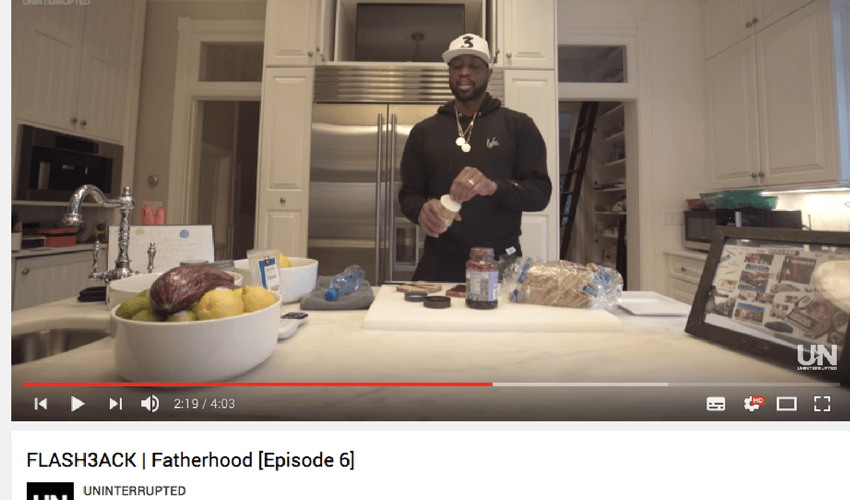
Take another example, this time from the sports news industry. Uninterupted – the sports news platform of professional basketball star, Lebron James – features videos from multiple NBA players, driving tens of thousands of views to its content, outside of traditional advertising routes.

If that’s not an effective inbound strategy, then what is?

Inbound Marketing Influcener

Uninterupted’s videos may not have solicited millions of view, but keeping in mind that it was designed as a long-tail content strategy, the numbers really are staggering. In the future you can expect to see many more influencers involved in the world of inbound marketing.

Together with what we’ve just said about change, there are two long established industry stalwarts who have no intention of going anywhere, at least not in the near future.

7. Blogging and SEO

Inbound marketing is arguably the most effective means of promoting your product or service – at least in the digital age. With continually evolving strategies involving webinars, quizzes and virtual reality content all about to make their mark, we shouldn’t forget the ‘bread and butter’ tools of successful inbound marketing. SEO and Blogging have no intention of going anywhere in a hurry – no matter how it may feel at gut level.

Let’s start with SEO. According to a HubSpot report, leads emanating from Google and Bing’s organic results, converted at a whopping 15% rate. Meanwhile, up to 80% of all users ignore paid ads in search engines. The conclusion is that SEO is indispensable – and will continue in that vein.

The same goes for blogging. Around for a long time as a means of promotion and marketing, many may get the impression that this dog has had its day. But, the fact remains that companies who publish an average of 4 blog posts per week still manage to garner 350% more traffic than those who don’t.

In other words, the biggest news for the coming year is simply this; favourites are going nowhere. SEO and blogging will continue to be a major part of effective inbound marketing – even as more and more high-tech solutions become available.

To summarize, let’s go over the 7 inbound marketing trends you can expect in the coming year:

  1. Virtual Reality Becomes a Thing
  2. Interactive Content Explodes
  3. Mobile Becomes Bigger than Desktop
  4. ChatBots Improve Your Inbound Marketing
  5. Quantity Matches Quality in Importance
  6. Influencers Become a Big Part of Inbound
  7. Blogging and SEO Remain Crucial

That’s a lot of change – but in a manner, inbound marketing is going to remain pretty much the same as it’s ever been.

The main function is still about reaching out to your potential customers with content that they want and need. It’s still about using every weapon in your arsenal to engage website visitors and nurture your leads.

What’s changing, is that companies are doing what they’ve always done, but now, they’re employing new weaponry, like robots, virtual reality technology, and complex interactive content.

The big question is this; what does it all mean for your company?

Technologies like virtual reality may indeed be much more accessible, but for now they remain far out of reach for the average business.

However, in reality, all that means is you should continue to practice the best inbound marketing strategies available to you, while keeping an eye on the evolving trends which can, and will, eventually change your industry.

7 Ways to Create Highly Converting Content Quickly

And to help you do just that, below you can download our Free PDF with 7 Ways to Make High-ROI Content Quickly. It may not feature robots, but it will make you significantly more effective at using the tools you already possess in your inbound strategy.

[optin-monster-shortcode id=”ly29wld5fbomn5p5fj13″]

As a startup, we are always keen to learn from others and seek the advice from successful CEOs and entrepreneurs. It would be hard to find a better example than Yam Regev, a CMO of Webydo and a co-founder of Zest, a marketing content sharing platform. We are big fans of  Zest as it helps publish Teamgate blogs; therefore, it was a great pleasure to interview and learn from the founder Yam. In this interview, we learn the value of getting your hands dirty, the importance of processes and why finding a suitable business partner is a very important step for a company. With 10 years of marketing experience and a passion for helping B2B businesses, Yam surely has some good tips to share, so we hope you find it helpful.

– I saw you’ve got your BA in East Asia studies – so how did you decide to become an entrepreneur? Do you think it is necessary to have a degree in business? Tell us about your early business experience?

Oh my… Actually, I need to update my profile as I never graduated. My initial plan was to learn East Asian studies while combining it with learning Chinese and Economics, but I sucked at both.

In my second year (it was in 2006) I founded a web marketing agency with two partners. This agency grew fast so I had to put the studies behind me and after two years we had 30+ employees and two teams in India. I CEO’ed the company for 4.5 years and then I started my own gig where I consulted to mega brands on how to build huge in-house marketing teams.

Do you have a CRM that keeps you organised?

The most user-friendly CRM on the market. 14-day free trial.

Start Free Trial

Painless setup, no credit card required

I certainly do not think that a degree is necessary. I’m a big believer in practical experience rather than theories and for me, one year of experience equals to two years of learning theories.

I was fortunate enough to interview, hire and manage over 200 people in the last 11 years.

Actual experience and “dirty hands” always overcame theoretical knowledge as far as it relates to my hiring decision-making.

The main reason for that is to have someone that already “did it” on your team, meaning that he doesn’t just know what to do, but more importantly, he knows HOW to do it. And to know how, means that they understand processes, and processes are what’s important in any team’s dynamics.

I can proudly say that many of my past employees are now VPs marketing, CMOs or executive directors in many leading startups, mainly in Israel, but also abroad, so as far as I’m concerned, this is the PoC (Proof of Concept) of my pragmatic approach of experience vs. knowledge.

–  What motivated you to start Zest? Where did the idea come from?

I love to consume content. Actually, I’m addicted to it. There, I said it!

I know that as a marketing executive I can’t afford to miss out new doctrines, methodologies and updates. Hence I found myself skimming through dozens of articles each day.

As time went by, I started to send relevant articles that I read to different people around me – current and past employees, new bosses, colleagues in the States and in Canada and so on. In most cases these guys told me that 1) They can’t understand how I found these value-added articles and 2) That this or that article is exactly what they needed right now.

A few years later, as CMO at Webydo, I thought: “Well, why don’t I create a place where people will come to read the content that I think is the the most relevant, instead of me sending dozens of articles to so many people.

I knew the right guys that could help me create Zest and so we started it as a side project.

I must say that my co-founders took the original idea and completely revamped it to something that is far more visionary and bigger than my small initial idea. They created a growth monster.

– As with every startup, there must have been some mistakes and downfalls on the way? Can you share some of the lessons learnt?

We had tons of mistakes. My first learned lesson was to be clear with our vision and stick to it. If we listened to all the feedback we gathered from our Alpha & Beta users and actually executed it, there would be no Zest today. Sometimes it just might take a bit before your targeted market is getting used to your solution.

Lessons learned

We created Zest by doing many iterations with our Alpha & Beta users, and although no one gave it a chance at the beginning, at some point, they got addicted to it – they understood the added value it’s giving them, they increased their usage and even shared it with their colleagues. As of today we have 8,000 WAU and around 92% of them came through WoM (Word of Mouth).

The second lesson, and one that I think we are still making a mistake on is scale fast.

Once you understand that you’ve attained Product-Market Fit, stop all other things you are doing and push the pedal to the metal.

–  What is the best and your favourite feature of Zest?

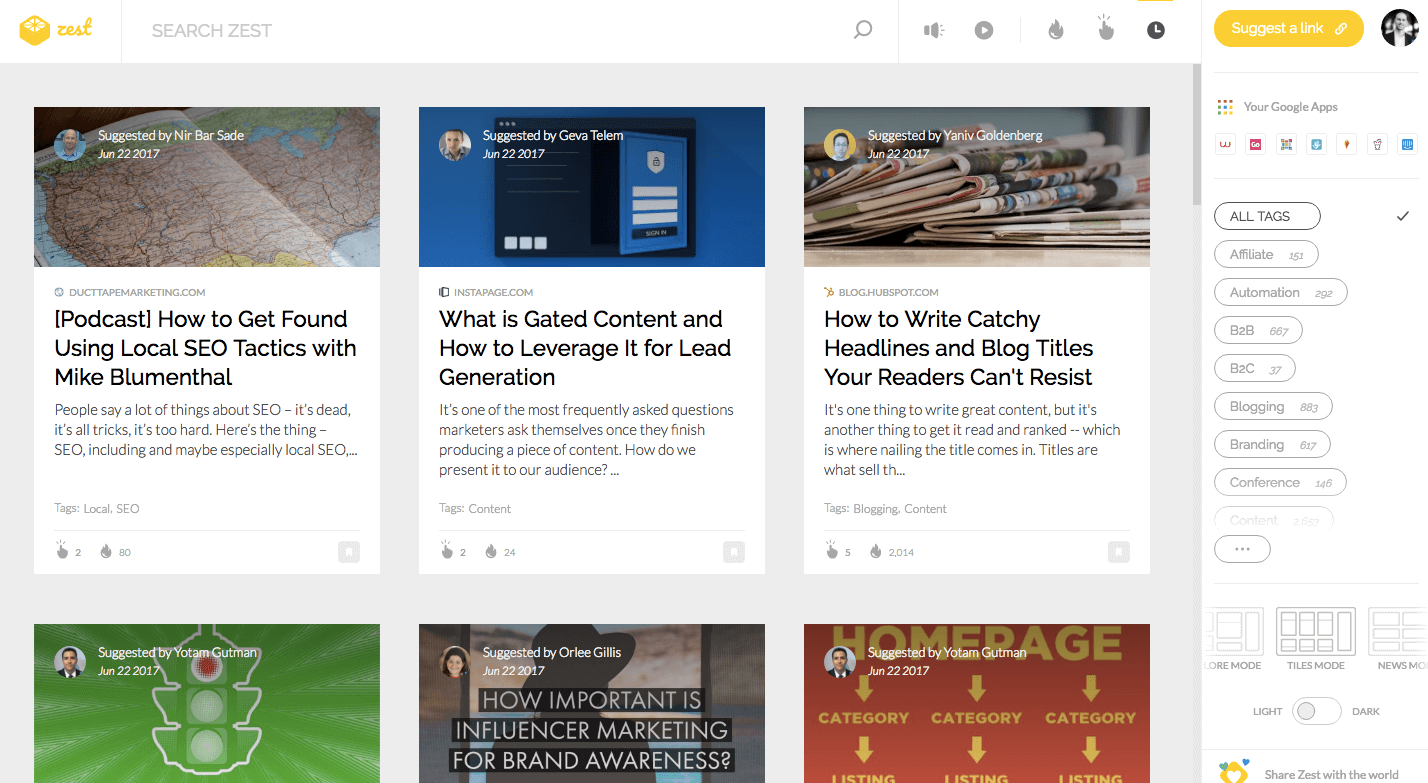
Without a doubt it’s the social layer we added to Zest just before we launched on March 7th. I love it because it is also functioning as a sweet and authentic growth hack – marketers are following each other and see what type of articles their colleagues suggested on Zest, what articles they saved for reading later and it is giving an amplified, humanized experience to the product.

It also puts front and center our agenda – we’re creating a tribe of marketers who unite around a clear purpose – creating the best content consumption platform by using our own tribe. It means that our tribe members (users) are suggesting content, and then a group of Chiefs (power-users) are reviewing these content suggestions and making sure that they are aligned with Zest’s content quality style guide.

It’s a proactive, engaged community which is centered around consuming high-quality content that only professionals from the same segment can precisely determine the value for other professionals.

Zest

– What challenges do you face every day? How do you motivate yourself to stay productive?

The work-life balance is currently my main challenge. As a co-founder of a bootstrapped startup that is scaling fast, I find myself working around the clock. It puts a strain on my other job, being a father of three daughters.

What keeps me propelled is my supportive family, who understands my madness and also, our tribe’s feedback. We get around 20-30 different messages a day from marketers who love what we do and feel engaged with our agenda and movement.

– What are your goals over the next 6 months?

We are on the right way to be profitable. This is our main focus. We prefer to be profitable rather than to raise funds. In 6 months from now we plan to expand into two more segments, other than marketing, and to integrate our content recommendation widget (yet to be launched), in 10-15 marketing related publishers and blogs.

– How do you attract new customers? Do you follow a certain strategy?

It’s all about the community. I call this strategy “Community Growth” and it means keeping our communication with our tribe personal and almost face to face.

Marketers told us that they are experiencing three main “Aha!” moments when using Zest – the first one is from the first encounter with the product. They say it is beautiful, fast and VERY intuitive.

The second one is after they played around with it a bit, so they understand and appreciate its added value. It means that the content they consume is not only highly contextual but also it’s very valuable for them.

The third Aha! moment is after they suggest an article. They get a personalized email from our Chief Moderator (me 🙂 ), which details the reason their suggested article was declined or accepted and published on the Zest feed.

These three-phases of engagement creates a hyper-WoM effect.

– Can you share you book recommendations or any useful blogs talking about product marketing?

I must admit that I’m not a book-reader kinda guy. I believe that the fact that I’m dyslexic is preventing me from enjoying this world of reading books.

As for the best Product Marketing blogs:

  1. https://blog.prototypr.io/
  2. https://producthabits.com/
  3. https://productcoalition.com/
  4. And of course https://blog.intercom.com/

– Lots of startups rely on forums to get traffic – did you have any experience with review platforms and forum posting? Did you find this effective?

Forum Marketing and Comment Marketing are becoming tougher as time goes by. The main reason for that is that users are more sensitive to lack of authenticity.

I didn’t try these methods with Zest, but with other startups I’m consulting, we saw great success with this method.

I believe that a better method comes from a close marketing doctrine. What I’m doing at Zest is engaging Medium bloggers to try Zest out and to briefly write about their actual experience with the product and how it fits in with their daily routine. Actually, this was one of our product launch tactics and on the week of the launch, with about 30 Medium bloggers publishing their experience.

That method proved to be super efficient and authentic.

– Do startups need a big investment? Is it possible to create and develop a company on a low budget?

Definitely and without a doubt – YES.

Marketers/founders should always think on how they can increase their exposure by collaborating with 3rd parties. Think about what the other side wants, and help them with it. They will help you in return to accomplish what you want to achieve.

– What is the biggest mistake you found most leaders make?

Not circulating an idea or strategy with other people within their organization. As a CMO at Webydo (a 50+ employee company), I was amazed from the feedback we got from other departments when showing them our next campaign, brand-messaging strategy or just a simple landing page design.

Leaders must democratize their thought-process and procedures in order to engage their employees with their vision and to get a constructive feedback of what they plan on doing.

– If you have one piece of advice for someone who is just starting a company, what would it be?

It’s all about finding the right partners. I know that without mine, I would be lost. Literally! And my vision would have been dwarfed as compared to what a mutual, healthy thought process between a couple of founders bring.

Don’t find partners that simply share your vision or because it’s cool for you to hangout. Make sure you complete each other in the core technical fields of Marketing, Product & Design, Development & IT, Sales & Biz dev.

Make sure you’re completing each other professionally.

At Teamgate, we agree with Yam that you need to just get your hands dirty and test a lot of different marketing methods. You can never be afraid of failure that something will not work, and at the same time you need to be sure that a traction channel that does work needs to be pushed and scaled very quickly to build the momentum.

Do you have a story to share? We would love to get in touch and turn your experience into the article. Leave a comment down below and we’ll make sure to get in touch.

Whether you realise it or not, your days are carefully designed by no-one else but you. It is you who chooses to skip a morning jog to steal an extra half an hour in bed, or wastes the quiet morning hours checking social media notifications instead of cracking on with the day’s toughest tasks.

If you want to see a change in your routine, to feel a shift in your energy, mood and productivity levels, then you have to take responsibility for your actions and choices. The only way to be more effective is to choose to be more effective.

We have interviewed 6 outstanding entrepreneurs to give you a taste of how people, who are exceptionally productive and achieve more than their peers or competitors, think and act. Feel free to copy and apply the habits that fit into your lifestyle.

Marijus Andrijauskas: “Avoid the Domino effect”

Marijus Andrijauskas is the founder and CEO of Teamgate, a complete inbound sales CRM for startups and SME’s. He credits his high productivity levels to a selection of monitoring and management tools that keep him on his toes every day.

His mornings start with some Tibetan exercises, a cold shower, coffee and world news. Marijus claims this morning routine is a must for him to ease into the day and come to work prepared to move mountains.

“My planning philosophy is quite straightforward. I always try to finish the tasks I planned, whatever it takes. Because it’s like a Domino effect; if one falls, a full row can be down.”

When asked to share his productivity methods, Marijus is very honest: “Multitasking is inevitable these days. I plan to categorize my daily tasks. If it needs a sharp brain, then I do it in the morning. If it’s a creative task that takes time, then I do it in the afternoon with chats/phones off.”

Do you have a CRM that keeps you organised?

The most user-friendly CRM on the market. 14-day free trial.

Start Free Trial

Painless setup, no credit card required
Maris Dagis: “Keep a short daily to-do list”

maris- sellfy.com

Maris Dagis, the co-founder, and CEO of an eCommerce platform Sellfy.com says that the number one habit that allows him to stay highly effective is keeping a daily to-do list. “I keep it short, with just a couple of important tasks I need to do each day. That allows me to focus and be effective every day.”

Maris starts his day with a glass of water, a good breakfast and a short workout to get going. Although he insists it’s “nothing fancy”, ultimately, it’s the routine that puts a spring in his step. “Workwise, I keep a small (2-4 tasks) daily to-do list that I review each morning.”

He has a few tips when the conversation turns to staying effective at work. At Sellfy, we keep a very broad picture on what to achieve each year and a more detailed roadmap for the next 3 months. Specific tasks are usually planned in 2-4 week short periods and assigned to each team member. For me, personally, it’s zooming in and out constantly to align priorities and see whether we are moving in the right direction or something needs to be changed.”

Maris believes that keeping his email inbox clean, allocating blocks of time without interruptions to get stuff done and keeping the notifications of his devices to a bare minimum are the simple methods that increase his productivity.

Tomas Laurinavicius: “Practice the ‘either HELL YEAH or no’ rule”

Tomas - tomaslau.com

Tomas Laurinavicius is a lifestyle entrepreneur. As someone who’s known for writing about habits of highly effective people, he has a few foolproof tips to share:

Using the 2-Minute Rule. Overcome procrastination and laziness by making it so easy to start taking action that you can’t say no. If it takes less than two minutes, then do it now.

Achieving Inbox Zero. It is a rigorous approach to email management aimed at keeping the inbox empty, or almost empty, at all times.

Achieving To Do List Zero. Just like Inbox Zero, you try to get to zero by delegating, removing and completing tasks in your to-do list.

Setting Reminders. People forget quickly even if it’s extremely important. I set reminders for myself when to stand up and take a walking break when to go to bed, when to follow up on an email, when to call a bank, when to cancel the free trial software and so on.

Saying No. No “yes.” Either “HELL YEAH!” or “no.”

But when it comes to choosing his number one habit that boosts productivity and helps to hit all targets, he is adamant that meditation is the right solution.

Matiss Ansviesulis: “Focus on one thing and one thing only”

Matiss - Creamfinance.com

Matiss Ansviesulis is the co-founder and CEO of Creamfinance, a company that makes money available by providing one-click loans to consumers globally. It’s backed up by Smart Data scoring method and is currently operating in 7 countries.

Matiss kicks off his day at around 7 am with a salmon or avocado sandwich and a 20-minute jog. One thing he tries to avoid by all costs is checking his email. “I prefer to spend my morning investing in myself both physically and mentally rather than checking emails. That’s, of course, if I’m not traveling which happens around 50% of the time.”

Being productive at work is of major importance to Matiss. His productivity methods range from learning to delegate to focusing on one task at a time. “I’m a fan of GTD (Getting-Things-Done), which is why I try to deal with the issue as it comes. If I can’t solve the issue at that moment, I schedule the time when it can be done and continue. If not – I delegate. I also have a PA who helps me a lot. Also, I try to delegate all the practical, mundane tasks to other people”, Matiss explains.

“My planning philosophy is to focus on the outcome list, not on a to-do list. Every evening I make a short outcome list, which outlines the things I want to achieve by the end of the day. When I come to the office I start with the list and focus on my deliverables. I check my email only after the things are done.”

The one productivity-boosting tip he swears by is to focus on a single task at a time. “I keep things focused. Pick one thing as a priority and one thing only, block out distractions, deal with the issue and move on.”

Einaras Gravrock: “Break big tasks into actionable micro steps”

Einaras - CUJO.com

A serial tech entrepreneur, founder, and CEO at CUJO.com, Einaras Gravrock simply can’t afford to give in to lazy habits. He leads a company that protects homes and businesses against network security threats, such as malware, phishing, and ransomware, and his habit to break big tasks into actionable micro steps is what protects him against failure.

“I start my morning by opening the Calm app and doing one of their exercises to get my thoughts and priorities in order. After that, I tackle any urgent tasks that may have come up since the night before. We have teams in multiple countries so for most of my colleagues my morning is their end of the day. That makes the first part of my day quite intense. I leave the creative work for the afternoon.”

As most of the busy entrepreneurs, Einaras is obsessed with seeing results: I approach each day with ‘what is the biggest thing I can accomplish today’. If I can focus on what’s truly most important for the business, that one thing which will make the biggest difference, then it’s a successful day.”

But he doesn’t rely solely on his mental strength to maintain the productivity levels. The founder of CUJO lists a few productivity tools that make his life easier: “Evernote for notes and personal priorities, Slack for team communication, Yesware for external communication tracking, Pipedrive for CRM, Trello and JIRA for team projects and priorities.”

Ryan Robinson: “Understand the benefits of opportunity management”

ryan - ryrob.com

Ryan Robinson, a freelance content marketer for high growth startups and tech companies like LinkedIn, Zendesk, Quickbooks, CreativeLive and more, is nothing short of a busy bee. Besides his intense freelance projects, he also teaches more than 200,000 monthly readers how to start a profitable side hustle on his blog ryrob.com.

His days start early. “My ideal morning, call it about three days each week, starts by waking to my FitBit wrist vibration alarm around 5:00 am. After getting up, I’ll shower, have a light breakfast and bike a few miles to my office in downtown San Francisco by around 6:00 am. I get my clearest thinking done in the morning, so I protect that time very carefully. I make sure not to check my email or social notifications until around 9:00 am after I’ve been able to get a solid block of writing, planning or other mission-critical tasks.”

Ryan uses several productivity methods that help him keep the distractions to a minimum. “My favorite productivity hack that saves me a ton of time each day is scheduling 2 x one-hour blocks of time during my day where I’m allowed to look at my inbox & reply to emails. This helps me stay on track with working on the projects that drive the highest return for me, rather than allowing myself to get sucked into and spend the entire day working out of the never-ending inbox.”

The number one habit that keeps him productive and effective is questioning his use of time every day. “I ask  myself many times throughout my day, “is this the best possible utilization of my time right now?” I call this opportunity management and write extensively about it on my blog. It’s the habitual thought process that allows me to properly evaluate inbound opportunities. It keeps myself from biting off new projects that aren’t a good fit at the moment. This way I stay focused on my most important goals.”

Bringing It All Together

Boosting and maintaining productivity is an obsession of big and small businesses. It’s what keeps entrepreneur experimenting with their routines, trying to habitualise skills and sharpen their brain. The biggest secret of the million-dollar industry is that there is no one ground-breaking way to getting stuff done. To summarise, I think it is very clear that all of these entrepreneurs are seeking to be organised, on top of their business and their personal lives. Out of all the tips mentioned above, here at Teamgate, we find that the best way to be on the top of your to-do list is to keep setting up tasks and achievable goals each day for every team member.


The British Prime Minister Benjamin Disraeli once said that “There are three kinds of lies: lies, damned lies, and statistics.” The sheer power of numbers to influence people’s thinking and decision-making is only getting stronger, as we’re struggling to make sense of the vast amounts of information coming at us every day. With numbers, the story is always simple – it’s either good or not so good for your business to do (or not do) something.

Sales is a fast-paced job that requires a lot of energy, planning ahead, and strategic thinking. Who’s got the time to collect interesting statistics (AND make sure they’re not lies) from around the web? Exactly, not sales reps.

So we got out there and gathered the most remarkable, eye-opening sales statistics that will shatter your old beliefs and perceptions.

A taster: According to InsideSales, if you follow up with web leads within 5 minutes, you’re 9 times more likely to convert them.

Email

Sales Statistics Emails

35% of email recipients open an email based on a subject line alone. (Comparehare)

There’s so much science behind writing a strong subject line. With a huge number of people using a subject line to decide whether to hit delete or take a peek inside, a poorly performing one can quickly become a sales rep’s worst nightmare. To connect with prospects and showcase the benefits of a certain product, or to deliver unique value, one must first entice the prospect to click through to the email. If you can improve your subject lines by implementing best email subject line practices, such as, for example, including words “alert”, “sale”, “new”, or “video”, your team will be able to boost their performance.

Email is 40 times more effective at getting new customers than Facebook and Twitter combined. (McKinsey)

Acquiring new customers is the single most important mission of every sales team. Time management and task prioritization are hugely important when it comes to generating a good amount of leads and hitting sales targets. If your sales team knows which channels perform best, they can throw all their efforts at them and improve their numbers. Email, it seems, is the king of lead generation.

Lead nurturing emails generate an 8% higher CTR compared to general email sends, which generate just a 3% rate. (HubSpot)

We have talked extensively about the importance of building a robust sales process. One of the key parts of that process is lead nurturing, for only a small fraction of all sales leads eventually convert. Since email is the preferred communication tool online, crafting better and more targeted lead nurturing campaigns helps sales teams qualify leads and move the really interested ones down the funnel much faster and more efficiently. Lead nurturing emails differ from general emails in many ways. They can be adapted to every lead’s stage in the buying cycle, they use more targeted and personalized language as well as provide higher value to prospects inspiring trust and loyalty.

Do you have a CRM that keeps you organised?

The most user-friendly CRM on the market. 14-day free trial.

Start Free Trial

Painless setup, no credit card required
92% of buyers say they delete emails from unknown senders. (A Sales Guy)

This is an anxiety-inducing stat for sales teams that heavily rely on cold email outreach campaigns. Buyers are increasingly protective of their “personal” online space and guard their contact details fiercely. Violating that personal space will almost always end the seller-buyer relationship before it even gets a chance to spark. A much better way for sales teams to capitalize on the power of emails is through content marketing and lead nurturing campaigns. Once you get people’s consent to send promotional messages in the future, the spam folder becomes less of a threat to sales email campaigns.

The average sales rep spends up to 4 hours per day following up on leads by sending emails and faxes, following up on calls, formatting proposals, and doing other admin tasks that can be eliminated using pre-drafted templates and automation. On average it could take about 45 minutes to create an email proposal the standard way, and only 2 minutes if a template was used. (Insidesales)

For a sales team, nothing costs more than wasted time. Using email automation and customizable email templates to cut down on admin workload is an excellent way to enforce prioritization and optimize sales processes. If a sales rep can have extra 40 minutes following up on warm leads, s/he stands better chances of closing more deals every day. A good CRM can prove to be essential to create a database of customizable templates that can be personalized using unique customer and product data and to execute email automation to perfection.

You might also like: 8 Marketing Gurus Share Their Email Closing Phrases That Land All the Deals

CRM

teamgate

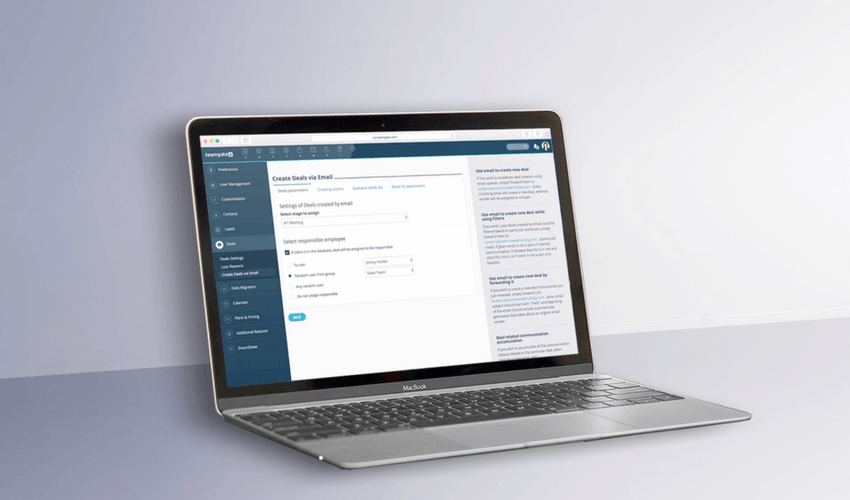
Image source: Teamgate

Lost productivity and poorly managed leads cost companies at least $1 trillion every year. (CMO Council)

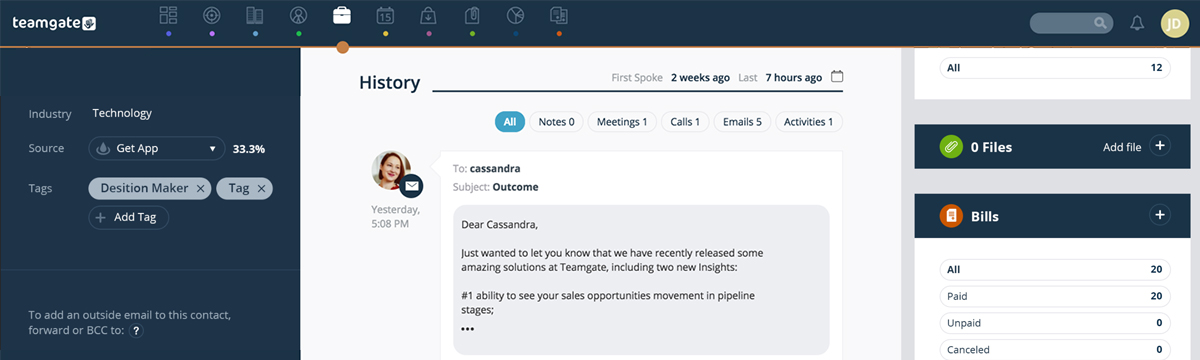
Losing productivity and money is a bleak prospect for any sales team. A robust sales CRM can help you keep the lead generation and management under control as well as spot (and fix) any issues in almost real-time. Unloading the information off their heads and leaving no room for human error, sales reps can focus on building relationships rather than concerning themselves with unimportant details.

95% of buyers choose a solution provider that “Provided them with ample content to help navigate through each stage of the buying process.” (The Whole Brain Group)

The purpose of content marketing is to give prospects the answers that they need. As they scour the internet in search of the type of information that appeals to them, they can quickly progress from the lowest awareness stage to a ready-to-buy mindset. To ensure your product or service stays top of mind as prospects move down the funnel, it’s a great idea to engage them at relevant times and offer relevant content. That’s where a CRM comes in handy.

You might also like: Sales Closing Techniques to Get Your Prospects to “Yes, I want it” Faster

71% of sales reps say they spend too much time on data entry. (Heinz Marketing)

If tasks can be automated, why waste your sales reps’ precious time on data entry? A CRM will give them more time to actually work their leads and not worry about the small stuff.

Inbound

Sales Statistics Inbound

Thursday is the best day to prospect. Wednesday is the second-best. (Brevet)

Need to kick your inbound lead generation into a higher gear? Make sure you’re acting on the right days and times to achieve the best results.

49% of B2B marketers use sales lead quality to assess content marketing success. (DMN3)

The alignment of sales and marketing teams has a huge influence on the success of any inbound lead generation campaign. It’s not uncommon for these two teams to blame each other if the results are disappointing. Using a CRM as a tool for both teams to track and record the performance of their campaigns would take the guesswork out of content marketing.

Approximately 96% of visitors that come to your website are not ready to buy. (Marketo)

Just because someone is browsing your website, doesn’t mean they want to buy something right away. In fact, it’s very unlikely they would. Adopting a CRM helps sales teams better organize their lead nurturing campaigns and approach the sales process in a strategic manner.

83% of B2B marketers use content marketing for lead generation. (MarketingProfs)

Does marketing generate the right kind of leads? What content has the highest ROI? What can it tell us about our customer base and their needs? Content marketing is one of the best and most popular tools for lead generation that can accelerate your sales cycle.

High-quality lead generation is the top challenge for 61% of B2B marketers. (Marketing Insider Group)

The right content for the right prospects at the right time in their buying journey is a content marketer’s mantra that shines some light on the difficulty of the task. Automating reporting, tracking the number of SQLs (sales qualified leads) generated through content and monitoring the influx of leads – and all in one tool – is a dream come true for busy sales teams.

Cold Calling

cold calling

It takes an average of 8 cold call attempts to reach a prospect. (Brevet)

Reviewing the sales pipeline and planning (and prioritizing) the next day’s to-do list can help sales reps to manage their time better and allocate enough time for all tasks. To ensure you’re tackling the most important tasks during your most productive time of day, be sure to put a reliable CRM in place.

85% of prospects and customers are dissatisfied with their on-the-phone experience. (Salesforce)

Customer experience is crucial in securing a lead, and an unhappy customer is more likely to share their unsatisfactory encounter with others, leading to damaging word-of-mouth marketing. So, increase your chances of securing a lead by preparing for your call. Avoid giving your prospect the opportunity to end the call before you even started by opening your pitch with “Do you have a moment to discuss X?”. Instead, provide them with information about your product and how it can help them.

93% of converted leads are contacted by the 6th call attempt. (HubSpot)

Unfortunately, cold calling is not fun, and it takes a lot of effort, but it’s an excellent sales technique to master. With practice, it will not only get easier but also you’ll get better at securing deals. Having a call script will take away some of the pain of cold-calling, so whip one up, get your call list out and start ringing.

GET READY TO OWN YOUR WORKDAY

with the most user-friendly CRM on the market.

Start Free 14-Day Trial

Painless setup, no credit card required

You might also like: 5 Cold Calling Sample Scripts for Any Situation

The best time to cold call is 4 pm – 5 pm. The second best time is 8 am – 10 am. The worst times are 11 am and 2 pm. (InsideSales)

Being persistent when cold calling is not enough to ensure success. In fact, may even be ineffective if you are missing the optimal times to make those calls. Ensure that you prioritize and organize your schedule in a way that you are hitting the peak times for cold calling to ensure your sales success. Take it one step further and contact your prospects by sending a little something to introduce yourself before you make the call. They will remember you fondly, and it’ll help you take a step closer to converting your lead into a sale.

Copywriting

copywriting

It’s worth investing time in writing headline copy. On average, 8 out of 10 people will read headline copy, but only 2 out of 10 will read the rest. (Copyblogger)

Like email subject lines, headlines need to be crisp, intriguing, and true to their meaning to capture the reader’s attention. If you’re experimenting with content marketing, make sure your headline copy is catching fire.

Emails with “You” in the subject line were opened 5% less than those without. (Stynson)

People find the use of “You” in the subject line a little too straightforward. Drop it from your copy to avoid annoying any of your recipients and replace it with something that creates a sense of urgency and exclusivity. Invesp found that the open rate increased by 22% when the FOMO effect was invoked.  

Using “Daily” or “Weekly” in subject lines boosts open rates whereas “Monthly” hurts them. (Sadestra)

Don’t overcomplicate your email schedule, use the best practices to nail the lead nurturing techniques. This stat suggests that your email newsletters or simple messages should go out either daily or weekly to meet the prospects’ expectations.

The last 5 minutes of a sales presentation is the most memorable, so end with a story – 63% of attendees remember stories. (SERP)

Since most of lead nurturing happens through email, try to incorporate and master storytelling to win your prospects over. Building positive associations through engaging stories will help you gain prospects’ trust and achieve better brand recognition.

Emails with “Free” in the subject line were opened 10% more than those without. (HubSpot)

Including a free bonus or extra in your offer can help you swing the prospects’ opinions and get them to engage with your product. Upgrade your offer and take advantage of this copywriting hack!