Designed for Growth: Scale your recurring revenue with the new Teamgate SaaS CRM. Explore SaaS Features →

Book a demo today and save 50% off your first month, or 20% off your first year.

Get a free sales audit to uncover hidden revenue opportunities!

In this article, you will learn about the importance of CRM (Customer Relationship Management) in modern businesses. By integrating CRM into your sales process, you can increase sales, improve customer service, enhance internal communication, gain valuable insights, automate tasks, save costs, modernize the sales process, and boost customer retention. Discover how CRM can revolutionize your sales approach and help you achieve better business results.

Key Takeaways:

  • CRM helps rationalize sales moves by streamlining the sales cycle and improving tracking and follow-up with leads.
  • It enhances customer service by improving communication and optimizing the customer experience.
  • CRM provides valuable insights by centralizing and analyzing data for informed decision-making.
  • Integrating CRM saves costs by streamlining operations and reducing the need for additional resources.
  • CRM modernizes the sales process, increases sales closures, and facilitates upselling and cross-selling opportunities.

CRM has become the heart of any business. The technology platform helps unlock the valuable information from the customer data, so that you could plan the right strategy for targeting the right customer. It gives a 360 degree of the customer data, necessary for all the levels of customer interaction.

For the sales team, it is a boon as it helps in various aspects such as:
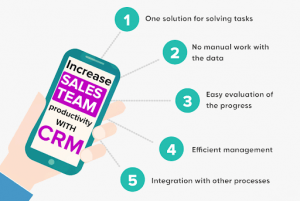
How can a Fully Integrated CRM improve revenue and profitability?

The major benefits, are that it empowers to:

  • Increase the number of sales
  • Induces the customers to return
  • Helps to cross-sell and upsell the products 

So how does it do?

Rationalizing each of the sales moves: The biggest challenge which most of the sales representatives face is keeping track of the sales activities and following up with the leads. CRM helps to a great extent in rationalizing each of the sales moves. It streamlines the complete sales cycle so that every team member could reach their target faster. 

Improving customer service: Every organization nowadays put a higher emphasis on customer service.

 If you look after your customers, your customers will look after you!!!!

44% of the businesses are planning to increase the IT budgets in 2020. They are going to spend this, on customer-facing products additionally. Find the below image:
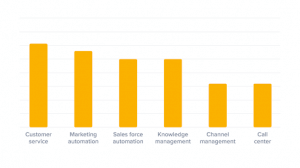
https://www.infoclutch.com/data-appending-services

CRMs which are designed to manage customer relationships could also help in other aspects of businesses, such as the productivity of an employee that indirectly impacts customer satisfaction and higher revenue.

Improving internal communication: With the integration of CRM, organizations have better internal communication between all departments. The sharing of customer data between each of the departments becomes a seamless process. It also helps the members to work as a team and optimize the customer experience, termed as one of the major benefits of CRM. 

In many cases, businesses rely on CRM consulting and support to ensure the CRM system is properly integrated with existing workflows, data sources, and internal processes, enabling smoother collaboration across departments and maximizing the return on investment.

Reducing the number of lost leads: Many times, the sales teams are too focused on interacting with the customer who has actively engaged with them that they lose track of some high-potential customers, who browsed their website. A good CRM system helps in collecting all the information which the sales team missed out, to plan the next strategy for increasing the customer base.

Gaining valuable insights: As the CRM stores the complete information in a single centralized location, it is easier for analyzing the performance as a whole. You could gain access to the information whenever you like, and analyze it further to gain valuable insights.

CRM with automation: When CRM is combined with automation, it helps in providing targeted and interactive email campaigns. Marketing automation is known to make use of email marketing campaigns and web forms to drive the process in the right direction. On the floor, these two tools complement each other and generate good business results. 

The CRM automation facilitates in automating repetitive and manual tasks for improving productivity and streamlining the work. Automation helps to encompass a range of different functions such as service, marketing, and sales activities.

Saving the investment: Integrating CRM in the company’s process is not cheap, but it could help you save money in the long-run. As CRM helps to streamline, organize, and automate day-to-day business operations, it saves you from investing money on more resources. 

Modernizing the sales process of the organization: A CRM software helps to automate the sales process of the organization. As acknowledged, technology facilitates the right modernization and has a greater role in generating good revenue for the organization. So, when a CRM is completely integrated into the process of the organization, it streamlines the entire sales cycle, further, resulting in closing a higher number of sales deals. 

Helping to upsell: A fully functional CRM also helps the sales team to upsell the products to the existing customer. For example, when a customer buys a new shoe, a sales representative might ask whether he needs the branded one. If the customer says “yes,” then this is the right upsell at the right time. 

 Upsell could be easily achieved through the CRM as it helps to keep track of the entire sale process and identifying the timely sales opportunity.How can a Fully Integrated CRM improve revenue and profitability?
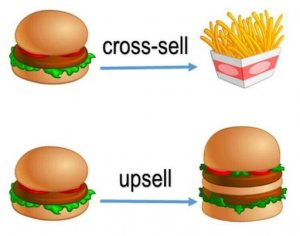
As a sales representative, you could also efficiently carry out the cross-selling process by selling them additional products.

  1. Improving customer retention: Increasing the customer retention rate by 5% increases the profit by 25% to 95%.
  2. CRM helps to retain customers as the sales team would have complete information on all the potential customers who reached out to them. Visibility across all the relationships could help the teams proactively address the risk accounts and satisfy the new customers with the best opportunities at the right time. 
  3.  Helping to sell faster: The manual entry which many of the representatives do in small businesses kills the productivity of the sales team. The job of any salesperson is to generate revenue by speaking to the customer. So, if they do not get the time to do the real job, then the organization could see a drastic decrease in revenue, sales, and profit.

CRM is a savior in such instances and removes the job of repetitive and manual tasks. A standardized sales process gives the team a well-planned roadmap for closing more sales deals and reducing the length of the sales cycle. With this, you can accurately predict the sales and improve the sales methods for implementation. The sales team can now entirely focus on interacting with customers.

The Power of a Fully Integrated CRM for Organizations

A fully integrated CRM is the way to go for many organizations. Many small businesses do not have a distinct and dedicated sales team. Without a fully integrated CRM, most of the leads do not get converted into sales.

The CRM system helps employees to increase revenue by streamlining the entire process. When you have a systematic and steady flow of information, it becomes easier to contact the potential customer at the right time, to get them converted and improve the business results of the organization. 


FAQs: Fully integrated CRM

Q: What does it mean for a CRM to be fully integrated?

A: A fully integrated CRM refers to a CRM system that seamlessly connects and syncs with other key systems and tools used within an organization, such as marketing automation, customer support, and sales analytics. It allows for the sharing of data and information across departments, providing a comprehensive view of customer interactions and enabling efficient collaboration.


Q: What are the benefits of using a fully integrated CRM?

A: The benefits of using a fully integrated CRM are numerous. Some key advantages include:

  • Streamlined operations: Integration eliminates the need for manual data entry and enables automated processes, saving time and reducing errors.
  • Enhanced customer experience: Integrated systems provide a holistic view of customers, enabling personalized and consistent interactions across multiple touchpoints.
  • Improved decision-making: Access to comprehensive data from integrated systems allows for better analysis, reporting, and informed decision-making.
  • Increased productivity: Integration eliminates silos and enables seamless information flow, improving team collaboration and productivity.
  • Scalability and growth: A fully integrated CRM supports business growth by adapting to changing needs, integrating with new tools, and accommodating increased data volumes.


Q: Can a fully integrated CRM be customized to fit specific business requirements?

A: Yes, a fully integrated CRM can be customized to align with specific business requirements. Organizations can configure the CRM system to match their unique workflows, data fields, reporting metrics, and automation rules. Customization ensures that the CRM solution supports the specific needs and processes of the business, maximizing its effectiveness and usability.


Q: Does implementing a fully integrated CRM require technical expertise?

A: While technical expertise can be helpful during the implementation process, many CRM providers offer user-friendly interfaces and guided setup to make the process accessible to non-technical users. Additionally, CRM vendors often provide customer support and training resources to assist with the initial setup and ongoing maintenance of the fully integrated CRM.


Q: Can a fully integrated CRM work with existing systems and tools in my organization?

A: Yes, a fully integrated CRM is designed to work seamlessly with existing systems and tools in an organization. Through APIs (Application Programming Interfaces) and integrations, the CRM can connect with other software, such as email marketing platforms, customer support systems, accounting software, and more. This integration allows for data synchronization and a unified view of customer interactions across different platforms.
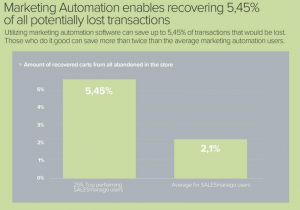
Don’t you feel good about a tool that analyzes your customer data by itself, drives insights from it, works on those details in real-time, and streamlines the given strategy unswervingly? Thankful to marketing automation. It does exactly the same!

Marketing automation optimizes your communication efforts by reducing monotonous and time-consuming tasks and thereby helping you in the right utilization of time and resources. From customer procurement to loyalty marketing, it helps your brand to perform at a grand scale.

With the assistance of this mechanism, you would now be able to convey a focused message across client fragments, making coordinated connections conceivable in the advanced space. To put it plainly, marketing automation drives the client loyalty revival.

And when you make loyalty as a vital part of your strategy, you will be rewarded with high-value customers at a low cost. Check the graph below that speaks the same.

Image Source: Sales Mango

Other Benefits of Customer Loyalty Includes

  • Customers rarely purchase something different if they like a brand. It includes 55% of older millennials, 53% of younger millennials, and 51% of Gen Z. (Business2Community)
  • 80% of incomes come from 20% of a firm’s existing clients. (Fundera)
  • Loyalty pioneers develop ROI 2.5 times as quickly as their industry peers. (Harvard Business School)

The majority of the leading brands use marketing automation tools to delight the sales leads and hold them throughout their journey.

Apple is the most exceptional example of brand loyalty done right through marketing automation. The average brand loyalty of Apple is 87% across the US and Europe.

The tech giant leads the brands with the most loyal customers. It is followed by other famous names – Amazon, Lululemon, IKEA, Dunkin’ Donuts, and Starbucks. If you are interested to learn their tactics, read on to find out.

Steps to Enhance Customer Loyalty with Marketing Automation Tools

1.    Spot Active Brand Advocates

B2B and B2C brands require the support of advocates, who recommend your products and bring in referrals for your business. They will share your brand message with enthusiasm, and will always play a crucial role in its success.

Brand advocacy will help you gain new customers as well as create rewards/incentives for the loyal ones. Marketing automation enables you to track and reach these brand advocates. With social media integration, you can identify those customers who are advocating your product or service.

If you are unsure who is loyal to your brand, fret not. Utilize lead scoring dimensions to recognize the people who every now and again share, comment, or download your content.

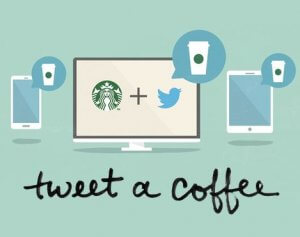
Starbucks’ advocate marketing campaign called “Tweet-A-Coffee” allowed customers to purchase a $5 gift card for their friends through Twitter.

Image Source: Starbucks

Clients needed to Tweet the @tweetacoffee handle along with their own Twitter handle. The initial 100,000 individuals joining the program would get a $5 gift voucher.

Outcome:

  • This loyalty program generated around $180,000 in sales for Starbucks.
  • More than 27,000 brand advocates partook in this social event.
  • 34% of individuals purchased more than one gift card, and 32% of the buyingbefell on the first day itself.
  • Starbucks linked 54,000 Twitter IDs of active members to their cell phones and client identification numbers.

2.    Personalize the Experience

Marketing automation lets you personalize the customer experience across multiple campaigns, and make your audience feel special at every stage of buying. Especially by integrating CRM with the automated marketing tool, you can provide a stellar experience that’s worth remembering.

You might have spent all your time guessing the interest of your audience. However, it does no good for your business in this modernized world. Instead, you must learn their interest by tracking them across different channels, using tools like web trackers, and analyze their behavior based on clicks. Later, you can prepare content around these analysis report.

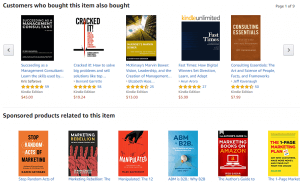
Speaking of personalization, Amazon has been doing it since 2013. I just finished reading a book on capitalism, and my pretty big hobby includes reading. So what does Amazon show me? A list of relevant books! It’s perfect.

]Image Source: Amazon

Amazon uses my purchase history and viewed products to recommend the related items that I would be interested in. Besides, it also uses a shipping address to customize the experience based on my current location.

According to Accenture, 91% of customers are more likely to buy from a brand that offers relevant content and recommendations.

3.    Re-engage the Inactive Customers

There are times where even a most loyal customer may abandon your brand for a tiniest of reason. In such scenarios, it is essential to gently remind them about you, or lure them with the offers to reactivate old accounts. You need to use automated tools to identify such customers and nudge them towards taking action.

For instance, if a customer has visited your website, but haven’t picked any product or abandoned the cart, you can automate an email to notify them of:

  • Limited time offer for the discarded products.
  • Remind them of ways to utilize the unused points in their account.
  • Reach out to them on special days, such as their birthdays or anniversary.

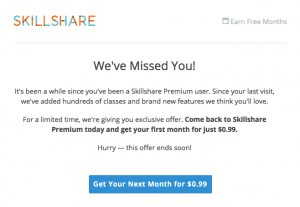
The re-engagement email by Skillshare draws attention to the new classes and features since the last subscriber engagement. They have tactfully highlighted the offer for $0.99 and hoping to push more engagement with loyal customers.

Image Source: Skillshare

4.    Analyze Customer Feedback

Seek customer feedback actively rather than waiting for their complaint on social media platforms. This method increases good-will and quickly detects at-risk accounts. Before beginning, segment your existing customer list into separate streams, then ask them how they feel about your product, service, or your relationship with them.

By asking these questions, you will learn more about their unfavorable experiences, and how to improvise it at the earliest stage. Social media automation tools help you garner the online feedback of a large number of audience in a short time. Here, you can encourage shout-outs from your followers, and make them feel how you value their voices.

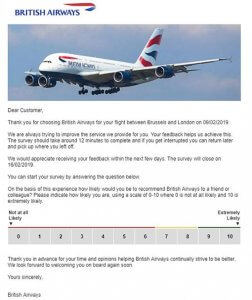
One common example of how to do this is in the confirmation email from British Airways, with a visual scale for their NPS question and a link to a survey that takes 12 minutes to complete.

Image Source: British Airways

It shows how collecting the feedback at the end of the customer journey is an ideal way to try on. Here, travelers can assess their experience and share informed perspectives.

Final Thought

Marketing automation tools will let you successfully execute the customer loyalty strategies across correspondence channels. Right from segmentation to sending custom messages, or seeking feedback to sharing important material, automation tool does it all in a couple of snaps. So, without any delay, utilize this marketing armor and win your battle against competitors.

It is no longer new that a vast proportion of internet users is fast migrating from the use of desktops to smartphones or mobile devices. This means that the demand for real-time information to be accessible and available from anywhere is on the high side. Consequently, businesses and organizations are highly advised to shift their focus towards exploiting this excellent opportunity that is capable of making their various activities flexible and capable of reshaping the financial status of their business for the better.

Have you heard about email marketing? Are you looking for a website with excellent and high-quality content on email marketing? Then SendX is your plug.

What is Customer Relationship Management (CRM) Strategy?

Customer Relationship Marketing comprises all the strategies, technologies, and activities implemented by companies to achieve high-quality interaction-based management with their prospective and current customers. The significance of this initiative can be attributed to the popular saying that in most businesses, “the customer is KING” (Forbes).

CRM strategy has also been observed to be commonly used between Business-to-Customers (B2C) and Business-to-Business (B2B) organizations to manage and track various kinds of communication through the internet, mobile software, chat, emails, social media platforms, telephone calls and series of corporate marketing materials. 

What is Mobile CRM? 

Mobile CRM can be described as a tool or software developed and designed to work on Mobile devices such as smartphones, tablets, and other internet-enabled devices. With the aid of mobile CRM, the sales team can now easily access and manage tons of customer data and information in real-time, wherever they are (Super Office).

It is a business process through which qualities such as brand value, customer loyalty, and client relationships are developed via marketing strategies, technological adoptions, and other variety of activities. You can also boost the trustworthiness of your company by getting reviewed by Online Writers Rating, where most content creators can get their work evaluated.

Mobile Usage Growth as a Necessity for Mobile CRM

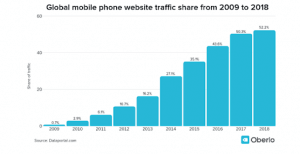
According to statistics from Oberlo, there has been a meteoric rise in the proportion of internet traffic coming from mobile devices. The percentage of global internet traffic transmitted from internet-enabled mobile devices or smartphones has risen from 0.7% in 2009 to about 52.2% in 2018, as seen in the chart below. 

why companies need mobile crm

The numbers were projected to continue increasing at a 123.7% year-year growth rate.

Therefore, to take advantage of this jaw-dropping statistics, the adoption of a Mobile CRM technological initiative becomes critical and paramount to the CRM Organizations, as it is evident that the majority of prospective customers are now online and mobile intelligent. CRM should be able to match this growth.

Importance to Employees and Sales Team Members

Today, technology has evolved to the extent that the need for physical shops and business offices have become drastically reduced. Most office employees are no longer tied to their desks- they are now mobile workers exercising their duties on the go.  

Sales team members now travel from one office to another, from one location to another meeting with prospects and clients. Below are some other benefits of CRM for workers and sales team; it enables them to:

  • Open and share Important files 
  • Gain access to updated data anytime, anywhere.
  • Click-to-call (to dial into online meetings) from any location.
  • Track, manage and respond to customer service cases of any type and many more.

Benefits of Mobile CRM for Customers

Asides from the fact that mobile CRM ensures flexibility for workers in their line of work- the initiative also benefits the clients who have mobile CRM for your organization in several ways. In other words, the advantages attributable to making use of mobile CRM for and by your organization is not one-sided but somewhat all-encompassing. 

With the aid of the app, workers will have access to critical information and real-time updates with which they become highly equipped to provide reliable information, support, and assistance required (by both the current and potential clients) with immediate effect, on the go.

Rate of Adoption of mobile CRM

In 2008, research carried out by Forrester revealed that more than 40% of SMBs and 50% of enterprises have begun utilizing and rolling out smartphone applications to automate salesforce. In addition, towards the end of 2012, Forbes discovered that there were about 110 CRM applications in the Apple store while the Android App Store contains about 47 apps.

Also, in 2013, Microsoft’s major overhaul of dynamics CRM involved distributing smartphone applications for iOS, Windows, and Android. At first, Microsoft never had a first-party mobile CRM app, what this suggests is that in the long run they acknowledged the significance of mobile CRM access and are, therefore, not taking the competition in this with levity. 

If a big, successful, and reputable tech giant company like Microsoft could recognize the importance of Mobile CRM access and quickly took advantage of it, then it becomes evident that the significance of mobile CRM in today’s business cannot be underestimated.

Effectiveness of CRM Solutions in Today’s World

The majority of the popular CRM solutions of today are discharged as cloud-based solutions. This is because of their web-based interface. As explained earlier, the app enables sales teams’ access to customers and essential lead information from any internet-enabled devices, anywhere, and at any time.

Mobile CRM applications also offer software as a service (SaaS) solutions, as this tends to be more user-friendly compared to the older CRM software. Some of them even have features like artificial intelligence that is capable of helping organizations make the right decisions and at the same time providing maximum customer services.

With the aid of data captured by a mobile CRM strategy, Companies can now target potentials with the required products, be able to advance better customer support services, open and close business deals, and also up-sell and cross-sell more effectively and efficiently (webopedia).

Final Thoughts

Just like the world is evolving daily, the same way technology is evolving and advancing at a meteoric rate. With this knowledge, businesses must ensure that they are updated continuously as regards trends and business-related innovations capable of influencing their business activities. We hope that we have been able to make you see the reasons why mobile CRM is vital in today’s business. Your business deserves to grow. Why not adopt a mobile CRM strategy for your organization today?

Roll up! Roll up! Roll up! Nothing for sale!

If you’re involved in sales you might have wondered about this for some time.

Every Christmas and holiday season you come across the big name high-street department stores, with half a mile of street frontage, all advertising what appears to be NOTHING in their windows. At least nothing saleable that is.

OK, I agree (after all, I used to work in the business for a long time) the window displays themselves are spectacular, dazzling, traffic-stopping affairs; looking more like a big bucks Broadway production, or the set from a 1940’s Ziegfield Follies movie than a means of selling products. Money seems to be no object with these lavish creations.

So what’s going on? 

Where’s the value behind these extravaganzas which often take more than a year or two to design, plan, and execute?

A brief history of sales showmanship

Believe it or not lavish window displays began in the mid-eighteen hundreds, with the introduction of, wait for it… plate glass. I kid you not.

Suddenly, retail architects had the means to do something they couldn’t do before: to create window spaces that ran the entire length of a city block, places where the owners could visually attract the attention of the passerby in any way they fancied.

And that’s just what they did.

All of a sudden a new band of creative professionals – charged with maintaining the look of these commercial window spaces – appeared on the scene. At the time, they were known simply as window trimmers.

These window trimmers ensured that the products on display were arranged and shown in their most appealing and stylish manner. Many of the trimmers – coming from backgrounds in the arts, theatre, and fashion design – employed ever more creative techniques to appeal to the whims of the consumer. 

Specialist signwriters were tasked with extolling the benefits of the product in ever more fanciful ways. 

Lighting designers ensured the products always looked their best on the skyscraper darkened streets of the world’s major cities. 

Carpenters, painters and other craftspeople created specialist ‘sets’ to complement the season or product type. 

Some of the most famous artists of the day stylised props and backdrops with which to give life to the imagination of the window trimmers. 

Slowly but surely the profession evolved from being purely commercial to what it is today – a multi-layered crossover between psychology, science, salesmanship, retail management, and the arts. 

Visual merchandising was born. 

And then things changed

In 1874 R.H. Macey & Co. become one of the first recorded retail outlets to feature a designated holiday window display. The display was short on product, but high on imagination, playing out scenes from the hugely popular Harriet Beecher Stowe book, Uncle Tom’s Cabin across the entire shopfront and throughout the store’s interior. 

The crowds it drew were enormous and so was born the fiercely competitive battle for supremacy of the Holiday Season Window Display.

Things got ridiculous – and ever more fanciful – as Macy’s battled Marshall Fields, Lord and Taylor battled Neiman Marcus, and across the Atlantic, Selfridges battled Harrods. 

All was fair game, right up to the point in 1958 when Woodward & Lothrop – the progressive Washington DC department store – arguably stole the crown with a seasonal window display featuring LIVE PENGUINS, borrowed from the National Zoo. 

The gloves were off and the results can still be seen each holiday season in every major city around the world.


Window displays, live penguins, and CRM software

The black and white behind penguins and sales

But what have live penguins, winter wonderlands, scenes from a space-age fantasy, or display spaces adorned with nothing more than pure imagination and artistic playfulness got to do with the billions of dollars derived from sales each year?

The answer is simple. LOTS!

Whether you employ sales CRM software, website landing pages, email marketing and cold calling, or trade shows and social media, every business wants to get their brand name out there, recognized, and respected. And, they want to sell.

The truth is that glamorous high street retail outlets don’t really hope to sell diamond encrusted unicorns (as much as they’d like to), life-sized reindeer-drawn sleighs, or even live penguins. What they hope to sell is brand loyalty that spans the generations.

And that’s what you should be doing too.


Window displays, live penguins, and CRM software


Great customer service is your window display

Think of your customer success management strategy as your high street window display. 

Your customer success team is doing the job of even the most creative holiday window display artists, week in and week out throughout the year.

Instead of ribbons and bows, fairytale scenery populated by elves and woodland nymphs, or whims of fantastic imagination, your customer success people are out there every day creating the brand loyalty that you need to succeed.

Traditional window displays might attract prospective customers into your store, but that’s only the start of the journey. 

It’s the one-on-one conversations that they have with your sales and customer success team that get the job done and the cash registers ringing. That’s where customer success management is paramount.

Without the properly trained and suitably tooled human touch, no matter how many visitors you attract to your doors, the product is unlikely to sell itself.

In the busy high streets of B2B selling, sales and customer success teams armed with modern CRM software, are already aware of your customers’ journey, right up to the point of walking through the door of your sales process. 

Thanks to customer success SaaS systems they already know the customer’s background, their pain points, their persona, exactly what it is that’s attracted them to your premises and not your neighbors’, along with a whole lot more. 

That’s way more information than a sales assistant in a high street store is armed with, and the pivotal advantage that gives your people the edge.

Creating a sales wonderland all year round

Modern sales technology like website landing pages, CRM software bristling with tools, features, apps and AI integrations, all go a long way towards attracting the attention of the customer. These are the ‘plate glass’ windows that allow the public to see your product.

But, never forget, it’s the great people you surround yourself with that give your brand the voice that will ultimately attract prospective customers through your doors. 

Your sales and customer success team are the real window displays of your company. The ones who create and nurture the brand loyalty that will see you and product through the years ahead.

Season’s greetings and happy holidays to you and yours from all of us here at Teamgate.

Visi žino, kam darbo vietoje naudojamos naršyklės, teksto redagavimo įrankiai, elektroninis paštas ar susirašinėjimo programėlės. Galbūt kažkada viso to ir atrodė šiek tiek per daug, ar net dabar yra bumbančių „man viso to nereikia“, tačiau šiandieną didžioji dalis kompanijų be patogių naujausios kartos įrankių jau nebeįsivaizduoja savo darbo dienos. Ir jei didžiosios dalies jų reikalingumą galima suprasti iš karto, yra dar viena kategorija įrankių, kurių naudą ir būtinumą įvertinti prireikia laiko.

CRM, ERM, CMS, SCM. Girdėta, bet..? Daugeliui šių trijų raidžių programų pavadinimai sako tiek pat kiek institucijų trumpinimai ar tri-raidės agentūrų iškabos. Todėl prieš pradedant rinktis tarp daugybės, ir pasak jų gamintojų – geriausių, programų, pirma išsiaiškinkime kas tos pardavimo procesams valdyti skirtos programos yra. Tikriausiai populiariausia abreviatūra – CRM (angl. Customer Relationship Management) – tai klientų duomenų bazių valdymo programos. Jos tarsi didesnės, greitesnės, brangesnės, užrašų knygutės ir elektroninio pašto versijos. Pastarieji tavo turimi įrankiai iš dalies jau vykdo tam tikras CRM funkcijas – kaupia klientų duomenų bazę, tavo susirašinėjimą su klientu, bendravimą su kolegomis, o tavo užrašų knygutė pilna pokalbio metu padarytų pastabų. Visa tai – informacija, kuri tau būtina pardavimo metu.

Tačiau tikroji CRM užduotis – ne tik saugoti ir padėti patogiau naudotis šia informacija, tačiau ir padėti tau lengviau atrasti jungtis tarp skirtingų informacijos dalių ir taip pagerinti pardavimų kokybę. Tikroji paslaptis slepiasi po „R“ raide pažymėtu žodžiu – relationship – CRM turi ir gali tau parodyti santykius tarp visų tavo duomenų bazės dalyvių. Sujungti žmones iš tos pačios kompanijos, su kuriais kalbėjo keli darbuotojai, parodyti tau žmogų iš tavo komandos, kuris kažką pažįsta iš tavo kliento pusės, lengvai sugrupuoti visą tavo ar tavo kolegos bendravimo istoriją su konkrečiu asmeniu – tai tik kelios CRM užduotys, kurios padeda pamatyti bendrą vaizdą, the big picture.

Žymi rinkodaros komunikacijos specialistė Jennifer Burnham, dirbusi tokiose kompanijose kaip Adobe Systems ir Apple – relationship – svarbą yra nusakiusi taip: „(…) galbūt CRM ir nesulaukia tokio didžiulio darbuotojų susižavėjimo ar nesukuria tokio bendrystės jausmo kaip socialiniai tinklai – Facebook ar Twitter – tačiau savo prasme ir galimybėmis bet kuri CRM sistema yra pagrįsta žmonėmis ir jų santykiais, tereikia mokėti tą išnaudoti“. Tad tokia ilgoka įžanga. O dabar pereikime į antrą dalį.

Tad kada ateina metas išmėginti savo pirmąjį CRM?

Atsakyk į šiuos klausimus „TAIP“ arba „NE“:

  • Tau reikia, kad tavo kontaktai būtų organizuoti pagal rinkas, grupes, kompanijas, veiklos sritis.. etc.?
  • „Paieškos“ funkcija Excel dokumente tau nepateikia pakankamai informacijos?
  • Tavo duomenų bazė atnaujinama nuolatos?
  • Neturi įrankio, kuris kokybiškai ir kiekybiškai įvertintų tavo vykdomus marketingo kampanijų rezultatus?
  • Pradėjote naują rinkodaros programą, kurios tikslas – susirinkti kuo daugiau būsimų klientų?
  • Norite matyti savo ir kolegų suplanuotus susitikimus, naujus “šaltus kontaktus”?
  • Norite analizuoti ir ekstrapoliuoti pardavimus?
  • Suvokiate, kad galite įvertinti efektyviausias savo pardavėjų sritis, bet nežinote kaip?
  • Norite lengvai numatyti ateities pajamas ir suvokti, kas jų sugeneruoja daugiausiai?

Jei į bent vieną iš šių klausimų atsakei teigiamai, CRM tau reikėjo jau vakar. Tokio, kuriame valdytum kontaktus, stebėtum ir lengvai atnaujintum pardavimų procesą, turėtum pardavimų istoriją, visuomet matytum išsikeltus tikslus, o pardavimų analizė taptų tavo nauju mėgstamiausiu skaitiniu. Kaip žinia, rinkoje pasiūlymų yra daugiau nei nemažai, tad štai pora esminių patarimų, nuo kurių reikėtų pradėti, renkantis savo pirmąjį CRM.

Pirma, įsivertinki visas alternatyvas. Iš jau anksčiau atsakytų klausimų, akivaizdu, kad tau reikia kažkokio sprendimo, tačiau nepasiduok madoms ir reklamoms – išsirink sprendimą, kuris geriausiai atitiks tavo lūkesčius. Pasikliauk asmeninėmis patirtimis ir būtinai išmėgink bandomąją versiją ne tik vienas, bet ir su visa komanda. Vis daugiau gamintojų siūlo kelių dienų ar savaičių bandomąsias programos, kurios padeda geriau suprasti, ko tikrai reikia, kas veikia ir kas patogu.

Taip prieiname ir prie antrosios dalies – CRM įsigijimas yra komandinis sprendimas. Tai negali būti tiesiog dar vienas pirkinys, po kuriuos pasirašė vadovas ar buhalterija. Tai turi būti nauja darbo sistema ir naujoviškas darbo proceso organizavimas, aktualus visiems – nuo aukščiausiojo iki žemiausiojo lygio specialistų. Tik tuomet CRM atsiskleis visame savo gražume. Juk kas iš to, jei juo naudosis tik vienas pardavėjas, net ir toks protingas kaip tu, tiesa?

Pateikiame Teamgate Pardavimų ir klientų aptarnavimo skyrių vadovo Gražvydo Kaminsko straipsnį apie naująjį Teamgate-LinkedIn Shuttle funkcionalumą. Straipsnis buvo publikuotas LinkedIn platformoje, tekstas yra neredaguotas.

***

Esu Gražvydas iš kompanijos Teamgate. Esu Geek’as, nes dievinu technologijas, naujoves ir įrankius, kurie padeda mėgautis savo profesine veikla. Šiandien trumpai noriu pasidalinti su Jumis puikia žinia – Teamgate CRM klientams sukūrė Teamgate-LinkedIn Shuttle. Kas tai?

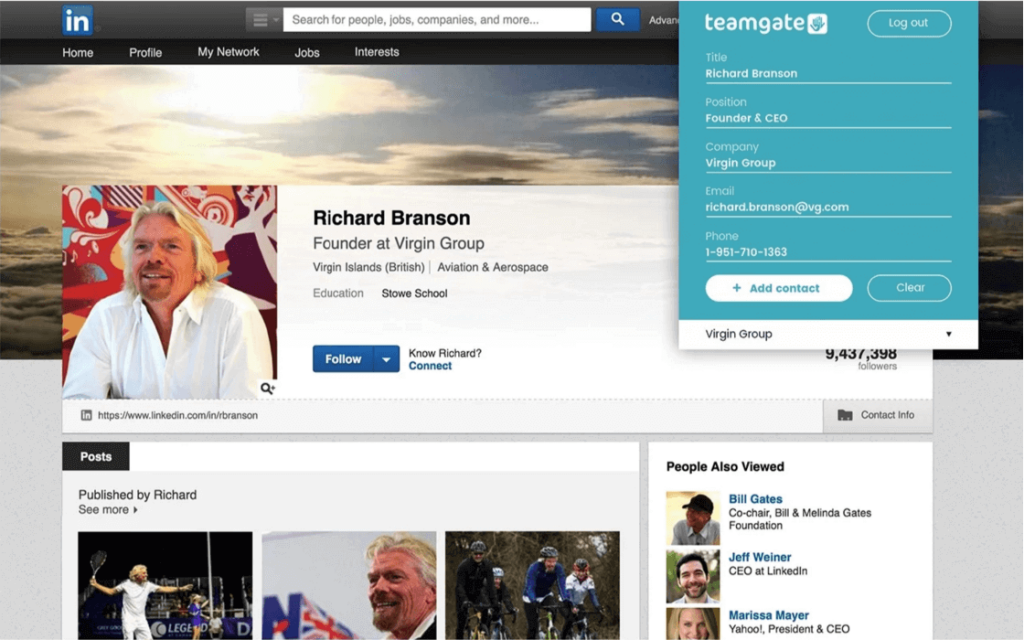
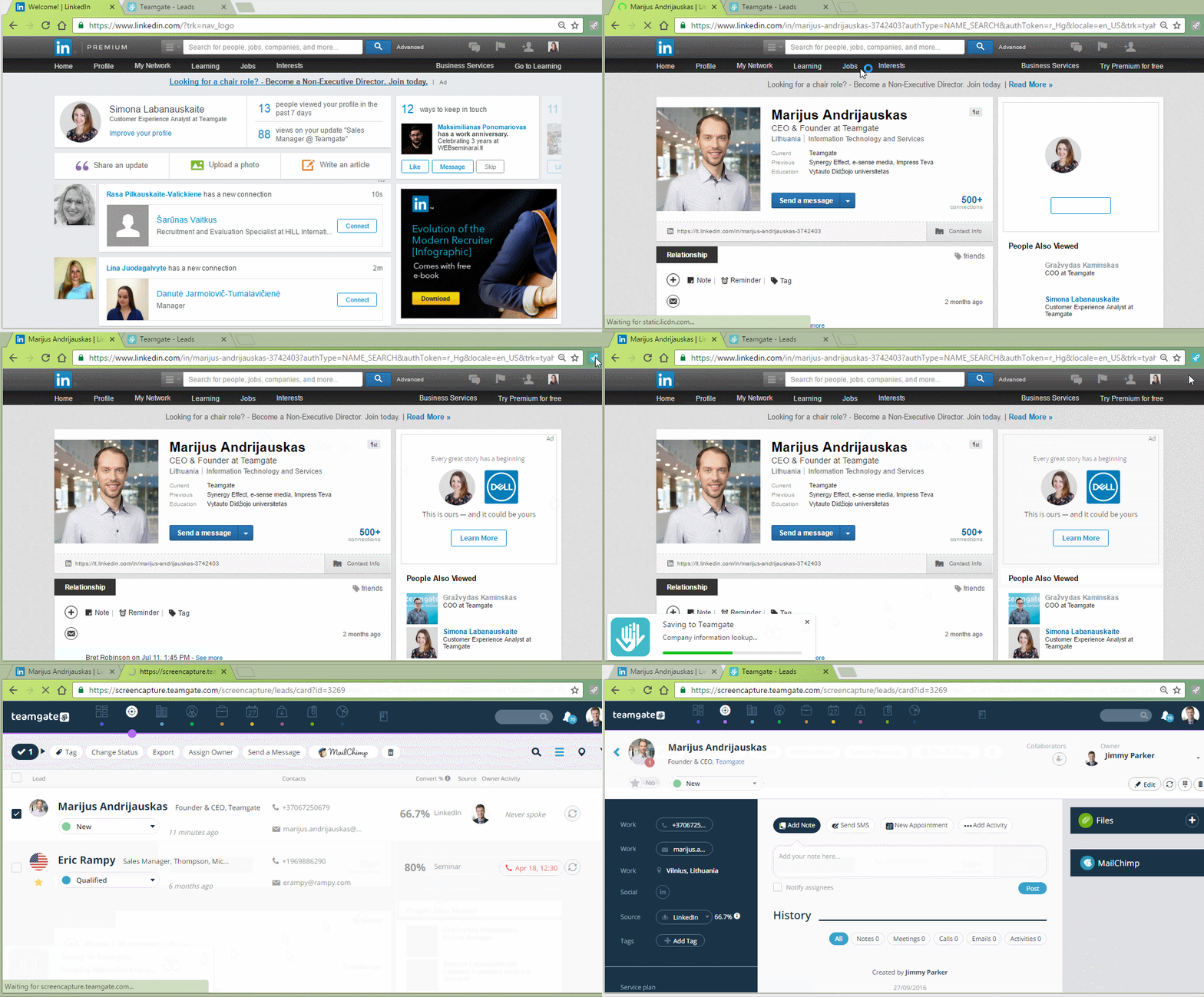
Teamgate-LinkedIn Shuttle – tai Google Chrome naršyklės įskiepis (angl. extension), kurio pagalba, vieno mygtuko paspaudimu galiu savo norimo ir ieškomo kontakto duomenis persikelti iš LinkedIn į savo Teamgate CRM paskyrą. Kaip visa tai atrodo ir ką reikia daryti esame aprašę savo blog’e.

Kodėl toks Lead’ų generavimo būdas yra svarbus ir naudingas?

  • Galiu sutaupyti laiko duomenų įvedimui ir nepadaryti klaidų;
  • Shuttle suras reikiamą informaciją – vardą ir pavardę, bendrovės pavadinimą, telefono numerį ir el. pašto adresą (jeigu kontaktas juos yra įvedęs į savo LinkedIn paskyrą);
  • Vykdote eksportą? Jums svarbu surasti sprendimus priimančio žmogaus kontaktinę informaciją, todėl procesas bus paprastesnis;
  • Realiu laiku, t.y. sėdėdami konferencijoje, būdami prie stendo ir kalbėdami su potencialiu klientu, Jūs galite paprašyti jo vizitinės ir prie jo perkelti jo kontaktus į CRM, ir suplanuoti veiksmą, kurį darysite po susitikimo.

Teamgate-LinkedIn Shuttle

Rašydamas ir viešindamas apie šio įrankio galimybes, apeliuoju ne tik į proceso palengvinimą generuojant šaltus kontaktus (Lead’us). Apeliuoju į Jūsų, kaip pardavėjo, darbo etiką ir pardavimo procesą, kurį Jūs laikote pačiu geriausiu.

Vėliau, jeigu kas nors skaitys šį mano parašytą tekstą ir norės daugiau, pažadu parašyti kokį pardavimo procesą arba darbo etiką reikia palaikyti, kad procesas nuo lead’o generavimo ir sutarties pasirašymo būtų atliktas per trumpiausią laiką ir su didžiausia sėkmės konversija.

Dar truputis apie Lead’us. Atminkite – kontaktinė informacija ne visuomet yra pati svarbiausia. Itin svarbia informacija apie šaltą kontaktą (Lead’ą) aš laikau jautrios informacijos apie jį ar informacijos apie ketinimą pirkti, gavimą ir turėjimą. T.y. Ar jis atitinka mano ICP (Ideal Customer Profile) apibrėžimą ir ar jis, kaip šaltas kontaktas (Lead’as), turi galimybių būti konvertuotu į potencialią galimybę. Ar šaltas kontaktas (Lead’as) tik ieško savo problemos sprendimo, ar yra aiškiai įsivardijęs, ko konkrečiai jam reikia, o galbūt tai yra importuotos į CRM duomenų bazės šaltas kontaktas (Lead’as), apie kurį aš nieko nežinau ir reikės vykdyti telemarketingo veiksmus.

Teamgate-LinkedIn Shuttle Gif

Tad, norėdamas pasakyti daugiau apie Teamgate-LinkedIn Shuttle, nukrypau į Lead’o apibrėžimą, apie informacijos apie jį turėjimą ir gavimą, apie lead’o konvertavimą ir pavertimą švarios duomenų bazės dalimi, ir potencialia galimybe. Bet atminkite, kad dirbdamas pardavimuose, tu kiekvieną dieną turi įvertinti ar dirbi su teisingais ir potencialiais lead’ais ar šaltiniais, iš kurių jie ateina ir yra generuojami, konvertuojasi į pelningus sandorius, ar tik lieka neatsipirkusia investicija.

Viską galima išbandyti, tad bandykite. Šiai dienai aš siūlau išbandyti Teamgate-LinkedIn Shuttle. Žinoma, paslėpta yla iš maišo išlindo ir ji skamba taip: kad galėtumėte išbandyti Teamgate-LinkedIn Shuttle ir Lead’ų generavimą, Jums reikės išbandyti ir Teamgate CRM.

[cta title=”Spausk čia ir NET 14 dienų naudokis nemokamai!” link=”https://www.teamgate.com/lt/isbandyk/” btitle=”IŠBANDYK!”]

Tad, nuo ko pradėti:

  1. Paskaityti mano mintis
  2. Paskaityti blogo įrašą EN kalba
  3. Užsiregistruoti Teamgate puslapyje.
  4. Įsidiegti Teamgate-LinkedIn Shuttle į savo Google Chrome naršyklę (siųstis)
  5. Įsijungti savo LinkedIn ir susirasti žmones, kuriuos norite persikelti į savo Teamgate CRM paskyrą.