In this article, we will guide you on how to improve your sales skills, even if you’re not a salesperson. By understanding the importance of selling in various aspects of life and adopting effective strategies, you can become a successful go-getter and turn life’s hardships into triumphs. From changing your perception of selling to mastering closing techniques, you will learn valuable insights to enhance your sales skills and achieve your goals.

Key Takeaways:

  • Change your perception of selling: Collaborate with customers to find the right solutions instead of pressuring them.
  • Put yourself in the buyer’s shoes: Understand customer motivations to tailor your pitch effectively.
  • Plan, practice, and stay calm: Meticulous preparation, role-playing, and composure enhance sales skills.
  • Manage the pipeline and close deals: Read customer cues, focus on key decision-makers, and employ effective closing techniques.
  • Think long-term and read up: Accept rejection gracefully, follow up with leads, and expand knowledge through sales books.


Knowing how to sell is not a dirty secret, it’s an enormous advantage in any endeavor. Wouldn’t it be nice to finally negotiate that raise? Or get your colleagues’ buy-in on the project? Even if you’re not a salesperson, your sales skills will determine how successful you are in your career, your relationship, and even your life, in general.

Effective salespeople excel at communication, active listening, public speaking, social psychology and many other things besides negotiation and closing. Dedicating your time and effort to improving these skills will propel you into a future where your highest ambitions become a reality.

Follow these proven strategies on how to improve your sales skills to become a successful go-getter, and turn life’s hardships into triumphs.  

Change your perception of selling

Picture Jordan Belfort, the legendary Wolf of Wall Street, so ingeniously brought to life by Leonardo DiCaprio, selling worthless penny stocks to unsuspecting customers and making millions on their backs. Dishonest, sleazy, self-serving; he is the embodiment of the cliché of a salesman that is still very much alive and vivid in a lot of people’s minds.

Try asking around what a salesperson actually stands for in customers’ eyes, and you’ll likely get a lot of “pushy”, “silver-tongued”, and “cunning”. The fact that, in the past, salespeople thrived on pushing unwanted products and always put their commission before a customer’s needs, doesn’t make it easier for modern salespeople to get the deserved trust and respect today. But the sales techniques have long evolved to match the much savvier consumers’ needs and expectations. If you want to really hit the sweet spot with your customers, you need to change your perception of selling.

Selling is no longer an act of simply getting someone to buy from you. It’s not about putting pressure on your client and bragging about your product. Selling is now a much more consultative, demand-generating process. A modern salesperson is first and foremost an active listener, whose goal is to drive change and work in collaboration with the customer to find the right solution. Being persuasive, inspiring and leading is part of the job description. And closing the deal is only half the job done.  

Sales Process Methodology Evolution

Put yourself in the buyer’s shoes

If a good salesperson can give a customer what they want, then a great one can give them what they need. Before launching into your pitch, you must do your research to uncover the underlying motivations for buying. Essentially, people buy because of two reasons: they either want to solve a business problem or achieve a personal or professional goal, something that would satisfy a need or desire.  

Without understanding what’s driving your customer’s decision, it will be significantly more difficult to drum up their excitement and get them to envision the better, brighter future that your product can create. There are different approaches to harvesting the information you manage to gather. You can choose to press it where it hurts and demonstrate the value of your product by amplifying the customer’s pain points, or you can tap into the customer’s emotions and use their personal or professional objectives as the guiding star for your pitch. Inspiring people to pursue their desires can be just as powerful as encouraging them to act on their problems. But only you can know which approach is more appropriate to the customer you’re dealing with because you’re the one with all the information in your hands.  

Being able to connect the dots between your customer’s business needs and their personal motivations is what helps great salespeople be more empathic, offer customized solutions and ultimately, close more deals. Don’t skip the research stage. Invest time and energy into developing a deeper understanding of the environment your customer is operating in, and you will learn to recognize the real motivations behind their buying decisions.

Plan and practice

Practice makes perfect, and all successful salespeople live by this belief. Selling is no improv game; it requires meticulous preparation, planning, and practice. But don’t mistake preparation with learning a sales pitch by heart – it won’t get you far. The whole point of role-playing sales conversations is to get a sense of how they flow and feel. One of the biggest mistakes a salesperson can make is to go from rehearsing a pitch in their head to talking directly to a client. You’ll often realize, much too late, unfortunately, that your pitch is too disconnected from the solution you’re supposed to be offering, that you’re using the wrong language to communicate and are failing to hit the mark with the customer.

Enlisting a team member or a seasoned manager to role-play sales situations is probably one of the easiest ways of getting professional feedback and improving your sales skills. If you’re eager to get a less biased opinion of how your pitch sounds and feels, you can always ask a trusted friend or a family member to hear you out and rate your performance.

Getting involved with a local charity can also be an excellent opportunity to improve your sales skills. Charities are always on the lookout for people who aren’t afraid to go out there and raise funds for great causes. Technically, fund-raising is not selling, but it requires a very similar skill set, mentality, and body language, and therefore, could be a perfect training exercise.

There are literally hundreds of ways how you can hone your sales skills – from enrolling to sales workshops or finding a mentor, to making it your goal to convince a friend to go to that concert with you. What you need to understand about sales is that it’s a journey of many steps. Different skills will help you accomplish different objectives, so focus on identifying your weak points and work on them one by one.

Stay calm and don’t brag

It’s impossible to prepare for every imaginable situation, so chances are, it won’t always go as planned. With the adrenaline surging and your brain scrambling to find a way out, it can be difficult to maintain a confident posture and stop yourself from talking too much or from rambling a meaningless string of words. Although easier said than done, you must learn to stay calm and composed, keeping your body language confident and your facial expressions relaxed. Try to keep your tone and pace in check, as these two factors carry an enormous influence on how your pitch is received.
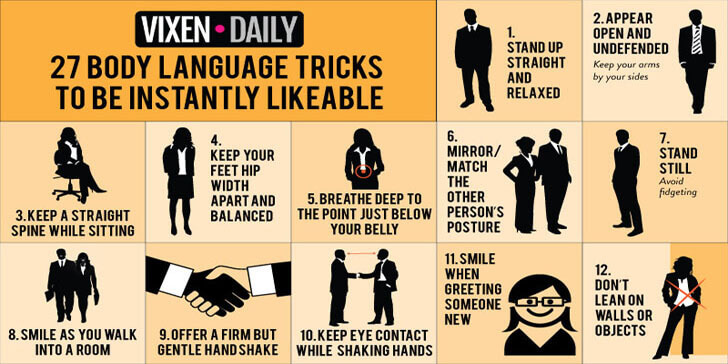
Sales Process Skills Body Language Moves

Every experienced salesperson will tell you that successful selling relies on establishing deeper connections and encouraging peer-level interactions. You absolutely want to be seen as an expert and authority in the field, but in no way can you come across as condescending. Nobody wants to be lectured, especially people who are about to spend their money with you. Ensure you always treat your customers with due respect.

Another extreme situation that salespeople can sometimes find themselves in is when they lose confidence in the sale and start begging. The second the customer catches the mood, they’ll begin doubting you and back out of the deal.

In these fight or flight situations, our biological response can sometimes overpower the rational mind, and so we either succumb to bragging or go all guns blazing. But even if you’re selling the best product on the planet, your job is to guide the customer to that revelation, not to beg them to believe you or shove ‘the truth’ down their throats. Mentally preparing yourself is a big part of your success.

Work to understand how your customers will buy

It’s extremely rare for customers to make big buying decisions on the spot. In fact, research shows that 51% of the purchase decision is complete before the customer even approaches the supplier. Modern consumers are especially choosy and take their time to study various options before they commit to any purchase. Thanks to the vast amount of high-quality information accessible online, including reviews published by other consumers, they can have pretty much everything they need to make up their mind. There’s no need to talk to a salesperson anymore, and that’s a huge risk for companies of all sizes. Allowing potential customers to deliberate on their own, puts the sales team at a great disadvantage.

One strategy that salespeople are employing to tackle this issue is simply assuming the customer’s viewpoint and reverse engineering the customer’s buying journey. If you really commit to learning and better understanding the steps a customer takes as they move through their buying process, you will be much better equipped to provide the right content and solutions at the right time. Think like your customers do and you’ll soon be calibrating your strategy regarding customer actions and not your sales process. With content marketing being such a fundamental element of a modern buying process, sales teams should make it their priority to work closely with their marketing colleagues to attract, nurture and qualify high-quality leads that will later convert to paying customers.
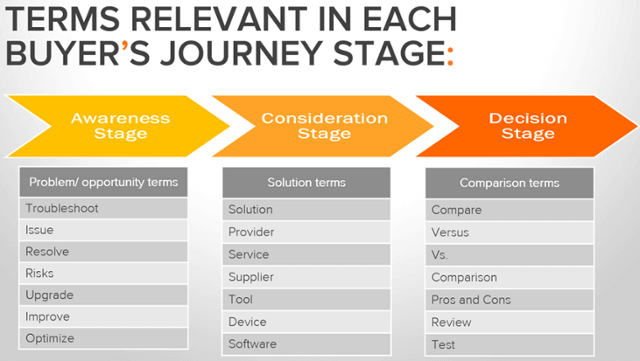
Sales Process Skills Relevant Terms

Manage the pipeline

Successful selling draws on the salesperson’s ability to read and understand the cues in the customer’s behavior. The lesson many learn the hard way is that the customer is looking for a solution, not a product. No matter where you are in your sales process and no matter what you think should follow next, if the customer isn’t ready and you try to close the deal, you blow it. Seasoned salespeople approach selling with a different mentality. Reviewing each case from the customer’s perspective and trying to understand where in their buying process they are, allows them to see the real status of the opportunity and what steps they can take next to try and bring it to a close.

Armed with such tools like a sales CRM, a salesperson can up their game to a whole new level. Teamgate users frequently highlight the importance of a robust sales process and how using a CRM makes cementing the fundamentals a lot easier and faster. Improving your sales skills can often be achieved through discipline and following a well-defined sales process. A smart CRM can ensure you never stray too far away from your sales strategy, focus on the leads that are qualified and accelerate your sales velocity by eliminating unnecessary steps in the buyer’s journey.

Focus on the most influential decision makers

Sometimes the person you’re pitching has no real decision power or is only one of many stakeholders in the decision-making process. You still need to persuade them to get on the list of “the most suitable solutions”, though, and get your foot in the door but stopping there would be a mistake. To succeed as a salesperson, you need to look beyond the simple interaction and identify the key influencers who have the power to sway the buying decision.

C-level executives are often the people calling the shots, however, getting access to them can be problematic. Without exception, all of them have their own gatekeepers – people who work relentlessly to prevent unsolicited sales calls, unplanned meetings, and time-wasting interactions. Typically, a personal assistant, secretary, or company receptionist play the role of the gatekeeper and getting past it is an art form in itself. Whichever strategy you choose to get your way, remember that the gatekeeper is not your enemy and trying to sneak past them will probably get you cut off at the knees.

Establishing rapport with the person you’re pitching can also provide an alternative route to reaching all key stakeholders. If you manage to find out who the stakeholders are, you can stay one step ahead and diligently manage all buying objections by providing everything the stakeholders of different caliber might need. If the person you’re talking to will be the user, he’ll be interested in the features and benefits of your product, while his manager could be mainly concerned with the price and high-value add-ons. Learning to identify the most influential decision makers will undoubtedly help you improve your sales skills and close more deals.
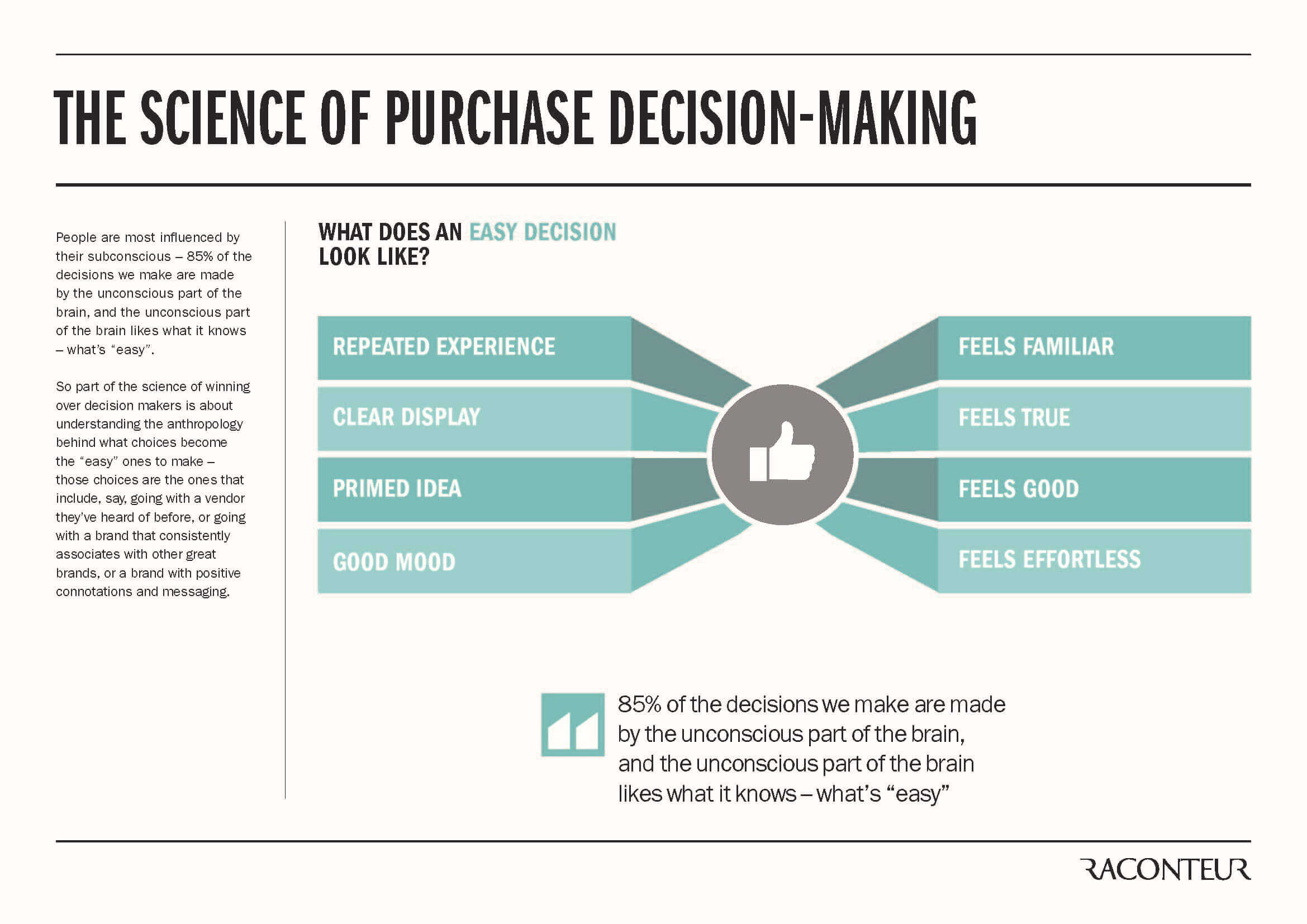
Sales Process Skills Decision Making

Close the deal

Closing is, of course, the most important part of the sales process. It is the time of the big verdict when all the strengths and weaknesses of your pitch come to light. We have already talked about the new spirit of selling – a successful salesperson does not push, pressurize or sweet talk people into buying. They follow a well-defined, step-by-step process to carefully nudge prospects in the right direction, and when it comes to closing the deal, they adhere to the best practices and use a technique that is most appropriate to that particular prospect.

To improve your sales skill, you must master at least the top few techniques to be able to pull out the right one when the time comes. Here are some of the most powerful closing techniques you should know.

Creating a sense of urgency: it’s now or never. It’s an oldie but goldie. Salespeople use this technique when they can make a special, limited-time offer that has a great alluring effect and prompts immediate action from the prospect. By employing phrases like:

  • If you sign up today, I can give you a special discount;
  • If you would like to move forward with this, please let me know as soon as possible because it is the last available spot/ the last one at this price;
  • I could throw in an extra X if you commit to buy today.

There are many variations of the closing line, as it depends on your product and the special offer you can make. However, be sure to showcase the value of your product before you resort to this technique, otherwise, it can come across as too pushy.

Using questions to overcome objections. One skill that effective salespeople learn early in their careers is asking probing questions throughout the entire sales process. Closing a deal does not necessarily mean delivering a miraculous pitch that turns the customer around at the very end of their buying journey. It’s about taking a methodical approach to eliminating objections to purchasing from the first touch point. Crafting questions that both illuminate the outstanding objections and get the customer to commit to the next step will allow you to quickly realize why the customer isn’t quite convinced as well as continue selling. Here are a few good examples of effective closing questions:

  • In your opinion, does the offer I’m making help you solve your company’s pain point?  
  • Is there any reason why we can proceed to the next step?
  • Is there anything that could stop this deal from happening?

Test the buyer’s intent before closing. This is one of the most famous closing techniques, known as the trial close. The beauty of this technique is that it can be used at any stage of the sales process, so you can always use it to simply check if you’re on the right track. Customers are likely to have objections at various stages in their buying journey, especially regarding such sensitive topics as price and implementation timeline. That’s why effective salespeople focus on addressing those arguments early in the day so that they can take the sale forward and close confidently. Here are a few possible examples of the trial close:

  • Does everything we have discussed so far meet your expectations/satisfy your needs?
  • If we can overcome this issue by X, would you be ready to take the next step?
  • How do you feel about the payment terms?
  • Based on what you’ve heard so far, what are your concerns/questions?

Think long term

Let’s face it, being rejected on a daily basis is also part of the job description. Salespeople who learn to accept a “no” and move on to another sale without a soul-crushing disappointment are the ones that succeed long-term. A “no” today might be a “yes” in three months, so you must keep your eyes on the big picture.

Don’t take rejections personally. Buying decisions are very complex; there are lots of moving parts and different interests at play. It doesn’t always come down to your closing pitch or your overall performance, the client’s circumstances might change, but it doesn’t mean the problem disappears. If you make a point to circle back every few months to follow up on the leads that fell through, sooner or later, you’ll find them in the right mind for buying.

Sales Process Skills Follow Up

Read up

Reading is probably the fastest and easiest way to absorb the knowledge of those who managed to accomplish what everyone struggles to. If you decide to take this endeavor of improving your sales skills seriously, put some time aside to read these all-time favorite sales books.

  • The Outward Mindset, by the Arbinger Institute:  the definitive guide to achieving an outward mindset that is the secret of teamwork and breakthrough results in work, relationships, and organizational performance.
  • New Sales. Simplified, by Mike Weinberg: a must-read for people who want to learn how to prospect, develop and close deals. 
  • The Only Sales Guide You Will Ever Need, by Anthony Iannarino: packed with extensive research and experience, this book can turn any amateur into a great salesperson.
  • The Science of Selling, by David Hoffeld: this book will show you how to align the way you sell with how the human brain forms buying decisions.
  • The Lost Art of Closing, by Anthony Iannarino:  this book teaches you how to set up closing so that it becomes one of the easiest parts of the sales process.
  • Key Account Hack, by Jermaine Edwards: practical and packed with real-life examples, this book is your customer success guide.
  • Social Selling, by Tim Hughes & Matt Reynolds: essential reading for sales professionals who are looking for a step-by-step blueprint for harnessing the power of social selling.
  • Beyond the Sales Process, by Steve Andersen & Dave Stein: featuring instructional case studies and high-level research, this book will provide a methodology for driving success before, during, and after every sale.
  • Never Split the Difference, by Chris Voss & Tahl Raz: the bible of negotiation brought to you by the FBI’s lead hostage negotiator.

Conclusion

Becoming a great salesperson can be a life-changing experience. Once you grasp the fundamentals of effective communication, social psychology, negotiation, active listening and all the other skills that help salespeople succeed, you will not only be able to close more deals, but also lead a richer, happier life. Here’s a quick summary of the lessons to take away from this article:

  • Change your perception of selling – it’s not about putting undue pressure on your prospects, it’s about collaborating with them to create the right solutions.  
  • Put yourself in the buyer’s shoes – stop thinking about your sales process and study how and why your customers buy.
  • Plan and practice – you can’t wing a successful sale. Put the hours to plan and prepare for your pitches and polish your skills as you go.
  • Don’t brag or lose control over your body language – staying calm in situations where nothing goes to plan is crucial to moving the sale forward.
  • Work to understand how your customers will buy – try to reverse engineer the customer’s buying journey and use that information to guide the customer to conversion.
  • Manage the pipeline – adapt your sales process based on where customers are in their buying journey.
  • Focus on the most influential decision makers – learn to uncover the key influencers and look for alternative routes how to reach them.
  • Close the deal – use the best closing techniques to achieve your goal.
  • Think long term – don’t give up after the first “no,” learn how to follow-up without annoying your prospects.
  • Read up – tap into the unique expertise of sales industry gurus.

FAQ: Skills for salespeople

Q: What are essential skills for salespeople?

A: Essential skills for salespeople include effective communication, active listening, negotiation, relationship building, problem-solving, and adaptability. These skills help salespeople connect with customers, understand their needs, address objections, and close deals successfully.


Q: How can salespeople improve their communication skills?

A: Salespeople can improve their communication skills by practicing active listening, asking relevant questions, and focusing on clear and concise messaging. They can also seek feedback, engage in role-playing exercises, and continuously work on enhancing their verbal and non-verbal communication abilities.


Q: What role does empathy play in salespeople skills?

A: Empathy plays a crucial role in salespeople skills as it allows them to understand and relate to customers’ perspectives, emotions, and challenges. By demonstrating empathy, salespeople can build trust, establish rapport, and tailor their approach to meet customers’ specific needs, ultimately increasing the chances of successful sales outcomes.


Q: How important is resilience for salespeople?

A: Resilience is highly important for salespeople as they often face rejection, setbacks, and challenging situations. A resilient salesperson can bounce back from failures, learn from experiences, and maintain a positive mindset. Resilience helps salespeople stay motivated, persist in pursuing opportunities, and ultimately achieve long-term success in their sales careers.


Q: Can salespeople improve their skills through training and development?

A: Yes, salespeople can significantly improve their skills through training and development programs. These programs can provide valuable insights, techniques, and best practices for various aspects of sales, such as prospecting, closing, and building customer relationships. Continuous learning and honing of skills through training can enhance salespeople’s performance and effectiveness in their roles.


Unleash the full potential of your sales team with our comprehensive guide on sales training. We delve into its importance, explore various types of training programs, discuss key components of effective training, and illuminate how to choose the best program – all whilst using real-world and easy-to-understand comparisons and metaphors throughout.

Key Takeaways

  1. Sales training, an essential aspect of modern business, boosts sales performance and drives revenue growth.
  2. Diverse sales training programs such as on-the-job, classroom-based, online, and mentorship offer unique benefits.
  3. Effective sales training focuses on several core components, including prospecting, communication, product knowledge, sales process management, customer relations, and negotiation skills.
  4. Implementing sales training leads to benefits like improved sales performance, increased customer satisfaction, better team morale, and revenue growth.
  5. Choosing the right sales training program involves assessing your team’s needs, evaluating providers, considering training methods and materials, and analyzing cost and ROI.

Table of Contents

  1. Introduction to Sales Training
  2. Different Types of Sales Training Programs
  3. Key Components of Effective Sales Training
  4. Benefits of Implementing Sales Training
  5. How to Choose the Right Sales Training Program
  6. Conclusion: Next Steps to Implement Sales Training

Introduction to Sales Training

Sales training—the lifeblood of any successful organization, the engine behind converting prospects to clients, the pillar upon which sustainable growth rests. It’s the coordinated effort of imparting essential sales skills, strategies, and methodologies to sales professionals, significantly increasing their chances of securing that elusive “yes” from prospective clients.

In the hyper-competitive landscape of modern business, sales training isn’t a luxury—it’s a necessity. The marketplace evolves rapidly, and customer behavior along with it. To remain competitive, businesses must constantly adapt, and an integral part of this adaptation is ensuring your sales force is well equipped to navigate the ever-changing terrain. They need to master not just product knowledge, but also build proficiency in approaching, persuading, and converting potential customers. This proficiency is cultivated through robust sales training.

Different Types of Sales Training Programs

Navigating the rich and varied landscape of sales training programs can be akin to a heroic quest for the ideal catalyst to propel your sales team’s performance. The search is for the perfect mix that matches the team’s needs and learning style. The good news is, you have a treasure trove of options at your disposal.

On-the-job Training

On-the-job training is the seasoned warrior of sales training methods. It believes in learning by doing, by immersion in the battlefield. With this method, budding sales professionals learn the ropes under the guidance of their more experienced peers. They acquire invaluable, practical insights as they witness firsthand the art of closing deals, handling objections, and forming client relationships. The beauty of this method lies in its real-world, immediate application of knowledge, turning abstract concepts into tangible skills.

Classroom-based Training

Classroom-based Training, on the other hand, is the wise sage, offering structured lessons in a controlled environment. This traditional training method leverages expert facilitators who impart sales techniques, strategies, and principles through lectures or interactive workshops. The opportunity for in-depth discussions, debates, and real-time feedback makes it an essential component of any training repertoire.

E-Learning/Online Training

In contrast, E-Learning/Online Training is the tech-savvy guide, providing flexibility and convenience in the digital era. This training model delivers a standardized learning experience across different locations, making it ideal for geographically dispersed teams. With the help of elearning authoring software, organizations can easily create engaging modules, webinars, virtual reality scenarios, or interactive quizzes – the possibilities are as limitless as your imagination. This method ensures your sales team stays on the cutting edge, mastering the latest techniques and trends.

Sales Coaching and Mentorship

Lastly, Sales Coaching and Mentorship is akin to the trusted mentor, offering personalized training with ongoing support. This method pairs less experienced salespeople with seasoned professionals who provide constructive feedback, share their wisdom, and guide their mentees towards sales success. It’s a journey of growth, fostering not just skills, but also confidence and morale.

Each training method has its unique charm and efficacy. Your challenge is to weave them together, crafting a sales training program that is as diverse, dynamic, and dedicated as the team it’s designed to enhance.

Key Components of Effective Sales Training

A symphony of success in the world of sales emerges when key components blend in perfect harmony. Let’s dissect the melody that propels an effective sales training program.

Prospecting Techniques

First, we hit the note of Prospecting Techniques. Successful sales begin by identifying potential customers or ‘prospects.’ Training your team to leverage both traditional and digital prospecting methods ensures a steady influx of potential clients, forming the bedrock of any thriving sales pipeline.

Communication Skills

Next, we orchestrate the Communication Skills section. Sales is an art where the brushstrokes are words and the canvas is the client’s mind. Effective communication transcends beyond simple dialogue. It’s about active listening, understanding customer needs, and conveying solutions in a compelling, relatable manner. Sales training programs should devote significant attention to honing these critical skills.

Product Knowledge

The third movement in our symphony is Product Knowledge. A salesperson’s knowledge about their product or service functions as the sheet music in their performance. It’s the foundation upon which confidence is built, and credibility is established. Mastery of product knowledge allows salespeople to answer queries, overcome objections, and highlight the unique selling propositions effectively.

Sales Process Management

Sales Process Management enters as the fourth key component. The sales process, a structured journey from prospecting to closing, requires meticulous management. Training in this area encompasses understanding and navigating sales stages, using CRM systems, and handling data and analytics. It’s akin to the conductor’s role, maintaining the rhythm and flow of the sales ensemble.

Customer Relationship Management

As the symphony nears its climax, Customer Relationship Management (CRM) takes center stage. Today’s business world values relationships above transactions. Sales training should emphasize strategies to build, nurture, and sustain relationships with customers, turning first-time buyers into loyal patrons.

Negotiation Skills

Finally, we conclude with Negotiation Skills. The grand finale of the sales process often involves negotiation. Training in this skill empowers salespeople to reach mutually beneficial agreements without compromising relationships or profitability.

In concert, these components form the basis of an effective sales training program. They strike the perfect chord, resonating with the rhythm of sales success. Together, they play the symphony that is the art of selling.

Benefits of Implementing Sales Training

Imagine a potter at the wheel. Each firm press and gentle coaxing shapes the clay, transforming a humble lump into a vessel of purpose and beauty. That’s the magic of sales training. It molds your team, sculpting amateurs into sales maestros.

Enhanced Sales Performance

Firstly, sales training enhances Sales Performance. It’s the sharp blade that carves mediocrity into excellence. Your team learns to wield powerful techniques, construct persuasive narratives, and navigate customer psychology with deftness. They become efficient hunters in the sales savanna, bagging bigger deals with greater frequency.

Improved Customer Satisfaction

Secondly, it cultivates Customer Satisfaction. In a market blooming with choices, the adage “the customer is king” rings truer than ever. A well-trained sales force understands this royal decree. They don’t just sell; they solve problems, address needs, and build relationships. In return, they earn the invaluable currency of customer loyalty and referrals.

Better Team Morale and Confidence

Next, sales training boosts Team Morale and Confidence. Think of it as the sunshine that nourishes the garden of your sales team’s spirit. With each new skill mastered and each challenge overcome, confidence blooms. The process instills a can-do attitude, fostering a thriving culture of positivity and ambition. It’s not just about making sales; it’s about making salespeople.

Increased Revenue Growth

Lastly, sales training fuels Revenue Growth. It’s the powerful engine that propels your sales vehicle towards the golden horizon of business success. By enhancing performance and customer satisfaction, sales training accelerates revenue generation. It’s the virtuous cycle of success – a better-skilled team secures more sales, resulting in higher revenue, and more resources for further training and development.

Sales training, therefore, isn’t an expense; it’s an investment, one that yields rich dividends. It’s the master potter shaping your team into formidable sales champions, leading your organization towards uncharted territories of success and growth.

How to Choose the Right Sales Training Program

Choosing the right sales training program can feel like standing at a crossroads in an unfamiliar land. You know that one path leads to your destination, but which one? Here’s your compass to navigate this critical journey.

Identify Your Sales Training Needs

The first step is to Identify Your Sales Training Needs. It’s like drawing a map of your desired destination. Every team is unique, with distinct strengths to harness and weaknesses to address. Consider factors such as your industry, product, market, sales cycle, and the skill gaps in your team. A needs assessment will give you a clearer picture of what you should be looking for in a sales training program.

Evaluate Different Sales Training Providers

Next, you Evaluate Different Sales Training Providers. Now that you know your destination, you need a reliable guide. There’s a multitude of training providers out there, each with its unique style and specialization. Research their reputation, track record, and client testimonials. Speak to their past clients if possible. Ensure their expertise aligns with your identified needs.

Consider The Training Methods and Materials

Then, you Consider The Training Methods and Materials. Different learning methods resonate with different people. Some might thrive in an interactive workshop, while others might prefer self-paced online modules. Ensure the provider’s teaching style aligns with your team’s learning preferences. Also, look at the quality of their training materials. High-quality, engaging materials can make a significant difference in the learning outcome.

Look at the Cost and ROI

Finally, you Look at the Cost and ROI. Budget considerations are inevitable, but they should not be the sole determinant. Remember, sales training is an investment. It’s not about finding the cheapest option, but the one that offers the best value. Estimate the potential return on investment. If a program promises to significantly boost your team’s performance and drive revenue growth, it might be worth the extra expenditure.

Choosing the right sales training program is like plotting a course to your success destination. By identifying your needs, evaluating providers, considering training methods and materials, and weighing the cost against ROI, you’ll find the path that leads straight to your goal. It’s not just about training; it’s about transforming.

Conclusion: Next Steps to Implement Sales Training

And so, we reach the end of our journey into the world of sales training, charting its importance and the undeniable benefits it offers. A world where sales performance is supercharged, customer satisfaction is enhanced, team morale is soaring, and revenue growth is palpable. It’s a transformative realm, shaped and sculpted by the potter’s hands of an effective sales training program.

But knowing is only half the battle. The true victory lies in action. The map has been drawn, the compass calibrated. It’s time to embark on your journey. Analyze your needs, scrutinize providers, consider methods and materials, and weigh the cost against the ROI. Choose the program that promises to be the alchemical element, turning the lead of your current sales performance into the gold of unprecedented success.

And remember, in this expedition of transformation, Teamgate CRM stands as your reliable companion. A tool that not only helps manage your sales process but also offers valuable insights to enhance your training. So, take the next step. Adopt the right sales training program, and let Teamgate CRM be your guiding star in the voyage towards sales excellence and book a free system today.

Frequently Asked Questions

  • What is sales training and why is it important?
    • Sales training involves equipping sales professionals with the necessary skills, strategies, and methodologies to enhance their sales performance. This includes mastering prospecting techniques, communication skills, product knowledge, and more. In today’s highly competitive business landscape, sales training is essential to stay ahead. It ensures your team can effectively approach, persuade, and convert potential customers, leading to increased revenue.
  • What are different types of sales training programs?
    • Sales training programs can take various forms. These include on-the-job training, where salespeople learn in real-time by shadowing more experienced colleagues; classroom-based training, which involves attending lectures or workshops; e-learning or online training, which provides flexible and accessible learning experiences; and sales coaching or mentorship, which offers personalized guidance from experienced professionals.
  • What should a good sales training program include?
    • A robust sales training program should address multiple core components. These include prospecting techniques to identify potential clients, effective communication skills, comprehensive product knowledge, understanding of the sales process, customer relationship management abilities, and negotiation skills.
  • How does sales training benefit a business and its employees?
    • Sales training benefits businesses by enhancing sales performance, leading to increased revenue. It also improves customer satisfaction by equipping sales teams to better understand and address customer needs. For employees, sales training boosts confidence and morale, making them feel more prepared and motivated in their roles.
  • How do I choose the right sales training program for my team?
    • Choosing the right sales training program involves identifying your team’s training needs, evaluating different sales training providers, considering the training methods and materials, and looking at the cost and potential return on investment. Understanding your team’s needs and learning preferences is key to selecting a program that will effectively boost their skills and performance.
  • What are the next steps to implement sales training in my business?
    • To implement sales training in your business, first assess your current sales performance and identify areas of improvement. Then, choose a sales training program that addresses these needs. Remember that training should be an ongoing process—continue investing in your team’s development and refining your sales strategies to stay competitive.

Every business must make sales to survive, so it’s important to improve your sales and bottom line by focusing on your sales coaching. What is sales coaching and how can it help your business perform better? We’ll explore the A-Z of sales coaching here.

Sales Coaching in a Nutshell

Sales coaching is the process of teaching and helping sales reps improve their performance and meet or surpass sales quotas and benefit the organization. Sales coaching isn’t a one-time training session for sales reps when they join the company; rather, it should be an ongoing process that takes into consideration each sales rep’s individual qualities and strengths. A sales coaching program must be personalized, ongoing, and also focused on skills instead of numbers.

Integrating Sales Coaching

There are some great coaching scenarios you can use for your business to train your sales team into becoming top performers. These include pipeline reviews, where a manager would review a sales rep’s pipeline and manage the steps that need more focus. This means you can shorten the sales cycle but you’re also showing reps how to manage their pipelines.

You can also hold customer meeting debriefs, and sit down with sales reps to review meetings from start to finish and analyzing how each meeting went. Think about what went well and what can be improved, as well as the learning experience the rep is taking from it. Another option is call shadowing, so you can provide feedback afterwards or step in to help if needed. This helps new sales reps because they get personalized feedback to boost their self-confidence. Try not to do this too often as employees can start feeling micro-managed.


Sales Coaching Techniques

When you build your sales coaching program, you need to think about how you’ll provide the guidance and feedback, in addition to when you should be coaching, which we’ve just seen.

1. Account Maps

You can’t keep track of all your reps on a daily basis, so coach your sales reps to build themselves an account map for each deal which helps you monitor each one’s status. As per Jason Huntmar, a sales analyst at Brit Student and Write My X, “this should be their contacts, their role in the deal, and the relationship. It makes it a lot easier to review without wasting time.”

2. Tracking and Measurement

Because there are measurable outcomes, you must collect data on the process to help make decisions. As a sales rep coach, have a clear strategy to track what’s going on and your process for training your team members and tracking their sales data. Keep track and collect data on the quota attainment, the average deal size, their win rate, revenue, and sales funnel leakage.

You don’t want to focus just on numbers, as that’s just a small part of performance, but you do need to know their progress and what needs improving or what they’re doing well. Look into pairing this approach with a qualitative method, and use empathy as your baseline to avoid being a micro-manager.

3. Use Other Sales Reps

Coaching isn’t just about your one-on-one with the employee. Use some peer-review methods so your reps can learn from each other. Ask your top sales reps with best performances to hold meetings and share best practices, and review calls together for shared feedback.

4. Focus on Middle Performers

You don’t have endless time to invest in coaching your team. Sam Hillier, a marketing blogger at Australian2Write and Next Coursework, says that “managers often make the mistake of coaching only their lowest and highest performers, when they should be focusing on the middle 60%. These are the performers who have the most space to grow and improve and are worth the time investment.”

5. Ask Questions

You shouldn’t always just tell the sales rep what they are doing wrong or where they can improve. Instead, you should ask questions and have two-sided conversations, which is a proven effective method and helps the rep understand how and where they can improve and be more invested in the process.

These methods all have big benefits for the organization, from benefits to the sales teams, to the leaders, to the clients and customers, and the business as a whole. This is a process that’s more than onboarding and training and goes on throughout a sales rep’s career.

Whenever I am working with a startup company and training their sales team, the topic of sales scripts simply cannot be avoided. Many confident salespeople will say that they don’t need a script as it is too robotic and doesn’t sound natural.

Although I can understand this point, I just don’t agree with it. If you watch top actors on stage or in films, every single word is scripted, yet they can evoke a range of emotions from you to the point that you feel that it is completely natural. Salespeople are very much like actors, they have to develop their persona around every person they speak to. They have to give a different performance with every single call they make, from a likeable cold call performance, a trustworthy relationship-build performance to a close friend account management performance.

To make this clear, my standpoint on sales is that you have to be genuine and honest at all times, however, your intonation, your pauses, your breathing is all a performance, and so accept that a script is step 1 in the process of making sales. Only at the stage where your whole performance is perfect, then you should focus on leaving the script behind and start enjoying and improvising.

How to make a sales script

Everybody reading this blog will have a different product, a different USP, a different way to disrupt their chosen market. However, any startup focussing on B2B sales has exactly the same approach. They need to create leads, interest people, demo the product and then sign them up on a trial to then upsell to become a long term customer.

To make a sales script you need to get the structure correct for the whole call.

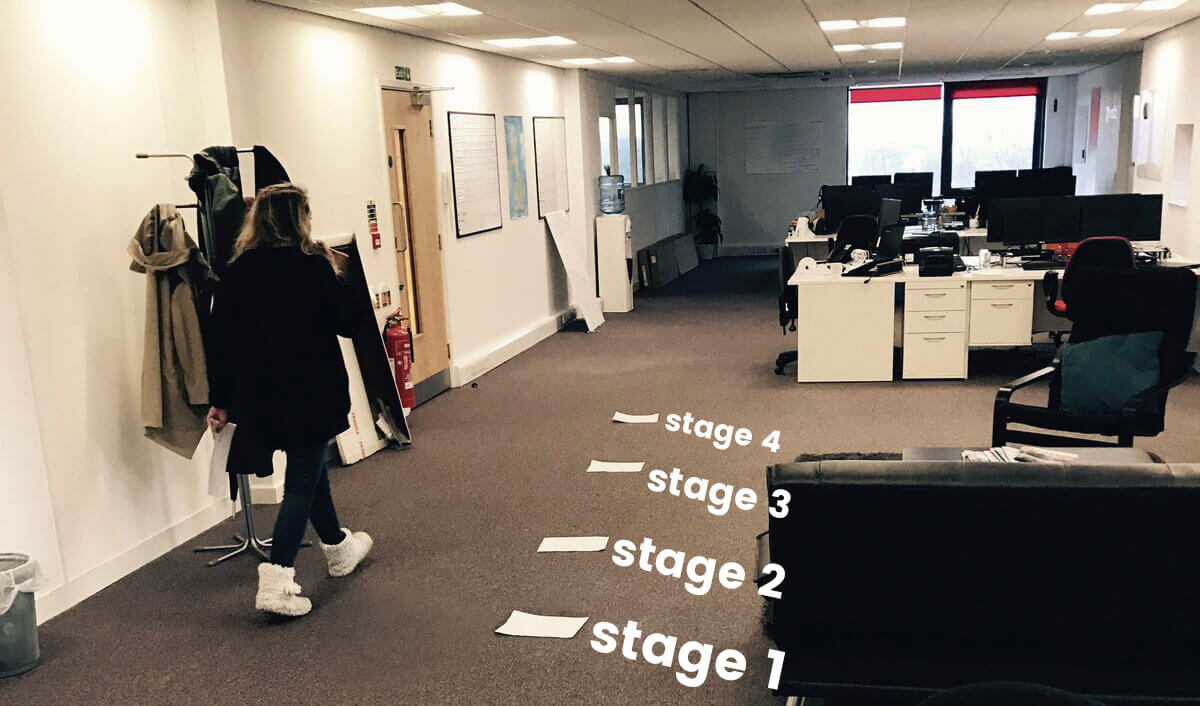
Often to explain the point that a sales script is like a journey where every step has to be completed before moving on to the next part of the call, I try to demonstrate this physically. I get all parts of the scripts written on sheets of paper and place them on the floor. Then I get the sales person to practice the script as they are walking so they can understand the importance of how linear the call should be.  

How to write a sales script

Stay with me here and let’s apply this analogy to the call:

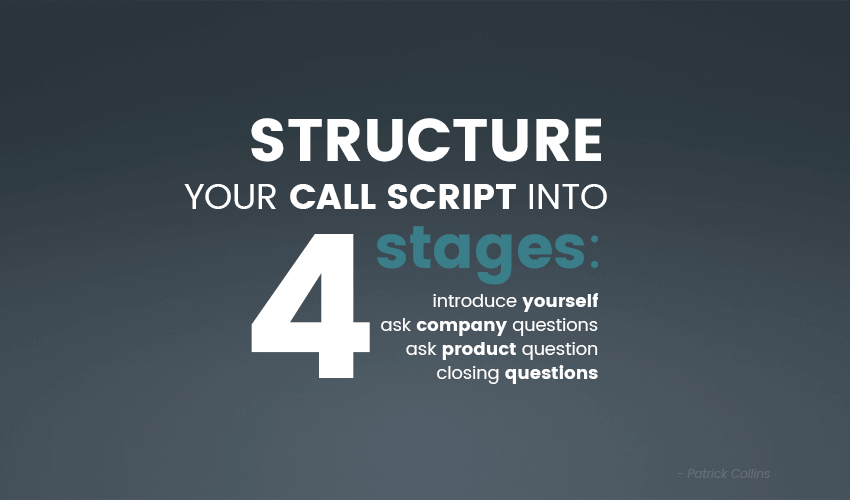
Stage 1: You call to introduce yourself. The responses and topics from the customer are very broad and conversation can go in any direction

Stage 2 : You ask company specific questions. The responses now are more limited and the topic of conversation is now heading towards a more focused direction

Stage 3: You ask product specific questions. The responses are now all focused on how you can help the customer

Stage 4: closing questions. You ask the customer if they are available for you to demo your product. You have led the customer down a path where their only option is to book a time for a demo as the context of the call has been set up correctly.

How to create a sales script

Sales Script Demo

Let’s look at an actual script that you can use. For the context of this, we can presume that there are no gatekeepers and you are speaking directly to the decision maker.

Opening Call

The Goal here is to simply, confidently and clearly introduce yourself. Don’t feel you have to justify yourself and never say “just”. Be confident of who you are. Also, you are politely asking for permission to speak, don’t just presume they are available because you have called.

You: Hi, can I speak to Mike, please?

Customer: Hi, Mike speaking. How can I help? (remember that Mike has received marketing emails, he has clicked on a guide and visited your site so you know he has a little context about you)

You: Hi Mike, my name is (X) and I am the owner of (insert company name). I sent you an email this week introducing myself, is it a good time to talk just for two minutes?

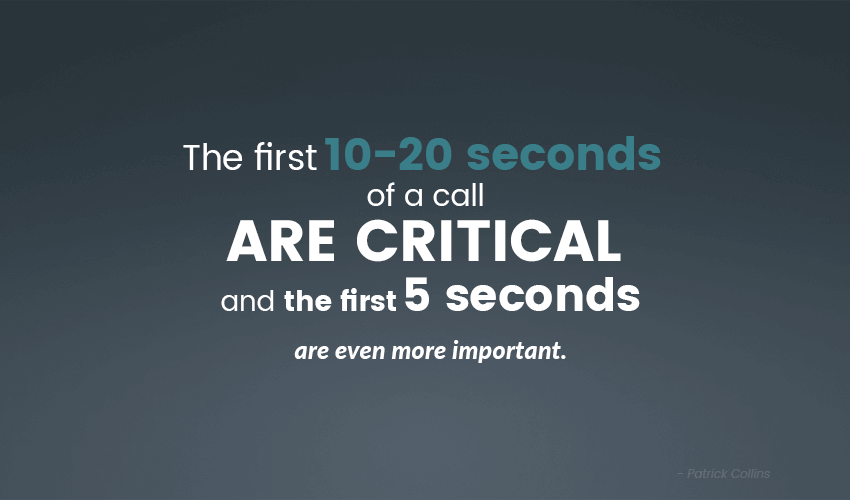
At this point, you could have already lost the sale. The first 10-20 seconds of a call are critical and the first 5 seconds are even more important. 

 How to write a sales script

Here’s how to avoid messing this up:

  • Introducing yourself confidently. You are going to convince this person to invest lots of time and money into you, so you should have the confidence to at least introduce yourself in the right way.
  • Always ask for permission. Just because someone answers the phone, it doesn’t mean they are free. You will only get one chance to introduce the product and so make sure you do it at a time when they are listening. If it sounds like the person is driving, eating, in a noisy atmosphere etc., just arrange to call back another time. Give yourself the best possible chance to set up the right foundations of a great call.
  • After you’ve introduced yourself don’t feel you need to justify anything. Don’t fill the silence with extra talking. Just introduce yourself and go quiet. The power of silence will actually emphasise the introduction you have just given and the customer will feel obliged to talk.

Product Introduction

Customer:  Yes, just two minutes. How can I help?

You: Great. So at (insert company name) we (insert one line tagline for the company). For example: “Great, so at Teamgate CRM we are an all in one platform for sales teams”.

At this point, you have to make sure your company description is succinct and clear.

Please, do not fall into the trap of being one of those startups whose description is so complicated that nobody understands what they actually do as a company. If you are struggling with this please read the Mom Test. Also, you have learned that the customer has two minutes. If they have two minutes and they are interested this can lead to 5, 10 and 15 minutes…

Build the intro more then ask 1st Validating Question

You: We work specifically with startups to help them improve their sales conversions. I just wanted to check if you are using a CRM at the moment?

What we are doing here is giving the customer more detail of the exact market that we are targeting. We are then asking a validating question:

  • to establish whether they are a suitable customer to sell to
  • to learn more about them so we can help them

Listen, Listen more then ask 2nd validating question

Customer:  Yes, we use (insert software) at the moment (the customer will then go on to talk about this. Let them talk as much as you can and just listen).

You: Sounds great and how do you find (insert product specific question that you know will highlight their vulnerability), e.g.: “sounds great and how do you find their sales reporting?”

Firstly, our focus here is being comfortable with listening. Secondly, you want to ask questions to try and highlight to the customer all the areas where they are vulnerable.

Sympathise and agree

Customer: It’s ok, but I can’t set a calls per day target or find out where my sales leads are coming from.

You: I completely agree. With any CRM it’s so important to be able to understand what is working well for making sales and what needs to improve.

What you are doing here is showing that you agree with the customer and flatter that they know what they are talking about. Also, you are highlighting your industry knowledge to show expertise.

Do you have a CRM that keeps you organised?

The most user-friendly CRM on the market. 14-day free trial.

Start Free Trial

Painless setup, no credit card required

Thank them for their time and get to the point

You: (insert customer name) I appreciate how busy you are and thank you for explaining your business in more detail. At (insert company name) we………..(insert more detailed product description that will excite the customer).

e.g. I appreciate how busy you are and thank you for explaining your business in more detail. At Teamgate CRM we have been working with startups for the past 4 years now. We aim to help companies like yours make sales, build scalable systems and create a framework for both training new sales staff as well as creating detailed reports for investors. I understand I have just called you out of the blue and so would you be free for a 10-minute demo this week where I can show you how the product works?

What you are achieving here is that you are giving a much detailed explanation of your software, showing good manners to thank them for their time, and then getting to the point to book a demo.

Close

Customer: Yes, that would be great. I am crazy busy this week but next week could work.

You:  Great, I’m free on Tuesday morning at 10 am or Thursday at 2 pm, what would be best for you?

At this stage you have to be very precise and get the call booked in. Don’t be too vague, just give them two set times and let them choose one. If they request a different time then I am sure you are free to accept it but just give the premise that you are busy and that you are organised.

Finish the call

Customer: Yes, Tuesday at 10 am would work for me.

You:  That’s great and I really appreciate your time. I look forward to running through everything next week.

From here you just want to make sure that the call is finished politely and you are setting up the framework for a great demo next week.

Full script altogether

You: Hi, can I speak to Mike, please?

Customer: Hi, Mike speaking. How can I help?

You: Hi Mike, my name is (X) and I am the owner of (insert company name). I sent you an email this week introducing myself. Is it a good time to talk just for two minutes?

Customer:  Yes, just two minutes. How can I help?

You: Great, so at Teamgate CRM we are an all in one platform for sales teams. We work specifically with startups to help them improve their sales conversions. I just wanted to check are you using a CRM at the moment?

Customer:  Yes, we use (competitor) at the moment. ……………

You: Sounds great and how do you find their sales reporting?

Customer: It is ok, but I can’t set a calls per day target or find out where my sales leads are coming from.

You: I completely agree. With any CRM it’s so important to be able to understand what is working well for making sales and what needs to improve.  At Teamgate CRM we have been working with startups for the past 4 years. We aim to help companies like yours to make sales, build scalable systems and create a framework for both training new sales staff as well as creating detailed reports for investors. I understand I have just called you out of the blue and so would you be free for a 10-minute demo this week where I can show you how the product works in more detail?

Customer: Yes, that would be great. I am crazy busy this week but next week could work?

You:  Great, I’m free on Tuesday morning at 10 am or Thursday at 2 pm, what would be best for you?

Customer: Yes, Tuesday at 10 am would work for me.

You:  That’s great and I really appreciate your time. I look forward to running through everything next week.

Conclusion

Every sales call will not be this easy. There will be deeper discussions and there will be more objections (read more on “How to Deal with Sales Objections”), but I hope this script can give you a framework to find your tone and rhythm of how you would like to start to speak to customers in the future. With any sales call, make sure after every conversation you are making detailed notes in a sales CRM of what you have learnt both about the customer’s product and personal information so that you can follow up with them in the future.  


Selling does not have to be a number’s game. Companies and salespeople can improve future sales by studying the lost sales. When you imagine the number of hours and energy you have put forward, the only thing that you can be proud of is a call from a prospect telling you that he has changed his mind.

We all have been there. But the truth is, as a salesperson, you have the capability of closing almost every sales deal just like the top 1% of salespeople do. If you have been losing more sales than win, this article is about to show you a couple of things that you can start doing today to close more business.

1. Take Serious Study on the Sales System

Selling is a system. If you follow the sale system or circle, you will know the weak areas that you are performing poorly. If you have happen to have lost the sale in the past, all you need to do is study that particular sale from the presentation stage to the closing stage. From there, you will know the weak areas that are making you lose the sale.

If you have had past success, you can also take a close look on how you sealed that deal. If you start studying both the winning and losing sales, you will get a market gap that you are not fulfilling. It can be like you changed your presentation with the new deal that you lost. Or, it can be that you became so confident that you scared away the prospect. Taking both studies is the beginning of closing more business in the future.

photo-1444427169197-de497742b62d

2. Get Through Feedback from Your Previous Client Whom You Have Won the Sale

You have heard it a lot that you need to get feedback from past clients whom you have lost the sales. It is right. But, chances are only a few of those clients will be bluntly honest with you. Others will give you vague generalities like, ‘the product or services is not good enough’. You will not get a real answer that can help you close more business in the future. The only people that can help you are your previous customers, who have bought your services.

You can start conversation by telling them like:

“You are one of our most valuable customers. Now, my company wants to improve your life even better with this product or services. Why did you buy our product or services? What excited you about it? Is there anything that you would want our company to introduce or include in the service or product that can make your life easier and more comfortable?”

You can always get more creative and ask more questions. Now, depending on the answers that you will get, take a study of the kind of words your customer is using to describe your product or services. You will notice that they are using simple words, not corporate words that many salespeople use when doing their presentation. If you get the right words they use, this can help you change your presentation a little bit and use the exact words when doing a presentation to a new customer.

The exact words that the customers use are usually the hot buttons. Now, if your customers tell you that your company needs to improve in certain areas of your product or services, you need to be thankful because these customers will be buying from you for life. It means you can sell them more your product or services and they will be willing to buy. And you can always tell them how your product or services perfectly fit what they are saying.

As a sales company or a salesperson, it is so easy to get to know the concern for your existing customer so that you can see a way of selling to new customer.

Related: Reports and Summaries: The Two Ingredients for Your Business Success

3. Know Your Competitors

Chances are there is something unique that they are doing to close more sales deals. Your job is to study that. You begin by knowing their product or service better. Then your job is to come up with a major difference, which can be a great selling point. That difference is what you need to sell to the customer to close the deal. For you to get this, let me give you a short example about a pizza shop.

“Do you like pizza? Our competitor will tell you that they can create fresh mozzarella, but they don’t tell you that they buy it pre-shredded in a big plastic bag. At John’s Pizza, we hand-shred our mozzarella every morning.  Our competitor will tell you how convenient their home delivery service is, but they won’t tell you that their average delivery time is over an hour. John’s Pizza delivers in 28 mins or, your pizza is free.”

Do you have a CRM that keeps you organised?

The most user-friendly CRM on the market. 14-day free trial.

Start Free Trial

Painless setup, no credit card required

If you can get this difference from your competitor, you can win more business deal. You can win more sales deal than your competitor. All you need are these 3 tips that can help you change your marketing approach. It does not have to be that. You need the determination and commitment to make every sales deal count. If you can think through these ideas, you can improve your sales. Because now you have found what your focus is to spot the weak areas and see how you can serve that market better and efficiently.

The sales company and salespeople struggling today lost most deals in the past and moved to the next without doing a flashback of what happened. That is the key difference between top 1% of the salespeople that make it and the bottom 80% that are struggling.

Related: Again, Teamgate is a Category Leader on Top 25 CRM Apps Chart by GetApp

With the technological tools and advancements revolutionizing every field; the sales domain is no different. The management of sales pipelines and the performance management of sales are just a few examples, not to mention many other spots where the technological advancements are proving to be helpful for the sales management.

The developers keep coming up with the new versions of these technological gadgets as the years pass by, which makes it imperative for the sales people to foresee the future of sales management and plan their strategies accordingly. It is more important than ever before to keep track of these up-gradations and know how they can be fruitful to your sales plans.

The sales automation tools, CRM, and SaaS, have already transformed the sales trends, but the coming years bring a few more robust features to take this convenience to a new level. Let’s see how the digital tools are going to influence the sales process;

Artificial Intelligence

The IT professionals keep bringing the refined and more efficient versions of sales tools and these sales tools have grown so responsive now that you no longer have to indulge yourself in the monotonous process of contacting and emailing the prospects. These tools when used in combination with the databases provide the accurate likelihood of a prospect to buy a product/service or not.

Such sophisticated knowledge will enable the salesmen to provide high-quality services for the prospects who are more likely to buy their product/service. The artificial intelligence will facilitate the application of process like predictive analysis in which the information like demographic and behavioral data will be used to predict the probability of a potential customer to purchase a product or not in the future.

Related: Better Robots, Better Sales: Revolutionizing CRM Software with the Power of AI

Visual Thinking

The term “visual thinking for business” have been discussed by the entrepreneurs and revolutionists for a few years now because of the value and the innovation it depicts. Visual thinking is a way of learning merely by looking at the visuals. Visual thinking has been seriously considered by sales people while devising the sales management plans because the consumers are more attracted towards the visual interpretations than they are towards the plain text.

The leading lights of the sales world predict the incorporation of visual thinking strategies into the development of sales management plans. Creating an influential story by using visuals is not that easy for everyone, but once accomplished, it will prove to be an effective tool to attract more and more customers. In short, you’ll be able to impact your sales positively by using visualizations.teamgate-digital-sales-management-crm (1)

Related: Stuck in a Rut: Why Enterprise-to-Enterprise Business isn’t what it used to be

Smart Contracts

The smart contract facilitates two people to enter into an agreement by signing it cryptographically without the intervention of any third party. It uses bitcoin technology to commence and complete such agreements. The vendor and client can conveniently and independently interact with each other via a smart contract which is fully automated.

The hotshots in the world of business are anticipating an increase in the trend of smart contracts in the future. The smart contracts can help the companies track down all their interactions without dealing with any complicated systems. Although smart contracts are in their developing stages currently, soon they will be developed enough to transform the way organizations make contracts with its clients.

Do you have a CRM that keeps you organised?

The most user-friendly CRM on the market. 14-day free trial.

Start Free Trial

Painless setup, no credit card required

In a nutshell, these are a few technologies that will be accompanying the sales trends in the future and reduce the dependency on people by introducing more automated systems. What the sales people need to do is to keep an eye on the progress of these technological tools and bring changes in their set-ups, accordingly. Adopting change is the best way to keep pace, after all.

Related: Insights You Gain by Integrating Social Media Management with Your CRM

Summary

The leading lights in the sales domain are foreseeing the increase in the use of tools utilizing like artificial intelligence, visual thinking strategies and smart contracts to bring positive changes in the way they deal with prospects.