Get a free sales audit to uncover hidden revenue opportunities!

Are you struggling to reach your sales targets? Do you feel like you’re constantly spinning your wheels, without making any real progress towards your sales goals? Setting the right sales goals can make all the difference. In this guide, we’ll walk you through the process of setting, tracking and achieving your sales goals.

Importance of Sales Goals

In today’s highly competitive business environment, setting sales goals is essential for the success of any organization. Sales goals help to align your team’s efforts with the larger objectives of your business, provide direction and focus, and ultimately lead to improved performance and results. To gain a strategic edge, many businesses explore advanced techniques that can enhance their goal-setting processes.

Setting sales goals that are aligned with the overall objectives of your business is critical for ensuring that your team’s efforts are focused on the right priorities. By aligning your sales goals with your business objectives, you can ensure that everyone is working towards the same outcomes, and that the resources you allocate to your sales efforts are being used effectively.

When you set specific targets for your sales team, you give them a clear direction to work towards. This helps to increase motivation and focus, and can ultimately lead to improved performance and results. When your team knows exactly what they are working towards, they are more likely to stay on track and be productive, even in the face of challenges and setbacks.

Setting sales goals also allows you to track your progress towards achieving your objectives. By regularly measuring your sales performance against your goals, you can identify areas where you are succeeding, as well as areas where you need to make improvements. This helps you to stay on track and make adjustments as needed, so that you can continue to make progress towards your larger objectives.

Ultimately, the most important reason for setting sales goals is to improve your performance and achieve better results. By setting specific targets and measuring your progress towards achieving them, you can identify areas where you need to improve, and make adjustments to your sales strategies to ensure that you are maximizing your sales potential.

Setting Sales Goals

The first step in setting effective sales goals is to define your targets. This means identifying the specific objectives that you want your sales team to achieve. Your sales targets should be specific, measurable, and aligned with your larger business objectives. For example, if your business goal is to increase revenue by 20% this year, you might set a sales target of increasing sales by 15%.

When defining your sales targets, it’s important to be realistic. While it’s important to challenge your team, setting unrealistic targets can be demotivating and ultimately undermine your efforts. By taking a deep dive into your businesses historical sales performance and data, market trends, and other relevant factors you can ensure that your targets are attainable whilst also achieving growth.

Once you’ve defined your sales targets, it’s time to set specific and measurable goals. Specific goals are clear and well-defined, while measurable goals can be tracked and quantified. For example, if your sales target is to increase sales by 15%, a specific and measurable goal might be to increase the number of qualified leads by 20% over the next quarter.

By setting specific and measurable goals, you give your team a clear direction to work towards. This helps to increase motivation and focus, and can ultimately lead to improved performance and results.

To set effective sales goals, it’s important to understand your sales cycle. This means identifying the stages that your customers go through before making a purchase, and the key activities and metrics that are associated with each stage.

For example, if you sell software, your sales cycle might involve the following stages:

  1. Lead generation: Attracting potential customers to your website or sales team.
  2. Lead qualification: Identifying the potential customers who are most likely to purchase your software.
  3. Sales presentation: Demonstrating the value of your software to potential customers.
  4. Closing the sale: Converting potential customers into paying customers.
  5. Follow-up: Providing ongoing support and nurturing relationships with customers to encourage repeat purchases.

By understanding your sales cycle, you can identify the key activities and metrics that are associated with each stage, and set goals that are aligned with your larger business objectives.

Once you’ve defined your sales targets, set specific and measurable goals, and identified your sales cycle, it’s time to identify your key performance indicators (KPIs). KPIs are metrics that help you track progress towards your sales goals.

Some common KPIs for sales include:

  • Number of qualified leads
  • Conversion rate
  • Average deal size
  • Sales cycle length
  • Customer acquisition cost
  • By focusing on the KPIs that are most closely linked to your sales targets, you can ensure that your efforts are aligned with your larger business objectives.

Measuring Progress Towards Sales Goals

As mentioned earlier, setting sales goals is essential for any business looking to achieve growth and success. However, simply setting sales goals is not enough. In order to truly make progress and achieve those goals, it’s important to regularly measure and analyze your progress. This means tracking your results, adjusting your strategies, and staying focused on your objectives.

Measuring progress towards sales goals is important for several reasons. First, it helps you to stay focused on your objectives. By regularly tracking your progress, you can identify areas where you may be falling short, and adjust your strategies accordingly.

Second, measuring progress can help you to stay motivated. Seeing positive results and progress towards your goals can be incredibly encouraging, and can help you to stay focused on the bigger picture.

Finally, measuring progress can help you to identify areas where you may need additional support or resources. For example, if you’re consistently falling short in a particular area, it may be a sign that you need to invest more time or resources into that area to see improvement.

But can you effectively measure progress towards your sales goals?

As discussed in the previous steps, by setting specific targets, goals and KPIs you are well on your way. But here are some additional tips in achieving and tracking progress towards your overall objectives:

  • Regularly Analyze Results: To stay on track towards your sales goals, it’s important to regularly analyze your results. This means reviewing your metrics on a regular basis (e.g. weekly, monthly, quarterly), and comparing your actual results to your targets.
  • Adjust Strategies as Needed: If you’re not making progress towards your sales goals, it may be a sign that you need to adjust your strategies. This may involve experimenting with different sales tactics, targeting different customer segments, sales forecasting or reallocating resources to areas where you’re seeing the best results.
  • Celebrate Successes: Finally, it’s important to celebrate your successes along the way. Recognizing the progress that you’ve made towards your sales goals can help to keep your team motivated and focused on achieving even better results in the future.

Measuring progress towards sales goals is essential for staying on track and achieving success. By setting specific targets, using KPIs, regularly analyzing results, adjusting strategies, and celebrating successes, you can ensure that you’re making progress towards your objectives, and staying focused on the bigger picture. Remember, setting sales goals is just the first step – it’s measuring progress and making adjustments along the way that will ultimately lead to success.

Tips for Achieving Sales Goals

Achieving sales goals requires a combination of effective sales strategies, strong leadership, and a focus on continuous improvement. By understanding your target customers, developing effective sales strategies, prioritizing tasks, motivating your sales team, and analyzing your results, you can increase your chances of reaching your sales targets and driving revenue growth. In addition to setting and tracking goals, sales managers and business leadership should be continually looking for additional areas to improve. This could include:

  • Understand Your Target Customers. The first step in achieving sales goals is to understand your target customers. By understanding their needs, pain points, and preferences, you can develop more effective sales strategies. Take the time to research and analyze your target customers, and tailor your messaging and offers to better resonate with their needs. This can help you build stronger relationships with your customers and ultimately drive more sales.
  • Develop Effective Sales Strategies. Once you have a solid understanding of your target customers, it’s time to develop effective sales strategies. This may involve identifying the most effective channels for reaching your customers, such as social media, email, or direct mail. It may also involve tailoring your messaging and offers to better resonate with their needs. By developing effective sales strategies, you can increase your chances of reaching your sales targets.
  • Prioritize Tasks and Manage Time Effectively. To achieve your sales goals, it’s important to prioritize tasks and manage your time effectively. This means identifying the tasks that are most important for driving sales and allocating your time and resources accordingly. By focusing on the most important tasks, you can maximize your productivity and increase your chances of reaching your sales targets.
  • Motivate Your Sales Team. Motivating your sales team is essential for achieving your sales goals. This may involve recognizing and rewarding top performers, providing ongoing training and support, and creating a positive and supportive team culture. By motivating your sales team, you can increase their productivity and ultimately drive more sales.

Common Mistakes to Avoid

There are a few common mistakes that can prevent you from achieving your sales goals.

This blog has covered a number of tactics and best practices for setting Sales goals, however it is equally important to avoid common mistakes that can prevent you from reaching those goals. Some common mistakes to avoid include:

  • Setting Unrealistic Goals. One of the biggest mistakes that businesses make when setting sales goals is to set unrealistic targets that are difficult or impossible to achieve. While it’s important to aim high, setting goals that are unattainable can lead to frustration and demotivation among your sales team. Instead, set realistic goals that challenge your team but are still achievable with hard work and dedication.
  • Focusing Solely on Short-Term Results. While achieving quick wins is important, focusing solely on short-term results can prevent you from achieving sustainable, long-term growth. It’s important to keep your larger objectives in mind and to focus on strategies that will drive consistent results over time. This may involve investing in long-term marketing campaigns or developing long-term relationships with key clients.
  • Neglecting to Track Progress. Tracking your progress towards your sales goals is essential for staying on track and making adjustments as needed. Without regular analysis and adjustment, it’s difficult to know whether you’re making progress towards your objectives, and whether your sales strategies are working effectively. Make sure to regularly analyze your results and adjust your approach as necessary to ensure that you’re making progress towards your targets.
  • Failing to Adjust Strategy. Another common mistake is failing to adjust your strategy as needed. It’s important to regularly analyze your results and adjust your approach as necessary to ensure that you’re making progress towards your sales goals. This may involve shifting your focus to different products or services, targeting different customer segments, or adjusting your pricing strategy.
  • Not Providing Adequate Support to Your Sales Team. Your sales team is the backbone of your business, and it’s essential to provide them with the support they need to achieve their goals. This may involve providing ongoing training and development opportunities, offering incentives and rewards for top performers, or creating a positive and supportive team culture. Failing to provide adequate support can lead to high turnover and a lack of motivation among your sales team.

Final Thoughts

In conclusion, setting and achieving effective sales goals is crucial for the success of your business. Sales goals help to align your team’s efforts with the larger objectives of your business, and provide clear direction for your sales team to work towards. In order to set effective sales goals, it’s important to define your sales targets, set specific and measurable goals, understand your sales cycle, and identify key performance indicators. Tracking your progress towards your sales goals is essential for staying on track and making adjustments as needed. By implementing effective sales strategies, prioritizing tasks, managing your time effectively, and motivating your sales team, you can increase your chances of achieving your sales goals. Finally, it’s important to avoid common mistakes such as setting unrealistic goals, focusing solely on short-term results, neglecting progress tracking, and failing to adjust your strategy as needed. We encourage you to implement the strategies discussed in this guide, and to continue to focus on setting and achieving effective sales goals for the success of your business.

For assistance in setting and tracking your sales goals within your CRM, book a call with our expert team today. Or get started yourself with a free 14 day Teamgate CRM trial!


Reducing sales churn is the holy grail of every sales director. 

The more customers you lose – churn – the less likely it is that your company is going to grow significantly any time soon. You see, the cost of acquiring new customers is far greater than retaining the ones you already have.

Sure, of course, you need a constant supply of new leads and prospects entering the sales funnel, but don’t let that cloud the importance of existing customers and their likelihood to churn.

If your business is churning customers more frequently than you would expect, you need to find out why, and fast.

There are multiple reasons why your churn rate might be high – everything from a bad product experience to poor communications.

And that’s what you need to find out.

How to burn the churn

If you’ve armed your sales team with modern, smart, and efficient sales CRM software you’ve already taken the right steps to burn the churn.

Your customers came to you because you could provide them with a resolution to their problems. They stayed with you because you did something right, but now something has changed, and it’s your job to find out what.

Your CRM software can provide you with all the data you need regarding every lead, deal, and customer who has entered your sales pipeline. That information is golden, the more you know about your customer, the easier it should be to keep them on board.

In order to keep your valued customers on board, a good CRM dashboard can show you just where the churn may have begun to occur, and more importantly, what you might do to stop it.

Here’s a list of suggestions that can go a long way towards helping you retain your valued customers and greatly reduce churn rates right across your entire sales process.


Deliver on your promises

OK, this might sound like a no-brainer but, keeping your promises is the first step to reducing customer churn. Even at times when you can’t deliver on your promise your customer needs to know this immediately. Your inability to deliver might not win you any awards there and then, but your honesty and integrity will be remembered when it comes to your customer’s decision time. Trust is one of the major weapons in your armory in the fight against churn.

Onboard like a pro

Your customers are new to your product or service, that’s why they need you to take them by the hand and lead them through the whole onboarding process. It might take you time to establish the correct steps for a great onboarding process, but once that process is in place your customers will thank you. Anything that speeds up the learning process – tutorials, videos, one-on-one consultations, conference calls, or any other means of imparting the necessary knowledge – can really help to keep your customers loyal.

Never forget

To keep satisfied customers onside, keep them in mind. Try to remain in contact with them even when a deal is not on the table. Your CRM software can keep you reminded about dates of note – birthdays, anniversaries, events, etc. Take time to let your customers know that you haven’t gone away and that you haven’t forgotten them.

Get your customers’ opinions

Knowing your customers’ thoughts about your product and your customer service goes a long way towards understanding their mindset.

Send well thought out questionnaires, the answers will help you create the optimum overall sales process with reduced churn. Your CRM software can help you target specific groups with your questionnaires, thus ensuring you are getting the right feedback from the right people. This article will explain how to get customer reviews in detail. 

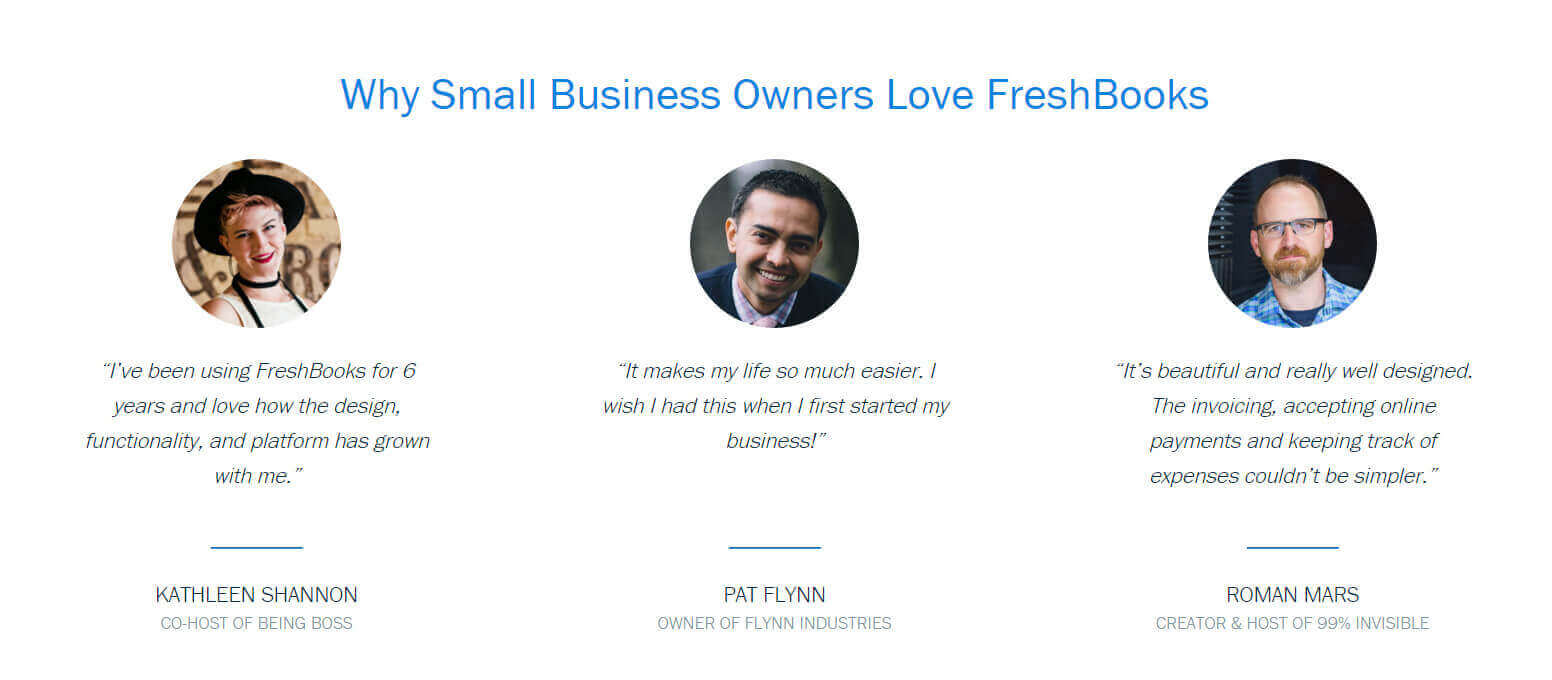
Featuring your satisfied customers’ testimonials on your website, in your newsletter, or in any other outlet is a great way of demonstrating the value of your customer. Prospective customers and existing customers – in danger of churning – can be revitalized by exposing them to the satisfaction of existing customers.

Once you know your customers’ satisfaction levels, along with their pain points, addressing any concerns which arise can reduce churn dramatically.

Segment your customers

Segmenting your customers into groups according to their place in your sales pipeline – recurring customers, new customers, customers at risk of churn, customers with special concerns, etc. – can be vital to ensuring that you stay engaged with their needs at all times.

A quality CRM will allow you to segment your customers in such a manner and ensure that they can be targeted specifically and exclusively. Personalizing communications with each individual group can nurture continuous engagement, more successful deal conversion, and cater directly to prospects in danger of churn.    

A CRM can also automate reminders and triggers, and it can also produce the metrics and reports you need to visualize your customers’ satisfaction levels. 

Keep the conversation going

Even when customers are not active in your sales process stay aware of their needs and offer them valuable free content – videos, testimonials, eBooks, etc. –  to ensure they stay engaged. Newsletters with informative, interesting, and engaging content is also another great way to remind your customers and your prospects that you still exist and still care.

Know your priorities

If you’ve accurately used your CRM for scoring and ranking your potential customers you can save yourself and your sales team a lot of valuable time and effort dealing with customers who show little prospect of converting.

Nurturing relationships with highly-ranked customers helps build a habit of being better equipped to identify leads and prospects with a higher chance of conversion.

Say it with flowers

OK, it doesn’t have to be flowers, but presenting small occasional gifts to valuable customers is a great way of saying that you still care and that you are open to engagement whenever they are ready. We all love gifts and free stuff, make the most of it.

Happy is as happy does

Use the value of your happy customers to the limit. Be sure to constantly (but not too often – your CRM can keep you reminded) make them aware of your gratitude for their support and continued loyalty. There’s no other form of marketing that works as hard for your benefit than your happy customer list. Invite them to events, awards, outings, and make sure they’re included first in any company news, improvements, or announcements.

As we said at the beginning, it’s a lot cheaper to retain your satisfied customers than it is to source new customers, so give them the respect they deserve.

Nurture is the enemy of churn

Armed with great CRM software, a little common sense, and a lot of respect for your customer base churn can become a thing of the past.

Sure, there’s always going to be someone who won’t be happy and will want to take their business elsewhere, the truth is that there’s very little you can do about that.

Retaining satisfied customers and converting prospects is all about the nurturing process – treating customers as valued associates with the aim of building long and lasting relationships. However you go about this nurturing process, it’s never a waste of time or effort and goes a long way towards keeping churn to a minimum.

Sales CRM can really help in writing branded content as you are able to store all the personal information of your customers. However, it can also help you reduce costs or save money for your organization. Here are eight ways how you can do this.

1. Work on a Single System

Customer relationship management program of any kind enables you to work on a single system keeping all of your tasks in one place. Various CRM programs can help manage anything from sales to marketing to customer service. However, there’s special importance that the sales CRM bears.

Such a program can help you increase sales and reduce costs simply by being more efficient with all of the tasks you complete. It saves your time and allows you to access everything in one place meaning that you see the big picture while having access to smaller bits right there and then.

2. Remove Duplicate Customer Records

Another great benefit of sales CRMs is that they can help you remove duplicate customer records and save you money this way. Duplicate records are usually the cause of performance problems and even fraud, so once you get those out of the way you will be saving yourself a headache at least.

Sales CRM can help you boost sales by having all of the information in one place and eliminating the probability of you spending money on someone who has been already marketed to before. Lead and customer records must always be kept in check for this to work well.

3. Improve Tracking Mechanisms

This is probably a no-brainer but it is still worth mentioning. Customer relationship management programs can help you improve your tracking mechanisms and, consequently, increase sales and save your money. It’s simple yet extremely effective in many ways.

Sales CRMs help you to track everything from lead status to conversion ratios to FTRs to customer satisfaction. The good news is that your teams from all departments can all work with the program, so your marketing team, sales team, and service team can all coordinate their actions.


4. Streamline the Sales Process

Streamlining your sales process with the help of your CRM is directly related to the first point in this article. A streamlined sales process improves different aspects of your organization including the fact that it can boost sales. You can free the sales rep up and continue pursuing new customers.

As mentioned above, your team can keep track of virtually all the metrics that could be important for you as a part of the personal information about your clients. Everything can be accessed at once on one dashboard meaning that you spend less time, effort, and money on keeping everything in check.


5
. Plan Activities Ahead

While tracking the past data is nice, planning ahead is even better. You can significantly increase sales and reduce costs this way, so it’s very important to acknowledge the usefulness of sales CRM in this way. It is impossible to do everything all at once, so having a comprehensive plan is simply essential to any job.

You can plan as much as a day, a week, a month, or even a year of your future activity with the help of a sales CRM program. Don’t forget to sort your priorities through and pay more attention to the tasks that are urgent or require more time to be completed.


6. Reduce New Customer Acquisition Costs

This is probably one of the best news out of the whole article. Sales CRM can help you reduce new customer acquisition costs dramatically as well as help you boost sales among first-time customers. You always have to remember that new customers are just as important as repeat clients, so they mustn’t be overlooked.

You can close sales much faster and reduce the amount of rework. This is all possible thanks to the smart processes and real-time decision support that CRM programs provide teams with. The result is that your customers are happier and more satisfied with the interaction they had with your organization which leads to word-of-mouth advocacy.


7. Scale Your CRM

Customer relationship management programs are scalable and can grow and develop along with your business. This means that they can directly influence the development of your own organization as well as your business can influence them.

It is crucial to remember that the underlying architecture uses adaptable codes that can be customized for certain business scenarios. And that can be achieved without any additional code writing. You won’t have to spend additional money on increasing your potential. Instead, you might even be able to save up some money and direct it on a more important matter in your organization reducing your budget entirely.


8. Create a Self-Service Portal

Last but not least, your sales CRM can help you create a self-service portal allowing you to boost sales and save the money you need to use elsewhere. Basically, a self-service portal or an SSP is a strategic way that allows you to have a quick turnaround for creating and resolving cases. At the same time, it doesn’t even add any pressure on your contact centers.

Your customers will be able to use various communication touchpoints across the different channels you work with. This will, in turn, reduce person-to-person time, overall customer service costs, and administrative costs. For instance, your clients will be able to apply for financial schemes and be approved almost immediately.

You can also include quick surveys in your self-service portal. These surveys will help you collect feedback regularly and identify areas that must be improved or developed. The sales CRM program can then be used to instantly assign the tasks to the members of your team without losing any extra time. It’s easy, yet many organizations and businesses seem to forget about it.


Final Thoughts

In conclusion, saving money for your organization by using sales CRM is very possible. Use these eight simple ways to help you reduce costs with the help of your customer relationship management program.


If you are an entrepreneur or a small business owner who wants to jumpstart their sales, there is just so much you can do. Of course, sales depend on many different factors, but you can still improve some of them yourself. Here are ten highly effective techniques to jumpstart your sales.

1.Focus on Emotions and Feelings

You’ve probably heard about it before that focusing on emotions and feelings is essential for building strong short-term and long-term relationships with your customers. If you have a connection with them, they will be able to relate to your brand better. Make your audience feel good on an emotional level first, then follow up with facts.

The thing is that we are used to focusing on emotions rather than on logic when we experience something for the first time. This is why first impressions matter so much and can make a big impact on how your first-time customers feel about your brand and whether or not they become your long-term clients.

2. Make Them Agree With You

Did you hear about cognitive dissonance? Basically, it’s the idea that we are committed to a certain “version” or perception of ourselves. This is why we tend to avoid putting ourselves in situations that negate that perception. Knowing about cognitive dissonance and using it can help you increase sales dramatically.

If you ask your customers certain questions that will make them agree with you, they will get “on board” early on. Afterward, they will be less likely to disagree with you about the usefulness of a certain product or feature. This will help you easier sell your products or services to such clients.

3. Sell It to Themselves

Yes, you heard it right. You can make your clients sell your own products to themselves. It’s funny how easy that can be done and how many business owners and marketers are missing out on the opportunities this technique brings.

The point is to give your client reasons to defend what you’re selling. You can do this by saying that you are not sure whether a product or service is right for them or by mentioning that they seem more interested than you originally expected. If you allow them to defend your product, they will put together their own argument about why they should make the purchase.

4. Show Examples of Other Clients

Making other clients an example for your potential customers will help you persuade the latter ones to make a purchase. We are social beings and like to know about what other people feel about this or that. It’s all about psychology at the end of the day.

Social proof is so effective exactly for that reason. If you share positive feedback, it will only have a good effect on the overall image of your organization. In addition to that, genuine and honest reviews can highlight the benefits of your products maybe even better than you ever could.


5. Outsource Your Content Creation

One of the best marketing strategies you could use is content marketing. It is cheap, easy to set up, and quite effective. One of the downsides, however, is that it may take too much of your time as content creation is a painstaking process.

A great solution for this problem is outsourcing your content creation with the help of an online writing service such as Trust My Paper. This will give you more time to focus on the more important aspects of your business such as increasing your sales. You can outsource other tasks as well such as administrative chores and so on.

6. Limit Time and Create Urgency

Everyone loves special deals because they allow you to purchase something you really like for a price smaller than the usual one. If you make such deals limited, you will realize that people are starting to buy more and more (even if the product is not that popular or valuable.)

We are afraid of missing out on an opportunity, so when your customers realize that there is a limited time the product will be available or there is a set number of such products, they will try to grab it as fast as possible. You can see that by looking at the holiday sales most stores usually have. For example, Black Friday.

7. Give Them Some Space

Sometimes marketers make the mistake of being too pushy. Alright, let’s be honest, not sometimes but quite often. It doesn’t matter whether this comes in the form of too many promotional emails or constant phone calls – people don’t like it.

Your aim, on the other hand, is to make your customers feel comfortable. Give them some space. If they realize that they can feel safe and there is no pressure in the relationship between you and them, they will start feeling more confident. They will start trusting you more and even making the first step rather than waiting for you to do it.


8. Highlight the Benefits

We are used to paying attention to risk first and only then to everything else. If you are not a popular company, your potential customers might be afraid to purchase from you even if your products are absolutely outstanding. This is why it is so important to highlight the benefits of buying from you.

Show why and how your product or service is great. Keep the focus on the rewards your customers get when they buy it. Tell them about the advantages they get, whether it is a smaller price or a higher value. At the same time, try to minimize the risks as much as possible.

9. Tell Great Stories (and Jokes)

Never forget about the power of storytelling. Telling great stories is an amazing way to build trust and establish a strong relationship with your customer. Stop thinking in terms of statistics and start telling anecdotes.

If you want to be impressive, tell the story of a single happy client rather than claiming that hundreds of your clients have been satisfied with your work. It is a lot more personal and will show the “real” factors that determined such a great experience.

10. Outsmart Your Competition

Lastly, outsmart your competition by doing regular research about them. You have to know what they are up to at any given moment. Maybe you can even use this knowledge in your own strategy and increase your sales with the same tactics they used.

Always be a step ahead of them. And, on the contrary, don’t copy directly whatever your competitors are doing. That will only make you look unprofessional and a copycat that nobody respects. Know the limits.

Final Thoughts

In conclusion, sales are a constant worry for all business owners, so it’s only natural that you want to increase them. If you use some or all of these tactics, you will definitely see an improvement.


Bridgette Hernandez is a Master in Anthropology who is interested in writing and is planning to publish her own book in the near future. She works with professional writing companies such as GrabMyEssay and SupremeDissertations as a writer. The texts she writes are always informative, based on qualitative research but nevertheless pleasant to read.


Here’s something you might really want to take note of – 73% of consumers say they are more likely to choose a business with online customer reviews over a business without them. That’s a pretty valuable piece of information right there and one you should remember if you are trying to solicit a happy customer review. 

Maintaining a glowing online reputation is a balancing act that draws on several factors, but none so important as customer satisfaction. A happy customer will reward your business with a positive review, and that, in turn, will help to propel your sales ever higher and stimulate your company’s growth.

But, even the satisfied ones can forget to leave a customer review, so its vital for you to learn to implement the very best practices for collecting that valuable feedback.

The importance of a good customer review

The value of a good customer review has been proven time and time again, so, if you’re questioning whether they are important to your business or not, the answer is a resounding YES they are! Customer reviews have become vital in modern business.

It has become commonplace for consumers to research a company and its products online before making a decision to buy. To put it simply, it has become a critical part of the modern online buying process. However, the abundance of choice out there has also muddied the waters somewhat and has made the buying decision an even more complex and time-consuming affair. But that’s where customer reviews come in.

To quickly and easily gauge the real value of a product or service prospective customers now prefer to seek out the opinions of those who have taken the journey before them. Research shows that 84% of people trust an online customer review as much as a personal recommendation, and 73% are more likely to choose a business with online reviews compared to those without.

Ignoring the importance of an online customer review can result in a business losing more than 50% of its potential customers; a risk that no smart business should ever be willing to take.

The types of online customer reviews you should not ignore

So, you probably think that one online customer review is just like any other, but you’re wrong. There are different types of reviews, each of which can affect your conversion rates and your bottom line in different ways.

Analysing and categorising customer feedback into differing categories can really help you figure out just where and how to use these reviews to create more value for your company. Let’s take a look at the various types of online reviews and how they can help boost your sales.

customer review freshdesk
Image credit: Freshdesk

#1 Testimonials

Using testimonials is one of the most effective ways of converting visitors into customers. If you’re trying to establish credibility, real-life customer stories are the method to prove to prospective buyers that your product does exactly what it says on the tin. Testimonials give you the opportunity to use real customers’ words to prove your product claims. When you’re making big promises that concern that quality, durability, performance or impact about your product or service, consider placing a relevant testimonial close to that statement to provide hardcore evidence and establish trust.

#2 Product Reviews

First of all, unique product reviews mean extra SEO juice. Search spiders love fresh content. Adding product reviews to your site will not only help you improve customer experience and boost sales, but will also help grow the flow of traffic to your website. Online product reviews from customers contribute to building your brand’s trustworthiness, allowing new users to feel more comfortable about making their first purchase with greater confidence. Research shows that a single product review can boost sales by 10% and 200 reviews can increase sales by 44%.

#3 Customer Rating and Customer Review Software

What is CRM integration with online review software? By aggregating user-generated content for you, it can be an exceptionally powerful influence on potential buyers. Different tools offer different possibilities, but most of them can do the legwork for you by collecting all reviews and ratings of your product posted online and displaying them on your site. The more reviews a customer sees, the more popular and the more trustworthy the site appears to be. If you are having trouble generating reviews using other methods, this could be the most simple and effective solution.

How a customer review can make or break your business

According to research, site visitors who interact with reviews, and customer question and answers, are 105% more likely to purchase while visiting. These customers spend, on average, 11% more than visitors who don’t interact with user-generated content.

There’s no doubt that customer reviews enable businesses to improve their conversion rates and build a stronger brand. But what happens when the reviews generated by your users are not so good? What impact could they have on your business?

Interestingly enough, various studies have found that bad reviews can actually help improve conversion. 68% of consumers trust reviews more when they see both good and bad feedback, while 30% suspect censorship or faked reviews when they don’t see any negative opinions on the page.

Consumers who are actively seeking out bad reviews are often at the end of their buying journey and tend to convert more fluidly, even if they encounter some negative opinions; so long as their core expectations are met, they are willing to accept the possible risks that may come with their decision.

However, bad reviews must be proportional to positive customer feedback. Negative reviews serve an important purpose by making great reviews more believable, but as soon as the balance is tipped, it can send a business nose-down. Streamlining the process of review collection through tools like Uniqode’s QR Code Generator can help businesses gather balanced feedback effectively. QR Codes can enable seamless feedback collection at physical spaces and provide reengagement opportunities. Let’s say you have 15 product reviews on your site. In such case, you could afford to have 2 negative reviews and they’d still be making a positive impact on your conversions. But more than 2 bad reviews would dampen your sales. To maintain this balance, large sellers on platforms like Amazon often rely on negative review removal services like Tracefuse.

Case studies

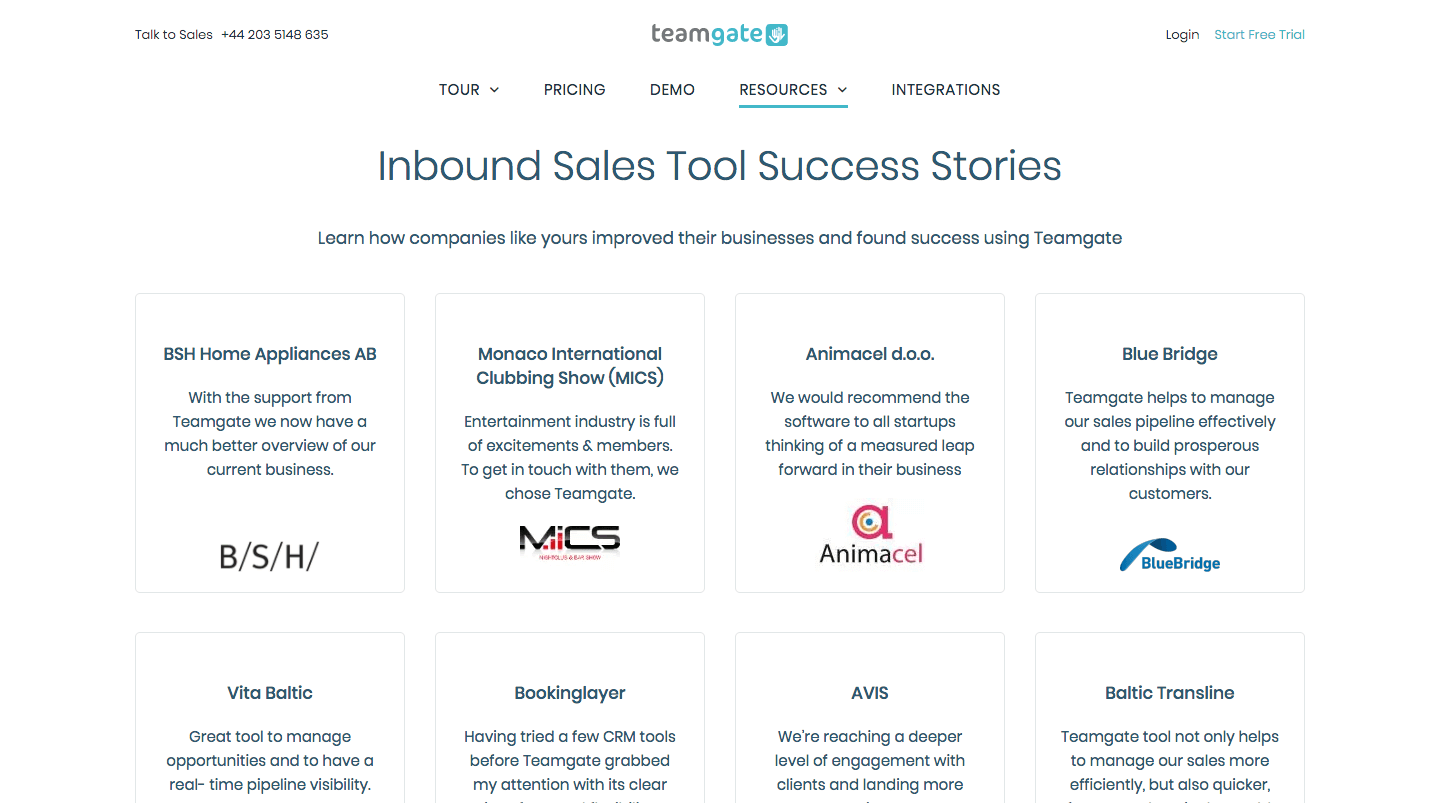
Case studies are yet another form of customer review. It’s a more structured, eloquent way to use your customers’ success stories to fuel the growth of your business. Case studies are geared towards showcasing the key benefits of your product or service, and how they can meet and exceed the customer’s expectations. The element of surprise, the unexpected success that comes from using your product is what makes case studies a secret weapon in every marketer’s arsenal.

customer review teamgate case studies
Image credit: Teamgate

When crafting compelling case studies, it’s key to ensure that you’re using exact words and phrases from your interview with the customer to bring out the authenticity of the experience and strike a chord with the readers. For our own case studies, we aim to highlight the result that was achieved using Teamgate CRM.

As a way of demonstrating social proof, case studies take consumers on a journey from “life before the product” and “life after the product” which can really showcase the rewards to be reaped.

Techniques – how to ask for a customer review

One thing that businesses need to realise is that customers don’t want to leave reviews. To get consumers to review your product or service, you need to create a more compelling reason than the standard “sharing your experience with others” excuse. Once that is figured out there are various techniques at your fingertips.

Post-purchase email follow-up

Sending an automated email immediately after a purchase can help you catch consumers in the right mental state and buzzing from the excitement of buying what they wanted. Amazon excels at this technique; they shoot out emails requesting feedback seconds after the payment is completed.

Enable reviews on product pages

A simple and quick way to engage your customers and aid your conversions is to display review forms on product pages. This could be further enhanced by adding star reviews to accompany customer feedback.

Create incentives for customers

It’s possible that customers are greatly enjoying your product or service, but simply don’t want to invest their time and energy into leaving feedback because they don’t see how that would benefit them in return. Creating rewards for customers who leave online reviews is an effective tactic for increasing engagement. Offering limited-time discounts or coupons could not only encourage your customers to leave feedback but have the potential to help you generate repeat sales.

Take advantage of social media

Using social media to reach out to your loyal customers and fans is a fantastic way to attract more customer reviews. Simply share a link to your product review form calling all customers who bought something recently to leave their feedback. In exchange, you can offer incentives; like coupons, points or vouchers. Sharing existing customer reviews on social media is also a great way to show off your products and spur other customers into action.

Who should you ask for a customer review?  

Reaching out to loyal customers first makes sense for two reasons. First of all, they’re more likely to put in the time to write an online review for you because they like and trust your brand. Secondly, extending a special offer or discount to them can not only get you the reviews you’re after but at the same time give your repeat sales a lift and strengthen the bond with customers that have the potential to become your brand ambassadors. Customer satisfaction is a key metric to monitor; happy customers become your brand advocates and can generate a significant amount of revenue by referring their friends.  

But, if you’re actively approaching customers and requesting them to leave feedback, you should also be prepared for the possibility that some of them may also be disappointed with your product or service, or even angry for not getting what they may have expected. As we’ve discussed before, negative reviews are needed too, yet it all comes down to the ratio of positive to negative feedback that you receive.

Handling bad reviews with grace is an opportunity for your business to retain the unhappy customer and even generate positive PR on the back of it. Take the time to listen to and empathize with the unhappy client. Show that you care and offer to solve the issue the best way you can. This could involve facilitating a return or exchange of the product, offering a discount on a future purchase, or promising free shipping on the next order. If the customer is still unsatisfied, the best thing you can do is learn from your mistakes and move on. Potential buyers will notice and take into consideration the effort you put into accommodating the disgruntled customer. Knowing that the brand doesn’t shy away from difficult situations and strives to rectify its mistakes will make them more comfortable with making the final purchase decision.

At Teamgate, we’re big fans of building a repeatable sales process that guides and supports sales teams through the entire sales cycle from the first touchpoint with a prospect to the close of a deal.

According to Marketo, when sales and marketing teams are in sync, companies become 67% better at closing deals, but only 30% of CMOs have a clear process or program to make marketing and sales alignment a priority and a mere 44% of companies are using any kind of lead scoring system.

To reach the kind of synchronization state that drives higher sales, a company needs to follow a clear-cut process with explicitly defined rules and criteria. A Harvard Business Review study found that there is an 18% difference in revenue growth between companies that define a formal sales process and companies that don’t. So it seems that creating a reliable, scalable sales process is of utmost importance to all companies that have their eyes set on growth.

If you’re wondering how to pull this tricky task off, we’ve gathered the most pertinent advice that will guide you the right way.

Do you have a CRM that keeps you organised?

The most user-friendly CRM on the market. 14-day free trial.

Start Free Trial

Painless setup, no credit card required

Understand and document your current sales cycle

The average sales cycle length is the amount of time it takes to close a deal, measuring from the first touchpoint with a prospect to the conversion point, averaged across all won deals.

An analysis of pipelines of hundreds of companies has revealed that the average length from Lead to Opportunity (or from MQL to SQL) is 84 days and the average length from Opportunity to Close (or from SQL to Deal) is 18 days. That puts the average sales cycle length at 102 days. This, of course, varies significantly based on the source of the opportunity, the quality of leads, the complexity of the sale, and so on.

However, before anything else, it must be said that there is no single right sales cycle. Different markets, products, and internal team dynamics mean that the only way to develop a world-class sales process is to know your typical customer sales cycle like the back of your hand.

The most important step to building a killer sales process is to audit your baseline and document every step that a lead goes through until it converts. If you’ve never done this before, you’ll be surprised to see how much chaos and confusion can cloud what seems like a straightforward process. Only by knowing what needs to be changed or improved can you confidently begin implementing new tactics and strategies. 

Average Sales Process 102 Days

The average sales cycle length is 102 days. Image Source: Pexels

To trace back the steps your sales reps took with each lead, accurately answer these questions and you’ll quickly see a clear picture of the current state of your sales cycle.

  • How did you learn about new leads? When were you notified? How were they distributed?
  • What was the initial form of contact – a phone call, an email, a face-to-face contact? How long after they came in?
  • What questions were asked and how were they answered during the first conversation?
  • When were you able to make contact with the new leads (1st call or email, 1st follow-up, etc.)?
  • How did the sales rep handle and coordinate the follow-up? Did they use a reminder tool, made a note in your CRM system or relied on their memory?
  • What sales material did the lead receive? At what stage in the cycle was it given to the lead?
  • What was the main reason for your closed-lost leads?
  • Roughly, how long did it take for the lead to move from one stage to another?

Knowing where you stand before you make any changes to your sales process will help you measure their impact and ensure the right decisions are made along the way.

The goal of every sales team is to shorten their sales cycle. The shorter a company’s sales cycle, the faster they make money, simple as that. That’s why sales cycle length is one of the most important metrics measuring the efficiency and effectiveness of a company’s sales team. Poring over the sales cycle statistics to find points in which leads slow down or speed through in the hopes of discovering ways to optimize the process, is a number one priority for sales operations professionals. Here are three ways how to measure the length of your company’s sales cycle:

    1. When a lead is created. The most obvious way to recognize the beginning of a sales cycle is to track when a lead is created in your CRM. Then, to know the length of your sales cycle, you simply look at when that deal is closed. It’s worth noting, though, that lead duplication issues and the variability of when leads are created and when they’re worked can skew your analysis.  
    2. When an opportunity is created. Some sales teams choose to consider the time when a lead is converted into an opportunity as the beginning of the sales cycle to have more contextual information on their deals in the CRM and reduce the time it takes to clean the leads. Because the changing of the lead status is a manual task carried out by a sales rep, there is often a risk of it not being created along consistent criteria. Enforcing strict rules for the process when a lead should be converted to an opportunity is crucial to ensure you have an accurate view of your pipeline.
    3. When the sales conversation starts. Measuring the actual conversation length of closed-won deals is probably the most accurate gauge of how long it takes for a lead to convert. However, this method also carries the human error risk, as it relies on a sales rep to update the CRM for every email they send or every prospect they target.

The solution that many sales teams are finding is to automate the entire process. And it can be done by choosing a modern sales software like Teamgate that can analyze conversation length, automate CRM data entry, and create reports by rep, deal, team or company to reduce the burden of sales cycle analysis.

The typical stages of a sales pipeline and how to create one

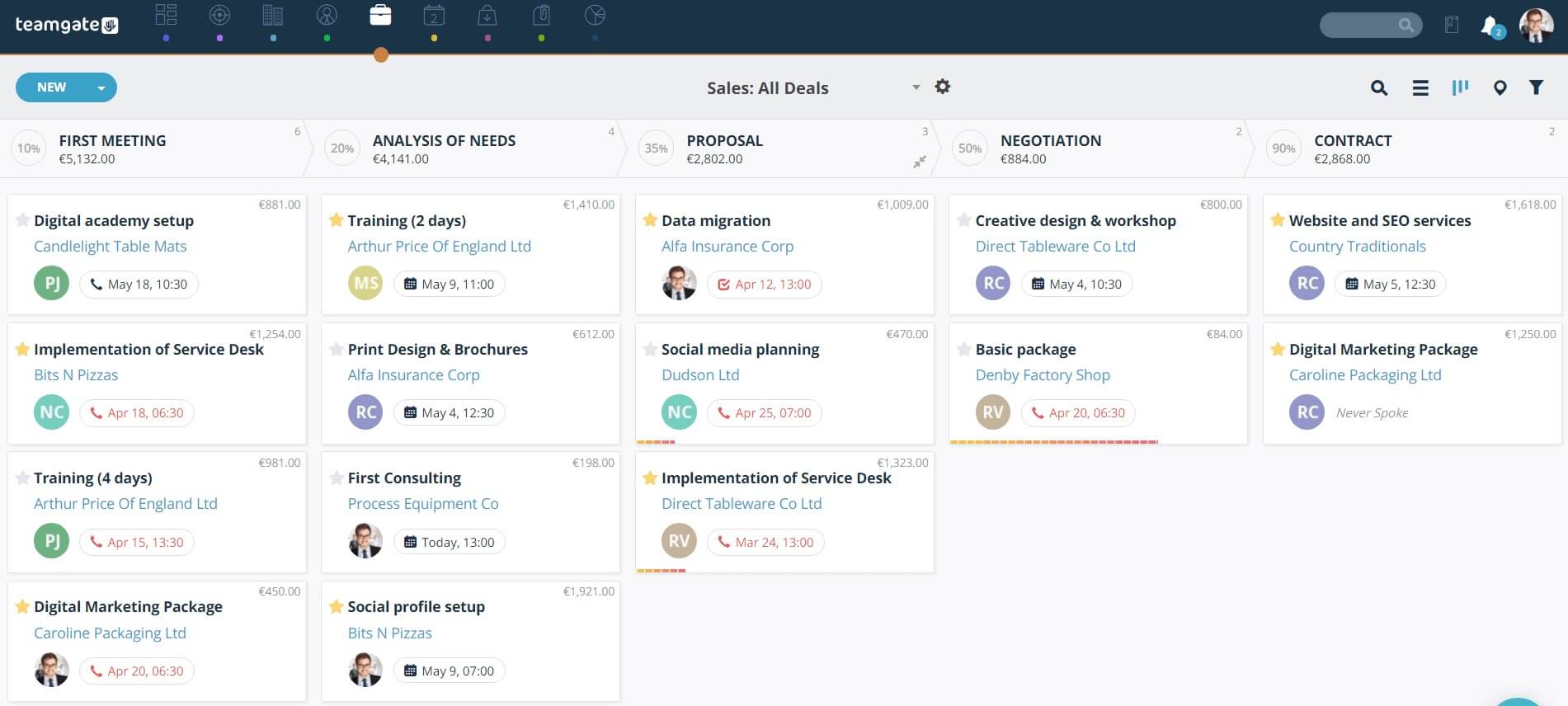
Think about sales stages as milestones in your sales process, signaling how far from the typical conversion point your leads are. Although the exact stages and their names vary from company to company, the basic idea is the same – leads are either in an open stage or in a closed stage, such as won or lost.

As an example, here are the default stages in Teamgate. You can customize them as you like.

Teamgate Default Sales Process StagesFor the sake of this article, let’s focus on the typical stages of a sales pipeline:

  • Lead generation. At this stage, a company focuses on finding and attracting new prospects through marketing campaigns, aiming to capture their contact information (inquiries). The most effective B2B marketing methods used to generate leads include email, events, and content.
  • Lead nurturing. Once a lead expresses an interest in a product or service, they’re usually entered into a lead nurturing campaign to establish the pain points and continue to foster the relationship. Marketing automation is the go-to tactic to further qualify leads and send the best ones to sales. According to Forrester Research, companies that excel at lead nurturing generate 50% more sales-ready leads at 33% lower cost.
  • Marketing Qualified Lead (MQL). Based on your definition of a marketing qualified lead, your CRM can use lead scoring to track meaningful activities and behaviors to determine which leads are more likely to become customers. This is a vital stage in your sales process that will help you ensure your sales team is fed high-quality, sales-ready leads.
  • Sales Accepted Lead (SAL). Once sales receive a lead from marketing, they need to check if it matches the key targeting criteria and either accept it or decline it. Typically, SALs are identified as having a verified propensity to buy.
  • Sales Qualified Lead (SQL). SQLs represent a quantifiable business opportunity with a clarified need, timeline and budget. They are close to making the final purchase decision and can either move to closed won or closed lost opportunities.  
  • Closed deal. At this stage, around 27% of opportunities convert to deals, according to Capterra. Assisting with implementation is one of the tactics that sales reps use to improve and speed up the conversion process.
  • Post sale. A sale is not the end of the pipeline, as the customer relationship continues to develop and both sales and marketing teams should work to further engage buyers and add value through loyalty programs, upsells and cross-sells.

If you’re just creating your sales pipeline, there are a few basic rules you can follow to build clearly defined sales stages and a smooth process:

  1. Remove ambiguity. Make sure each stage of your sales cycle is self-explanatory and immediately clear. The best way to examine the current status of your sales cycle is to test it on a new hire. If a new sales rep can’t see a difference between Stage1 and Stage2, it means you have a problem.
  2. Define stage criteria. One of the factors that will determine whether your sales stages are easy to understand is knowing the ‘trigger’ that moves a lead from one stage to another. To maintain consistency and clarity in your pipeline, ensure that every sales rep knows why and when to change the status of a lead.
  3. Take on the buyer perspective. The new school of sales teaches that the sales process should reflect how a customer buys, not how a sales rep sells. This means your sales stages should be part of a buyer’s journey, not the seller’s steps. Map out your buyer journey to identify the key stages and replace seller-centered milestones, such as “Demo Completed” and “Trial” to buyer-driven stages, such as “Evaluating solutions” and “Technical Fit Assessment”.
  4. Ditch the linear way of thinking. The order in which milestones are achieved is becoming less and less important, as sales reps start recognizing that different customers make decisions differently. Rather than sticking to a rigid, linear process, allow your buyers to progress through the funnel as they like, even if that means they sign up for a trial before watching a demo. Focus on the list of activities that need to happen to make the sale possible and let the buyer follow their own path.   
  5. Monitor and iterate. Since every company is unique and follows a different sales process, there is no single optimization strategy that can kick your business into higher gear. However, you should make it a priority to track the time leads spend in each stage of your sales cycle to quickly identify optimization opportunities. If you notice that leads tend to linger at one stage or even drop out altogether, you will be able to put some measures in place and prevent deal loss.

The benefits of a daily routine for your sales team

Poor time management will always result in disappointing sales performance. Sales reps are often masters of multitasking, but even the best can benefit from a daily routine that helps to set the priorities straight and ensure the key tasks are accomplished on time. To help your team drive the sales performance through the roof, introduce some practical habits that will become part of their daily schedules.

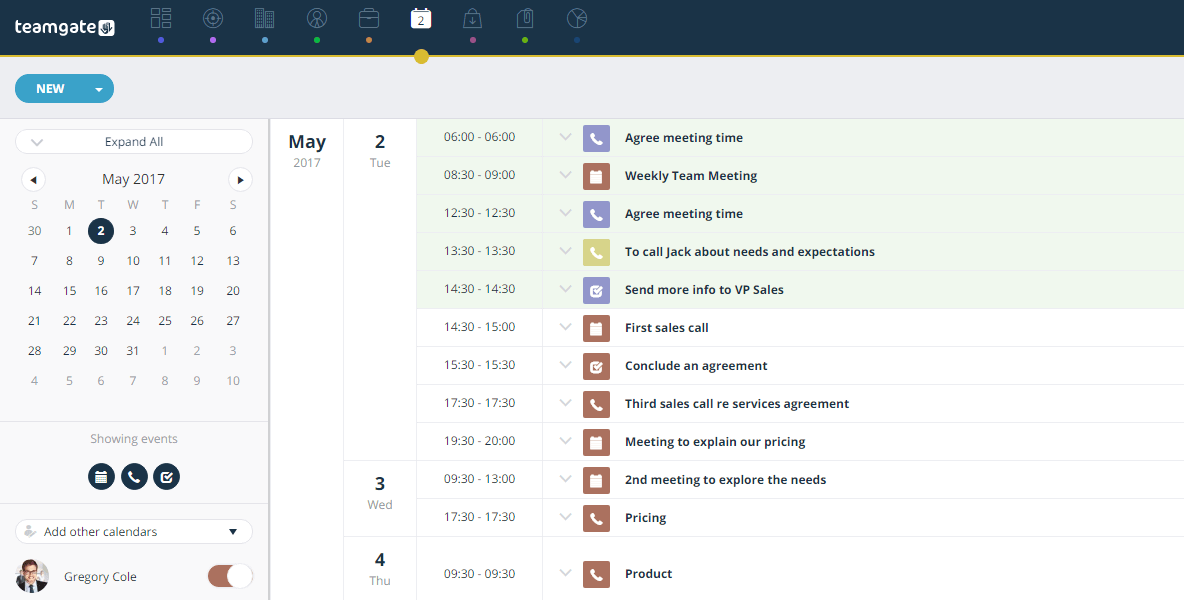
  1. Review and plan before you wrap up for the day. Take 10-15 minutes at the end of each day to review your pipeline and prioritize the next day’s to-do list. Check your calendar events, meeting notes and emails to ensure no important information falls through the cracks endangering your ability to close.
    Teamgate Agenda Sales ProcessHere’s an example of Teamgate’s agenda that comes in handy for busy salespeople. 
  2. Start your day strong. While you’re sipping on your first cup of coffee, review your to-do list from the day before and scan through the inbox to see if there are any high-priority issues that need to be addressed immediately. The key here is not to get distracted by the gazillion of low-importance emails and requests. Sticking to a plan will help you stay on track no matter how many tasks you have to juggle.  
  3. Group your tasks. The best way to tackle the most important tasks during your most productive time of day is by organizing your tasks into groups. Instead of handling each task independently, set time aside for a set of tasks that require a similar level of energy and type of approach to reduce the time wasted on readjusting and refocusing your attention. By carving out a certain amount of time for each group of tasks and scheduling them into your calendar, you will be able to better manage your time and keep your mind focused.  
  4. Automate where possible. With so many useful tools at their fingertips, salespeople are learning to free up time in their schedules and focus on doing what they do best – engaging with customers and closing deals. Leverage technologies available to you to make sure your time is spent on activities that have the best ROI.   

Conclusion

The biggest mistake you can make is to treat your sales process as a one-and-done project. Making a habit of tracking your sales performance metrics on a daily basis and reevaluating the sales process every five to six months is a surefire way to ensure your sales process map is regularly updated and remains a work in progress, as it should.

Instead of wasting your time on manual data entry, cold leads and tasks that detract your attention from the most important task at hand – selling, improve and modernize your sales process with the help of a smart CRM that will keep you at your game.

As companies move away from the traditional landlines, integrating your CRM with a VOIP app becomes paramount.
As we’ve discussed in a previous article, Integrated Telephony in the workplace has tremendous advantages. Notably:

  • Making our CRM a platform for unified communication
  • Cheaper costs and easier scalability
  • Access to analytics by measuring and monitoring call-specific data.

Which is why we are excited to unveil our next feature: Teamgate SmartDialer. 

Related: Introducing an easiest Mailchimp and Teamgate Integration and Integrate Teamgate CRM with Google Contacts

What is Teamgate SmartDialer?

SmartDialer allows calling directly from Teamgate with a native dialer, no manual entry required so you can make smarter calls faster with Teamgate’s built-in automatic dialer.

Our SmartDialer ensures that you have a great phone selling experience and never waste time dialling phone numbers & names again.

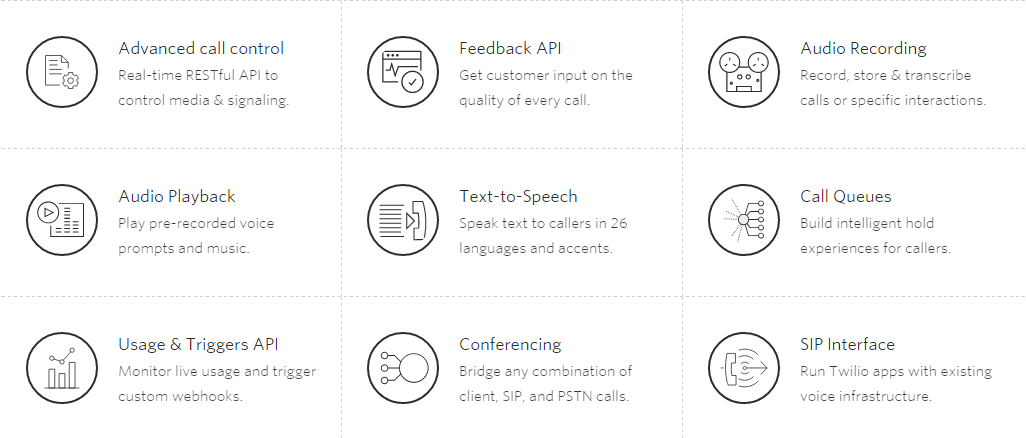
Teamgate SmartDialer is a cloud-hosted Twilio-Based phone integration. Twilio is a messaging, voice and video API that allows apps (like Teamgate CRM) to easily integrate telephony services. Check out some of Twilio’s best features below:

twiliofeats

How will it help?

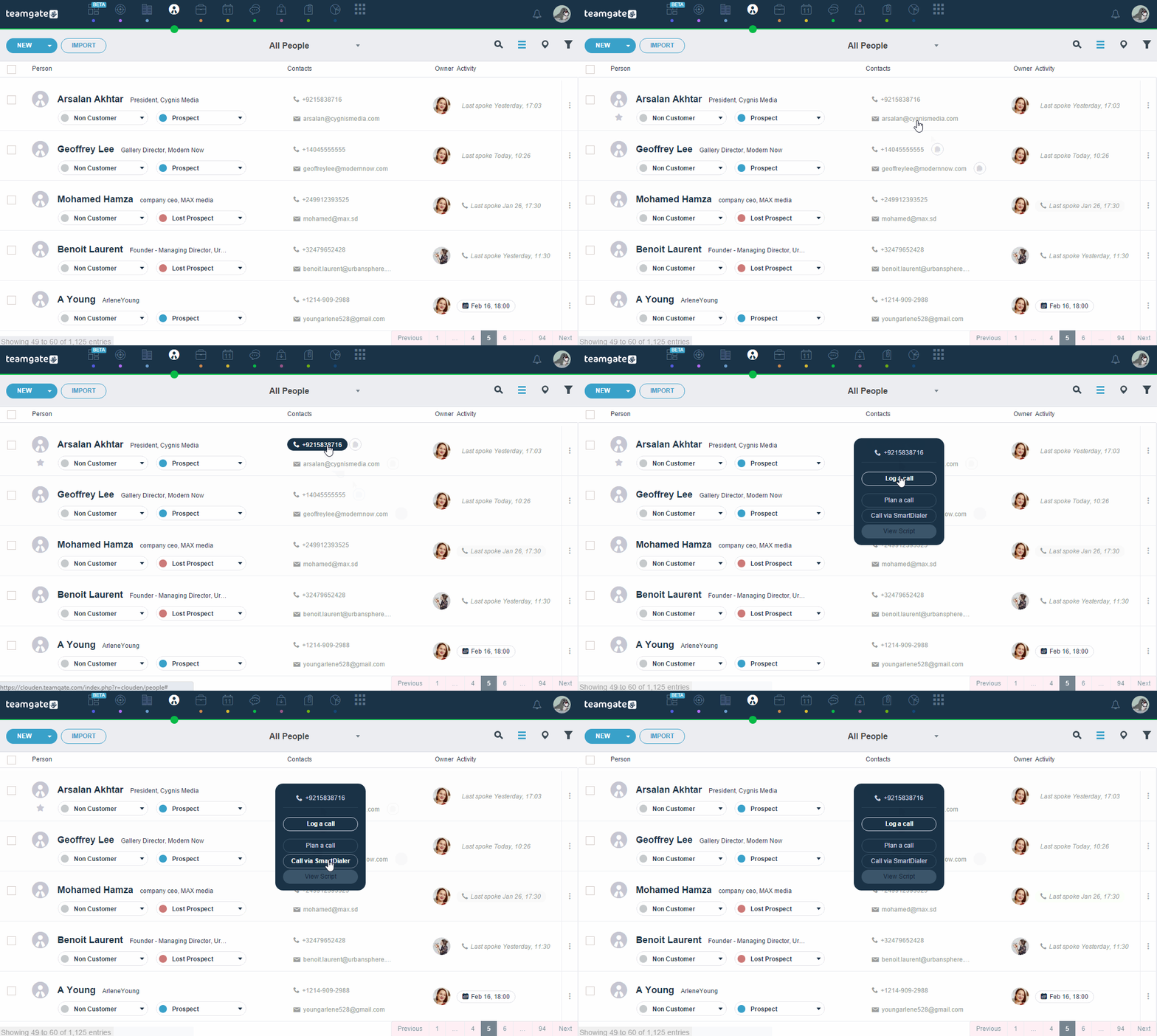
Teamgate’s exclusive built-in automatic SmartDialer is a fast and easy system that integrates perfectly with our CRM and lets you make and receive calls directly from your Teamgate account.

call_GIF

Teamgate SmartDial will allow you to do the following:

  • Make and receive Calls directly through Teamgate’s CRM.
  • Missed calls will be listed and recorded on each customer’s profile.
  • Unlimited storage for call records and history.
  • Record call-specific notes on the customer’s profile.
  • Share call notes with teammates.
  • Track the number and effectiveness of calls made.

How to set your SmartDialer up?

  1. Activate your SmartDialer, by clicking on the “Activate” button.
  2. Add your personal or work phone number and hit “Save”. After, you’ll receive an SMS with a registration code. Enter the code as received into Teamgate.
  3. Choose the number you like from the list which is offered to you by Teamgate. This number will be used when you call your leads or contacts. Please remember that You won’t be able to change the number you chose.
  4. Enter your country code.
  5. Choose if you want SmartDialer to record all your made or accepted calls. Make sure not to forget selecting the duration for which you’d like Teamgate to save and store your records.

Find more detailed information at Teamgate Support page.

In the meantime, why not take Teamgate for a test drive? Try Teamgate SmartDialer for free!

It’s always good to know that we are consistent in being a great CRM tool quarter by quarter!

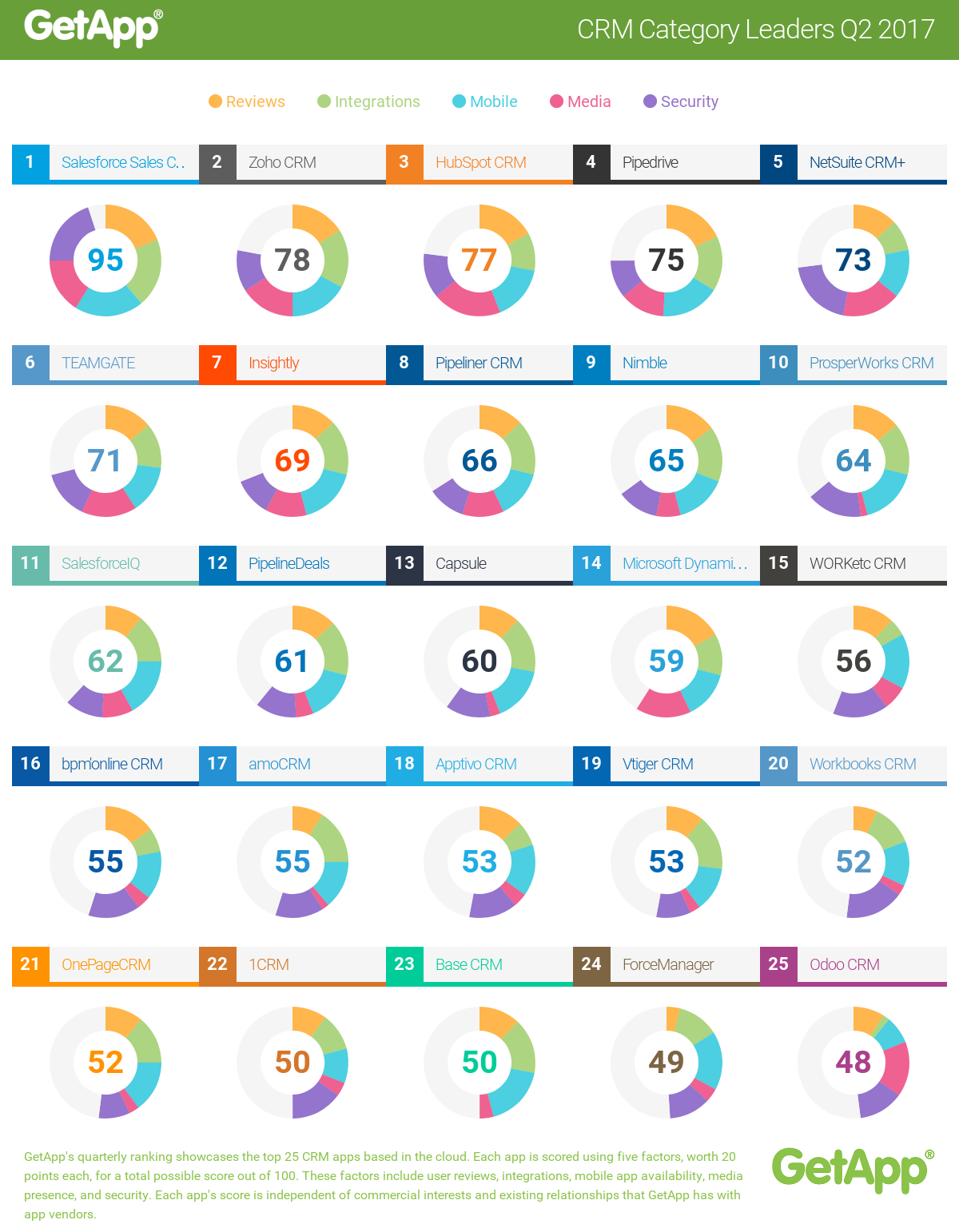
The leading Premium business app discovery platform GetApp.com announced Teamgate as #6 in Q2 2017 rankings of the best CRM applications on the market!

GetApp’s researcher Rhiân Davies says:

“Teamgate has been a fixture in GetApp’s top 10 Category Leader ranking for CRM since Q3 2015. Coming in at #6 this quarter with a total score of 71, Teamgate displays its strength with scores of 16 points for media presence and 14 points for its security features and its mobile apps. An additional 14 points for user reviews, with an average rating of 4.81/5 stars, secures Teamgate’s strong position in GetApp’s ranking.”

GetRank is GetApp’s quarterly ranking of the top 25 CRM apps based in the cloud. Each app is scored using five criteria, each worth 20 points, for a total possible score out of 100: User Reviews, Integrations, Mobile Apps availability,  Media Presence and Security.

On July 1 of 2015 GetApp was acquired by Gartner Inc.  (NYSE: IT)

[optin-monster-shortcode id=”rs4shvbsq8bjva7m”]

Top CRM Software 2016 | GetApp

Related: Teamgate Is Among the Most User-Friendly and Affordable CRMs According to Capterra

* * *

The Ranking

GetApp’s Category Leader rankings highlight the top 25 cloud-based business applications for every essential business operation, from CRM to HR and marketing. The ranking uses five unique data points to assess apps, giving software buyers a shortlist of some of the top cloud-based solutions for their growing business.

The five data points used to rank each app are:

User reviews– The score for user reviews is calculated using a Bayesian estimate, which is a weighted average that includes the number of reviews and the rating of an app, benchmarked against other apps in the category.

Integrations– based on the number of integrations with other apps listed on GetApp.

Mobile Platforms– based on the availability of an Android and iOS app and its rating in Google Play and the App Store, respectively.

Do you have a CRM that keeps you organised?

The most user-friendly CRM on the market. 14-day free trial.

Start Free Trial

Painless setup, no credit card required

Media Presence– based on the number of followers and fans on Twitter and Facebook, respectively.

Security– based on a security survey developed by GetApp in collaboration with Microsoft, modeled on the Cloud Security Alliance self-assessment form.

With a maximum high score of 100 up for grabs, each data point is scored out of 20 and weighted equally. If two or more apps have the same score, higher security scores take precedence, followed by reviews, integrations, mobile, and media scores.

This scoring system ensures that the ranking is completely independent of any commercial relationship that GetApp has with software vendors. High user opinion, the ability to function well with other software solutions, availability on mobile, a strong online presence, and a high level of security reflect applications that are reliable and well-respected in the market.

Using this list as a point of reference, software buyers and small business owners can get a good sense of the market landscape for whichever software they are looking for.

Click here for a full report on GetRank.