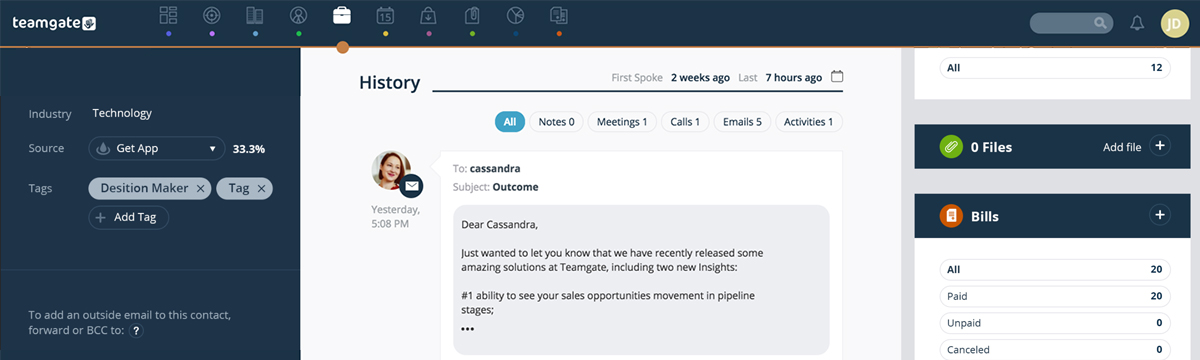
If your pipeline looks full but revenue still feels unpredictable, the issue usually isn’t effort, it’s process discipline.
An effective sales management process ensures:
-
Every lead is qualified with clear criteria
-
Every deal has a defined stage and a real next step
-
Every rep knows what to do today
-
Every manager can trust the forecast
When discipline breaks down, revenue leaks quietly, missed follow-ups, aging deals, unclear priorities. Teamgate helps reps follow a clear sales process and helps managers trust the numbers, without turning CRM into a full-time admin job.
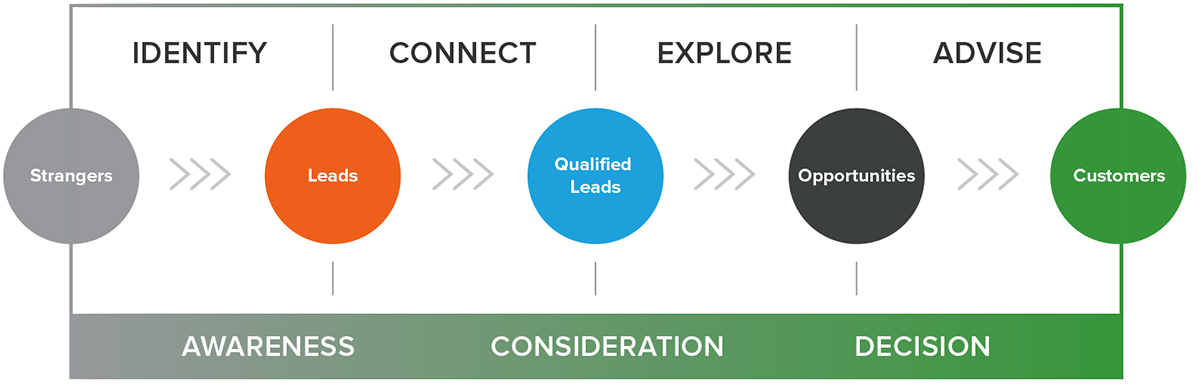
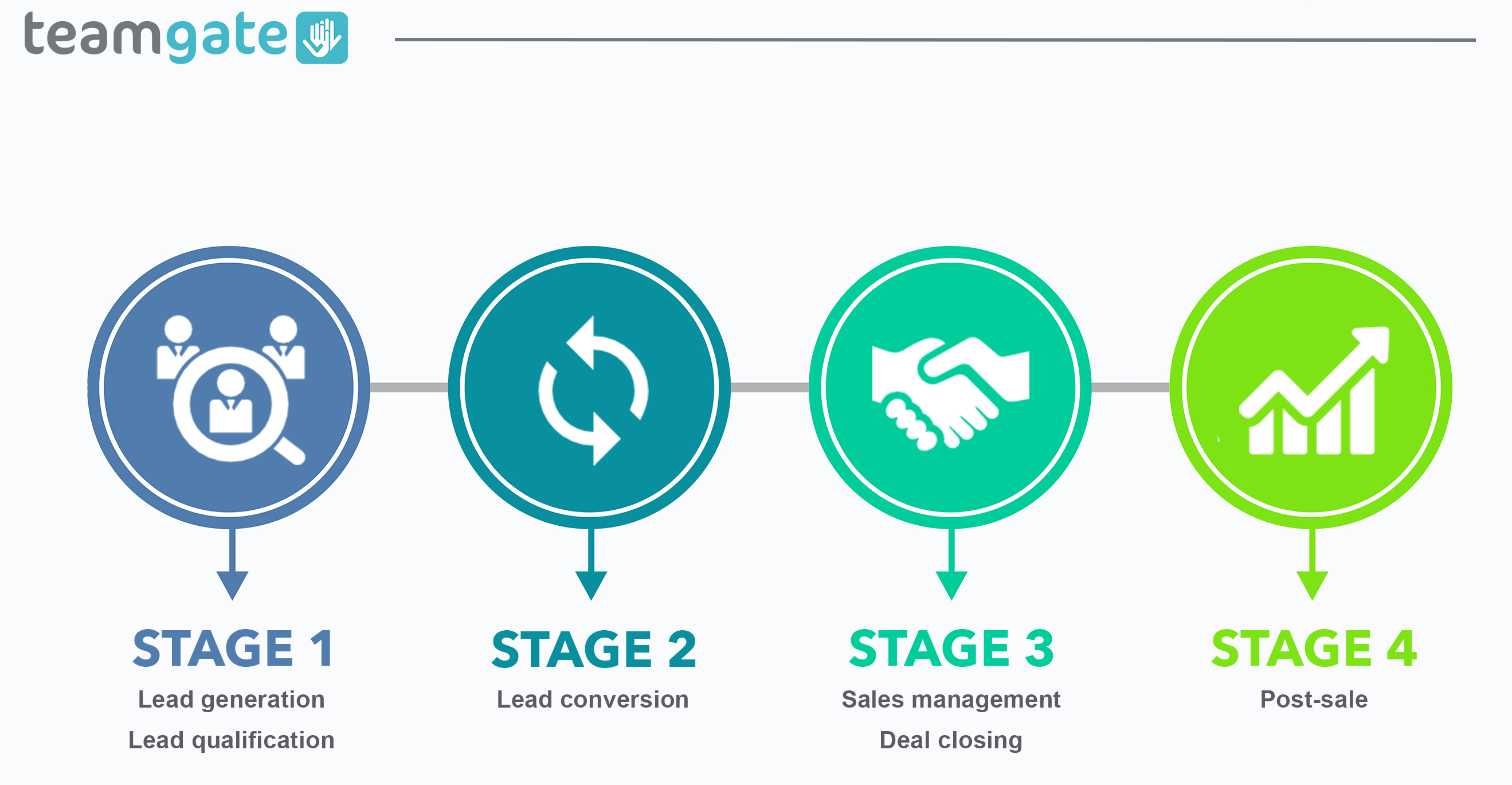
This guide breaks down the four stages of the sales management process and shows you how to apply them in a practical, operator-grade way.
Key Takeaways:
-
Develop a Data-Driven Lead Generation Strategy: Identify and qualify high-value prospects using analytics and modern prospecting tools.
-
Refine Lead Conversion Tactics: Transform qualified leads into opportunities with personalized communication and a compelling value proposition.
-
Strengthen Sales Management and Deal Closing: Manage your pipeline strategically with clear visibility—no lead or opportunity left behind.
-
Build Long-Term Post-Sale Relationships: Retain customers through loyalty programs, proactive support, and continuous value delivery.
Contents:
- What is a Sales Management Process?
- Stage One: Lead Generation and Qualification
- Stage Two: Lead Conversion
- Stage Three: Sales Management and Deal Closing
- Stage Four: Post-Sale Actions
- Streamline Your Sales Management Process with Teamgate
- FAQs: Sales Management Process
What is a Sales Management Process?
Sales management refers to the process of planning, organizing, directing, and controlling the activities and resources involved in achieving sales goals and objectives. Sales management involves overseeing the sales team, implementing strategies to drive revenue, and ensuring effective sales operations. Sales management encompasses various aspects, including sales planning, lead generation, sales forecasting, sales process optimization, performance monitoring, and implementing tools for continuous improvement. Effective sales management involves aligning sales activities with business objectives, motivating and training the sales team, analyzing sales data and trends, and continuously improving sales strategies and processes.
In modern sales ecosystems, especially in businesses that work closely with distributors, resellers, or affiliates, integrating a partner relationship management platform enhances collaboration, improves deal registration accuracy, and ensures that both internal and external teams are working toward shared revenue goals.
Most CRMs don’t lose revenue loudly, they let it leak quietly. Deals sit open with no next action. Reps forget to re-engage. Hot leads cool off. A disciplined sales management process prevents that bleed by enforcing clarity at every stage.
Stage One: Lead Generation and Qualification
The first stage of the sales management process sets the stage for success. Lead generation and qualification are the twin pillars that support a robust sales strategy. This is where predictability begins. If you allow unqualified leads into your pipeline, everything downstream becomes noisy and inefficient.
For instance, businesses that want to focus on understanding and converting their website visitors can use website visitor identification tools like RB2B to uncover anonymous traffic, analyze engagement patterns, and identify high-intent leads. When optimizing your website or improving the user experience becomes a priority, seeking external help can significantly enhance engagement and conversion performance. This insight helps sales teams refine outreach efforts and boost conversion efficiency.
Crafting a Magnetic Lead Generation Strategy
Objective: Identify and prioritize potential customers who are most likely to convert.
Strategies:
-
Define Ideal Customer Profiles (ICPs): Utilize data analytics to pinpoint characteristics of high-value customers.
-
Multi-Channel Outreach: Leverage email campaigns, social media, webinars, and SEO to attract prospects. For example, turn your posts into ads!
-
Lead Scoring: Implement scoring models to assess lead readiness based on engagement and fit.
Best Practices:
-
Regularly update ICPs based on market trends.
-
Align marketing and sales teams to ensure consistent messaging.
-
Use AI and CRM tools to create more human-like personalized messages and effectively nurture leads.
- Create a shared internal knowledge base like Document360 to align marketing and sales teams on ICPs and buyer persona.
Stage Two: Lead Conversion
Once a lead is qualified, your job is simple: move from interest to opportunity with structured engagement.
This is where many pipelines stall. Why? No clear next step. No defined buying process. Inconsistent follow-up.
Strategies:
-
Consultative Selling: Focus on understanding customer needs and providing tailored solutions.
-
Value Proposition Articulation: Clearly communicate the unique benefits of your product or service.
-
Objection Handling: Prepare responses to common concerns to build trust and credibility.
Best Practices:
-
Train sales representatives in active listening and empathy.
-
Utilize authentic content from case studies and testimonials to demonstrate success.
-
Maintain consistent follow-ups to keep prospects engaged.
-
Add AI-powered personalization (chatbots, automated sequences)
-
Emphasize social proofing with reviews, case studies, customer success stories
Discipline Fix:
Every active deal must have a scheduled next step.
In Teamgate, tasks, reminders, and activity tracking turn follow-up into a system—not a hope. Reps start their day in activities. Managers can see next-step coverage instantly. If there’s no next action, the deal isn’t real.
This is how momentum stays alive.
Stage Three: Sales Management and Deal Closing
This critical phase involves strategic negotiation, compelling value propositions, and effective closing techniques. Implementing smart sales tactics, like time-sensitive offers or personalized follow-ups, can accelerate decisions and boost close rates.
A well-structured proposal process also plays a key role in this stage. Using a reliable quoting software allows sales teams to create professional proposals, streamline approvals, and track client interactions—ensuring deals move smoothly from negotiation to closure.
Strategies:
-
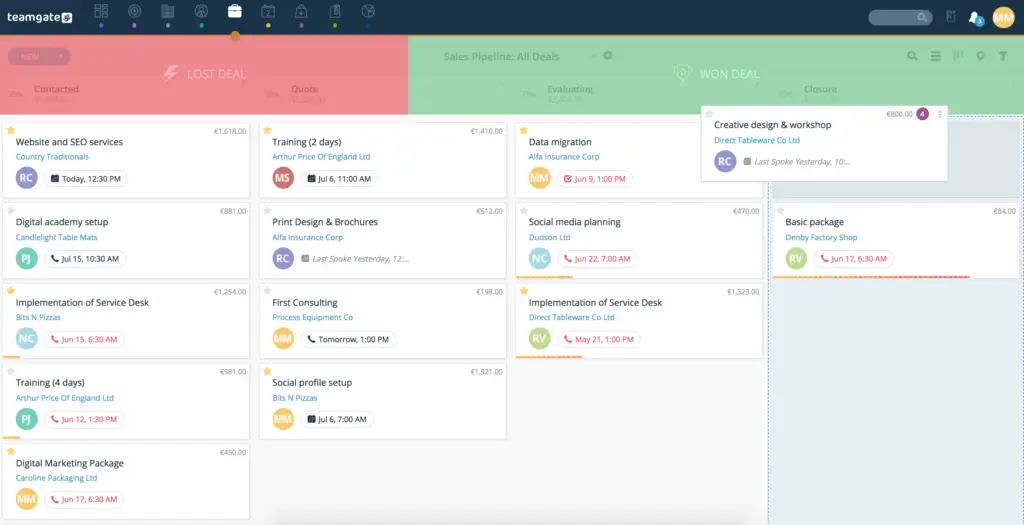
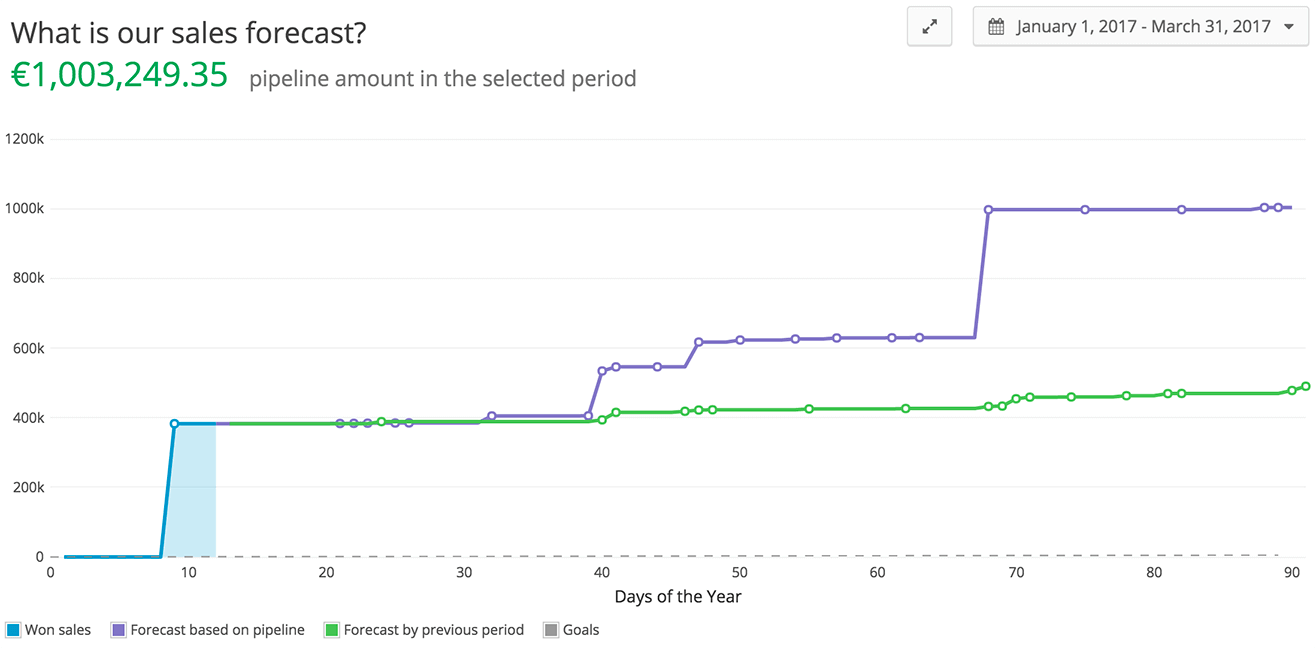
Pipeline Visibility: Use CRM dashboards to monitor deal stages and forecast revenue.
-
Sales Enablement: Provide the sales team with tools (*cough* Teamgate), content, and training to enhance performance.
-
Negotiation Skills: Equip salespeople with techniques to navigate pricing and contract discussions.
Best Practices:
-
Set clear sales targets and KPIs.
-
Conduct regular pipeline reviews to identify bottlenecks.
-
Celebrate wins and analyze losses to continuously improve.
- Include data-driven negotiation prep (competitive benchmarks, ROI calculators)
Stage Four: Post-Sale Actions
The close of a sale marks not the end, but a new beginning in the customer journey. Now it’s time to ensure customer satisfaction and foster long-term relationships for repeat business.
Strategies:
-
Onboarding Programs: Guide new customers through product setup and usage.
-
Customer Feedback: Solicit input to understand satisfaction levels and areas for improvement.
-
Loyalty Initiatives: Implement programs to reward repeat purchases and referrals.
Best Practices:
-
Assign dedicated account managers for personalized support.
-
Monitor customer health scores to preempt churn risks.
-
Regularly update customers on new features and offerings.
- Map your customer journey to quickly analyze and pivot where needed
-
Implement customer success programs (structured onboarding, health scoring)
-
Add advocacy programs (referral bonuses, customer advisory boards)
Streamline Your Sales Management Process with Teamgate
If your follow-ups rely on memory and your deals keep going quiet, a clean next-step system fixes it fast.
Streamline Your Sales with Teamgate CRM
Discover a sales operating system designed to keep your pipeline clean, your reps consistent, and your managers confident in the forecast—without enterprise CRM bloat or feature overload.
In order to establish an effective sales management process, you must first understand your current pipeline discipline. Are stages clearly defined? Does every deal have a next step? Are managers reviewing activity signals weekly?
With Teamgate:
-
Reps work from tasks and reminders that enforce consistent follow-up.
-
Managers get dashboards that highlight aging deals and missing next steps.
-
Pipelines reflect reality—not wishful thinking.
-
Automation reduces busywork so reps focus on selling.
The result: a clean, trustworthy pipeline that protects revenue from silent leakage.
FAQs: Sales Management Process
Q: What is a sales management process?
A: A sales management process refers to the systematic approach and set of activities designed to oversee and guide the sales cycle of a business. It involves identifying problems, generating leads, converting them into deals, managing the sales pipeline, closing deals, and providing post-sale support.
Q: Why is a sales management process important?
A: A sales management process is essential for businesses to effectively manage their sales operations and drive success. It helps streamline the sales cycle, improve lead conversion rates, optimize sales team performance, track and manage deals, and enhance customer relationships.
Q: How can I identify the problems in my sales cycle?
A: To identify the problems in your sales cycle, examine your current sales pipeline and thoroughly understand each stage of the process. By analyzing bottlenecks, inefficiencies, and areas where leads may be lost, you can pinpoint the challenges that need to be addressed.
Q: How can a CRM software help in designing an ideal sales process?
A: A CRM (Customer Relationship Management) software like Teamgate can be instrumental in designing an ideal sales process. It allows you to automate lead generation, qualify leads, convert them into deals, manage sales pipelines, track communication history, assign owners and collaborators to deals, and facilitate deal closure. These features enable businesses to create a customized sales process that aligns with their specific needs.
Q: What are the main stages of the sales management process?
A: The main stages of a sales management process typically include lead generation, lead qualification, lead conversion, sales management, deal closing, and post-sale activities. Each stage plays a crucial role in ensuring a smooth and successful sales cycle.
Q: How does Teamgate simplify lead conversion?
A: Teamgate simplifies lead conversion by automating the data entry and transfer process. With just one click, a qualified lead can be converted to a deal in the Teamgate CRM. This conversion creates a person and/or a company associated with the deal, transferring all relevant information such as tags and custom fields automatically.
Q: How does Teamgate support sales management?
A: Teamgate provides multiple functions for sales management. It allows you to set estimated closing dates for deals, create multiple sales pipelines, manage all deal-related information in one place, including communication history and shared files. Teamgate also offers features like mapping integration, on-the-go accessibility, and call recording, making it a convenient and comprehensive sales CRM solution.
Q: What happens in the post-sale stage with Teamgate?
A: In the post-sale stage, Teamgate ensures that a new client receives personalized care and support from their dedicated customer success team. This team guides clients through the initial adaptation process, answers their questions, and offers assistance whenever needed. This post-sale connection strengthens the customer relationship, enhances the user experience, and increases the likelihood of future recommendations.
Q: How can I get started with Teamgate?
A: Getting started with Teamgate is easy. Simply visit our website and sign up for a free trial to experience the benefits of our comprehensive CRM solution. Explore the features, streamline your sales management process, and drive business success with Teamgate.
Do you have a CRM that keeps you organised?
The most user-friendly CRM on the market. 14-day free trial.
Start Free TrialPainless setup, no credit card required
Other articles that might interest you.
The ultimate guide of creating a sales process.
How CRM can reduce sales churn and keep your sales on track.
How to go hand in hand with technologies in sales process in 2019.