In the landscape of personal development, few books have stood the test of time as well as Dale Carnegie’s “How to Win Friends and Influence People”. Since its publication in 1936, this seminal work has guided countless individuals in understanding human nature and fostering meaningful relationships. Carnegie’s principles continue to resonate, offering timeless strategies for effective communication and influence in today’s interconnected world.

In both personal and professional realms, the ability to communicate and connect with others is invaluable. Carnegie’s strategies emphasize the power of building rapport and cultivating partnerships based on mutual respect and understanding, skills increasingly important in a world that values collaboration and social connectivity.

Key Takeaways:

  1. Empathy is Essential: Genuine interest in others fosters deeper connections.
  2. Active Listening: Enhancing professional networking through focused conversations.
  3. Digital Adaptability: Applying Carnegie’s principles to online communication.
  4. Ethical Influence: Balancing persuasive techniques with sincerity.
  5. Timeless Relevance: Carnegie’s principles remain applicable in today’s diverse corporate world.

Contents:

Who Was Dale Carnegie?

Dale Carnegie was a trailblazer in the self-improvement movement, renowned for his courses in public speaking and interpersonal skills. Born into modest circumstances in Missouri, Carnegie’s early experiences as a salesman and aspiring actor informed his deep understanding of human behavior. His passion for helping others communicate effectively led to the development of courses that revolutionized personal development and laid the foundation for his enduring legacy.

Early Life and Career of Dale Carnegie

Dale Carnegie’s early career as a traveling salesman and aspiring actor offered him firsthand experiences with rejection and success, which he later incorporated into his teachings and writings. His transition from the sales field to conducting public speaking engagements highlighted his understanding of human psychology and the importance of effective communication.

The Core Principles of Dale Carnegie’s Philosophy

Dale Carnegie’s approach to winning friends and influencing people is built on several fundamental principles that advocate for genuine empathy, active listening, and sincere appreciation. His philosophy is encapsulated in key principles that advocate for authentic interactions and mutual respect:

  • Genuine Interest in Others: Taking a sincere interest in others’ lives fosters trust and rapport.

  • Active Listening: Truly hearing and understanding others’ perspectives enhances communication and connection.

  • Avoiding Criticism: Refraining from direct criticism encourages openness and receptivity.

  • Appreciation and Praise: Offering honest and heartfelt appreciation motivates and uplifts others.

  • Encouraging Others to Talk About Themselves: Allowing others to share their experiences builds rapport and understanding.

These principles are not manipulative tactics but guidelines for cultivating sincere and meaningful relationships.

Practical Applications of How to Win Friends and Influence People

Carnegie’s principles are remarkably adaptable to modern contexts, including digital communication, professional networking, and customer relations:

Adapting to Digital Communication

Carnegie’s emphasis on personal interest and empathy can be transformative even across digital mediums. Personalizing emails, engaging genuinely in social media interactions, and being considerate in online communications can build rapport and foster relationships, just as they do in person.

Networking in the Modern Era

Effective networking extends beyond exchanging contact information; it involves creating meaningful connections through consistent and thoughtful communication. Applying Carnegie’s principles—such as showing genuine interest in others’ careers and offering assistance without immediate expectations—can enhance one’s influence within professional networks.

Customer Relations and Service

In customer service, Carnegie’s advice to show genuine appreciation and to listen actively can lead to significantly better outcomes. Businesses today can implement his strategies to enhance customer satisfaction and loyalty, which are crucial for long-term success.

Critical Review and Contemporary Relevance

While Carnegie’s teachings have been widely celebrated, some critics argue that his methods may appear insincere if used merely as tactics rather than genuine behaviors. It’s essential to apply his principles with authenticity and integrity to avoid ethical concerns.

Despite such criticisms, the core tenets of respect, empathy, and genuine interest remain vital in today’s diverse and dynamic societal landscape. These principles continue to be beneficial across various aspects of modern life, from personal relationships to professional settings.

Conclusion

Dale Carnegie’s How to Win Friends and Influence People has made a lasting impact on the way we view human interactions. His principles transcend time, offering valuable insights into building compassionate, understanding, and respectful relationships. By embracing these timeless strategies, individuals can enhance their interpersonal skills and foster positive connections in both personal and professional realms.

To put Dale Carnegie’s strategies into your sales process, consider using Capterra’s number 1 value-for-money CRM of 2024: Teamgate CRM.
Get started today for FREE.


FAQs: How to Win Friends and Influence People

What are the key strategies for building lasting relationships according to Dale Carnegie?

Dale Carnegie emphasizes the importance of showing genuine interest in others, listening attentively, and making people feel important and appreciated. These strategies foster mutual respect and create a foundation for lasting relationships.

How can I apply Dale Carnegie’s principles to improve my professional networking?

Apply Carnegie’s principles by actively listening, remembering names, and focusing conversations on others’ interests. This approach builds rapport and trust, making your professional interactions more meaningful and effective.

In what ways do Dale Carnegie’s teachings address modern digital communication?

Carnegie’s principles can be adapted to digital communication by ensuring messages are personalized, respectful, and empathetic, which helps maintain strong connections even through screens.

What are the ethical considerations in applying Carnegie’s techniques to influence others?

It’s important to use Carnegie’s techniques with sincerity and integrity. Manipulating others by feigning interest or insincere praise can lead to ethical concerns and damage relationships.

How relevant are the principles from ‘How to Win Friends and Influence People’ in today’s corporate world?

Carnegie’s principles are highly relevant in the corporate world as they enhance leadership, improve customer relations, and foster team collaboration by promoting a positive and respectful work environment.

Can Dale Carnegie’s methods help in managing customer relations and service?

Yes, applying Carnegie’s advice on showing genuine appreciation and listening to customer feedback can significantly enhance customer service and increase customer loyalty and satisfaction.

What is the impact of Dale Carnegie’s philosophy on leadership and team management?

Carnegie’s philosophy impacts leadership by encouraging leaders to foster a positive environment through appreciation, respect, and encouragement, leading to higher employee engagement and productivity.

How can I use Carnegie’s advice to enhance my personal and professional life?

Implementing Carnegie’s advice involves improving communication skills, being empathetic, and valuing others’ contributions, which can enhance personal relationships and professional collaborations.

What criticisms exist regarding ‘How to Win Friends and Influence People’?

Some critics argue that Carnegie’s methods can appear manipulative, as they focus on influencing others’ behaviors for personal or professional gain. It’s vital to balance these strategies with authenticity.

Why does ‘How to Win Friends and Influence People’ continue to be popular in the 21st century?

The book remains popular because its core principles of respect, understanding, and genuine interest are timeless and universally applicable across various cultures and eras.

In the fast-paced world of sales, the ability to effectively prospect is what sets top performers apart from their peers. Fanatical Prospecting, a pivotal work by Jeb Blount, serves as a comprehensive guide for sales professionals looking to master the art of prospecting. This book delves into the relentless pursuit of leads and the proactive strategies necessary to ensure a robust pipeline of potential customers.

Blount’s methods challenge the conventional approach to sales, advocating for a more aggressive, disciplined, and systematic effort to engage potential clients. By breaking down the psychological barriers that hinder sales success and emphasizing the critical role of prospecting in achieving sales goals, Fanatical Prospecting offers readers invaluable insights into transforming their sales processes.

Key Takeaways:

  1. Persistent Prospecting: Regular and disciplined outreach is essential for maintaining a healthy sales pipeline.
  2. Handling Rejection: Developing resilience against rejection is crucial for sustained sales effort.
  3. Utilizing Multiple Channels: Effective prospecting uses a blend of traditional and digital communication channels.
  4. Practical Strategies: Implement daily challenges and the Prospecting Pyramid to organize and prioritize efforts.
  5. Role of Technology: Leverage technology to enhance efficiency in managing relationships and analyzing performance.

Contents:

The Fanatical Prospector: Who is Jeb Blount?

Jeb Blount is much more than a sales trainer; he is a globally recognized thought leader in the realm of sales and customer experience. His extensive experience spans over two decades, during which he has transformed emerging salespeople into high performers through his influential books and comprehensive training programs.

Jeb Blount Career Highlights

Jeb Blount founded Sales Gravy in 2006, a company that started as a podcast and quickly evolved into a global leader in sales enablement solutions. The platform offers training, consulting, and recruiting services to help sales teams increase productivity and performance. Blount’s approach is practical, focusing on the psychological aspects of selling and the skills needed to excel in today’s competitive markets.

Jeb Blount Contributions to Sales Training and Literature

Jeb Blount is the author of several books, with Fanatical Prospecting being one of his most influential works. This book specifically addresses the most critical aspect of sales—prospecting—which is often overlooked in other sales methodologies that emphasize closing techniques and relationship management. His other notable works include Sales EQ, Objections, and Inked, which collectively cover a broad spectrum of essential sales skills. Through his writing and training programs, Blount emphasizes a balanced approach to sales, incorporating emotional intelligence, detailed understanding of human behavior, and advanced negotiation techniques to equip sales professionals with the tools they need to succeed.

Blount’s teachings and writings have not only shaped the careers of individual sales professionals but also influenced the strategies of numerous organizations worldwide. His insights into the psychological triggers that accelerate the buying decision process, as well as strategies for navigating complex sales environments, have made him a pivotal figure in the world of sales consulting. Through his work, Jeb Blount continues to inspire a new generation of sales professionals to adopt a fanatical approach to prospecting, fundamentally altering their approach to securing and growing business.

The Core Principles of Fanatical Prospecting

Fanatical Prospecting lays out a set of guiding principles that form the backbone of successful prospecting activities. These principles not only enhance the effectiveness of sales efforts but also ensure sustainability in the challenging world of sales.

The Importance of Persistent Prospecting

At the heart of Jeb Blount’s philosophy is the unwavering commitment to regular and consistent prospecting. Blount argues that sales professionals must integrate prospecting into their daily routines to prevent the dreaded ‘sales slump’. The key is to maintain a full pipeline, which acts as a buffer against the natural ebbs and flows of the sales cycle. By making prospecting a habitual practice, salespeople ensure they always have new leads to work, thus maintaining momentum and enhancing overall sales resilience.

Dealing with Rejection

Rejection is an integral part of the sales process. Blount emphasizes the importance of resilience and mental toughness in facing rejection. He suggests viewing each “no” as a step closer to a “yes,” which reframes rejection as a positive, necessary step in the prospecting process. This mindset helps sales professionals persist in the face of adversity and maintain a positive attitude, crucial for long-term success.

Utilizing Multiple Channels for Prospecting

Blount advocates for a diversified approach to prospecting, using multiple channels to reach potential clients. This method includes traditional calls and emails as well as leveraging newer platforms like social media and networking events. Each channel has its strengths and caters to different audiences, increasing the overall reach and effectiveness of prospecting efforts. Blount’s approach ensures that sales professionals do not rely too heavily on a single prospecting method, thus mitigating risk and maximizing potential opportunities.

Fanatical Prospecting Techniques and Strategies

Fanatical Prospecting provides actionable techniques and strategies that salespeople can apply to enhance their prospecting effectiveness. These tactics are designed to increase both the efficiency and efficacy of the sales process.

Daily Prospecting Challenges

Even the most dedicated sales professionals face obstacles that can disrupt their prospecting efforts. From maintaining focus amid constant distractions to safeguarding sensitive client data while working remotely, these challenges require proactive solutions. By ensuring secure internet connections, salespeople can protect confidential information and, more importantly, stay safe with VeePN, a service designed to offer both privacy and seamless connectivity. With these measures in place, prospecting can continue uninterrupted, no matter where the work takes you.

Blount introduces the concept of daily prospecting challenges—short, focused bursts of prospecting activities designed to build and maintain momentum. He recommends setting aside specific times each day dedicated solely to prospecting. This practice helps develop discipline and ensures that prospecting activities are not overshadowed by other day-to-day responsibilities.

The Prospecting Pyramid Model

The Prospecting Pyramid is a strategic framework that prioritizes leads based on their likelihood to convert. This model encourages salespeople to segment their prospects into different levels, from cold leads at the base to hot opportunities at the top. Effective management of each segment ensures that sales efforts are focused on the most promising leads, thereby optimizing time and resources. The pyramid approach also facilitates a structured progression for nurturing leads at each level, enhancing the potential for conversion.

Effective Phone Prospecting

Despite the rise of digital communication tools, phone calls remain a potent tool for direct prospecting. Blount stresses the importance of mastering phone communication skills, including developing compelling call scripts, engaging in active listening, and handling objections adeptly. He provides detailed guidance on crafting engaging introductions, asking insightful questions, and leading the conversation towards setting appointments or making sales. The goal is to make each call count by maximizing its impact on the prospect.

These techniques and strategies are foundational to implementing Jeb Blount’s fanatical approach to prospecting. By adopting these methods, sales professionals can expect to see substantial improvements in their ability to generate and convert leads, ultimately leading to greater sales success and career growth.

Applying Fanatical Prospecting in Various Sales Scenarios

Jeb Blount’s Fanatical Prospecting principles are adaptable across different sales environments. This versatility is key to the methodology’s success, providing sales professionals with the tools they need to tailor their strategies to specific contexts.

B2B Sales Prospecting

In the B2B sector, prospecting requires a nuanced approach to handle longer sales cycles and multiple decision-makers. Blount suggests a strategic layering of prospecting techniques, where personal relationships are prioritized alongside targeted digital outreach. Key activities include leveraging LinkedIn for networking and establishing thought leadership through value-added content. By focusing on creating meaningful interactions and providing solutions to business pain points, sales professionals can effectively nurture leads and build trust, which is crucial in B2B transactions.

B2C Sales Prospecting

For B2C sales, the emphasis shifts towards volume and quick conversion tactics. Blount advocates for a more aggressive use of cold calling and SMS marketing to reach a wider audience. Here, the ability to quickly establish rapport and handle objections over the phone or through direct messaging is critical. Personalizing communication and promptly addressing consumer needs can significantly enhance conversion rates in a high-velocity sales environment.

Digital Sales Environments

In digital sales environments, combining traditional prospecting methods with digital tools is essential. Blount emphasizes the importance of email marketing campaigns, targeted ads, and interactive webinars to engage prospects. Effective use of CRM systems to track interactions and gather data on prospect behavior can also help tailor follow-up communications and increase the effectiveness of digital prospecting efforts.

Overcoming Common Prospecting Challenges

Prospecting can be fraught with challenges that may deter sales professionals from achieving their goals. Jeb Blount’s book offers solutions to these common obstacles, encouraging a proactive and persistent approach to prospecting.

Overcoming Fear of Rejection

Fear of rejection is perhaps the most significant barrier to effective prospecting. Blount advises redefining rejection as a normal part of the sales process, suggesting that each rejection brings you closer to a successful sale. Sales professionals are encouraged to maintain a positive mindset and resilience, continuing to reach out to new prospects despite setbacks.

Breaking Through Sales Slumps

Sales slumps are inevitable, but Blount provides strategies to break through them. Regularly refreshing prospecting lists, introducing new prospecting methods, and revisiting previous clients can inject new energy into sales efforts. Additionally, setting small, achievable goals can help maintain motivation and momentum during tough times.

Innovating in Prospecting Approaches

Stagnation in prospecting methods can lead to diminished returns. Blount champions continuous innovation in prospecting strategies, such as experimenting with new technologies or adopting emerging social media platforms for outreach. Keeping abreast of industry trends and adapting to changes can also help sales professionals stay relevant and effective in their prospecting efforts.

By addressing these challenges with Jeb Blount’s fanatical prospecting strategies, sales professionals can enhance their resilience and adaptability, ensuring sustained success in their sales careers.

Conclusion: The Impact of Fanatical Prospecting on Sales Success

Fanatical Prospecting by Jeb Blount is more than just a sales book; it’s a comprehensive guide that reshapes the mindset of sales professionals towards the discipline of prospecting. The principles and strategies discussed in the book emphasize a proactive approach to generating and maintaining a healthy sales pipeline, which is crucial for sustained sales success. By adopting a fanatical approach to prospecting, sales professionals not only increase their opportunities but also enhance their ability to navigate the complexities of sales negotiations and customer relationships.

The core takeaway from Fanatical Prospecting is the transformation it promises—turning the often-dreaded task of prospecting into a competitive advantage. For those in the sales profession, implementing Blount’s methodologies can lead to significant improvements in performance, resilience, and ultimately, career growth. As we move forward in an increasingly competitive market, the lessons from Fanatical Prospecting remain ever relevant, providing salespeople with the tools they need to thrive in any sales environment.

If you want a system to support you in your daily prospecting, we recommend checking out Teamgate CRM. Speak with their sales team for a system demo, or get started yourself for FREE today!


FAQs: Fanatical Prospecting

What is fanatical prospecting?
Fanatical prospecting is a disciplined, proactive, and consistent approach to seeking out potential business opportunities. It involves using multiple strategies and channels to contact and engage with prospective clients regularly.

How does fanatical prospecting differ from traditional sales methods?
Unlike traditional sales methods that may focus more on servicing existing leads and clients, fanatical prospecting emphasizes aggressively filling the sales pipeline with new prospects. It prioritizes daily, consistent activities to generate leads, thereby preventing sales slumps and dependency on a few key accounts.

Can fanatical prospecting techniques be applied in non-sales roles?
Yes, the principles of fanatical prospecting, such as persistence, resilience, and proactive engagement, can be beneficial in non-sales roles. These include roles in networking, business development, and any position requiring outreach and relationship management.

What are the first steps in adopting a fanatical prospecting approach?
The first steps include setting clear, measurable goals for daily prospecting activities, choosing the right mix of prospecting channels based on your industry, and developing a routine that ensures consistent execution. Training in resilience and handling rejection is also crucial.

How important is technology in fanatical prospecting?
Technology plays a significant role in fanatical prospecting by providing tools for managing relationships, automating tasks, and analyzing performance. CRM systems, auto-dialers, and data analytics tools are essential for modern prospecting strategies, helping sales professionals work more efficiently and effectively.

Digital marketing has transformed the advertising industry tremendously. In fact, it has become pivotal to developing advertising strategies. But, there are two forms of digital advertising: search ads and display advertising. The former was the most popular in the advent of digital advertising, but display advertising has outdone text ads by a pretty significant margin in the last three years.

Experts predict a 25% increase for the next five years due to the soaring demand for display content among consumers. Here’s an in-depth overview of what display advertising is and the types marketers should use to foster growth.

Contents

<

Understanding Display Advertising

The Essence of Display Advertising

Display advertising is the digital equivalent of a billboard that you encounter on the internet’s highways. Yet, it transcends the static nature of traditional billboards, offering interactive, dynamic, and targeted content tailored to the online consumer’s interests and behaviors. At its core, display advertising is a visual-based form of online advertising that encompasses banners, images, and videos to convey a marketing message across various websites, social media platforms, and digital environments.

The Strategic Role in Marketing

Display advertising doesn’t just aim to inform; it seeks to engage and persuade. It plays a pivotal role in the marketing mix, offering versatility in strategy from brand awareness and engagement to conversion and retention. By leveraging data analytics and targeting technologies, display ads can reach a specific audience segment at optimal times and places, making every impression count.

A Journey Through Time

The evolution of display advertising is a testament to the internet’s rapid growth and the ever-changing landscape of digital marketing. From the first banner ad that graced the internet in 1994, proclaiming “Have you ever clicked your mouse right HERE? You will,” to today’s sophisticated programmatic advertising platforms, display advertising has come a long way. It has adapted to the shifts in consumer behavior and technological advancements, becoming more personalized, interactive, and measurable.

Display Advertising Categories

It is a form of sales and marketing that attracts the audience to a website, social media platform, or other digital channels to perform a particular action (click-through a landing page or purchase an item). The ads are also used for retargeting a campaign encouraging a visitor to return to the website to take action. The adverts may be in the form of images, videos, flash or audio and may appear on specific websites on the internet. Here’s a breakdown of the different categories:

Banner Ads

It is an advertisement displayed on a web page that consists of an image (gif, .jpg, .png) or a multimedia object. Banner ads can be animated or static, depending on the media used to create it.  Banner ads function the same way as regular table banners, and other forms of print media advertise products, inform customers about a new product and create brand awareness. Some advantages of using banner ads include:

  • Announce sales offers and discounts
  • Increase sales: Customers are then encouraged to purchase certain products
  • Increase customer traffic: the banners encourage visitors to go to the advertiser’s website

Rich Media

This kind has interactive features like audio, video, and clickable elements that encourage visitors to engage with the content. The ad provides more ways of engaging an audience as it can float and expand. Additionally, marketers can access aggregated metrics like the audience video completions, their behavior, and the number of expansions.

Rich media display advertising allows marketing agencies to create elaborate ads that can trigger a user’s response. What’s more, the introduction of HTML5 technology enables advertisers to include different content (tweets, videos, games) in one placement. Some advantages of using rich media are:

  • Access to better metrics than traditional advertisements
  • Increased view rates, conversions, and click-through rates
  • A better user experience

Interstitial Ads

They are full-screen ads designed to cover the interface of a website. Interstitial ads are a popular form of advertisement used on mobile ads due to their high impression rate. Since they appear between the content, they are best placed at natural breaks, e.g., in-between game levels. This full-coverage differentiates them from other ads like banner ads and pop-ups. Other reasons marketers use these ads include:

  • High click-through rates that lead to higher conversion rates
  • Their large sizes that leave large impressions on the target audience

Video Ads

It is the use of video content to advertise products. Marketers use this form of advertising because it allows them to connect with the audience on a personal level and is relatively cheap to create. Also, the proliferation of mobile devices has spurred the growth of video advertising.
A report by IAB Video Advertising Spend shows that two-thirds of video ad revenue originates from mobile devices. There are three types of video ad formats, which are Linear video ads that mimic TV commercials, non-linear video ads that run along with video content, and companion ads that include images and texts.

Types of Display Advertising

As we delve deeper into the world of display advertising, it becomes evident that one size does not fit all. The diversity in types of display advertising allows marketers to craft campaigns that resonate with their target audience, align with their objectives, and fit within their budget. Here, we explore the primary types of display advertising that have become essential tools in the digital marketer’s toolkit.

Standard Display Ads

Standard display ads are the foundational elements of display advertising. These ads appear as static or animated images or banners placed on websites within ad networks. They are versatile and straightforward, offering a direct approach to conveying a message or promoting a product. However, their simplicity does not detract from their effectiveness. With compelling creative elements and strategic placement, standard display ads can significantly enhance brand visibility and user engagement.

Responsive Display Ads

In a world where consumers switch between devices like channels on a television, responsive display ads stand out for their adaptability. These ads automatically adjust their size, appearance, and format to fit any ad space available, ensuring optimal display across different screen sizes and devices. This fluidity not only improves the user experience but also maximizes the ad’s reach and impact. Responsive ads are a testament to the evolution of display advertising, embracing flexibility in a multi-device world.

Retargeting Ads

Retargeting ads serve as a digital reminder, nudging users who have previously interacted with a brand but did not convert. These ads strategically reappear to these users as they browse the internet, keeping the brand top of mind and encouraging them to complete a desired action, such as making a purchase. Retargeting is a powerful tool in converting potential interest into tangible action, leveraging past engagement to foster future transactions.

Social Media Display Ads

Social media platforms are not just social networking sites anymore; they are powerful advertising landscapes where display ads thrive amidst engaging content. Social media display ads leverage the platforms’ vast user data to offer unparalleled targeting capabilities, from demographic and psychographic segmentation to behavior-based targeting. Each social media network offers unique ad formats tailored to its environment and audience behaviors, such as Facebook’s Carousel Ads, Instagram’s Sponsored Posts, and Twitter’s Promoted Tweets. These ads are designed to blend seamlessly with the user’s feed, offering a less intrusive advertising experience that can drive higher engagement and conversion rates.

Native Advertising

Native advertising is the chameleon of the display advertising world. These ads match the look, feel, and function of the media format in which they appear, disguising themselves as natural content rather than blatant advertisements. By aligning closely with the user’s browsing experience, native ads reduce ad fatigue and improve user engagement. They can take various forms, including sponsored content articles, in-feed ads, and recommended posts. The key to successful native advertising lies in its relevance and value to the audience, providing content that is not only promotional but also informative or entertaining.

Video Display Ads

As digital consumption patterns shift towards a preference for video content, video display ads have surged in popularity and effectiveness. These ads incorporate video to capture attention, convey messages more dynamically, and create a deeper emotional connection with the audience. Video display ads can be found in pre-roll, mid-roll, or post-roll slots within video content, as well as in standalone placements on websites and social media platforms. The immersive nature of video allows for creative storytelling and brand presentation, making it a powerful tool for awareness and engagement campaigns.

Interactive Display Ads

Interactive display ads invite user participation, transforming passive viewers into active participants. These ads incorporate elements such as games, quizzes, polls, or interactive videos to engage users in a unique and memorable way. The interactivity not only enhances user engagement but also provides valuable insights into user preferences and behaviors. Interactive ads can significantly increase the time spent with the brand, fostering a stronger connection and higher likelihood of conversion.

Measuring Success in Display Advertising

In the realm of digital marketing, the adage “What gets measured gets managed” rings particularly true. For display advertising campaigns, assessing performance and impact is crucial to justify investments and guide future strategies. Here’s how to measure success in display advertising:

Key Performance Indicators (KPIs) for Display Advertising

Success in display advertising can be quantified through several key performance indicators, each offering insights into different aspects of campaign effectiveness:

  • Click-Through Rate (CTR): The ratio of users who click on an ad to the number of total users who view the ad (impressions). High CTR indicates compelling ad creatives and effective targeting.
  • Conversion Rate: The percentage of users who take a desired action (e.g., purchase, sign-up) after clicking on an ad. It measures the ad’s ability to persuade users to complete a conversion goal.
  • Cost Per Click (CPC) and Cost Per Acquisition (CPA): CPC measures the cost incurred for each ad click, whereas CPA denotes the cost for each conversion. These metrics help evaluate the financial efficiency of display ad campaigns.
  • Return on Advertising Spend (ROAS): A metric that calculates the total revenue generated for every dollar spent on advertising. ROAS is critical for understanding the profitability of display advertising efforts.
  • Engagement Metrics: Includes metrics like time spent on site, pages per visit, and bounce rate for users who arrive via display ads. These metrics provide insights into how engaging and relevant the ad content is to the audience.

Tools and Techniques for Tracking and Analyzing Performance

Leveraging the right tools and technologies is essential for accurately measuring and analyzing the performance of display advertising campaigns. Google Analytics, Google Ads, and various ad management platforms offer comprehensive analytics features, including:

  • Conversion Tracking: To monitor actions taken by users after clicking on an ad, enabling advertisers to understand how ads contribute to conversion goals.
  • A/B Testing Tools: For comparing different versions of ads to determine which performs best in terms of engagement and conversions.
  • Audience Insights: To gain deeper understanding of the audience’s demographics, interests, and behaviors, informing better targeting and personalization strategies.

As we look to the horizon, the future of display advertising is shaped by technological advancements, evolving user expectations, and changing regulatory landscapes. Here are key trends that will define the next era of display advertising:

Emergence of AI and Machine Learning

Artificial intelligence (AI) and machine learning (ML) are set to revolutionize display advertising by enabling more sophisticated targeting, personalization, and optimization. AI algorithms can analyze vast amounts of data to predict user behavior, automate ad placements, and optimize bidding strategies in real-time, ensuring maximum efficiency and effectiveness of ad campaigns.

Increased Focus on Privacy and Data Protection

With growing concerns over privacy and data protection, regulations like GDPR and CCPA have reshaped the digital advertising landscape. Advertisers will need to navigate these regulations carefully, adopting privacy-first strategies that respect user consent while still delivering personalized ad experiences. Cookie tracking software remains a valuable tool for understanding user preferences and enhancing ad relevance when used responsibly. By ensuring that tracking aligns with consent standards, companies can create personalized experiences that benefit users, while giving them greater control over their data.

Rise of Augmented Reality (AR) and Interactive Ads

Augmented reality and interactive ad formats are gaining traction, offering immersive experiences that engage users in novel ways. AR ads, in particular, can bridge the gap between digital and physical worlds, providing users with interactive and personalized experiences that drive engagement and conversion.

Shift Towards Contextual Advertising

As cookie-based targeting becomes less viable due to privacy restrictions, contextual advertising is making a comeback. By aligning ads with the content’s context, advertisers can achieve relevance and engagement without relying on personal data, ensuring compliance with privacy standards.

Conclusion

The landscape of display advertising is continuously evolving, driven by innovation, consumer behavior shifts, and regulatory changes. By understanding the various types of display advertising, adopting strategic approaches for growth, measuring success accurately, and staying ahead of future trends, marketers can leverage display advertising to achieve significant business growth. As we venture forward, the agility to adapt and innovate will remain key to harnessing the full potential of display advertising in the digital era.


FAQs: Display Advertising

1. What is the difference between display advertising and search engine advertising?

Answer: Display advertising and search engine advertising are two pillars of digital marketing with distinct approaches. Display advertising focuses on visually engaging ads (like banners, videos, and interactive ads) placed on various websites across the internet to build brand awareness and capture attention. It targets users based on their interests, demographics, or behaviors, often regardless of their immediate intent to purchase. Search engine advertising, on the other hand, targets users based on their search queries on platforms like Google or Bing. These ads are text-based and appear alongside search results, targeting users with a specific intent or who are actively searching for related products or services.

2. How do I choose the right type of display advertising for my business?

Answer: Choosing the right type of display advertising depends on your marketing objectives, target audience, budget, and content strategy. For brand awareness and broad reach, standard and responsive display ads are cost-effective options. If your goal is to engage users or promote interaction, consider video or interactive display ads. For businesses aiming to drive conversions from users who have previously shown interest, retargeting ads are highly effective. Analyzing your audience’s online behavior and preferences can also guide your choice, ensuring your ads resonate and achieve your desired outcomes.

3. Can small businesses benefit from display advertising?

Answer: Absolutely, small businesses can significantly benefit from display advertising. It offers a flexible and scalable approach to reach a broad audience without requiring a large upfront investment. By targeting specific demographics, interests, and behaviors, small businesses can efficiently allocate their budgets to reach potential customers. Additionally, the use of retargeting ads and local targeting strategies can help small businesses drive conversions and build brand loyalty within their community or niche market.

4. How much should I budget for display advertising?

Answer: The budget for display advertising can vary widely depending on your campaign goals, target audience, and competition. It’s advisable to start with a test budget to experiment with different ad formats and targeting options to see what works best for your business. From there, you can scale up your spending based on the ROI and KPIs like CTR, CPC, and conversion rate. Remember, the key is not just how much you spend but how effectively you allocate your budget across different types of display ads and targeting strategies to maximize your returns.

5. What are the best practices for creating display ad creatives?

Answer: Effective display ad creatives are visually appealing, brand-consistent, and message-clear. Use high-quality images or videos, concise and compelling copy, and a clear call-to-action (CTA) to encourage user engagement. It’s also important to design with your target audience in mind, personalizing the message to their interests and needs. A/B testing different creative elements can help identify what resonates best with your audience. Additionally, ensure your ads are optimized for different devices and screen sizes, especially for responsive display ads.

6. How does retargeting work in display advertising?

Answer: Retargeting in display advertising works by tracking visitors to your website and then serving them targeted ads as they browse other sites on the internet. This is achieved through cookies or pixels placed on your website, which collect data on user behavior. This information allows advertisers to target ads based on specific actions a user has taken on their site, such as visiting a product page or adding items to a shopping cart, with the goal of encouraging them to return and complete a purchase or another desired action.

7. What are the most common mistakes in display advertising campaigns?

Answer: Common mistakes in display advertising campaigns include not defining clear objectives, failing to target the right audience, using generic ad creatives that don’t resonate with the target audience, neglecting A/B testing, and not optimizing campaigns based on performance data. Another mistake is overlooking the importance of mobile optimization, given the increasing prevalence of mobile device usage. Avoiding these pitfalls by setting clear goals, targeting effectively, creating engaging and personalized creatives, and continually analyzing and refining your strategy can significantly improve your campaign’s success.

The point of running a business is to make a profit through sales of your product or services. Digital marketing allows us to generate more leads, reach out to wider market space, and gain information that could help us develop a smarter business strategy. That’s why we are going to let you in on some of the top sales conversion tips that you can incorporate within your strategy and generate sales quickly.

1. Visual content

A picture tells a thousand words but it can also help the audience process the information quicker. According to scientists, our attention span is short and you’d have a better chance to deliver your message through graphics and other visual aids than words. This applies to all supporting channels of interaction like emails, web content, social media posts, or SMS messages.

2. Don’t wait too long

Statistics tell us that you’d have more success in converting your prospects into customers if you contact them as soon as they leave their contact information. As soon as you get their email, send your best offer (if possible personalized according to prospect’s interaction with your brand) and see your conversion rate scale along with your revenue.

3. Analyze data

Track your website audience data, you can get important information that could help you facilitate the entire sales process. If you analyze who visits your page, what raises interest, what drives people away, as well as numerous other information, you’ll have all it takes to craft optimal sales offers. Different prospects have different needs which you have to consider before making an offer.

4. Survey

Make your priority assignment to learn about the issues your prospects are dealing with. Send out a survey that focuses on business issues your potential customers are facing. This will help you develop a presentation that will aim those issues and fix them. Offering an affordable and simple to apply solution is the quickest way of making a sale.

5. Avoid cold calling

According to statistics, only 2.5 percent of cold calls end up with a successful sale. This is not the only issue that comes from this “strategy”, often cold call recipients block your number and destroy any chance of future interactions. Cold emailing can also earn you a place in the spam folder or Google’s blacklist. Always contact those people that permitted you to contact them.

6. Offer money-back guarantee

If you’re not a highly reputable brand but a startup just trying to find your place on the market, make sure you gain people’s trust. `Offer refunds when placing an offer to assure the other side that you’re not interested in robbing them but providing a valuable product or service` – says Linda Audley, the sales specialist at the HR management software

7. Offer testimonials

Let your previous clients speak for you. Place a few customer feedbacks or success stories on your landing page to let the newcomers know how you helped other people. Contact previous clients and ask them for a few words on how you helped them in their endeavors. 

8. Ask for contact

It might seem like a pushy strategy, but asking people to opt-in for your emails is the best way to create and convert sales leads. Just make sure your opt-in box is simple and doesn’t require more information than you need. Sometimes, business name and email are all it takes and you can research further to learn more about each contact on your list.

9. Connect PPC ads with appropriate landing pages

If you’re into PPC ads, make sure that when a person clicks on your ad, it takes them directly to the product sale page. This page should include essential product info and a visible purchase button. This way, you’re facilitating the buying process to its full extent. To enhance your ad performance and boost conversion rates, consider using ecommerce PPC management services to optimize your campaigns and create a seamless transition from ads to landing pages.

10. Versatile payment options

Your customers are coming from different backgrounds, which means their manner of doing business might be different than yours. Allowing different payment options is another way to convert leads into clients. Make sure all major credit cards are supported, as well as services like PayPal, Payoneer, and Skrill. Bitcoin and other cryptocurrencies should also be covered.

11. High-quality images

Stock photos or poorly produced images don’t build trust and show a lack of dedication. Use high-quality photos developed especially for your brand to show the audience you’re serious about your business. Your SEO results will also show gratitude if you do this.

12. Provide live chat/call support

Sometimes visitors cancel their decision to buy a product because they have the slightest doubt that could easily be resolved if they only had someone to ask. Sending an email might seem like a daunting task for them, so you have to give them a way to contact you immediately. AI-driven chatbots are a good choice if you don’t wish to hire extra human help.

13. Offer first purchase perks

Include two for the price of one, next purchase discounts, free shipping or some other benefits for every new client. Make sure the visitors understand your offer is only valid for first-time customers.

14. Allow instant purchase

Don’t force people into registering a user account only to make a purchase. You need to make the purchasing process as simple as it can be. Some people might want to keep their info hidden or simply don’t have the time to fill out long registration forms just to buy a widely available product.

15. Raise urgency

Adding a limited offer or including the number of available products in your stock raises urgency according to marketing experts. This helps you drive sales, as people are more eager to buy products if they are on high demand or if there’s a good offer that’s soon to expire.

Conclusion

We hope these small pieces of advice will help you rocket your sales sky-high. Make sure that every addition to your sales strategy is affordable and makes sense for your business. However, remember that the best way to continuously sell a product is to keep improving it.

In this comprehensive article, you’ll unlock the secrets to crafting effective sales emails that elicit responses from prospects. Learn how to write engaging subject lines, connect with your audience on a personal level, leverage social proof, and create compelling calls to action that move your audience toward the next steps in your sales process.

Key Takeaways:

  • The significance of research in crafting personalized, response-driven sales emails cannot be overstated.
  • The art of creating catchy subject lines can drastically affect the open rates of your cold emails.
  • Always keep your emails simple, concise, and focused more on the benefits than the features of your product or service.
  • Leverage social proof to enhance credibility and make a persuasive case for your product or service.
  • Never forget to include a clear and concise call to action to guide prospects on the next steps.

Confession time: I have recently signed up to Unroll.Me.

It was a decision driven by desperation mostly — I was getting buried under unsolicited emails and irrelevant pitches. There were moments when I was really aghast at the lack of imagination and flair of the people who kept barraging me with thoughtless, generic emails.

When it comes to interpreting cold email responses, silence usually means no. And that got me thinking — what makes a stellar cold email? Is there a secret hack to writing a sales email that gets a response?

It appears now that there is more than one hack to crafting an inbox-busting cold email campaign. 

#1 Do your homework

A mischievous cat from ‘Alice in Wonderland’ once said that “if you don’t know where you’re going, it doesn’t matter which road you take”. It’s okay if you don’t want to take advice from a fictional character, but talk to any self-respecting inbound sales rep and they’ll tell you that the single most important aspect of their job is research.

Effective marketing and sales campaigns are based on connecting with prospects on an emotional level. What seems like a pretty simple box to tick, invoking emotions can actually be excruciatingly difficult. Not only do you need to know your lead’s pain points to be able to push the right buttons, but you also need to choose the right method to approach them and the right vocabulary to make them take the desired action.

Most inbound marketers will agree that if you don’t know who you’re targeting, your emails will stink.

Whether you’re reaching out to just a handful of leads or a database of 1000+, crafting a highly personalized sales email is the only reliable way to generate decent response rates. If your mailing list exceeds a reasonable number of people, consider a few basic tips for improving your chances of hitting the bullseye:

  1. Create a meaningful buyer persona that captures and summarizes the most important information about your target market, including their pain points and motivations. When you get to crafting the actual sales email copy, write for that particular person as if you were talking to them face to face.
  2. Use LinkedIn to get a better understanding of your list. Select just a few names at random to research their profiles, and see what language they’re using to describe themselves, what skills they’re highlighting, their recommendations, and so on. This will give you direction as to what style, tone, and messaging they’re most likely to respond to.

Anyone who’s ever tried to write a killer sales email knows that defining the buyer persona early can significantly shorten the writing and redrafting process as well as help you choose the right keywords and tone. A CMO will not respond to the same messaging as a CTO, so blindly shooting emails left and right in the hopes of winning some of the leads will waste your list and earn you a spammer’s badge.

Do you have a CRM that keeps you organised?

The most user-friendly CRM on the market. 14-day free trial.

Start Free Trial

Painless setup, no credit card required

At this stage, having the right tools in place can help you cut the research time in half, so make sure your prospecting process is well thought through. You will most likely need a few different tools and extensions to create, track and optimize your email campaigns. Here are some of the most popular email prospecting tools that you should explore.

Tools and Resources

Teamgate – helps to connect, research, present, and close their inbound leads. It also allows sending emails directly to your leads and clients from your CRM account.

Crystalknows – helps you write better emails and connect with prospects based on their unique personality and communication style.

Clara – an auto-scheduling plugin with a human feel that handles all your meetings calendar.  

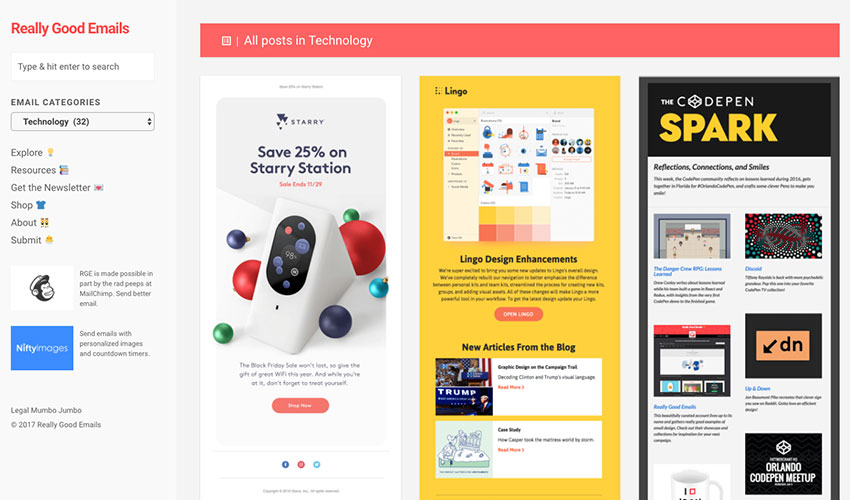
Really Good Emails – a database of the best email designs and copy. Find your inspiration!

Sales Email

Image source: Really Good Emails

Gmail extensions

Rapportive – pull up your prospect’s LinkedIn info right into your inbox.

Boomerang – a Gmail plugin that lets you schedule emails to be sent at any time.  

Clearbit – find any sales email right from your Gmail inbox.

WiseStamp – enables you to create a professional email signature for free. 

Grammarly – boost your credibility with this grammar and spelling checker.

#2 Craft and test various subject lines

When you’re sending cold emails, the subject line can virtually be a door opener. But make a mistake and you’ll land in the spam folder with no chance of making it out of there. And I have the statistics to back this up: 35% of email recipients decide whether to open an email based solely on the subject line, while 69% of people report email as “Spam” based entirely on the subject line. 

Subject lines matter.

Besides getting you through the door, a strong, compelling subject line will also earn you a few extra seconds after a prospect opens the email. But how can you pimp your subject lines to really grab their attention? Marketing pros recommend:

  • Keep it short. And it’s not even because people have the attention span of a goldfish. You have only about six to eight words to transfix your mind, as a typical inbox reveals about 60 characters of an email’s subject line. If your prospects are checking their email on a mobile screen, you’ve only got 25 to 30 characters to seal the deal.
  • Start with the most important information. 55% of all email opens occur on smartphones. A long subject line will get cut off, putting the success of your entire campaign at risk. If it’s not skimmable, it’s not good enough.
  • Personalize your subject lines. Who doesn’t love the sound of their own name? Using personalization tokens, like name or location will help you break through the initial barrier and build rapport. Showing your prospects that you know more about them than just their email address is an effective tactic to get that email opened.
  • Avoid clickbait. Look, you’re already a stranger in someone’s personal inbox — don’t push it. Making false promises or telling half-truths to get your emails opened won’t get you far. If you want to build a relationship based on trust and respect, keep your subject lines honest.

Sales Email

Once you nail a few teaser subject lines, don’t rely on your gut to figure out which one achieves better open rates. The best way to see how your audience responds to different styles and subject line formulas is by implementing a smart A/B testing strategy. Most of the email marketing tools like MailChimp, GetResponse or Yesware will run the tests for you, giving you a detailed report of opens and clicks at the end. The most important lesson here is to let the data guide you.

#3 Keep it short and to the point

Cut the fluff. Everyone is busy and living by the “time is money” rule. Getting into someone’s inbox is one thing, making a connection with a prospect and getting a response is quite another. It’s not particularly helpful when you hear the “keep it short and simple” mantra but it’s the best advice you can get.

One of the easiest ways how to keep things simple is to write as you talk. An email written in a straightforward, casual style sets the right tone for future communications — you come across as more relatable, personable, and approachable. When you finish drafting the email, read it out loud and see whether it rolls off your tongue nicely or sounds like an excerpt from an essay. Don’t make your cold email sound cold, write like a human.

#4 Make it about them and talk about benefits over features

Whatever you’re selling, don’t go for a hard sell in the first email.

If you’ve done your homework and carried out thorough research, you’re starting from the position of strength. Addressing your prospects by their name and talking about their most pressing problems makes your intrusion a little less annoying and shifts their attention from you to their pain points.

The only important truth in sales is that you don’t sell products or services, apps, or tools. You sell dreams and aspirations and offer people a better version of themselves. Benefits over features is a classic example of how much buying decisions are driven by psychological cues. You will have a better chance of converting your leads by vividly painting the picture of what they can achieve if they get on board with your offer, rather than blowing your own trumpet and talking about the amazing features.

[optin-monster-shortcode id=”cvfuxuhchvywm9wl2q6w”]

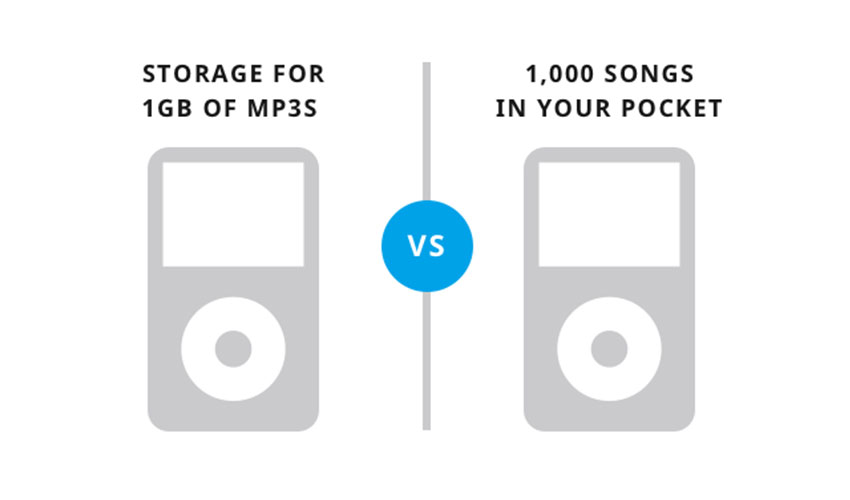
Apple nailed the feature-selling technique when they launched the iPod. When crafting your email copy, keep the Apple example in mind, avoid the awful “me me me” attitude, and focus on the prospect. If you keep on asking yourself “So what?” after every sentence you write, you’re bound to reach a version of your email that will get you a “yes”.

Sales Email

Image source: Help Scout

#5 Use social proof

7 out of 10 Americans seek out opinions before making a purchase, so adding a little social proof can go a long way. It’s one of the few big guns under an inbound sales rep’s belt that can make it easier for a prospect to say “yes” as well as foster trust. Name-dropping and using high-level stats to add a little oomph to your pitch can be an effective way to demonstrate the value that your product creates and increase the response rate.

Although it’s important to weave some case studies, numbers, or client testimonials into your cold email copy, it’s also worth remembering that it needs to stay sharp and concise. You need to find a way how to make the social proof a part of your story instead of throwing dry facts and numbers at your prospects and expecting them to be impressed. Yet, the allure of proven success is incredibly powerful:

Studies have shown that people tend to value the opinions of those that resemble them in some way. If you nail your buyer persona and pick the right case studies or testimonials for your emails, social proof can be your lucky ticket.

#6 Make sure to include a clear CTA

It goes without saying that a strong CTA is the linchpin of any promotional campaign. Chances are, your prospects will skim through your email and jump straight to the bottom of it to quickly figure out what you want. If your closing line is too long, your CTA will lose its punch and might even get lost.

A good rule of thumb is to limit your CTA to one or two sentences, ensuring it directs the prospects to the next step. When they open your email, the first question they’ll have will be “What do you want from me?”. Ensure that your CTA or your closing text clearly states the desired action and next steps.

#7 Include an email signature

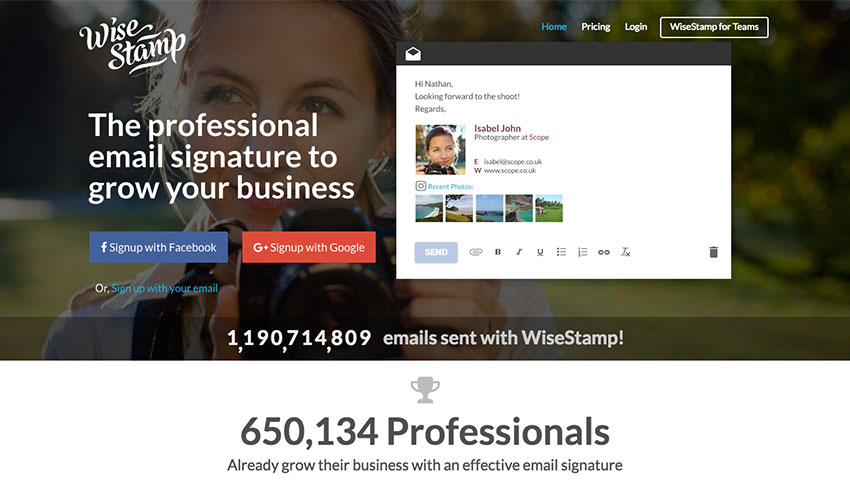
It’s okay to end your email with “Best wishes” and “Kind regards” if you want to, but make sure your email signature is a little more creative. WiseStamp will prove to be a particularly handy tool if you decide to give it a shot. A great-looking signature will send the right message to your prospects, help you improve email engagement, and garner trust. Besides that, using an email signature generator to create a professional email signature is a powerful tactic to establish credibility and put a face on a cold email. By adding relevant content, connecting your social media profiles, and keeping your email signature up-to-date you will easily differentiate your emails and engage with your prospects in a unique way.

sales email

Image source: WiseStamp

#8 Writing techniques for inspiration  

You have probably deleted quite a few cold emails yourself, without ever giving them a chance to charm you into some sort of action. Most people open cold emails already irritated, so failing to find the right copy formula to really seize your prospect’s attention can have disastrous effects on the entire campaign. There are many different schools of thought and a myriad of clever writing techniques that can come to your rescue if you feel particularly drained and uninspired. The following three are particularly liked among professional copywriters:

  • Military precision. Let’s just say that military professionals take their email communications as seriously as their job. Efficiency and speed are at the core of everything they do. A US Navy veteran has recently shared a few unique tips on how to format emails with military precision.
    Optimize the subject line: military personnel uses email subject to state the purpose of the email and to indicate the action that needs to be taken. They place special keywords, such as ACTION or REQUEST, at the beginning of the subject to get their emails noticed quickly.
    The five W’s: Another rule they have is to lead their emails with very brief statements, otherwise known as BLUF (Bottom Line Up Front). The ultimate goal of this procedure is to help the reader quickly digest the announcement or decision, without diving deeper into the background information. The statements are based on the five W’s technique and need to answer who, what, where, when, and why.
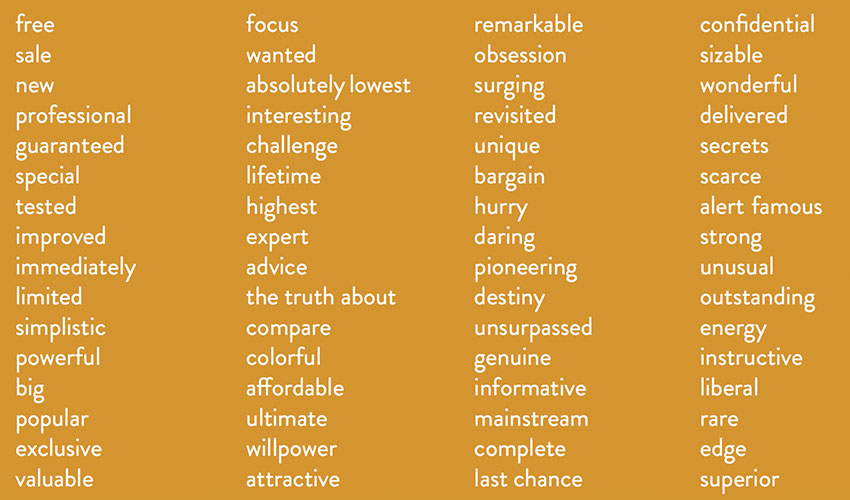
  • Use power words. There’s a lot to gain from combining active voice with power words. Putting nouns ahead of verbs and charging your writing with action-oriented, powerful words will help you sound more persuasive. Unsure about what power words are? Here’s a list of 317 of them.

sales email

Image source: dlvr.it

  • The essentials of business writing. Business writing is all about clarity and persuasion. It teaches us to cut out unnecessary words and inject a little bit of humor. One of the main takeaways from the business writing technique is to write short sentences and to avoid mixing multiple thoughts in one sentence.

#9 Follow up and follow up your follow-ups

Have you ever wondered how many follow-up emails you should send and how often? (See, I’m not even asking whether you think follow-up emails are important — they are key to any cold email campaign.) The number of follow-up messages will largely depend on the kind of relationship you have with the prospect. Yet, for a cold email outreach campaign, it’s not advisable to go beyond 2 follow-ups. Bombarding your prospects with unsolicited emails at this stage will only cause anger and tarnish your brand.

Keeping tabs on all the emails you send and remembering when the follow-ups should go out would be a nightmare without email automation and scheduling tools. The market is awash with smart email automation platforms, so choosing the right software might take as long as crafting the copy. Start with the best-known brands like Marketo, Pardot, or Yesware and work your way backward to find the most cost-effective solution for your needs.

If your initial campaign flopped or generated weaker results than you hoped for, here’s an interesting thought for you:

  • 44% of salespeople stop trying after one follow-up;
  • 80% of sales require five follow-ups.

If these few numbers shock you, take a look at the latest statistics on Email Marketing, the team of Sleek Note has gathered.

Quick takeaways

Crafting a winning cold email campaign takes practice and patience. Even with all these hacks and techniques at your fingertips, the most important factor determining your work’s success will be research. 

  • Research is the stepping stone to the success of cold email campaigns. Before you sit down to write anything, develop a buyer persona and gather as much information about your target segment as possible. Then turn that information into a story.
  • Spend time perfecting your subject lines because they can make or break your entire campaign.
  • The KISS (keep it simple, stupid) principle is one of the best rules you can follow to keep your prospects engaged.
  • Focus on the idea that you’re selling emotions, not products or services. Stressing benefits over features will help you capture the interest of a much wider base of people.
  • Use social proof to quickly build trust and credibility.  
  • Supercharge your emails with clear and simple CTAs that are a maximum of two sentences long.
  • Add a professional email signature with your contact and social media details to encourage your prospects to look you up and connect on other channels.
  • Take advantage of proven writing techniques to sharpen your copy and conquer your prospect’s inbox.
  • Follow up the first cold email at least twice.

Write to win prospects over, not to spam your way into their inbox.

FAQs: How to write a sales email

Q: How do I start writing a sales email?

A: The first step is to do your homework. Research your prospect thoroughly and create a meaningful buyer persona. This will help you understand their needs, pain points, and motivations, thereby allowing you to craft a highly personalized sales email that speaks directly to them.

Q: What is the importance of a subject line in a sales email?

A: Subject lines are crucial as they can greatly influence whether your email gets opened or not. Statistics show that 35% of recipients open an email based solely on the subject line. It should be short, start with the most important information, be personalized, and avoid clickbait.

Q: How should the body of a sales email be written?

A: The body of your sales email should be concise and to the point. Keep it short, use a straightforward, casual style, and make it about the recipient. Talk about their problems and how your product or service can offer a solution. Emphasize benefits over features to create a more compelling argument.

Q: How do I conclude a sales email?

A: Conclude your sales email with a strong and clear call to action (CTA). This tells the recipient exactly what you want them to do next. The CTA should be limited to one or two sentences. Also, include a professional email signature with your contact and social media details.

Q: How important are follow-ups in sales email strategy?

A: Follow-ups are crucial in a sales email strategy. Often, sales require multiple follow-ups. The right email automation and scheduling tools can help you manage your follow-ups effectively. Remember not to bombard your prospects with too many follow-ups, as it may tarnish your brand’s image.

Welcome to the world of Customer Relationship Management (CRM) automation, where businesses can streamline their sales, marketing, and customer service processes to improve efficiency and drive growth. Integrating the right tools and applications with your CRM can take your automation efforts to the next level, providing real-time data, increased productivity, and a better overall customer experience. In this blog, we’ll be exploring the best 12 integrations for CRM automation, so you can discover which ones will help you achieve your business goals. From email and calendar integrations to dialers and accounting software, we’ll break down what each integration can bring to the table and why it’s essential for modern businesses.

Integrated Sales Inbox

By integrating your email and sales inbox, you can track and store all communication with customers, prospects, and leads in one place, increasing productivity. This integration ensures secure and organized storage of your email and sales data, creating an automated system of record and saving you time. Connect to various email platforms, including Gmail, Thunderbird, and Outlook whilst tracking the engagement rates of your prospects by subject and campaign.

LinkedIn CRM Integration

An integration between LinkedIn and your CRM removed the need for manual data entry when prospecting leads. Simply identify and connect with prospects to push key data into your CRM system.  Captured data can include the title of your contact, their position, the company where they work, email address, and phone number.  And the good news, you can download the chrome extension for free from the Google Chrome Web store! 

QuickBooks and Xero Integration

Integrating your accounting software, such as Xero or QuickBooks, with your CRM can bring immense value to your business. Here are some of the benefits:

  • Streamlined Data Management – Integrating your accounting software with your CRM ensures that all your financial and customer data is in one place. This eliminates the need for manual data entry and ensures that your information is accurate, up-to-date, and accessible.
  • Improved Collaboration – By integrating your accounting software with your CRM, different teams within your organization can access the same data and work collaboratively. This can help avoid errors and inconsistencies, and ensure that everyone is on the same page.
  • Increased Efficiency – Integration reduces manual work, eliminates the need for duplicate data entry, and helps automate key processes. This can help your business save time, improve accuracy, and increase productivity.
  • Better Customer Insights – Your CRM contains valuable information about your customers, including their purchase history, interactions with your business, and more. Integrating your accounting software with your CRM can help you gain a better understanding of your customers’ financial habits and make data-driven decisions.
  • Improved Cash Flow – Integrating your accounting software with your CRM can help you manage your invoicing and billing processes more efficiently. This can help you get paid faster and improve your cash flow.

Slack

Integrating Slack with your CRM can bring significant value to your business by improving communication, collaboration, and productivity:

  • Improved Communication – Slack integration allows teams to communicate and share information in real-time, without having to switch between multiple tools. This can help teams stay on the same page and make decisions faster.
  • Better Collaboration – Slack’s channels and threads allow teams to work together on specific projects or tasks. By integrating Slack with your CRM, teams can access customer data, track progress, and share updates, all in one place.
  • Increased Productivity – Integration can automate key processes, reduce manual work, and eliminate the need for repetitive tasks. This can help teams save time and focus on higher-value tasks.
  • Improved Customer Experience – Slack integration with your CRM can help teams respond to customer inquiries and requests more quickly. This can improve the customer experience and help build stronger relationships with customers.
  • Better Data Insights – Slack integration can provide teams with real-time updates on customer interactions, allowing them to track progress and make data-driven decisions.

WordPress

Integrating your website host such as WordPress into your CRM enables the automation of lead generation. In particularly, the creation of lead generation forms to capture key information about your prospects to fuel your sales process. Additional benefits include:

  • Streamlined Data Collection – Integrating WordPress forms with your CRM allows you to collect customer data and store it directly in your CRM, without manual data entry. This can help ensure that your data is accurate, up-to-date, and accessible.
  • Improved Customer Insights – By collecting customer data through WordPress forms, you can gain a deeper understanding of your customers and make data-driven decisions. This can help you improve customer satisfaction and drive business growth.
  • Increased Productivity – Integration can automate key processes, reduce manual work, and eliminate the need for repetitive tasks. This can help you save time and focus on higher-value tasks.
  • Better Lead Management – Integrating WordPress forms with your CRM can help you manage leads effectively, by tracking customer interactions, monitoring lead status, and assigning leads to the right team members.
  • Enhanced Customer Experience – WordPress forms can be customized to match your brand, making it easier for customers to engage with your business. Integrating with your CRM can help you provide a seamless experience for your customers and build stronger relationships with them.

10 CRM Integrations That Automate Work Routine

Google Drive

Google Drive is one of the most popular platforms for storing your files in the cloud. Logically, integration with this platform is essential for your CRM, delivering value to your business by improving data storage, collaboration, and productivity. 

Additional benefits include:

  • Secure Data Storage – Google Drive provides a secure and reliable platform for storing your business data. Integrating with your CRM ensures that customer data is stored in a centralized location, reducing the risk of data loss or duplication.
  • Improved Collaboration – Google Drive’s real-time collaboration and sharing features allow teams to work together on projects and customer data in a more efficient manner. This can help teams stay on the same page and make decisions faster.
  • Increased Productivity – Integrating Google Drive with your CRM can automate key processes, reduce manual work, and eliminate the need for repetitive tasks. This can help teams save time and focus on higher-value tasks.
  • Better Data Management – By integrating Google Drive with your CRM, you can easily manage and access customer data, reducing the risk of data silos and ensuring that teams have access to the most up-to-date information.
  • Accessibility – Google Drive can be accessed from anywhere with an internet connection, making it easy for teams to access customer data, even when working remotely.


Google Calendar

Integrating Google Calendar with your CRM will keep you organized and efficient. With its help, you can quickly access and sync your calendars through your CRM, enhancing your ability to schedule tasks, meetings and follow-ups.

Additional benefits include:

  • Improved Scheduling – Google Calendar’s powerful scheduling features allow you to manage appointments, meetings, and customer interactions more effectively. Integrating with your CRM can help you ensure that your calendar is always up-to-date with customer data, reducing the risk of double-bookings or missed appointments.
  • Enhanced Communication – Google Calendar integrates with Gmail, allowing you to send and receive emails directly from your calendar. Integrating with your CRM can help you keep track of customer interactions and make data-driven decisions.
  • Increased Productivity – By integrating Google Calendar with your CRM, you can automate key processes, reduce manual work, and eliminate the need for repetitive tasks. This can help you save time and focus on higher-value tasks.
  • Better Customer Experience – Integrating Google Calendar with your CRM can help you provide a seamless experience for your customers, by allowing them to schedule appointments and meetings with you directly from your website or CRM.
  • Real-Time Sync – Google Calendar integrates with your CRM in real-time, ensuring that you always have access to the most up-to-date information about customer interactions and appointments.

Google Contacts

The logic of Google Contacts integration is quite similar to that of Google Calendar. You can import your Google contacts such as leads, prospects, and customers and then manage them from your CRM.

It provides centralized data management, improves collaboration, increases productivity, enhances data management, and provides accessibility:

  • Centralized Data Management – Google Contacts provides a secure and reliable platform for storing your business contact information. Integrating with your CRM ensures that customer data is stored in a centralized location, reducing the risk of data loss or duplication.
  • Improved Collaboration – Google Contacts’ sharing features allow teams to work together on projects and customer data in a more efficient manner. This can help teams stay on the same page and make decisions faster.
  • Increased Productivity – Integrating Google Contacts with your CRM can automate key processes, reduce manual work, and eliminate the need for repetitive tasks. This can help teams save time and focus on higher-value tasks.
  • Better Data Management – By integrating Google Contacts with your CRM, you can easily manage and access customer data, reducing the risk of data silos and ensuring that teams have access to the most up-to-date information.
  • Accessibility – Google Contacts can be accessed from anywhere with an internet connection, making it easy for teams to access customer data, even when working remotely.

In-App Dialling

By integrating a dialler with your CRM, your sales team can benefit from improved telephony processes, productivity, customer engagement and more!

  • Improved Telephony – An automatic dialer can help streamline your outbound calling process by automating the dialing of numbers and reducing the time it takes to reach customers. This can result in increased call volume, improved call efficiency, and enhanced customer engagement.
  • Increased Productivity – Integrating an automatic dialer with your CRM can help eliminate manual work and repetitive tasks, freeing up time for sales teams to focus on higher-value activities. This can result in increased productivity, improved call conversion rates, and higher sales.
  • Improved Customer Engagement – An automatic dialer can provide a more personalized customer experience by automatically connecting customers with the right sales representative based on their needs and preferences. This can improve customer satisfaction and lead to increased sales.
  • Improved Data Management – Integrating an automatic dialer with your CRM can help ensure that customer data is up-to-date, accurate, and accessible. This can result in more informed sales calls, improved customer engagement, and higher sales.

Workflows

Automating tasks within your CRM through the use of workflows eliminates the possibility of human error, ensuring that processes are carried out consistently and accurately every time. This leads to a more organized and efficient CRM system, reducing the risk of mistakes and improving overall data quality. Additional benefits include:

  • Better Collaboration: Automated workflows allow teams to collaborate more effectively, as they can share and access data and information in real-time. This can improve communication and coordination, leading to a more seamless and streamlined work environment.
  • Increased Productivity: Automated workflows can automate time-consuming tasks and processes, freeing up team members to focus on higher-level activities. This can help to increase productivity and drive growth, enabling businesses to achieve their goals more efficiently and effectively.
  • Customization: Automated workflows are highly customizable, allowing businesses to configure and set up their processes to suit their specific needs and requirements. This flexibility means that businesses can optimize their CRM systems to achieve their desired outcomes, while maintaining control and visibility over their processes.

Have your say by recommending a workflow to be built within Teamgate CRM

Zapier

If your CRM does not offer workflows, a great alternative is through the use of Zapier. Zapier is a popular automation tool that can help businesses of all sizes to automate tasks and processes within their CRM systems. The platform offers a wide range of integrations, allowing businesses to connect their CRM to other tools and applications, enabling them to automate a variety of tasks and workflows. Here are some of the key benefits of using Zapier to automate tasks within your CRM:

  • Time-saving: Zapier can automate repetitive tasks and processes, freeing up time and resources that can be used on other tasks. This can help businesses to become more efficient and productive, enabling them to get more done in less time.
  • Increased Accuracy: Automated tasks are carried out consistently and accurately, reducing the risk of human error. This leads to a more organized and efficient CRM system, improving the overall data quality and reducing the risk of mistakes.
  • Better Collaboration: With Zapier, teams can collaborate more effectively, as they can share and access data and information in real-time. This can improve communication and coordination, leading to a more seamless and streamlined work environment.
  • Customization: Zapier allows businesses to customize and set up their automated workflows to suit their specific needs and requirements. This means that businesses can optimize their CRM systems to achieve their desired outcomes, while maintaining control and visibility over their processes.
  • Easy to Use: Zapier is designed to be user-friendly, making it easy for businesses of all sizes to automate tasks and processes within their CRM. The platform offers a range of integrations and pre-built workflows, making it simple to get started and quickly see results.
  • Cost-effective: Zapier offers a range of pricing plans, making it a cost-effective solution for businesses of all sizes. The platform allows businesses to automate tasks and processes without having to invest in additional software or infrastructure, making it a great option for those on a budget.

Make.com (formerly Integromat)

Like Zapier, Make.com is another alternate option to workflows. With Make.com you can make your CRM system work more efficiently and effectively. This will help you to save time, improve accuracy and streamline your work processes, ultimately leading to better results for your business. The additional benefits of using Make.com are the same as those listed for Zapier.

Final Thoughts

In conclusion, a CRM system integrated with the right tools can significantly improve the efficiency and productivity of your sales process. The 12 CRM integrations discussed in this blog provide valuable insights into the options available to you. Whether you’re looking to automate your sales process, centralize your data, or improve your customer experience, the right integration can help you achieve your goals.

We hope this blog has been helpful in showcasing the potential of CRM integrations for sales automation. As you continue to evaluate your options, remember that the right integration depends on your specific business needs and goals.

Consider giving Teamgate CRM a try with a free 14 day trial to see how it can help you achieve your sales automation goals.

In this article, you’ll learn about the importance and benefits of a unified sales process for your sales team, including its impact on close rates, sales cycles, and overall revenue generation. You’ll also gain insights into the four key steps for creating a unified sales process – evaluating current sales methods, ensuring team member buy-in, defining rules of engagement, and choosing the right tools.

Key Takeaways:

  • A unified sales process, a standardized set of steps used by a sales team to convert prospects into customers, can significantly improve success rates and revenue generation.
  • Implementing a unified sales process can lead to benefits such as higher close rates, shorter sales cycles, better team management, improved communication, and increased customer loyalty.
  • Creating a unified sales process involves evaluating current sales methods, seeking team member buy-in, defining communication rules, and selecting effective sales tools.
  • The involvement of sales team members in the creation process is crucial, as their firsthand experience can guide the development of efficient strategies.
  • Selecting the right tools, such as a powerful customer relationship management (CRM) platform, can help streamline the sales process and track customer interactions.

Why Unified Sales Process?

Every brand values its sales team. 

That’s because most revenue generation is attributed to the sales team.

But for your sales team to have a higher close rate, you must have a unified sales process.

What is a Unified Sales Process (And Why is it Important)?

A unified sales process is a set of actionable and repeatable steps that members of a sales team take in converting a prospect into a customer. 

Creating a sales process is essential to improving the success rate of your sales reps.

To replicate the same level of success across the team, you must have a unified sales process. 

This is a standardized sales process that each team member must use to improve their chances of closing a sale.

Depending on your industry and objectives, a sales process can have anything from 5-6 steps. Here’s how a typical one looks:

  1. Research and preparation
  2. Prospecting
  3. Needs assessment
  4. Pitching your solution
  5. Addressing objections
  6. Closing the sale and gathering e-signatures

While these steps may differ from organization to organization, you should have a unified sales process internally. 

Here’s an example of the sales process used at Teamgate:

The Importance of a Unified Sales Process

Sure, most sales reps don’t like being confined to rigid rules and processes. But creating a sales process has many benefits that you and your sales team could benefit from. 

A few such benefits include:

  • Higher close rates
  • Shorter sales cycles
  • Employee satisfaction improves
  • Employee onboarding becomes faster and easier
  • Improved predictability of sales and revenue
  • Improved lead quality
  • Better internal and external communication 
  • Better customer loyalty
  • Reduction in lost opportunities 
  • Makes it easier for marketing and sales to align
  • Improved productivity and team management

The bottom line is that a unified sales process results in increased revenue. Research shows that B2B brands that have a sales process can increase their revenue by as much as 28%.

With benefits such as these, you can’t ignore the need for a unified sales process. That’s why you must know how to create one for your sales team.

4 Tips for Creating a Unified Sales Process Among Your Sales Team

Now that you know the value proposition a unified sales process adds to your team and business, let’s jump into how you can create one. 

Remember, however, that each sales team can have its own unique sales process. 

These are just some fundamental guidelines to help you design a unified sales process that’s a good fit for your team.

1. Evaluate Your Current Sales Methods

The first step to creating a unified sales process among your sales team is to evaluate your current sales methods. A few questions to ask as you evaluate your current system include:

Is Your Sales Team Really a Team, Or Is It a Group of Solo Sales Reps?

Gone are the days when selling was a competition. Today, closing one sale is a team effort. Gathering your sales team around one goal and encouraging teamwork is crucial to creating a unified sales process.

Which Methods are Producing Results?

Identify the current methods and strategies that are working. Are you generating leads via whitepapers? Closing deals by hosting webinars? Keep these tactics going and improve on them.

Which Methods are Not Working?  

In your evaluation, you will discover some inefficient practices. These are a waste of time and resources and, as such, should be done away with. 

What new strategies can improve your process?

Your target audience is evolving. As new technologies arise, their communication preferences and style also change. 

You need to be a step ahead of those needs to ensure high conversion rates and a positive customer experience (CX).

A proper evaluation of where you are now in creating a sales process will help you design a strategy that will help your business reach its revenue goals.

2. Get Team Member Buy-In

When creating a unified sales process among your team, make sure to get team member buy-in. 

One of the most important reasons for this is that your sales reps are on the front line. As such, they have real-world experience on the effectiveness and ineffectiveness of different sales strategies your business is using.

Getting team member buy-in also ensures that you tap into each team member’s strengths and expertise. As a result, you’re assured of creating a streamlined sales process that will produce better results. 

3. Define Your Rules of Engagement

Another essential step to include as you create a unified sales process among your sales team is to define your rules of engagement. This refers to how you:

Communicate Internally

For your team to communicate effectively, you must ensure that everyone speaks the same language. 

This is important as there’s a lot of industry jargon used in sales that could mean different things to different team members. 

Standardizing the language used within the team reduces time wasted in trying to get clarification. It also minimizes the risk of error due to miscommunication.

This will especially be important for those working in remote teams and with outside contractors to ensure everyone is on the same page. 

Communicate Externally

A great part of sales involves communicating with prospects and customers. 

Your sales process should also include your brand’s communication style with customers. 

This includes the language (words) your sales reps must use and the tone.

Having a strong communication style will ensure that your brand’s personality is evident to your customers, even if they speak to many different sales reps. 

Another reason is that it will help your sales reps communicate with customers in a way they understand. 

In most cases, this involves selling the solution you provide instead of your product/service features.

4. Use the Right Tools

In today’s world, where most businesses have gone online, selling has become a juggling act. 

That’s because there are many channels through which the sales team engages prospects and converts them into customers.

If you are not careful with the sales tools you use, you can create more of a problem for you and your team. 

That’s why selecting the right ones is crucial to creating a unified sales process among your sales team. 

As you well know, one of the most important tools for any sales team is a customer relationship management (CRM) platform.

A powerful CRM like Teamgate is not only essential in ensuring a smooth customer journey, but it also plays a huge role in how your team works together to achieve their goals. 

That’s because it helps unify the sales process right from marketing to lead generation to lead qualification to conversion. 

Interacting with your prospects and customers is also easy as Teamgate allows for communication via:

And the best part is that every interaction can be tracked. 

With the right tools in your hands, you can streamline your sales process, making it more efficient. 

Of course, you reap the benefits of shorter sales cycles, happier customers, and increased revenue. 

Creating a Unified Sales Process Among Your Team is Not an Option

If you want your sales team to be more effective, you must create a unified sales process. 

Every team member must know exactly what to do in any given situation and how to do it.

That way, you increase your team’s efficiency and, of course, boost your bottom line.

Of course, you can’t do it without a CRM that aligns with your sales process. So invest in one of the best and enjoy an increase in sales.

FAQs: Unified Sales Process

Q: What is a unified sales process?
A: A unified sales process is a standardized set of repeatable steps that members of a sales team follow to convert a prospect into a customer. It’s designed to improve the success rate of sales reps and ensure the same level of success across the team.

Q: Why is a unified sales process important for my sales team?
A: A unified sales process is crucial as it can lead to higher close rates, shorter sales cycles, improved team management, and better communication. It helps in aligning the efforts of your team, making them more efficient, and increasing overall revenue generation.

Q: How can I create a unified sales process?
A: Creating a unified sales process involves four main steps: evaluating your current sales methods, getting buy-in from team members, defining your rules of engagement (how you communicate internally and externally), and choosing the right sales tools like a CRM platform.

Q: Can a unified sales process improve customer loyalty?
A: Yes, a unified sales process can significantly improve customer loyalty. It ensures consistent communication and interaction with customers, which helps build trust and loyalty over time.

Q: How does a unified sales process affect internal communication?
A: A unified sales process standardizes internal communication, reducing the risk of errors due to miscommunication. It ensures everyone on the team speaks the same language and is on the same page, which is particularly beneficial for remote teams and outside contractors.

Q: How does a CRM platform support a unified sales process?
A: A Customer Relationship Management (CRM) platform like Teamgate is a crucial tool for a unified sales process. It ensures a smooth customer journey from lead generation to conversion. It also enhances team collaboration, allows tracking of customer interactions, and helps streamline the overall sales process.

How much you sell can have a monumental impact on your career and profitability. Poor negotiation skills can lead to economic loss and missed opportunities. 

Whether in discussions with buyers, suppliers, or investors, most negotiations follow the same fundamental rules. To clinch lucrative deals, here are the best negotiation training tips for sellers. 

Negotiate with Real Decision Makers

In the year 193 AD, the emperor’s guards killed the emperor and offered to sell the Roman Empire to the highest bidder. Julianus’ bid was the highest. Yet after paying 250 gold pieces per guard (total around $1B in today’s currency), he was swiftly deposed. No one recognized Julianus as the new ruler. 

If you’re aiming at making a legitimate deal, make sure you’re negotiating with the real decision makers. In large organizations, the decision-making unit may include different personnel from various departments. A contract with anyone else may not hold.

Set Clear Goals

If you don’t set clear goals, you’re unlikely to reach an agreement that’s favorable to your business. In his book Authentic Negotiating, author Corey Kupfer says the best negotiation training reinforces three qualities – clarity, detachment, and equilibrium. The best way to meet the three conditions is to go into talks with clear goals. 

Set SMART goals – Specific, Measurable, Attainable, Relevant, and Time-bound. Prioritize your objectives, so you know what’s non-negotiable and what you can concede on. Determine the other side’s goals. Knowing what the other side wants can make it easier to find common ground and forge win-win agreements

Knowing your goals can take the emotion out of your problem-solving and decision-making. By controlling emotions, you experience detachment, often resulting in more rational thinking.     

Sell Value Before Negotiating

It’s common for buyers to want to jump right into bargaining price. As a seller, you want first to determine that there’s a business case for the deal to go through. Only then should you haggle on price and terms. 

Focus on developing a compelling value proposition that aligns with your client’s priorities. Answer the question, “Does my offer fulfill my client’s requirements?” The better you position your solution, and the more you can match your products and services to your client’s wants, the more likely you’ll clinch the deal. 

If you dive right into negotiations, you risk getting stuck on discussions about discounts and concessions. Taking a value-driven approach ensures your offer meets the needs of your client. Focusing on value can later on smoothen negotiations. In turn, this makes it easier to close the deal at a favorable price point.  

Focus on Mutual Gains

Negotiations are the means to arriving at an agreement that satisfies all sides. A strategy aimed at mutual gains usually results in better deals. You also stand to build stronger relationships and reputations. The Mutual Gains Approach, developed by the Consensus Building Institute, occurs in four distinct stages:

Preparation

Understand your interests and those of the other side. Also, estimate each side’s best alternative to a negotiated agreement (BATNA). With a viable option, you’re less susceptible to pressure to make unfavorable concessions.

Value Creation 

Based on shared interests, find ways to create extra value. In most deals, it is possible to generate extra chances for joint gain. For example, adding the warranty period reduces the buyer’s risk, increasing the price the buyer is willing to pay while boosting the seller’s reputation.

Value Distribution

Identify the rules for sharing value. An equitable share of benefits supports the agreement’s stability. By sharing value, you strengthen relationships while increasing the chances of the deal’s success. 

Follow Through

Train to strengthen the agreement by protecting each side against future challenges. You can protect the deal by including provisions on handling future uncertainties and conflicts.

Make Each Trade-Off Count

In most negotiations, both sides make adjustments to their original position to accommodate the other side’s needs. It is through such value exchange that trained dealmakers arrive at win-win solutions. Yet, in an eagerness to please, some people may give in to too many concessions too early. 

Negotiation training experts advise getting something of equal or higher value in return for each concession. To ensure you clinch the deal on favorable terms, create a concession strategy. Begin by creating your bargaining mix, which is a list of all areas of potential conflict. Your bargaining mix should include financial and nonfinancial issues. Rank the potential conflicts from the highest priority to the lowest. 

With your ranked list, create possible solutions to please both sides. With proper preparation, you can reduce the chances of making surprise concessions. During training, attendees can practice these four concession rules:

  • Never concede without asking for something of equal or higher value in return.
  • Never concede too much, too early, or too fast. 
  • Keep score of all trade-offs. 
  • Offer your trade-offs in bundles, such as offering different packages. 

Be Willing to Walk Away

Finally, there comes a point where you have to accept that a particular deal isn’t for you. Instead of wasting more of your time, sometimes it is better to walk away. Yet walking away can be painful and difficult. This is especially true when you had high expectations and have invested lots of time and resources. 

The best time to think of walking away from a deal is before you begin negotiations. List all the possible reasons that would make you walk away. Price is often the easiest, where you can say, “I will walk away if the prospect offers less than…” Other terms and conditions may be more challenging to define, but are just as important. 

Define early on what outcomes you will accept and which ones you will reject. By knowing your limits, it will be easier to walk away from unfavorable deals. Prepare alternative options, so you know you have other viable choices. Remember your values, vision, and mission. Don’t compromise who you are for one sale. With a strong reputation, you can attract more and better deals as clients see you as reliable.   

Don’t underestimate the power of social media. The right choice of a social media strategy can help you increase sales. Substantially. 

The influence of social media marketing continues to spread. You can see, how much the landscape of social media marketing has changed over the past decade:

How to Use Social Data to Increase Sales

Image credit: Statista

Social media platforms have tremendous outreach and are very user-friendly for businesses who want to grow their audience and increase their online presence. And, with the help of selling tools, you can actually have your customers shop without leaving a social media platform. 

However, the part of social media that brings the most value is social data. Mined with the help of the built-in Analytics tools, which every social media platform provides, businesses can get up-to-date information on their social media performance. 

More on Social Data

So what is social data?

This data includes public information that users share on social media, including shares, likes, as well as demographical and biographical data, etc. 

Social data is generated through social networks in real-time and is used to determine:

  • reach
  • influence
  • relevance
  • brand exposure, etc. 

Social data not only helps brands measure their online presence but also helps customer acquisition and retention, which is crucial for sales. 

Is Social Data a Cure for All Issues?

It may seem that social data can provide answers to all the questions. 

In reality, however, social data has limitations:

  • Users don’t always share all the information. So, you should be prepared that social data that you mine from social media will not be 100% accurate. 
  • It is hard to confirm the identity of many users on social media. Some of them can have fake accounts, and other accounts are used by bots and robots. This may undermine the credibility of social data. 
  • Because many comments, received from the users, are neutral, it’s quite hard to do sentiment analysis and estimate the real influence of the brand. 

Despite all the limitations, however, social data still provides information necessary to identify and implement the strategies that will help your brand increase sales. It helps brands answer the most important questions regarding the effective use of social media to increase sales. 

What are these questions?

Let’s take a look. 

  1. Who Are You Selling To?

Just as with a marketing campaign, knowing your audience will help you develop a more elaborate strategy to increase sales. Social data provides brands with extensive information on their audience, which they can use to develop a further sales strategy. 

In particular, social data can help you determine, which social channel is the best one to use in order to increase sales. For this, you need to compare your target buyer persona with your general audience on a certain social media platform. 

Let’s say, your target buyer persona is an English-speaking male aged 25-34, working in manufacturing and located somewhere in Europe. 

Once you determine your target buyer persona, check your Analytics tabs on social media platforms that you’re interested in using to increase sales. For instance, on Facebook your target audience may look like this:

How to Use Social Data to Increase Sales

And let’s take Instagram for comparison:

How to Use Social Data to Increase Sales

While both social platforms work in terms of age, they are drastically different in terms of gender. Thus, between these two platforms, the best choice would be Facebook. 

You can also check the interests of your audience to match more points that you’re looking for in a target buyer persona. For instance, on Twitter, social data provides you with extensive information on what your followers are interested in:

How can it help increase sales?

Choosing the right platform to target a buyer persona will increase your outreach and the chances that your brand will stand out more. Audiences on social media platforms are different, so social channels are not universal in terms of outreach. Tools like SocialBoosting can help brands tailor their strategy to match the engagement patterns of their target audience, ensuring more effective reach.

Social data, however, can help you find the right social platform to reach the audience you’re looking for. 

  1. What Content Are You Selling With?

Many brands post regularly on social media and expect their sales to go up, but it doesn’t happen that way. 

Indeed, content can help bridge the gap between marketing and sales. However, the success of your sales through social media depends on content rather than on regular updates. 

Social platforms provide up-to-date social data on the content preferences of your audience, helping you choose the best content type in terms of sales. On Facebook, for instance, you can see the statistics on the best-performing post types as well the how each post performed individually in terms of reach and engagement:

How to Use Social Data to Increase Sales

This social data can help find the answer to the question, which content to use to boost engagement and drive sales. Content is one of the main driving forces for customer acquisition and retention through social media, thus, the choice of the right content type has a significant impact on sales. 

  1. How Can You Increase Your Outreach?

Outreach and sales go hand-in-hand. The higher is the outreach, the better are the sales. The outreach depends on how well your brand is in-line with the current social media trends and tools, and how well you can use them. 

One of the tools that have a substantial effect on outreach is hashtag. The right choice of a hashtag determines the visibility of your brand, consequently influencing the outreach. 

Companies employ hashtags to create hashtag campaigns that go viral. For instance, Flatfy, an international real estate company, did a hashtag campaign with #bootstrap when they were a startup. After several months, they were able to extend to the international market, spreading across Europe, Asia, and Latin America. 

Of course, the choice of a hashtag depends on its performance. The performance of a hashtag is measured with social data that’s updated in real-time. For instance, if you take #tbt, you can see its performance and popularity growth within the period of one week and one month:

How to Use Social Data to Increase Sales

Image credit: Hashtagify.me

You can also get on board with current hashtag trends by adding some of the most popular hashtags to your hashtag campaign. Of course, the choice of the hashtags will also depend on how relevant they are to your brand and your product.

Ultimately, hashtags will help make your brand more traceable, visible, and more relevant, helping more people find you and learn about your product. 

Wrapping Up

Social data doesn’t have a direct impact on sales, but it can help you determine targeting strategies that will help you reach out to the right audience through the right platform with the right content. 

Hopefully, our tips will help you better understand the role of social data in increasing sales and to use it to grow your brand. 

If you are selling a product or service online, a sales funnel has become quite necessary in formulating an online sales strategy. Also known as a conversion path, a sales funnel guides the customer to a point of simply being curious about buying your product or service. 

Once you establish your website or eCommerce platform, you want to strategically take a prospective client through the stages that encourage them to buy your product or service. This process entails preempting the customer journey because sales funnels are largely determined by consumer behavior. 

While some prefer to build their own sales funnels, there are automated tools available to ease the process and save time. Some of the resources are free, while others are paid for. 

  1. ThriveCart

ThriveCart allows you to promote products, services, digital products, and services and subscriptions to your website visitors. It has a wide range of tools that go beyond a simple sales funnel but allows you to integrate digital marketing tools like MailChimp and HubSpot. 

ThriveCart features a built-in sales tax calculation, and offers special features like bump offers, and allows you to set up a sales funnel within minutes. The platform boasts a high conversion rate and offers a money-back guarantee if you are not happy with the service. 

A platform of this nature can be ideal for the online service industry, such as an essay reviewer; the tool is highly intuitive and does not disrupt the design of your website. 

  1. Builderall

Builderall is so aptly named because you can almost build an online service for your business and online marketing platform. The tool boasts a range of tools and features beyond a simple sales funnel. 

You can use the tool to create a sales funnel for your existing site. You can build your website, membership site, or blog and run social media campaigns. If you have not started building your site, this might be the best tool for you because it allows you to work with pre-built templates. 

If you are interested in building designing and selling courses, then this platform is perfect and it also you to create videos, ebooks, and webinars. As if all these features are not enough, you can also use the platform to coordinate email market campaigns. 

  1. Convertri

Convertri is another dynamic tool that allows you to diversify your site and create a responsive sales funnel. The tool allows for simplified audience targeting and it can be set up within minutes. 

With a simplified design, you can easily create accelerated pages, sales funnels, and websites. With its simple drag and drop features, it allows for simple integration and pages are responsive to mobile devices and there is a wide range of templates to choose from. 

Convertri is always improving and has recently allowed an easy and light way to embed videos into your pages and other features. The tool also allows you to create sub-users to allow for collaboration and it also features a WordPress plugin so you can integrate the tool into your site.

  1. Wishpond

Wishpond is an amazing tool for lead management, and it is quite diverse in its offerings and allows you to easily create landing pages, social promotions, online forms, and lead tracking tools. 

Wishpond accommodates your online marketing needs by helping you attract visitors and to publish eye-catching content for landing pages and converting clicks into sales. The tool allows you to integrate a range of software, including Salesforce, Insightly, MailChimp, and GetResponse. 

This tool is ideal for any type of business, including the kind of business that offers assignment help because it easily integrates the sales funnel with user needs. Wishpond is quite popular among online businesses because it allows to fully integrate online sales into their website. 

  1. Kajabi

Kajabi is a dynamic tool for business and eCommerce websites that allows its users to create a wide range of sales funnels. The all-in-one platform not only allows you to create interactive marketing campaigns but to also design online courses, websites and cool landing pages. 

Kajabi is quite affordable and its premium packages are perfect for smaller businesses. It offers coding-free landing pages that ensure that it is easy for anyone to use and build a functional sales funnel. 

It also features the ability to create conversational emails and it has a built-in shopping cart. Kajabi simplifies boosting revenue and it offers easy to customize checkout tools. For those who are novices, there is 24/7 support via email and live chat. 

  1. Cartflows

Cartflows is specifically designed for WordPress and gives its users the power to create a series of steps that ease the customer journey. Featuring a wide range of templates, the tool allows its users to create highly optimized checkouts and it also gives users one-click user bumps. 

Cartflows is an easy to use tool that can ease the process of creating a sales funnel to ease the process and ensure that you can offer diverse services. If you are a student looking to ease designing your eCommerce site, you can get to ensure that you are able to stay up to date with your studies. 

It is also quite simple to get help with building sites and managing your sales funnel. Companies that offer services for specific markets like UkWritings and you can also find essay services by reading up on Edubirdie review.

  1. HubSpot

Hubspot is one of the most popular dynamic tools out there to create a sales funnel and create other services for marketing. HubSpot is ideal for creating an entires sales hub that allows you to manage leads, increase your traffic and monitor your sales funnel. 

HubSpot is easy to use and has a simple drag and drop design featuring beautiful templates for web pages, landing pages, emails, and blog posts. Furthermore, you can also gain insights for when people open your emails, download an attachment or click on links. HubSpot also supports Google calendar, HubSpot CRM, and Office 365. 

Conclusion

The simplification of sales funnels has allowed businesses to operate optimally and focus on their growth. Eliminating the process of creating one manually creates the potential for a business to grow beyond its imagined capacity. The growing need for businesses to meaningfully connect with their customer base lies in the simplified design and an online presence. Sales funnels are also a way to stay in the loop with customer behavior and gain accurate insights on how to improve on the digital sales campaigns. 

Startups – they can either be exciting, scary or both at the same time. The prospect of getting into business to address a pain point someone or another has experienced can be daunting, and thinking about how to keep your startup sustainable and profitable can also be a little frightening. But growing a startup (and keeping it afloat) is easier now more than ever. For the past years, growth hacking has been the way to go to make even the newest startups flourish. 

Growth hacking is exactly what it sounds like — it means to explore, experiment with, and ‘hack into’ the most creative ideas that revolve around making your product or service appeal to your market so that they help key aspects of your business grow. We’re talking experience marketing, UX and UI, data, surveys, and trial and error of all sorts. Yes, it will take more than just one growth hacking strategy to find out what makes your market tick.

But don’t be intimidated. Although growth hacking sounds like it has to involve a lot of things a lot of times in order for you to succeed, there are some standard ideas you can try to help hack your startup’s fast growth and fast track it to your market’s radar: 

1. Freebies

One actionable growth hacking strategy you can implement right now involves a little tweak in your website’s landing page (if it’s not already been done): instead of showing your latest product or a sale first, show a freebie first. Who doesn’t love a good freebie? Attracting first-timers to your start-up with a no-strings-attached freebie will help you gather pertinent information easier because the front isn’t that you’re asking anything from them (even though in reality you’re essentially generating leads), but a free, ‘opt-out-able’ resource for them instead. This is an especially popular growth hacking strategy for life coaches and the like. Showcase your freebie via a lightbox or a pop-up every time someone visits your landing page. If your product or service really resonates with them, then your market will only look forward to your email communications more and more.

2. And while you’re at it… Loyalty Programs

If you’re giving out freebies to people who have discovered your product or service for the first time, then all the more should you give something out to the people who keep your business a part of their constants to capture loyal customers. Give your loyal users a reward for something as simple as a referral, i.e., customers can get their own referral links they can use to give out to their network and everyone gets a reward in return. This is a favorite growth hack strategy for retail stores and ecommerce sites to get more people to sign up and at least view their site. The rest will then be up to how appealing their site really is to their target market. 

You can also reward your loyal customers with points, freebies after a certain purchase, or even free shipping forever once they reach a certain number of years engaging with your business.

3. Make A Worthy (Marketing) Investment

If you’re really dedicated and hell-bent on growing your business, then investing in the experts will benefit your goals the most. Invest in working with marketing and growth experts, as they’re the ones who really focus on collecting and analyzing data, on discovering and infiltrating potential markets, and on opening new distribution channels to move your brand forward. They can probably do all the growth hacking ideas in this article better than the words could explain it. So if you really mean business, touching base with growth marketing experts who know product innovation, user experience management, and technical target marketing will earn you back more of what you invested in them in the first place.

4. Look Big

If you wanna be it, show up as it.

You can easily make your business look bigger than it seems (especially to potential investors) if you stay consistent and begin your marketing with premium aesthetics. Something as simple as a consistent branded look will have most consumers trusting your business just because you look credible. Apart from that, simply having multiple contact numbers or multiple addresses/P.O boxes across the country will make you look less of a startup and more of an up-and-running company. If your service is able to reach a wider area (i.e. you ship internationally), all the better to boost your business with. Finally, don’t be afraid to publish customer testimonials. Social affirmation can definitely make a company look big and credible.

5. Look Even Bigger with Premium 

A good growth hacking strategy to try as well, if your business model allows it, is to ‘split’ your product between free and premium. By allowing everyone to experience your product or service for free, you’re getting your foot in the door by giving them their most basic needs from your business. Strategically pepper this free version with invitations to go premium, constantly citing how it truly is an upgrade from the former. Several photo editing apps and music apps use this growth hacking strategy with much success!

Are you ready to make it big? Try these growth hacking ideas for your own start-up today and let us know just how well it worked out for you!

As a sales leader or manager, you’re aware of how the landscape has shifted in terms of how we grow accounts and boost sales opportunities. In today’s environment, buyers are less patient than they were, so it’s important for sellers to impress them right away and throughout the process. If not, the buyer will move on quickly. 

To succeed in this landscape, you have to plan your strategy and focus on properly managing your sales opportunities. Companies who do this right are the ones that direct most of their energy on the most important opportunities and have a specific strategy for each. If you want to increase your success, ask yourself these 10 essential questions.

1. Does the planning stage involve the whole team?

It’s normal that sellers work on their own opportunity plans by themselves. This can actually be a problem. Sellers, like any other people, can be really good at one thing but not so good at another. When you work alone, you’re going to miss certain things or make mistakes that would not happen if you were collaborating. The best decisions and ideas happen when all the top players work together to create a sales opportunity strategy.  

2. Does your sales team use all the resources and people available?

Because sellers typically work alone, they can often fail to use all the resources and people available to them. Instead, think about your biggest sales and how you could improve these opportunities by leveraging people with industry experience, important connections, strength in negotiations, inside information, and much more. In terms of resources, consider referring to case studies, presentation material, buyer interaction possibilities, sales messaging resources, and so on. 

3. Are the most important sales opportunities chased down with maximum energy?

As explained by Belinda Darcy, a sales expert at Boomessays and UKWritings, “your sales team needs to build a sales opportunity plan and use their maximum energy to pursue each sale. Brainstorm with your team to come up with the best ideas, plans, and strategies to achieve your sales opportunities.” 

4. Do opportunities have a seller-assigned intensity rating?

You probably can’t dedicate maximum time and effort to each opportunity due to limited resources. Have your sales teams take a step back and rate each opportunity on a scale of importance to decide which opportunities require your time and energy. If you do that analytically, you’ll be able to better allocate your resources and maximize your opportunities. You can then focus completely on the more important opportunities, which should maximise profits for your company.

5. Are your sales opportunity plans designed to get the sale?

Sellers don’t often enjoy building their sales opportunity plans. However, it’s important to create the plan properly to maximize your chances. Plans should be detailed and compelling, especially for the most important sales, because once it’s written the seller becomes more likely to follow it. Writing it down also gives other sellers or sales leaders the opportunity to improve it or discuss it. 

6. Does the sales team simplify agreement in the buying team to progress?

When a seller is facing a buyer group, especially a larger one, it can be difficult to move forward. An excellent seller will identify and motivate an influential buyer within the group to take a stand and push for the sale.

7. Is the sales process as good as it can be?

It can be hard to have a successful sales process when the seller doesn’t understand the process and struggles to move the buyer through the stages, or the process simply isn’t good. It shouldn’t surprise you to learn that the companies whose sales processes are more mature tend to have a greater revenue growth, offer fewer discounts, and have better win rates. 

As said previously, your sales team needs to have your best, most experienced people on it.

8. Do your sellers satisfy multiple buyers’ criteria?

The reality is that many sellers in the B2B environment will be selling to teams of multiple people. The sellers who are the most successful with these groups facilitate buyer agreement and they identify and categorize the buyers into five decision roles. You may wish to review your approaches to selling to multiple buyers. 

9. Do sellers plan their insights in advance?

To be a great seller, you need to be able to educate or inspire buyers with fresh ideas and perspectives, what’s known as insight selling. It’s actually very important to plan these insights in advance to become a top seller. You could monitor which products are selling well all year, then focus on those next year, or set up a survey to see what potential customers may want.

10. Is your process for managing sales opportunities all about the customer?

As much as companies like to think they’re customer-centric, in reality, they often aren’t. Many companies use opportunity plans that are focused on sales missions, sales objectives, seller approaches, and more. If that seems familiar to you, it’s time to rethink your opportunity management process to make it more customer-focused. It’ll be impossible to focus your organization on customers when your tools and strategies are all about the sellers. 

A product that is personalised to the customer, even marginally, is substantially more likely to sell.


Many B2B businesses use social media just to be present.

However, just being on social media and regularly putting your content up doesn’t guarantee that your sales will immediately go up.

You may invest thousands of dollars in making high-quality content, and your sales still will be floppy and unstable.

So, what are you missing out on?

The secret is in building strong relationships with your followers/customers/target audience.

In marketing, specifically in customer relations management (CRM), it’s commonly known as social selling.

Social selling is the strategy to develop relationships that become a part of the sales process. This strategy is often applied using social networks and involves:

  • sharing relevant content
  • direct interaction with potential buyers
  • personalization and personal branding
  • social listening techniques (involving user-generated content, influencers, customer support, etc.)

Ultimately, it’s not just about sharing content that’s high in value. The relationships between a business and a potential buyer are multifaceted. It’s all about building a strong connection, and businesses are paying more and more attention to become closer with their customers.

What do the numbers say?

According to Impact, with the reference to several statistics sources:

  • Businesses that employ social selling, are able to attract 51% more opportunities than their competitors, and outsell their non-social competitors in the 78% of the time.
  • Companies that use social selling strategies are 40% more likely to hit their revenue goals.
  • 39% of businesses reported that social selling helped them reduce the time they had to spend researching potential leads.

Sales for Life has put together a comprehensive infographic, describing the benefits of social selling for B2B:


Ultimately, Impact reports that 31% of businesses named social selling the main strategy that helped them build stronger and deeper relationships with their buyers.

So, what essential steps should you follow to drive your sales with social media, using CRM and social selling?

Let’s take a look.

1. Automate to Boost Sales

First of all, let’s discuss the technical part of driving sales.

With any social media platform, you’re already targeting thousands if not millions of people, potentially getting thousands of leads. Managing this all without using technology is barely possible, and since social selling is about a personal approach, personalization can be hardly achieved without involving technology.

So, unless you thought ahead when created your online store, and chose a tool with all top popular social media platforms integrated, the first and the most important step is to automate customer relationship management.

At Teamgate, we developed a number of highly effective tools that help businesses effectively manage their relationship with customers on every stage:

  • Collecting leads by converting visitors into qualified leads, grabbing leads from social channels, like LinkedIn, transferring email requests to the Sales CRM as new leads, and even including missed calls as qualified leads.
  • Identifying and organizing leads by prioritizing them more strategically to grow revenue.
  • Managing and accelerating sales to multiply sales and build a highly personalized connection with your customers, no matter where they are located.

Of course, to track the progress, your business will be provided with automatically generated analytics and reports.

What are the benefits of sales automation?

First of all, CRM automation tools provide businesses with a sales dashboard, which helps to keep track of sales activity and progress.

In addition, all contacts are easy to manage, thus, allowing a more personalized approach.

And, of course, you will be in line with your KPIs and sales goals, as automation makes it easier to trace lead opportunities as well as bottlenecks, and other issues.

2. Take Advantage of B2B Influencer Marketing

Now, let’s take a look at the content strategy that performs the best in terms of driving sales on social media.

Of course, you’ve heard about influencer marketing. It’s one of the most versatile content strategies that has helped many businesses to become household names and gain millions of new buyers.

Commonly perceived as an effective B2C marketing strategy, influencer marketing, however, is expected to be one of the most in-demand solutions to help B2B businesses boost sales.

According to Marketing Land:

  • content shared by an influencer can provide a B2B business with 11x higher ROI
  • 92% of businesses who’ve employed influencer marketing say that it’s the most effective strategy when it comes to reach audiences and attract leads
  • that’s why 71% of businesses, both B2B and B2C, invest in ongoing ambassadorships

How are B2B businesses incorporating influencer marketing?

Here’s an example.

Cherwell Software, a B2B company specializing in IT Service Management software, launched the campaign to increase brand awareness, promote thought leadership, and increase sales by targeting more IT companies.

To achieve their goals, they invited 15 influencers – field experts – to co-create content that promotes next-generation IT Service Management solution. As a result, these experts produced blog posts, an e-book, developed a landing page as well as organic and paid content to reach the goals of the campaign.

What’s the result?

Their content, the e-book, in particular, was viewed 170% more than other content, and this campaign was accountable for 22% of all sales during the year.

What’s the place of social media in all this?

It’s well-known that influencer marketing is mostly about social media. Influencers share the content that they co-create on their social platforms. For B2B businesses, this can be Twitter, LinkedIn or Facebook.

By doing so, they help you reach out to more audiences, as they redirect their followers to your business via their content. As a result, you get more potential leads, which you can then convert using CRM automation tools.

3. Go Live

Now, since we’ve discussed the type of content that helps achieve personalization in order to drive sales, let’s take a look at content that can be used for social listening and direct interaction with potential buyers.

They say that there’s no universal type of content for every social media platform. That’s not exactly true, however. “Videos have proven to be effective on every social platform, with 98% of people giving their preference to video content, comparing to only 67% of people who support static content”, says Neightan White, a researcher at TopWritersReview.

Over the past year, live video has become one of the most in-demand content types on social media. Brands regularly go live to communicate with their followers and answer frequently asked questions.

HubSpot, for instance, has been very active on Facebook, regularly going live to cover the latest trends on social media and answer the most asked questions:


Facebook live video function includes a live comment section, where a brand can communicate with the customers, allowing a better connection and a more personal approach.

Will it work for you?

This is exactly the type of content you’re looking for when it comes to CRM and social selling.

People are already loving this content type, as it brings brands closer to them. 80% of consumers have already confirmed that they would rather watch a live video than read a blog.

For B2B businesses, live videos work with the same effectiveness as with B2C brands. This content has a significant impact on lead conversion, bringing you more potential buyers, and ultimately, increasing sales.

Concluding Thoughts

It’s a common idea that it’s harder for B2B brands to have an effective social media strategy. It’s often perceived that B2B brands can only gain new customers and drive sales by taking part in long boring meetings.

This is far from reality, however.

Today, B2B businesses can lead a successful social media strategy that can help them drive sales even more effectively than long boring meetings.

Achieving your sales goals, in this case, depends on your relationship with your followers, who are also your potential buyers. Using CRM automation tools and producing high-quality content that brings value, creates a personalized connection, and allows direct interaction between a brand and a customer, has a significant impact on successfully achieving your sales goals.


Every business must make sales to survive, so it’s important to improve your sales and bottom line by focusing on your sales coaching. What is sales coaching and how can it help your business perform better? We’ll explore the A-Z of sales coaching here.

Sales Coaching in a Nutshell

Sales coaching is the process of teaching and helping sales reps improve their performance and meet or surpass sales quotas and benefit the organization. Sales coaching isn’t a one-time training session for sales reps when they join the company; rather, it should be an ongoing process that takes into consideration each sales rep’s individual qualities and strengths. A sales coaching program must be personalized, ongoing, and also focused on skills instead of numbers.

Integrating Sales Coaching

There are some great coaching scenarios you can use for your business to train your sales team into becoming top performers. These include pipeline reviews, where a manager would review a sales rep’s pipeline and manage the steps that need more focus. This means you can shorten the sales cycle but you’re also showing reps how to manage their pipelines.

You can also hold customer meeting debriefs, and sit down with sales reps to review meetings from start to finish and analyzing how each meeting went. Think about what went well and what can be improved, as well as the learning experience the rep is taking from it. Another option is call shadowing, so you can provide feedback afterwards or step in to help if needed. This helps new sales reps because they get personalized feedback to boost their self-confidence. Try not to do this too often as employees can start feeling micro-managed.


Sales Coaching Techniques

When you build your sales coaching program, you need to think about how you’ll provide the guidance and feedback, in addition to when you should be coaching, which we’ve just seen.

1. Account Maps

You can’t keep track of all your reps on a daily basis, so coach your sales reps to build themselves an account map for each deal which helps you monitor each one’s status. As per Jason Huntmar, a sales analyst at Brit Student and Write My X, “this should be their contacts, their role in the deal, and the relationship. It makes it a lot easier to review without wasting time.”

2. Tracking and Measurement

Because there are measurable outcomes, you must collect data on the process to help make decisions. As a sales rep coach, have a clear strategy to track what’s going on and your process for training your team members and tracking their sales data. Keep track and collect data on the quota attainment, the average deal size, their win rate, revenue, and sales funnel leakage.

You don’t want to focus just on numbers, as that’s just a small part of performance, but you do need to know their progress and what needs improving or what they’re doing well. Look into pairing this approach with a qualitative method, and use empathy as your baseline to avoid being a micro-manager.

3. Use Other Sales Reps

Coaching isn’t just about your one-on-one with the employee. Use some peer-review methods so your reps can learn from each other. Ask your top sales reps with best performances to hold meetings and share best practices, and review calls together for shared feedback.

4. Focus on Middle Performers

You don’t have endless time to invest in coaching your team. Sam Hillier, a marketing blogger at Australian2Write and Next Coursework, says that “managers often make the mistake of coaching only their lowest and highest performers, when they should be focusing on the middle 60%. These are the performers who have the most space to grow and improve and are worth the time investment.”

5. Ask Questions

You shouldn’t always just tell the sales rep what they are doing wrong or where they can improve. Instead, you should ask questions and have two-sided conversations, which is a proven effective method and helps the rep understand how and where they can improve and be more invested in the process.

These methods all have big benefits for the organization, from benefits to the sales teams, to the leaders, to the clients and customers, and the business as a whole. This is a process that’s more than onboarding and training and goes on throughout a sales rep’s career.

When you begin to research sales tools, you’ll probably come across the term “sales tech stack.” A sales stack is a group of software used to make the lives of the sales team easier. This group of tools, comprised of software and apps, makes the sales process more efficient. In this post, you’ll learn how to streamline your processes and the best products to do it with. 

To determine the right tools for your company’s sales stack, start by looking at your sales process. Examing each step of your sales process allows you to pinpoint the tasks you can automate. Find out what activities your reps spend too much time on and aim to cut or reduce them. Although everyone’s sales process varies, you can start with a general outline of tools:

  1. Customer Relationship Management (CRM). Your CRM comes first because it’s the foundation of all sales activities. Your CRM is a living record of all sales and marketing activities within a company. CRM software manages relationships with customers, keeps you focused on the right tasks, and speeds up sales cycles.
  2. Automation. Make sure you’re up to date on which sales activities you can automate. You can now use software for email, prospecting, website chatbots, content management, and reporting.
  3. Scheduling. Part of getting a prospect to agree to a sales call is making it as quick and painless and possible to set one up. That’s where appointment scheduling software comes in. Back and forth with customers on a mutually agreed upon times can slow the sales process. Scheduling software allows customers to choose from pre-approved time slots with one click.
  4. Presentations and Demos. There are two main components of a successful sales call. One is the platform that allows you to “meet” the prospect. The other is the software used to share visual information. You’ll want a communication platform + a presentation software. To make a good first impression, these tools should be user-friendly and reliable
  5. Contract Management and E-Signature. Use these automated tools to close deals by sending and receiving contracts. You can also use them internally for offer letters and nondisclosure agreements. The key feature is the automated reminders sent to customers who are in the middle of contract negotiation or have yet to sign the contract. These tools keep agreements organized and can speed up the sales cycle.
  6. Internal Communication. Communication amongst the team is just as important as customer interactions. “Inbox 0” is the new goal as companies attempt to declutter their emails. Reps need to be able to relay information instantly and effortlessly.

Despite the learning curve of any new tool, sales productivity will increase in the long term. The time spent learning the technology upfront is well worth the time saved on manual admin tasks. 

These product recommendations are a great place to start:

1. CRM


Teamgate strikes a balance between price and quality. Their interface is visual and simple which will make for easy adoption. 

Salesforce has been around since 1999 and is now a top choice for big companies. Their solution is oriented toward larger organizations which makes it a pricer option.

 2. Automation

Appollo.io.  I used them when they used to be Zenprospect. Rebranded as Appollo, this tool is great for prospecting, lead generation, outreach, and sales intelligence. This all-in-one platform saves sales reps time on their most important sales activities. 

Reply.io. Like Appollo, this is a SaaS product that automates one-to-many outreach. It handles sales, PR communication, or account management.

3. Scheduling

Calendly eliminates phone tag and other back and forth communication by allowing prospects to schedule an appointment with you by selecting times that you pre-approved. This also gives you more control over your schedule by only displaying the blocks of time you’re able to take calls. 

Appointy. Although Appointy has the same function as Calendly, this scheduling software has more device options available. You can use Appointy on Windows, Linux, Android, iPhone/iPad, Mac, and the web.

4. Presentations

Prezi has been around for quite some time. I used them for college presentations, which speaks to its user-friendliness. Think of Prezi as PowerPoint, but chock full of rich features. It makes presentations more eye-catching with animations, fonts, and templates. This is a great way to present your sales deck in a fun, engaging way. 

Zoom. There’s a ton of conferencing solutions out there but Zoom seems to be the preferred tool right now. It’s easy to sync with calendars which is key for setting meetings. The recording feature makes it a favorite for those who want to play meetings back later on.

4. Contact Management

HelloSign and DocuSign. Throughout my sales career, contract management software has been one of my top tools. The auto-reminder feature saved me from hounding customers to return signed contracts. Having my contracts organized meant always following up and never dropping the ball. These two brands do pretty much the same thing. While DocuSign integrates with more programs, HelloSign seems to integrate with programs that are more relevant to today’s sales teams such as Hubspot, Dropbox, Google Drive, Gmail, and Evernote.

6. Internal communication

Slack is the market leader when it comes to internal communication platforms. What I loved about Slack at my last company was the search ability to go back and look at old conversations. As a sales team, we’d have group discussions where we shared customer questions and objections. As new reps joined the fast-growing team, they were able to search for their questions within the Slack archives. Also, instant communication was helpful for the field reps that worked in satellite offices across the country. Instant communication helped our sales team seem unified despite being a national company. 

Hangouts Chat lives in Gsuite which is convenient for companies using Gmail. While Slack has more features, Hangouts is easier to learn and use.