Navigating the complexities of sales processes can be daunting for businesses aiming to achieve growth and customer satisfaction. This article delves into the transformative role of CRM (Customer Relationship Management) systems in streamlining sales processes, enhancing customer relationships, and driving business success. From choosing the right CRM software to customizing it to fit your business needs, we cover essential strategies and benefits to optimize your sales pipeline and operational efficiency.
Key Takeaways:
- CRM as a Business Catalyst: Understand how CRM systems streamline internal operations, improve customer interactions, and identify sales opportunities to drive business success.
- Enhancing Sales Processes: Learn how CRM tools offer insights into customer behavior, facilitate informed decision-making, and allow for targeted marketing strategies.
- Primary Benefits of CRM: Discover how CRM systems tailor business operations, manage sales pipelines efficiently, and support multi-currency transactions to enhance productivity.
- Customization and its Advantages: Explore the importance of customizing your CRM system to align with your business’s unique needs, improving decision-making and customer engagement.
- Sales Pipeline Management: Gain insights into how CRM assists in managing the sales pipeline, providing a clear visual representation of deals and optimizing sales strategies.
Contents:
Harnessing the Power of CRM Systems
CRM systems stand at the forefront of technological advancements that foster business success and sales growth. By offering a unified platform for managing customer relationships, these systems enable businesses to cultivate deeper connections with their clientele, streamline operations, and drive revenue growth. This section delves into the essence of CRM systems, their pivotal role in sales growth, and strategies for their integration into sales strategies.
Understanding CRM Systems
At its core, a Customer Relationship Management (CRM) system is a technological framework designed to manage a company’s interactions and relationships with both current and potential customers. It functions as a central repository of customer data, capturing every interaction between the business and its customers across multiple channels. This data encompasses a wide range of information, including contact details, purchase history, preferences, and any prior communications.
The primary functionalities of a CRM system extend beyond mere data storage to include:
- Contact Management: Contact management tools aim to centralize contact information to streamline communication and improve relationship management.
- Sales Management: Tracks sales activities, from lead generation to closing deals, enabling sales teams to prioritize and manage their pipelines effectively.
- Marketing Integration: Facilitates targeted marketing campaigns by segmenting customers based on their behavior, preferences, and purchase history. For teams leveraging video in their outreach, Sendspark offers an AI-powered video personalization platform that lets you record a single video and automatically generate thousands of individually personalized versions to distribute through email and social channels.
- Customer Support: Enhances customer service by providing a comprehensive view of customer interactions, enabling timely and personalized responses.
By serving as the nexus of customer data and interactions, CRM systems empower businesses to create a 360-degree view of their customers, fostering informed decision-making and personalized customer experiences.
The Role of CRM in Sales Growth
The strategic implementation of CRM data is instrumental in identifying sales opportunities, tracking sales activities, and forecasting sales trends. By analyzing customer data, businesses can identify patterns and insights that reveal new sales opportunities, such as upselling and cross-selling potential. Furthermore, CRM systems offer sophisticated tools for tracking the progress of sales activities, ensuring that leads are nurtured and moved through the sales funnel efficiently.
Sales forecasting is another critical capability enabled by CRM systems. Through the analysis of historical sales data and customer interactions, CRM tools can provide accurate forecasts of future sales trends. This predictive capacity allows businesses to make informed decisions regarding resource allocation, inventory management, and sales strategy planning, ultimately contributing to sustained sales growth.
Integrating CRM with Sales Strategies
The integration of CRM systems into daily sales activities is essential for enhancing productivity and efficiency. Effective CRM integration strategies include:
- Automated Data Entry: Minimize manual data entry by automating the capture of customer interactions and sales activities. This ensures data accuracy and frees up sales representatives to focus on selling rather than administrative tasks.
- Customized Sales Processes: Tailor the CRM system to reflect the unique sales process of the business. This customization can include setting up specific stages in the sales pipeline, creating custom fields to capture relevant data, and automating workflow triggers to streamline operations.
- Sales Team Collaboration: Utilize CRM tools to foster collaboration among sales team members. Features such as shared calendars, task assignments, and real-time updates enable team members to coordinate efforts and share insights effectively.
- Data-Driven Decision Making: Empower sales teams to make informed decisions by providing access to real-time data and analytics. This includes dashboards that display key performance indicators (KPIs), sales trends, and customer insights, enabling sales representatives to adjust their strategies dynamically.
Harnessing the power of CRM systems is pivotal for businesses aiming to enhance their sales performance and achieve sustainable growth. By understanding CRM functionalities, leveraging CRM data for sales growth, and integrating CRM systems into sales strategies, businesses can unlock the full potential of their sales efforts and build lasting customer relationships.
Making CRM Custom: Adaptations and Their Benefits
The transformative power of CRM systems in driving sales and enhancing customer relationships is significantly amplified when these systems are customized to align with the specific needs, processes, and goals of a business. Customization ensures that a CRM system acts not just as a repository of data but as a dynamic tool tailored to optimize the unique workflows and strategies of an organization. This section explores the necessity of CRM customization, delves into various customization options and their benefits, and illustrates these concepts through real-world case studies.
Tailoring CRM to Your Business Needs
The importance of customizing CRM systems to fit the unique requirements of a business cannot be overstated. A one-size-fits-all approach to CRM implementation often results in underutilized systems that fail to capture the specific nuances of a company’s sales process, customer engagement strategies, or data management needs. Customization ensures that the CRM system seamlessly integrates into the existing business processes, enhancing efficiency and effectiveness rather than becoming a cumbersome tool that requires workarounds.
Key benefits of CRM customization include:
- Increased Adoption and User Engagement: When CRM systems reflect the actual workflows and processes of a business, users are more likely to adopt and fully utilize the system.
- Enhanced Efficiency: Custom fields, workflows, and automation tailored to specific business processes can significantly reduce manual work, streamline operations, and increase productivity.
- Improved Customer Insights and Engagement: A CRM system customized to track relevant customer data and interactions provides deeper insights into customer behavior, enabling more targeted and effective engagement strategies.
Customization Options and Their Advantages
Several common customization options enable businesses to adapt CRM systems to their specific needs, each offering distinct advantages:
- Custom Fields and Records: Tailoring CRM systems with custom fields specific to a business’s data capture requirements ensures that all relevant information about customers, deals, and interactions is readily accessible. This customization allows for a deeper analysis of customer behavior and more personalized engagement strategies.
- Custom Workflows and Automation: Automating routine tasks based on custom-defined workflows not only saves time but also ensures consistency in processes such as follow-ups, lead nurturing, and customer onboarding. This leads to a more efficient sales process and enhanced customer experience.
- Custom Dashboards and Reports: Developing dashboards and reports that reflect the key performance indicators (KPIs) and metrics vital to a business provides real-time insights into sales performance, customer engagement, and other critical areas. This enables data-driven decision-making and strategy refinement.
Sales Pipeline: Improving Your Sales Process
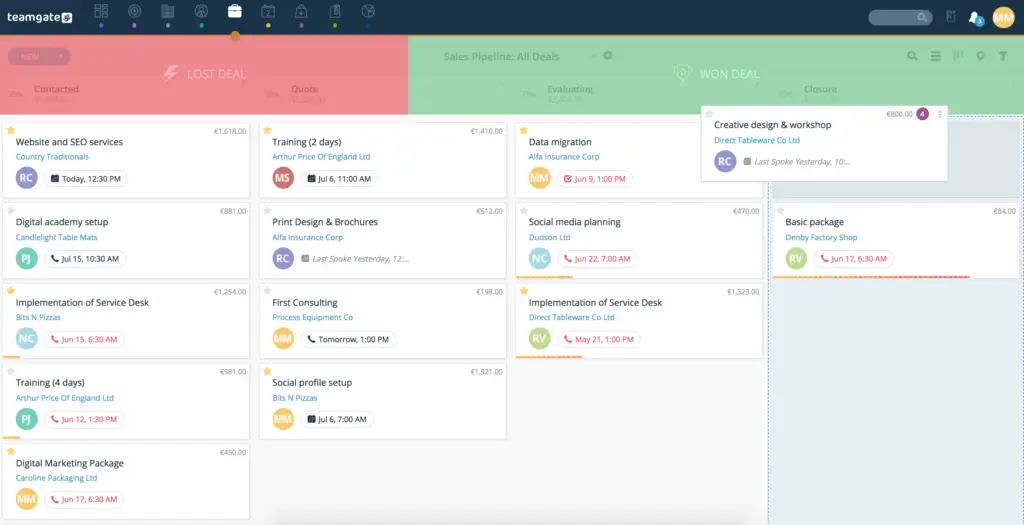
A well-defined and efficiently managed sales pipeline is a critical component of any successful sales strategy. It provides a visual representation of where prospects are in the sales process, enabling sales teams to effectively nurture leads towards conversion. This section outlines the concept of the sales pipeline, illustrates how CRM tools can optimize its management, and presents best practices for maintaining a healthy sales pipeline.
Defining the Sales Pipeline
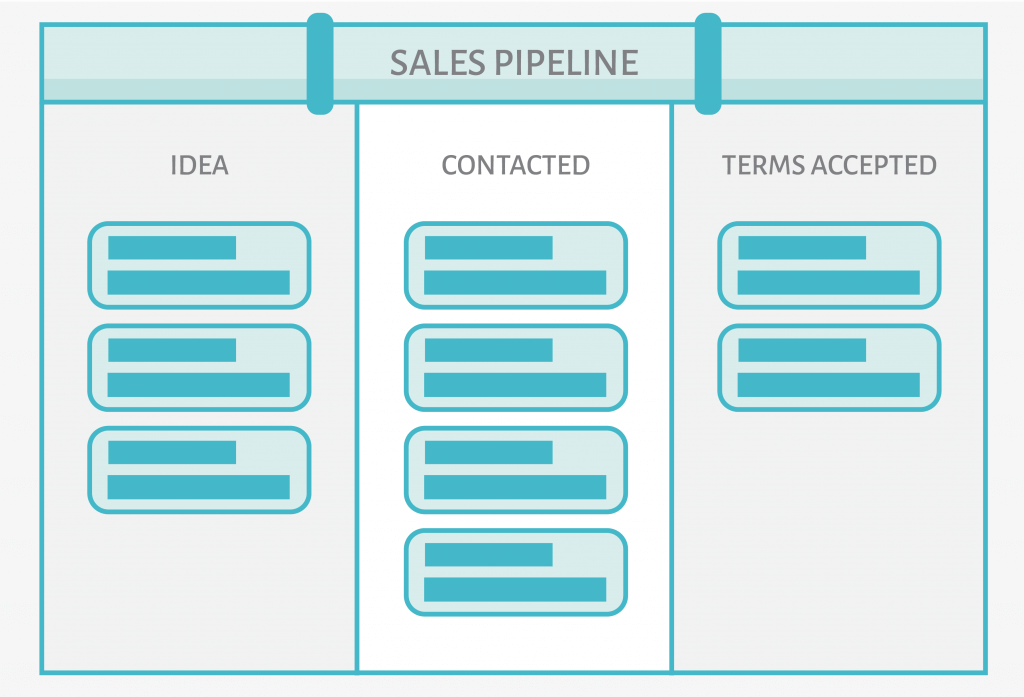
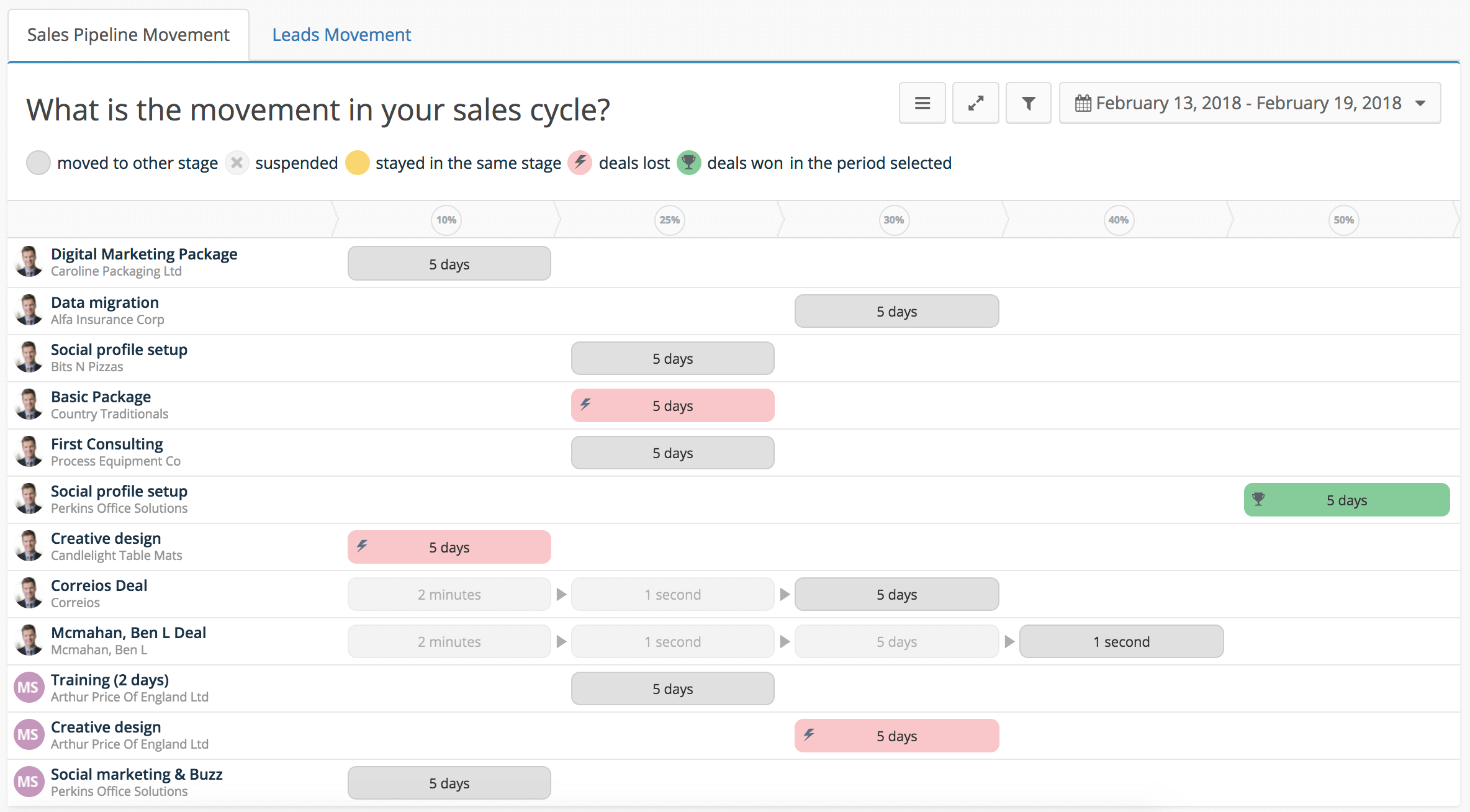
The sales pipeline is essentially a systematic approach to selling, represented by a series of stages that a prospect moves through, from initial contact to closing the deal. It offers a structured framework that helps sales teams understand their sales process’s efficiency and predict future sales. Each stage of the pipeline reflects a step in the sales process, such as lead generation, qualification, proposal, negotiation, and closure. The significance of the sales pipeline in managing sales processes lies in its ability to provide clear visibility into the status of various sales opportunities, allowing for better resource allocation, forecasting, and strategy adjustment.
Optimizing the Sales Pipeline with CRM
CRM tools play a pivotal role in optimizing the sales pipeline by offering functionalities that streamline and enhance each stage of the sales process. Here’s how CRM tools contribute to an efficient sales pipeline:
- Tracking and Managing Leads: CRM systems enable the capture and organization of lead information from various sources, ensuring that all potential opportunities are recorded and nothing slips through the cracks. Sales teams can track the progress of these leads through the pipeline stages, ensuring timely engagement and follow-up.
- Improving Lead Qualification: Through scoring and segmentation features, CRM tools help sales teams qualify leads more effectively, focusing their efforts on prospects with the highest conversion potential. This improves efficiency by allocating resources to leads that are more likely to close.
- Shortening Sales Cycles: By automating routine tasks and providing sales representatives with easy access to customer data and history, CRM systems can significantly reduce the time spent on each sale. Features like automated email sequences, proposal templates, and activity reminders keep the sales process moving smoothly and swiftly.
Best Practices for Sales Pipeline Management
To maintain a healthy sales pipeline and leverage CRM systems effectively, sales teams should adopt the following best practices:
- Regular Pipeline Reviews: Conducting regular reviews of the sales pipeline allows sales teams to clean out stale leads and focus on active opportunities. This also helps in identifying bottlenecks in the sales process that may need addressing.
- Accurate Forecasting: Utilize CRM data to make informed predictions about future sales. This involves analyzing historical data, conversion rates, and pipeline velocity to forecast sales volumes accurately.
- Effective Lead Management: Ensure that leads are promptly followed up on and that there is a clear process for moving them through the pipeline stages. Use CRM functionalities like lead scoring and automated task assignment to prioritize and manage leads efficiently.
- Continuous Training and Optimization: Sales processes and customer behaviors evolve, so it’s important to continually train sales teams on best practices and optimize CRM workflows and settings to adapt to these changes.
A well-managed sales pipeline is crucial for the success of any sales or CRM strategy. By leveraging CRM tools, sales teams can gain invaluable insights into their sales processes, improve lead management, shorten sales cycles, and ultimately drive more sales. Adopting best practices in sales pipeline management ensures that sales efforts are focused, efficient, and aligned with business goals, leading to sustained growth and profitability.
Benefits of CRM Management Tools
CRM tools are instrumental in transforming the way businesses interact with their customers, streamline operations, and bolster sales strategies. These tools offer a myriad of benefits that can significantly enhance business efficiency and customer satisfaction. This section delves into the key advantages of CRM tools, including the centralization of customer information, enhancement of communication and collaboration, and automation of sales tasks.
Centralization of Customer Information
One of the most significant benefits of CRM tools is their ability to centralize customer information into a single, accessible repository. This centralization ensures that every piece of customer data — from contact details and purchase history to customer service interactions and preferences — is stored in one place. This holistic view allows sales teams to access comprehensive customer profiles at a glance, enabling them to tailor their sales approaches and build stronger, more personalized relationships. Centralized customer information also eliminates data silos within an organization, ensuring that all departments have up-to-date information and can work cohesively towards common goals.
Enhanced Communication and Collaboration
CRM tools play a crucial role in facilitating better communication and collaboration, both within sales teams and between the business and its customers. Internally, CRM platforms allow for the seamless sharing of customer data and sales progress, ensuring that team members are on the same page and can effectively collaborate on sales strategies and customer outreach efforts. Features such as shared calendars, task assignments, and real-time notifications help keep teams aligned and focused on their sales targets.
Externally, CRM tools enable businesses to maintain consistent and personalized communication with their customers. Automated email sequences, personalized marketing messages, and timely follow-ups ensure that customers feel valued and engaged throughout their journey with the business. This level of personalized communication fosters stronger customer relationships and can significantly enhance customer satisfaction and loyalty.
From a brand expert’s perspective, having a strong and consistent brand identity from the start — from the name to every brand touchpoint — further strengthens how customers perceive a company’s reliability and professionalism.
Automation of Sales Tasks
Another key advantage of CRM tools is their ability to automate repetitive and time-consuming sales tasks. Automation features can include everything from lead capturing and data entry to email marketing and follow-up reminders. By automating these tasks, sales teams can significantly reduce the amount of time spent on administrative duties, allowing them to focus more on strategic activities such as building relationships with prospects and closing deals.
Sales task automation also ensures that no opportunity is missed due to human error or oversight. Automated workflows can prompt sales representatives to take action at critical points in the sales process, ensuring that leads are nurtured and advanced through the sales pipeline efficiently. This level of automation not only improves operational efficiency but also enhances the consistency and quality of customer interactions, contributing to a smoother sales process and increased sales success.
CRM management tools offer substantial benefits that can revolutionize how businesses manage customer relationships and drive sales. The centralization of customer information, enhanced communication and collaboration, and automation of sales tasks collectively contribute to improved efficiency, stronger customer relationships, and ultimately, increased revenue. By leveraging the capabilities of CRM tools, businesses can streamline their operations, provide exceptional customer experiences, and achieve sustained growth.
CRM Software: Solution for Your Business Success
In today’s competitive business landscape, CRM software stands as a linchpin for driving business success, enhancing customer relationships, and optimizing sales processes. Choosing the right CRM, navigating the implementation process, and effectively measuring its impact are crucial steps for businesses aiming to leverage CRM software for maximum benefit. This section provides guidance on selecting the appropriate CRM software, addresses implementation challenges, and outlines how to measure CRM success.
Choosing the Right CRM Software
Selecting the right CRM software is pivotal for ensuring it aligns with your business goals and sales processes. Here are key considerations to guide your selection:
- Alignment with Business Objectives: Evaluate CRM options based on their ability to support your specific business objectives, whether it’s improving customer service, increasing sales, or enhancing marketing efforts.
- Scalability: Choose a CRM that can grow with your business. It should be capable of accommodating an increasing number of customers and expanding functionality as your business needs evolve.
- Integration Capabilities: Ensure the CRM can seamlessly integrate with other tools and systems your business uses, such as email platforms, accounting software, and social media channels. If you’re handling complex data pipelines or need to connect multiple data sources, Integrate.io provides a low-code data integration platform for ETL, ELT, and reverse ETL workflows across databases, APIs, and data warehouses.
- User-Friendliness: Opt for a CRM with an intuitive interface and user-friendly design to ensure high adoption rates among your team members.
- Customization and Flexibility: The CRM should offer customization options to tailor the software to your unique sales processes and reporting needs.
Implementation Challenges and Solutions
Implementing CRM software can come with its set of challenges, from user resistance to data migration issues. Here’s how to navigate these challenges:
- User Adoption: To overcome resistance, involve users early in the selection process, provide comprehensive training, and emphasize the benefits of the CRM to their daily tasks.
- Data Migration: Ensure accurate and secure migration of existing customer data into the new CRM system by planning the migration carefully and possibly seeking assistance from CRM experts.
- Integration with Existing Systems: Work with IT professionals or CRM providers to ensure smooth integration of the CRM with existing tools and systems, minimizing disruptions to business operations.
Measuring Success with CRM
The impact of CRM on sales performance can be measured through specific metrics and KPIs, including:
- Customer Retention Rates: Monitor changes in customer retention before and after CRM implementation to gauge improvements in customer satisfaction and loyalty.
- Sales Cycle Length: Track any changes in the length of the sales cycle, as effective CRM use should lead to more efficient sales processes and shorter sales cycles.
- Lead Conversion Rates: Evaluate how CRM implementation affects the conversion of leads into paying customers.
- Revenue Growth: Measure the impact of CRM on overall revenue growth to assess its contribution to business success.
Conclusion
By carefully selecting the right CRM, addressing implementation challenges, and monitoring key metrics, businesses can fully leverage the benefits of CRM software to drive sales, improve customer relationships, and achieve sustained success. Teamgate CRM stands ready to support your business in these endeavors, offering a comprehensive suite of tools designed to optimize your sales process and enhance customer management.
Ready to transform your sales process and drive business growth? Discover how Teamgate CRM can elevate your business success. Explore Teamgate today for FREE and unlock the full potential of your customer relationships and sales strategies.