Get a free sales audit to uncover hidden revenue opportunities!

In this article, we will guide you on how to improve your sales skills, even if you’re not a salesperson. By understanding the importance of selling in various aspects of life and adopting effective strategies, you can become a successful go-getter and turn life’s hardships into triumphs. From changing your perception of selling to mastering closing techniques, you will learn valuable insights to enhance your sales skills and achieve your goals.

Key Takeaways:

  • Change your perception of selling: Collaborate with customers to find the right solutions instead of pressuring them.
  • Put yourself in the buyer’s shoes: Understand customer motivations to tailor your pitch effectively.
  • Plan, practice, and stay calm: Meticulous preparation, role-playing, and composure enhance sales skills.
  • Manage the pipeline and close deals: Read customer cues, focus on key decision-makers, and employ effective closing techniques.
  • Think long-term and read up: Accept rejection gracefully, follow up with leads, and expand knowledge through sales books.


Knowing how to sell is not a dirty secret, it’s an enormous advantage in any endeavor. Wouldn’t it be nice to finally negotiate that raise? Or get your colleagues’ buy-in on the project? Even if you’re not a salesperson, your sales skills will determine how successful you are in your career, your relationship, and even your life, in general.

Effective salespeople excel at communication, active listening, public speaking, social psychology and many other things besides negotiation and closing. Dedicating your time and effort to improving these skills will propel you into a future where your highest ambitions become a reality.

Follow these proven strategies on how to improve your sales skills to become a successful go-getter, and turn life’s hardships into triumphs.  

Change your perception of selling

Picture Jordan Belfort, the legendary Wolf of Wall Street, so ingeniously brought to life by Leonardo DiCaprio, selling worthless penny stocks to unsuspecting customers and making millions on their backs. Dishonest, sleazy, self-serving; he is the embodiment of the cliché of a salesman that is still very much alive and vivid in a lot of people’s minds.

Try asking around what a salesperson actually stands for in customers’ eyes, and you’ll likely get a lot of “pushy”, “silver-tongued”, and “cunning”. The fact that, in the past, salespeople thrived on pushing unwanted products and always put their commission before a customer’s needs, doesn’t make it easier for modern salespeople to get the deserved trust and respect today. But the sales techniques have long evolved to match the much savvier consumers’ needs and expectations. If you want to really hit the sweet spot with your customers, you need to change your perception of selling.

Selling is no longer an act of simply getting someone to buy from you. It’s not about putting pressure on your client and bragging about your product. Selling is now a much more consultative, demand-generating process. A modern salesperson is first and foremost an active listener, whose goal is to drive change and work in collaboration with the customer to find the right solution. Being persuasive, inspiring and leading is part of the job description. And closing the deal is only half the job done.  

Sales Process Methodology Evolution

Put yourself in the buyer’s shoes

If a good salesperson can give a customer what they want, then a great one can give them what they need. Before launching into your pitch, you must do your research to uncover the underlying motivations for buying. Essentially, people buy because of two reasons: they either want to solve a business problem or achieve a personal or professional goal, something that would satisfy a need or desire.  

Without understanding what’s driving your customer’s decision, it will be significantly more difficult to drum up their excitement and get them to envision the better, brighter future that your product can create. There are different approaches to harvesting the information you manage to gather. You can choose to press it where it hurts and demonstrate the value of your product by amplifying the customer’s pain points, or you can tap into the customer’s emotions and use their personal or professional objectives as the guiding star for your pitch. Inspiring people to pursue their desires can be just as powerful as encouraging them to act on their problems. But only you can know which approach is more appropriate to the customer you’re dealing with because you’re the one with all the information in your hands.  

Being able to connect the dots between your customer’s business needs and their personal motivations is what helps great salespeople be more empathic, offer customized solutions and ultimately, close more deals. Don’t skip the research stage. Invest time and energy into developing a deeper understanding of the environment your customer is operating in, and you will learn to recognize the real motivations behind their buying decisions.

Plan and practice

Practice makes perfect, and all successful salespeople live by this belief. Selling is no improv game; it requires meticulous preparation, planning, and practice. But don’t mistake preparation with learning a sales pitch by heart – it won’t get you far. The whole point of role-playing sales conversations is to get a sense of how they flow and feel. One of the biggest mistakes a salesperson can make is to go from rehearsing a pitch in their head to talking directly to a client. You’ll often realize, much too late, unfortunately, that your pitch is too disconnected from the solution you’re supposed to be offering, that you’re using the wrong language to communicate and are failing to hit the mark with the customer.

Enlisting a team member or a seasoned manager to role-play sales situations is probably one of the easiest ways of getting professional feedback and improving your sales skills. If you’re eager to get a less biased opinion of how your pitch sounds and feels, you can always ask a trusted friend or a family member to hear you out and rate your performance.

If you’re selling to customers from other countries, it would be a good idea to improve your knowledge of their languages. For example, if you’re selling to a company based in France, you could learn French. This will earn you more respect and appreciation from that customer, while also helping you to hone your language skills.

Getting involved with a local charity can also be an excellent opportunity to improve your sales skills. Charities are always on the lookout for people who aren’t afraid to go out there and raise funds for great causes. Technically, fund-raising is not selling, but it requires a very similar skill set, mentality, and body language, and therefore, could be a perfect training exercise.

There are literally hundreds of ways how you can hone your sales skills – from enrolling to sales workshops or finding a mentor, to making it your goal to convince a friend to go to that concert with you. What you need to understand about sales is that it’s a journey of many steps. Different skills will help you accomplish different objectives, so focus on identifying your weak points and work on them one by one.

Stay calm and don’t brag

It’s impossible to prepare for every imaginable situation, so chances are, it won’t always go as planned. With the adrenaline surging and your brain scrambling to find a way out, it can be difficult to maintain a confident posture and stop yourself from talking too much or from rambling a meaningless string of words. Although easier said than done, you must learn to stay calm and composed, keeping your body language confident and your facial expressions relaxed. Try to keep your tone and pace in check, as these two factors carry an enormous influence on how your pitch is received.

Sales Process Skills Body Language Moves

Every experienced salesperson will tell you that successful selling relies on establishing deeper connections and encouraging peer-level interactions. You absolutely want to be seen as an expert and authority in the field, but in no way can you come across as condescending. Nobody wants to be lectured, especially people who are about to spend their money with you. Ensure you always treat your customers with due respect.

Another extreme situation that salespeople can sometimes find themselves in is when they lose confidence in the sale and start begging. The second the customer catches the mood, they’ll begin doubting you and back out of the deal.

In these fight or flight situations, our biological response can sometimes overpower the rational mind, and so we either succumb to bragging or go all guns blazing. But even if you’re selling the best product on the planet, your job is to guide the customer to that revelation, not to beg them to believe you or shove ‘the truth’ down their throats. Mentally preparing yourself is a big part of your success.

Work to understand how your customers will buy

It’s extremely rare for customers to make big buying decisions on the spot. In fact, research shows that 51% of the purchase decision is complete before the customer even approaches the supplier. Modern consumers are especially choosy and take their time to study various options before they commit to any purchase. Thanks to the vast amount of high-quality information accessible online, including reviews published by other consumers, they can have pretty much everything they need to make up their mind. There’s no need to talk to a salesperson anymore, and that’s a huge risk for companies of all sizes. Allowing potential customers to deliberate on their own, puts the sales team at a great disadvantage.

One strategy that salespeople are employing to tackle this issue is simply assuming the customer’s viewpoint and reverse engineering the customer’s buying journey. If you really commit to learning and better understanding the steps a customer takes as they move through their buying process, you will be much better equipped to provide the right content and solutions at the right time. Think like your customers do and you’ll soon be calibrating your strategy regarding customer actions and not your sales process. With content marketing being such a fundamental element of a modern buying process, sales teams should make it their priority to work closely with their marketing colleagues to attract, nurture and qualify high-quality leads that will later convert to paying customers.
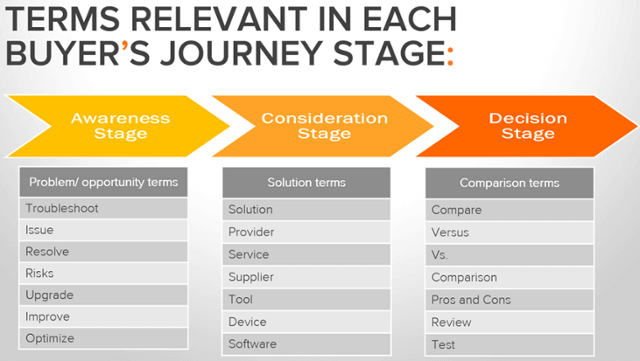
Sales Process Skills Relevant Terms

Manage the pipeline

Successful selling draws on the salesperson’s ability to read and understand the cues in the customer’s behavior. The lesson many learn the hard way is that the customer is looking for a solution, not a product. No matter where you are in your sales process and no matter what you think should follow next, if the customer isn’t ready and you try to close the deal, you blow it. Seasoned salespeople approach selling with a different mentality. Reviewing each case from the customer’s perspective and trying to understand where in their buying process they are, allows them to see the real status of the opportunity and what steps they can take next to try and bring it to a close.

Armed with such tools like a sales CRM, a salesperson can up their game to a whole new level. Teamgate users frequently highlight the importance of a robust sales process and how using a CRM makes cementing the fundamentals a lot easier and faster. Improving your sales skills can often be achieved through discipline and following a well-defined sales process. A smart CRM can ensure you never stray too far away from your sales strategy, focus on the leads that are qualified and accelerate your sales velocity by eliminating unnecessary steps in the buyer’s journey.

Focus on the most influential decision makers

Sometimes the person you’re pitching has no real decision power or is only one of many stakeholders in the decision-making process. You still need to persuade them to get on the list of “the most suitable solutions”, though, and get your foot in the door but stopping there would be a mistake. To succeed as a salesperson, you need to look beyond the simple interaction and identify the key influencers who have the power to sway the buying decision.

C-level executives are often the people calling the shots, however, getting access to them can be problematic. Without exception, all of them have their own gatekeepers – people who work relentlessly to prevent unsolicited sales calls, unplanned meetings, and time-wasting interactions. Typically, a personal assistant, secretary, or company receptionist play the role of the gatekeeper and getting past it is an art form in itself. Whichever strategy you choose to get your way, remember that the gatekeeper is not your enemy and trying to sneak past them will probably get you cut off at the knees.

Establishing rapport with the person you’re pitching can also provide an alternative route to reaching all key stakeholders. If you manage to find out who the stakeholders are, you can stay one step ahead and diligently manage all buying objections by providing everything the stakeholders of different caliber might need. If the person you’re talking to will be the user, he’ll be interested in the features and benefits of your product, while his manager could be mainly concerned with the price and high-value add-ons. Learning to identify the most influential decision makers will undoubtedly help you improve your sales skills and close more deals.
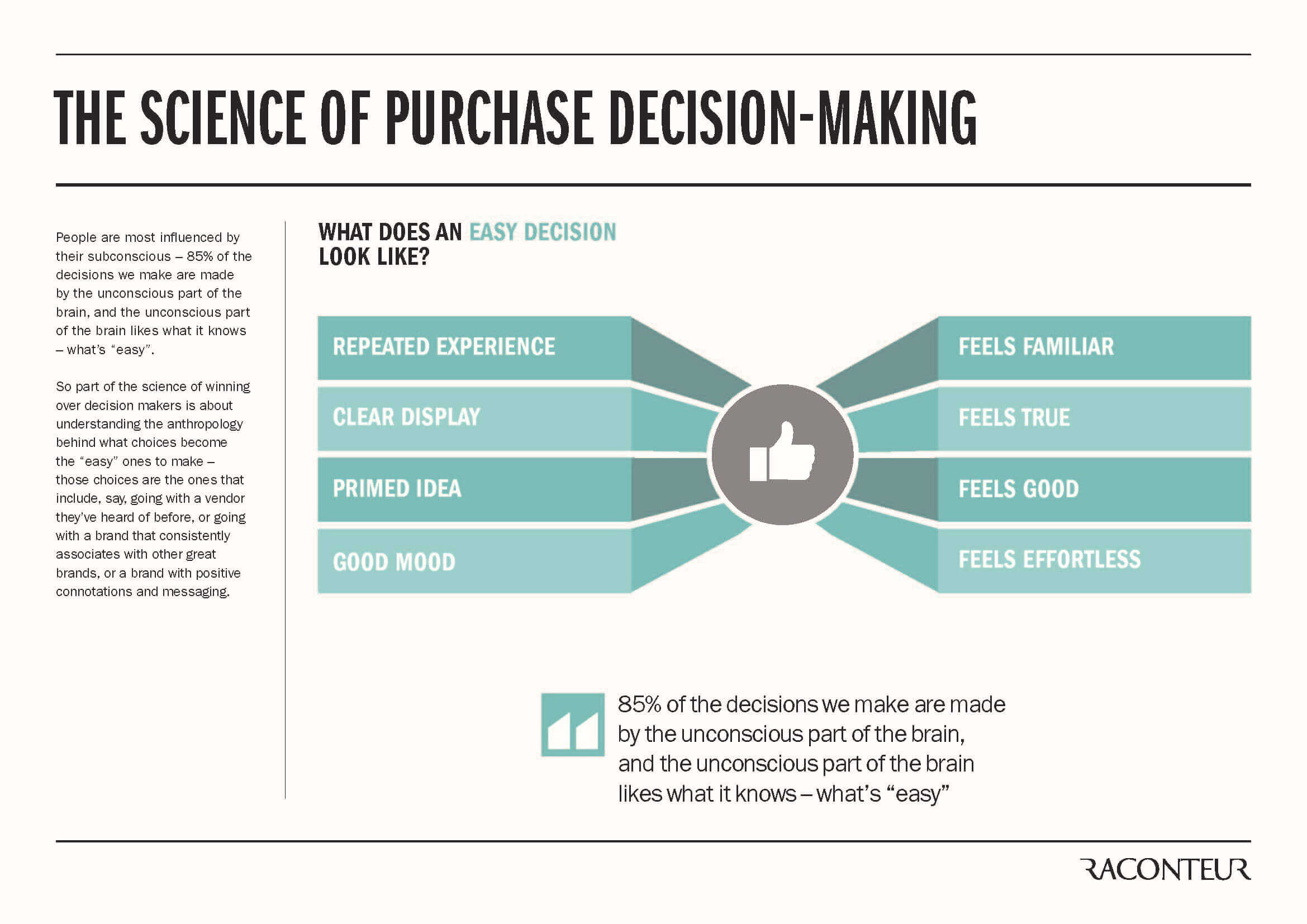
Sales Process Skills Decision Making

Close the deal

Closing is, of course, the most important part of the sales process. It is the time of the big verdict when all the strengths and weaknesses of your pitch come to light. We have already talked about the new spirit of selling – a successful salesperson does not push, pressurize or sweet talk people into buying. They follow a well-defined, step-by-step process to carefully nudge prospects in the right direction, and when it comes to closing the deal, they adhere to the best practices and use a technique that is most appropriate to that particular prospect.

To improve your sales skill, you must master at least the top few techniques to be able to pull out the right one when the time comes. Here are some of the most powerful closing techniques you should know.

Creating a sense of urgency: it’s now or never. It’s an oldie but goldie. Salespeople use this technique when they can make a special, limited-time offer that has a great alluring effect and prompts immediate action from the prospect. By employing phrases like:

  • If you sign up today, I can give you a special discount;
  • If you would like to move forward with this, please let me know as soon as possible because it is the last available spot/ the last one at this price;
  • I could throw in an extra X if you commit to buy today.

There are many variations of the closing line, as it depends on your product and the special offer you can make. However, be sure to showcase the value of your product before you resort to this technique, otherwise, it can come across as too pushy.

Using questions to overcome objections. One skill that effective salespeople learn early in their careers is asking probing questions throughout the entire sales process. Closing a deal does not necessarily mean delivering a miraculous pitch that turns the customer around at the very end of their buying journey. It’s about taking a methodical approach to eliminating objections to purchasing from the first touch point. Crafting questions that both illuminate the outstanding objections and get the customer to commit to the next step will allow you to quickly realize why the customer isn’t quite convinced as well as continue selling. Here are a few good examples of effective closing questions:

  • In your opinion, does the offer I’m making help you solve your company’s pain point?  
  • Is there any reason why we can proceed to the next step?
  • Is there anything that could stop this deal from happening?

Test the buyer’s intent before closing. This is one of the most famous closing techniques, known as the trial close. The beauty of this technique is that it can be used at any stage of the sales process, so you can always use it to simply check if you’re on the right track. Customers are likely to have objections at various stages in their buying journey, especially regarding such sensitive topics as price and implementation timeline. That’s why effective salespeople focus on addressing those arguments early in the day so that they can take the sale forward and close confidently. Here are a few possible examples of the trial close:

  • Does everything we have discussed so far meet your expectations/satisfy your needs?
  • If we can overcome this issue by X, would you be ready to take the next step?
  • How do you feel about the payment terms?
  • Based on what you’ve heard so far, what are your concerns/questions?

Think long term

Let’s face it, being rejected on a daily basis is also part of the job description. Salespeople who learn to accept a “no” and move on to another sale without a soul-crushing disappointment are the ones that succeed long-term. A “no” today might be a “yes” in three months, so you must keep your eyes on the big picture.

Don’t take rejections personally. Buying decisions are very complex; there are lots of moving parts and different interests at play. It doesn’t always come down to your closing pitch or your overall performance, the client’s circumstances might change, but it doesn’t mean the problem disappears. If you make a point to circle back every few months to follow up on the leads that fell through, sooner or later, you’ll find them in the right mind for buying.

Sales Process Skills Follow Up

Read up

Reading is probably the fastest and easiest way to absorb the knowledge of those who managed to accomplish what everyone struggles to. If you decide to take this endeavor of improving your sales skills seriously, put some time aside to read these all-time favorite sales books.

  • The Outward Mindset, by the Arbinger Institute:  the definitive guide to achieving an outward mindset that is the secret of teamwork and breakthrough results in work, relationships, and organizational performance.
  • New Sales. Simplified, by Mike Weinberg: a must-read for people who want to learn how to prospect, develop and close deals. 
  • The Only Sales Guide You Will Ever Need, by Anthony Iannarino: packed with extensive research and experience, this book can turn any amateur into a great salesperson.
  • The Science of Selling, by David Hoffeld: this book will show you how to align the way you sell with how the human brain forms buying decisions.
  • The Lost Art of Closing, by Anthony Iannarino:  this book teaches you how to set up closing so that it becomes one of the easiest parts of the sales process.
  • Key Account Hack, by Jermaine Edwards: practical and packed with real-life examples, this book is your customer success guide.
  • Social Selling, by Tim Hughes & Matt Reynolds: essential reading for sales professionals who are looking for a step-by-step blueprint for harnessing the power of social selling.
  • Beyond the Sales Process, by Steve Andersen & Dave Stein: featuring instructional case studies and high-level research, this book will provide a methodology for driving success before, during, and after every sale.
  • Never Split the Difference, by Chris Voss & Tahl Raz: the bible of negotiation brought to you by the FBI’s lead hostage negotiator.

Conclusion

Becoming a great salesperson can be a life-changing experience. Once you grasp the fundamentals of effective communication, social psychology, negotiation, active listening and all the other skills that help salespeople succeed, you will not only be able to close more deals, but also lead a richer, happier life. Here’s a quick summary of the lessons to take away from this article:

  • Change your perception of selling – it’s not about putting undue pressure on your prospects, it’s about collaborating with them to create the right solutions.  
  • Put yourself in the buyer’s shoes – stop thinking about your sales process and study how and why your customers buy.
  • Plan and practice – you can’t wing a successful sale. Put the hours to plan and prepare for your pitches and polish your skills as you go.
  • Don’t brag or lose control over your body language – staying calm in situations where nothing goes to plan is crucial to moving the sale forward.
  • Work to understand how your customers will buy – try to reverse engineer the customer’s buying journey and use that information to guide the customer to conversion.
  • Manage the pipeline – adapt your sales process based on where customers are in their buying journey.
  • Focus on the most influential decision makers – learn to uncover the key influencers and look for alternative routes how to reach them.
  • Close the deal – use the best closing techniques to achieve your goal.
  • Think long term – don’t give up after the first “no,” learn how to follow-up without annoying your prospects.
  • Read up – tap into the unique expertise of sales industry gurus.

FAQ: Skills for salespeople

Q: What are essential skills for salespeople?

A: Essential skills for salespeople include effective communication, active listening, negotiation, relationship building, problem-solving, and adaptability. These skills help salespeople connect with customers, understand their needs, address objections, and close deals successfully.


Q: How can salespeople improve their communication skills?

A: Salespeople can improve their communication skills by practicing active listening, asking relevant questions, and focusing on clear and concise messaging. They can also seek feedback, engage in role-playing exercises, and continuously work on enhancing their verbal and non-verbal communication abilities.


Q: What role does empathy play in salespeople skills?

A: Empathy plays a crucial role in salespeople skills as it allows them to understand and relate to customers’ perspectives, emotions, and challenges. By demonstrating empathy, salespeople can build trust, establish rapport, and tailor their approach to meet customers’ specific needs, ultimately increasing the chances of successful sales outcomes.


Q: How important is resilience for salespeople?

A: Resilience is highly important for salespeople as they often face rejection, setbacks, and challenging situations. A resilient salesperson can bounce back from failures, learn from experiences, and maintain a positive mindset. Resilience helps salespeople stay motivated, persist in pursuing opportunities, and ultimately achieve long-term success in their sales careers.


Q: Can salespeople improve their skills through training and development?

A: Yes, salespeople can significantly improve their skills through training and development programs. These programs can provide valuable insights, techniques, and best practices for various aspects of sales, such as prospecting, closing, and building customer relationships. Continuous learning and honing of skills through training can enhance salespeople’s performance and effectiveness in their roles.


In this article, you can expect to learn about the key components of successful construction project management, including effective communication, resource management, risk mitigation, and quality control. You will also discover how Teamgate can help improve your construction project management processes.

Key Takeaways:

  • Successful construction project management requires effective communication and collaboration among team members.
  • Proper resource management and budgeting are essential for completing projects on time and within budget.
  • Risk management and mitigation strategies can help minimize potential project delays and cost overruns.
  • Effective time management is crucial for meeting project deadlines and ensuring project success.
  • Quality control and assurance processes are necessary to ensure that projects meet or exceed client expectations.
  • Continuous improvement and learning from past projects can help improve future project outcomes.

Contents:

  • Understanding Construction Project Management
  • Preparing for a Successful Construction Project
  • Effective Project Communication and Collaboration
  • Managing Resources and Budget
  • Quality Control and Assurance
  • Lessons Learned and Continuous Improvement
  • How Teamgate Can Improve Construction Project Management
  • Conclusion
  • FAQs

Understanding Construction Project Management

In order to master construction project management, it’s essential to understand the fundamentals of project management and how it applies to construction projects. It involves understanding the processes, systems, and tools needed to deliver a project on time, within budget, and to meet the expectations of stakeholders.

Key Skills in Construction Project Management

Effective project management in construction requires a range of skills, including communication, collaboration, resource management, budget management, risk management, and time management. By mastering these skills, a project manager can ensure that a construction project is delivered to the highest quality standards.

The Importance of Communication

One of the most important aspects of construction project management is communication. A project manager must be able to communicate effectively with all stakeholders involved in the project, including architects, engineers, contractors, and clients. This requires excellent listening skills, as well as the ability to clearly articulate ideas and concepts.

Collaboration in Construction Projects

Collaboration is also key to successful construction project management. A project manager must be able to work closely with all members of the project team, including subcontractors and suppliers. This requires the ability to build strong relationships and foster a sense of teamwork and cooperation.

Effective Resource Management

Resource management is another critical aspect of construction project management. A project manager must be able to allocate resources effectively, including materials, equipment, and labor. This requires a deep understanding of the project scope, as well as the ability to forecast future needs and adjust plans accordingly.

Budget Management in Construction

Budget management is also essential to successful construction project management. A project manager must be able to create and manage budgets effectively, ensuring that the project is delivered within financial constraints. This requires a thorough understanding of project costs, as well as the ability to identify and mitigate potential budget overruns.

Risk Management in Construction Projects

Risk management is yet another important aspect of construction project management. A project manager must be able to identify potential risks and develop strategies to mitigate them. This requires a deep understanding of the project scope, as well as the ability to anticipate potential challenges and develop contingency plans.

Time Management and Project Timelines

Finally, time management is critical to successful construction project management. A project manager must be able to develop and manage schedules effectively, ensuring that the project is delivered on time. This requires a deep understanding of project timelines, as well as the ability to identify and resolve potential delays.

Overall, effective construction project management requires a range of skills and knowledge. By mastering these skills, a project manager can ensure that a construction project is delivered to the highest quality standards, on time, and within budget.

Preparing for a Successful Construction Project

Construction projects can be complex and challenging endeavors that require careful planning and preparation. Before the construction phase begins, project managers need to ensure that they have a detailed project plan in place. This includes creating a project scope, outlining the project goals and objectives, setting a budget, and defining the project team’s roles and responsibilities.

Defining the Project Scope

Creating a project scope involves defining the boundaries of the project, including what will be included in the project and what will not. This is important to avoid scope creep, which occurs when the project expands beyond its original boundaries, leading to delays and cost overruns.

Setting Clear Goals and Objectives

Outlining the project goals and objectives is crucial to ensure that everyone involved in the project is working towards the same end result. This helps to keep the project on track and focused on achieving the desired outcome.

Budgeting for the Project

Setting a budget is essential to ensure that the project is financially feasible and to avoid overspending. Project managers need to consider all costs associated with the project, including labor, materials, equipment, and any other expenses that may arise.

Team Roles and Responsibilities

Defining the project team’s roles and responsibilities is important to ensure that everyone knows what is expected of them and to avoid confusion or duplication of effort. This helps to ensure that the project runs smoothly and that everyone is working towards the same goals.

Risk Assessment in Construction

One of the most important aspects of preparing for a successful construction project is conducting a risk assessment. This involves identifying potential risks associated with the project, such as delays, cost overruns, safety hazards, and environmental impacts. By understanding the risks associated with the project, project managers can implement strategies to mitigate those risks, ensuring that the project is completed, on time, on budget, and to the satisfaction of stakeholders.

Implementing Safety and Environmental Protocols

For example, if the project involves working in a hazardous environment, such as a construction site near a busy highway, project managers may implement safety protocols to ensure that workers are protected from oncoming traffic. They may also set up barriers to prevent unauthorized access to the site, reducing the risk of theft or vandalism.

Similarly, if the project involves working with hazardous materials, such as asbestos or lead-based paint, project managers may implement procedures to ensure that workers are properly trained and equipped to handle these materials safely. They may also implement environmental controls, such as air filtration systems, to prevent contamination of the surrounding area.

Effective Project Communication and Collaboration

Effective communication and collaboration are essential to successful construction projects. Project managers need to establish clear lines of communication with stakeholders, team members, and contractors, ensuring that everyone is up to date with project progress, timelines, and any issues that arise during the construction phase.

The Importance of Active Listening

One of the key aspects of effective communication is the ability to listen actively. Project managers need to be able to listen to the concerns and ideas of all stakeholders and team members, and take them into account when making decisions. This not only helps to build trust and respect, but it also ensures that everyone is working towards the same goals and objectives.

Articulating Ideas Clearly

Another important aspect of effective communication is the ability to articulate ideas clearly and concisely. Project managers need to be able to explain complex concepts and technical jargon in a way that is easy for all stakeholders and team members to understand.

Building Trust and Respect in Collaboration

Collaboration is also critical to the success of a construction project. Project managers need to work closely with team members and contractors, ensuring that everyone is working towards the same goals and objectives, and that there is an open and honest dialogue throughout the project’s lifecycle.

Effective collaboration requires a high level of trust between all parties involved. Project managers need to establish a culture of trust and respect, where team members and contractors feel comfortable sharing their ideas and concerns.

Managing Conflicts Constructively

Another important aspect of effective collaboration is the ability to manage conflicts and disagreements in a constructive way. Project managers need to be able to identify potential conflicts early on and work with all parties involved to find a mutually beneficial solution.

Adapting and Learning in Collaboration

Finally, effective collaboration requires a willingness to learn and adapt. Project managers need to be open to new ideas and approaches, and be willing to make changes to the project plan if necessary.

Managing Resources and Budget

Effective resource management is key to delivering a construction project on time and to the highest quality standards. Project managers need to have a detailed understanding of the resources required for the project, including labor, materials, equipment, and any other resources needed to complete the project.

Budget management is also critical to the success of a construction project. Effective budget management involves creating a budget plan, tracking expenses, and regularly assessing and adjusting the budget as needed to ensure that the project stays within budget constraints.

Risk Management and Mitigation Strategies

Risks are an inherent part of any construction project, and project managers need to be proactive in identifying and mitigating risks. Effective risk management involves assessing potential risks associated with the project, implementing strategies to reduce those risks, and monitoring the project’s progress to ensure that the risks have been appropriately addressed.

Risk mitigation strategies can include contingency planning, insurance, and other precautions designed to minimize the impact of potential risks on the project’s timeline and budget.

Effective Time Management

Time management is a critical component of construction project management. Project managers need to develop a detailed schedule, outlining the project’s timeline, milestones, and critical deadlines. Effective time management involves tracking progress against the schedule, identifying any delays or issues, and taking corrective action to keep the project on track.

Quality Control and Assurance

Quality control and assurance are critical components of construction project management. Project managers need to develop a detailed quality plan, outlining the processes and procedures needed to ensure that the project meets the required quality standards.

Effective quality control involves regular inspections, assessments, and reviews of the project’s progress to ensure that quality standards are being met. Project managers need to work closely with stakeholders, contractors, and team members to ensure that everyone is committed to delivering the project to the highest quality standards.

Lessons Learned and Continuous Improvement

At the end of a construction project, it’s essential to conduct a review and assessment of the project’s successes and failures. This can help identify areas for improvement and help project managers to develop best practices for future projects.

Continuous improvement involves implementing changes in processes and procedures based on lessons learned from previous projects. By continuously improving these processes, project managers can deliver increasingly successful construction projects.

How Teamgate Can Improve Construction Project Management

Teamgate is an easy to use and customizable CRM that enabled powerful project management, helping to streamline your construction sales and project management. With features like task management, analytics, workflow automations, reports and invoicing tools, Teamgate can help project managers stay on top of every aspect of the project and sales funnel.

Teamgate’s collaboration features allow team members and contractors to work together in real-time, enabling effective communication and collaboration throughout the project’s lifecycle. And with detailed project reporting and analytics, project managers can get a real-time view of the project’s progress, helping to identify potential issues before they become problems.

Conclusion

Mastering construction project management involves understanding the fundamentals of project management, preparing for a successful project, and effectively managing resources, risks, time, and quality. By using tools like Teamgate, construction project managers can streamline their processes and collaborate more effectively, delivering high-quality projects on time and within budget.

Teamgate offers a comprehensive solution for managing all aspects of construction projects, from communication and collaboration to budgeting and invoice management. Book a demo with Teamgate today to see how their platform can improve your construction project management.

Frequently Asked Questions

  • What are some best practices for construction project management?
    • Some best practices for construction project management include setting clear goals and objectives, creating a detailed project plan, establishing a communication plan, regularly monitoring progress, and adapting to changes as needed.
  • What are some common challenges in construction project management?
    • Some common challenges in construction project management include managing budgets and timelines, coordinating with multiple stakeholders, dealing with unexpected issues or delays, and ensuring quality control. 
  • How can technology improve construction project management?
    • Technology such as CRM and specific invoicing and project management tools can improve construction project management by providing real-time updates and data, facilitating communication and collaboration among team members, automating repetitive tasks, and improving accuracy and efficiency. 
  • What role does risk management play in construction project management?
    • Risk management is a crucial aspect of construction project management, as it involves identifying potential risks and developing strategies to mitigate them. This can help prevent costly delays, accidents, and other issues that could negatively impact the project.

In the competitive business world, sales growth is an essential factor for any company’s success. However, achieving explosive sales growth requires a sound strategy and implementation plan. In this article, we will explore proven strategies for unlocking explosive sales growth and achieving success in the marketplace.

Key Takeaways:

  1. Understanding your customer and target market is essential for targeted marketing.
  2. A clear sales strategy can underpin your sales growth.
  3. Goal alignment and commonality is key to developing a high performing sales team.
  4. Measuring performance and metrics is crucial to identify areas for improvement.
  5. CRM technology can be leverage to supercharge your sales growth.

Contents:

  1. Introduction: Understanding the Importance of Sales Growth
  2. Identifying Your Target Market and Ideal Customer
  3. Developing a Sales Strategy that Works
  4. Building a High-Performing Sales Team
  5. Measuring and Analyzing Sales Performance
  6. Leveraging the power of CRM to boost your Sales Growth
  7. Conclusion: Taking Action to Unlock Explosive Sales Growth

Introduction: Understanding the Importance of Sales Growth

Sales growth is one of the most important metrics for any business. It not only indicates the health of the company but also plays a vital role in its long-term success. A company that experiences consistent sales growth is more likely to increase its revenue, expand its customer base, and improve its profitability.

However, achieving explosive sales growth is not an easy feat. It requires a significant amount of effort, planning, and innovation. Companies need to be adaptable to changing market conditions and always be on the lookout for new opportunities to grow their sales.

One of the key factors that contribute to explosive sales growth is having a deep understanding of the target market. Companies need to know their customers’ needs, preferences, and pain points to develop products and services that address those issues. By doing so, they can create a loyal customer base that will not only continue to purchase from them but also recommend their products to others.

Another important factor that contributes to explosive sales growth is having a strong sales team. A sales team that is well-trained, motivated, and equipped with the right tools can significantly increase a company’s revenue. They can identify new sales opportunities, build relationships with customers, and close deals more effectively.

Lastly, companies that want to achieve explosive sales growth need to be willing to take risks and invest in new ideas. This means being open to new technologies, marketing strategies, and business models. By doing so, they can stay ahead of the competition and continue to grow their sales.

Identifying Your Target Market and Ideal Customer

The first step towards unlocking explosive sales growth is to identify your target market and ideal customer. This involves researching and understanding your customers’ needs, preferences, and behavior patterns.

One effective way to identify your target market is to conduct market research. This can involve surveys, focus groups, or analyzing customer data. By gathering information about your customers, you can better understand their needs and preferences, and tailor your products and services to meet those needs. Take the cheese market, for example. Detailed research may uncover an untapped demand for vegan or lactose-free cheese varieties. By addressing this niche, a business can carve out a unique space for itself, attracting a specific segment of customers looking for these options, thereby increasing its market share and sales

Another important factor to consider when identifying your target market is their buying behavior. Are they price-sensitive? Do they prefer certain brands or types of products? Understanding your customers’ buying behavior can help you create marketing messages that resonate with them and encourage them to make a purchase.

Once you have identified your target market, you can create customer profiles that include demographic and psychographic information. Demographic information includes factors such as age, gender, income, and education level, while psychographic information includes interests, values, and personality traits. By creating detailed customer profiles, you can better understand your customers and create products and services that meet their specific needs.

It’s also important to keep in mind that your target market may change over time. As your business grows and evolves, you may need to adjust your target market to better align with your products and services.

By focusing on your ideal customer and addressing their specific needs, you can unlock explosive sales growth by creating products and services that resonate with your target market. Remember to regularly review and update your customer profiles to ensure that you are meeting the needs of your target market.

Developing a Sales Strategy that Works

A successful sales strategy requires a deep understanding of your target market, your competition, and your unique value proposition. Without a well-crafted sales strategy, your business may struggle to reach its full potential and may even fail to attract new customers.

One of the most important components of a successful sales strategy is a clear sales objective. This objective should be specific, measurable, and achievable. It should also be aligned with your overall business goals and should be regularly reviewed and updated as needed.

In addition to a clear sales objective, a comprehensive sales strategy should also include a well-defined target market. This means understanding who your ideal customer is, what their needs and pain points are, and how you can best serve them. By taking the time to truly understand your target market, you can tailor your sales approach to meet their unique needs and preferences.

Another key component of a successful sales strategy is a detailed sales process. This includes everything from lead generation and qualification to closing the sale and following up with customers after the sale. By having a clear and well-defined sales process in place, you can ensure that your sales team is working efficiently and effectively to drive revenue growth.

Of course, pricing strategy is also an important consideration when developing a sales strategy. This includes determining the right price point for your products or services, as well as any discounts or promotions you may offer. By carefully considering your pricing strategy, you can ensure that you are maximizing revenue while still providing value to your customers.

Finally, a successful sales strategy should also include a marketing plan. This plan should outline how you will promote your products or services to your target market, including which channels you will use and what messaging will resonate best with your audience. By developing a comprehensive marketing plan, you can ensure that your sales efforts are supported by effective and targeted marketing campaigns.

Building a High-Performing Sales Team

A high-performing sales team is not just a group of people who sell your products or services. It is a team of individuals who are dedicated to achieving common goals and objectives. A successful sales team is made up of individuals who are not only skilled at selling but are also motivated to succeed and are aligned with your business goals and sales strategies.

Building a high-performing sales team requires a structured recruiting process. You need to identify the key qualities and skills that you are looking for in a salesperson. This includes the ability to communicate effectively, a strong work ethic, and the ability to work well in a team. You should also look for individuals who are passionate about your industry and are excited about the products or services that you offer.

Once you have identified the right candidates, you need to provide them with robust training programs. This includes both initial training as well as ongoing training and development. Your sales team needs to be equipped with the latest sales techniques, product knowledge, and industry trends to be effective in their roles.

However, training alone is not enough to build a high-performing sales team. You also need to foster a supportive sales culture that encourages collaboration, innovation, and continuous improvement. This means creating an environment where your sales team feels comfortable sharing ideas and feedback, and where they are encouraged to take risks and try new approaches.

Investing in your sales team can unlock their full potential and drive explosive growth in your business. By providing them with the right training, support, and culture, you can create a team of salespeople who are not only effective at selling but are also passionate about your business and are committed to its success.

Measuring and Analyzing Sales Performance

Measuring and analyzing sales performance is a crucial aspect of any business. It helps businesses identify areas where they can improve, optimize their sales processes, and adapt to changing market conditions.

One of the key performance indicators (KPI) that businesses should track is sales revenue. Sales revenue is the total amount of money generated from sales during a specific period. It helps businesses understand how much they are selling and how much revenue they are generating from those sales.

Another important KPI is the sales conversion rate. This metric measures the percentage of leads that convert into paying customers. By tracking this metric, businesses can identify areas where they need to improve their sales processes and increase their conversion rates.

Customer lifetime value is another crucial metric that businesses should track. It measures the total amount of money a customer is expected to spend with a business over their lifetime. By understanding this metric, businesses can identify their most valuable customers and focus on retaining them.

Customer acquisition cost is also an important metric to track. It measures the cost of acquiring a new customer, including marketing and sales expenses. By understanding this metric, businesses can identify ways to reduce their customer acquisition costs and improve their overall profitability.

By analyzing these metrics and identifying trends, businesses can make data-driven decisions that drive explosive sales growth and lead to increased revenue and profitability. It’s important for businesses to regularly review their sales performance metrics and make adjustments as necessary to stay competitive in their market.

Leveraging the power of CRM to boost your Sales Growth

Harnessing the inherent power of a CRM system can revolutionize your sales trajectory. Delving into the intricacies of customer behavior becomes effortless, translating into an informed, targeted approach that catalyzes conversions.

Imagine having a conduit to your client’s preferences, their patterns of purchase, their likes and dislikes – a CRM system functions as just that. It systematically organizes customer data into a meaningful mosaic, painting a vivid portrait of your market. You’re not just shooting arrows in the dark; you’re strategically striking the bull’s eye of customer need and preference.

A CRM not only enhances customer engagement but also fortifies your sales team’s performance. With instantaneous access to customer data, your sales representatives can formulate tailored pitches, transforming cold leads into loyal clients. It’s a dynamic blend of efficiency and personalization.

Furthermore, an exceptional CRM system is the cornerstone of strategic forecasting. By analyzing historical data, you can identify trends and anticipate future sales patterns. It’s like having a crystal ball at your disposal.

Ultimately, leveraging the power of CRM systems is akin to unlocking a treasure trove of insights that can turbocharge your sales growth, morphing potential into palpable profit. It’s the indispensable tool in your arsenal, waiting to be unleashed.

Conclusion: Taking Action to Unlock Explosive Sales Growth

Unlocking explosive sales growth requires a strategic approach that aligns with your business goals, customer needs, and current market conditions. By implementing proven strategies such as identifying your target market, leveraging technology, building a high-performing sales team, and measuring and analyzing sales performance, you can unlock your business’s full potential and achieve success in the marketplace.

Teamgate CRM offers a comprehensive suite of sales tools, analytics and reporting features, mobile access, and seamless integration with other business tools. With its user-friendly interface and powerful capabilities, Teamgate CRM is an excellent choice for businesses looking to optimize their sales processes and drive growth. To leverage the power of Teamgate CRM to boost your sales growth, book a free system demo or get started with a 14 day free trial today!


Frequently Asked Questions

Q: Who can benefit from understanding how to unlock sales growth?

A: Business owners, sales managers, marketers, and anyone involved in business development or strategic planning can greatly benefit from understanding how to unlock sales growth.

Q: Are there specific industries where unlocking sales growth is more applicable?

A: The principles of unlocking sales growth are universal and can be applied across all industries. However, specific strategies might vary depending on the nature and dynamics of a particular industry.

Q: Can small businesses also unlock significant sales growth?

A: Absolutely. Small businesses often have significant potential for sales growth. Strategies might include targeting new markets, launching new products, or improving sales processes.

Q: Does unlocking sales growth only involve sales strategies?

A: No, unlocking sales growth is a comprehensive process involving multiple aspects of a business, such as marketing, product development, customer service, and operational efficiency.

Q: How can I measure sales growth?

A: Sales growth can be measured in a variety of ways, such as year-over-year sales increase, sales per representative, or growth in market share. The appropriate measure will depend on your specific business objectives.

Q: Is there a one-size-fits-all strategy for sales growth?

A: While there are common principles, the most effective sales growth strategies are often tailored to a company’s specific needs, goals, and market environment. It’s crucial to consider these unique factors when formulating a growth strategy.

Prospecting is a critical aspect of sales that many businesses neglect and, as a result, miss out on numerous potential clients. Prospecting should be a continuous process that businesses prioritize to ensure that they remain relevant and competitive. This article provides a comprehensive insight into prospecting, including tips and tricks to understand and master the Basics.

Key Takeaways:

  1. Understanding Prospecting: Learn what prospecting is, its importance in the sales cycle, and how it fuels your business pipeline.
  2. Prospecting Methods: Explore common prospecting techniques, from cold calling to social media outreach, and discover which suits your business model best.
  3. Enhancing Prospecting Skills: Uncover ways to hone your prospecting skills, including effective communication, research techniques, and use of tech tools.
  4. Measuring Prospecting Success: Learn how to gauge the effectiveness of your prospecting efforts, using key metrics such as conversion rates and sales volumes.
  5. Role of CRM in Prospecting: Understand the integral role of CRM systems in prospecting, from organizing prospect data to facilitating targeted communication.

Contents:

  1. The Importance of Prospecting in Sales
  2. The Prospecting Process: A Step-by-Step Guide
  3. The Art of Cold Calling: Tips and Tricks
  4. The Power of Referrals: How to Leverage Them for Prospecting
  5. The Role of Social Media in Prospecting
  6. Email Prospecting: Crafting Effective Messages
  7. The Benefits of Using a CRM for Prospecting

The Importance of Prospecting in Sales

Prospecting is undoubtedly the backbone of sales, and it is not an overstatement to say that it is the lifeblood of any business. Without it, a sales team may struggle to generate revenue as they cannot rely on previous clients all the time. Prospecting helps businesses to identify potential clients and gauge how likely they are to convert. Sales reps can engage prospects and gather information that is crucial during the sales process.

One of the key benefits of prospecting is that it helps sales reps to identify the needs and pain points of potential clients. By understanding what the client needs, sales reps can tailor their sales pitch to address those needs and increase the chances of closing the deal. In addition, prospecting can help sales reps to identify potential objections that clients may have and prepare for them in advance. This can help to build trust with the client and increase the likelihood of a successful sale.

Prospecting is a continuous process that helps build a healthy pipeline of clients. Sales representatives cannot stop after making one or two sales; rather, they must keep looking for fresh leads to keep the business running. This is particularly important in industries where client turnover is high, and new businesses are constantly entering the market. By constantly prospecting for new clients, businesses can ensure that they have a steady stream of revenue and are not overly reliant on a small number of clients.

Additionally, effectively prospecting for clients ensures that a business stays ahead of its competition by identifying potential clients that competitors may have overlooked. By identifying and engaging with these clients, businesses can gain a competitive advantage and increase their market share. This is particularly important in industries where there is intense competition, and businesses are constantly vying for the attention of potential clients.

It is worth noting that prospecting is not a one-size-fits-all approach. Different businesses and industries require different prospecting strategies, and it is important for sales reps to understand what works best for their business. For example, some businesses may find that cold calling is an effective way to generate leads, while others may prefer to use social media or attend industry events to identify potential clients.

The Prospecting Process: A Step-by-Step Guide

The prospecting process is an essential part of any successful sales strategy. It involves identifying potential clients and gauging their likelihood of buying. A well-executed prospecting process can help streamline the sales process by providing necessary insights. Here is a step-by-step guide to the prospecting process:

Step 1: Research

The first stage in prospecting is research. Sales reps gather information about potential clients, including their industry, company size, and pain points. This research helps sales reps tailor their approach to each potential client and identify the best way to pitch their product or service. It is crucial to conduct thorough research to ensure that the sales reps are well-prepared and can provide value to the potential client.

Step 2: Identify Potential Clients

The second stage in prospecting involves identifying potential clients. This can be achieved through various methods such as cold calling, referrals, social media, and email prospecting. Sales reps should have a clear understanding of their target market and the channels they are more likely to use. For example, if the target market is small business owners, social media and email prospecting may be more effective than cold calling.

Step 3: Qualify Potential Clients

The final stage in prospecting involves qualifying potential clients to ensure they are a good fit for the business. This stage helps to prioritize leads and focus on those that have a higher chance of converting. Sales reps should ask qualifying questions to determine if the potential client has a need for the product or service, has the budget to purchase, and has the authority to make buying decisions.

Overall, the prospecting process is an essential part of any successful sales strategy. By conducting thorough research, identifying potential clients, and qualifying leads, sales reps can streamline the sales process and increase their chances of success. It is crucial to remember that prospecting is an ongoing process and requires constant refinement and improvement.

The Art of Cold Calling: Tips and Tricks

Cold calling is a powerful tool that can help businesses identify potential clients and generate leads. However, it can be a challenging skill to master. One of the most important aspects of cold calling is building a rapport with the prospect.

Establishing a connection with the prospect can make the call less intrusive and increase the chances of success. A sales rep should take the time to listen to the prospect and understand their needs and concerns. This can help the sales rep tailor their pitch to the prospect’s specific needs and increase the chances of a positive outcome.

Another crucial aspect of cold calling is preparation. A sales rep should prepare a script beforehand, which can help them stay organized and confident during the call. The script should include a clear introduction, a value proposition, and a call to action. It is also essential to prepare for objections and have a credible response for each one.

After a cold call, it is essential to follow up with the prospect. This follow-up can be done through email, phone, or even social media. The goal of the follow-up is to establish a relationship with the prospect and continue the conversation. A sales rep should take the time to understand the prospect’s needs and offer solutions that can help them achieve their goals.

The Power of Referrals: How to Leverage Them for Prospecting

Referrals are not just a valuable tool for generating leads, they are also a testament to the quality of service a business provides. A satisfied client who refers their friends and family to a business is essentially vouching for that business and its products or services.

It is important for businesses to establish a strong relationship with their clients to ensure that they are satisfied and willing to provide referrals. This can be achieved through consistent communication, personalized service, and going above and beyond to meet their needs.

One way to incentivize clients to provide referrals is by offering a loyalty program. This can be as simple as offering a discount on future purchases or even providing exclusive access to new products or services. By rewarding clients for their loyalty, businesses can encourage them to refer their friends and family.

Another effective way to encourage referrals is by providing excellent service. When clients feel that they are receiving exceptional service, they are more likely to recommend the business to others. This can include going the extra mile to solve a problem, providing timely and efficient service, and showing genuine care and concern for their needs.

Referrals can also be leveraged for prospecting by using them as a way to connect with potential clients. When reaching out to a referred prospect, businesses can mention the mutual connection and use it as a way to establish trust and credibility. This can help to open doors that may have otherwise been closed.

The Role of Social Media in Prospecting

Social media has revolutionized the way businesses interact with their clients. With over 4 billion people using social media worldwide, it has become a critical tool for businesses to identify potential clients and build relationships.

One of the primary benefits of social media is that it allows businesses to actively engage with potential clients. Through social media platforms such as LinkedIn, businesses can search for potential clients based on their job titles, industry, and location. This targeted approach can save businesses time and resources, as they can focus their efforts on individuals who are more likely to be interested in their products or services.

Moreover, social media provides numerous tools that can be utilized for prospecting. For example, LinkedIn’s Sales Navigator allows businesses to create custom lead lists and receive real-time updates on their target audience’s activities and interests. This information can be used to personalize outreach efforts and increase the chances of conversion.

Another benefit of social media is that it can be used to showcase a business’s brand and build a following. By regularly posting engaging content, businesses can increase their visibility and attract potential clients. Social media platforms such as Instagram and Facebook provide businesses with a platform to share their brand story, highlight their products or services, and interact with their followers. This can help potential clients become more familiar with the business and increase their likelihood of purchasing.

Furthermore, social media can be used to monitor industry trends and stay up-to-date with the latest news and developments. By following relevant hashtags and thought leaders, businesses can gain valuable insights into their target audience’s interests and pain points. This information can be used to tailor marketing efforts and provide solutions to potential clients.

Social media has become an essential tool for businesses to identify potential clients, build relationships, and showcase their brand. By leveraging social media platforms such as LinkedIn, businesses can save time and resources, personalize outreach efforts, and increase their chances of conversion. If you need support with LinkedIn prospecting, you can easily hire a LinkedIn lead generation agency to get started in days instead of weeks or months. Moreover, social media provides businesses with a platform to share their brand story, attract potential clients, and stay up-to-date with industry trends.

Email Prospecting: Crafting Effective Messages

Email prospecting is an effective way to establish a connection with potential clients. However, the message must be well-crafted to grab the prospect’s attention and encourage them to respond. Emails should be personalized and highlight how the business can help the prospect.

The subject line of the email should be exciting and relevant. It should entice the recipient to open the email. The body of the email should be concise and to the point. Additionally, it should contain a clear call to action and have the sales rep’s contact information.

The Benefits of Using a CRM for Prospecting

Harnessing the power of Customer Relationship Management (CRM) systems can be transformative in the realm of prospecting, unlocking unprecedented benefits and paving the way for sustainable business growth. A sophisticated CRM can be the robust foundation your sales team needs, amplifying their efficiency, productivity, and strategic insight. Prospecting, a typically time-consuming endeavor, can become streamlined and targeted, empowered by a CRM’s ability to meticulously organize and analyze prospect data. With CRM systems, salespeople can transcend the limitations of traditional manual methods, using intelligent tools to target high-potential leads, and thereby increasing the conversion rate.

Teamgate CRM is a valuable tool businesses can use to master prospecting. It provides numerous features, including lead scoring, seamless email synchronization with bulk email sending, and sales insights. Additionally, Teamgate integrates with other tools, including social media platforms such as LinkedIn and Facebook to streamline the prospecting process and provide valuable insights.

Effective prospecting is essential to the success of any business. By following the steps outlined in this article and utilizing various channels such as cold calling, referrals, and social media, businesses can build a healthy pipeline of potential clients.

To learn how to leverage CRM technology such as Teamgate for prospecting efforts to increase efficiency and provide suitable insights into potential clients, reach out to our team today for a free system demo or 14 day free trial.

Frequently Asked Questions

  • What is prospecting in sales?
    • Prospecting is the first step in the sales process, which involves identifying potential customers, known as prospects, who may benefit from your products or services.
  • Why is prospecting essential in the sales process?
    • Prospecting is crucial because it feeds the sales pipeline with potential clients, ensuring business continuity and growth. It’s the process that creates opportunities, leading to conversions and revenue.
  • What are some common prospecting methods?
    • Some common prospecting methods include cold calling, email marketing, social media outreach, networking events, and referrals. Each method has its unique advantages and should be selected based on your target audience and business model.
  • How can I improve my prospecting skills?
    • Improving prospecting skills involves developing effective communication abilities, enhancing research techniques, using CRM tools for organization and analysis, and consistently evaluating and refining your strategy based on feedback and outcomes.
  • What role does CRM play in prospecting?
    • CRM systems play a crucial role in prospecting by organizing and analyzing prospect data, tracking interactions, predicting sales trends, and aiding in targeted, personalized communication, thus improving efficiency and conversion rates.
  • How can I overcome common challenges in prospecting?
    • Overcoming prospecting challenges involves continuous learning, adapting to market trends, leveraging technology, and maintaining a persistent and consistent approach. Remember, not every prospect will convert, but each interaction provides valuable insights for strategy refinement.
  • What is the difference between a lead and a prospect?
    • A lead is an individual or organization that has shown interest in your product or service but has not yet been qualified as a potential customer. A prospect, on the other hand, has been qualified as fitting the target market and has the potential to become a customer.
  • How can I measure the success of my prospecting efforts?
    • Success in prospecting can be measured through various metrics, such as the number of new contacts made, the conversion rate from prospects to customers, the increase in sales volume or revenue, and the return on investment for prospecting activities.

In the world of sales, there are many different approaches one can take to achieve success. However, one method that has consistently shown its effectiveness is consultative selling. If you’re not familiar with this approach, don’t worry! In this article, we’ll break down what it is, how it can benefit your sales, and the step-by-step process to master it.

Key Takeaways

  1. Consultative selling is a customer-centric approach, emphasizing understanding customer needs and providing personalized solutions.
  2. The consultative selling process involves preparation, initiating conversation, needs exploration, tailored solution offering, closing the conversation, and after-sale service.
  3. Effective consultative selling requires skills like active listening, questioning, empathy, problem-solving, and product/service knowledge.
  4. Benefits of consultative selling include increased customer satisfaction, stronger relationships, better retention, and potentially more substantial sales over time.
  5. Despite challenges like building rapport and comprehending customer needs, consultative selling proves effective when met with continuous skill development and genuine interest in solving customer problems.

Contents

  1. Introduction: Understanding Consultative Selling
  2. Historical Background of Consultative Selling
  3. The Benefits of Consultative Selling
  4. Key Principles of Consultative Selling
  5. Skills Required for effective Consultative Selling
  6. The Consultative Selling process
  7. CRM and Consultative Selling
  8. Conclusion: The Future of Consultative Selling

Introduction: Understanding Consultative Selling

Consultative selling is a sales approach that prioritizes building a relationship with the customer over moving a product. Instead of being pushy and aggressive, consultative selling seeks to understand the customer’s needs and provide them with tailored solutions.

Consultative selling has become increasingly popular in recent years, as consumers have become more informed and empowered. Rather than simply accepting whatever product or service is offered to them, customers are now more likely to research their options and make informed decisions. As a result, salespeople who rely on traditional, pushy sales tactics are finding it harder and harder to close deals.

But consultative selling isn’t just about being nice to customers. It’s about truly understanding their needs and offering them solutions that will help them achieve their goals. This requires a deep knowledge of the product or service being sold, as well as the ability to listen carefully to the customer’s concerns and desires.

One of the key benefits of consultative selling is that it can help build long-term relationships with customers. By taking the time to understand their needs and provide them with tailored solutions, salespeople can earn the trust and loyalty of their customers. This can lead to repeat business, referrals, and a positive reputation in the industry.

Historical Background of Consultative Selling

In the early days of sales, a transaction was a straightforward process: sellers had products, and buyers needed them. As the market grew and competition increased, sales strategies began to focus more on the unique selling propositions (USPs) of products. However, the advent of consultative selling in the mid-20th century marked a paradigm shift in sales techniques.

Consultative selling, initially conceptualized by renowned sales consultant Mack Hanan in the 1970s, ushered in an era of customer-centric selling. Hanan, in his influential book “Consultative Selling,” emphasized the importance of becoming a consultant to the customer rather than merely a supplier. By aligning the product or service with the customer’s business strategy and demonstrating how it could help them achieve their goals, sellers could establish long-term partnerships rather than one-off transactions.

The Benefits of Consultative Selling

Consultative selling is a sales approach that prioritizes the customer’s needs and preferences. By adopting this approach, salespeople can better understand their customers’ needs and provide personalized solutions. This approach is gaining popularity in the sales industry due to its numerous benefits.

  1. Personalized Solutions: One of the main benefits of consultative selling is that it allows salespeople to provide personalized solutions to their customers. By understanding the customer’s needs, preferences, and pain points, salespeople can offer a solution that is specifically tailored to them. This personalized approach not only helps customers solve their problems but also builds trust and credibility with the salesperson.
  2. Increased Customer Loyalty: Another benefit of consultative selling is that it helps build strong relationships with customers. When salespeople prioritize the relationship with the customer, they are more likely to remain loyal to the brand. This loyalty can translate into repeat business and positive word-of-mouth marketing.
  3. Improved Lead Quality: Consultative selling can also help salespeople identify high-quality leads. By asking questions and understanding the customer’s needs, salespeople can determine which leads are more likely to convert into customers. This can save time and resources by focusing on leads that are more likely to result in a sale.

In conclusion, consultative selling is a sales approach that prioritizes the customer’s needs and preferences. By providing personalized solutions, building strong relationships, and identifying high-quality leads, salespeople can increase their success and improve their bottom line. Including ‘consultative selling’ as a skill on their resume can set a salesperson apart as a distinctive and valuable candidate.

Key Principles of Consultative Selling

Consultative selling rests on four key pillars that transform the role of the salesperson from a mere provider to a trusted advisor.

  1. Understanding Customer Needs: The heart of consultative selling lies in understanding the specific needs, desires, and problems of the customer. This understanding is achieved by asking targeted questions and actively listening to the customer’s responses, thereby uncovering their explicit and implicit needs.
  2. Building Relationships: Consultative selling fosters relationships built on trust, credibility, and mutual respect. Sales professionals must invest time and effort into nurturing relationships with customers, which eventually leads to loyalty and repeat business.
  3. Offering Tailored Solutions: Armed with a deep understanding of customer needs, consultative sellers offer personalized solutions rather than a one-size-fits-all product. These tailored solutions add value and are likely to be more appealing to the customer.
  4. Long-term Customer Success: In consultative selling, the ultimate goal is to ensure the customer’s long-term success. Sales professionals should not only focus on the initial sale but also on providing ongoing support and guidance to help customers achieve their goals.

Skills Required for Effective Consultative Selling

Consultative selling requires a distinctive skill set to engage customers effectively, understand their needs, and offer suitable solutions.

  1. Active Listening: Active listening involves not only hearing what the customer is saying but also interpreting the underlying messages, emotions, and intentions. It enables the salesperson to truly understand the customer’s needs and expectations.
  2. Questioning Skills: The ability to ask the right questions is crucial in consultative selling. Open-ended questions help uncover the customer’s problems and needs, while follow-up questions show that the salesperson is engaged and interested in helping.
  3. Empathy: Empathy enables salespeople to understand and share the feelings of their customers. It helps build trust and rapport, and customers are more likely to open up and share their needs with someone who understands their perspective.
  4. Problem-solving Ability: Consultative sellers need to be adept problem solvers. With a deep understanding of the customer’s needs, they must be able to identify the best solution to address the customer’s problem or requirement.
  5. Product/Service Knowledge: Comprehensive product knowledge is vital. Consultative sellers need to understand their products or services thoroughly to align them effectively with the customer’s needs and convincingly demonstrate how they can solve the customer’s problem.

The Consultative Selling Process

Consultative selling is a powerful approach that focuses on building relationships and providing tailored solutions to customers’ needs. It involves a deep understanding of the customer’s pain points, goals, and challenges, and presenting a solution that addresses their specific needs.

Now that you understand the benefits of consultative selling, it’s time to dive into the step-by-step process.

Step 1: Research and Preparation

Before you even speak to the customer, it’s essential to conduct thorough research and prepare accordingly. This involves learning about the customer’s industry, pain points, and how your product can provide a solution.

Additionally, make sure you have all the necessary product information and support materials ready, so you can confidently answer any questions the customer may have.

Researching the customer’s industry and pain points is crucial to understanding their needs. By doing so, you can tailor your approach and solution to their specific situation. This will also help you establish credibility with the customer, as they will see that you have taken the time to understand their business.

Step 2: Building Rapport

Building a connection with the customer is critical to the consultative selling approach. Take the time to ask questions, listen carefully, and show interest in their needs.

Remember, you’re not just trying to sell a product – you’re trying to build a long-lasting relationship with the customer. By building rapport, you can establish trust and credibility, which will make the customer more likely to do business with you.

Building rapport can also help you uncover additional needs and pain points that the customer may not have initially mentioned. By showing that you care about their business and success, you can encourage them to open up and share more information with you.

Step 3: Identifying Needs

Once you’ve built rapport, it’s time to start digging deeper into the customer’s needs. Ask open-ended questions to get a clear understanding of their pain points and what they hope to achieve.

Listen actively and take notes, so you don’t miss anything important. This information will be crucial in presenting a solution that is tailored to their specific needs.

Identifying needs is a critical step in the consultative selling process. By doing so, you can present a solution that addresses the customer’s pain points and helps them achieve their goals. This will make them more likely to do business with you and become a long-term customer.

Step 4: Presenting Solutions

Based on the customer’s needs, it’s time to present a solution that addresses their pain points and helps them achieve their goals.

Make sure to highlight the unique benefits of your product and how it provides a tailored solution to their specific needs. Use visual aids such as demos, images or videos to make your points more concrete. Address objections or pain points before they arise and provide evidence and testimonials from other satisfied clients, if possible.

Presenting solutions is the heart of consultative selling. By doing so, you can show the customer how your product can help them achieve their goals and address their pain points. This will make them more likely to do business with you and become a long-term customer.

Step 5: Handling Objections

Objections are a natural part of the sales process, and it’s essential to handle them effectively. When objections arise, listen actively, empathize, and address them head-on. Review and clarify any misconceptions, if any, and reinforce the value of your product.

Handling objections is a crucial skill in consultative selling. By doing so effectively, you can address the customer’s concerns and show them that you understand their needs. This will make them more likely to do business with you and become a long-term customer.

Step 6: Closing the Sale

Once all objections have been addressed, it’s time to ask for the sale.

Make it clear what the next steps are and what the prospect can expect after the decision is made. Use a concise call-to-action that outlines how and when payment can be made and provide a timeline for installation or delivery.

Closing the sale is the final step in the consultative selling process. By doing so effectively, you can turn a prospect into a customer and establish a long-term relationship. Remember to follow up after the sale to ensure customer satisfaction and encourage repeat business.

Consultative selling is a sales approach that focuses on building a relationship with the customer, understanding their needs and pain points, and providing personalized solutions that meet their specific requirements. Unlike traditional sales techniques that rely on high-pressure tactics and one-size-fits-all solutions, consultative selling is all about listening to the customer and tailoring your approach to their unique situation.

Why use CRM to execute Consultative Selling?

CRM software is an excellent tool for sales professionals who use consultative selling techniques. By providing a centralized location for all customer information, sales reps can quickly access the data they need to have informed conversations with their prospects. This includes contact information, communication history, and any previous deals or opportunities that may have been discussed.

One of the most significant advantages of using CRM software for consultative selling is if they posses a reporting and forecasting tool. With these features, sales reps can analyze their performance and identify areas where they can improve. They can also track where each prospect is in the sales process and adjust their approach accordingly. This level of insight is invaluable for sales professionals who want to build long-term relationships with their customers.

Another key benefit of using CRM software for consultative selling is through automation. With automation, sales reps can focus their time and energy on building relationships with their customers, rather than administrative tasks like scheduling appointments and analyzing data. This allows them to be more productive and efficient, which ultimately leads to more sales and happier customers.

Conclusion: The Future of Consultative Selling

The consultative selling approach, with its focus on customer needs, relationship-building, and tailored solutions, will continue to thrive in the future sales landscape. As customers become increasingly discerning and demanding, they’ll appreciate the personalized attention and solutions that consultative selling provides.

Moreover, the rapid rise of technology is transforming consultative selling in significant ways. Data analytics, artificial intelligence, and customer relationship management (CRM) tools such as Teamgate CRM, are arming consultative sellers with detailed insights into customer behavior, enabling them to predict customer needs accurately and provide highly personalized solutions. In the digital age, consultative selling might even extend into virtual reality, with salespeople using immersive technology to demonstrate products or solutions to customers in a vivid, interactive manner.

However, while technology can enhance the consultative selling process, the human element should not be overlooked. Salespeople will need to leverage technology without compromising on the personal touch and empathy that are at the heart of consultative selling.

As we look to the future, the essence of consultative selling will remain the same: understanding customer needs, building relationships based on trust, and providing value through tailored solutions. Sales professionals who can skillfully incorporate these principles into their sales strategy, coupled with judicious use of technology, will be well-positioned to succeed in the future landscape of consultative selling.

To conclude, mastering consultative selling involves a keen understanding of its historical development, its core principles, and the required skills. It demands an unrelenting focus on the customer’s needs and a commitment to their long-term success. As we move forward, consultative selling is poised to remain a key strategy in sales, evolving with technological advancements and ever-changing customer needs. However, at its core, it will always be about helping the customer succeed – a timeless principle that resonates with every successful sale.

Don’t get left in the past, reach out to the Teamgate CRM team today, to see how the combination of Teamgate’s powerful analytics and CRM system can take your consultative selling to the next level.

FAQs

  • What is the main goal of consultative selling?
    • Consultative selling primarily focuses on understanding the customer’s needs and offering solutions that directly address those needs. It seeks to build long-term relationships with customers by prioritizing their needs over making a quick sale.
  • How does consultative selling differ from traditional selling?
    • Traditional selling is often product-centric, focusing on the features and benefits of the product or service being sold. Consultative selling, on the other hand, is customer-centric. It emphasizes understanding the customer’s problems and providing personalized solutions.
  • Why is building relationships important in consultative selling?
    • Building relationships in consultative selling is crucial as it fosters trust and rapport with the customer. This relationship-based approach encourages open communication, which enables the seller to better understand the customer’s needs and offer more tailored solutions.
  • What are the steps involved in the consultative selling process?
    • The consultative selling process typically involves preparation, initiating the conversation, exploring the customer’s needs, offering solutions tailored to those needs, closing the conversation, and providing after-sale service.
  • What skills are required to be successful at consultative selling?
    • Key skills for successful consultative selling include active listening, effective questioning, empathy, problem-solving, and comprehensive product or service knowledge.
  • What are the benefits of using the consultative selling approach?
    • The benefits of consultative selling include increased customer satisfaction due to tailored solutions, stronger customer relationships, better customer retention, and often, more substantial and more frequent sales over time.
  • What challenges might sales professionals face in consultative selling and how can they be overcome?
    • Some challenges in consultative selling may include building rapport with customers, fully understanding customer needs, and effectively communicating how their solutions meet those needs. These can be overcome by continuous skill development, practicing active listening, asking the right questions, and maintaining a genuine interest in solving customer problems.
  • Can you provide examples of successful consultative selling?
    • Successful examples of consultative selling are abundant across industries. One such example is how IBM shifted from selling hardware to offering comprehensive IT solutions. They focused on understanding their client’s needs and provided tailored services, which ultimately led to stronger customer relationships and business growth.

In this comprehensive guide, we delve into the heart of sales performance metrics, exploring the immense value and functionality of Sales KPI Dashboards. We examine their role, essential elements, creation process, and the best practices for maximum impact.

Key Takeaways:

  1. Sales KPI Dashboards are indispensable tools for tracking and analyzing sales performance, fostering informed decision-making and strategic alignment.
  2. Crucial elements of an effective dashboard include appropriate KPI selection, user-friendly data visualization, data accuracy, and ease of accessibility.
  3. Creating a useful dashboard involves defining sales objectives, identifying relevant KPIs, selecting the right visualization, proper implementation, and regular updates.
  4. To optimize dashboard effectiveness, keep it simple, actionable, up-to-date, and aligned with your sales strategy.
  5. The Sales KPI Dashboard is a dynamic instrument, capable of supercharging your sales performance and steering your business towards growth and success.

Table of Contents

  1. Introduction
  2. Understanding Sales KPIs
  3. Why You Need a Sales KPI Dashboard
  4. Essential Elements of a Sales KPI Dashboard
  5. Steps to Create an Effective Sales KPI Dashboard
  6. Best Practices for a High-Performance Sales KPI Dashboard
  7. Conclusion

Introduction

In the dynamic world of sales, tracking your performance metrics is not just necessary; it is the cornerstone of success. A critical tool in this endeavour is a Sales Key Performance Indicator (KPI) Dashboard. This data visualization tool can be the difference between watching your business flounder and steering it to new heights.

Sales KPIs are tangible metrics that act as checkpoints, guiding your sales strategies and efforts. Without them, you’re navigating the vast sales terrain blindfolded. Enter the Sales KPI Dashboard. This critical instrument transforms raw data into visual, digestible insights, equipping your team to reach targets, achieve goals, and excel. Let’s delve into the world of Sales KPIs and their indispensable companion, the KPI Dashboard.

Understanding Sales KPIs

KPIs are quantifiable measurements and metrics used to evaluate the effectiveness of an organization in achieving key business objectives. In the sales world, KPIs are your GPS, providing real-time data on your performance and helping to forecast future trends. They highlight areas that require attention, enabling proactive measures to optimize success.

Sales KPIs are pivotal for numerous reasons. They provide a numerical backbone to your sales strategy, track progress, measure success, and act as early warning systems for potential issues. Examples of crucial Sales KPIs include Sales Growth, Sales Target, Conversion Rate, Customer Acquisition Cost, and Customer Lifetime Value.

Why You Need a Sales KPI Dashboard

The complexity and volatility of sales necessitate a tool that can streamline data interpretation and decision-making. A Sales KPI Dashboard is this tool. It acts as a control panel, providing a unified view of your KPIs, making monitoring and analyzing your sales performance simpler and more efficient.

The benefits of a Sales KPI Dashboard are manifold. It ensures data consistency, enhances strategic alignment, and supports informed decision-making. It also improves transparency and accountability, facilitates real-time performance tracking, and promotes proactive issue resolution.

Essential Elements of a Sales KPI Dashboard

Constructing an effective Sales KPI Dashboard entails careful consideration of various elements. First, KPI selection is critical; the right KPIs will accurately reflect your sales objectives. Next, data visualization methods must be chosen wisely to ensure information is easily interpreted. Bar graphs, pie charts, and line graphs each have their strengths. Selecting the right one depends on the nature of the data you’re visualizing.

Ensuring data accuracy and reliability is another cornerstone. Incorrect or outdated data can lead to misguided decisions, detrimental to sales. Lastly, an effective dashboard must be accessible and easy to use. User-friendly design and ubiquitous accessibility can dramatically enhance the usability and impact of your dashboard.

Steps to Create an Effective Sales KPI Dashboard

Crafting an effective Sales KPI Dashboard involves a strategic process. Initially, define your sales objectives clearly. These form the foundation upon which your KPIs and dashboard will be built. Next, identify the relevant KPIs that align with your objectives.

Choosing the right visualization is the next step. This decision should be based on the data you’re portraying and the message you want to convey. Following this, implement the dashboard with the necessary software and tools, ensuring that data sources are connected correctly.

The last, and often overlooked, step is the regular review and updating of the dashboard. As your objectives evolve, so should your dashboard, maintaining its relevance and effectiveness.

Best Practices for a High-Performance Sales KPI Dashboard

To maximize your dashboard’s potential, adhere to these best practices:
Keep it simple. Overcomplication can lead to confusion and misinterpretation.
Make it actionable; each KPI should spur a specific action that aligns with your sales objectives.
Ensure it’s up-to-date; real-time data is the lifeblood of your dashboard.
– Finally, align it with your sales strategy; it should reflect and support your overarching plan.

Conclusion

The sales terrain is ever-evolving, characterized by fierce competition and demanding customers. Navigating this landscape requires a compass – your Sales KPI Dashboard. This powerful tool is essential for tracking your performance, making informed decisions, and ultimately driving sales growth.

By understanding your Sales KPIs, recognizing the value of a dashboard, and knowing how to construct and maintain it effectively, you can supercharge your sales performance. Whether you’re implementing a dashboard for the first time or seeking to improve an existing one, the time to act is now. With a well-crafted Sales KPI Dashboard, your sales team can become a force to be reckoned with, powering your business to new heights of success.

Speak to our team at Teamgate CRM to learn just how easy it can be to have your own sales dashboard up and running in minutes, ensuring your business is benefiting from KPI dashboards and real-time performance insights.

Frequently Asked Questions

1. What is the role of a Sales KPI Dashboard in sales monitoring?

A Sales KPI Dashboard plays a pivotal role in sales monitoring by offering a unified view of all relevant sales KPIs. This visualization tool transforms raw data into digestible insights, helping sales teams monitor their performance in real-time, identify trends, spot potential issues early, and make informed decisions. By streamlining data interpretation, a Sales KPI Dashboard enhances strategic alignment and accountability, promoting efficiency and success.

2. What KPIs should be on a Sales KPI Dashboard?

The specific KPIs on a Sales KPI Dashboard may vary depending on your business objectives and sales strategy. However, some crucial KPIs typically featured include Sales Growth, Sales Target, Conversion Rate, Customer Acquisition Cost, Average Purchase Value, and Customer Lifetime Value. These KPIs collectively offer insight into sales performance, customer behavior, and profitability.

3. What types of data visualization are best for a Sales KPI Dashboard?

The ideal data visualization types for a Sales KPI Dashboard depend on the nature of the data being portrayed. However, some commonly used methods include:

  • Bar charts for comparing data across different categories.
  • Line graphs for demonstrating trends and progress over time.
  • Pie charts for showing proportional or percentage data.
  • Heat maps for highlighting areas of high and low intensity within datasets.
  • Gauge charts for illustrating the progress towards a specific goal.

4. How do you ensure data accuracy on a Sales KPI Dashboard?

Ensuring data accuracy on a Sales KPI Dashboard involves various strategies:

  • Regular data auditing: Regularly review and verify your data sources for inconsistencies or discrepancies.
  • Automating data collection: Automated systems can reduce manual errors, enhancing data reliability.
  • Integrating systems: Ensure that your dashboard is integrated with your data sources for real-time updates.
  • Training staff: Provide adequate training to those handling data to minimize human error and misinterpretation.

5. What are some examples of successful Sales KPI Dashboards?

Some examples of successful Sales KPI Dashboards are those employed by top-performing sales organizations like Salesforce and HubSpot. They typically feature real-time, interactive, and easily customizable dashboards that highlight a range of KPIs such as lead conversion rates, customer acquisition costs, sales growth rates, and customer lifetime value. These dashboards also boast user-friendly interfaces and integration capabilities with various data sources.

6. How can a Sales KPI Dashboard be made more user-friendly?

Making a Sales KPI Dashboard more user-friendly involves the following strategies:

  • Keep it simple: Avoid overcomplication. Use clear and concise visualization methods.
  • Make it customizable: Allow users to customize views and reports based on their needs.
  • Use clear labeling: All data, charts, and KPIs should be clearly labeled for easy understanding.
  • Use color effectively: Use color to differentiate data sets, highlight key information, and guide the viewer’s eye.
  • Mobile accessibility: In today’s on-the-go world, ensuring your dashboard is accessible on mobile devices can greatly enhance user-friendliness.
  • Provide user training: Adequate training can help users fully utilize the dashboard and understand the data better.