Let’s effective strategies to build a minimum viable audience for your small business. Understanding the concept of a minimum viable audience and its importance is crucial for the success of your lean startup or small business. By implementing these strategies, you can attract and engage your target audience, receive valuable feedback, and ensure the growth of your business.
Key Takeaways:
- A minimum viable audience is the smallest potential market you need to serve to sustain your business.
- Study the needs and preferences of your audience to tailor your product or service effectively.
- Continuously gather feedback from your audience and use it to improve your product or service.
- Offer additional value to your audience to differentiate yourself and foster customer loyalty.
- Treat each product launch with equal importance and learn from previous experiences.
- Understanding your customers and continuously improving your offerings will pave the way for success in your business endeavors.
The Importance of Building a Minimum Viable Audience for Business Success
If you can’t point to a specific group of people who care enough to act, you don’t have an audience—you have a guess.
A minimum viable audience (MVA) is the smallest group of people you need to focus on to get traction, feedback, and early revenue. The goal is not reach. The goal is relevance.
Here’s what building a minimum viable audience actually requires:
-
Knowing exactly who you’re serving (not “everyone who might be interested”)
-
Understanding what problem they actively want solved
-
Creating something that solves that problem clearly
-
Getting fast feedback and improving quickly
-
Giving people a reason to stay engaged, not just visit once
If you try to appeal to everyone, your message weakens and your product becomes harder to sell. Strong businesses start by being extremely useful to a specific group.
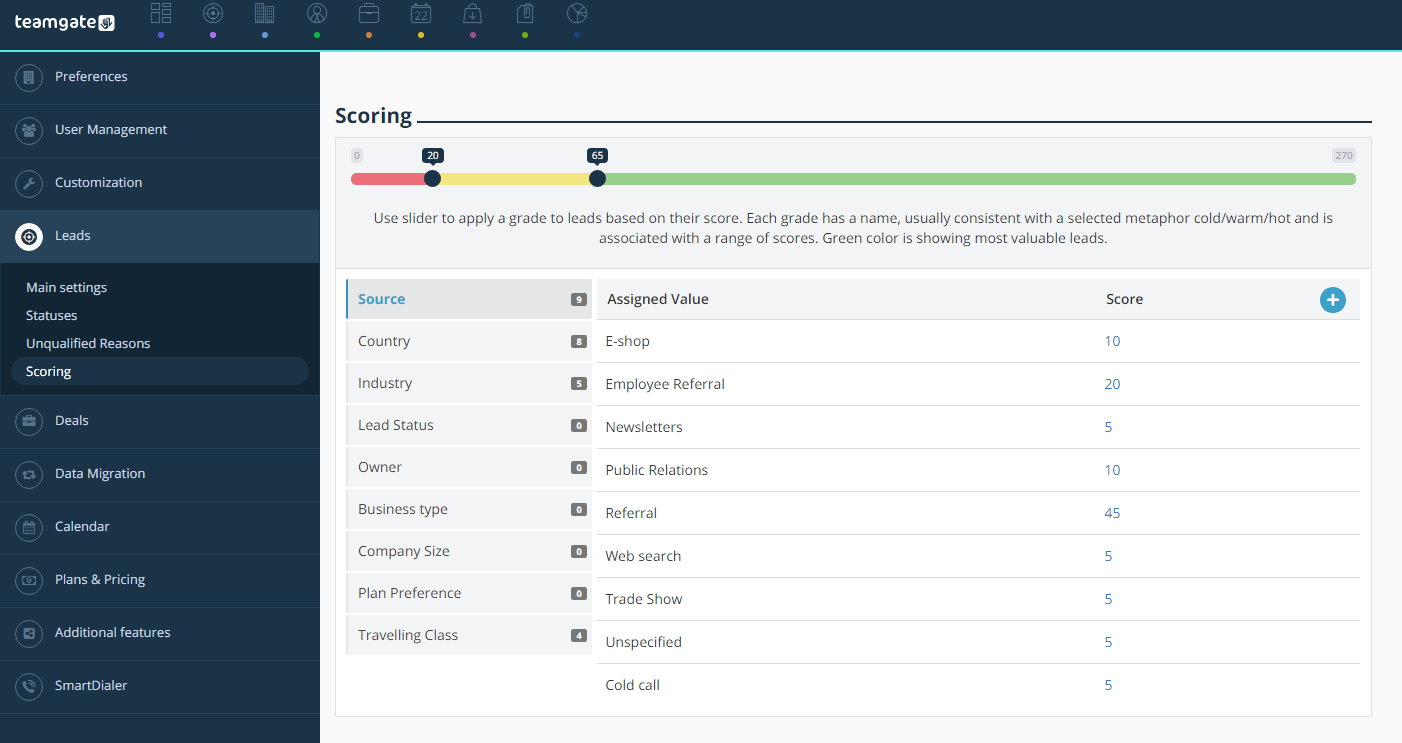
This is the same principle high-performing sales teams follow. Instead of chasing every lead, they focus on qualified opportunities, clear next steps, and consistent follow-up. Teamgate supports this kind of disciplined approach by helping teams stay focused on the deals and customers that actually move forward—without adding unnecessary admin.
In the sections below, you’ll learn five practical ways to build and grow your minimum viable audience.
What is a Minimum Viable Audience?
A minimum viable audience is the smallest group of people who:
-
Have a clear, shared problem
-
Actively care about solving it
-
Are willing to engage, give feedback, or pay
This is not just a “target market.” It’s a group you can realistically reach, serve, and learn from early.
Think of it this way:
-
A broad audience = low relevance, weak engagement
-
A focused audience = high relevance, faster traction
Seth Godin’s core idea still holds: build something specific for someone specific. Trying to build for everyone leads to unclear messaging and a product that doesn’t fully satisfy anyone.
A strong minimum viable audience typically has:
-
A defined role or identity (e.g., “first-time founders,” “sales reps at SMBs”)
-
A specific problem they already recognize
-
Existing behavior around solving that problem (searching, buying, discussing)
When you get this right, two things happen:
-
Feedback becomes clearer and more actionable
-
Growth becomes easier because satisfied users bring in similar people
In practical terms, this is about focus. Just like a clean sales pipeline relies on clearly defined stages and next steps, your audience strategy should be just as structured. You’re not trying to collect as many people as possible—you’re trying to engage the right ones deeply enough that momentum builds.
5 strategies on how to build a minimum viable audience
Key Takeaways
The first thing to keep in mind is to understand the needs of your customer and audience.
You are not making a customer for your product. You are making a product for your customer. Always try to improve your product or service by listening to your customers.
What they like and what they do not like will serve as an excellent blueprint for improvement and further development.
Find out how much you can give to your customers without hurting your business.
If you can offer more than what you are offering right now, learn about the options, and draw a line where necessary.
Set yourself apart from other websites and blogs by adding multiple and unique calls to action.
Finally, if you want all your plans to be a success, the least and most you can do is treat every product as a launch and get as much feedback as possible.
Conclusion
You can teach yourself digital marketing with the help of the internet anytime, anywhere.
Is there anything you like or do not like about this post?
Feel free to take part in the discussion from the comments.
You can also share the problems you are facing as a small business and get the required help.
FAQs – Building a Minimum Viable Audience
Q: What is a minimum viable audience?
A: A minimum viable audience refers to the smallest potential market that a business needs to serve in order to sustain its operations and ensure its survival.
Q: Why is a minimum viable audience important for a lean startup or small business?
A: Building a minimum viable audience is crucial for lean startups or small businesses because it allows them to focus their efforts on a specific target audience, understand their needs, and develop products or services that truly meet their requirements. By serving this minimum viable audience effectively, businesses can grow and expand their market in the long run.
Q: How can I study the needs and likes of my audience?
A: To understand the preferences and wants of your audience, conduct market research, engage with your target audience through surveys or interviews, analyze customer feedback, and observe their behaviors and interactions with your products or services. This information will help you tailor your offerings to better meet their needs.
Q: Should I listen to customer feedback and make improvements to my product or service?
A: Yes, customer feedback is invaluable for improving your offerings. Actively listen to both positive and negative feedback, identify areas for improvement, and make necessary adjustments to enhance your product or service based on customer input. Continuous improvement based on customer feedback is essential for building a loyal customer base and attracting new customers.
Q: Can I offer additional value to my minimum viable audience?
A: Yes, offering additional value beyond your core product or service can help differentiate your business and attract and retain customers. Identify opportunities to provide extra features, resources, or content that align with your audience’s needs and interests. This added value can help build trust, loyalty, and a strong relationship with your audience.
Q: How can I set myself apart from other websites and blogs when building my audience?
A: Differentiate yourself by incorporating unique calls to action that go beyond a simple subscription request. Offer downloadable resources, exclusive content, or special promotions that provide value to your audience. By providing distinct and compelling opportunities for engagement, you can stand out from the vast number of websites and blogs and capture the attention and interest of your target audience.
Q: Is it necessary to treat each product launch equally?
A: Yes, it is essential to give equal importance and attention to each product launch, regardless of whether it is your first or subsequent launch. Learn from previous launches, evaluate what worked well and what didn’t, and apply those insights to future launches. Treating each launch with the same level of care and effort helps maintain consistency and enables you to continually refine and improve your offerings.
Q: Is automation necessary for building a minimum viable audience?
A: Automation can be beneficial in streamlining processes and optimizing efficiency, but it is not a requirement for building a minimum viable audience. Focus on understanding your audience, delivering value, and continuously improving your products or services. Automation can be implemented as your business grows and there is a need to scale your operations.
Q: How important is gathering feedback before every launch?
A: Gathering feedback before every launch is crucial for understanding your audience’s needs, validating your product or service, and identifying areas for improvement. By soliciting feedback, you can gain valuable insights, make necessary adjustments, and ensure that your launch aligns with the expectations and preferences of your target audience.