Designed for Growth: Scale your recurring revenue with the new Teamgate SaaS CRM. Explore SaaS Features →

Book a demo today and save 50% off your first month, or 20% off your first year.

Get a free sales audit to uncover hidden revenue opportunities!

If you found yourself in the situation of losing important customer relationship management (CRM) data – or you just want to know if it’s even possible to recover deleted CRM data in theory – this short guide will give you the answers.

We’ll look at how CRMs handle deleted records, what built-in recovery options exist, when data recovery software might help, and what lessons you can borrow from companies that already lived through it.

How CRM Systems Store and Delete Data

At the core, every CRM is powered by a database. Records you see on the screen are stored as rows in tables, and attachments might live as binary files or links in a separate storage system. When you delete something, the CRM doesn’t always treat it the same way.

  • Some platforms use a “soft delete.” The record isn’t wiped right away – it gets flagged as deleted and moved into a recycle bin.
  • Others still rely on “hard deletes.” Microsoft Dynamics was notorious for this for years: the moment you hit delete, that record was gone unless you had a backup or auditing turned on.
  • Audit logs play a big role too. Even if the record is gone, an enabled audit trail can capture the field values at deletion, giving you at least a blueprint to rebuild the lost data.

Also its not always about a single user action but a system-level failure. We all remember the Salesforce NA14 outage in 2016: a database failure left customers without access for more than 20 hours. When the service came back, Salesforce had to roll back to the last good backup. That meant customers on NA14 lost nearly four hours of CRM data added between the backup and the crash.

It’s a reminder that even the biggest vendors can stumble, and why backups matter as much as recycle bins.

Native Recovery Options in Popular CRMs

Now let’s talk in more detail about what options you actually have to recover deleted CRM data, depending on which system you use. Each platform treats deletions a little differently, and the tools they give you can save you a lot of stress if you know how to use them.

Salesforce

Salesforce is one of the better-known examples. It has a built-in recycle bin, which holds deleted records for about 15 days (sometimes extended to 30). If you notice the
mistake in time, you can restore records with a couple of clicks. After that window closes, though, you’re out of luck unless you have an export or backup.
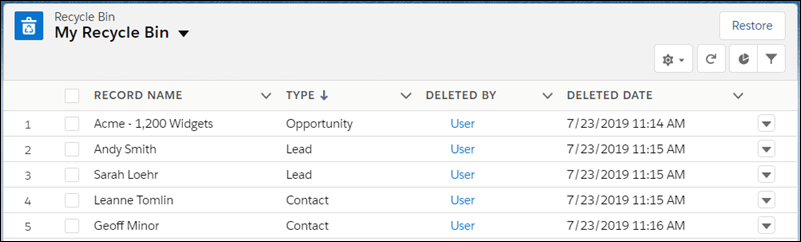
Salesforce used to offer a paid “Data Recovery” service, but it was slow, expensive, and eventually retired. These days, they encourage admins to schedule weekly exports or use third-party backup apps.

Microsoft Dynamics 365

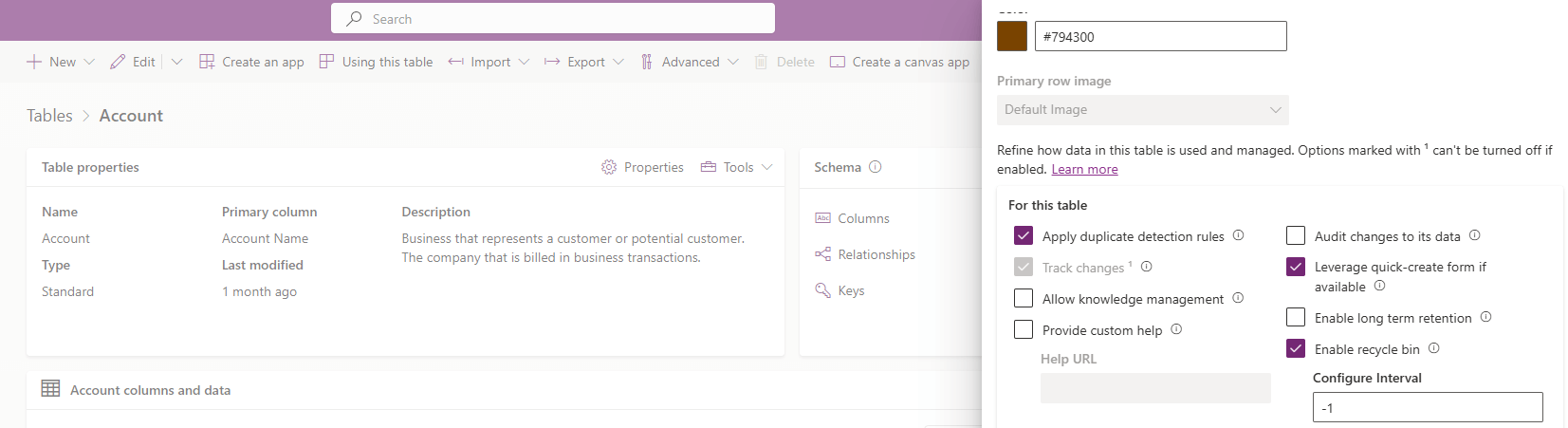
Microsoft Dynamics 365 (Dataverse) was tougher historically because it didn’t have a recycle bin at all. Once a record was deleted, it was gone, unless you could restore the entire database. That’s changed Microsoft introduced a recycle bin preview feature that works more like Salesforce’s. Until that’s fully rolled out, though, most admins rely on SQL backups or third-party tools.
HubSpot

HubSpot takes a slightly different approach. It lets admins generate full backups of CRM data, and in higher-tier plans, schedule them automatically. You can restore property values from those backups within 14 days. It’s not as straightforward as a recycle bin, but it does give you a way to roll back to a recent state.

Zoho CRM

Zoho CRM has caught up too. For years, users complained that recovery was almost impossible without support tickets. Now, Zoho includes a recycle bin that keeps deleted records for 60 days, which makes recovery a lot simpler.

Other platforms like NetSuite, SugarCRM, or custom CRMs usually rely heavily on database-level backups. In many cases, the only way to get back deleted records is to restore from a snapshot or use an export file.

The bottom line: if you’re lucky, your CRM has a recycle bin and you catch the mistake quickly. If not, you’ll need backups, exports, or third-party tools to recover deleted CRM files and records.

How to Recover Deleted CRM Files Without Backups

Now, these are all obvious default features that might help you, so the answer to the question in the title of this article can be answered with a yes – it is possible to retrieve deleted records in CRM. But what if the situation is a bit more complicated? What options are there when you don’t have a recycle bin entry or a recent backup to fall back on?

  • This is where audit logs can help. Many CRMs can be configured to track changes, including deletions, at the field level. Even if the record itself is gone, the audit trail may hold all of the values it contained. With Salesforce, Zoho, or Dynamics 365, that means you can open the audit report, see exactly what was deleted, and rebuild the record manually. It’s slower than clicking “restore,” but it keeps you from losing everything.
  • Another trick is to pull from older data exports or linked systems. If your CRM was syncing data with a BI warehouse, email marketing tool, or even an Excel export someone saved last month, that copy might still contain the missing records. Admins sometimes even spin up a sandbox environment from an older snapshot to extract lost records, then re-import them into production. Tools like Integrate.io can help streamline these data integration and recovery workflows, making it easier to reconnect data across your CRM, databases, and other systems.
  • Also, if you’re a fan of self-hosted or on-premises CRM systems – like many people who prefer not to rely on big-name cloud vendors – you actually have another option. In those setups, your CRM data lives on a server you control (most likely in a database file such as a SQL .mdf file or an Oracle data file). If that file itself was deleted, corrupted, or made inaccessible, general-purpose data recovery software can be very useful. Tools like Disk Drill, R-Studio, and many more software options can help extract entire database files from a damaged or failing disk.
    This type of recovery won’t undelete a single record inside a working database, but if the entire file is missing, these tools could save you.
  • As a last resort, you can reach out to vendor support. Some providers can perform limited point-in-time restores if you act fast, though they rarely guarantee full recovery. It’s not the smoothest process, but it can work if the deleted data is too critical to lose.

So while recovering deleted CRM files without default backups isn’t effortless, it is possible in some scenarios.

Final Words and Tips

CRM data recovery isn’t always straightforward, but you usually have more than one way out of a bad situation. Recycle bins, audit logs, and vendor backups can handle most cases of accidental deletions. And if you’re running an on-premises setup, file recovery tools give you a fighting chance when a database file is deleted or damaged.

One thing that’s worth stressing is corruption. Even if you never delete anything and follow every best practice, nobody is completely safe from database corruption. Hardware can fail, disks can develop bad sectors, and integrations sometimes write broken data that damages entire tables.

That’s why you need to prepare. To recover CRM after data corruption, keep regular backups tested, and maintain redundant exports in more than one location. If you skip this step, you’ll end up scrambling with partial exports or audit logs, hoping they cover enough to rebuild what you lost.

A few practical tips to close this out:

  • Enable recycle bins if your CRM supports them.
  • Make backups a scheduled habit.
  • Double-check that auditing is enabled for your most important objects.
  • Limit delete permissions to trusted users.
  • Train staff to avoid accidental bulk deletes.
  • Test your recovery process at least once so you know it works before you need it.

FAQs

Can I recover deleted CRM records without a backup?

If your CRM has a recycle bin or audit logs enabled, you may be able to restore or manually rebuild records. Without those, your options are limited unless you have exports.

How long do deleted CRM files stay in the recycle bin?

The retention period depends on the CRM platform.

  • In Salesforce, deleted records remain in the recycle bin for about 15 days (sometimes extended to 30 for certain editions).
  • HubSpot doesn’t use a traditional recycle bin, but instead relies on backup snapshots that you can restore from within 14 days.
  • Zoho CRM keeps them for up to 60 days.
  • For other CRMs like Microsoft Dynamics, deleted records may bypass a recycle bin entirely unless you’re using the new recycle bin preview feature.

Can I restore attachments when I recover deleted CRM records?

In many cases, yes. If your CRM uses a recycle bin, attachments linked to a deleted record often move there as well. For example, in Salesforce, when you restore a record from the recycle bin, its associated notes and attachments come back too.

However, not all CRMs handle files the same way. Some systems treat attachments as separate objects or store them outside the main database. In those cases, deleting a record may wipe the attachment immediately, and restoring the record won’t bring it back.

Does enabling auditing slow down my CRM?

In most modern CRMs, enabling auditing has little impact on performance. Systems like Salesforce and Dynamics 365 are designed to handle changes in the background without noticeably slowing down everyday tasks like adding leads or updating opportunities. The only time you might notice a difference is if you enable auditing for every field across every object, which can increase database size and slightly affect reporting speed.

Open APIs make CRMs smarter and more efficient. They connect your CRM to tools like Gmail, LinkedIn, and accounting software, automating tasks and syncing data without manual effort. This creates a system that evolves with your business needs, helping teams save time, reduce errors, and make better decisions.

Key Benefits of Open APIs in CRMs:

  • Automate Workflows: Eliminate repetitive tasks like data entry or follow-ups.
  • Real-Time Data Access: Sync information instantly for faster, informed decisions.
  • Cross-Tool Integration: Link sales, marketing, and support systems for unified operations.
  • Custom Features: Tailor your CRM to fit your business processes.

Challenges to Consider:

  • Security Risks: More connections mean stricter data protection is needed.
  • Maintenance Effort: Ongoing updates and monitoring are required.
  • Complexity: Too many integrations can overwhelm systems.

Example Use Cases:

  1. Sales Teams: Sync LinkedIn data and email conversations for better lead tracking.
  2. Marketing Teams: Use CRM data to refine campaigns in real time.
  3. Support Teams: Automate ticket creation and updates for faster resolutions.

Platforms like Teamgate CRM use open APIs to integrate with tools like Zapier, making it easy to connect over 5,000 apps. This approach ensures your CRM grows along with your business, saving time and boosting productivity.

Takeaway: Open APIs transform CRMs into powerful, interconnected systems. Start small, focus on key integrations, and expand as needed to improve efficiency and collaboration.

Main Benefits of Open APIs in CRM Systems

Open APIs transform CRMs from static data repositories into dynamic tools that enhance business operations. They bring tangible advantages that directly impact productivity and decision-making.

Automating Workflows to Save Time

One of the standout benefits of open APIs is the ability to automate workflows, cutting down on repetitive tasks that often drain a team’s efficiency. By integrating your CRM with other tools, APIs streamline processes that would otherwise require manual effort.

For example, APIs can instantly transfer leads from web forms into your CRM, eliminating the need for manual data entry. They can also automate follow-ups, triggering personalized emails, setting reminders, or updating lead scores based on specific actions.

Customer support processes see similar improvements. When a support ticket is submitted, APIs can automatically create a case in your CRM, assign it to the right team member, and send updates to the customer. This automation reduces delays, allowing teams to focus on resolving issues instead of managing administrative tasks.

Connecting Data Across Business Functions

APIs play a crucial role in breaking down silos between departments, ensuring everyone has access to the same accurate and up-to-date information. By linking sales, marketing, and customer support systems, APIs enable seamless collaboration and reduce the chances of miscommunication.

For instance, marketing teams can use sales data accessed through APIs to refine their strategies, while sales representatives gain a complete picture of a prospect’s journey – from their initial website visit to email interactions. Similarly, customer support teams can review purchase histories and past communications, creating a unified understanding of the customer. This shared access to data fosters better teamwork and more informed decision-making.

Real-Time Data for Better Decisions

Open APIs enable real-time data synchronization, ensuring all teams have immediate access to the latest information. This constant data flow improves decision-making, enhances customer service, and elevates the overall customer experience.

Real-time data is particularly valuable for tracking customer sentiment and market trends. For instance, a company monitoring brand sentiment on social media can use APIs to gather insights from multiple platforms, allowing for timely responses.

Marketing teams can also leverage real-time CRM data to fine-tune campaigns on the go. Instead of waiting for periodic reports, they can quickly identify which messages are resonating and adjust their strategies accordingly. Similarly, sales managers can detect shifts in prospect behavior early and provide timely guidance to their teams.

Customizing CRM Features

Open APIs don’t just enhance automation and data integration – they also allow businesses to tailor their CRM systems to meet specific needs. Rather than adapting to generic software capabilities, APIs let you build custom features that align with your unique workflows.

For example, SaaS companies can integrate their CRM with analytics tools, billing systems, and product usage databases to develop detailed customer health scores. These insights help identify opportunities for growth or flag potential churn risks.

Service-based businesses can connect project management tools to their CRM, ensuring client records automatically update when milestones are reached or budgets are adjusted. This creates a unified view of client interactions across sales and service delivery.

E-commerce operations can benefit from APIs that link inventory management with customer records. Sales teams gain instant visibility into product availability during conversations, while support agents can proactively inform customers about restocked items or delivery updates.

Additionally, APIs offer the flexibility to embed CRM functionality directly into the tools your teams use daily. Sales reps can access customer details without leaving their email client, and support agents can update ticket statuses within their help desk software. This seamless integration keeps workflows efficient and teams focused on what matters most.

Real Examples: Connecting Business Tools with CRM

API integrations can transform CRM systems by linking them with essential tools businesses rely on every day.

Connecting Communication Tools

Integrating communication platforms into a CRM system is a game changer for keeping teams in sync and ensuring smooth customer interactions.

Email integration is a prime example. When connected with platforms like Gmail, the CRM automatically logs emails, tracks engagement, and eliminates the need for manual updates. Sales teams can send emails directly from the CRM, and the system tracks key metrics like opens, clicks, and replies. This two-way sync ensures that everyone on the team has access to a complete communication history, reducing duplicate outreach and keeping messaging consistent.

LinkedIn integration takes prospecting to a new level. By importing profile data such as job updates, company changes, and shared connections, LinkedIn integration allows sales teams to research leads without leaving the CRM. They can view profiles, send connection requests, and even track engagement – all while ensuring these interactions are logged in the CRM for future reference.

Phone system integration simplifies call management by linking VoIP platforms to the CRM. With this setup, sales reps can view a customer’s entire history, including past call recordings and outcomes, right from their CRM dashboard. This seamless access to information helps teams stay informed and organized during calls.

Social media platforms add another layer of engagement by capturing customer interactions directly within the CRM.

Adding Social Media Channels

Facebook and Instagram APIs allow businesses to track engagement, such as likes, comments, and direct messages, within their CRM. These interactions can trigger automated follow-ups, such as sending a discount email to a customer who commented on a product post.

Twitter integration offers a way to monitor brand mentions and respond to customer service requests. By pulling in tweets with specific hashtags or mentions, the CRM can automatically create records for these interactions. Customer service teams can respond to complaints or questions while maintaining a detailed history of social media conversations.

These integrations provide a fuller picture of customer behavior. Beyond purchase history and email exchanges, sales teams gain insights into customer preferences and engagement patterns across multiple platforms, making their outreach more targeted and effective.

To complement these tools, analytics integrations provide even deeper insights into customer behavior and campaign performance.

Improving Analytics and Reporting

Google Analytics integration links website activity data with CRM records. This connection allows businesses to track how prospects interact with their site in real time, enabling tailored engagement strategies throughout the customer journey. Marketing teams can identify which content drives high-quality leads and follow the entire path from a prospect’s first website visit to a closed deal.

Business intelligence platforms like Tableau or Power BI enhance reporting by creating dynamic dashboards. These dashboards pull CRM data and update automatically, helping sales managers quickly identify trends, spot issues, and make data-driven decisions.

Financial software integration connects tools like QuickBooks to the CRM, streamlining processes like invoicing, tracking payment terms, and managing balances. This integration eliminates duplicate data entry and simplifies forecasting, making it easier to manage cash flow and financial planning.

API Types and Their CRM Integration Uses

Building on the advantages of open APIs, understanding their specific types helps clarify how they support various CRM functions. Each API type plays a unique role in connecting systems and enhancing CRM capabilities. Let’s dive into how System, Process, and Experience APIs contribute to improving CRM integration.

System APIs: Enabling Core Data Exchange

System APIs are the backbone of data exchange between your CRM and critical business systems. Their primary role is to retrieve and share data with core systems such as ERP platforms, billing software, proprietary databases, or payment processors. DreamFactory, for instance, is a self-hosted platform that provides governed API access to any data source, making it ideal for enterprises that need secure, centralized control over data integration.

For instance, when a customer completes a purchase on your e-commerce platform, System APIs automatically update your CRM with essential details like transaction records, payment status, and shipping information. This eliminates the need for manual data entry or complex workarounds, ensuring your CRM stays updated in real time.

These APIs act as a direct link between foundational systems and your CRM. By working quietly in the background, they ensure that your CRM always has access to accurate, up-to-date data from across your business ecosystem.

Process APIs: Automating Workflows

Process APIs go beyond simple data transfer – they focus on orchestrating and automating multi-step workflows across different systems. These APIs streamline complex processes that would otherwise require manual intervention.

Take lead scoring as an example. When a prospect visits your website, downloads a resource, and interacts with marketing emails, Process APIs integrate your website analytics, content management system, and email platform to automatically calculate and update the lead score in your CRM. This happens seamlessly, without requiring input from your sales team.

Process APIs also shine in pipeline management. For instance, when a contract is signed in your document management system, these APIs can simultaneously update the CRM deal status, trigger invoice creation, and notify the customer success team. This level of automation ensures workflows are consistent, reduces errors, and frees up time for your teams to focus on more strategic tasks.

Experience APIs: Enhancing User Interactions

While Process APIs focus on internal efficiency, Experience APIs are all about improving user-facing interactions. These APIs create tailored CRM features for specific audiences, whether they’re customers, partners, or internal teams.

A common application of Experience APIs is in customer portals. These portals pull relevant CRM data – like order history, support tickets, and account details – and present it in a clean, user-friendly format. For example, customers might see their purchase records and open support cases, while internal notes remain hidden.

Mobile apps also heavily rely on Experience APIs. Sales reps, for instance, can use mobile interfaces to access contact details, update deal stages, or log activities. The Experience API ensures that they see only the most relevant information, optimized for smaller screens and on-the-go usage.

Additionally, Experience APIs power custom dashboards for executives and managers. These dashboards pull CRM data and display it in role-specific views. For example, a sales manager might see team performance metrics and pipeline forecasts, while a customer service director reviews ticket resolution times and satisfaction scores.

Building a Flexible CRM System with Teamgate CRM

Teamgate CRM

Teamgate CRM uses open APIs to create a CRM system that adapts to your business needs while offering the scalability to grow alongside your company.

Teamgate CRM API Features and Benefits

The Teamgate CRM API provides full access to essential CRM functions, seamlessly connecting your sales processes with other business tools. It supports full CRUD (Create, Read, Update, Delete) operations across key CRM entities like contacts, deals, companies, activities, and custom fields.

This integration is a game-changer for managing your sales pipeline. For example, it can automate tasks like sending email notifications, updating forecasts, or creating follow-up activities as deals move through the pipeline. Custom fields and deal properties sync across connected systems automatically, ensuring your data stays consistent and accurate.

The API also enables advanced analytics by integrating CRM data with business intelligence tools or custom dashboards. Sales managers can skip the hassle of manual data exports and instead access real-time metrics, pipeline forecasts, and team productivity reports at the click of a button.

Additionally, Teamgate’s API includes webhook functionality, which delivers real-time notifications when specific events occur. For instance, if a deal surpasses a certain value or a high-priority lead is added, webhooks can instantly notify your team or trigger automated workflows in your connected systems.

To make integration even easier, Teamgate CRM also supports no-code tools for businesses that want powerful functionality without the complexity of coding.

Simplified Integrations with Zapier

Zapier

For businesses looking for quick, no-code solutions, Teamgate’s Zapier integration connects the CRM with over 5,000 apps – no technical expertise required. This feature is included with the Team plan ($39.90 per user per month) and Growth plan ($59.90 per user per month).

Zapier eliminates repetitive tasks, freeing up your sales team to focus on what matters most. For instance, when someone subscribes to your Mailchimp mailing list, Zapier can automatically create a new contact in Teamgate with all their details. Similarly, when deals are closed in Teamgate, Zapier can generate invoices in QuickBooks or add customers to your project management tools instantly.

The integration also enhances customer support. If a customer submits a ticket through Zendesk, Zapier can update their contact record in Teamgate with ticket details, giving your sales team the context they need for follow-ups.

Popular Zapier workflows include:

  • Connecting Google Sheets for bulk data imports.
  • Syncing calendar apps for automatic activity logging.
  • Integrating Shopify to transfer order data directly into CRM records.

These integrations not only save time but also create a seamless flow of information, making life easier for businesses of all sizes. Let’s take a look at how some companies have used Teamgate CRM to achieve these results.

Success Stories: How Businesses Use Teamgate CRM

A variety of businesses – ranging from service providers to e-commerce shops and B2B sales teams – have successfully streamlined their workflows with Teamgate CRM.

Service-based businesses use the API to connect project management tools with CRM data. This ensures that client information moves smoothly from the first interaction to project completion. For example, when a new project kicks off, automated workflows can create relevant contacts, deals, and follow-up tasks without any manual effort.

E-commerce companies rely on Teamgate’s integrations to unify online sales and customer management. Product catalogs sync automatically, orders are logged as deal records, and customer interactions are updated in real-time, ensuring a complete view of every customer.

B2B sales teams benefit from marketing automation integrations that score leads based on factors like website activity, email engagement, and demographics. High-priority leads are automatically flagged in Teamgate, allowing sales reps to focus on the best opportunities.

Thanks to its flexible API, Teamgate CRM allows businesses to start with simple integrations and gradually build more advanced workflows as their needs grow. This adaptability makes it an ideal choice for companies looking to expand their CRM capabilities without overhauling their systems.

Benefits and Challenges of Open API Integration in CRM

Integrating open APIs into CRM systems can significantly enhance their functionality, but it also brings its own set of challenges. Understanding these aspects is crucial for shaping a successful integration strategy.

Let’s start with the benefits. Open API integration allows your business to connect different systems, automate repetitive processes, and build workflows tailored to your specific needs. By synchronizing data across platforms, APIs eliminate the need for manual data entry, reducing errors and improving efficiency. They also offer scalability, enabling you to expand your CRM’s capabilities by adding new tools as your business evolves – without the hassle of replacing your entire system.

On the flip side, there are challenges that require attention. Security becomes a more intricate issue when multiple systems are connected, demanding robust authentication measures and vigilant data protection. Technical maintenance can also become a burden, as you’ll need to monitor integrations and adapt to changes in third-party APIs. Additionally, overloading your system with too many integrations can lead to complexity, making it harder to troubleshoot and manage.

While API integrations save time and cut operational costs in the long run, they do require an upfront investment in development and ongoing maintenance. The benefits and challenges are best understood through a side-by-side comparison:

Comparison Table: Benefits vs. Challenges

Benefits Challenges
Seamless Data Flow – Reduces manual entry and keeps data synchronized across platforms Security Complexity – Requires stronger authentication and constant monitoring
Workflow Automation – Frees up time by automating repetitive tasks Technical Maintenance – Demands regular updates and monitoring to ensure smooth operation
Scalability – Add tools and features without replacing your CRM system Integration Complexity – Too many connections can make the system harder to manage
Cost Efficiency – Automation lowers operational costs and boosts productivity over time Initial Investment – Requires development time, training, and potential subscription costs
Real-Time Updates – Enables quicker decision-making with instant data synchronization Dependency Risk – Relies on the reliability of third-party APIs
Customization – Adapts CRM functionality to meet your business needs Learning Curve – Teams need time to adjust to new workflows and systems

A successful API integration strategy requires a step-by-step approach. Begin with the integrations that address your most pressing challenges, then gradually expand to create a connected ecosystem. This method reduces complexity and ensures you see immediate benefits.

For many businesses, the advantages of open API integration outweigh the drawbacks, especially when approached thoughtfully. The flexibility, efficiency, and scalability it offers often justify the initial investment and ongoing effort. As your business grows and processes become more advanced, these integrations can play a key role in creating a CRM system that adapts to your needs.

Best Practices for CRM API Implementation

Building a CRM system with open APIs that works seamlessly requires more than just technical skills. The key to a smooth integration lies in careful planning, robust security measures, and ongoing support. Here’s how to approach CRM API implementation effectively.

Planning Your API Integration Strategy

Start by assessing your business needs. Pinpoint the processes that take up the most time or create bottlenecks in your workflow. These should be your top priorities for integration – don’t try to connect every tool at once.

Map out your data flow to ensure systems work together without creating silos. This step helps you identify what your team needs and how often updates are required, making it easier to choose the right APIs.

Set clear, measurable goals for each integration. For example, instead of saying "improve efficiency", aim for specific results like "reduce lead entry time by 50%" or "eliminate duplicate data entry between email marketing and CRM." These defined objectives make it easier to track progress and justify the investment.

Take a gradual approach. Start with one or two key integrations that address your biggest challenges. Once those are running smoothly, you can expand to include additional tools. This step-by-step method keeps things manageable and helps your team adapt to new workflows without feeling overwhelmed.

Finally, evaluate your technical resources. Some integrations require ongoing maintenance and troubleshooting. If your team lacks the necessary expertise, look for platforms with user-friendly integration tools or consider working with implementation partners.

Once your plan is in place, it’s time to focus on security.

Maintaining Security and Compliance

API integrations open multiple entry points for data, making security a top priority. Use strong authentication methods like OAuth 2.0 or API keys, and ensure they are rotated regularly. Avoid embedding credentials directly in your code, as this can expose sensitive information.

Encrypt data both in transit and at rest. Whether you’re handling customer details, financial information, or other sensitive data, use industry-standard encryption protocols to keep it secure.

Set up rate limits and monitor API usage to prevent abuse. Keep an eye out for unusual activity, such as failed authentication attempts or excessive API calls, and set up alerts to catch potential issues early.

Make security audits part of your regular maintenance routine. Check which systems have access to your CRM data, update permissions as needed, and remove access for tools or team members who no longer require it. Document these reviews to stay compliant with data protection regulations.

If your business operates internationally, be aware of data residency requirements. Some laws mandate that customer data must remain within specific geographic regions, which could influence your choice of API providers and integration methods.

With security in check, the next step is ensuring smooth operations through proper documentation and support.

Using API Documentation and Support

Good documentation can make or break your integration efforts. Before diving in, thoroughly review the API documentation. Pay attention to data models, endpoint structures, authentication methods, error handling, and details about staging and production environments.

Create your own internal documentation for every integration. Include details like the integration’s purpose, authentication methods, rate limits, testing procedures, and backup options. Store this information in a place where your team can easily access it.

Document technical specifics in your source code with comments, and summarize integration strategies in team wikis or engineering guides. This way, both developers and non-technical team members can understand how and why the integrations were implemented.

Establish strong communication channels with API providers. Many platforms offer resources like developer forums, dedicated support for integration partners, and direct contact options for technical issues. Don’t hesitate to use these resources – they can save you time and frustration.

Stay up-to-date with API changes by subscribing to developer newsletters or release announcements. Updates or deprecations can disrupt existing integrations, so knowing about them in advance allows you to plan and avoid downtime.

When selecting a CRM platform like Teamgate CRM, choose one with clear API documentation and responsive support. Platforms with active developer communities and well-documented APIs tend to have fewer issues and faster resolutions when problems arise.

Finally, always test integrations in a staging environment before going live. This step helps you catch potential issues before they impact your operations.

Conclusion: Building Better CRM Systems with Teamgate CRM APIs

A well-thought-out API strategy is essential for creating modern, adaptable CRM systems that meet today’s business demands.

Open APIs turn CRM platforms into dynamic, interconnected ecosystems rather than static tools. They make it possible to integrate seamlessly with platforms like LinkedIn, Gmail, and Facebook, enabling automation, real-time data synchronization, and tailored customizations that deliver measurable results.

Companies using Open APIs often see higher customer satisfaction, quicker innovation, and more efficient operations. For example, one sales organization integrated Teamgate CRM with its marketing automation and support systems. The result? A 30% increase in sales productivity and faster response times to customer inquiries.

Teamgate CRM’s API capabilities, backed by detailed documentation and Zapier support, give businesses the tools to create CRM systems tailored to their workflows and growth objectives. This approach also ensures that your CRM remains adaptable as new tools and requirements surface. The move toward API-first designs reflects a broader trend in business – favoring modular, interoperable systems that can quickly adjust to market shifts and evolving customer needs.

To succeed with API-enabled CRM systems, it’s crucial to define clear integration goals, prioritize security, and choose platforms that combine technical flexibility with user-friendly design. When implemented thoughtfully, Open APIs can transform your CRM from a basic contact manager into a central hub for managing customer relationships.

The pressing question is: How quickly can you harness Open APIs to stay ahead in today’s interconnected business landscape?

FAQs

How can businesses keep their CRM systems secure when using multiple open APIs?

To keep your CRM system secure while working with multiple open APIs, start by employing strong encryption protocols like AES 256-bit. This ensures sensitive data remains protected during transmission. Additionally, implement secure access controls such as OAuth 2.0 to restrict system access to authorized users only.

When selecting APIs, go with reliable providers known for maintaining high security standards. Regularly monitor API activity to catch and address any vulnerabilities early. Staying on top of updates and conducting routine audits can go a long way in keeping your CRM environment safe and dependable.

What should I consider when choosing tools to integrate with my CRM using open APIs?

When choosing tools to connect with your CRM through open APIs, focus on how well they match your business objectives and tackle your specific challenges. It’s essential to seek APIs that are secure, well-documented, and dependable, as these qualities play a key role in creating successful integrations.

You should also assess the API’s ability to adapt and its support for widely-used protocols like REST or GraphQL. Check if it can efficiently manage data synchronization, scalability, and error handling. Lastly, give preference to tools that offer an intuitive design and strong security measures to ensure your integrations are seamless, compliant, and built to last.

How do open APIs help a CRM system grow and adapt to a business’s changing needs?

Open APIs give CRM systems the ability to grow and adapt as your business evolves. They make it easy to integrate your CRM with various tools and platforms, like LinkedIn, Gmail, and Facebook. This means you can add new features or tailor the system to your needs without overhauling everything.

By linking different software seamlessly, open APIs ensure your CRM keeps up with your operational changes or shifts in industry demands. This leads to smoother workflows, improved efficiency, and better support for your business as it expands.

Related Blog Posts

Customer data isn’t just information – it’s the key to better sales. Businesses that organize and use data effectively can close deals faster, find high-potential leads, and create meaningful customer relationships. The challenge? Many companies struggle because their data is scattered across tools and spreadsheets.

Here’s how customer data helps:

  • Personalized Sales: Tailor messages based on customer history, preferences, and behavior.
  • Focused Efforts: Identify leads most likely to convert and prioritize them.
  • Smarter Decisions: Use real-time analytics to track performance and forecast revenue.

Tools like Teamgate CRM simplify this process by centralizing data, automating workflows, and providing actionable insights. This approach saves time, improves accuracy, and helps businesses achieve better sales results.

Want to boost sales? Start by organizing and using your customer data effectively.

What is CRM Data Management & How it Can Boost Your Business? | CRM Data Management Benefits

Using Customer Data to Personalize Interactions

Customer data is a goldmine for creating meaningful connections and driving sales. Personalization transforms ordinary sales interactions into moments that feel relevant and valuable to the customer. By tapping into a customer’s history and preferences, you can create tailored experiences that build trust and significantly improve the chances of closing a deal.

It’s no secret that generic outreach often falls flat. Personalized communication, on the other hand, grabs attention and encourages engagement. This is where tools like Sendspark can amplify your efforts—an AI-powered video personalization platform that lets you create thousands of individually personalized videos addressed to specific prospects by name and company context. This sets the foundation for leveraging the CRM features we’ll explore next.

How CRM Tools Support Personalization

Teamgate CRM simplifies personalization by centralizing all customer information in one place. Instead of wasting time searching through scattered data, sales teams can quickly access comprehensive customer profiles. These profiles include contact details, interaction histories, purchase patterns, and even personal preferences.

For example, sales reps can easily find out if a client prefers morning calls or has previously expressed concerns about timelines. The system’s contact management tools also track key details like decision-making processes and past objections, helping reps approach conversations with confidence and context.

Teamgate’s customizable pipelines further support personalization by showing exactly where a customer is in their buying journey. This visibility allows sales teams to tailor their messaging to match each stage, whether the customer is just exploring options or ready to make a decision.

The CRM also tracks communication preferences across channels. Some customers might favor detailed emails packed with technical specs, while others prefer quick phone calls followed by a brief summary. Having this information at their fingertips enables sales reps to connect with customers in the way they prefer, ensuring every interaction feels seamless and thoughtful.

Using Integrations to Enrich Customer Data

Integrations take customer data to the next level. By connecting with tools like Gmail and LinkedIn, Teamgate automatically captures communication histories and professional details, ensuring customer profiles are always up to date. This means that if a new team member takes over an account, they can quickly understand the customer’s history without making the client repeat themselves.

Teamgate also integrates with other platforms through its API and Zapier capabilities. For instance, marketing automation tools can share lead scoring data, while customer support systems provide service histories. These connections ensure that sales teams have a complete, real-time view of each customer, with updates happening automatically in the background.

Real Examples of Personalization

Smart sales teams use customer data to fine-tune their outreach strategies. For example, knowing the best times to contact a client can significantly boost engagement. Setting reminders for key U.S. holidays like Thanksgiving or Black Friday can also help create timely and thoughtful messages. A B2B company might send a supportive note during a customer’s busy season, acknowledging the challenges they face and offering tailored assistance.

Personalized product recommendations are another powerful tool. By analyzing purchase history and browsing behavior, sales teams can suggest solutions that align with a customer’s evolving needs. For example, if a client who previously chose basic features starts asking about advanced options, the sales team can proactively offer upgrades that match their interests.

Even communication styles can be personalized. Some clients prefer in-depth technical documentation, while others want a quick verbal overview followed by a concise email summary. Teamgate’s activity tracking helps sales reps identify these preferences and adapt their approach to suit each customer.

Ultimately, effective personalization is about going beyond surface-level gestures. It’s not just about using a customer’s name – it’s about referencing their specific challenges, past purchases, company milestones, and communication preferences. This kind of tailored engagement helps sales teams build genuine connections that resonate with customers.

Finding and Prioritizing Sales Opportunities

When it comes to sales, data is your most powerful ally. By analyzing customer information, sales teams can shift from guesswork to a focused strategy. Instead of chasing every lead, smart teams zero in on prospects with the highest potential to convert and deliver strong revenue. This targeted approach not only saves time but also boosts conversion rates and improves overall ROI.

The secret lies in identifying patterns within your customer data. High-value opportunities often share common traits – such as company size, industry, budget, or specific behaviors. By recognizing these patterns, sales teams can focus their efforts on leads that align with successful customer profiles, while deprioritizing less promising ones. This data-first approach helps uncover high-potential leads, predict revenue, and streamline the entire sales process.

Finding High-Potential Leads

Teamgate CRM simplifies the process of identifying promising leads with its lead scoring system. This tool evaluates prospects based on factors like company size, engagement levels, budget indicators, and online behavior. It’s a quick way to determine which leads need immediate attention and which might require more nurturing.

The platform also provides a clear view of deal progress through customizable pipeline stages. Sales reps can easily track which opportunities are moving forward and which are stuck, allowing them to allocate their time and energy more effectively.

Another standout feature is how Teamgate CRM monitors engagement patterns that suggest buying intent. For instance, prospects who frequently open emails, download resources, or spend time reviewing pricing details are likely closer to making a purchase. The CRM automatically tracks these digital signals, giving sales teams a clear advantage.

Geographic and demographic filters add another layer of precision. For example, a software company might discover that mid-sized manufacturing firms in a particular region are more likely to convert. With this knowledge, sales teams can focus their outreach on similar prospects and fine-tune their messaging.

Additionally, the platform’s contact management tools reveal opportunities for relationship mapping. Sometimes, the best way to reach a decision-maker is through an existing connection or referral. Teamgate CRM helps identify these pathways, enabling a more strategic and effective approach.

Using Sales Dashboards for Revenue Forecasting

Once high-value leads are identified, accurate revenue forecasting becomes the next priority. Teamgate CRM’s sales dashboards turn raw data into actionable insights. These dashboards show real-time pipeline values in USD, projected closing dates, and probability estimates, helping teams make smarter decisions about resource allocation.

Historical data also plays a big role in improving forecasts. By analyzing past deal cycles and win rates, sales teams can set realistic expectations and plan more effectively.

The platform’s analytics tools track performance against sales goals with clear visual indicators. Sales reps can see their monthly targets, current pipeline values, and likely outcomes based on past trends. This transparency makes it easier to spot potential shortfalls early and adjust strategies in time.

For companies with international clients, the multi-currency support is a game-changer. The system automatically converts foreign currencies to USD for consistent reporting, while still keeping the original currency details for customer interactions.

Advanced reporting features further refine the process. Sales teams can break down opportunities by lead source, sales rep, product line, or customer segment to identify which strategies and channels bring in the most valuable leads.

Manual Tracking vs. CRM-Driven Opportunity Management

The advantages of using a CRM like Teamgate become clear when compared to manual tracking:

Aspect Manual Tracking Teamgate CRM
Data Accuracy Prone to errors and inconsistent updates Automated data capture with real-time syncing
Time Investment Requires significant manual effort Streamlines tasks, saving time
Scalability Becomes unmanageable as data grows Easily scales with team and data expansion
Visibility Limited to individual records Provides team-wide visibility and better collaboration
Forecasting Relies on rough estimates Uses historical data for more accurate predictions
Follow-up Management Risks missed follow-ups Includes automated reminders and workflow triggers

Manual tracking often leads to scattered data across spreadsheets, increasing the risk of missed follow-ups and inefficiencies. On the other hand, a CRM centralizes all opportunity data, making it easier to manage and scale as your team grows. New team members can quickly access complete customer histories and established processes without needing extensive onboarding.

Integration capabilities further highlight the benefits of a CRM. Unlike manual systems, which operate in isolation, Teamgate CRM connects seamlessly with email platforms, marketing tools, and other business systems. This integration creates a holistic view of every opportunity, uncovering insights that manual tracking simply can’t provide.

Making Better Decisions with Real-Time Analytics

Data is just numbers until it’s turned into something actionable. The real magic happens when customer data transforms into insights that guide smarter decisions. For sales teams, using real-time analytics can make the difference between hitting targets and falling short. This approach builds on strategies like personalized interactions and opportunity management, enabling teams to act with precision and purpose.

With real-time analytics, sales teams can spot trends, tweak strategies on the fly, and make decisions based on what’s happening right now – not weeks or months later. Managers can address issues and seize opportunities as they arise, whether it’s reallocating resources to a thriving sales channel, adjusting pricing strategies, or focusing on customer segments with the highest conversion rates. These insights provide the clarity needed for quick, informed decisions at every step of the sales process.

Using Real-Time Reporting

Teamgate CRM takes raw customer data and turns it into actionable insights through its reporting tools. Metrics like conversion rates, average deal sizes, and customer retention rates are displayed on intuitive dashboards that refresh automatically. This means sales managers can track performance throughout the day instead of waiting for monthly reports.

The platform’s advanced reporting features allow teams to dig deeper into performance data. For example, they can identify which lead sources bring in the most valuable customers, which products sell faster, and which team members consistently exceed their targets. This level of detail helps uncover best practices that can be applied across the organization.

One crucial metric is deal velocity, which helps managers identify bottlenecks in the sales pipeline. By monitoring this, they can address stalled deals before they become major roadblocks.

Teamgate also offers dynamic revenue forecasting. Unlike static monthly reports, these forecasts update in real time based on current pipeline activity, recent win rates, and seasonal patterns. This flexibility helps sales leaders make informed decisions about resource allocation and set realistic expectations for stakeholders.

Another standout feature is customer retention analytics. By analyzing engagement patterns and purchase history, the system identifies customers most likely to renew, upgrade, or churn. This helps sales teams prioritize their efforts and uncover expansion opportunities before competitors step in.

Getting Better Insights with Data Integration

The real value of analytics lies in combining data from various sources into one unified view. Teamgate CRM integrates seamlessly with tools like Gmail and LinkedIn, creating a complete picture of customer interactions and sales performance.

Email and LinkedIn integrations enhance reporting by adding layers of engagement data and social insights to the analytics dashboards. These integrations provide a richer understanding of customer behavior.

Additionally, the platform’s API access and Zapier integration allow businesses to connect virtually any tool in their sales ecosystem. Whether it’s marketing automation, customer support, or finance software, all data can flow into the CRM, creating a single source of truth. For teams managing complex data pipelines, Integrate.io offers powerful ETL and ELT capabilities that can work alongside your CRM to handle advanced data transformation and integration needs. This comprehensive integration helps reveal patterns and opportunities that might otherwise go unnoticed.

For businesses with international customers, the system’s multi-currency support simplifies reporting. It automatically converts foreign currencies to USD for consistency, while still retaining original currency details for customer interactions. This ensures accurate tracking and forecasting.

Key Metrics for SMB Sales Success

For small and medium-sized businesses (SMBs), focusing on the right metrics is key to driving growth and profitability. Teamgate CRM tracks the most critical sales performance indicators, helping SMBs make data-driven decisions that lead to results.

Metric Description Business Impact
Lead Conversion Rate Percentage of leads that become paying customers Measures how well marketing and sales efforts align
Average Deal Size Average value of closed deals in USD Highlights trends in pricing strategy and customer value
Sales Cycle Length Time from initial contact to deal closure Helps with resource planning and cash flow predictions
Pipeline Velocity Speed at which deals progress through stages Identifies bottlenecks and improves forecasting accuracy
Customer Acquisition Cost Total cost to acquire a new customer Ensures profitability of sales and marketing investments
Customer Lifetime Value Total revenue expected from a single customer Guides retention and upselling strategies
Win Rate Percentage of opportunities that close successfully Reflects the effectiveness of the sales team
Monthly Recurring Revenue Predictable revenue from subscriptions Supports long-term business planning and growth

These metrics provide a clear view of overall sales health. For instance, a high conversion rate paired with a low average deal size might suggest the team is closing smaller, easier deals but missing out on upselling opportunities. On the other hand, a long sales cycle with a strong win rate could indicate that the qualification process is solid but could benefit from streamlining.

With these insights, sales managers can identify declining trends, spot seasonal patterns, and compare current performance against historical data. This proactive approach shifts the focus from problem-solving after the fact to managing challenges before they escalate.

Workflow automation ensures data accuracy across all metrics. The system automatically updates deal stages, tracks communication frequency, and calculates performance indicators, eliminating the need for manual updates. This means decision-makers always have up-to-date, reliable data at their fingertips.

How to Get More Value from Customer Data

Analytics and real-time insights are just the beginning; to truly harness the potential of customer data, it’s essential to focus on maintaining its quality, automating processes, and protecting it. This section dives into practical strategies for ensuring data accuracy, streamlining workflows, and complying with US privacy standards.

Keeping Data Clean and Accurate

Accurate data is the backbone of effective sales. Outdated or duplicate records don’t just waste time – they can also cost you valuable opportunities. Clean, up-to-date customer information ensures every interaction is meaningful and efficient.

Teamgate CRM offers several tools to maintain data quality. It automatically detects duplicate entries, making it easy to merge contacts or company records. This prevents confusion, like multiple team members unknowingly contacting the same prospect or customer histories being split across different profiles.

The platform also uses data validation rules to catch common entry mistakes. For instance, if someone enters an invalid email address or leaves out a phone number, the system flags the issue immediately, encouraging corrections on the spot rather than later.

For larger updates, Teamgate’s bulk editing features simplify the process. Whether you’re standardizing company names, updating industry classifications, or fixing address formats, you can make changes to multiple records at once. This is especially useful during organizational changes, like territory shifts or company-wide updates.

Another standout feature is contact enrichment through LinkedIn integration. When sales reps connect with prospects on LinkedIn, the CRM automatically pulls in professional details like job titles, company updates, and connections. This reduces manual data entry and keeps profiles current without extra effort.

Automating Workflows to Save Time

Automation is a game-changer for cutting down on repetitive tasks, giving sales teams more time to focus on what matters most – selling. Instead of manually updating deal stages, sending reminders, or assigning leads, automated workflows handle these tasks seamlessly.

Teamgate CRM simplifies routine processes like lead distribution, follow-ups, and pipeline management. For example, when a prospect attends a demo, the system automatically moves the deal to the next stage. If a proposal is sent, it sets follow-up reminders and updates the deal status. This keeps the sales pipeline accurate while reducing the administrative load.

The CRM also integrates with Zapier, opening up endless automation possibilities. You can link Teamgate to other tools to create workflows like adding new customers to your marketing platform, generating support tickets when deals close, or syncing deal information with accounting systems. These integrations eliminate manual data transfers and ensure all your tools work together smoothly.

While automation boosts efficiency, it’s equally important to stay compliant with US data privacy laws to maintain customer trust.

Following US Data Privacy Rules

Protecting customer data isn’t just a legal requirement – it’s a key part of building trust and fostering long-term relationships. Privacy regulations in the US vary by state, but there are some universal principles that businesses should follow.

Consent management is a cornerstone of privacy compliance. Companies need to clearly explain what data they’re collecting, how it will be used, and who it will be shared with. Teamgate CRM supports this by offering customizable consent tracking, which records when and how customers gave their permission.

Another important principle is data minimization – collect only what you need. Gathering excessive personal details that don’t directly support your sales or customer relationships can lead to unnecessary risks. Teamgate’s custom field options allow businesses to focus on capturing relevant information without overstepping.

To safeguard sensitive data, the CRM uses role-based access controls. For example, sales reps might have full access to customer profiles, while marketing teams only see contact details and communication preferences. This ensures that sensitive information stays secure while still enabling teams to do their jobs effectively.

Data retention policies are another critical aspect of compliance. Businesses shouldn’t hold onto customer information longer than necessary. Teamgate makes it easy to delete outdated records or anonymize data upon customer request. Regularly cleaning up old records not only improves system performance but also reduces storage costs.

Security is a top priority, and Teamgate employs industry-standard encryption for both data storage and transmission. Secure authentication protocols and audit trails further protect customer information, tracking access and ensuring accountability.

Customers also have rights under various privacy laws, like accessing their data, requesting corrections, or asking for deletion. Teamgate’s export tools make it simple to provide customers with their information, while editing and deletion features allow businesses to address correction or removal requests efficiently.

Finally, documentation is key to proving compliance. Teamgate automatically logs activities like data processing, consent collection, and customer interactions. These records can help businesses demonstrate their commitment to privacy when dealing with regulators or conducting internal assessments.

For companies operating across state lines, it’s worth paying close attention to California’s Consumer Privacy Act (CCPA). The CCPA sets a high standard for data protection, and following its guidelines often ensures compliance with other state-level regulations. However, consulting legal experts is always recommended for navigating specific requirements.

Conclusion: Turn Customer Data into Sales Results

We’ve delved into how personalized interactions, strategic identification of opportunities, and data-driven decisions can transform customer information into revenue. Building on the core CRM strategies outlined earlier, this section highlights how to turn insights into tangible sales outcomes.

Personalization is a game-changer. Tailored messaging boosts engagement and speeds up deal closures, helping businesses connect with customers on a deeper level.

Real-time analytics and forecasting give small businesses the ability to act decisively. Instead of relying on outdated reports or intuition, sales teams can base their decisions on up-to-the-minute pipeline data, customer behavior trends, and key performance metrics. What was once exclusive to large enterprises is now accessible to smaller organizations, thanks to modern CRM tools that bring advanced sales intelligence within reach.

Streamlined integrations eliminate the hassle of manual data entry. With data flowing effortlessly between systems, sales reps can focus on what they do best – selling.

Data quality and automation are the backbone of smart customer data management. Clean, accurate records ensure every interaction is meaningful, while automated workflows keep deals progressing without constant manual effort. This aligns perfectly with our earlier discussion on transforming insights into actionable strategies.

For small and medium-sized businesses in the competitive US market, the real question isn’t whether to use customer data but how quickly you can implement systems that turn that data into sales. Companies that centralize their customer information in platforms like Teamgate CRM are better positioned to grow efficiently while maintaining the personal connections that foster customer loyalty.

FAQs

What’s the best way for businesses to keep their customer data organized and easily accessible?

To keep customer data well-organized and easy to access, businesses should rely on a centralized CRM platform. This allows all customer information to be stored in one secure location, making it quick and simple for teams to find accurate data when they need it. Regularly reviewing and cleaning up the data ensures it stays accurate, and setting clear data entry rules helps maintain consistency across the team.

On top of that, having a solid data management plan is key. This means defining clear goals for how the data will be used and establishing protocols for tasks like importing or exporting information. These practices can help reduce redundancies and strengthen data security. With these steps in place, small businesses can build a dependable system that supports smarter decisions and drives sales growth.

How do CRM tools help personalize customer interactions?

CRM tools are essential for shaping personalized customer experiences. By tapping into data like purchase history, preferences, and past interactions, businesses can craft communications that feel tailored to each individual. This not only makes customers feel appreciated but also encourages higher engagement.

These systems also serve as a central hub for customer information, ensuring teams can access what they need to work together seamlessly. Plus, many CRM platforms integrate AI to analyze data and recommend personalized actions, boosting efficiency and improving customer satisfaction. By simplifying these tasks, CRM tools empower businesses to create deeper, more meaningful connections with their customers.

How can real-time analytics help sales teams make better decisions?

Real-time analytics gives sales teams the ability to make quicker, smarter decisions by providing up-to-the-minute insights into customer behavior, market trends, and team performance. With this information, businesses can swiftly respond to changes, capitalize on new opportunities, and fine-tune their strategies for improved results.

Using real-time data, sales teams can pinpoint potential leads, tailor their approach to better align with customer needs, and streamline their sales processes. This approach boosts efficiency, drives revenue growth, and helps businesses stay ahead of the competition.

Related Blog Posts

Businesses today face a tough decision: invest in a vertical CRM tailored to a specific industry or choose a generalist CRM with flexible customization.

  • Vertical CRMs are pre-built for industries like healthcare or real estate, offering specialized tools, compliance features, and workflows. They’re ideal for businesses with niche needs but may lack flexibility and come with higher upfront costs.
  • Generalist CRMs, such as Teamgate, work across industries, offering customizable features, scalability, and broad integrations. They require more setup but are often more cost-effective and adaptable for growth.

Key takeaway: If your business relies on industry-specific tools and compliance, a vertical CRM might be the better fit. But if you need a solution that evolves with your business, a generalist CRM like Teamgate provides flexibility and scalability without locking you into one industry.

Feature Vertical CRM Generalist CRM (e.g., Teamgate)
Industry Fit Tailored to specific fields Works across industries
Customization Pre-built workflows Fully customizable
Compliance Tools Industry-specific General, customizable
Integrations Limited to specific tools Extensive (API, Zapier)
Scalability Limited by industry focus Designed for growth
Cost Higher upfront Predictable, starts free

Choosing the right CRM depends on your business’s current needs and future goals.

1. Vertical CRMs

Vertical CRMs are designed specifically for individual industries. Unlike general-use platforms, these systems come equipped with features, workflows, and terminology tailored to sectors like healthcare, construction, or consumer products.

Industry Fit and Compliance Features

The standout benefit of vertical CRMs is how well they align with the specific needs of a business. They come ready with industry-focused features right out of the box. For example, in healthcare, these systems integrate smoothly with Electronic Health Record (EHR) systems, ensuring compliance with strict regulations from day one. In the construction sector, material suppliers can rely on these CRMs for built-in dispatch tools that provide real-time quotes based on current costs and delivery schedules. This built-in functionality helps businesses meet compliance requirements without the usual headaches.

Integration Options

Another major advantage of vertical CRMs is their ability to connect seamlessly with the tools and software widely used in their target industries. These systems are built to handle unique data needs and workflows without requiring heavy customization. For instance, in the consumer products industry, vertical CRMs integrate digital content execution directly into sales processes. They also feature built-in tools for segmentation, pricing, and promotions, removing the need for complex ERP system integrations. These pre-configured integrations simplify operations and can lead to lower overall costs.

Cost

While the initial price tag for vertical CRMs may be higher due to their specialized features, they often save businesses money in the long run. Since these systems are already tailored to the industry, companies spend less on customization, integration, and training. The platform’s familiarity with industry-specific processes reduces the need for extensive development or consulting, making it a cost-effective choice for businesses focused on a single sector.

2. Teamgate CRM (Generalist CRM)

Teamgate

Teamgate CRM stands out by offering a flexible solution that works across various industries. Unlike vertical CRMs, which are designed for specific sectors, Teamgate provides core CRM tools that can be tailored to meet the needs of different business types through extensive customization options.

Industry Fit

One of Teamgate CRM’s main strengths is its versatility. Whether you’re in real estate, manufacturing, or professional services, the platform offers a consistent set of features that can be adjusted to fit your specific industry requirements. This adaptability is supported by its strong customization capabilities.

Customization

Teamgate CRM allows users to create unlimited custom fields, making it easy to capture the exact information that’s most relevant to their business.

"To accommodate various types of businesses, we’ve created a custom fields function. This allows you to enter customised and personalised information for each customer." – Teamgate

In addition to custom fields, the platform includes a tagging system that helps organize data. Tags can be used to enhance search, filtering, and sales segmentation. For instance, you can group customers by purchasing power, age groups, or specific interests. For teams looking to segment customers by sales engagement, integrations with Sendspark enable personalized video outreach at scale, allowing you to create targeted campaigns based on your custom segments.

Integration Options

Teamgate CRM supports integration with a wide range of business applications. Through API access and Zapier, it connects seamlessly with hundreds of third-party tools. This means you can enhance your existing tech stack without needing to overhaul your entire system.

Scalability

Teamgate CRM is built to grow with your business. As your needs expand, you can add more users, create additional pipelines, and increase functionality without being limited by industry-specific constraints. This scalability ensures that the platform evolves alongside your business.

Cost

Teamgate CRM offers a straightforward per-user pricing model, making costs predictable. Plans range from free to $59.90 per user per month, catering to businesses of all sizes and industries.

Advantages and Disadvantages

Choosing between vertical and generalist CRMs requires a clear understanding of their strengths and weaknesses to match the right solution to your business needs. Let’s break it down.

Vertical CRMs come equipped with features tailored for specific industries, offering ready-to-use tools that address common challenges in those sectors. For instance, they often include built-in compliance features aligned with industry regulations. However, this specialization can limit flexibility, especially if your business expands or shifts focus beyond the CRM’s designed scope. Additionally, the niche focus of vertical CRMs often comes with a higher price tag.

On the other hand, generalist CRMs like Teamgate CRM provide a more adaptable solution. They’re designed to work across industries, offering customizable workflows and pipelines that can evolve with your business. Teamgate CRM stands out with its transparent pricing structure and broad integration options, including extensive API access and Zapier integrations, allowing you to build a tech stack tailored to your needs. While generalist CRMs may require more setup to mimic the specialized workflows of a vertical CRM, this flexibility ensures they can grow alongside your business.

Attribute Vertical CRMs Generalist CRM
Industry Fit Ideal for specific industries Adaptable across industries
Customization Prebuilt, industry-specific configurations Fully customizable workflows and pipelines
Compliance Features Preconfigured for industry regulations General compliance features, customizable
Integration Options Limited to industry-specific tools Extensive API and Zapier integrations
Scalability Restricted by industry focus Designed for growth across use cases
Cost Higher due to specialization Predictable pricing: Free to $59.90/month

When deciding, think about your business priorities. If you need a CRM that’s ready to go with minimal setup and tailored to your industry, a vertical CRM might be the way to go. However, if flexibility, cost transparency, and the ability to adapt as your business grows are more important, Teamgate CRM offers a versatile and scalable solution.

Final Thoughts

For industries with strict regulations and predefined workflows, a vertical CRM can provide ready-to-use, tailored solutions right out of the box.

But for most businesses focused on long-term growth, flexibility is the real game-changer. Teamgate CRM stands out with its customizable pipelines, seamless integration options via extensive API access and Zapier, and scalability across various business needs. It’s a platform designed to adapt and grow alongside your business, making it a smart, forward-thinking choice.

Small and medium-sized businesses will find Teamgate particularly appealing. Its transparent pricing structure is designed to support growth without surprises. Plus, features like multi-currency support and customizable workflows ensure that you’re not confined to one specific industry or business model.

As businesses expand, adaptability becomes critical. Teamgate’s versatile approach ensures that your CRM evolves with you, eliminating the need for costly migrations or system overhauls as your strategies shift.

Choosing a CRM isn’t just about ticking off a features list – it’s about laying the groundwork for future success. A platform like Teamgate CRM, built to grow and pivot with your business, helps turn your vision into reality. If your goals include scaling, embracing flexibility, and staying ready for new opportunities, Teamgate is a partner in making those ambitions achievable.

FAQs

What should businesses consider when choosing between a vertical CRM and a generalist CRM?

When choosing between a vertical CRM and a generalist CRM, it’s essential to consider what your business truly needs. Vertical CRMs are built with specific industries in mind, like real estate, healthcare, or finance. These systems come packed with features tailored to meet industry-specific workflows, handle compliance requirements, and tackle unique challenges. For businesses with specialized processes, this kind of CRM can be a perfect match.

In contrast, generalist CRMs are all about flexibility. They’re designed to work across various industries and can adapt as your business grows or expands into new markets. With their broad functionality, they offer a platform that evolves with your needs, making them ideal for businesses that value versatility and scalability.

The decision comes down to your priorities. If your business relies on tools that cater to a specific industry, a vertical CRM might be the right fit. But if you need a system that can adjust to changing demands and future growth, a generalist CRM could be the better choice.

How do vertical CRMs help with industry-specific compliance, and what challenges might they present?

Vertical CRMs are built to address the specific compliance needs of particular industries. They come equipped with customized workflows, security measures, and reporting tools designed to align with regulations like HIPAA or GDPR. This setup helps businesses stay within their industry’s legal boundaries and operate with confidence.

That said, their specialized focus can sometimes be a double-edged sword. Vertical CRMs might not be as adaptable when it comes to meeting broader business demands or adjusting to regulatory changes outside their niche. Plus, their industry-specific design can make it harder for companies to scale into new markets or branch out into different areas of operation.

How can Teamgate CRM be tailored to meet the unique needs of different industries?

Teamgate CRM is built to meet the unique needs of different industries, offering robust customization options. You can add custom fields, configure personalized workflows, and craft dashboards that suit your specific business processes.

With its user-friendly interface, you can tweak data entry points and automate tasks – all without needing any coding skills. Whether you work in real estate, finance, healthcare, or another field, Teamgate CRM gives you the tools to simplify operations and boost efficiency tailored to your industry.

Related Blog Posts

In the modern business landscape, data is no longer optional-it’s the engine behind every successful marketing decision. Companies that fail to centralize their customer information risk losing efficiency, wasting advertising budgets, and missing out on valuable growth opportunities. That’s where integrating CRM (Customer Relationship Management) systems with your marketing stack becomes essential. When executed well, this integration ensures that sales and marketing teams not only align but also maximize return on investment (ROI).

From my own consulting experience, businesses that sync their CRM with tools like email automation, analytics dashboards, and customer data platforms see far stronger campaign performance. Marketing stops being guesswork and instead becomes a well-informed strategy backed by real customer behavior and accurate tracking.

The Core Benefits of CRM Integration

When your CRM becomes the central hub of your marketing stack, you unlock several competitive advantages:

  1. Unified Customer View – Instead of juggling fragmented data across platforms, all insights-from lead generation to sales conversions-flow into one system.

  2. Smarter Segmentation – With customer data centralized, marketers can build precise audiences, run targeted campaigns, and track results in real time.

  3. Improved ROI Tracking – By mapping marketing spend to closed deals, businesses can clearly measure which campaigns drive real value.

  4. Personalization at Scale – CRMs allow teams to deliver timely, relevant messages tailored to customer behavior.

This alignment doesn’t just improve marketing-it also strengthens customer relationships, leading to higher retention rates.

How CRM Enhances Marketing Automation

Marketing automation tools often work best when powered by CRM data. For instance, automated email nurturing campaigns can trigger based on specific customer actions, such as webinar sign-ups, product downloads, or shopping cart activity. The CRM ensures that all of these signals are stored, categorized, and acted upon systematically. Platforms like Sendspark take personalization even further, enabling teams to record a single video and use AI to automatically generate thousands of individually personalized videos addressed to specific prospects—a powerful complement to CRM-driven automation that ensures every touchpoint feels personal and relevant.

Without CRM integration, automation can become robotic and irrelevant. With it, campaigns feel personal, timely, and human-even though they’re powered by technology.

Lessons from Other Industries

Even industries outside of traditional business sectors demonstrate the importance of seamless digital integration. For example, entertainment platforms focus heavily on customer experience. In gaming, users expect real-time personalization, quick support, and reliable payment systems. The same principle applies when players decide to sign up and win at crown casino online australia. Just as CRMs streamline engagement in corporate marketing, online platforms use customer data to deliver a smoother, more rewarding user journey. Businesses can learn from this approach by ensuring their own CRM systems focus on responsiveness and personalized service.

Avoiding Common Pitfalls

While the advantages of CRM integration are undeniable, many organizations stumble during implementation. Some common mistakes include:

  • Choosing tools that don’t integrate natively – forcing manual workarounds. Tools like Integrate.io can help by providing low-code data integration and transformation pipelines that connect CRMs, databases, and other platforms without heavy engineering overhead.

  • Ignoring change management – employees resist new systems unless properly trained.

  • Overcomplicating workflows – businesses often set up too many triggers and automations without clear goals.

The best practice is to start small-focus on one integration that drives immediate value, such as connecting your CRM with your email marketing platform. From there, scale gradually.

Expert Tips for Maximizing ROI

Over time, I’ve developed a few best practices to help organizations get the most out of CRM integration:

  • Set clear KPIs before implementation. Define what success looks like in terms of leads, conversions, or customer lifetime value.

  • Leverage AI-driven insights within your CRM. Predictive analytics can guide marketing spend and improve targeting.

  • Integrate feedback loops between marketing and sales. A CRM is most valuable when both teams contribute data actively.

  • Continuously refine segmentation. Customer needs evolve, and so should your campaigns.

Final Thoughts

Integrating your CRM with your marketing stack is no longer a luxury-it’s a requirement for businesses that want to compete in a data-driven world. From smarter targeting to measurable ROI, the benefits compound over time, creating long-term value across the entire organization.

The lesson is simple: a well-integrated CRM transforms marketing from a cost center into a revenue engine. By investing in the right systems and strategies today, businesses ensure stronger customer loyalty, better efficiency, and higher returns tomorrow.


CRM implementation can transform your business – if done right. But many small and medium-sized businesses (SMBs) in the U.S. struggle to see results due to common mistakes.

Here’s why CRM projects often fail and how to fix them:

  • Unclear Goals: Without specific targets, teams waste time and resources. Set measurable objectives like increasing lead conversions by 25%.
  • Low User Adoption: Poor communication and training lead to resistance. Involve employees early, provide role-specific training, and appoint internal advocates.
  • Poor Data Quality: Duplicate or outdated information disrupts workflows. Clean and organize data before migration and maintain it regularly.
  • Overly Complex Processes: Complicated workflows frustrate users. Simplify processes to match your team’s needs and keep them efficient.
  • Inadequate Training and Support: One-time training isn’t enough. Offer ongoing, role-specific training and ensure accessible support.

Key takeaway: Successful CRM implementation requires clear goals, clean data, user-friendly workflows, and continuous support. These steps can save time, money, and frustration while driving business growth.

Why CRM Systems Fail & How To Prevent This

Common Reasons CRM Implementations Fail

Understanding why CRM projects falter is crucial to steering clear of these expensive missteps. Many U.S. businesses grapple with avoidable planning and execution challenges. Below, we break down the most common pitfalls and how to address them effectively.

Unclear or Missing Goals

One of the biggest mistakes companies make is diving into CRM implementation without a clear vision of success. When specific, measurable objectives are missing, efforts often scatter and lose focus.

For instance, without a defined target – like increasing lead conversions by 25% – teams struggle to configure the system, prioritize features, or track progress. This lack of direction leads to wasted time and resources, as employees spend months tweaking settings, adding unnecessary features, or debating irrelevant metrics. Meanwhile, productivity takes a hit because the system doesn’t align with actual business needs. Setting clear goals from the start ensures every decision supports your objectives and avoids costly trial-and-error.

Low User Adoption

Undefined goals often lead to poor user adoption, which can render even the most advanced CRM system useless. Resistance to new tools is a significant hurdle, typically fueled by poor communication and inadequate change management.

Employees may perceive the CRM as extra work rather than a helpful tool. Sales teams might worry about losing time to data entry, while customer service agents may feel overwhelmed learning a new system while managing customer demands. Without proper communication and involvement, resistance grows.

The issue worsens when employees stick to familiar methods like spreadsheets or sticky notes, creating data silos and duplicate work. This not only frustrates teams but also results in inconsistent information and reduced visibility for management. In competitive sales environments, some employees might even avoid updating the CRM, fearing it’s being used to monitor their performance instead of enhancing productivity.

Poor Data Quality

No matter how well-designed a CRM system is, it’s only as good as the data it holds. Many businesses underestimate the effort required to clean and organize customer data before migration. This is where solutions like Integrate.io can help—as a low-code data integration platform, it enables teams to perform ETL and data transformation efficiently before moving data into your CRM, ensuring quality from the start.

Common issues include duplicate records, outdated contact information, incomplete purchase histories, and inconsistent formatting. These problems lead to inefficiencies, such as sales teams wasting time on disconnected numbers or marketing campaigns targeting the wrong audiences. Customer service teams may struggle to provide seamless support without complete interaction histories, leaving customers frustrated.

The ripple effects of poor data go even further. Faulty CRM reports can lead to bad business decisions, missed opportunities, and strained customer relationships. Accurate, well-organized data is the backbone of a successful CRM system.

Overly Complex Processes

Overcomplicating the CRM system is another frequent issue, often stemming from trying to meet too many vague objectives. Businesses sometimes over-engineer workflows, creating overly intricate processes that bog down users instead of helping them.

For example, a simple lead qualification process might balloon into a 15-step workflow with multiple approvals, custom fields, and automated triggers. While this may seem comprehensive, it often frustrates users who just want to update a record or schedule a follow-up quickly.

Complexity not only hinders usability but also makes the system harder to maintain. When business needs evolve, overly complicated setups can be tough to adjust without breaking existing workflows. IT teams end up spending more time troubleshooting, while users create workarounds that defeat the system’s purpose. Striking a balance between functionality and simplicity is key to keeping the CRM effective and user-friendly.

Inadequate Training and Support

Rushing to launch a CRM system without proper training is a common oversight. A single training session or expecting employees to figure things out on their own rarely leads to success.

Effective training goes beyond showing employees how to navigate menus or click buttons. It’s about helping them understand how the system integrates into their daily tasks, why certain processes matter, and how to troubleshoot common issues. Training should also be tailored to different roles: sales teams need to focus on pipeline management, customer service teams on case handling, and marketing teams on campaign tools.

The lack of ongoing support only worsens the situation. When employees encounter issues weeks after training, they need accessible resources and responsive support channels. Without them, frustration builds, leading to system abandonment or inefficient workarounds.

Another common misstep is failing to designate internal CRM champions – team members who can provide peer support and advocate for system adoption. Without these internal experts, businesses often become overly reliant on external consultants, slowing problem resolution. Comprehensive training and continuous support are essential for ensuring long-term success.

How to Fix These Problems

Now that we’ve pinpointed why CRM implementations often fall short, let’s dive into practical solutions that can turn these challenges around. These steps are designed to address the core issues and set your CRM project on the right path.

Set Clear, Measurable Goals

Successful CRM implementation starts with well-defined, measurable objectives – ideally, before you even choose a system. Replace vague aspirations with concrete SMART goals.

For example, instead of saying, "We want better sales", aim for something specific like increasing lead conversion rates from 12% to 18% within six months. Align these goals with your broader business objectives to ensure your CRM efforts contribute directly to growth.

Did you know that for every dollar spent on CRM, businesses can see an average return of $8.71 when implemented effectively? That’s why setting and documenting clear goals is so important. Share these objectives across your team so everyone knows what success looks like.

Increase User Adoption Through Communication and Incentives

Getting your team on board requires more than just assigning them access to the system. You need a strategy that addresses both their concerns and motivations.

Start by involving employees in the CRM selection and setup process. When people feel their input matters, they’ll be more likely to embrace the system. Communicate the benefits of the CRM clearly. For sales teams, highlight tools like automated reminders and pipeline views. For customer service teams, emphasize how complete interaction histories can simplify resolving customer issues.

Appoint internal champions to advocate for the CRM and encourage adoption. You can also make the transition more engaging by introducing incentives, such as recognizing teams with high data entry rates or incorporating gamification elements.

Address resistance head-on with open communication. Town halls, one-on-one meetings, and regular feedback sessions can help uncover and resolve concerns. Sometimes, small system tweaks – like customizing certain features – can make a big difference in user satisfaction.

Clean Up Data Before Migration

The quality of your data can make or break your CRM implementation. Poor data leads to wasted time and frustration, so it’s crucial to start with a clean slate.

Conduct a thorough audit of your existing data. Look for duplicate entries, outdated information, incomplete fields, or inconsistent formatting. For example, standardize how phone numbers or company names are entered to avoid confusion later.

Establish clear rules for data management. Define what information is required, how it should be formatted, and who is responsible for maintaining it. While it’s important to capture essential details like contact info and lead sources, avoid overloading the system with too many mandatory fields that could slow down data entry.

Consider using data cleaning tools or hiring professionals to streamline the process. Once your data is migrated, set up ongoing maintenance routines like duplicate detection, automated validation rules, and periodic audits. For instance, Teamgate CRM offers customizable fields and validation rules to help maintain data accuracy over time.

Simplify Processes and Customize for Ease of Use

Overcomplicating workflows can frustrate users and reduce productivity. Instead, start with simple processes that reflect what’s already working for your team, and build from there.

User experience should be a top priority when configuring your CRM. If a task takes too many clicks, simplify it. For example, sales teams should be able to quickly update deal stages, schedule follow-ups, and add notes without navigating through endless menus.

Tailor the CRM interface to suit the needs of different teams. Sales reps might benefit from pipeline views and activity reminders, while customer service teams might prefer ticket queues and interaction histories. Tools like Teamgate CRM let you create dashboards customized for specific roles, ensuring everyone sees the most relevant information at a glance.

Streamline workflows by eliminating unnecessary steps. Instead of requiring multiple approval stages for simple tasks, minimize mandatory fields and use dropdown menus or checkboxes to speed up data entry. Test workflows with actual users before rolling them out to catch inefficiencies early.

Provide Complete Training and Support

Training isn’t a one-and-done event – it’s an ongoing process. Offer multi-phase training that includes live sessions, recorded videos, and written guides to cater to different learning styles.

Develop role-specific training modules. For example, sales teams might need in-depth training on managing pipelines, while marketing teams could focus on campaign tools. This targeted approach helps prevent information overload and keeps training relevant.

Ensure users have access to robust support. Vendors like Teamgate CRM offer 24/7 chat support for certain plans and phone support for others, but you should also provide internal resources. Appoint CRM champions within your organization and create a knowledge base with step-by-step guides, screenshots, and FAQs.

Regular refresher sessions can keep your team up to date on new features and best practices. You might also consider pairing new users with experienced ones through a buddy system. This kind of personal guidance can build confidence and help new users get comfortable with the CRM more quickly.

Problems vs. Solutions Comparison

This comparison lays out practical solutions to common CRM challenges, building on earlier discussions about implementation hurdles.

Comparison Table

Common Pitfall Business Impact Proven Solution How Teamgate CRM Helps Implementation Tip
Unclear Goals Misallocated resources, lack of measurable ROI, and team confusion Define SMART goals with specific, measurable targets Advanced reporting and sales dashboards track essential metrics, offering customizable KPI views Write down goals and share them across the company before setting up the system
Low User Adoption Limited use of features and resistance to change Involve team members in choosing the system, provide tailored training, and appoint internal advocates Intuitive interface with role-specific dashboards and 24/7 chat support on Team plans Start with a pilot group of motivated users to champion the system during a broader rollout
Poor Data Quality Duplicates, outdated records, and unreliable reporting Clean data before migration, enforce validation rules, and set up regular maintenance routines Comprehensive contact management tools and efficient data import processes ensure data accuracy Assign data stewards within each department to oversee and maintain data quality
Overly Complex Processes Slower adoption, reduced productivity, and frustration with unnecessary steps Simplify workflows, customize for ease of use, and remove redundant steps Workflow automation, customizable pipelines (3 on Team plans, unlimited on Growth plans), and a user-friendly interface Start with existing successful processes, then add complexity only when it clearly enhances value
Inadequate Training Low system usage, underutilized features, and increased support requests Offer phased training with role-specific modules, ongoing support, and peer mentoring Extensive onboarding materials, 24/7 phone support on Growth plans, and mobile apps for learning on the go Organize training in small, department-specific groups to keep sessions relevant and engaging

Companies that prepare thoroughly and provide ongoing support see better results. Teamgate CRM’s flexibility allows businesses to start with simple setups and expand as their teams become more comfortable.

Successful CRM adoption hinges on making the system useful, easy to navigate, and genuinely beneficial. Features like multi-currency support and API integrations in Teamgate’s Growth plan are especially helpful for U.S. businesses dealing with international clients or aiming to connect their CRM with tools like accounting software or marketing platforms. These integrations break down silos and create a more unified approach to managing business processes.

Measuring Success and Making Improvements

Implementing a CRM system is just the beginning. To truly make the most of your investment, you need to continuously monitor its performance and make adjustments that align with your business objectives.

Track Key Metrics

To measure how well your CRM is working, focus on metrics that tie directly to your goals.

Start with sales performance: look at monthly or quarterly revenue growth, lead-to-customer conversion rates, and average deal size. Pay attention to how long it takes to close deals and compare these numbers with your pre-CRM benchmarks to gauge improvements.

User adoption is another critical area. Metrics like daily or weekly active users, activities per user, and feature usage can reveal whether your team is fully utilizing the system. If adoption rates are low, it might be time to revisit training or refine your processes.

On the customer side, track retention and satisfaction metrics. Keep an eye on customer lifetime value, repeat purchase rates, and response times to inquiries. Evaluating how quickly your team follows up on leads and resolves customer issues will show whether the CRM is helping to build stronger relationships.

Lastly, don’t overlook data quality. Regularly check for duplicate entries, incomplete records, or errors in data entry. Set clear benchmarks for accuracy and completeness to ensure your CRM remains a reliable tool for decision-making.

Consistently monitoring these metrics gives you the insights needed to make timely improvements.

Review and Optimize Regularly

Quarterly reviews with key stakeholders are essential for keeping workflows and processes running smoothly.

During these reviews, identify any bottlenecks or inefficiencies in your workflows and pipelines. Pay attention to which features your team uses most and where additional training might be necessary. Feedback from users and common support requests can guide these adjustments.

Monthly audits are another must. Use them to clean up duplicate entries, outdated information, or incomplete data. Assign team members to handle ongoing data maintenance to keep your CRM in top shape.

Weekly usage reports can reveal early signs of adoption issues. If certain team members aren’t consistently updating records or logging activities, address these gaps with targeted coaching. Tools like Teamgate’s sales dashboards make it easy to spot trends and take action.

By regularly fine-tuning your CRM, you prepare your team to take advantage of advanced features that can drive even better results.

Use Teamgate CRM for Long-Term Success

Teamgate CRM

To sustain growth, you need a CRM that evolves with your business. Teamgate CRM offers tools and features designed to support ongoing success.

With advanced reporting capabilities, Teamgate makes it simple to track the metrics that matter most. Role-specific dashboards ensure that every team member has access to relevant, actionable data during reviews.

The customizable pipelines available in Growth plans allow you to adapt your sales processes as your business grows. Start with straightforward pipelines and gradually introduce more complexity as your team becomes more comfortable – avoiding the pitfalls of over-complication.

Teamgate also integrates seamlessly with your existing tools through API connections and Zapier, creating a unified system for tracking performance. This integration eliminates data silos and provides a complete view of your business, whether you’re analyzing revenue attribution or evaluating lead quality.

For businesses handling international deals, multi-currency support ensures accurate reporting and forecasting.

And when you need help, Teamgate’s 24/7 phone support on Growth plans provides the assistance you need to implement changes quickly and effectively.

Optimizing your CRM isn’t just about fixing issues; it’s about evolving the system to meet your growing needs. As your team gains confidence, you can introduce advanced features like workflow automations and lead scoring to further streamline your operations and improve outcomes. Regular updates and smart use of your CRM ensure it remains a powerful tool for your business.

Conclusion: Implementing CRM for Long-Term Success

Why Addressing These Problems Matters

Achieving success with a CRM system requires careful planning and thoughtful execution. Skipping essential steps – like setting clear objectives, maintaining high-quality data, and ensuring user buy-in – can lead to failure and wasted resources.

For small and medium-sized businesses (SMBs), the stakes are even higher. Unlike large corporations that may have the financial cushion to recover from a failed implementation, SMBs often have only one opportunity to get it right. A poorly executed CRM rollout doesn’t just result in financial losses; it can harm team morale, create resistance to future technology adoption, and leave the business in a worse position than before.

When done right, a CRM transforms into a powerful tool for growth. Clean, accurate data enables smarter decision-making. Proper training ensures consistent usage, while streamlined workflows improve productivity. Together, these elements deliver a long-term edge in a competitive market, laying the groundwork for sustainable success.

How Teamgate CRM Supports U.S. SMBs

Teamgate CRM is designed to address these challenges and help U.S. SMBs succeed with their CRM initiatives.

To start, Teamgate CRM offers features that help businesses avoid common pitfalls. With multi-currency support, you can generate precise reports tailored to your needs. Customizable pipelines allow you to start simple and gradually introduce more advanced features, making it easy for your team to adapt without feeling overwhelmed.

The platform also provides 24/7 phone support on Growth plans, ensuring you’re never left stranded during critical moments – especially in the first 90 days, when user habits and adoption are solidified. Additionally, seamless integration with your existing tools eliminates the data silos that often derail CRM projects.

Finally, Teamgate CRM’s flexible pricing structure lets you scale at your own pace. This enables you to demonstrate value early on without committing to large upfront costs, reducing risks while building confidence in your investment. It’s a practical approach that aligns with the unique needs of growing businesses.

FAQs

What are the best ways to ensure employees use a CRM system effectively in small or medium-sized businesses?

To get employees on board with a CRM system, start by integrating it seamlessly into your current workflows. This approach helps reduce interruptions and makes the platform feel like a natural part of daily tasks. Another key factor? Strong leadership involvement. When managers actively use and advocate for the CRM, it encourages the entire team to follow their lead.

Make sure to offer ongoing training so employees feel comfortable and capable when using the system. Tailor the CRM to address specific team needs, and automate repetitive tasks wherever possible. This not only saves time but also highlights the system’s practical value. Focusing on these strategies can go a long way in boosting CRM adoption and keeping employees engaged.

How can businesses keep their data accurate and reliable after moving to a new CRM system?

When switching to a new CRM, keeping your data accurate and reliable is crucial. Start by conducting a detailed audit of your existing data. This means removing duplicates, fixing errors, and ensuring all information is current before the migration begins. During the transfer process, validate that the data moves correctly and test workflows to spot any issues early.

Once the migration is complete, focus on maintaining data quality. Use tools like data profiling and reconciliation to identify and address any discrepancies. Clearly assign data ownership responsibilities within your team, and make sure everyone receives proper training on data entry and management practices. Regular monitoring and periodic audits will go a long way in preserving the integrity of your data over time.

What are the most important metrics to track for a successful CRM implementation?

To measure how well your CRM system is performing, focus on a few important metrics that reveal its impact:

  • User adoption rates: Keep an eye on how frequently employees log in and use the CRM. High engagement means the system is being actively integrated into daily workflows.
  • Data accuracy: Check the quality of information entered into the system regularly. Reliable data ensures you can trust the insights and make informed decisions.
  • Process efficiency: Look for signs of improvement, like faster sales cycles or smoother workflows. These changes indicate the CRM is helping to streamline operations.
  • Customer satisfaction: Use tools like the Net Promoter Score (NPS) or gather direct feedback from clients to see how the CRM is improving relationships and overall satisfaction.

By monitoring these metrics, you’ll gain valuable insights into how well your CRM supports your business goals and identify areas that might need fine-tuning.

Related Blog Posts