If your pipeline feels heavy but your forecasts still miss the mark, the issue may not be your sales process. It may be the CRM supporting it. Traditional CRM systems prioritize control and internal infrastructure. Modern CRM systems prioritize accessibility, automation, adoption, and real-time visibility. The right choice depends on how your team sells, how quickly you need to implement, and how much visibility leaders need into pipeline health.
In most cases, growing sales teams choose modern CRM because it reduces manual work and makes pipeline management easier.
Here’s what this comparison covers:
- Traditional CRM vs. cloud-based CRM infrastructure
- Accessibility and remote work support
- User experience and adoption
- Automation and integrations
- Costs and long-term ROI
- Security and compliance considerations
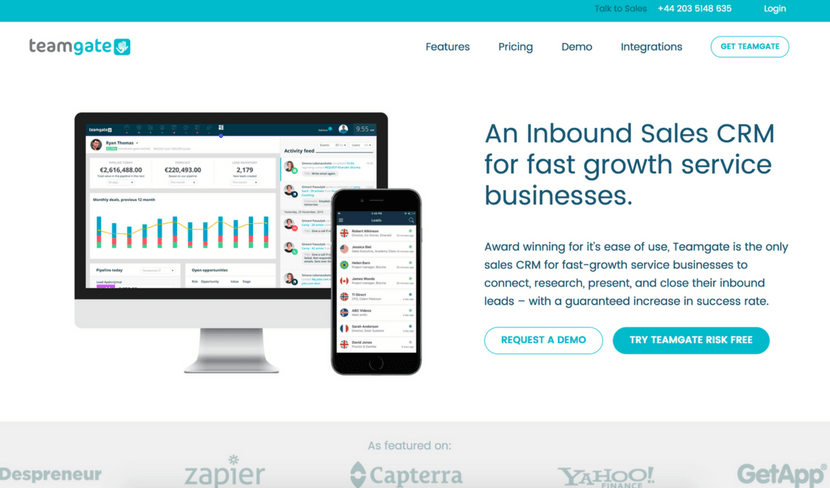
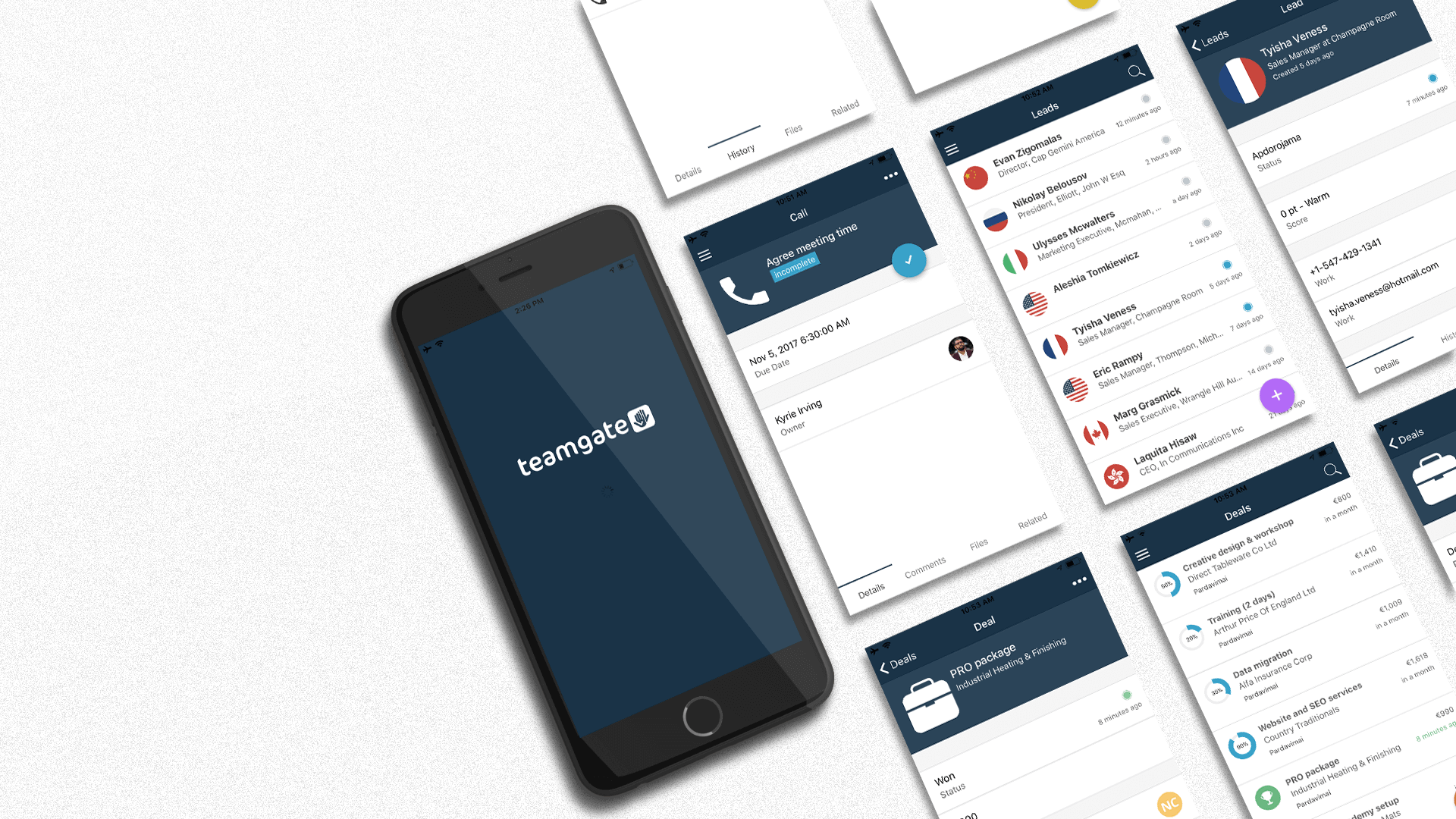
Teamgate helps reps follow a clear sales process and helps managers trust the numbers without turning CRM into a full-time admin job. That combination of discipline, visibility, and ease of use is what many businesses are evaluating when comparing traditional and modern CRM platforms.
What Is Traditional CRM?
Traditional CRM, short for Customer Relationship Management, is a system companies use to manage and analyze customer interactions across the lifecycle. Its purpose is simple: improve retention, organize customer data, and support sales growth.
These systems are typically installed on internal company servers (on-premise) and managed by IT teams.
For organizations with strict governance or legacy infrastructure, this setup can feel safer and more controlled.
How Does Traditional CRM Work?
Traditional CRM collects customer data from sources such as:
-
Website forms
-
Phone calls
-
Email
-
Live chat
-
Marketing campaigns
It stores and structures that information inside a centralized database. Sales teams then use it to track opportunities, manage contacts, and monitor deal stages.
The challenge? The system often relies heavily on manual updates. If reps don’t log calls, update stages, or record next steps consistently, pipeline data quickly becomes unreliable.
Benefits of Traditional CRM
Traditional CRM offers:
-
Centralized data storage
-
Structured record-keeping
-
Sales activity tracking
-
Internal data control
For industries with high compliance requirements, full on-premise control may be necessary.
However, many growing sales teams discover that control alone doesn’t solve adoption or pipeline discipline. If deals sit in stages without clear next steps, revenue still leaks, just inside a secure server.
What Is New CRM?
New CRM—often called modern or cloud-based CRM—is built for flexibility, accessibility, and real-time collaboration.
Instead of living on internal servers, cloud CRM platforms are hosted by the provider and accessed through a browser or mobile app. This makes them faster to deploy and easier to scale.
But the real shift isn’t just technical—it’s behavioral.
Modern CRM systems are designed to support daily sales rhythm:
-
Defined pipeline stages
-
Required next steps
-
Task automation
-
Activity logging tied to deals
-
Real-time dashboards
When built correctly, the CRM becomes a sales operating system—not just a database.
How Does New CRM Work?
New CRMs operate in the cloud and integrate with tools your team already uses, including:
-
Email and calendar systems
-
Calling and SMS platforms
-
Marketing automation tools
-
Support and finance platforms
This means emails, meetings, calls, and notes can automatically sync to deals—reducing manual admin.
For example, a disciplined cloud CRM setup ensures:
-
Every active deal has a clear next step
-
Tasks and reminders drive follow-up
-
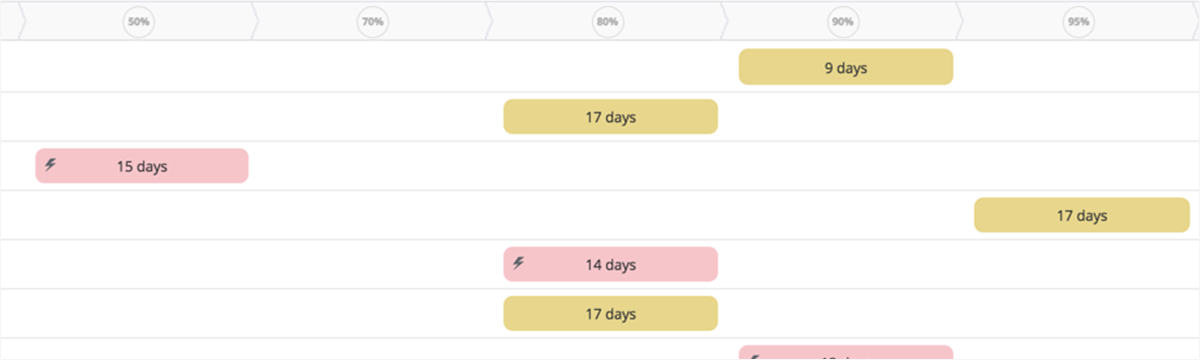
Managers see deal age and activity history instantly
-
Forecasts are based on evidence, not opinions
That’s where systems like Teamgate stand out—by combining structure, visibility, and high rep adoption into one daily workflow.
Benefits of New CRM
Modern CRM platforms provide:
-
Remote access from any device
-
Automatic updates and maintenance
-
Built-in automation
-
Strong integrations via API or platforms like Zapier
-
Faster onboarding and implementation
More importantly, they are built around usage. If reps can log calls, update deals, and create follow-ups in seconds, adoption becomes natural instead of forced.
And when adoption improves, pipeline truth improves.
Traditional CRM vs. New CRM: Key Similarities
Despite the differences, both systems aim to:
-
Improve customer relationship management
-
Provide tools for data collection and analysis
-
Automate repetitive tasks
-
Support sales tracking and forecasting
-
Increase retention and revenue growth
The core objective hasn’t changed.
The execution has.
Traditional CRM vs. New CRM: Key Differences
| Criteria | Traditional CRM | Modern CRM |
|---|---|---|
| Deployment | On-premise servers | Cloud-based |
| Access | Office network or VPN | Anywhere, any device |
| Maintenance | Managed internally | Managed by vendor |
| User Adoption | Often requires extensive training | Designed for everyday use |
| Automation | Limited | Extensive |
| Integrations | Often custom-built | API-driven and prebuilt |
| Upfront Cost | High | Lower subscription-based cost |
| Scalability | Slower and resource-intensive | Fast and flexible |
Here are the key differences between traditional CRM and new CRMs:
- System Infrastructure and Accessibility: Traditional CRM systems are typically on-premise, meaning they are installed and run on servers within the organization. In contrast, new CRM systems are typically cloud-based, allowing access from anywhere and at any time.
- User Interface and Usability: Traditional CRM systems often have complex user interfaces that can be difficult for some users to navigate. New CRM systems prioritize user experience, featuring intuitive designs that facilitate ease of use.
- Functionality and Features: While traditional CRM systems focus primarily on customer data management and tracking sales activities, new CRM systems offer a broader range of capabilities. These might include artificial intelligence tools, social media integration, and advanced analytical tools.
- Integration Capabilities: Traditional CRM systems often have limited integration capabilities with other digital platforms. In contrast, new CRM systems are designed for greater compatibility with various digital platforms, including social media and other third-party applications. Platforms with strong API-driven architectures like Integrate.io can help connect your CRM data across databases, APIs, and other business systems for unified workflows.
- Cost Implications and Return on Investment: Traditional CRM systems often involve significant upfront investment for software purchase and installation and ongoing costs for system maintenance and upgrades. New CRM systems, usually subscription-based, can provide a higher return on investment due to lower upfront costs, scalability, and continuous updates and improvements from the provider.
Traditional CRM vs. New CRM: What’s Changed in 2025?
The biggest difference between traditional CRM and modern CRM is no longer where the software is hosted. It is how effectively the system helps sales teams execute consistently.
A CRM can store customer data, but that alone does not improve sales performance. The teams that generate predictable revenue use CRM to enforce sales discipline, maintain clean pipelines, and create visibility into what happens next.
When evaluating CRM options in 2025, focus on five areas:
1. Accessibility and Speed
Traditional CRM systems require internal infrastructure, IT involvement, and longer deployment timelines. Modern CRM platforms can typically be implemented in days and accessed from any location.
This matters because sales teams increasingly work across offices, remote locations, and mobile devices. Easy access keeps customer information current and follow-up activity moving.
2. Adoption and Ease of Use
Many CRM projects fail because reps stop updating the system.
Modern CRM platforms focus heavily on usability. Reps can log calls, update opportunities, create tasks, and manage follow-ups quickly, making CRM part of the selling process instead of a separate reporting task.
High adoption creates better data. Better data creates more accurate forecasts.
3. Pipeline Discipline
One of the most common sales problems is late-stage deals with no meaningful activity.
Modern CRM systems support:
- Defined sales stages
- Required next steps
- Automated reminders
- Deal activity tracking
- Follow-up accountability
This prevents opportunities from quietly going stale while giving managers visibility into real pipeline health.
4. Integration and Workflow Automation
Sales teams use dozens of tools every day. Email, calendars, calling platforms, marketing systems, finance tools, and support software all generate customer information.
Modern CRM platforms connect these systems into a single workflow so activity is captured automatically and context stays attached to every deal.
The result is less manual administration and more selling time.
5. Forecast Reliability
Forecasts become unreliable when deal stages are inconsistent, activities are missing, or next steps are unclear.
Strong CRM processes focus on leading indicators such as:
- Deal age
- Recent activity
- Next-step coverage
- Follow-up completion
- Pipeline movement
This gives managers evidence-based visibility instead of relying on subjective deal updates during forecast meetings.
Teamgate CRM: Start Your Journey Today
Choosing between traditional CRM and modern CRM ultimately comes down to one question:
Do you need a system that simply stores customer information, or one that helps your team execute a consistent sales process every day?
Traditional CRM can be a fit for organizations that require complete internal infrastructure control. For most growing sales teams, however, success depends on something else:
- Consistent follow-up
- Clear next steps
- Clean pipeline data
- High CRM adoption
- Trustworthy forecasting
Without those fundamentals, even the most powerful CRM becomes an expensive database.
If your team struggles with stale deals, missed follow-ups, or forecasts that feel more like opinions than evidence, the solution is often stronger sales discipline supported by the right system. Teamgate is designed to help reps stay focused on the next action while giving managers the visibility needed to coach effectively and forecast with confidence.
If your forecasts feel uncertain and your pipeline requires constant cleanup, it may be time to move beyond simply tracking deals and start running a more disciplined sales operation. Explore Teamgate and see how a CRM built around adoption, follow-up, and pipeline truth can help your team grow more predictably.
Request a demo or start your 14-day free trial today!
Related: All-in-One CRM v.s. Dedicated CRMs

















 Speak no evil