This article is a deep dive into the best sales movies, offering a unique mix of entertainment and actionable lessons for anyone interested in selling. These films capture the art of persuasion, marketing, and deal-making while providing strategies you can apply in real-life sales situations. Whether you’re a movie lover, a sales professional, or simply seeking motivation, this curated list of sales movies is packed with insights.

Key Takeaways from the Best Sales Movies:

  1. The Wolf of Wall Street and Boiler Room demonstrate the impact of telephone sales, showing that consistent follow-ups remain essential. Even in today’s digital-first world, a significant share of customer interactions still happens over the phone.

  2. Jerry Maguire and Lord of War highlight the importance of ethical selling and relationship building—two key drivers of long-term customer loyalty and higher lifetime value.

  3. Pursuit of Happyness and Moneyball emphasize setting clear goals and tracking performance, advocating the use of productivity and CRM tools to hit and exceed sales targets.

  4. Steve Jobs and The Goods – Live Hard, Sell Hard showcase resilience—overcoming failure and setbacks to ultimately succeed.

  5. Two For The Money and The Founder reinforce the importance of personal growth, long-term vision, and proactive opportunity creation as drivers of sales excellence.

Lessons from Hollywood: What the Best Sales Movies Teach Us about Selling

There’s something captivating about watching the strategic dance between a salesperson and a customer on screen.

For decades, Hollywood has romanticized, criticized, and celebrated the sales profession—producing unforgettable films that both entertain and inspire. Below is a list of the best sales movies ever made, each offering a valuable takeaway for your own sales journey.

The Wolf of Wall Street

Sales Movies Wolf of Wall Street

The film tells a true story of Jordan Belfort (Leonardo DiCaprio) and his unlawful success as a Wall Street penny stockbroker. After accepting an entry-level job on Wall Street in the late 80s, he establishes his brokerage firm Stratton Oakmont while still in his 20s. Together with his band of brokers, they succeed in defrauding wealthy investors out of millions.

The takeaway: The story of the Wolf of Wall Street is one of the best sales movies to emphasize the power of the telephone. Belfort built his entire empire on it! Research shows that 80% of sales require five follow-ups so don’t get discouraged if things don’t work out right away, keep pushing!

Do you have a CRM that keeps you organised?

The most user-friendly CRM on the market. 14-day free trial.

Start Free Trial

Painless setup, no credit card required

Jerry Maguire

In this one of the best sales movies of all time, a successful sports agent loses his job after experiencing a crisis of conscience. Armed with his new philosophy, Jerry (Tom Cruise) goes solo, starting his management company. Banking on his single client Rod Tidwell (Cuba Gooding Jr.), Jerry and his partner Dorothy are desperately trying to make their business work.

The takeaway: Ethical selling is necessary. Your goal is to help your client first, so consider their success your own, and you will succeed in landing clients for life.

Lord of War

The movie follows the rise and fall of the notorious arms dealer Yuri Orlov (Nicolas Cage) who goes from selling handguns in New York City to stocking up rogue nations with guided missiles. This darkly comic thriller is a depiction of the emergence of terrorism and the moral battle of the black and white.

The takeaway: Although the morals of the movie are somewhat questionable, this film will teach you a lesson or two about creating and caring for your customer relationships. Nurtured leads rein in 47% larger purchases than non-nurtured leads, so invest time and effort when dealing with your clients.

You may also like: 22 Sales Statistics To Help You Sell Better

Pursuit of Happyness

Life is a struggle for Chris Gardner (Will Smith) who finds himself out of a job and a home with his young son after many unlucky financial breaks. In one of the best sales movies, we follow his unwavering pursuit of a better life, which eventually lands Chris an unpaid internship at a prestige brokerage firm.

The takeaway: Get inspired and stay focused on your sales goals by tracking your productivity. Employ one of the handy tools like RescueTime to figure out how to maximize your potential by finding out when you are most productive.

Steve Jobs

Sales Movies Steve Jobs

The excitement before the unveiling of the first Apple Inc computer is through the roof, but Jobs is struggling to deal with the situation related to his ex-girlfriend Chrisann Brennan and their daughter Lisa. Later fired from Apple, Jobs starts over with his new company NeXT Inc and slowly makes his way back to Apple to reinvent the computing world once more.

The takeaway: Perseverance is the key to success in sales, and the story of Steve Jobs could not be a more fitting reminder of that. So embrace failure, learn from it, and start over.

Moneyball

After being served with the lowest constraint in baseball, Billy Beane (Brad Pitt) the manager of the Oakland’s A baseball team faces the challenge to outsmart the conventional baseball wisdom. Together with Ivy League graduate Peter Brand (Jonah Hill), they compete against richer clubs by using statistical data to recruit flawed players with winning potential.

The takeaway: In sales, like in the movie, it’s all about the numbers. Only 67% of sales reps hit their sales goals, so it’s worth it to invest in tools like Teamgate to track your performance and set short-term goals, because when the numbers are in your favor – great things happen.

Glengarry Glen Ross

This David Mamet’s classic about a team of desperate real-estate salesmen in Chicago. There is no lack of smugness from Kevin Spacey’s role as the manager of prospective leads and Al Pacino’s exhilarating Oscar worthy performance as Ricky Roma. The exciting and sometimes terrifying manipulation techniques on their naive clients are what lands this film on the best sales movies list.

The takeaway: The movie is a misanthropic account of the extent most sales reps succumb to for the sole purpose of closing a deal. There’s a thin line between taking risks and being reckless, but with CRM tools, you can track your sales pipeline, manage your opportunities and figure out when it’s time to give an extra push.

War Dogs

Two clueless entrepreneurs come up with a cunning plan to defraud the US government and become arms dealers in the far east. They start out small but soon find themselves in over their heads when they land a $300 million contract to supply for the Afghan forces.

The takeaway: This hilarious and sometimes slightly disturbing film makes it on the best sales movies list because of the valuable lesson it can teach you – having an idea is worthless, what counts is the execution. 9 out of 10 startups fail because they fail to meet their customer’s need, so ensure that whatever you bring to the table is of value to your client.

The Founder

This film is a true story of how the McDonald’s brother lost their business to the cunning salesman Ray Kroc (Michael Keaton). Once Ray saw the potential of the small operation run by the brothers, he took over the business and turned it into a multi-billion dollar empire.

The takeaway: The movie is a reminder to think big and visualize your success. According to a Harvard Study, those who set specific long-term goals perform 30% better than those who don’t. Ensure you set achievable and realistic sales goals and use tools like Trello to track your and the team’s progress.

The Social Network

Sales Movies The Social Network

Based on a true story of the rise of Mark Zuckerberg and Facebook, this movie lands a place on the list of the best sales movies of all time because of the incredible origins of his story. What started as a project in his dorm room at Harvard, soon revolutionized our communications forever. While he was dealing with his newfound fortune, Zuckerberg also faces personal and professional complications.

The takeaway: Behind the sheer genius of his idea lies an incredible lesson to take away – figure out how to be of service to your clients and use that to your advantage. Use web tracking tools like Google Analytics to identify the most popular content on your website and ensure you deliver more of it.

Boiler Room

This fast paced fanatic depiction of young stock jocks will get your pulse racing. The movie takes you inside the infamous “boiler room” where hyper-aggressive young salesmen hawk unsuspected clients over the phone.

The takeaway: In an era where many doubt cold calling, the movie yet again proves the significance of telephone sales. Although emails have taken over much of our interactions, 92% of customer interactions still happen over the phone, so ensure you keep the conversations flowing.

Tin Men

The nostalgic classic follows two door-to-door aluminum siding salesmen Bill (B.B) Babowsky (Richard Dreyfuss) and Ernest Tilly (Danny DeVito) who are mortal enemies in an industry that is known for shady business. This one of the best sales movies of all time is an homage to an era of improvised salesmanship delivered with humor and class.

The takeaway: This 60s dramedy is an excellent reminder that when one opportunity falls through, there is always another one around the corner.

The Goods – Live Hard, Sell Hard

The movie follows one extraordinary salesman Don Ready (Jeremy Piven) who rushes to the rescue of a rundown car dealership in Temecula. The exceptional agent and his tattered team put on an event to ramp up the sales of the Fourth of July weekend. The genius approach to sales is what grants this film a spot on the list of the best sales movies of all time.

The takeaway: The main takeaway from this highly enjoyable film is the sheer motivation to persevere even when your success is against all the odds. Employee engagement increases by an almighty 60% when they feel appreciated, so ensure you acknowledge their achievements with a bonus, an “employee of the month” title or something that will make them feel valued.

Dallas Buyers Club

Ron Woodroof (Matthew McConaughey) is stunned by the news that he’s HIV positive and only has 30 days to live. An electrician by profession and a hustler by nature, he refuses to give in to despair. Instead of waiting for the medical establishments to save him, together with a fellow AIDS patient (Jared Leto) they start smuggling alternative treatments to save others and themselves.

The takeaway: Another great sales movie, if not the best from the recent years. This film depicts what makes a great sales rep – attitude, mindset and a little bit of hustling.

Two For The Money

Sales Movies Two For the Money

After a former college football star Brandon Lang (Matthew McConaughey) suffers a career-ending injury, he finds humble success in predicting game results. After a few successful predictions, he is handpicked to be the understudy and culprit to one of the most notorious touts (Al Pacino) in the sports-gambling business.

The takeaway: This is not a typical sales movie about a salesman; it’s a film that follows the development of one. Personal development in a workplace is a significant motivator – 68% of professionals consider training and development as the most important policy in a company. So, create plenty of opportunities for your team to grow and improve by hosting seminars and training sessions regularly.

So, above is a collection of the best sales movies of all time. Some will inspire, and others will teach a thing or two about closing a deal, but there is one recurring theme running throughout all of them, and that’s perseverance.

Effective sales management is the backbone of sustainable revenue growth and lasting customer relationships. In today’s competitive markets, having a clear process is no longer optional—it’s essential. This guide breaks down the four critical stages of the sales management process with practical strategies, expert insights, and best practices you can apply immediately.

Key Takeaways:

  1. Develop a Data-Driven Lead Generation Strategy: Identify and qualify high-value prospects using analytics and modern prospecting tools.

  2. Refine Lead Conversion Tactics: Transform qualified leads into opportunities with personalized communication and a compelling value proposition.

  3. Strengthen Sales Management and Deal Closing: Manage your pipeline strategically with clear visibility—no lead or opportunity left behind.

  4. Build Long-Term Post-Sale Relationships: Retain customers through loyalty programs, proactive support, and continuous value delivery.

Contents:

What is a Sales Management Process?

Sales management refers to the process of planning, organizing, directing, and controlling the activities and resources involved in achieving sales goals and objectives. Sales management involves overseeing the sales team, implementing strategies to drive revenue, and ensuring effective sales operations. Sales management encompasses various aspects, including sales planning, lead generation, sales forecasting, sales process optimization, performance monitoring, and implementing tools for continuous improvement. Effective sales management involves aligning sales activities with business objectives, motivating and training the sales team, analyzing sales data and trends, and continuously improving sales strategies and processes.

In modern sales ecosystems, especially in businesses that work closely with distributors, resellers, or affiliates, integrating a partner relationship management platform enhances collaboration, improves deal registration accuracy, and ensures that both internal and external teams are working toward shared revenue goals.

sales management process

Stage One: Lead Generation and Qualification

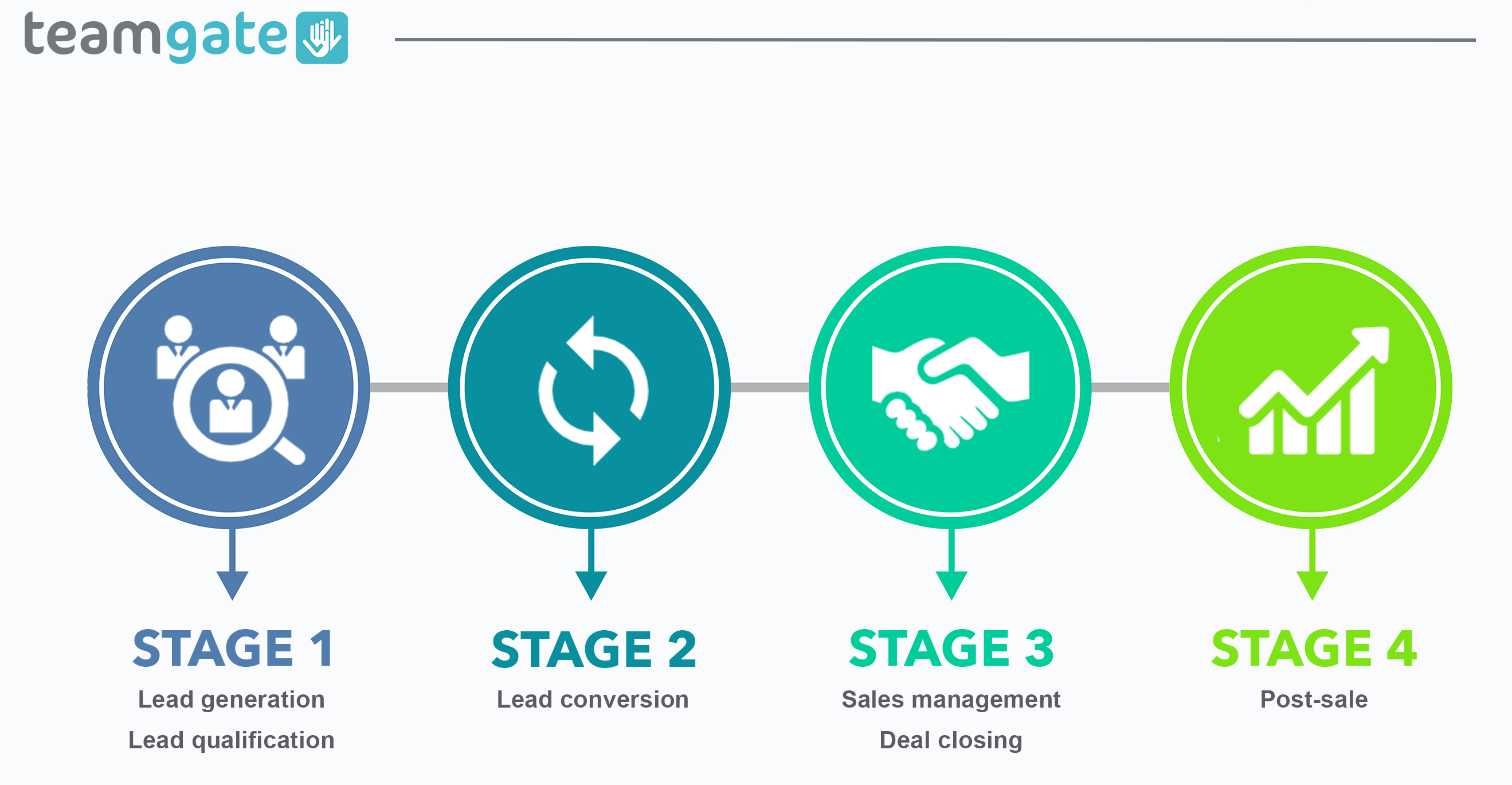
The first stage of the sales management process sets the stage for success. Lead generation and qualification are the twin pillars that support a robust sales strategy. The objective of this stage is to identify and prioritize potential customers who are most likely to convert.

For instance, businesses that want to focus on understanding and converting their website visitors can use website visitor identification tools like RB2B to uncover anonymous traffic, analyze engagement patterns, and identify high-intent leads. This insight helps sales teams refine outreach efforts and boost conversion efficiency.

Crafting a Magnetic Lead Generation Strategy

Objective: Identify and prioritize potential customers who are most likely to convert.

Strategies:

Best Practices:

  • Regularly update ICPs based on market trends.

  • Align marketing and sales teams to ensure consistent messaging.

  • Use AI and CRM tools to create more human-like personalized messages and effectively nurture leads.
  • Create a shared internal knowledge base like Document360 to align marketing and sales teams on ICPs and buyer persona.

Stage Two: Lead Conversion

With a qualified lead in hand, it’s now time to transform these qualified leads into paying customers through personalized engagement. This stage is where the sales team’s expertise and the effectiveness of your sales strategy are truly put to the test.

Strategies:

  • Consultative Selling: Focus on understanding customer needs and providing tailored solutions.

  • Value Proposition Articulation: Clearly communicate the unique benefits of your product or service.

  • Objection Handling: Prepare responses to common concerns to build trust and credibility.

Best Practices:

  • Train sales representatives in active listening and empathy.

  • Utilize authentic content from case studies and testimonials to demonstrate success.

  • Maintain consistent follow-ups to keep prospects engaged.

  • Add AI-powered personalization (chatbots, automated sequences)

  • Emphasize social proofing with reviews, case studies, customer success stories

Stage Three: Sales Management and Deal Closing

This critical phase involves strategic negotiation, compelling value propositions, and effective closing techniques. Implementing smart sales tactics, like time-sensitive offers or personalized follow-ups, can accelerate decisions and boost close rates.

A well-structured proposal process also plays a key role in this stage. Using a reliable quoting software allows sales teams to create professional proposals, streamline approvals, and track client interactions—ensuring deals move smoothly from negotiation to closure.

Strategies:

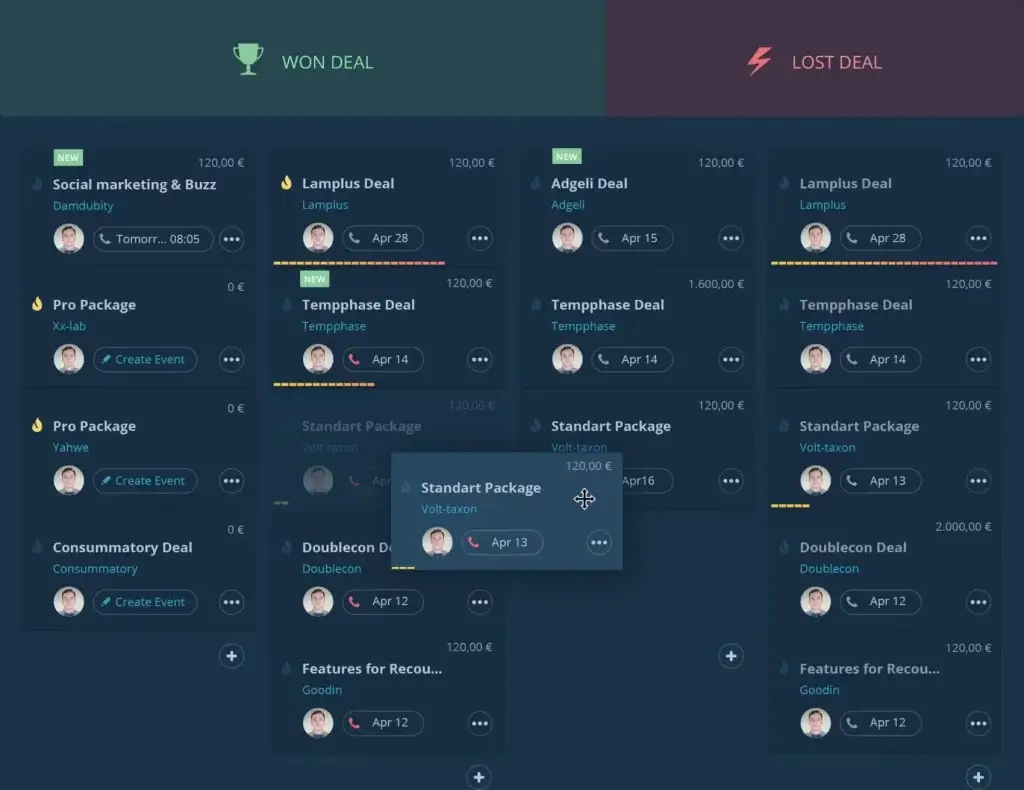
  • Pipeline Visibility: Use CRM dashboards to monitor deal stages and forecast revenue.

  • Sales Enablement: Provide the sales team with tools (*cough* Teamgate), content, and training to enhance performance.

  • Negotiation Skills: Equip salespeople with techniques to navigate pricing and contract discussions.

Best Practices:

  • Set clear sales targets and KPIs.

  • Conduct regular pipeline reviews to identify bottlenecks.

  • Celebrate wins and analyze losses to continuously improve.

  • Include data-driven negotiation prep (competitive benchmarks, ROI calculators)

Stage Four: Post-Sale Actions

The close of a sale marks not the end, but a new beginning in the customer journey. Now it’s time to ensure customer satisfaction and foster long-term relationships for repeat business.

Strategies:

Best Practices:

  • Assign dedicated account managers for personalized support.

  • Monitor customer health scores to preempt churn risks.

  • Regularly update customers on new features and offerings.

  • Map your customer journey to quickly analyze and pivot where needed
  • Implement customer success programs (structured onboarding, health scoring)

  • Add advocacy programs (referral bonuses, customer advisory boards)

Streamline Your Sales Management Process with Teamgate

In order to establish an effective sales management process, it is crucial to understand the unique challenges and requirements of your business. By examining your current sales pipeline and identifying areas for improvement, you can design an ideal sales process tailored to your needs. 

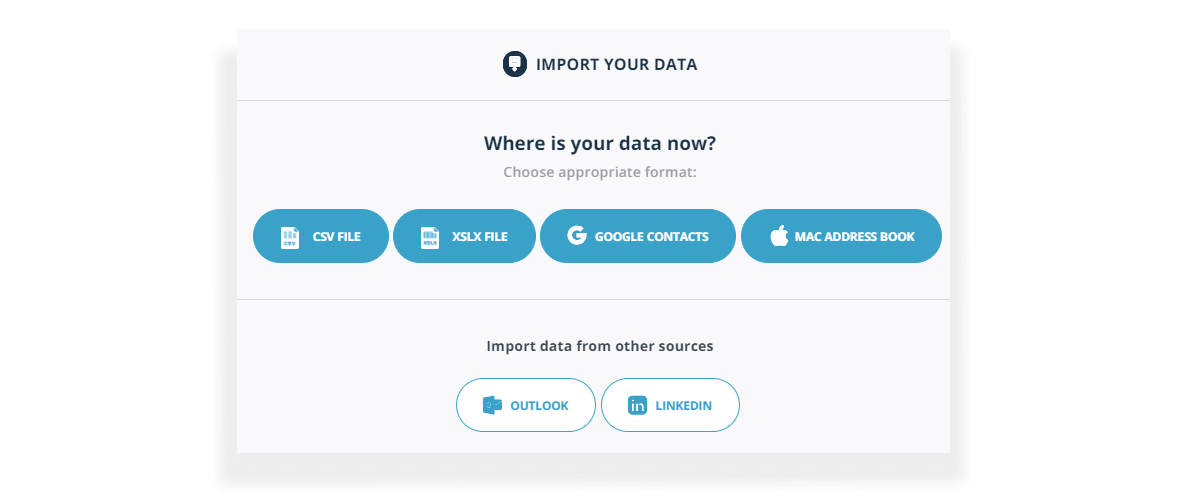
With Teamgate, lead generation, and qualification become streamlined, and lead conversion becomes a seamless process. Our comprehensive sales management features enable you to control and monitor deals effectively, with the ability to assign currencies, create multiple pipelines, and manage all deal-related information in one place. Request a demo today, or get started with a 14-day free trial.


FAQs: Sales Management Process

Q: What is a sales management process?

A: A sales management process refers to the systematic approach and set of activities designed to oversee and guide the sales cycle of a business. It involves identifying problems, generating leads, converting them into deals, managing the sales pipeline, closing deals, and providing post-sale support.

Q: Why is a sales management process important?

A: A sales management process is essential for businesses to effectively manage their sales operations and drive success. It helps streamline the sales cycle, improve lead conversion rates, optimize sales team performance, track and manage deals, and enhance customer relationships.

Q: How can I identify the problems in my sales cycle?

A: To identify the problems in your sales cycle, examine your current sales pipeline and thoroughly understand each stage of the process. By analyzing bottlenecks, inefficiencies, and areas where leads may be lost, you can pinpoint the challenges that need to be addressed.

Q: How can a CRM software help in designing an ideal sales process?

A: A CRM (Customer Relationship Management) software like Teamgate can be instrumental in designing an ideal sales process. It allows you to automate lead generation, qualify leads, convert them into deals, manage sales pipelines, track communication history, assign owners and collaborators to deals, and facilitate deal closure. These features enable businesses to create a customized sales process that aligns with their specific needs.

Q: What are the main stages of the sales management process?

A: The main stages of a sales management process typically include lead generation, lead qualification, lead conversion, sales management, deal closing, and post-sale activities. Each stage plays a crucial role in ensuring a smooth and successful sales cycle.

Q: How does Teamgate simplify lead conversion?

A: Teamgate simplifies lead conversion by automating the data entry and transfer process. With just one click, a qualified lead can be converted to a deal in the Teamgate CRM. This conversion creates a person and/or a company associated with the deal, transferring all relevant information such as tags and custom fields automatically.

Q: How does Teamgate support sales management?

A: Teamgate provides multiple functions for sales management. It allows you to set estimated closing dates for deals, create multiple sales pipelines, manage all deal-related information in one place, including communication history and shared files. Teamgate also offers features like mapping integration, on-the-go accessibility, and call recording, making it a convenient and comprehensive sales CRM solution.

Q: What happens in the post-sale stage with Teamgate?

A: In the post-sale stage, Teamgate ensures that a new client receives personalized care and support from their dedicated customer success team. This team guides clients through the initial adaptation process, answers their questions, and offers assistance whenever needed. This post-sale connection strengthens the customer relationship, enhances the user experience, and increases the likelihood of future recommendations.

Q: How can I get started with Teamgate?

A: Getting started with Teamgate is easy. Simply visit our website and sign up for a free trial to experience the benefits of our comprehensive CRM solution. Explore the features, streamline your sales management process, and drive business success with Teamgate.

Q. Are there professional services that can assist with writing my sales process?
A. Companies often seek professionals such as an essay writing helper to articulate strategies effectively, ensuring clarity and precision in their documentation.

Do you have a CRM that keeps you organised?

The most user-friendly CRM on the market. 14-day free trial.

Start Free Trial

Painless setup, no credit card required

Other articles that might interest you.

The ultimate guide of creating a sales process. 

How CRM can reduce sales churn and keep your sales on track.

How to go hand in hand with technologies in sales process in 2019. 

Traditional CRM vs. New CRM: Which Is Right for Your Business?

The landscape of customer relationship management (CRM) has seen massive shifts over the years, progressing from traditional CRM systems to the emergence of new, more flexible CRM technologies. Traditional CRM is typically an on-premise system primarily focused on customer data management and tracking sales activities, whereas new CRM leverages cloud technology to provide extended functionality, greater accessibility, and more user-friendly interfaces.

Key Takeaways

Here are the key differences between traditional CRM and new CRM:

  1. System infrastructure and accessibility
  2. User interface and usability
  3. Functionality and features
  4. Integration capabilities
  5. Cost implications and return on investment

Table of Contents

  • What Is Traditional CRM?
  • What Is New CRM?
  • Traditional CRM vs. New CRM: Key Similarities
  • Traditional CRM vs. New CRM: Key Differences
  • Traditional CRM vs. New CRM: Which Is Best?

What Is Traditional CRM?

Traditional CRM, short for Customer Relationship Management, is a system that companies use to manage and analyze customer interactions and data throughout the customer lifecycle. Its goal is to improve customer service relationships, retain customers, and drive sales growth. These systems are typically installed on company servers (on-premise) and are managed by IT staff.

How Does Traditional CRM Work?

Traditional CRM works by collecting customer data from various communication channels, including a company’s website, telephone, email, live chat, marketing materials, and more. The CRM software then analyzes this data about a customer’s history with a company and improves business relationships with customers, specifically focusing on customer retention and driving sales growth.

Benefits of Traditional CRM

The benefits of traditional CRM are manifold. It provides an organized system for storing and retrieving customer data, allows for tracking of sales activities, and gives detailed insights into customer behavior, enabling businesses to formulate effective marketing strategies. The on-premise nature of traditional CRM also gives businesses full control over their data, which can be critical for organizations with stringent data security requirements.

What Is New CRM?

New CRMs, often referred to as modern or cloud-based CRM, is the latest evolution in the field of customer relationship management. These systems, like their traditional counterparts, aim to streamline customer interactions and data management. However, they do so with a host of additional features, greater flexibility, enhanced user experience, and cloud-based accessibility.

How Does New CRM Work?

New CRMs operate on a cloud-based model, allowing for real-time access to customer data from any location and any device with internet connectivity. This type of CRM system integrates with various digital platforms, including social media and other third-party applications, and provides an expanded set of tools such as artificial intelligence capabilities, marketing automation, and more.

Benefits of New CRM

New CRMs offers a number of benefits over traditional systems. They provide improved accessibility, allowing employees to access customer data anytime, anywhere. These systems are usually more user-friendly, with intuitive interfaces that reduce the learning curve for staff. Furthermore, new CRM systems are built to integrate seamlessly with other digital platforms, broadening the scope of data collection and customer engagement.

Traditional CRM vs. New CRM: Key Similarities

Here are the key similarities between traditional CRM and new CRM:

  1. Both aim to improve customer relationship management
  2. Both provide tools for data collection and analysis
  3. Both can automate certain repetitive tasks
  4. Both provide features for sales forecasting and tracking
  5. Both aim to increase customer retention and drive sales growth

Traditional CRM vs. New CRM: Key Differences

Feature Traditional (On‑Premise) Modern (Cloud‑Based / New CRM)
Infrastructure Local servers, internal IT Cloud servers, vendor‑managed
Access On‑site or via VPN Anywhere, any device
Setup & Maintenance Weeks/months, internal IT required Days/weeks, vendor handles updates and uptime
Upfront Cost High ($25K–$50K+ for mid‑sized teams) Low (subscription, ~$25–$150/user/month)
Security & Compliance Full internal control Vendor‑managed with enterprise‑grade standards
User Interface Complex and dated Intuitive and user‑friendly
Functionality Basic CRM features AI, automation, analytics, social integration
Integration Flexibility Limited, custom development needed API‑driven, prebuilt integrations

Here are the key differences between traditional CRM and new CRMs:

  1. System Infrastructure and Accessibility: Traditional CRM systems are typically on-premise, meaning they are installed and run on servers within the organization. In contrast, new CRM systems are typically cloud-based, allowing access from anywhere and at any time.
  2. User Interface and Usability: Traditional CRM systems often have complex user interfaces that can be difficult for some users to navigate. New CRM systems prioritize user experience, featuring intuitive designs that facilitate ease of use.
  3. Functionality and Features: While traditional CRM systems focus primarily on customer data management and tracking sales activities, new CRM systems offer a broader range of capabilities. These might include artificial intelligence tools, social media integration, and advanced analytical tools.
  4. Integration Capabilities: Traditional CRM systems often have limited integration capabilities with other digital platforms. In contrast, new CRM systems are designed for greater compatibility with various digital platforms, including social media and other third-party applications.
  5. Cost Implications and Return on Investment: Traditional CRM systems often involve significant upfront investment for software purchase and installation and ongoing costs for system maintenance and upgrades. New CRM systems, usually subscription-based, can provide a higher return on investment due to lower upfront costs, scalability, and continuous updates and improvements from the provider.

Traditional CRM vs. New CRM: What’s Changed in 2025?

The choice between traditional CRM and new CRM largely depends on a company’s unique needs and circumstances. Factors to consider include budget, implementation timeline, specific feature requirements, IT resources, and data security needs.

System Infrastructure & Accessibility
Traditional CRM systems remain on‑premise, installed and maintained internally. In contrast, modern CRMs today are overwhelmingly cloud‑based, with around 80% of CRM deployments using cloud platforms and 63% of businesses preferring cloud solutions. Cloud CRMs offer instant remote access, real‑time collaboration, and automatic updates—letting companies deploy in days rather than weeks.

User Interface & Usability
Older CRMs often suffer from clunky interfaces and steep learning curves. Newer platforms now emphasize streamlined, intuitive UX that minimizes onboarding friction and boosts adoption rates.

Functionality & Features
Where traditional CRMs were limited to basic customer and sales tracking, new CRMs now integrate features like AI‑powered forecasting, social media lead capture, automation workflows, advanced analytics, and built‑in communication tools. Teamgate, for example, supports in‑app dialing, LinkedIn integration, and lead scoring for highly proactive sales teams.

Integration Capabilities
Legacy CRMs often have limited compatibility. In contrast, modern CRMs boast API‑first architectures with native integrations through platforms like Zapier, supporting unified workflows across email, marketing, support, and finance tools.

Cost & ROI
Traditional CRMs often incur high upfront costs—sometimes $25,000–$50,000 for a mid‑sized deployment—plus ongoing maintenance and IT support. Cloud CRMs use subscription pricing (typically $25–$150/user/month), with lower upfront investment and built‑in updates, yielding faster ROI for many businesses.

Security & Control
On‑premise CRMs afford total internal control—appealing to industries with strict data governance needs. Cloud CRMs, while vendor‑managed, comply with top security standards, offer automatic backups, role‑based access, and continuous compliance updates. Most organizations now find cloud options meet or exceed required security standardsTeamgate+15

Teamgate CRM: Start Your Journey Today

Teamgate CRM offers the best of both worlds, providing the reliable data management features of traditional CRM along with the innovative, user-friendly, and flexible features of new CRM systems. With our platform, you can streamline your customer relationship management processes and drive growth in your business.

Whether you’re a fan of the control and stability offered by traditional CRM or the flexibility and cutting-edge features of new CRM, Teamgate CRM has a solution tailored to your needs. Ready to experience the future of customer relationship management? Request a demo or start your 14-day free trial today!

Related: All-in-One CRM v.s. Dedicated CRMs 

In this article, we’ll introduce you to the concept of sales velocity and explain its importance in driving sales growth. We’ll explore the Sales Velocity Equation, understand its variables, and learn how measuring sales velocity can offer unique insights into your sales and marketing processes.

Key Takeaways:

  • Sales velocity measures the speed at which opportunities and leads turn into revenue, represented as “revenue-per-month.”
  • Four main factors impact sales velocity: the number of leads, average deal size, conversion rate, and the length of the sales cycle.
  • It’s essential to focus on more than just adding new opportunities to the pipeline; optimizing other variables can significantly increase sales velocity.
  • Segmenting and analyzing sales velocity across different customer cohorts can provide valuable insights for targeted growth strategies.
  • A data-driven approach to sales, focusing on sales velocity, is crucial for businesses aiming for rapid yet consistent growth.

When Mark Roberge published his bestselling book “The Sales Acceleration Formula” in 2016 and told the world about a formula for achieving scalable revenue growth, that conversation fell on deaf ears.

Many startups go bust because they fail to scale or scale prematurely. And people still question whether you can even teach sales because it’s an art, not a science, according to many people. However, Mark led the software company HubSpot from one to hundreds of employees and grew its revenue by using a unique metrics-driven and process-oriented methodology. Balancing four main aspects—hiring, sales training, sales management, and demand-generation formulas—Mark proved a process can be replicated, and sales can be predictable.

Data-driven sales are at the core of what Teamgate—a web-based full-process sales CRM system—does, too. Teamgate puts into practice the metrics-driven, process-oriented approach to sales that Mark talks about in his book.

Below, learn Teamgate’s thoughts about one particularly interesting sales formula—the Sales Velocity Equation. This post unravels the details of this management metric and explains how to use sales velocity to accelerate your sales cycles.

What Is Sales Velocity?

Simply put, sales velocity is a marketing and sales metric used to measure the speed at which opportunities and leads turn into revenue, month over month. To effectively manage this, it’s essential to know your numbers in your business.

While normal velocity can be described as “miles-per-hour,” sales velocity represents “revenue-per-month.” Calculating sales velocity is one of the best ways to see how fast your sales team is making money and which levers you need to pull to accelerate speed.

Don’t confuse sales velocity with inventory velocity, which measures how much merchandise a retailer sells. Customer velocity is another related but different term that identifies whether customers are moving in a positive or negative direction in your sales pipeline.

There are four main factors that significantly impact how much you sell:

  • The number of leads
  • The average deal size
  • Your conversion rate
  • The length of your sales cycle

Learn more about these four variables to better understand the sales velocity equation.

The 4 Sales Velocity Variables and How To Calculate Them

The formula for calculating sales velocity is pretty straightforward: Multiply the number of leads in your enterprise or retail environment (#) by your average deal size ($) and your win/conversion rate (%). Then divide the result by the length of your sales cycle (average conversion time).

The Number of Leads (#): This is simply the number of leads your reps work with over a period of time. Your marketing team’s efforts and lead generation tactics (prospecting, lead nurturing, referrals, etc.) directly influence the number of new leads in your pipeline.

Collaborating with Duo Digital, a trusted marketing company, can significantly enhance your lead generation strategies by leveraging advanced targeting, personalized campaigns, and data-driven insights. By aligning your marketing and sales teams, you can create a seamless process for generating high-quality leads, ensuring your pipeline remains full of prospects with the highest potential to convert. With Duo Digital’s expertise, you can also optimize your prospecting and lead nurturing efforts, enabling your team to focus on opportunities that drive measurable growth.

Average deal size ($). Also known as average purchase value or average customer lifetime value in subscription-based business models, the average deal size is a metric that refers to the average selling price per closed deal over a set period.

Win/conversion rate (%). Conversion rate refers to the percentage of leads that convert into paying customers over time. You can calculate your win rate or conversion rate by taking the total number of conversions within a period and dividing that by the total number of leads over the same period.

Length of the sales cycle. Also known as average conversion time. This metric measures the amount of time from the first touch point with a prospect to conversion averaged across all won deals. You typically measure the length of a sales cycle in months.

It is important to understand that these four variables have a significant impact on sales velocity in general but are also interdependent, meaning that changing one variable will most likely affect the others too. For example, increasing your prices can lead to a larger average deal size but a lower conversion rate because fewer people will be prepared to spend more.

Another critical thing to take into account when calculating sales velocity variables is consistency. There are different ways you can go about measuring these metrics, but once you decide on a method, stick to it. For instance, if you measure the average length of your sales cycle from the moment you qualify a lead, then use this same method every time you calculate sales velocity. It will help you maintain a good level of consistency and avoid unnecessary confusion in the future.

Read more: Sales Velocity: 4 Key Metrics Controlling Your Income

Why You Shouldn’t Only Focus on Adding New Opportunities to Your Pipeline

It’s not uncommon for sales teams to focus entirely on lead generation in hopes of accelerating sales velocity. When you think about it, filling the pipeline with more opportunities to win more business does sound like a logical way forward in the sales process. However, if you assign the same values to all variables, then it is possible to increase sales velocity quite significantly even without increasing the number of opportunities.

A very common scenario among budding start-ups when preparing for an investment round would be concentrating all efforts on generating more leads/opportunities in the hopes of achieving consistent growth of monthly recurring revenue (MRR) over six months or so. The growth ambition of 50% would be a typical target. If the plan didn’t work out, the start-up might blame its marketing division. But why not try to increase the average deal size, improve the conversion rate, streamline the sales pipeline, or shorten the sales cycle?

You can achieve a lot simply by creating obvious upsells, value-add extras, and product bundles, focusing on high-velocity customer segments, adopting a more consultative closing technique, or shortening your trial offer.

Focusing only on adding new opportunities is not the best strategy, mainly because ramping up lead generation efforts eats into resources and leaves less time for other variables. Essentially, it’s simple math. If there are four equally important variables in one equation, and you dedicate all resources to improving only one of them, the result must be exceptional to make a significant impact.

Measuring sales velocity can give you a unique insight into those sales and marketing processes that either drive acceleration or dampen your sales growth potential. And to get an even clearer picture, you can measure sales velocity across different customer cohorts. That helps you learn more about salespeople, deal value, customer pain points, and the number of sales required for your business to thrive.

Read more: How to Capture Leads Smarter With Your Sales CRM

Generate Higher Sales Velocity by Measuring Different Customer Cohorts

Since there are different levers directly influencing the speed of your pipeline, it is good practice to look at various data sets to get fresh perspectives on sales velocity.

Open, Won, and Lost

Every successful business makes pipeline analysis one of its key priorities. Understanding how leads progress in your sales funnel and why some deals are won while others are lost can give your sales team a one-of-a-kind insight into parts of their processes that need improvement. If you take your won deals as a benchmark for measuring sales velocity, you will quickly be able to form and test various hypotheses that improve it.

Questions that often arise when analyzing open, won, and lost deals include:

  • Where do high-quality leads come from?
  • At what stage do you lose most of your deals?
  • How likely are you to close a deal if a lead spends this much at this stage?
  • Do “won” deals have certain shared characteristics that make them easier to recognize at this stage?
  • Do you know the red flags for each stage of the funnel? What is average for your company, and how far over average can an opportunity go before you deem it “lost”?

Ensuring your sales team keeps close track of what’s happening in your pipeline and, most importantly, why some deals are lost will help you adjust the levers and kick your velocity into speed.

New, Renewal, and Upsell

Using the sales velocity formula across different cohorts is crucial to identifying optimization opportunities and getting a realistic view of your sales funnel. Take, for example, new business, renewal, and upsell deals. Although they share one important characteristic (they are all won deals), throwing them into the same bucket of data would be a mistake as conversion times differ drastically. Comparing renewals of long-term contracts with your average won deals or quick upsell opportunities will only mess up your final calculation.

Segmentation, Sales Velocity, and Opportunity Analysis

If you go with broad segmentation—such as dividing your won business into large, medium, and small deals and measuring sales velocity for each one—that might be enough to uncover the most promising segments, industries, or regions. Other factors you can look at include location, channel, industry, sales cycle stage, and sales agent. Digging deeper into your data will help recalibrate your team’s efforts and throw resources at segments with the most potential.

Suppose you discover that large hospitality customers take much longer to make a purchase due to the number of stakeholders involved, while mid-sized technology companies progress through the funnel much faster because they’re ready to buy now. You can set up a separate high-velocity sales closing workflow to target these types of customers and accelerate your growth in a shorter time frame.

By measuring sales velocity for different segments as well as analyzing the opportunities sitting in your pipeline, your sales team will be able to devise a specific action plan and prioritize and address those opportunities with the most potential. A data-driven approach to sales is the only solution for companies seeking fast but steady growth.

Read more: The Ultimate Guide to Sales Qualification

Conclusion

The sales velocity equation is a simple but effective management metric that allows businesses to better understand and observe each variable and the impact on revenue that changes to those variables might have. Discovering a way to make your qualified leads enter and leave the funnel faster might take a bit of tinkering, but it’s always worth the effort.

How Teamgate Can Help

Teamgate is the sales CRM software that can help you boost sales velocity:

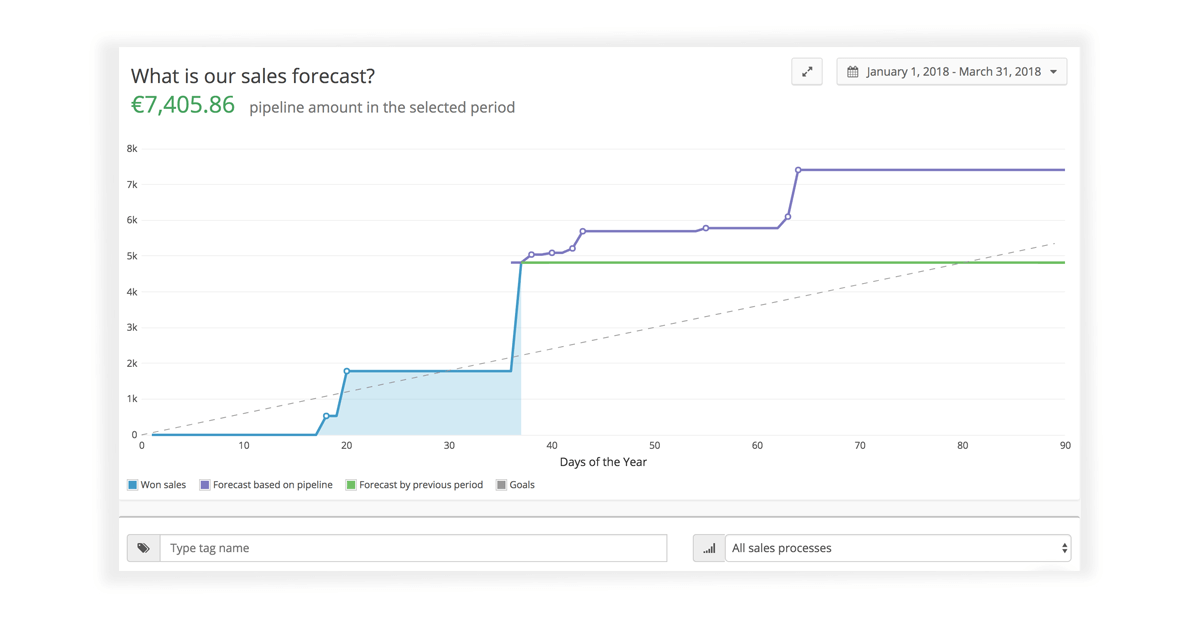
  • Teamgate’s Sales Dashboard provides unparalleled intelligence about sales performance in your organization. View conversion rates, win ratios, the average length of deals, the average length of sales cycles, and other metrics.
  • Insights lets you view these insights via graphs, charts, and other visualizations.
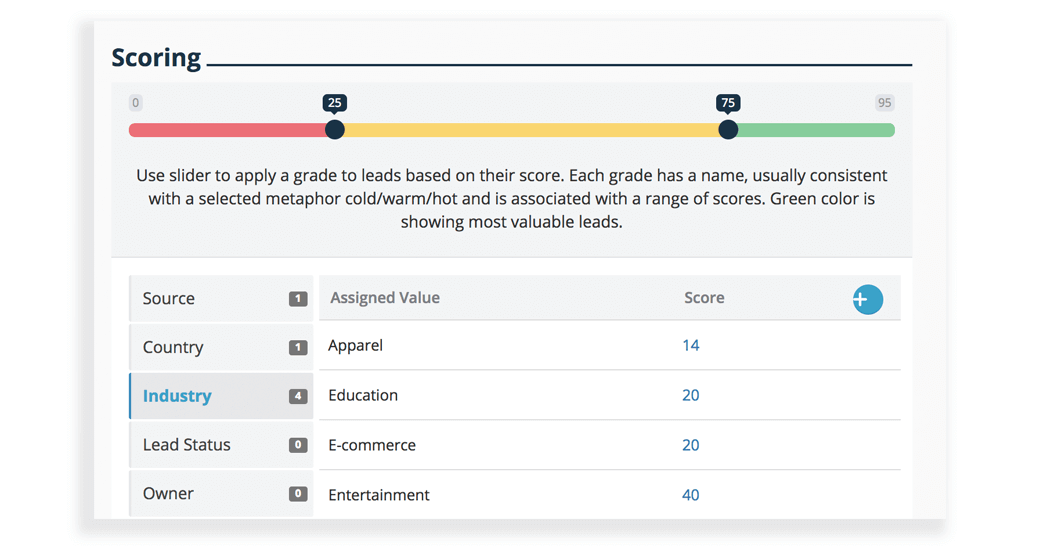
  • A lead scoring solution identifies the most lucrative leads in your pipelines.
  • Manage the deals that generate the most revenue for your organization. 
  • Boost sales velocity further with Teamgate’s extensions and integrations. 

Teamgate powers sales velocity in your enterprise. Start a free trial now!

In this article, we’ll dive deep into the world of lead nurturing and its significance in converting potential leads into loyal customers. I’ll walk you through the intricacies of lead management, highlighting the importance of understanding your target audience, generating high-quality leads, and the pivotal role of lead nurturing in ensuring a lead’s journey toward conversion.

Key Takeaways:

  • Nearly 80% of leads don’t convert into sales, but optimal lead management can significantly improve this statistic.
  • Lead nurturing is a vital step in lead management, focusing on building trust and relationships with potential clients.
  • Only 35% of companies have an established lead nurturing plan, yet 80% of potential lead opportunities are lost due to a lack of nurturing.
  • Lead nurturing not only helps in acquiring new customers but also in generating revenue from existing ones.
  • Effective lead nurturing strategies for 2022 include understanding your target audience, collecting intel about leads, and prioritizing lead scoring.

Did you know that nearly 80% of leads never convert into sales? The good news is with optimal lead management, you can convert more prospective customers into paying customers.

Lead management is a critical part of any business. If you fail to properly manage, nurture, follow up with and continuously meet your leads’ needs, they will turn cold and eventually leave you with nothing when they escape your sales funnel. A strong sales lead management strategy and planning will help you capture, nurture, and convert your leads into loyal customers. Keep reading to learn about the sales lead management process and what it entails, how to apply the best lead management processes and use the best lead management tools for success, and why lead nurturing is such an essential step of the lead management process.

The Lead Management Process: How Lead Management Works

Lead management is the process of acquiring and managing leads until they make a purchase and become a paying customer.

It’s important to note that lead management and lead nurturing are different. The main difference between the two is that lead nurturing is a specific part of the lead management process that happens towards the end of effective lead management.

Sales lead management is generally made up of four key activities:

  1. Lead identification: The first step in the lead management process helps you determine what types of buyers you’re looking for.
  2. Lead generation and tracking: During lead generationyou capture the decided-upon leads by gathering lead data and intel on their interests, needs, desires, and desires.
  3. Lead processing: Lead scoring and lead qualification are included in lead processing, which focuses on organizing and prioritizing leads by their potential value.
  4. Lead nurturing: During this step, you focus on building relationships with potential clients who may not be ready to pull the trigger on a purchase. The more you nurture leads, the likelier they will eventually trust you and your product or service enough to become paying customers.

Lead nurturing is a critically important step in lead management. It’s all about keeping in touch with opportunities that are not quite ready to convert. When you consider that 73% of leads are not ready to buy when they give you their contact information, it’s easy to see why lead nurturing is so vital.

Lead nurturing keeps you present where your leads are, allowing you to engage with them consistently to prove your value and, ultimately, increase the probability that they will start a business relationship with you.

Did you know that only 35% of companies today have an established lead nurturing plan? When you consider that 80% of potential lead opportunities are lost because of a lack of lead nurturing, that’s a staggering statistic!

The benefits of lead nurturing include the following:

Increased Engagement

We all know how important delivering the right message at the right time is. Lead nurturing helps you stay engaged with your leads and communicate with them on time. When you engage consistently and promptly with your leads, you’ll establish yourself as an industry expert, ranking you higher in your lead’s eyes.

The more personalized your content offerings are, the more likely it is to catch your lead’s attention and have them look forward to engaging with your content repeatedly.

Builds Your Brand’s Reputation

Lead nurturing also leads to higher brand awareness. The content you share as part of your lead nurturing strategy allows you to actively interact with your audience while providing value. This strategy will help you grow your brand’s reputation, positioning you as a high-value brand. The end result allows you to build trust between your company and leads while staying connected at every touchpoint. For a lead to make a purchase, they need to trust that your business is credible and that you provide value, two critical things that lead nurturing helps establish.

63% of consumers that ask for more information about a company may not purchase for at least three months, while 20% will take 12 months or longer. This means that during that time, you must do all you can to nurture your leads by engaging with them and consistently proving your value. This work will pay off when you’re at the top of their mind when they’re finally ready to make a purchase.

Helps Generate Revenue from Existing Customers

Lead nurturing helps you win new customers, builds long-term relationships with existing customers, and leverages cross-selling and upselling opportunities to generate continued revenue. For example, providing discounts for add-ons and upgrades is an excellent way to up-sell to your current customers while continuing to prove your brand’s relevance and value.

Increase Your Click-Through Rates

Lead nurturing also helps boost click-through rates. When you provide valuable content that speaks to your target audience, you’ll encourage them to click through to your website, blog, whitepaper, etc.

When you build trust and credibility with your leads through lead nurturing, you’ll also increase your conversion rates by encouraging your leads to do business with you.

How to Effectively Nurture Leads in 2022

Now that you see how important lead nurturing is, here are some strategies to ensure your leads are nurtured until the point of conversion in 2022 and beyond:

Lead Identification: Understanding Your Target Audience

Lead identification is a critical first step in the lead management process. The first question you need to ask yourself is, ‘who are my potential buyers and what part of the sales process are these buyers in?’

Identifying buyer types and buyer personas is key to helping you identify your ideal leads. You can create buyer personas by identifying the following:

  • Demographics: Where do your ideal customers live? What industry do they work in? How big (or small) is the company they work for? What problems are they facing at work? What are their wants and needs?
  • Behavior: Does your ideal customer get the bulk of their information from online blogs and whitepapers, or do they depend on word of mouth and networking?
  • Source: How do your best leads find you? Is it your website or social media platforms? Do they read thought leadership articles you’ve written?

Finding the answers to the above questions will help you get into the mindset of your leads and give you an idea of how their decision-making process works.

Lead Generation: Collect Intel About Your Leads

Lead generation is the method of attracting and converting strangers into potential customers. It is the first step in the sales cycle and the lead management solution. But, generating leads is an art and science and takes much more planning and consideration than merely Googling and flipping through the white pages. You need to target strong leads that make sense and have a high likelihood of converting so all of your efforts are not wasted. This is known as lead quality.

Most marketing executives agree that lead quality is one of their top priorities. One study found that 61% of marketers believe generating high-quality leads is the most prominent challenge they’re currently facing. Also, according to another report, generating more leads is a significant headache for 63% of marketers. 

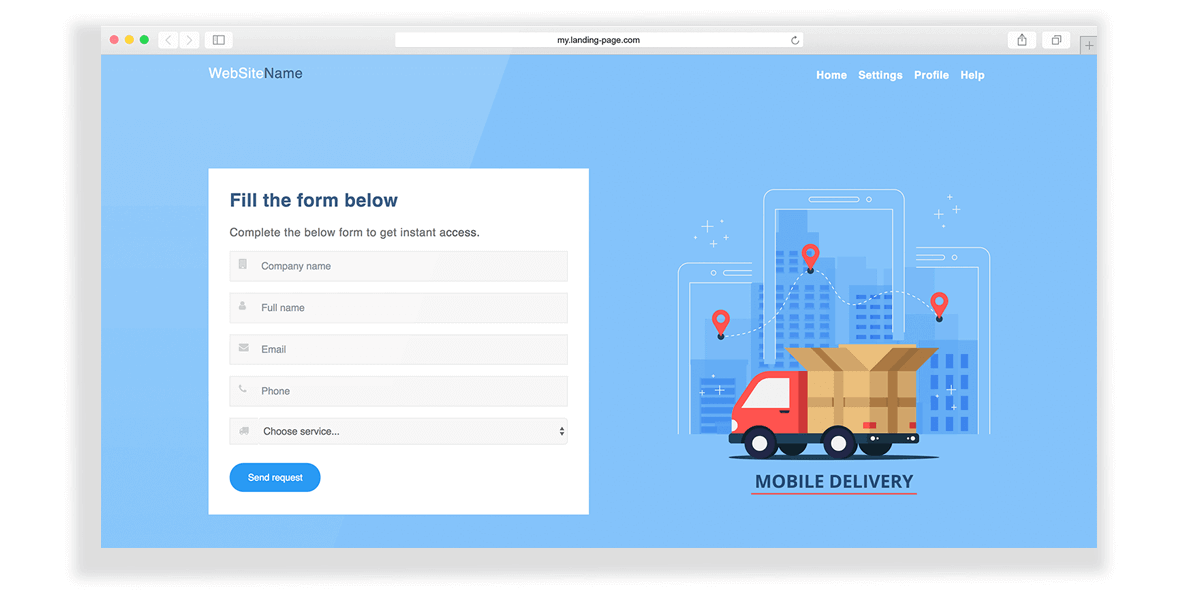
So, how can you generate more high-quality leads? There are a few ways, but the crux is offering compelling content or offers in exchange for contact information. For example, some companies may offer whitepapers on topics of great interest to their leads. The leads can access the whitepapers for free if they provide their name, email address, and/or phone number.

Here are some more examples of inbound lead generation strategies that also lead to a high-quality customer experience and increased website visits to your site:

  • Content Marketing: It’s no secret that content is king these days. The fact is that people on the internet crave valuable content that can teach them something, entertain them, evoke emotion, or inspires them to take action. You can offer high-value content through blog posts, email campaigns, social media, whitepapers, ebooks, videos, webinars, case studies, press releases, etc. In addition to offering a value exchange to your leads, high-quality content lets you tell your brand story, establish a brand voice, position yourself with authority in your industry, and lets leads connect with you on a deeper level.
  • SEO: You can offer the best content on the web, but without a strong search engine optimization (SEO) strategy, you’re not going to attract the right eyes. Strong SEO strategies include keyword optimization, backlinking, consistent content, and engagement. Integrating digital PR for boosting online presence can amplify your reach by driving credibility and authority to your site. To dive deeper read more here.
  • Social Media: You cannot thrive — or survive — in 2022 and beyond with a strong social media strategy and presence. In fact, social media has a 100% higher lead-to-close rate than outbound marketing! Social media lets internet users find and learn about your products and services. From LinkedIn and Pinterest to Twitter and Instagram and Facebook and TikTok, there’s no shortage of social media channels to connect with your target audience. Being on social media is key to connecting with consumers and establishing a strong brand voice. Actively participating on social media results in new leads, free publicity, and unwavering support for the brand. We’re not saying you have to amass millions of followers on every social network. But, it’s important to set up a few different accounts and post consistently until you find the one where your content connects with your audience, allowing you to build up a decent following of loyal fans. Take a look at this article that discusses which demographics are on which social network so you can better understand where you’d like to start.

Now let’s take a look at outbound lead generation strategies:

  • Display advertising: Display ads are useful at every sales funnel stage, including lead generation. From programmatic marketing, social media ads, or targeted display advertising, use your objectives and target audience to make an informed decision about where to show up. A big advantage of display advertising networks is they will provide you with key insights in the form of data that will help you fine-tune your messaging and show up in the right place at the right time to reach your target audience.
  • Pay-Per-Click (PPC) ads: PPC advertising will help you draw attention to your latest campaigns and offers. PPC ads can also be highly targeted and lead to high-quality leads.
  • Email marketing: Email is still a strong form of marketing in 2022 and beyond. In fact, 77% of marketers report increasing email engagement over the last year. When combined with marketing automation, emails deliver the best value. What’s more, according to a study, email remains the number one lead generation channel to this day. So don’t miss out on the value and engagement of email marketing.
  • Events: Now that the Covid-19 pandemic is behind us, it’s time to get back to event marketing. Events help brands demonstrate their solutions and establish a strong brand image while connecting with leads intimately, often in person. Events are valuable opportunities to connect with prospects, show off what you’re all about, and make lasting connections — whether you do so by hosting or attending webinars, trade shows, or other types of networking events.

Lead Processing

Statistics show that 45% of qualified sales leads will purchase within one year. While every business is different, this statistic does provide a general benchmark that can help you gain perspective. Will your leads buy from you or the competition? Lead qualification can play a significant role in making sure your leads are more likely to buy from you. Then with some lead nurturing, you can take care of your leads until they feel confident enough in your brand, product, and services to pull the trigger and make a purchase.

Although the definition of a qualified lead is different for every business, the underlying principle stays the same — a qualified sales lead is one that is suitable for you to do business with.

During lead qualification, you review, contact, and qualify your leads before delivering them to the sales team.

While finding people to contact is pretty easy, it’s not wise to simply compile a list of random people and reach out to them with the hopes that someone will take a chance on your company — talk about a waste of time! You must properly qualify your leads by thoroughly vetting them to make sure they’ll be receptive to your sales team to avoid wasting your time, money, energy, and resources chasing down leads that will not result in a sale.

Here are some steps to qualify your leads:

  • Get as specific as possible with your qualifying information. Rather than looking for one broad qualifier, look for a few criteria that may indicate someone would have a genuine interest in working with your business.
  • Focus on asking the right questions to gauge your services’ importance to your leads.
  • Make sure the companies you go after have the budget to support the services you sell.
  • Make sure you educate your leads thoroughly so they can fully understand the value of your products — this is another area where your content plays a pivotal role, especially if they can share it with other members of their team.
  • Focus on the leads that have the potential to lead to long-term relationships rather than those that will be “one and done” purchases.
  • Figure out the decision-making process at each lead’s company. When you find out what’s holding your lead back, whether it’s budget, time, or anything else, you can address their hesitation head-on and help them convince other decision-makers at their company that your solution is worth it. Remember, each decision involves an average of 6.8 people, so your lead may not even be the one who makes the final call. When you empower them with as much information as possible, especially about any areas they’re feeling trepidatious in, they can work to appease their fears and hesitations as well as those of everyone else on their team. When you find out early on who’s part of the decision-making process and focus on hurting your relationships with those people, you’ll increase your chances of winning the sale while also being able to address everyone’s concerns.

Lead Scoring

Lead scoring is a key step in the lead management process to help you understand the lead’s interest in your product or service. You can think of lead scoring as a process in which you rank the sales readiness of each lead using a uniform methodology that looks something like this:

  1. Create buyer personas: We discussed the importance of creating buyer personas earlier in this article. They also play a key role in the lead scoring process to clearly understand your customers.
  2. Determine which data points to score: Once you’ve established your ideal buyer and what they look like, you must decide which attributes you’ll assign a point value to. Lead scoring is broken down into two main categories (as mentioned in the lead identification phase above): behavior and demographic. Some examples of demographic information include:
    1. Location
    2. Age
    3. Industry
    4. Size of Company
    5. Department
  3. Role and seniority
    1. Behavioural criteria refer to actions your leads take when interacting with your company, such as:
    2. Free trial requests
    3. Form submissions
    4. Email open rates
    5. Email Subscription
    6. Web page visits
    7. Content downloads
    8. Social media engagement
    9. Webinar Registration
    10. Event attendance
  4. Assign point values: It’s important to note that each business will weigh each criterion point differently, which is why it’s important to define your goal and assign point values to each trait. You may want to give your blog subscribers two points and people who download your whitepaper 30 points. You can also assign value based on company size. If your best customers tend to come from companies with more than 2,000 employees, give higher scores to leads who come from companies with more than 2,000 employees and lower scores to leads who don’t quite meet that criteria.
  5. Determine the point threshold that qualifies your leads: Once you assign a score to each data point, you’ll total up all of the points each lead racks up, and you’ll get their final lead score. But what score means the lead is qualified? This is something you will have to determine ahead of time to make the lead scoring process as streamlined as possible.
  6. Use marketing automation tools to help: If you like the sound of lead scoring but are feeling a bit overwhelmed thinking about doing the process by hand, don’t worry. Marketing automation tools are extremely helpful in making the time-consuming process way less of a headache and improving its accuracy! The good news is that a good marketing automation tool will automate parts A to Z of the lead scoring process for you. All you’ll have to do is input your scoring criteria, and the automation tool will work on scoring leads as they come in and even update the scores as they change!

The Benefits of Lead Scoring

As you can tell by now, lead scoring has some pretty impressive benefits, including:

More Effective Marketing Campaigns

With lead scoring, you can identify the campaigns and channels most likely result in high-quality leads. Then, you’re able to fine-tune your marketing strategy to generate more qualified leads.

Align Your Sales and Marketing

Neglecting to have an effective lead scoring system in place is the biggest contributor to the misalignment between sales and marketing.

Once you have a distinct rule set for lead scoring, you ensure that each lead you pass on to sales will be qualified. This streamlined process strengthens the relationship between the sales and marketing departments, allowing them to work in harmony while fostering a sense of alignment between the two departments.

Increase in Revenue

A solid lead scoring strategy allows the sales department to prioritize which leads they should follow up with first. When you’re able to reach out to the most qualified leads in a timely manner, your revenue will benefit greatly by:

  • Identifying which marketing efforts are producing the most qualified leads.
  • Segmenting and communicating with leads based on their level of sales readiness.
  • Improving the sales team’s time management.

The Benefits of Lead Management

The most significant benefits of lead management include the following:

Build an Instant Connection Point

Did you know that as many as 50% of all sales go to the salesperson who responded first to a lead’s inquiry? Managing your leads will help you create instant contact that may be enough to convert the lead into a customer. To make sure you keep a continuous flow of leads in your sales pipeline, it’s critically important to give every lead immediate attention. Today’s world moves fast, and leaving these connections to chance or manually replying to inquiries when you “get back in the office” can cost you the sale.

Responding as quickly as possible to leads creates a professional and caring image and shows your leads you are committed to their business and helping them grow.

Once you have established this initial contact, lead management software will help you stay in constant communication with your leads and know the appropriate steps and messaging based on where each lead is in the sales funnel. Software options that automate email campaigns are an excellent tool to help you enhance and qualify your leads fast.

Track, Store, and Access Lead Information

Lead management provides one easy-to-access place to track, store, and access all your lead information. No more misplaced phone numbers or email addresses or losing a sale because you are uninformed on each lead’s needs and place in the sales funnel. When you have all of your lead information in one convenient spot, it’s much easier to plan and prioritize your leads as efficiently as possible.

Access Sharper Insights

It’s vital to keep your finger on the pulse of what your highest-priority leads are doing. Lead management platforms help you do this with advanced tracking capabilities that allow you to follow them on their customer journey while providing sharp insights into their decision-making process.

Improved Team Coordination

Lead management tools provide endless amounts of data to keep you as informed as possible on every campaign. These key insights help your sales and marketing teams work with the same data sets, resulting in a focused sales funnel that fosters increased lead generation and conversion.

When everyone is on the same page, your chances of making mistakes and miscommunicating or double communicating with your leads are much less likely.

How Teamgate Can Help

If you’re looking to automate your CRM process and streamline lead nurturing and management, Teamgate can help. Teamgate produces and delivers one of the top CRM (Customer Relationship Management) systems. The Teamgate system provides a complete means of interaction with your current and future customers, helping you manage every aspect of your connections, sales, and evaluation processes along the way. To see how Teamgate can help you strengthen and simplify your entire sales process, contact us today for a free demo or get started with a free 14 day trial.

In today’s highly competitive business landscape, sales management tools have become indispensable for organizations aiming to streamline their sales processes and maximize efficiency. These tools are designed to support sales teams in managing customer relationships, tracking sales activities, and analyzing performance metrics, ultimately leading to increased revenue and business growth. As the sales technology market continues to expand, it becomes crucial for businesses to invest in the right tools to stay ahead of the competition.

The role of sales management tools in modern business cannot be overstated. These tools enhance sales performance by providing valuable insights and streamlining operations. They also play a crucial role in improving customer relationships by centralizing customer data and enabling personalized interactions. Investing in the right sales management tools is essential for businesses looking to achieve sustained success and stay competitive in the market.

Key Takeaways

  1. Definition and Importance: Understand the essential role of sales management tools.
  2. Types of Tools: Learn about different categories of sales management tools, including CRM systems and sales enablement tools.
  3. Key Features: Discover essential features to look for in sales management tools to improve your sales process.
  4. Benefits: Recognize the significant benefits of using sales management tools, such as increased productivity and improved customer relationships.
  5. Choosing the Right Tool: Get tips on how to select the best sales management tools for your specific business needs.

Contents

What are Sales Management Tools?

Sales management tools are specialized software applications designed to facilitate various aspects of the sales process. These tools help sales teams manage their interactions with prospects and customers, streamline sales operations, and analyze performance data to make informed decisions. By automating routine tasks and providing valuable insights, sales management tools enable sales professionals to focus on building relationships and closing deals.

Core Functions of Sales Management Tools

Key features of sales management tools typically include contact management, sales pipeline tracking, task automation, performance analytics, and reporting. These functionalities allow sales teams to maintain a clear view of their sales activities, monitor progress against targets, and identify areas for improvement. Additionally, sales management tools often integrate with other business systems, such as marketing automation platforms and customer support software, to provide a holistic view of the customer journey.

Integration with Other Business Systems

The importance of sales management tools cannot be overstated. In an era where data-driven decision-making is critical to success, these tools empower sales teams to operate more efficiently and effectively. By leveraging the capabilities of sales management tools, businesses can enhance their sales strategies, improve customer relationships, and ultimately achieve better sales outcomes.

Benefits of Sales Management Tools

Implementing sales management tools offer a multitude of benefits that can significantly impact a business’s overall performance. One of the primary advantages is increased productivity. By automating repetitive tasks, such as data entry and follow-up emails, sales management tools free up valuable time for sales representatives to focus on high-value activities, such as nurturing leads and closing deals. This not only boosts individual productivity but also enhances the efficiency of the entire sales team.

Increased Productivity

Sales management tools automate various routine tasks, allowing sales representatives to focus on more strategic activities. This shift in focus from mundane tasks to high-value interactions with prospects and customers significantly boosts productivity. For instance, automated follow-up emails ensure timely communication without manual intervention, while data entry automation minimizes errors and saves time.

Enhanced Sales Tracking and Reporting

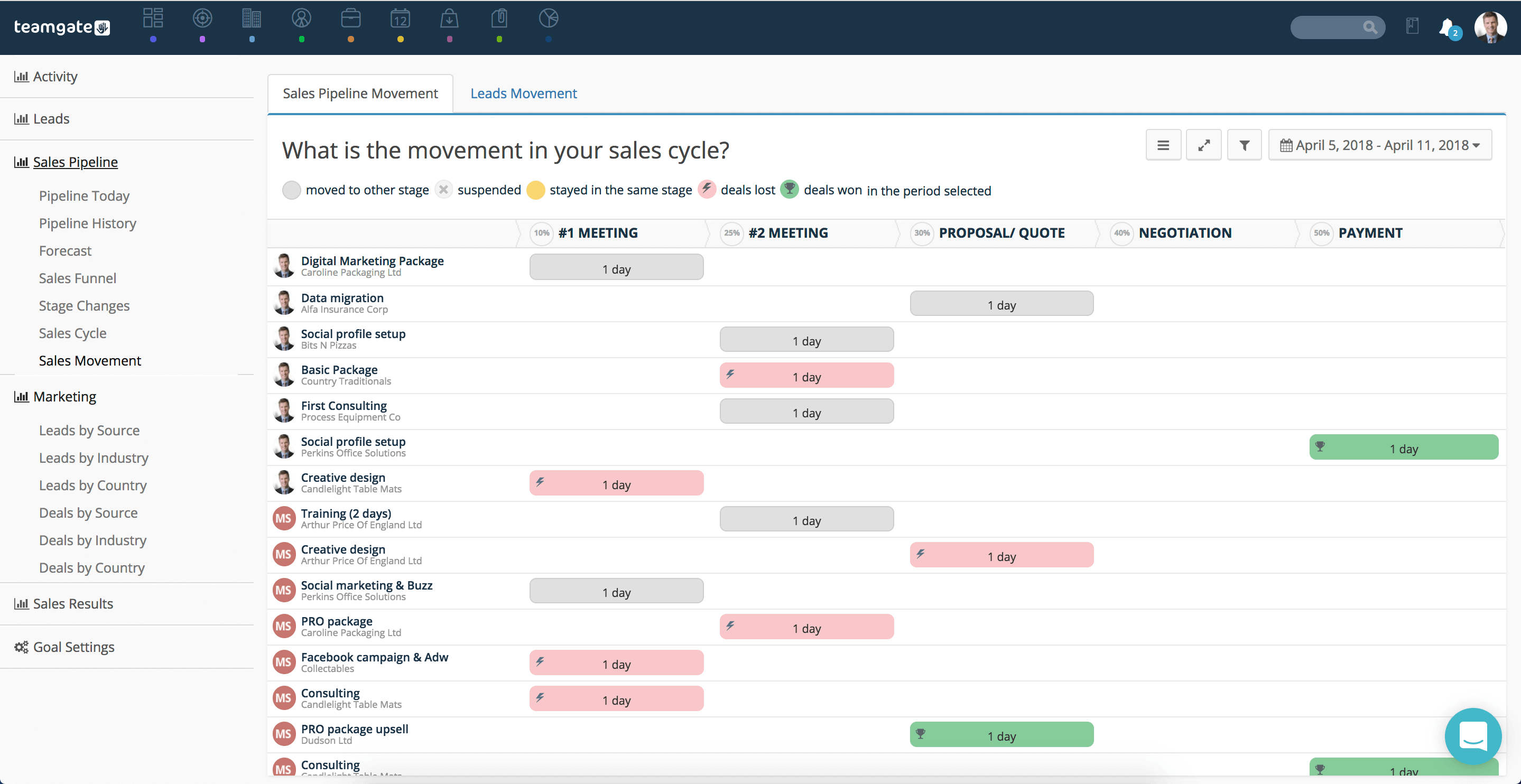
Another key benefit is enhanced sales tracking and reporting. Sales management tools provide real-time visibility into the sales pipeline, enabling sales managers to monitor progress, identify bottlenecks, and forecast future sales accurately. Detailed reporting and analytics features allow for the assessment of sales performance at both individual and team levels, facilitating data-driven decision-making and continuous improvement.

Improved Customer Relationship Management

Improved customer relationship management is also a significant advantage of using sales management tools. These tools centralize customer data, making it easily accessible and actionable. Sales teams can track customer interactions, preferences, and purchase history, allowing for more personalized and effective communication. This leads to higher customer satisfaction, loyalty, and retention.

Better Collaboration and Communication

Better collaboration and communication within sales teams are further enhanced by sales management tools. Features such as shared calendars, task assignments, and collaborative workspaces ensure that team members are aligned and working towards common goals. This fosters a cohesive and motivated sales team, capable of achieving higher performance levels.

In summary, sales management tools offer substantial benefits, including increased productivity, enhanced sales tracking and reporting, improved customer relationship management, and better team collaboration. By leveraging these tools, businesses can optimize their sales processes, drive revenue growth, and achieve sustained success in a competitive marketplace.

Key Categories of Sales Management Tools

Sales management tools can be broadly categorized into several key types, each serving a specific function within the sales process. Understanding these categories helps businesses identify the tools that best suit their needs and objectives.

CRM Systems

Customer Relationship Management (CRM) systems are central to managing interactions with current and potential customers. These systems help organize customer information, track sales activities, and maintain communication history, ensuring a seamless experience for both the sales team and customers.

Sales Enablement Tools

Sales enablement tools provide sales teams with the resources they need to effectively engage with prospects and close deals. These tools often include content management, training materials, and communication platforms, enabling sales representatives to deliver value at every stage of the sales process.

Sales Analytics and Reporting Tools

Sales analytics and reporting tools offer insights into sales performance through data analysis. They help track key metrics, generate reports, and provide predictive analytics, allowing sales managers to make informed decisions and identify areas for improvement.

Sales Training and Coaching Tools

Sales training and coaching tools are designed to enhance the skills of sales representatives. These tools provide training programs, coaching sessions, and performance feedback, ensuring that sales teams are well-equipped to meet their targets.

Lead Generation and Prospecting Tools

Lead generation and prospecting tools focus on identifying and acquiring new customers. These tools use various methods, such as data mining and social media analysis, to find potential leads and gather relevant information, streamlining the process of expanding the customer base.

CRM Systems

Customer Relationship Management (CRM) systems are integral to effective sales management. These systems help businesses manage customer interactions, track sales activities, and analyze data throughout the customer lifecycle. CRM systems provide a centralized database where all customer-related information is stored, making it easily accessible to the sales team.

Key Features and Functionalities of CRM Systems

CRM systems offer a variety of features designed to streamline sales processes. Key functionalities include:

  • Contact Management: Centralized storage of customer information, including contact details, communication history, and preferences.
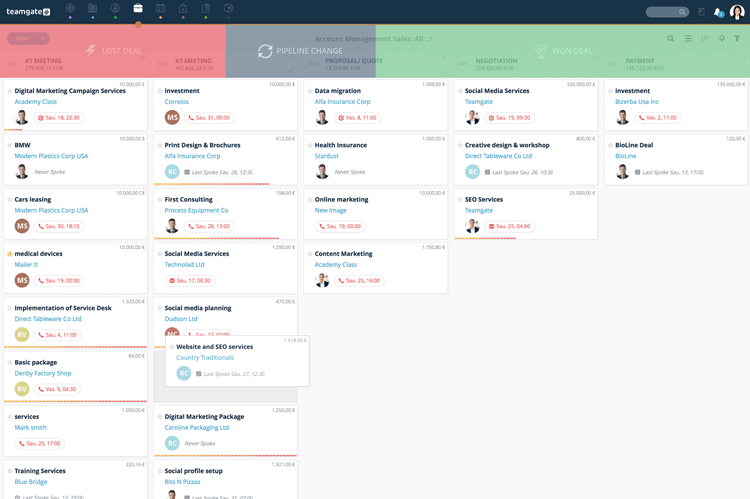
  • Sales Pipeline Management: Visualization of sales stages, helping sales teams track progress and identify potential bottlenecks.
  • Task Automation: Automation of routine tasks such as follow-up emails and appointment scheduling, freeing up time for sales representatives.
  • Analytics and Reporting: Generation of detailed reports on sales performance, customer behavior, and other key metrics.
  • Integration Capabilities: Seamless integration with other business systems, such as marketing automation platforms and customer support software, ensuring a unified approach to customer management.

Examples of Popular CRM Systems

Several CRM systems are widely recognized for their effectiveness and robust features:

  • Teamgate CRM: Teamgate CRM stands out for its intuitive interface and powerful features designed to enhance sales processes, combined with award-winning customer support and value. 
  • Salesforce: Known for its comprehensive suite of tools and customization options, Salesforce is a leading CRM platform that caters to businesses of all sizes.
  • HubSpot CRM: Knwon as a marketing heavy CRM system, Hubspot CRM offers a range of free and paid features, making it accessible to small and medium-sized businesses.

Detailed Overview of Teamgate CRM

Teamgate CRM is a preferred option for small to medium businesses due to its user-centric design and extensive functionalities. Key features of Teamgate CRM include:

  • Lead Management: Efficient tracking and management of leads, from initial contact to conversion.
  • Sales Pipeline Visualization: Clear visualization of the sales pipeline, helping sales teams prioritize activities and close deals faster.
  • Advanced Analytics: In-depth analysis of sales performance, enabling data-driven decision-making.
  • Integration with Other Tools: Seamless integration with popular tools like Google Workspace, Mailchimp, and Zapier, ensuring a cohesive workflow.

Teamgate CRM is highly regarded for its ease of use, making it suitable for sales teams with varying levels of technical expertise. The platform’s ability to integrate with other business systems further enhances its appeal, providing a comprehensive solution for managing customer relationships and driving sales success.

Sales Enablement Tools

Sales enablement tools are designed to provide sales teams with the resources and support they need to engage effectively with prospects and close deals. These tools encompass a range of functionalities that enhance the sales process, from content management to training and communication.

Definition and Purpose

Sales enablement tools aim to bridge the gap between marketing and sales by ensuring that sales teams have access to the right content, training, and information at the right time. These tools help sales representatives deliver value to prospects and customers, ultimately increasing conversion rates and sales performance.

Key Features and Functionalities

Sales enablement tools typically include:

  • Content Management: Centralized storage and organization of sales and marketing content, ensuring that sales teams can quickly access and share relevant materials with prospects.
  • Training and Onboarding: Resources and programs designed to train and onboard new sales representatives, helping them get up to speed quickly and effectively.
  • Communication Platforms: Tools that facilitate communication and collaboration within the sales team, as well as with other departments, such as marketing and customer support.
  • Performance Analytics: Tracking and analysis of sales activities and performance metrics, providing insights that can be used to optimize sales strategies.

Examples of Popular Sales Enablement Tools

Several sales enablement tools are widely recognized for their effectiveness and comprehensive features:

  • Apollo.io: Apollo is a powerful sales enablement tool designed to streamline the sales process and enhance team productivity. It offers a comprehensive suite of features including lead generation, contact enrichment, email sequencing, and detailed analytics.
  • Highspot: A leading sales enablement platform that offers robust content management, training, and analytics capabilities.
  • Seismic: Known for its powerful content automation and personalization features, Seismic helps sales teams deliver tailored messages to prospects and customers.
  • Showpad: Combines content management, training, and coaching functionalities, making it a versatile tool for sales enablement.

Benefits of Using Sales Enablement Tools

The benefits of implementing sales enablement tools include:

  • Increased Sales Efficiency: By providing easy access to relevant content and resources, sales enablement tools help sales representatives work more efficiently and effectively.
  • Improved Training and Onboarding: Structured training programs and resources ensure that new sales representatives are well-prepared and can start contributing to sales goals quickly.
  • Enhanced Collaboration: Communication platforms within sales enablement tools facilitate better collaboration within the sales team and with other departments, leading to more cohesive and aligned sales efforts.
  • Data-Driven Insights: Performance analytics provide valuable insights into sales activities and outcomes, enabling continuous optimization of sales strategies and processes.

Sales enablement tools play a crucial role in empowering sales teams to perform at their best. By equipping sales representatives with the necessary resources and support, these tools drive higher conversion rates, improved sales performance, and ultimately, business growth.

Sales Analytics and Reporting Tools

Sales analytics and reporting tools are essential for businesses aiming to make data-driven decisions. These tools help in tracking, analyzing, and interpreting sales data to understand trends, measure performance, and identify areas for improvement.

Definition and Purpose

Sales analytics and reporting tools are designed to collect and analyze sales data to provide insights into various aspects of the sales process. These tools help sales managers and teams to make informed decisions by highlighting patterns and trends in sales activities and performance.

Key Features and Functionalities

Key features of sales analytics and reporting tools include:

  • Data Visualization: Tools such as dashboards and charts that provide a visual representation of sales data, making it easier to interpret and understand.
  • Performance Metrics: Tracking key performance indicators (KPIs) such as sales growth, conversion rates, and customer acquisition costs.
  • Predictive Analytics: Using historical data to forecast future sales trends and outcomes, helping businesses plan and strategize effectively.
  • Reporting: Generating detailed reports on various aspects of sales performance, from individual sales representative activities to overall team performance.

Examples of Popular Sales Analytics and Reporting Tools

Several sales analytics and reporting tools are known for their robust features and ease of use:

  • InsightSquared: Provides comprehensive analytics and reporting capabilities, helping businesses visualize and interpret sales data.
  • Clari: Offers predictive analytics and AI-driven insights to improve sales forecasting and decision-making.
  • Zoho Analytics: A versatile analytics platform that integrates with various sales tools to provide in-depth analysis and reporting.
  • Google Sheets: Google sheets provides a no-cost analytics and tracking solution for those not wanting to use a specific tool such as CRM.

Benefits of Using Sales Analytics and Reporting Tools

The benefits of using sales analytics and reporting tools include:

  • Improved Decision-Making: By providing clear insights into sales performance and trends, these tools help sales managers make more informed decisions.
  • Enhanced Sales Strategies: Data-driven insights enable businesses to refine and optimize their sales strategies, leading to better outcomes.
  • Identifying Opportunities and Challenges: Analytics tools help identify high-performing areas and potential bottlenecks, allowing for timely interventions and improvements.
  • Increased Accountability: Detailed reporting ensures that sales representatives and teams are accountable for their performance, fostering a culture of transparency and continuous improvement.

Sales analytics and reporting tools are invaluable for businesses seeking to enhance their sales performance. By leveraging these tools, sales teams can gain a deeper understanding of their activities, make data-driven decisions, and ultimately drive better sales results.

Sales Training and Coaching Tools

Sales training and coaching tools are designed to enhance the skills and capabilities of sales representatives. These tools provide structured training programs, coaching sessions, and performance feedback to ensure that sales teams are well-equipped to meet their targets.

Definition and Purpose

Sales training and coaching tools aim to improve the proficiency of sales representatives through continuous learning and development. These tools offer a range of training materials, coaching modules, and assessment features to help sales teams develop the skills necessary to succeed in their roles.

Key Features and Functionalities

Key features of sales training and coaching tools include:

  • Training Programs: Comprehensive training modules that cover various aspects of sales, from product knowledge to sales techniques.
  • Coaching Sessions: One-on-one or group coaching sessions led by experienced sales coaches, providing personalized guidance and feedback.
  • Performance Assessments: Tools to evaluate the skills and performance of sales representatives, identifying strengths and areas for improvement.
  • Gamification: Incorporation of game-like elements to make training engaging and motivating for sales representatives.

Examples of Popular Sales Training and Coaching Tools

Several sales training and coaching tools are widely recognized for their effectiveness:

  • MindTickle: Offers a robust platform for sales training and readiness, including personalized learning paths and real-time coaching.
  • SalesHood: Provides a comprehensive solution for sales training, onboarding, and coaching, with a focus on collaborative learning.
  • Lessonly: A user-friendly platform that delivers training and coaching through interactive modules and practice scenarios.
  • Marlee: A collaboration and performance AI tool that enhances sales coaching by providing personalized insights, motivational assessment and talent development strategies.
  • Paperbell: A coaching software designed for life coaches, consultants, and service-based professionals to manage client scheduling, payments, contracts, and coaching programs in one streamlined platform.
  • Torch: Delivers tailored coaching for sales managers that combine personalized guidance with behavioral science to help sales leaders strengthen performance, improve team alignment, and drive growth.

Benefits of Using Sales Training and Coaching Tools

The benefits of implementing sales training and coaching tools include:

  • Improved Sales Skills: Structured training programs and coaching sessions help sales representatives develop the skills they need to succeed.
  • Increased Confidence: Regular training and feedback boost the confidence of sales representatives, making them more effective in their roles.
  • Higher Performance: Well-trained sales teams are more likely to meet and exceed their targets, driving overall business growth.
  • Continuous Improvement: Ongoing training and coaching ensure that sales representatives stay updated with the latest techniques and best practices.

Sales training and coaching tools are essential for businesses that want to invest in the continuous development of their sales teams. By providing comprehensive training and personalized coaching, these tools help sales representatives improve their skills, boost their confidence, and achieve higher performance levels.

Lead Generation and Prospecting Tools

Lead generation and prospecting tools are crucial for identifying and acquiring new customers. These tools utilize various methods to find potential leads, gather relevant information, and streamline the process of expanding the customer base.

Definition and Purpose

Lead generation and prospecting tools are designed to identify potential customers and gather information that can help sales teams engage with these prospects effectively. These tools use techniques such as data mining, social media analysis, and email marketing to generate leads and provide valuable insights for prospecting.

Key Features and Functionalities

Key features of lead generation and prospecting tools include:

  • Lead Databases: Access to extensive databases of potential leads, categorized by various criteria such as industry, location, and company size.
  • Contact Information Retrieval: Tools to find and verify contact information for potential leads, including email addresses and phone numbers.
  • Social Media Integration: Integration with social media platforms to identify and engage with potential leads through social channels.
  • Automated Outreach: Tools to automate the process of reaching out to leads, such as email drip campaigns and personalized messaging.

Examples of Popular Lead Generation and Prospecting Tools

Several lead generation and prospecting tools are widely used for their effectiveness in identifying and engaging potential customers:

  • LinkedIn Sales Navigator: A powerful tool for finding and connecting with potential leads on LinkedIn, offering advanced search and targeting capabilities.
  • ZoomInfo: Provides access to a vast database of business contacts and company information, helping sales teams find and connect with the right prospects.
  • Clearbit: Offers data enrichment and lead generation services, providing detailed information about potential leads to enhance prospecting efforts.

Benefits of Using Lead Generation and Prospecting Tools

The benefits of using lead generation and prospecting tools include:

  • Expanded Customer Base: These tools help businesses identify and acquire new customers, driving growth and expanding market reach.
  • Improved Targeting: Advanced search and filtering capabilities allow sales teams to focus on high-potential leads, increasing the likelihood of successful engagements.
  • Time Savings: Automated processes and extensive databases save time and effort in finding and reaching out to potential leads.
  • Data-Driven Insights: Access to detailed information about leads helps sales teams tailor their approach and engage more effectively.

Lead generation and prospecting tools are essential for businesses looking to grow their customer base and increase sales. By leveraging these tools, sales teams can identify high-potential leads, streamline their prospecting efforts, and ultimately drive more successful sales engagements.

How to Choose the Right Sales Management Tools

Choosing the right sales management tools is a critical decision that can significantly impact your sales team’s efficiency and overall business performance. Here are some key considerations to help you make an informed choice:

Assessing Your Sales Process and Needs

Begin by thoroughly evaluating your current sales process and identifying specific pain points and areas for improvement. Determine what functionalities and features are most important for your team. For example, if your team struggles with managing customer data, a robust CRM system might be a top priority. Understanding your unique needs will help narrow down the options.

Budget Considerations

Sales management tools come in a wide range of prices, from free versions with limited features to comprehensive solutions with premium pricing. Establish a budget and consider both the initial costs and ongoing expenses such as subscription fees, training, and support. Remember, investing in the right tool can provide significant returns through improved sales performance and efficiency.

Integration with Existing Systems

Consider how well the new sales management tools will integrate with your existing systems, such as marketing automation platforms, customer support software, and other business applications. Seamless integration ensures a smooth workflow and prevents data silos, enabling better collaboration and data sharing across departments.

Scalability and Future Growth

Choose tools that can grow with your business. As your company expands, your sales management needs will evolve, and you will require tools that can scale accordingly. Look for solutions that offer flexible plans and can accommodate increased data volume, users, and advanced features as needed.

User Experience and Support

The ease of use and quality of customer support are crucial factors. Tools that are intuitive and easy to navigate will encourage adoption and effective use by your sales team. Additionally, reliable customer support can help resolve issues quickly and ensure that your team can fully leverage the tool’s capabilities. Consider reading user reviews and testimonials to gauge the overall user experience.

By carefully assessing these factors, you can choose sales management tools that align with your business goals, enhance your sales processes, and support your team’s success.

Conclusion

In conclusion, sales management tools are essential for businesses aiming to streamline their sales processes, enhance customer relationships, and drive revenue growth. These tools provide valuable functionalities such as CRM systems, sales enablement, analytics and reporting, training and coaching, and lead generation. By leveraging these tools, businesses can improve productivity, gain valuable insights, and foster better collaboration within sales teams.

Investing in the right sales management tools requires careful consideration of your sales process, budget, integration capabilities, scalability, and user experience. By making informed decisions, you can equip your sales team with the tools they need to perform at their best and achieve sustained success in a competitive market.

As you explore various sales management tools, consider options like Teamgate CRM, which offers comprehensive features designed to enhance sales processes and improve overall efficiency. Teamgate CRM is intuitive, integrates seamlessly with other systems, and scales with your business needs. Empower your sales team, streamline operations, and contribute to your business’s long-term growth and success.

Ready to elevate your sales management? Start your FREE trial with Teamgate CRM today and experience the difference it can make for your business.


FAQs: Sales Management Tools

  • What are sales management tools, and why are they important?
    • Sales management tools are specialized software applications designed to facilitate various aspects of the sales process, including managing customer interactions, tracking sales activities, and analyzing performance data. They are important because they help sales teams operate more efficiently, improve customer relationships, and make data-driven decisions.
  • How do CRM systems enhance sales management?
    • CRM (Customer Relationship Management) systems enhance sales management by centralizing customer data, automating routine tasks, tracking sales pipeline progress, and providing detailed analytics and reporting. This enables sales teams to manage relationships more effectively, streamline operations, and gain insights into sales performance.
  • What features should I look for in a sales enablement tool?
    • Key features to look for in a sales enablement tool include content management, training and onboarding resources, communication platforms, and performance analytics. These features help sales teams access relevant content, receive proper training, collaborate effectively, and track performance metrics.
  • Why is sales analytics important for my business?
    • Sales analytics is important because it provides valuable insights into sales performance, helping businesses track key metrics, identify trends, and forecast future sales. This information enables data-driven decision-making, optimizes sales strategies, and improves overall sales effectiveness.
  • What are the benefits of using lead generation and prospecting tools?
    • Lead generation and prospecting tools help businesses identify and acquire new customers by providing access to extensive lead databases, retrieving contact information, integrating with social media, and automating outreach efforts. These tools expand the customer base, improve targeting, save time, and provide data-driven insights for effective prospecting.
  • How do I choose the right sales management tool for my business?
    • To choose the right sales management tool, assess your sales process and needs, consider your budget, evaluate integration capabilities with existing systems, ensure scalability for future growth, and review user experience and support options. These factors will help you find a tool that aligns with your business goals and enhances sales performance.
  • Can sales training and coaching tools improve my sales team’s performance?
    • Yes, sales training and coaching tools can significantly improve your sales team’s performance by providing structured training programs, personalized coaching sessions, and performance assessments. These tools enhance sales skills, boost confidence, and ensure continuous improvement, leading to higher sales effectiveness.
  • What makes Teamgate CRM a preferred option for small businesses?
    • Teamgate CRM is a preferred option for businesses due to its intuitive interface, comprehensive features, seamless integration capabilities, and award-winning customer support. It offers efficient lead management, sales pipeline visualization, advanced analytics, and excellent user experience, making it an ideal choice for enhancing sales processes.
  • How can I get started with Teamgate CRM?
    • You can get started with Teamgate CRM by signing up for a free trial on their website. The free trial allows you to explore the platform’s features, understand its capabilities, and determine how it can benefit your sales team and business operations.
  • What are the long-term benefits of investing in sales management tools?
    • Long-term benefits of investing in sales management tools include increased productivity, enhanced sales tracking and reporting, improved customer relationship management, better team collaboration, and data-driven decision-making. These benefits contribute to sustained business growth, higher sales performance, and a competitive edge in the market.

On average, it takes 84 days to convert a lead into a sales opportunity and a further 18 days to close the deal. Sales reps around the globe exhaust themselves trying to capture, seduce and lock in deals, which explains their readiness to succumb to any means necessary to close the deal and rack in the profits.

Although fast sales are devilishly appealing, taking your time and convincing your customer to commit to a longer contract can help you achieve your sales goals just as quickly and increase the deal value to both you and your client.

Good old-fashioned persuasion is not the only tool under your belt that could help you increase the deal size. A combination of intelligent upgrade offers, upselling and add-ons can help you deliver the most value to your customer without compromising the company’s profits.

In this article, we’ll delve into the concept of deal value in the sales realm, exploring why it’s a crucial metric for assessing the success of your sales strategy. We’ll talk about how it differs from other metrics, how to effectively integrate it into your sales CRM, and provide actionable strategies for boosting deal value. Brace yourself for a deep dive into techniques that can bolster your sales targets and ultimately your revenue.

Key Takeaways:

  • Focus on Deal Value: Elevate sales growth by building profitable relationships and encouraging investment in higher-tiered offerings.
  • Avoid Discounts: Use value-adding strategies like complementary products and bundles to increase deal size without cutting prices.
  • Build Long-term Relationships: Foster trust and loyalty with clients for sustainable growth, prioritizing long-term engagement over quick wins.
  • Leverage Value-Add Extras: Enhance deal attractiveness with extras that offer significant perceived value to clients.
  • Emphasize Product Benefits: Shift the conversation from price to value, helping clients see how your offerings can solve their problems or improve their situation.

Contents:

What is deal value?

Amidst the swirling misconceptions, deal value emerges not as a mere reflection of price, but as a beacon of mutual benefit and quality. At its core, deal value transcends the monetary exchange to spotlight the paramount importance of product or service excellence.

The Misunderstood Dynamics of Price vs. Value

In a realm where customers are often seen as negotiators, eager to stretch their dollars further through discounts, it becomes crucial for businesses to recognize the impact of such concessions. Not only do these negotiations erode profits, but they also tarnish the perceived value of your business.

Elevating Customer Perception through Value

The art of mastering deal value lies in the subtle dance of shifting focus from price to the unparalleled benefits your offering bestows upon your clients. It’s about painting a picture where the cost becomes a mere shadow against the backdrop of value. By crafting a suite of upgrades, upsells, and bespoke bundles, you engage in an alchemy that transforms customer perception, ensuring your product’s value shines brightest.

Deal Value vs. Deal Size: A Crucial Distinction

Yet, a vital distinction must be made: deal value versus deal size. While deal size casts a spotlight on the financial gain of a sale, deal value delves deeper, exploring the symbiotic gains of both parties involved.

Strategic Upselling: Guiding Customers to Greater Value

It’s about embarking on a strategic journey with your customer—one where the narrative gently guides them towards realizing that investing more in your product isn’t just an expenditure, but a pivotal decision in unlocking their true potential.

In this narrative, the true art of increasing deal value unfolds through a keen focus on client needs, thus not only elevating your profits but also propelling sales velocity. By ensuring your clients quickly perceive the benefits of your offering, you accelerate their decision-making process, leading them towards resolving their challenges more efficiently.

In essence, cultivating high deal value is an invitation to your customers to journey with you towards realizing greater possibilities, beyond the initial bounds of their expectations.

Sales Opportunities Deal Value Teamgate

Swap Discounts for Value-Add Extras: A Strategic Shift

In the bustling marketplace, the allure of discounts often echoes as a siren call to customers, tempting them to negotiate for a lower price. Yet, while a timely discount might seem like a swift path to closing a deal, it seldom enriches your business’s value proposition. The confluence of high value and premium pricing is essential, as lowering prices can inadvertently signal a lack of faith in your own offerings.

Beyond Price: Justifying Value

Before yielding to the discount’s allure, it’s crucial to anchor your product’s price in its intrinsic value. Eschew the trap of lavish adjectives devoid of substance; instead, elucidate how your product or service aligns with your client’s aspirations and addresses their unique challenges. By steering the dialogue towards the tangible benefits and improvements your offering brings, you naturally shift the customer’s focus from price negotiations to envisioning the positive impact on their own situation.

Enhancing Offerings with High-Perceived-Value Extras

The magic lies in augmenting your proposal with extras that, while cost-effective for you, significantly enrich the perceived value for your client. Incorporating add-ons such as complimentary access to an exclusive online training course, a detailed eBook on a pertinent subject, or an extended warranty, can dramatically elevate the deal’s attractiveness without diminishing its price.

These value-additions not only enrich your proposition but also forge a deeper connection with your clients, showcasing your commitment to their success beyond the transaction. By strategically integrating such extras, you not only preserve the integrity of your pricing but also enhance the overall deal value, nudging the scales in favor of a more substantial and fulfilling engagement.

Cultivating Upselling Opportunities Through Value

Introducing your sales narrative with a strong emphasis on value not only fortifies the immediate transaction but also paves the way for future upselling opportunities. Encouraging your customers to derive additional worth from their initial purchase can be achieved by introducing complementary features or add-ons to products they already appreciate. The most opportune moments for upselling typically arise at the point of sale or subsequently through targeted email marketing campaigns, showcasing related or complementary products.

Sales Opportunities Create Upsell Value

Strategically Timing Upsell Offers

Once the foundational value of your product has been firmly established in the customer’s perception, they become more inclined to consider upgrading to a superior tier, recognizing the potential to enhance the utility and effectiveness of their purchase, even at a higher cost.

Small Upgrades, Significant Impact

Proposing minor yet impactful enhancements cansignificantly boost your deal value. It’s important to explore various upselling strategies that seamlessly integrate with your sales process, including:

Coaching and Assistance

Empower your clients to tailor your product or service to their specific business requirements. Recognizing that the utility of a product varies across different users, offer personalized coaching and support to ensure they maximize the value derived from your offering.

Customization for Uniqueness

Every client’s needs are unique, necessitating a bespoke approach to their business model. By offering customization options at a premium, you not only cater to their specific requirements but also open the door to premium product offerings, ensuring flexibility in the features available for purchase.

The Lure of Exclusive Content

Leverage the appeal of exclusivity by offering access to premium webinars, training sessions, and eBooks designed to help clients master your product or service. This not only enhances the perceived value of your offering but also strengthens customer engagement and loyalty.

Understanding the Opportunity Cost of Lower-Priced Packages

When clients approach your offerings, their initial inclination might be to test the waters with the most accessible, least expensive option available. This cautious entry point allows them to gauge the basic utility of your product or service. However, this approach, while financially conservative, inadvertently shields them from the comprehensive benefits your higher-tiered solutions can provide.

The Hidden Costs of Economizing

Opting for the lowest tier might seem like a prudent choice initially, given the immediate cost savings. Yet, this decision carries with it a less obvious expense: the forfeiture of opportunity. The advanced features and enhanced capabilities locked within your more premium offerings represent untapped potential that could significantly propel their business forward. By prioritizing short-term savings over potential long-term gains, clients may unknowingly impede their own growth and profitability.

Bridging the Gap with Education and Incentives

To mitigate this, it’s essential to illuminate the path from initial curiosity to full-fledged commitment, demonstrating how each feature or service tier can augment their business performance. Highlighting the tangible benefits and real-world applications of your product’s advanced features can help clients visualize the potential they forego by adhering to the bare minimum.

Empowering Through Trials and Bundles

One effective strategy to encourage exploration of higher-tier features is through offering trial periods. Allowing clients to experience the full spectrum of your product’s capabilities, even temporarily, can shift their perspective from cost-saving to value-generating. Furthermore, crafting attractively priced bundles that combine several high-value features can present a compelling case for upgrading. By packaging these options in a manner that suggests both exclusivity and economy, you provide a tangible incentive for clients to expand their investment in your solutions.


Sales Opportunities Lower Price Package

Embracing the Fluidity of Pricing in Business Growth

In the dynamic landscape of business, prices are as subject to evolution as the services or products offered. It’s paramount for clients to grasp that the current pricing, while competitive today, is naturally poised for adjustment. This understanding is crucial not just for transparency’s sake but also for setting expectations regarding the value trajectory your offerings are on.

Communicating Price Adjustments

Educating your clients on the rationale behind potential price modifications is key. Whether due to inflation, enhanced features, or improved service quality, elucidating how price adjustments are reinvested into providing superior value can help mitigate any initial resistance. This conversation is an opportunity to reinforce the symbiotic relationship between your business’s growth and the enriched value delivered to clients.

Securing Value Through Long-Term Commitments

To capitalize on the mutual understanding of evolving prices, presenting long-term contracts as a mechanism to lock in current rates becomes an appealing proposition. This approach not only secures a stable revenue stream for your business but also offers clients peace of mind, shielding them from future price escalations.

Elevating Sales Through the Power of Deal Value

The pursuit of augmented deal sizes stands as the most direct pathway to realizing your sales ambitions. The strategies delineated throughout this discourse aim to arm you with the means to not only approach but also secure more substantial agreements that bear minimal to no detriment to your enterprise’s resources.

The Golden Rule: Long-term Relationships Over Quick Wins

Securing enduring client partnerships represents the zenith of sales strategy, offering a stable foundation for future growth. This approach, while potentially moderating the pace of sales acceleration due to the deliberate decision-making process it entails, ensures a robust, loyal customer base. Eschew the temptation to undercut your value with discounts and price reductions—a strategy that, though alluring, ultimately undermines your sales objectives.

Cultivating Value, Cultivating Success

Mastering the art of value articulation over price negotiation is paramount. By focusing on the unique benefits and superior quality your product or service delivers, you set the stage for a revenue expansion reflective of true value appreciation.

Experience the Teamgate Transformation

Are you prepared to ascend to new heights in your sales journey? Embrace the transformative capabilities of Teamgate CRM. Our cutting-edge sales CRM is crafted to champion the significance of deal value, amplifying your sales velocity and enriching your financial outcomes. Seize the moment—unlock the transformative potential of focusing on deal value with Teamgate.

Request your demo today and embark on a journey that redefines your sales strategy, prioritizing value above all.

GET STARTED WITH TEAMGATE TODAY FOR FREE!


Frequently Asked Questions: Deal Value

1. How can focusing on deal value accelerate my sales growth?

A: Focusing on deal value, rather than just the volume of sales or the size of the deals, accelerates sales growth by building more meaningful, profitable relationships with clients. By emphasizing the quality and benefits of your product or service, you encourage clients to invest in higher-tiered offerings that better meet their needs, thus increasing the overall deal size and enhancing revenue.

2. What strategies can I use to avoid discounts while increasing deal size?

A: To avoid discounts and still increase deal size, focus on adding value through complementary products or services, demonstrating the tangible benefits of higher-tier packages, and offering bundles or packages that present more value for money. Education on the long-term benefits and potential ROI of your offerings can also persuade clients to opt for more comprehensive solutions.

3. Why is building long-term client relationships better than quick sales wins?

A: Long-term client relationships foster trust, repeat business, and referrals, which are invaluable for sustainable growth. These relationships are built on understanding client needs and providing solutions that deliver real value, leading to higher client satisfaction and loyalty compared to the short-term gains from quick sales wins.

4. How do value-add extras contribute to a more substantial deal value?

A: Value-add extras, such as free training, extended warranties, or additional features, enhance the perceived value of your offering. They make the deal more attractive without lowering the price, encouraging clients to opt for higher-priced options that come with these added benefits, thereby increasing the deal value.

5. In what ways can emphasizing product benefits over price impact my sales targets?

A: Emphasizing product benefits shifts the conversation from cost to value, helping clients understand how your offering can solve their problems or improve their situation. This approach can lead to clients choosing more comprehensive solutions, which, in turn, helps you meet or exceed your sales targets by securing larger deals.

6. What are the key differences between deal value and deal size in sales strategy?

A: Deal size refers to the monetary size of the sale, while deal value encompasses the overall value the deal brings to both the client and the seller, including benefits, satisfaction, and long-term gains. A strategy focused on deal value seeks to maximize these aspects, rather than just the immediate financial return.

7. How can offering bundled solutions enhance the perceived value for my clients?

A: Bundled solutions offer clients a comprehensive package that meets multiple needs at once, often at a better price point than purchasing each item separately. This not only makes the purchase decision easier but also increases the perceived value by showcasing the breadth and depth of your solutions in addressing their challenges.

8. What techniques can help me communicate the importance of deal value to potential clients?

A: Effective techniques include using case studies and testimonials that highlight the success stories of other clients, demonstrating the ROI of your solutions, and providing clear comparisons between different tiers of service to showcase the incremental benefits and value.

9. How does prioritizing deal value influence sales velocity and revenue growth?

A: Prioritizing deal value can initially slow sales velocity as it often takes longer to convince clients of the benefits of higher-tier offerings. However, it ultimately leads to more substantial deals, higher customer satisfaction, and increased loyalty, which drives revenue growth and creates a more stable business model.

10. What role does a sales CRM play in maximizing deal value and achieving sales goals?

A: A sales CRM system helps in identifying upselling and cross-selling opportunities, managing client relationships over time, and providing data-driven insights into customer behavior and preferences. This enables sales teams to tailor their approach to each client, maximizing deal value and efficiently achieving sales goals.

Cold calling remains a vital skill in sales, enabling professionals to initiate meaningful conversations with potential clients. Despite evolving communication channels, a well-crafted cold calling script can significantly enhance your ability to connect with prospects, understand their needs, and guide them toward a solution.

In this article, we’ll explore three effective cold calling scripts, each designed to help you navigate conversations confidently and close deals more efficiently.

Key Takeaways:

  • Scripts provide a structured approach to a sales call, ensuring all crucial points are covered. They help maintain control over the conversation and guide it toward the desired outcome. Scripts also allow sales reps to respond to various scenarios effectively, thus increasing their chances of success.
  • Asking questions helps in identifying the prospect’s pain points and understanding their needs better. It enables the sales reps to position their product/service as a solution to those problems. Asking the right questions also aids in qualifying the prospect, ensuring the salesperson’s efforts are directed toward potential leads who are a good fit.
  • The primary goals of cold calling are to generate interest, qualify prospects, and secure a follow-up meeting or a sale. Scripts facilitate these goals by providing a roadmap for the conversation. They include a powerful introduction, probing questions to understand the prospect’s needs, and a strong closing statement to secure the next step in the sales process.

Contents

  1. Introduction to Cold Calling
  2. The Importance of Cold Calling Scripts
  3. 3 Cold Calling Script Examples
  4. Key Takeaways from Common Cold Calling Scripts
  5. Elevating Your Cold Calling Strategy with CRM
  6. Frequently Asked Questions: Cold Calling

Introduction to Cold Calling

Cold calling, a fundamental tactic in sales, often evokes a mix of feelings among sales professionals. While it’s seen as a challenging yet essential skill, understanding its nuances can significantly improve a sales rep’s success rate. Let’s delve into the basics of cold calling, its objectives, and the pivotal role of scripts in this process.

What is Cold Calling?

Cold calling involves reaching out to potential customers who have not previously expressed interest in your product or service. It’s a proactive approach to sales, aiming to introduce your offerings and identify potential leads.

What is the Purpose of a Cold Call?

The primary objectives of a cold call are to:

  • Establish a connection with the prospect.

  • Identify their needs and challenges.

  • Present a solution that addresses those needs.

  • Secure a follow-up meeting or sale, start the sales process.

Why are Scripts Important When Cold Calling?

Cold calling scripts play a crucial role in cold calling for several reasons:

  • Consistency: They ensure that the sales message is delivered consistently across all calls, maintaining the quality and clarity of the information presented to potential customers.
  • Confidence: Scripts provide a structured outline for the conversation, which can help reduce anxiety and build confidence in sales reps, especially those new to cold calling.
  • Conversion: A well-crafted script is designed to engage the prospect, address common objections, and guide the conversation towards a positive outcome, thereby improving conversion rates.
  • Compliance: In regulated industries, scripts help ensure that sales reps adhere to legal and ethical standards during their calls.

By integrating scripts into cold calling strategies, sales teams can enhance their performance, achieve better results, and navigate the complexities of initiating conversations with new prospects more effectively.

The Importance of Cold Calling Scripts

Understanding the Challenges of Cold Calling

Cold calling can be daunting, often met with rejection and high stress levels. It’s a tough reality that can take a significant toll on both the physical and mental health of sales representatives. Studies indicate that approximately 77% of individuals experience physical symptoms due to stress, while 73% encounter psychological symptoms regularly. This stress can reduce productivity by up to 10%, highlighting the need for effective strategies to manage these challenges.

The Role of Cold Calling Scripts

Cold calling scripts serve as strategic tools, guiding sales representatives through conversations from the initial greeting to closing. They help reduce anxiety, improve efficiency, and ensure that key points are covered consistently. Using cold calling software alongside these scripts also helps reps stay organized, as it logs calls automatically, tracks outcomes, and provides quick access to previous interactions, so every call starts with context and purpose  

Why Sales Teams Resist Scripts

Despite the evident benefits, it’s surprising to note that nearly half of all sales teams operate without a standardized playbook. This is in stark contrast to the higher win rates reported by companies with defined sales processes, underscoring the importance of adopting structured sales strategies. Still, many argue you don’t need them, but we argue those folks are further along in their sales journey and have forgotten how foundational a sales script is to getting comfortable on the phone and pitching a product or service.

3 Cold Calling Script Examples

#1. Keith Rosen Cold Calling Script:

Leading sales trainer Keith Rosen has seen large success with one of his many cold calling scripts seen below.

The opening:

Hi (state their name)?

(Prospect: Yes.)

(Your name) here from (Company name). Do you have a quick minute?

Great! (Their Name), I’m sure you are a busy person and want to respect your time, so I’ll be brief. The reason for my call is this. We specialize in (working with small business owners, salespeople, managers, etc.) so that you/they can: state your compelling reason – (the end result of the benefit you offer).

Well, Mr./Mrs… Smith, depending on what you are currently doing, I don’t know whether you have a need or an interest in our services. But with your permission, I was hoping to ask you a few questions and see if there is anything we are doing that you could benefit from. Would you be comfortable spending just a few minutes with me if I stick to my timetable?

Follow Up Questions to establish prospect’s pain points:

  • If you could create the ideal solution for (their company), what about your current product/service would you like to improve or change.
  • If you could magically eliminate three of your biggest problems, headaches or stresses what would they be?
  • How do these challenges affect you/your business (bottom line)?

Summarize and Confirm:

  • “For my own understanding, what you are truly saying is… (Recap what the prospect shared with you; their problems, challenges, and objectives.) Is that accurate/correct?
  • Would it be safe to say that if there was a way for you to… (Restate their biggest obstacle. For example, “to overcome the challenge/obstacle/problem of..”; Restate their most important goal or objective they shared with you.) Would it be worth exploring/discussing in more detail?

Schedule Next Step:

“Then let’s get together for (state timeline. Ex: twenty minutes) to see if there’s a fit. I will answer your questions, share with you several options as well as demonstrate how our product/service will specifically address your challenges/objectives. Mr./Mrs.________, do you have your calendar handy? What day would be good for you, towards the beginning or the end of the week?

“Do mornings or afternoons work better for you?”

Once you determine the meeting time, continue with:

“Fantastic. I’m looking forward to meeting with you on (day) at (time).

(Confirm all decision-makers.)

Thanks. Have a great day!”

#2. James K. Kim Cold Calling Script

The Opening:

Hi, [Prospect’s name], this is [Your name] with [Your company]. How’s your [Today’s day] going?

(note: I’ve found that ‘How’s your Tuesday (or whatever day it is you’re calling) going?” gets a more positive response from cold calling prospects than the standard ‘How are you?’ I’m not sure why, but it just is.)

Listen, [Prospect’s name], I know you probably get a ton of calls so I’ll make this quick.

In a nutshell, we help companies to [state the problem or hot button issue you solve, e.g. reduce costs, raise revenues, save time, make it easier, etc.].

We do this by [how you solve the problem], making it [benefits for customer].

[Prospect’s name], would you be open to the idea of just seeing how this works?

Qualifying Questions:

Great, quick question [Prospect’s name]: who else is involved in the decision making process for something like this?

And what do they usually do in this kind of situation? Does it make sense to you to have them see this as well?

How will you make a decision if we’re a good fit?

Close:

Great, [Prospect’s name]. It sounds like it could be a good fit. How does your calendar look for [day] at [time] your time?

#3. Jamie Masters’ approach to Cold Calling Scripts

Jamie Masters likes to take a more natural-sounding approach to his scripts, an example is below.

The Opening:

“Mr. Prospect, have I caught you at an ok time?” If they say yes:

“Great, thank you. I would like to take 2 minutes to tell you why I called. If at the end of 2 minutes, you have any questions, I’d love to answer them. If not, you can just let me go. Okay?”

“Yes.”

The Pitch:

“Ok, great. The reason I called is because I read through your website and I know you are recruiting sales staff. It can be a challenge to, number one FIND the right people and two to KEEP them on board once you have them. Because of our experience (using our proprietary software) and the skill of the people we hire to do all preliminary screening, we have a slightly better than a 90% success rate – helping our clients hire sales staff who become top-tier producers within the first year. And as you can well guess successful salespeople tend to stay put for a long while.”

“Do you currently have a system in place that gains you the salesforce you need to meet your company’s demand?”

“Yes, we do.”

“That is great, the only way we’ll ever be able to help you is if we can assist you in doing that better.”

-or-

“No, we do not.”

Overcoming Objections:

“Honestly, that’s not unusual, we hear that an awful lot. It seems like we might have a lot to talk about. How would you like to set up a call for next week to see if it makes sense for us to work together?” (pause)

[We use a lot twice in the above exchange to make it seem more real – less scripted]

The Follow Up:
“Great, I have most afternoons available to chat. What day is good for you?”

Key Takeaways from Common Cold Calling Scripts

Effective cold calling scripts are more than just words on a page; they’re strategic tools that guide sales reps through successful interactions with potential customers. By examining common scripts, we can distill key takeaways that enhance the effectiveness of cold calling efforts. These insights focus on understanding the prospect, qualifying their fit, and moving the conversation towards actionable next steps.

  • Structured Approach: Scripts provide a roadmap for conversations, ensuring all crucial points are covered.

  • Confidence Building: Having a script reduces anxiety and builds confidence, especially for new sales reps.

  • Consistency: Scripts ensure that the sales message is delivered consistently across all calls.

  • Adaptability: Well-crafted scripts allow for flexibility, enabling reps to handle various scenarios effectively.

Conclusion: Elevating Your Cold Calling Strategy with CRM

In the realm of sales, mastering the art of cold calling is a crucial skill that can significantly impact your success rate. Through the insights and strategies discussed in this blog, from understanding the importance of cold calling scripts to the practical considerations and key takeaways from common scripts, we’ve covered a comprehensive roadmap to enhance your cold calling techniques. Implementing these strategies can transform your cold calling from a daunting task into a powerful tool for generating leads and closing deals.

However, to truly maximize the effectiveness of your cold calling efforts, integrating a robust Customer Relationship Management (CRM) system like Teamgate CRM is essential. Teamgate CRM offers a suite of features designed to streamline your sales process, making it easier, more efficient, and ultimately more successful.

Visit Teamgate today to get started for FREE.

More Resources:

Read some tips on how to write sales emails that get a 100 percent response rate.
Smart and easy ways to capture leads at no cost.
How to manage your leads to turn them into deals. 


Frequently Asked Questions: Cold Calling

Q: How Can I Enhance My Cold Calling Techniques?

A: Boost your cold calling success by practicing active listening, fostering rapport, and adeptly navigating objections. Refine your script for clarity and impact, set achievable targets, and use each call as a learning opportunity to fine-tune your approach.

Q: What Are the Optimal Times for Cold Calls?

A: Maximize your cold calling efficacy by reaching out in the early mornings (8-10 AM) or late afternoons (4-6 PM) based on your prospect’s local timezone. These windows are strategically chosen to increase contact rates while respecting the prospect’s peak work hours.

Q: What are some Strategies for Navigating Gatekeepers in Cold Calling?

A: When encountering gatekeepers, maintain a respectful and professional demeanor, articulate the purpose of your call succinctly, and request the decision-maker by name. Cultivating a positive relationship with gatekeepers can significantly improve your access to key contacts.

Q: What is the Ideal Duration of a Cold Call?

A: The length of a cold call should align with your goal, whether it’s securing a follow-up meeting or gathering key information. Brief calls might last 2-5 minutes for initial introductions, whereas more comprehensive discussions could extend to 15-20 minutes.

Q: How can I leave an Effective Voicemail During Cold Calling?

A: Crafting a compelling voicemail involves being concise, clear, and engaging. Introduce yourself, your company, and the reason for your call, highlighting any mutual connections or solutions to their challenges. Clearly state your contact details and a specific call-to-action to encourage a response.

In this article, you will learn about the importance of sales tracking and the different methods available, including traditional spreadsheets and modern CRM software. Discover the pros and cons of each approach and determine which method suits your business needs. By the end, you’ll understand how effective sales tracking can optimize your sales process and drive business growth.

Key Takeaways:

  1. Sales tracking is crucial for maintaining a profitable sales strategy and achieving sales goals.
  2. Traditional spreadsheets offer basic insights but require manual attention and lack advanced analysis capabilities.
  3. Modern CRM software automates sales tracking, provides real-time insights, saves time, and offers scalability.
  4. A quality CRM enables you to identify important stages in your sales pipeline, improve sales efficiency, and eliminate time-wasting activities.
  5. Smart sales tracking helps optimize sales performance, make accurate forecasts, and build stronger customer relationships.
  6. Choosing a powerful CRM solution can give you a competitive edge and support your business growth. Consider taking a demo to explore its benefits firsthand.

Contents:

What is sales tracking?

Sales tracking is the cornerstone of successful sales management, embodying the meticulous documentation and analysis of every facet of the sales process. This comprehensive approach ensures that sales managers are not merely overseeing transactions but are deeply engaged in a strategic orchestration of the sales journey from inception to closure.

The Essence of Sales Tracking

At its core, sales tracking involves a detailed and organized monitoring of every action within your sales pipeline. It’s about transcending the traditional view of sales as a series of discrete events to a holistic understanding of a continuous process. This shift in perspective enables sales managers to maintain a dynamic and profitable sales strategy that is both responsive and proactive.

The Strategic Advantage

The strategic advantage of effective sales tracking lies in its ability to keep sales Key Performance Indicators (KPIs) aligned with overarching business goals. It prevents the sales process from deviating unnoticed from its intended trajectory, ensuring that every effort contributes meaningfully towards achieving target outcomes.

Insight and Analysis: The Path to Optimization

Through diligent sales tracking, managers gain real-time insights into the nuances of their sales operations. This level of analysis fosters an acute awareness of each stage within the sales pipeline, illuminating the path from potential customer engagement to successful conversion. It’s this granular understanding that enables the fine-tuning of strategies, ensuring that the sales process is not just effective, but also efficient and customer-centric.

Traditional and Modern Sales Tracking Methods Comparison

Sales tracking software

In the realm of sales management, tracking methods have evolved significantly, moving from traditional manual systems to modern, automated solutions. Each approach has its strengths and challenges, making it crucial for businesses to choose the method that aligns best with their operational needs, sales volume, and growth aspirations.

Traditional Sales Tracking with Spreadsheets

For small businesses, startups, or those with limited sales volumes, traditional spreadsheets can serve as a practical and cost-effective sales tracking solution. They offer a straightforward and easily understandable representation of the sales process, providing insights into sales activities without the need for sophisticated software.

Pros of Using Spreadsheets:

  • Simplicity and Clarity: Spreadsheets present sales data in a basic, digestible format.
  • Centralized Insights: Gather insights into your sales process in a single location.
  • Ease of Management: When dealing with low sales volumes, spreadsheets are manageable and straightforward.
  • Customizability: Tailor your sales tracking system to meet specific needs without complex configurations.

Cons of Using Spreadsheets:

  • Basic Level Insights: The insights offered are fundamental, lacking the depth that sales tracking software provides.
  • Manual Maintenance Required: Spreadsheets demand significant manual input and upkeep.
  • Collaboration Challenges: Sharing and collaborating on spreadsheet documents can be cumbersome.
  • Inferior Sales Analysis: The quality of analysis is much lower compared to dedicated sales tracking tools.
  • Presentation Limitations: Spreadsheets lack visual appeal for detailed sales presentations.

Modern Sales Tracking with CRM Software

Leveraging CRM for Comprehensive Sales Management

Modern Customer Relationship Management (CRM) software revolutionizes sales tracking by providing a suite of advanced tools designed for comprehensive sales process management. From automated data collection to in-depth analysis, CRMs offer a holistic view of the sales pipeline, enhancing decision-making and strategic planning.

Pros of Automated Sales Tracking with a CRM:

  • Enhanced Collaboration: Facilitates easy sharing of sales tracking results among team members, promoting collaboration.
  • Time Efficiency: Significantly reduces the time required for generating and managing sales data.
  • Automated Data Tracking: Automatically collects and analyzes sales data, reducing manual errors.
  • Instant Performance Analysis: Offers the ability to assess performance metrics swiftly and accurately.
  • No Manual Updates Required: Data entered into a CRM enhances sales tracking quality without additional manual effort.
  • Engaging Sales Presentations: Enables the creation of visually appealing and detailed sales presentations.
  • Comprehensive Process Benefit: Benefits the entire sales process from the outset.
  • Real-Time KPI Tracking: Allows for instant monitoring of critical sales KPIs.
  • Scalability: Adapts and grows with your business, accommodating increasing complexity.

Cons of Using a CRM:

  • Cost Considerations: May represent a significant investment for small businesses or startups.
  • Dependency on Sales Process Definition: Requires a well-defined sales process for accurate tracking.
  • Data Entry Compliance: Relies on consistent and accurate data input by sales teams to ensure reliability.

Spreadsheets vs. CRM for Sales Tracking: Making the Right Choice for Your Business

When it comes to managing your sales process, the decision between using spreadsheets and adopting a Customer Relationship Management (CRM) software is pivotal. This choice not only impacts your daily operations but also your business’s potential for growth and scalability.

The Case for Spreadsheets in Small Businesses

For small businesses, especially those at the nascent stage or operating as a sole proprietorship, spreadsheets might seem like a natural choice. Their advantages are clear:

  • Cost-Effectiveness: Spreadsheets are a low-cost option, often available through free or existing software suites.
  • Simplicity: They offer a straightforward way to start tracking sales without a steep learning curve.
  • Flexibility: You can customize spreadsheets to your immediate needs, provided you’re diligent about updating the data.

However, this simplicity and cost-effectiveness come with limitations. While spreadsheets can serve adequately for basic tracking and small volumes of sales, they lack the scalability and depth required for a growing business. The manual effort required to maintain and update spreadsheets can also become a significant drain on time and resources as your business expands.

Transitioning to CRM for Growth and Scalability

As your business grows or if you’re already operating with a team, the need for a more robust, scalable, and efficient system becomes apparent. Here’s where modern CRM software shines:

  • Scalability: CRM systems are designed to grow with your business, accommodating increasing volumes of sales data and customer interactions without a hitch.
  • Automation and Efficiency: Automating data entry and sales tracking tasks saves time and reduces errors, allowing your sales team to focus on selling rather than on administrative tasks.
  • Insights and Analytics: CRMs provide powerful analytics tools, offering real-time insights, graphs, and charts that help you refine your sales process for better performance.
  • Enhanced Communication: With top-level communication features, CRMs facilitate better interaction within your sales team and with your customers.
  • Lead Prioritization: Features like lead scoring enable your sales team to focus their efforts on the most promising leads, improving conversion rates and sales efficiency.

Making the Decision: Spreadsheets or CRM?

The decision between spreadsheets and CRM software hinges on several factors, including the size of your business, your growth aspirations, and the complexity of your sales process. While spreadsheets may suffice for very small businesses or those just starting out, the benefits of CRM software become increasingly compelling as your need for scalability, efficiency, and comprehensive analytics grows. For businesses transitioning to CRM but seeking spreadsheet flexibility, tools like Coefficient Spreadsheet Connector bridge both worlds by syncing live CRM data directly into Excel or Google Sheets.

For Startups and Small Businesses:

  • Consider starting with spreadsheets if your operations are small and straightforward.
  • Evaluate the point at which the limitations of spreadsheets outweigh their benefits as your business begins to grow.

For Growing and Established Businesses:

  • Invest in a CRM system that offers the scalability and functionality necessary to support your business’s growth.
  • Look for CRM features that align with your specific sales processes and business needs.

Conclusion: Elevating Your Sales Tracking with Teamgate CRM

In the journey of sales management, while spreadsheets serve as a foundational tool for beginners, the dynamic capabilities of CRM software stand out as the beacon for scalability, efficiency, and deep analytical insight. The transition to a CRM system is not merely a step but a leap towards empowering your sales team, optimizing your sales processes, and propelling your business into a future of enhanced productivity and profitability.

Teamgate CRM emerges as a premier choice for businesses ready to embrace this transformation. With its intuitive interface, comprehensive feature set, and robust analytics, Teamgate CRM is designed to support your business’s growth at every stage. Whether you’re looking to streamline operations, enhance team collaboration, or gain actionable insights into your sales pipeline, Teamgate offers a solution tailored to your needs.

Why Choose Teamgate CRM?

As you contemplate the future of your sales tracking and management, consider the strategic advantage of integrating Teamgate CRM into your operations. With its user-friendly platform and comprehensive capabilities, Teamgate stands ready to help you achieve a level of oversight and insight that spreadsheets simply cannot match. Benefit from:

  • Scalability: Grow your business with confidence, knowing Teamgate CRM can adapt to increasing complexity and volume.
  • Efficiency: Automate mundane tasks and focus your efforts on building relationships and closing deals.
  • Insights: Leverage detailed analytics and reporting tools to make informed decisions and fine-tune your sales strategy.
  • Collaboration: Foster a collaborative environment with shared access to critical data, ensuring everyone is aligned and informed.

Taking the Next Steps with Teamgate CRM

Are you considering the transition to a CRM system, or do you have more questions about how CRM software can be tailored to fit your business’s unique needs?

Visit our website to learn more about our features, benefits, and how we can tailor our solution to meet your unique business needs. Elevate your sales tracking with Teamgate CRM and unlock the full potential of your sales team and process.

Contact us today to get started with a demo tailored to your specific requirements, or start your own free trial.  Your journey towards more efficient, insightful, and profitable sales tracking begins with Teamgate.


FAQs: Sales Tracking

Q1: What is the purpose of tracking sales activities?

A1: Sales tracking is essential for monitoring all aspects of the sales process, from initial contact to closing a deal. It helps sales managers develop effective strategies, ensure sales KPIs are met, and gain insights for optimizing the sales pipeline.

Q2: Can spreadsheets be used effectively for managing sales data?

A2: Yes, spreadsheets can be an effective tool for managing sales data for small businesses or startups with limited sales volume. They offer a simple, customizable way to track sales but may require significant manual effort and become less practical as a business grows.

Q3: What advantages do CRM systems offer over spreadsheets for sales tracking?

A3: CRM systems offer scalability, automation, in-depth analytics, enhanced collaboration, and real-time access to data. These features make CRMs more efficient and insightful compared to the manual and time-consuming nature of spreadsheets.

Q4: Are there any downsides to using CRM software for sales tracking?

A4: The initial cost and the need for ongoing data maintenance can be seen as downsides. However, the benefits of improved efficiency, data accuracy, and actionable insights often outweigh these challenges.

Q5: How does sales tracking impact a business’s growth?

A5: Effective sales tracking allows businesses to identify opportunities for improvement, streamline sales processes, prioritize leads, and make informed decisions. This strategic approach can significantly impact a business’s ability to grow and remain competitive.

Q6: What should small businesses consider when choosing between spreadsheets and CRM for sales tracking?

A6: Small businesses should consider their current sales volume, growth goals, budget, and the complexity of their sales process. While spreadsheets may suffice initially, a CRM system can offer long-term benefits for scalability and efficiency.

Q7: How can a business transition from spreadsheets to CRM software for sales tracking?

A7: Transitioning involves evaluating CRM options that fit your business needs, planning data migration, training your team to use the new system, and gradually shifting sales tracking processes to the CRM. It’s important to ensure a smooth transition to minimize disruptions.

Q8: Can CRM software integrate with other business tools?

A8: Yes, modern CRM software often features robust integration capabilities with a wide range of business tools, including email platforms, marketing automation software, and accounting systems. This integration facilitates a more cohesive and efficient workflow.

Q9: How does Teamgate CRM enhance sales tracking for businesses?

A9: Teamgate CRM enhances sales tracking by providing an all-in-one platform for managing sales activities, analyzing performance, automating tasks, and fostering collaboration. Its features are designed to support businesses in achieving greater productivity and profitability.

Q10: Is it worth investing in CRM software for a startup?

A10: Yes, investing in CRM software can be highly beneficial for startups, as it sets a strong foundation for sales processes, enables efficient scaling, and provides valuable insights that can guide strategic decisions from the outset.

GET READY TO OWN YOUR WORKDAY

with the most user-friendly CRM on the market.

Start Free 14-Day Trial

Painless setup, no credit card required

The adaption of stacks had been the talk of the town in the businesses and enterprises for years now. The idea of using stacks has benefited many, and a lot more are still contemplating whether to go for this or not.  This rumination is also shared by the salespeople who have started to focus more on adopting the technological advancements available these days.

The more a business concentrates on the refinement of its sales process, better the results are. To get an extensive sales stack and to move one step ahead towards automation, the understanding of an organization’s sales pipeline is all-important.

Evaluation of Sales Process

A sales pipeline or sales process make it possible for organizations to guide the potential customers all the way till the finalization of the deal. The quality of journey that an organization is providing to its prospects can have a significant effect on its growth. By looking into the sales process with a greater perspective, a successful sales process looks something like this:

  • Lead Generation
  • Lead Management
  • Product Demonstration
  • Deal Closing

Let’s discuss the steps of the sales process in detail and know how we can use CRM strategies with a sales stack. The exploration of these steps is imperative because senselessly adding new tools can make things difficult for you in the long run. The understanding of these steps can lead to the creation of a comprehensive sales stack for the businesses these days.

Lead Generation

The generation of lead can be approached in different ways including outsourcing, 3rd party lead sourcing, and manual prospecting.

It is preferable to select a lead generation strategy that best suits your business. Manual prospecting is beneficial only when a company has got enough time to deal with this.  Sales intelligence software can prove to be helpful in the manual prospecting. Manual prospecting is cost effective but time-consuming.

In case if you have less time but more money, then outsourcing and 3rd party lead sourcing are feasible options where a company can hire freelancers from credible platforms after meticulously picking the high performers.

Lead Management

Lead management is the step where CRM plays its role by efficiently managing the sales process. The CRM is undoubtedly one of the main things that sales stack is about. Although it can be difficult to handle the process, in the beginning, CRM strategies are effective in this regard.

A sales platform that incorporates CRM can tackle with all the marketing activities while taking it along the sales process. A CRM is considered as the keystone for a successful sales pipeline being the major database of all communication.

A sales process needs to make persistent attempts to get a positive response from a potential client. A sales stack itself allows to manage the personalization and automation side by side to achieve a positive response from a prospect.

lead-management-teamgate (1)

Product Demonstration

At this stage, most of the organizations have already started to get responses from the prospective clients in the form of personal meetings, phone calls, and demonstrations. The inability of an organization’s sales stack to manage this high volume of responses can prove to be a nightmare.

A comprehensive sales stack can enable an organization to utilize a cloud-based conferencing system and save the prospects from the trouble of downloading software to get a demo.

The strategies work well with the sales stack by making sure that the scheduled demonstration doesn’t contradict with the organization’s timeline in any way.

Related: GetApp Announces Teamgate as #3 of the Top 25 CRM Apps

Do you have a CRM that keeps you organised?

The most user-friendly CRM on the market. 14-day free trial.

Start Free Trial

Painless setup, no credit card required

Deal Closing

The closing of the deal is the step when the prospect turns into a customer by committing to buy your product. It is also imperative to have such tools to make this deal closing process convenient.

One such tool is an online invoice template, which enables you to generate professional-looking invoices quickly and efficiently, streamlining the payment process and ensuring a smooth deal closure.

Acquiring tools for deal closing ensures that the prospect necessarily buys what he came for, and any glitches in this step can cause a prospect to move back and refrain from the deal closing process.

A CRM-Sales Stack strategy can ensure that a convenient deal closing experience awaits client. The satisfaction of a client is beneficial in the long run because the revenue of an organization gradually rises with the increased number of customers.

In a nutshell, a Sales Stack provides intelligent insights and makes multi-process management easy for the companies.

This comprehensive guide explores the concept of sales opportunities, detailing their progression from initial leads to loyal customers. By distinguishing between leads and sales opportunities, examining their place within the sales funnel, and discussing strategies for identifying and creating opportunities, this article aims to enhance your understanding of the sales cycle.

Key Takeaways:

  • Sales opportunities go through several stages to become customers, starting from the lead stage, progressing to marketing qualified leads (MQLs) and sales qualified leads (SQLs), and finally reaching the opportunity stage, which precedes the customer stage.
  • A lead is a contact or account with minimal information, whereas a sales opportunity is a qualified lead that fulfills specific criteria like confirmed technical fit, a defined pain point, urgency to solve it, and potential for customer conversion.
  • Opportunities typically arise from an effective marketing strategy that attracts prospects through content offers, advertising, email marketing lead generation, and SEO. They can also be found among customers about to renew services, those open to switching products, or those who can be educated about their problems.
  • Both finding and creating opportunities are critical, but their significance varies depending on the business scenario. ‘Find opportunities’ usually account for up to 12% of prospects who are well-educated about their problem and actively seeking a solution. ‘Create opportunities’ approach is fit for businesses in the new concept or new paradigm category and involves targeting leads with a problem that the business can solve.

Contents

  1. What are sales opportunities?
  2. What is the difference between a lead and a sales opportunity?
  3. Place of “opportunities” in the sales funnel
  4. Find opportunities vs. Create opportunities
  5. From sales opportunity to customer: techniques to close the sale
  6. FAQ: Sales Opportunities 

What are sales opportunities?

The old sales adage goes: “Sales opportunity is a deal that you have the possibility to close.” In all fairness, there is no set-in-stone definition of what a sales opportunity is, but the industry agrees that a sales opportunity is a qualified lead. Emphasis on qualified. Now, the process you choose to qualify a lead is entirely up to you and your sales team. There are many frameworks teams use to qualify leads, but there are two major ones; BANT and MEDDIC

Across the majority of these methodologies, the basic criteria for a sales opportunity are always the same:

  • It’s a potential customer that you have already met or contacted;
  • You have also established that there is a pain point;
  • The customer shows interest in solving that pain point (quite urgently);
  • You have confirmed a technical fit.

Once these criteria are met, you can confidently call this an opportunity and move it along the funnel.

Also, it is worth mentioning that sales opportunities are very closely related to the Sales Velocity formula which is used to calculate your sales speed at which sales opportunities and leads turn into revenue, month over month.

What is the difference between a lead and a sales opportunity?

Understanding the distinction between leads and sales opportunities is crucial for effective sales management. Many seem to be using the terms interchangeably, but it’s far from being correct. The best way to think about the difference between these two stages is in terms of their place in the funnel and also as a part of the qualification process.

  • A lead is a contact or an account that you know very little about. Those business cards you bring back from trade shows and conferences are a good example of leads – you’ve swapped introductions, exchanged business cards, and agreed to catch up later. That’s all you’ve got. Essentially, a lead is the first step on the ladder towards a sale. Before you declare this lead an opportunity and climb further, you’ll need to qualify it. Generally, there are far more leads in a sales pipeline than there are real sales opportunities. That’s why setting up a robust lead scoring and qualification process to nurture leads into opportunities is so critical. To streamline this process, many businesses use a lead enrichment tools like Clearbit Enrichment to automatically gather additional details about their leads, such as company size, industry, and job title, helping them qualify prospects more effectively.
  • An opportunity is a contact or an account that has been qualified. There is a real potential that a sales opportunity will translate into a sale because it has been weighed against the most important criteria: there is a budget, a need for a solution, your product is the right technical fit, the customer is ready to buy now and you’re speaking to the right person. Once a lead gets to the opportunity stage, there are only two possible outcomes – won sales opportunity or lost sales opportunity.

Sales lead vs. Sales opportunity 

Sales Lead Sales Opportunity 
A lead is a contact or an account that you know very little about.  An opportunity is a contact or an account that has been qualified.
People you met at trade shows, conferences, similar events or talked only briefly.  People who you already talked to with more depth and found out about their needs, budget, essential requirements for a solution, and who is a decision-maker.
During an ongoing qualification, it can turn into a sales opportunity or into nothing (time-waster).  During an ongoing qualification, it can turn into a sales opportunity or into nothing (time-water)

Place of “opportunities” in the sales funnel   

In the sales funnel, opportunities sit between the qualification stages and the final sale:

  1. Lead Generation: Attracting potential customers through various marketing efforts.

  2. Marketing Qualified Lead (MQL): Leads that have engaged with your marketing content and show interest.

  3. Sales Qualified Lead (SQL): Leads vetted by the sales team as ready for direct engagement.

  4. Sales Opportunity: Qualified prospects with a high potential for conversion.

  5. Customer: Prospects who have completed a purchase.

Recognizing where opportunities fit within this funnel helps in allocating resources and tailoring communication strategies. Sales teams can further strengthen this process by leveraging data enrichment to automatically enhance lead records with verified company and contact details.

INCREASE SALES VELOCITY USING TEAMGATE

Find opportunities vs. Create opportunities

Simply put, there are two types of customers – those who come through the door themselves and those who you need to convince to enter. So when you think about your marketing and sales functions, you need to consider and strategize for both types.

Find opportunities. Unfortunately, for most B2B businesses, “find opportunities” make up only up to 12% of prospects. Generally speaking, these prospects are well educated about the problem they have and its negative impact on their business (it’s enough to make them seek to change) and they are actively looking for a solution. They typically have a strong opinion about the price they are willing to pay for the right product, too. To nudge them in the right direction, businesses can use such marketing tactics as advertising, innovative technologies from an ad server provider content marketing, and SEO. Hosting or participating in in-person, virtual, and hybrid events is another effective way to engage high-intent prospects. Leveraging event planning solutions can help businesses seamlessly manage these events, optimize lead capture, and enhance post-event follow-ups. On the sales side, BDRs (business development reps) are often deployed to find and qualify these opportunities for sales reps to seal the deal.

“Find opportunities” could also be interpreted as those that:

  • Are about to renew services;
  • Can switch products;
  • Can be easily educated or intrigued;
  • Have well-known problems (when new solutions are developed).

Create opportunities. Depending on your product, you may fall into three different realms on the demand spectrum: new concept, new paradigm, or established market (see the image reference below).

Demand Type Spectrum 

Demand Type Key Characteristics Key Requirements 
New Concept
  • Disruptive product/service
  • No budgetary line items
  • Requires issue creation
Educate for Awareness
New Paradigm
  • Retools existing process
  • Solves current problem better
  • Replaces current line item
Develop Opportunities
Established Market
  • Retools existing processes
  • Solves current problem better
  • Replaces current line item
Find & Be Found

“Create opportunities” approach is fit for your business if you belong to either the new concept or the new paradigm category. Essentially, there are three factors associated with creating opportunities:

  • Buyers need to understand the problem. The most likely scenario is that buyers aren’t looking for your product because they’re not aware they have a problem that needs solving. It’s also likely that they know the problem exists, but they don’t fully comprehend the impact it’s having on their business and aren’t prioritizing it.
  • Buyers need to understand the causes of the problem. It’s not uncommon for the causes of the problem to get misdiagnosed. The buyers might be actively looking for a solution in a wrong place.
  • Buyer misperceptions about product implementation, team competencies, etc. need to be addressed. Buyers often have deeply rooted misperceptions and biases that need to be addressed and overcome to create a sales opportunity.

By targeting your lead generation efforts to these segments, your sales team can position your product as the perfect fit and create solid opportunities.  

Now, the important thing to mention here is that you would use the same tactics to create opportunities as with “find opportunities” (inbound marketing, SEO, content marketing and advertising), only you would look for companies with a problem that you can solve, people who understand the problem you’re solving, and people and conditions where they are ready to solve the problem. 

From sales opportunity to customer: techniques to close the sale

Every sale is different, so there can’t be one universal closing technique. But there is a bunch of bulletproof closing tactics that you can master and adapt to your unique situation to have all the bases covered.

1. Five types of Socratic questions. Socrates was a master of questioning. He devised a robust technique for getting to the bottom of the truth and controlling the discussion.

Questions to clarify your clients’ thinking: could you elaborate? Why do you think/say that?What exactly does this mean?

Questions to challenge your their assumptions: why do you think that this assumption holds here? You seem to be assuming that… What would happen if…?

Questions to probe their evidence/reasons: What would be an example of…? Why do you say that? Is there a reason to doubt this…?

Questions to explore their viewpoints/perspectives: what are the alternative ways of looking at this? What if you compared… and…?

Questions to uncover implications/consequences: How does… affect…? What would happen if…?

Mastering this technique will give you the means and the confidence required to smoothly progress towards the close of a sale.

2. Focusing on Value vs. Cost. It’s a self-explanatory approach that promotes a healthy pricing strategy. Discounts and low prices are great until they hit a point where customers find the product untrustworthy or even unappealing. To close a deal, you must be able to justify your price by differentiating your product and demonstrating its value to the customer. A different value-based price should be implemented in all segments. 

3. Play the “enormous bonuses” card. Impress your prospective customers with great extras and bonuses, such as free coaching, consultations, implementation support, or something as imagination-catching as lifetime support. Although an extra commitment on your side, it can prove to be that extra oomph you needed to seal the deal.

A robust lead qualification process is what helps companies ensure they’re not wasting their valuable time chasing people who are never going to buy. Sitting down with your sales and marketing teams to agree on and define the criteria for every stage in the sales funnel is the best way to avoid a bloated pipeline and misleading forecasts. Everyone involved in your sales process should know when and why a lead is converted into an sales opportunity. Once you’ve got that consensus, you can unleash your sales force and bring those deals home.

Ready to take your sales opportunities to the next level? Start your journey with Teamgate today by booking a demo.

INCREASE SALES VELOCITY USING TEAMGATE


FAQ: Sales Opportunities 

Q: What are sales opportunities?

A: Sales opportunities are qualified leads that have met specific criteria such as confirmed technical fit, defined pain points, urgency to solve them, and potential for customer conversion. They progress through various stages, starting from leads, then marketing qualified leads (MQLs) and sales qualified leads (SQLs), and finally reaching the opportunity stage before becoming customers.


Q: What is the difference between a lead and a sales opportunity?

A: A lead is a contact or account with minimal information, while a sales opportunity is a qualified lead that fulfills specific criteria. Leads are the first step in the sales process, and they need to be qualified to become sales opportunities. The qualification process involves assessing factors such as budget, need for a solution, technical fit, readiness to buy, and speaking to the right decision-maker.


Q: How do marketing and human resources relate to sales opportunities?

A: Marketing and human resources play a role in the creation and nurturing of sales opportunities. Marketing techniques can be used to attract prospects and generate leads, while HR strategies can focus on finding or creating opportunities depending on the business scenario. Both functions need to adapt to changing market conditions and generational expectations to effectively attract and engage quality applicants.


Q: How can a central CRM system like Teamgate facilitate sales opportunity management?

A: Teamgate serves as a comprehensive CRM platform that facilitates collaboration between marketing and sales departments. By storing customer interactions and data in one place, it enables data-driven decision-making, aligns strategies, and ensures a cohesive approach to customer engagement. Teamgate can help businesses increase their sales velocity and manage the progression of sales opportunities through the pipeline.


Q: What are some effective techniques to close a sale and convert a sales opportunity into a customer?

A: Closing techniques can vary, but some effective strategies include asking Socratic questions to clarify thinking, challenge assumptions, probe evidence, explore viewpoints, and uncover implications. Focusing on the value of the product or service rather than just the cost can also justify pricing. Additionally, offering impressive bonuses or extras can add value and incentivize the customer to seal the deal.


Q: How can a robust lead qualification process improve sales opportunities?

A: A robust lead qualification process ensures that only qualified leads progress through the sales funnel, avoiding wasted time and misleading forecasts. By defining criteria for each stage in the sales process and reaching consensus between sales and marketing teams, businesses can effectively convert leads into sales opportunities and bring deals to a successful close.


Q: How can Teamgate help improve sales opportunities?

A: Teamgate is a CRM platform that offers features to enhance sales opportunity management. It provides a centralized system for storing customer data, interactions, and progress through the sales pipeline. With Teamgate, businesses can track and manage their sales opportunities, align marketing and sales strategies, and gain valuable insights to improve overall sales performance. Start your journey with Teamgate today by booking a demo.

In this piece, we’ll guide you through the essentials of lead capturing using a Sales CRM, highlighting its role in efficiently gathering potential lead information. We’ll delve into the benefits of automated lead capturing, the various tools and integrations available, and how they can streamline the sales process for optimal results.

Key Takeaways:

  • Lead capturing is the process of collecting information on potential leads, often through landing pages and website forms.
  • Teamgate Sales CRM offers automated lead capturing, allowing salespeople to start the selling process immediately after obtaining lead information.
  • Integrations like Teamgate/LinkedIn Shuttle and Zapier CRM can further enhance the lead capturing process by importing contacts and automating actions.
  • Automated lead generation saves time by eliminating manual data input, allowing salespeople to focus more on selling.
  • The true value of a CRM lies in its ability to organize and automate tasks, leading to increased efficiency in the sales process.

From lead capture forms to automated importing, one of the most vital functions of your CRM is the role of intuitive lead gathering

What is lead capturing and what problems can it solve? 

At its most basic level lead capture describes the process of gathering information on potential leads.

One of the most popular and rewarding processes for lead capturing, using a Sales CRM, are through the use of landing pages and website forms located on a company capture page.

By gathering information in exchange for free content – such as newsletters or webinar invitations – the sales team can automatically gather lead information; names, email addresses and phone numbers. There is also the possibility to gather more specialised information, such as industry type, company size, title of lead, postal address, etc. However, many sales teams prefer to keep this to a minimum during the first contact, in order not to oversell and scare the lead.

capture page

With Teamgate Sales CRM information on leads gathered is entered automatically into the CRM software ready for the salespeople to commence the selling process immediately and seamlessly.

Specific industries may also be targeted using individually designed landing pages. In conjunction with social media and other online outlets marketing campaigns can be tailor-made with a definitive set of rules and a definitive set of targets.

How to capture new leads

  • Landing Pages – With ready to go landing pages, Teamgate can have you lead capturing in no time. Simply add a landing page to your company website, issue authorisation and watch the leads roll in. With a comprehensive range of purpose-built landing page templates Teamgate also offers you the ability to customise these pages as you see fit.
  • WordPress template forms – With absolutely no knowledge of programming or technical web skills you can automate your lead capture process within Teamgate Sales CRM using WordPress and your company website. Using its direct integration function WordPress/Teamgate lead capture forms can collect and store all visitor data, leading to more leads, contacts and deals. It is an enormously user-friendly function designed with intelligence and simplicity.
lead capturing
Lead Capturing using Teamgate-WordPress Integration
  • Teamgate Shuttle – With the easy-to-use Teamgate/LinkedIn Shuttle you can import LinkedIn contacts straight to your Teamgate Sales CRM. With just one click it is possible to import a contact directly from the hugely popular LinkedIn network, as either a lead or as a person. All of the contact’s available details will be imported, including; name, company, email, position, and even phone number if available.
  • Data import – Data import is the bane of the salesperson’s life. Using the Teamgate data import function can save you valuable time and frustration by quickly adding databases of contacts directly from external sources, such as XLS documents. Plus, Teamgate’s intuitive software will automatically identify duplicates in your contacts/leads database.
  • API (Application Programming Interface) solutions – Open API is the development documentation of Teamgate, allowing it to integrate other useful and automated tools with Teamgate Sales CRM (if required).
  • Zapier CRM integration – Zapier is a simple integration platform which allows you to automate actions between a host of varying web applications such as; creating a Teamgate contact from Google contacts, adding a new Teamgate contact to MailChimp, creating a new Teamgate company directly from Wufoo. These functions may be triggers, actions or searches; triggers may be the adding of a new person, lead, deal, company, or won/lost deal. Actions may be creating a company, deal, lead, person or activity. And, searches may be finding a person, lead, or company.

Value to a customer and how is this value measured?

The real value of automated lead generation is through the elimination of excessive time-consuming information gathering and frustrating manual input. Ultimately, the less time you spend on labour-intensive tasks, the more time you have to do what you do best – selling.

Do you have a CRM that keeps you organised?

The most user-friendly CRM on the market. 14-day free trial.

Start Free Trial

Painless setup, no credit card required

In this article, we’ll highlight some of the most common mistakes sales reps make, regardless of their experience level, and offer insights on how to avoid them. We’ll dive into the importance of listening, understanding a prospect’s pain points, and the value of honesty in the sales process. By recognizing and addressing these pitfalls, sales reps can enhance their approach and achieve better results.

Key Takeaways:

  • Being a good listener is crucial in sales; it allows reps to understand a prospect’s needs and pain points better.
  • Not every prospect is a good fit, and it’s essential to recognize when it’s time to move on to more promising leads.
  • Honesty and integrity are paramount in sales; misleading or lying to prospects can damage trust and harm long-term relationships.
  • Even experienced sales reps can fall into bad habits, so continuous learning and self-awareness are key to success.
  • Utilizing a CRM can help sales reps stay organized, track interactions, and ensure they’re addressing the unique needs of each prospect.

You’re a sales rep and you’re at the top of your game. But there’s no room for complacency. To stay at the top you need to avoid some basic mistakes.

It really doesn’t matter how good you are at your job, your sport, your craft, or your profession, there’s one certainty lurking in the long grass, that is, you will make mistakes.

Making a mistake once is a lesson, making the same mistake twice is a choice, and I’m sure you’ll agree, it’s not a very clever choice. Sales reps who make the same sales mistakes repeatedly soon discover that this Groundhog Day behaviour is not just bad for generating results, it’s entirely detrimental to their future as a sales professional.

But, the truth is, that even long-experienced sales reps, who’ve been around the block many times, and who think they know all the ropes, can trip up and fall into bad habits. So, how do you stop this disaster from befalling you?

Perhaps, the best way is to be fully aware of the pitfalls which you should try to avoid, and continuously make a conscious effort to improve your sales profile and technique. Remember, you’re never so good that you don’t need to refresh your sales management training regime and techniques.

These are the most common mistakes committed by both new sales executives and those with many years of hands-on experience.

Shhhhh – Take a Breath

We’ve been given two ears and only one mouth for a very good reason; that is to listen twice as much as we speak. One of the best sales tactics employed by really great sales reps is the art of being a good listener.

It’s easy to feel invulnerable when armed with the best sales CRM software, offering you killer lead capturing avenues, intuitive sales pipeline management, detailed analytics of sales patterns – past and predicted – and instant access to any of your lead’s details, previous sales history, and records of all communication, but – and here’s the rub – if you don’t really listen to what that lead has to say you’re wasting your time.

Some sales reps make the mistake of cold calling with all guns blazing, before even fully understanding if their business or product are a good fit. This is where you should be listening and building up a profile of their personality and of their business; only interjecting to ask the pertinent questions which demonstrate your willingness to gain a thorough insight into their needs and pain points.

You may even need to listen to long-winded personal stories or anecdotes, which you could easily think of as a waste of time. Stories of sick grandmothers, lousy weather, bad business, a sports team underperforming, an irritable bowel, and a whole lot more. But, all of those seemingly trivial ingredients go towards making up a more complete background picture of a prospective customer. Once your meeting is finished always be sure to enter the information from your conversation into your CRM software, enabling you to trigger an initial topic of conversation during your follow up meeting or next communication.

After your initial call or meeting, you can be sure that entering this information into your CRM software will offer you a tremendous advantage during the next stage of your sales pipeline.

I Can Sell Anything Syndrome

Knowing when you can’t sell, or shouldn’t sell, is every bit as important as clinching another lucrative sale. If your prospect has spent too much time deliberating over your product, or if you feel they’re not the right fit for your product, it’s time to move on. Your time is better spent elsewhere, seeking out those prospects who really are a mutual fit. Top CRM software, like Teamgate, helps you to prospect for right-fit leads; saving you time, effort and money into the bargain.

Sales reps who are ‘doing the figures’ are quite often over-selling, much to the detriment of both the customer and the sales rep’s company. Selling bad-fit products, selling without integrity, and selling without honesty are some of the worst things that any sales rep will ever do in order to capture a sale. Smart CRM management software and personal intuition can help avoid these damaging scenarios and help drive you faster towards the desired outcome.

Prospects and their Pain Points

One of the best traits of great sales reps is the ability to identify pain points in a business. Years of experience, along with one eye firmly fixed on the future, allow them this superpower. But, the prospect may not be a superhero just like you, their businesses may already have, or be about to face, problems and pain-points without them even realising it. Less than 10% of companies even know that they have pain points.

Sales Rep

That’s where you come in – well, you, your sales experience, and the power of your sales CRM software, to be precise. By listening to the prospect’s concerns you can learn more about how to surmount the problem, or even avoid it completely. As a top sales rep it’s your job to try to educate the prospect as to whether they themselves are experiencing a problem, or is this problem part of a bigger picture within the organisation, or even the global market. Your experience can help you answer these queries for your prospective client – thereby instilling confidence in you, and your product. Your Sales CRM software can help with analysis of past, present and future sales and trends and use the metrics to offer a solution – providing that a perfect sales/prospect fit exists.

Never forget, you’re the expert, and people tend to prefer to deal with experts. Especially experts who can read the future, or at the very least, diagnose their pain and ease that pain, or ultimately offer a complete cure.

Who Do You Work For

You know the scene well. You’re driving between meetings when your phone rings, it’s a prospect you’ve been trying to onboard for months. With a friendly greeting, he asks if you happen to know where he can source X, Y or Z? After all, you’re in the business and you know everyone? It could help your chances of onboarding this prospect if you can help them out – after all, helping clients is a hugely important part of the sales process – but here’s the thing; this is the fifth time he’s called asking for advice, but never about confirming his commitment to converting.

Let’s be honest, you really can’t afford to waste too much time on this type of prospect when your time could be better utilized chasing down more genuine leads. Perhaps you can turn this constant request for advice to your advantage and explain how the prospect is experiencing a problem with his sourcing department, and your product can help ease the whole process. You’re not a consultant, your job is to sell. So, you either sell, or you move on.

Honesty is the Best Policy

There is a very very wise saying which should be heeded by all sales reps, ‘A lie can travel halfway around the world while the truth is putting its shoes on”. Heed this advice well.

There are some sales reps out there who have convinced themselves that white lies, half-truths, and hidden problems are all part of normal sales patter. They, quite simply, are wrong. Telling lies, being imaginative with the truth and not disclosing problems is no way to begin a business relationship – and certainly no way to maintain one for any length of time.

If you encounter a problem or sticking point which could be easily overcome with a small lie, and you opt for the small lie route, you can be assured that you are in the process of sharpening the spikes upon which you will eventually impale yourself.  

The truth is that most people will respect your honesty and integrity for pointing out a problem or flaw connected with a product, or why it may not be the most suitable solution to the client’s problem. And while the prospect may choose not to do business with you on this occasion, that honesty and integrity will be remembered and spoken about far and wide. You may even – between you – figure out a way to solve the problem to your mutual satisfaction.

Honesty and integrity as the yardsticks by which great sales reps, and humanity in general, are measured. As business people, and human beings, most of us would like to live and prosper with the principle; ‘Whoever is careless with the truth in small matters, cannot be trusted with important matters’.

Now – Go Forth and Sell

Whether you’re a newcomer to sales or an experienced hack; don’t worry too much if you’ve been guilty of one, or all, of these simple mistakes. Most of them are pretty harmless and can easily be remedied, if you are willing to listen and learn, know how to identify the proper customers, recognise their problems and pain points, and help to resolve them. Dishonesty is the only one of these traits whose consequences are more difficult to mend and may take longer – if ever – to recover from.

But, stick to the rules and you’ll see the benefits in no time, bringing you faster conclusions to sales and better interactions with your clients.

Happy selling!

Do you have a CRM that keeps you organised?

The most user-friendly CRM on the market. 14-day free trial.

Start Free Trial

Painless setup, no credit card required

In this article, you’ll discover why sales leads get lost, the significant impact this has on your business, and practical solutions to prevent leads from slipping through the cracks. By understanding the common pitfalls in lead management and employing strategies to remedy them, you can optimize your sales process and improve conversions.

Key Takeaways:

  • Losing valuable sales leads due to reasons such as slow response times, lack of lead scoring, poor understanding of lead needs, and inadequately trained staff can greatly affect a company’s profitability.
  • Inefficient lead management isn’t solely a sales problem; it often stems from misalignment between sales and marketing departments.
  • Solutions to prevent losing leads include optimizing landing pages, improving response times, properly segmenting and scoring leads, understanding leads’ needs, and investing in a robust CRM system.
  • Regular assessments of sales and marketing alignment, coupled with the right tools and strategies, can significantly reduce lost leads and increase sales success.
  • Effective training of front-line personnel dealing with leads is vital for preventing lead loss and improving overall profitability.

You know that feeling you get when you manage to lose something that was really hard to come by? It sucks, right?

Whether it was a front-row ticket for a show you’d been waiting forever to see, or a fifty dollar bill you’d sweated your butt off to earn, the levels of suckery are pretty similar, exactly because it was so hard to come by.

But get this!

Salespeople – and marketing people too – are doing the same thing with sales leads day in and day out. And for the most part, they’re not even aware of how much these lost sales opportunities are costing their company.

Quality leads, with a real chance of converting to a sales opportunity, are pretty hard to come by. They take time, effort, and targeted collaboration between sales and marketing teams to get them on the sales bus and start them on their journey through the pipeline.

Anything that allows, or contributes to these leads being lost along the way, needs to be remedied, and fast.

Top reasons why leads get lost

Loss of Sales Reasons by Teamgate

Finding quality leads is difficult, losing them is easy!

Leads go cold and sales are lost for a variety of reasons:

  • The first response is too slow
  • Landing pages are too slow or not mobile compatible
  • Not filtering leads properly – sending generic information
  • No lead-scoring strategy in place
  • Wasting time on the wrong leads
  • Not understanding the lead’s needs
  • Bombarding your lead with the wrong questions/information
  • Not keeping your promises – follow-up calls, emails, requests for information, etc.
  • Allotting too much or too little time for lead conversion
  • Poorly trained sales staff

All it takes is one of the above reasons for a valuable lead to fall between the cracks. The resulting loss of sales does little for the company’s profitability and for a responsible salesperson’s morale.

Losing leads is not only a sales problem

Lost sales opportunities might not be the fault of the salesperson alone. Leads may have been badly targeted and sourced by external means; either from in-house marketing teams or outside contractors.

  • The content promised from search engine results may not match the actual content provided. This can affect your company’s trust rating.
  • The targeted landing page may be slow to load, or may not be optimized for mobile users.
  • Presenting the wrong information at the wrong stage of the pipeline – for example: offering product demonstration videos during first contact.
  • Not marketing presents relevant information where the lead regularly frequents – using Instagram instead of LinkedIn, or vice-versa.
  • The lead’s interaction with your company on Social Media goes unresponded.
  • There are no visible endorsements from satisfied customers.
  • Landing page forms are too long and too complicated or ask the wrong questions.

The resulting lack of alignment between sales and marketing departments can mean only one thing – lost sales!

Sometimes you don’t even know that you’ve lost a lead. A potential customer with a question in their mind visits your website and then disappears never to be heard from again. They slip silently through the cracks and you’re left with another lost sales opportunity.

That’s why the sales and marketing departments need to be singing from the same sheet at all times.

Each department needs to keep each other aware of the strategies being employed, the changes being made, the reasons behind the decision-making process, and any other actions which are likely to affect the outcome of the lead sourcing and nurturing process. 

How to fix the problem of lost leads

Let’s work from the list of how sales leads get lost and see how the situation might be reversed.

Slow landing pages – A prospect is searching for an answer to a question and it appears that your company website has the answer.

However, when they arrive at your website the information takes far too long to load, and your lead is gone without you knowing. Test your website regularly and be sure that every new upload is optimized to work both fast and mobile.

Slow response times – When a prospective lead makes contact, either directly or indirectly, a positive first-contact is essential. By making sure that the right personnel or the right technological response is in place – via automated tasks in your sales CRM – prospective leads are always made aware that their attention is valued.

Filtering/Segmenting leads – A lead has submitted his contact details and is ready to engage in conversation.

Firstly, it’s vital that you research this lead carefully and build up as much background information as you can on the lead, the company, and the possible problems they might be experiencing. All of this information can be gathered in the pre-qualification stage with a series of non-invasive and low-pressure questions.

With this knowledge, you can now segment the lead into the right funnel, allocate them to the right sales rep, and be sure that they only receive the information targeted towards their specific needs.

No lead-scoring strategy – Knowing the priority of leads goes a long way to ensuring that time is never wasted on leads with a low percentage chance of converting to a deal.

Lead scoring uses past experience and other criteria such as the lead’s source to ‘rank’ the probability of a successful conversion. This allows sales reps to spend the necessary time on leads that have been ranked higher and are more likely to convert to a deal.

Not understanding a lead’s needs – There’s no surer way of guaranteeing a loss of sales than through not understanding what your lead is really looking for and what problem they need to resolve.

Listen before you speak and when you do speak make sure that every question elicits an answer which makes your lead feel secure that ‘someone is finally listening’, and that you fully understand their needs.

Lost Sales Can Be Treated

Information overload – Bombarding your lead again and again with too many questions, at the wrong times, or offering the wrong information is a big no-no. One way to avoid this is with intelligent sales CRM software. A really good CRM will keep you reminded and up to date with all the information you need to ensure that all contacts with your lead are timely, and offer only the most relevant information.

Not keeping your promises – Saying you’re going to do something and then not doing it sends a really bad signal to your leads. A promise to follow up on a call or email, or provide the information requested in a timely manner should be treated with the utmost respect. CRM software can help you stay on top of all events, meetings, calls, and reminders, and more importantly, it demonstrates to your prospects that you, and your company, are trustworthy and reliable.

How much time is enough? – Allocating too much or too little time for a lead to convert can be a recipe for lost sales. Using experience, lead scoring, segmenting, and a process that allows you to dictate how much time to allocate to a lead, can go a long way toward making sure that your sales pipeline never suffers blockages. Teamgate CRM comes with mechanisms to help you estimate sales turnaround times and offers timely reminders as to when the lead needs to be contacted or removed from the pipeline.

People are the key – If customer sales reps, receptionists, first-contact personnel, or anyone else on the frontline of dealing with your leads and prospects is poorly trained it can reflect badly on the whole team and your profitability. The right CRM software can help you to constantly appraise staff performance and highlight areas where leads are getting lost in the pipeline, and react accordingly.

Sealing the cracks

Leads are getting lost, whether you know it or not. But you NEED to know it.

A smart sales CRM – armed with an array of smart technical tools, features, integrations, and automation – will help you to identify and permanently seal every single one of the cracks that are swallowing your valuable leads, and resulting in the loss of sales.

Also, constant reviews of how closely marketing and sales departments are aligned and committed to reducing lost leads are paramount to your sales success. There is rarely one reason why leads don’t convert.

But, at least if you’re armed with the right knowledge and the right tools you can make sure that those cracks in your sales process, and their causes, don’t become the reason for your business crumbling to ruins. 

FAQs: How to stop losing sales

Q: What are the top reasons for lost sales?
A: The top reasons for lost sales often include slow first responses, unoptimized landing pages, failure to properly filter leads, absence of a lead-scoring strategy, spending time on the wrong leads, and lack of understanding of the lead’s needs. Poorly trained sales staff and failure to keep promises can also contribute to lost sales.

Q: How does a slow first response contribute to lost sales?
A: A slow first response can lead to lost sales because it can make a potential customer feel undervalued. In today’s fast-paced world, consumers expect quick and timely responses. If they don’t get them, they may move on to another company that can respond more quickly.

Q: How does not understanding the lead’s needs lead to lost sales?
A: Not understanding a lead’s needs can result in lost sales because it makes it difficult to offer them the right solutions. If a sales rep doesn’t fully understand what a lead is looking for or what problem they need to resolve, they may end up offering irrelevant solutions, causing the lead to lose interest.

Q: How can a poorly trained sales staff result in lost sales?
A: Poorly trained sales staff can lead to lost sales by not handling leads effectively. They may lack essential skills, such as how to quickly respond, effectively communicate, and thoroughly understand a lead’s needs. Additionally, they may not be equipped to use lead nurturing tools effectively, leading to lost opportunities.

Q: How does failing to keep promises contribute to lost sales?
A: Failing to keep promises, such as following up on calls or providing requested information, can lead to lost sales by eroding trust. When a company doesn’t follow through on its commitments, it can send a signal to leads that the company is unreliable, causing them to take their business elsewhere.

GET READY TO OWN YOUR WORKDAY

with the most user-friendly CRM on the market.

Start Free 14-Day Trial

Painless setup, no credit card required

In this comprehensive article, you’ll unlock the secrets to crafting effective sales emails that elicit responses from prospects. Learn how to write engaging subject lines, connect with your audience on a personal level, leverage social proof, and create compelling calls to action that move your audience toward the next steps in your sales process.

Key Takeaways:

  • The significance of research in crafting personalized, response-driven sales emails cannot be overstated.
  • The art of creating catchy subject lines can drastically affect the open rates of your cold emails.
  • Always keep your emails simple, concise, and focused more on the benefits than the features of your product or service.
  • Leverage social proof to enhance credibility and make a persuasive case for your product or service.
  • Never forget to include a clear and concise call to action to guide prospects on the next steps.

Confession time: I have recently signed up to Unroll.Me.

It was a decision driven by desperation mostly — I was getting buried under unsolicited emails and irrelevant pitches. There were moments when I was really aghast at the lack of imagination and flair of the people who kept barraging me with thoughtless, generic emails.

When it comes to interpreting cold email responses, silence usually means no. And that got me thinking — what makes a stellar cold email? Is there a secret hack to writing a sales email that gets a response?

It appears now that there is more than one hack to crafting an inbox-busting cold email campaign. 

#1 Do your homework

A mischievous cat from ‘Alice in Wonderland’ once said that “if you don’t know where you’re going, it doesn’t matter which road you take”. It’s okay if you don’t want to take advice from a fictional character, but talk to any self-respecting inbound sales rep and they’ll tell you that the single most important aspect of their job is research.

Effective marketing and sales campaigns are based on connecting with prospects on an emotional level. What seems like a pretty simple box to tick, invoking emotions can actually be excruciatingly difficult. Not only do you need to know your lead’s pain points to be able to push the right buttons, but you also need to choose the right method to approach them and the right vocabulary to make them take the desired action.

Most inbound marketers will agree that if you don’t know who you’re targeting, your emails will stink.

Whether you’re reaching out to just a handful of leads or a database of 1000+, crafting a highly personalized sales email is the only reliable way to generate decent response rates. If your mailing list exceeds a reasonable number of people, consider a few basic tips for improving your chances of hitting the bullseye:

  1. Create a meaningful buyer persona that captures and summarizes the most important information about your target market, including their pain points and motivations. When you get to crafting the actual sales email copy, write for that particular person as if you were talking to them face to face.
  2. Use LinkedIn to get a better understanding of your list. Select just a few names at random to research their profiles, and see what language they’re using to describe themselves, what skills they’re highlighting, their recommendations, and so on. This will give you direction as to what style, tone, and messaging they’re most likely to respond to.

Anyone who’s ever tried to write a killer sales email knows that defining the buyer persona early can significantly shorten the writing and redrafting process as well as help you choose the right keywords and tone. A CMO will not respond to the same messaging as a CTO, so blindly shooting emails left and right in the hopes of winning some of the leads will waste your list and earn you a spammer’s badge.

Do you have a CRM that keeps you organised?

The most user-friendly CRM on the market. 14-day free trial.

Start Free Trial

Painless setup, no credit card required

At this stage, having the right tools in place can help you cut the research time in half, so make sure your prospecting process is well thought through. You will most likely need a few different tools and extensions to create, track and optimize your email campaigns. Here are some of the most popular email prospecting tools that you should explore.

Tools and Resources

Teamgate – helps to connect, research, present, and close their inbound leads. It also allows sending emails directly to your leads and clients from your CRM account.

Crystalknows – helps you write better emails and connect with prospects based on their unique personality and communication style.

Clara – an auto-scheduling plugin with a human feel that handles all your meetings calendar.  

Really Good Emails – a database of the best email designs and copy. Find your inspiration!

Sales Email

Image source: Really Good Emails

Gmail extensions

Rapportive – pull up your prospect’s LinkedIn info right into your inbox.

Boomerang – a Gmail plugin that lets you schedule emails to be sent at any time.  

Clearbit – find any sales email right from your Gmail inbox.

WiseStamp – enables you to create a professional email signature for free. 

Grammarly – boost your credibility with this grammar and spelling checker.

#2 Craft and test various subject lines

When you’re sending cold emails, the subject line can virtually be a door opener. But make a mistake and you’ll land in the spam folder with no chance of making it out of there. And I have the statistics to back this up: 35% of email recipients decide whether to open an email based solely on the subject line, while 69% of people report email as “Spam” based entirely on the subject line. 

Subject lines matter.

Besides getting you through the door, a strong, compelling subject line will also earn you a few extra seconds after a prospect opens the email. But how can you pimp your subject lines to really grab their attention? Marketing pros recommend:

  • Keep it short. And it’s not even because people have the attention span of a goldfish. You have only about six to eight words to transfix your mind, as a typical inbox reveals about 60 characters of an email’s subject line. If your prospects are checking their email on a mobile screen, you’ve only got 25 to 30 characters to seal the deal.
  • Start with the most important information. 55% of all email opens occur on smartphones. A long subject line will get cut off, putting the success of your entire campaign at risk. If it’s not skimmable, it’s not good enough.
  • Personalize your subject lines. Who doesn’t love the sound of their own name? Using personalization tokens, like name or location will help you break through the initial barrier and build rapport. Showing your prospects that you know more about them than just their email address is an effective tactic to get that email opened.
  • Avoid clickbait. Look, you’re already a stranger in someone’s personal inbox — don’t push it. Making false promises or telling half-truths to get your emails opened won’t get you far. If you want to build a relationship based on trust and respect, keep your subject lines honest.

Sales Email

Once you nail a few teaser subject lines, don’t rely on your gut to figure out which one achieves better open rates. The best way to see how your audience responds to different styles and subject line formulas is by implementing a smart A/B testing strategy. Most of the email marketing tools like MailChimp, GetResponse or Yesware will run the tests for you, giving you a detailed report of opens and clicks at the end. The most important lesson here is to let the data guide you.

#3 Keep it short and to the point

Cut the fluff. Everyone is busy and living by the “time is money” rule. Getting into someone’s inbox is one thing, making a connection with a prospect and getting a response is quite another. It’s not particularly helpful when you hear the “keep it short and simple” mantra but it’s the best advice you can get.

One of the easiest ways how to keep things simple is to write as you talk. An email written in a straightforward, casual style sets the right tone for future communications — you come across as more relatable, personable, and approachable. When you finish drafting the email, read it out loud and see whether it rolls off your tongue nicely or sounds like an excerpt from an essay. Don’t make your cold email sound cold, write like a human.

#4 Make it about them and talk about benefits over features

Whatever you’re selling, don’t go for a hard sell in the first email.

If you’ve done your homework and carried out thorough research, you’re starting from the position of strength. Addressing your prospects by their name and talking about their most pressing problems makes your intrusion a little less annoying and shifts their attention from you to their pain points.

The only important truth in sales is that you don’t sell products or services, apps, or tools. You sell dreams and aspirations and offer people a better version of themselves. Benefits over features is a classic example of how much buying decisions are driven by psychological cues. You will have a better chance of converting your leads by vividly painting the picture of what they can achieve if they get on board with your offer, rather than blowing your own trumpet and talking about the amazing features.

[optin-monster-shortcode id=”cvfuxuhchvywm9wl2q6w”]

Apple nailed the feature-selling technique when they launched the iPod. When crafting your email copy, keep the Apple example in mind, avoid the awful “me me me” attitude, and focus on the prospect. If you keep on asking yourself “So what?” after every sentence you write, you’re bound to reach a version of your email that will get you a “yes”.

Sales Email

Image source: Help Scout

#5 Use social proof

7 out of 10 Americans seek out opinions before making a purchase, so adding a little social proof can go a long way. It’s one of the few big guns under an inbound sales rep’s belt that can make it easier for a prospect to say “yes” as well as foster trust. Name-dropping and using high-level stats to add a little oomph to your pitch can be an effective way to demonstrate the value that your product creates and increase the response rate.

Although it’s important to weave some case studies, numbers, or client testimonials into your cold email copy, it’s also worth remembering that it needs to stay sharp and concise. You need to find a way how to make the social proof a part of your story instead of throwing dry facts and numbers at your prospects and expecting them to be impressed. Yet, the allure of proven success is incredibly powerful:

Studies have shown that people tend to value the opinions of those that resemble them in some way. If you nail your buyer persona and pick the right case studies or testimonials for your emails, social proof can be your lucky ticket.

#6 Make sure to include a clear CTA

It goes without saying that a strong CTA is the linchpin of any promotional campaign. Chances are, your prospects will skim through your email and jump straight to the bottom of it to quickly figure out what you want. If your closing line is too long, your CTA will lose its punch and might even get lost.

A good rule of thumb is to limit your CTA to one or two sentences, ensuring it directs the prospects to the next step. When they open your email, the first question they’ll have will be “What do you want from me?”. Ensure that your CTA or your closing text clearly states the desired action and next steps.

#7 Include an email signature

It’s okay to end your email with “Best wishes” and “Kind regards” if you want to, but make sure your email signature is a little more creative. WiseStamp will prove to be a particularly handy tool if you decide to give it a shot. A great-looking signature will send the right message to your prospects, help you improve email engagement, and garner trust. Besides that, using an email signature generator to create a professional email signature is a powerful tactic to establish credibility and put a face on a cold email. By adding relevant content, connecting your social media profiles, and keeping your email signature up-to-date you will easily differentiate your emails and engage with your prospects in a unique way.

sales email

Image source: WiseStamp

#8 Writing techniques for inspiration  

You have probably deleted quite a few cold emails yourself, without ever giving them a chance to charm you into some sort of action. Most people open cold emails already irritated, so failing to find the right copy formula to really seize your prospect’s attention can have disastrous effects on the entire campaign. There are many different schools of thought and a myriad of clever writing techniques that can come to your rescue if you feel particularly drained and uninspired. The following three are particularly liked among professional copywriters:

  • Military precision. Let’s just say that military professionals take their email communications as seriously as their job. Efficiency and speed are at the core of everything they do. A US Navy veteran has recently shared a few unique tips on how to format emails with military precision.
    Optimize the subject line: military personnel uses email subject to state the purpose of the email and to indicate the action that needs to be taken. They place special keywords, such as ACTION or REQUEST, at the beginning of the subject to get their emails noticed quickly.
    The five W’s: Another rule they have is to lead their emails with very brief statements, otherwise known as BLUF (Bottom Line Up Front). The ultimate goal of this procedure is to help the reader quickly digest the announcement or decision, without diving deeper into the background information. The statements are based on the five W’s technique and need to answer who, what, where, when, and why.
  • Use power words. There’s a lot to gain from combining active voice with power words. Putting nouns ahead of verbs and charging your writing with action-oriented, powerful words will help you sound more persuasive. Unsure about what power words are? Here’s a list of 317 of them.

sales email

Image source: dlvr.it

  • The essentials of business writing. Business writing is all about clarity and persuasion. It teaches us to cut out unnecessary words and inject a little bit of humor. One of the main takeaways from the business writing technique is to write short sentences and to avoid mixing multiple thoughts in one sentence.

#9 Follow up and follow up your follow-ups

Have you ever wondered how many follow-up emails you should send and how often? (See, I’m not even asking whether you think follow-up emails are important — they are key to any cold email campaign.) The number of follow-up messages will largely depend on the kind of relationship you have with the prospect. Yet, for a cold email outreach campaign, it’s not advisable to go beyond 2 follow-ups. Bombarding your prospects with unsolicited emails at this stage will only cause anger and tarnish your brand.

Keeping tabs on all the emails you send and remembering when the follow-ups should go out would be a nightmare without email automation and scheduling tools. The market is awash with smart email automation platforms, so choosing the right software might take as long as crafting the copy. Start with the best-known brands like Marketo, Pardot, or Yesware and work your way backward to find the most cost-effective solution for your needs.

If your initial campaign flopped or generated weaker results than you hoped for, here’s an interesting thought for you:

  • 44% of salespeople stop trying after one follow-up;
  • 80% of sales require five follow-ups.

If these few numbers shock you, take a look at the latest statistics on Email Marketing, the team of Sleek Note has gathered.

Quick takeaways

Crafting a winning cold email campaign takes practice and patience. Even with all these hacks and techniques at your fingertips, the most important factor determining your work’s success will be research. 

  • Research is the stepping stone to the success of cold email campaigns. Before you sit down to write anything, develop a buyer persona and gather as much information about your target segment as possible. Then turn that information into a story.
  • Spend time perfecting your subject lines because they can make or break your entire campaign.
  • The KISS (keep it simple, stupid) principle is one of the best rules you can follow to keep your prospects engaged.
  • Focus on the idea that you’re selling emotions, not products or services. Stressing benefits over features will help you capture the interest of a much wider base of people.
  • Use social proof to quickly build trust and credibility.  
  • Supercharge your emails with clear and simple CTAs that are a maximum of two sentences long.
  • Add a professional email signature with your contact and social media details to encourage your prospects to look you up and connect on other channels.
  • Take advantage of proven writing techniques to sharpen your copy and conquer your prospect’s inbox.
  • Follow up the first cold email at least twice.

Write to win prospects over, not to spam your way into their inbox.

FAQs: How to write a sales email

Q: How do I start writing a sales email?

A: The first step is to do your homework. Research your prospect thoroughly and create a meaningful buyer persona. This will help you understand their needs, pain points, and motivations, thereby allowing you to craft a highly personalized sales email that speaks directly to them.

Q: What is the importance of a subject line in a sales email?

A: Subject lines are crucial as they can greatly influence whether your email gets opened or not. Statistics show that 35% of recipients open an email based solely on the subject line. It should be short, start with the most important information, be personalized, and avoid clickbait.

Q: How should the body of a sales email be written?

A: The body of your sales email should be concise and to the point. Keep it short, use a straightforward, casual style, and make it about the recipient. Talk about their problems and how your product or service can offer a solution. Emphasize benefits over features to create a more compelling argument.

Q: How do I conclude a sales email?

A: Conclude your sales email with a strong and clear call to action (CTA). This tells the recipient exactly what you want them to do next. The CTA should be limited to one or two sentences. Also, include a professional email signature with your contact and social media details.

Q: How important are follow-ups in sales email strategy?

A: Follow-ups are crucial in a sales email strategy. Often, sales require multiple follow-ups. The right email automation and scheduling tools can help you manage your follow-ups effectively. Remember not to bombard your prospects with too many follow-ups, as it may tarnish your brand’s image.